
Each of these American species was pushed to the edge by hunting, pesticides or habitat loss, then stabilized through legal protection and years of fieldwork. Their counts, delisting dates and recovery stories come from federal agencies that tracked them. Here are ten animals that rebounded enough to leave the endangered list.
AI, explained every day: The Deep View is the go-to daily newsletter for 600,000+ founders, knowledge workers and professionals who want to stay up to date with artificial intelligence.
We may earn a commission if you sign up.
1. Bald eagle: Symbol Reborn
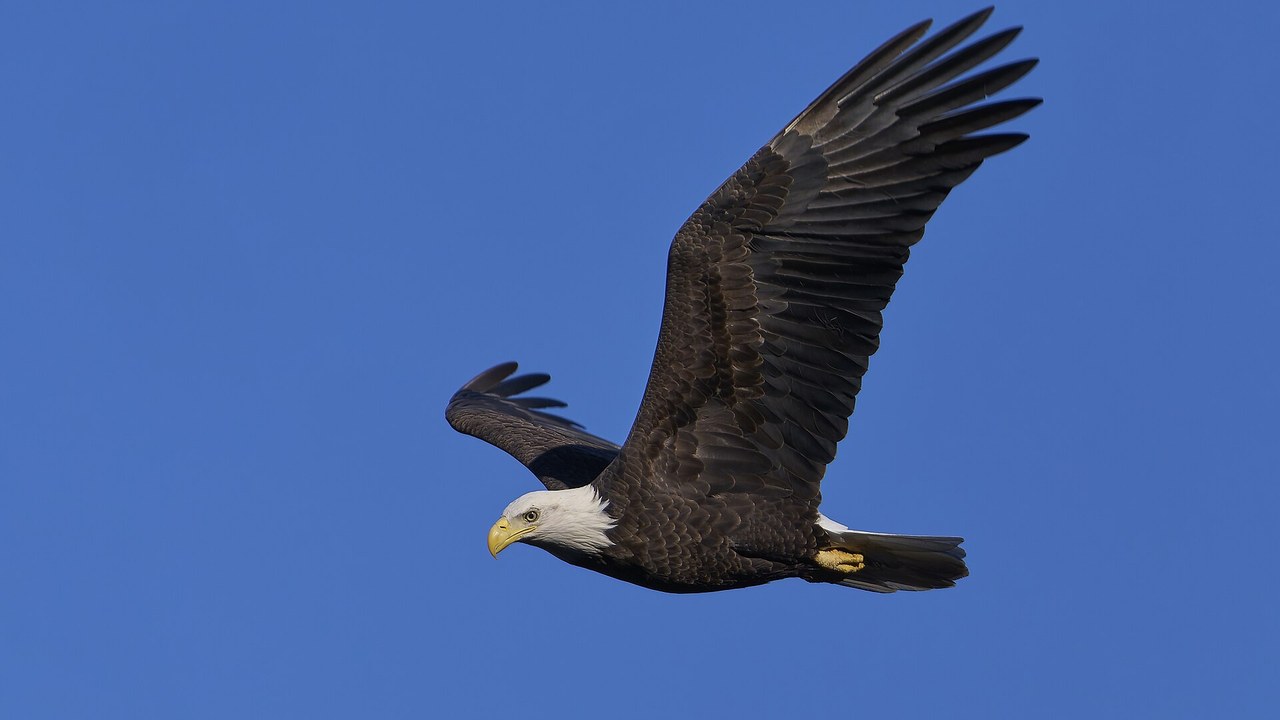
Bald eagle numbers fell to just 417 known nesting pairs in 1963, a figure documented on the USFWS bald eagle page. The species was delisted for recovery in 2007, and data from 2018 and 2019 put the breeding population at about 71,467 pairs.
For bird watchers, that rebound means a national symbol has moved from a few hundred known nests to tens of thousands of breeding pairs. The recovery shows how protection of nesting birds can reverse a steep decline within a few decades, and the notes on delisting dates show how even a famous success story carries some details worth checking.
2. American peregrine falcon: Fastest Bird Returns
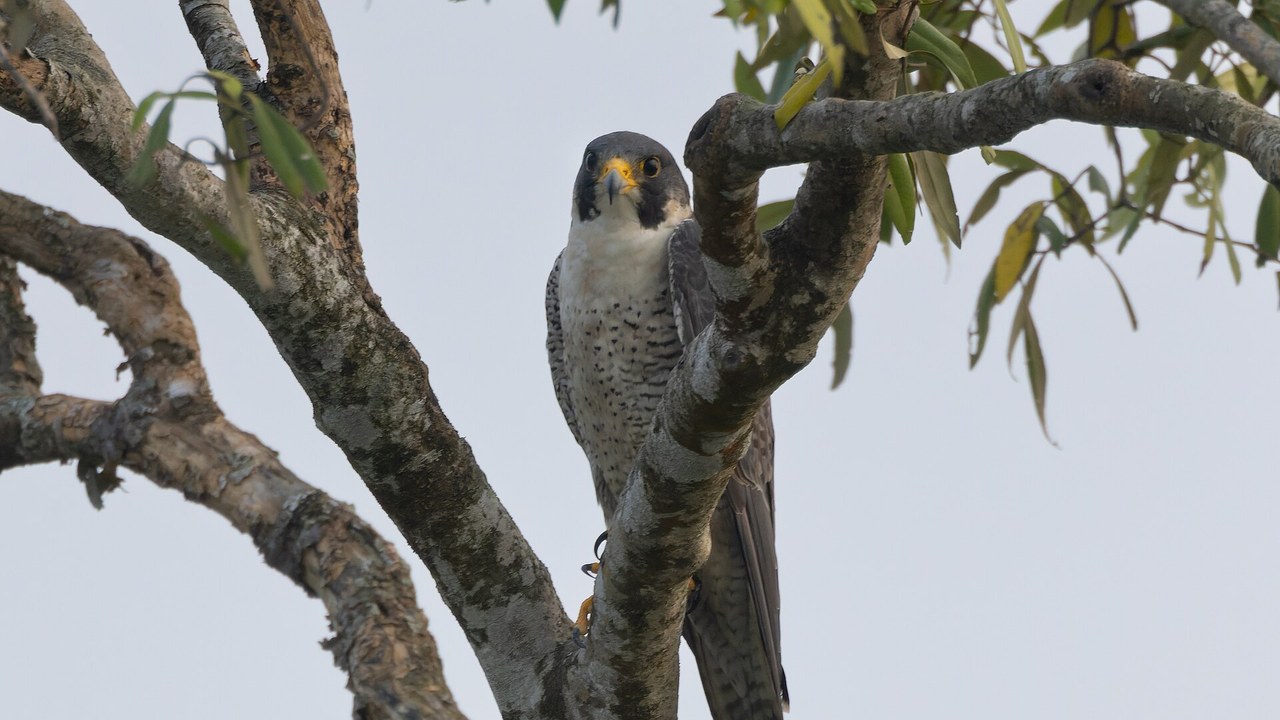
The American peregrine falcon reached an all-time low of 324 nesting pairs in North America in 1975, according to a 1999 delisting announcement. It was removed from the endangered list on August 20, 1999, with at least 1,650 pairs.
The comeback of the world’s fastest bird shows what a sustained recovery effort can accomplish for a top predator. The jump from 324 pairs to at least 1,650 took about a quarter century, and it gave the species a clear place among the headline successes of federal wildlife protection in North America.
3. Brown pelican: First to Leave the List
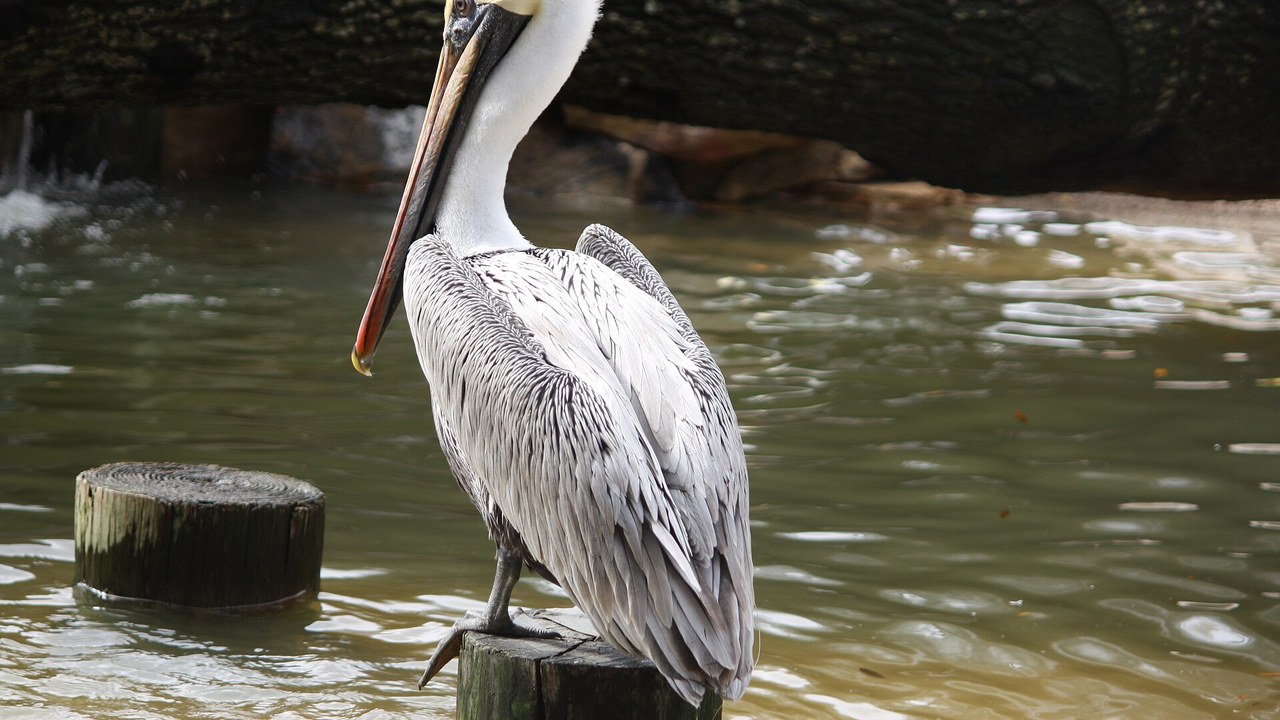
The brown pelican holds a place in history as the first species delisted for recovery, in 1985, as the ESA history 2000s timeline notes. A later delisting came in 2009, when more than 650,000 of the birds could be found.
Those two dates describe different populations, so the story is not one simple line. The pelican remains a useful example of how a listing, a recovery period and a delisting can unfold over several decades, and it shows why careful readers distinguish between the 1985 milestone and the later 2009 figure for the species.
4. American alligator: Swamp Survivor
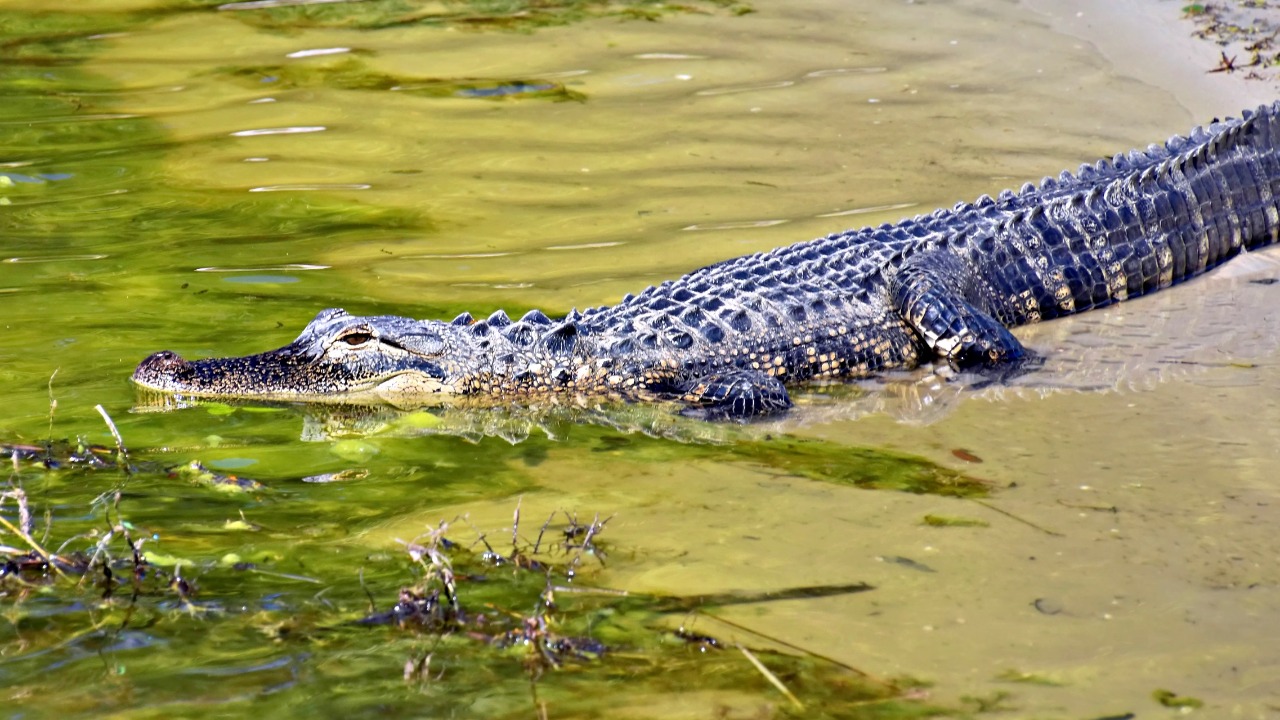
The American alligator was delisted following recovery in 1987, one of the early success stories of the Endangered Species Act, as recounted in the ESA history 1980s record.
The record gives only the delisting year, so the story is one of a clean milestone and not a detailed count. Even so, the alligator belongs on any list of recoveries because it left the endangered list entirely after being protected, and it stands alongside the pelican as an early example of what the law could achieve.
5. Gray whale: Gentle Giant Rebounds
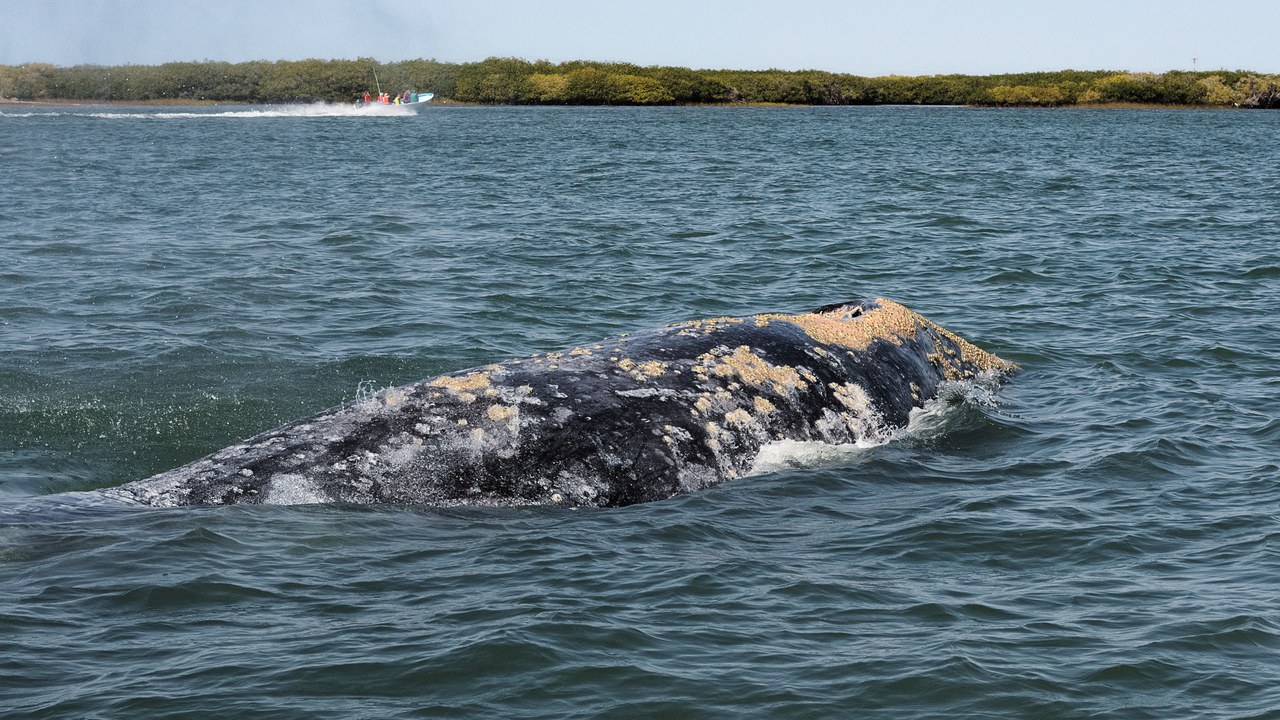
The eastern North Pacific population of gray whales came off the endangered list in 1994 after nearly recovering, according to the NOAA gray whale profile. Adults run 42 to 49 feet long and weigh about 90,000 pounds.
Notes from NOAA headlines indicate the species is now in a decline, so recovery has proved less permanent than the 1994 decision suggested. Gray whales remain a reminder that delisting is a milestone and not a finish line, and that the size of an animal offers no guarantee of long-term security for its population.
6. Humpback whale: Whaling Survivor
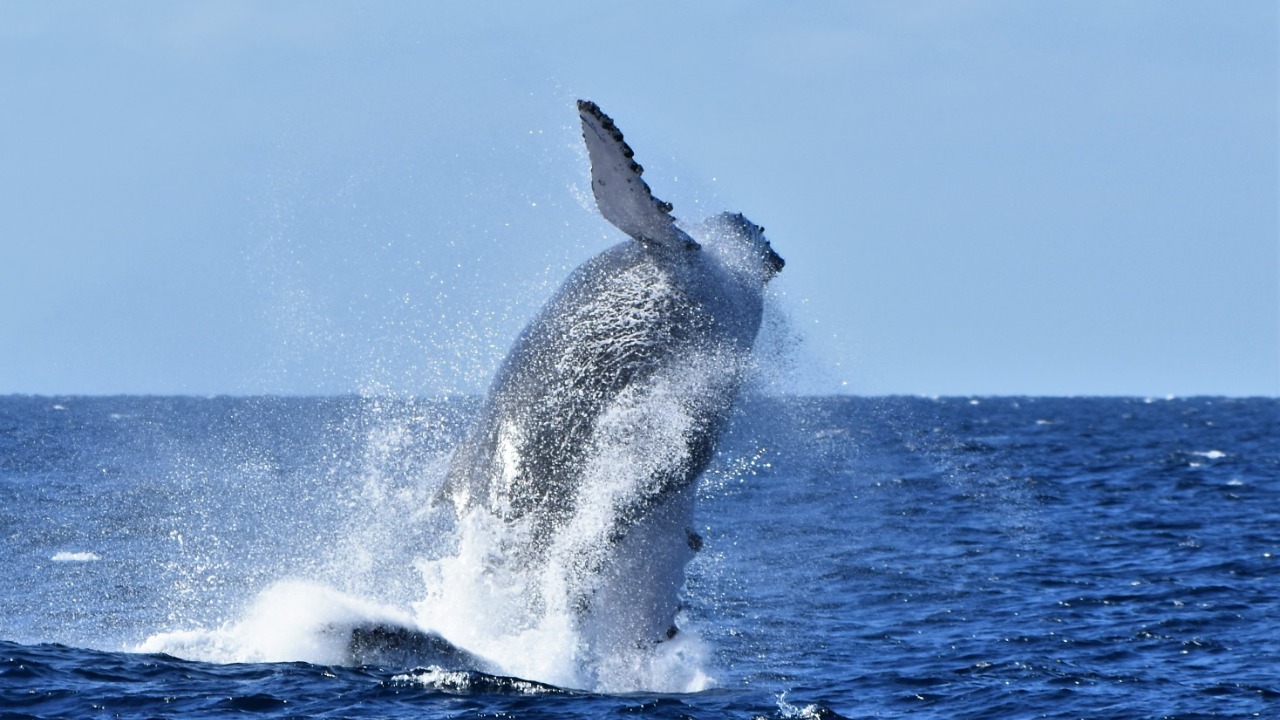
Whaling cut humpback whale populations by more than 95 percent in most areas, the NOAA humpback profile explains. In 2016 the agency found that nine of 14 populations had recovered enough to leave the list.
The recovery was not universal, since the same finding means five of the 14 populations did not qualify to leave the list. A drop of more than 95 percent in most areas makes the rebound of the others striking, and it shows how long protection has to hold before a population of large whales can stabilize.
7. Louisiana black bear: Teddy Bear Comeback
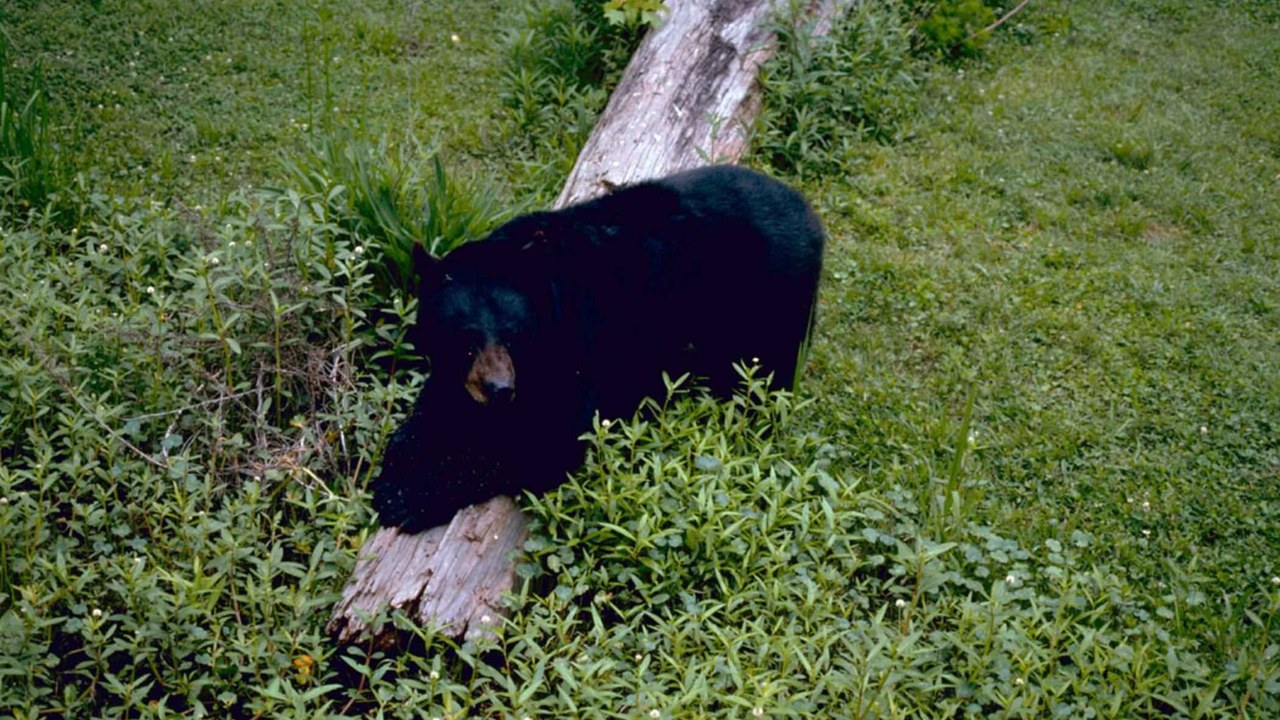
Louisiana black bears numbered as few as 150 when listed in 1992, per the 2016 delisting release. About 500 to 750 bears are counted today after delisting in March 2016.
The recovery turned a subspecies once at the edge of disappearing into a managed population of several hundred animals. The delisting announcement carried a playful teddy bear headline, but the underlying numbers are the point: a climb from as few as 150 bears over the roughly twenty-four years between the listing and the delisting.
8. Island fox: Record Recovery
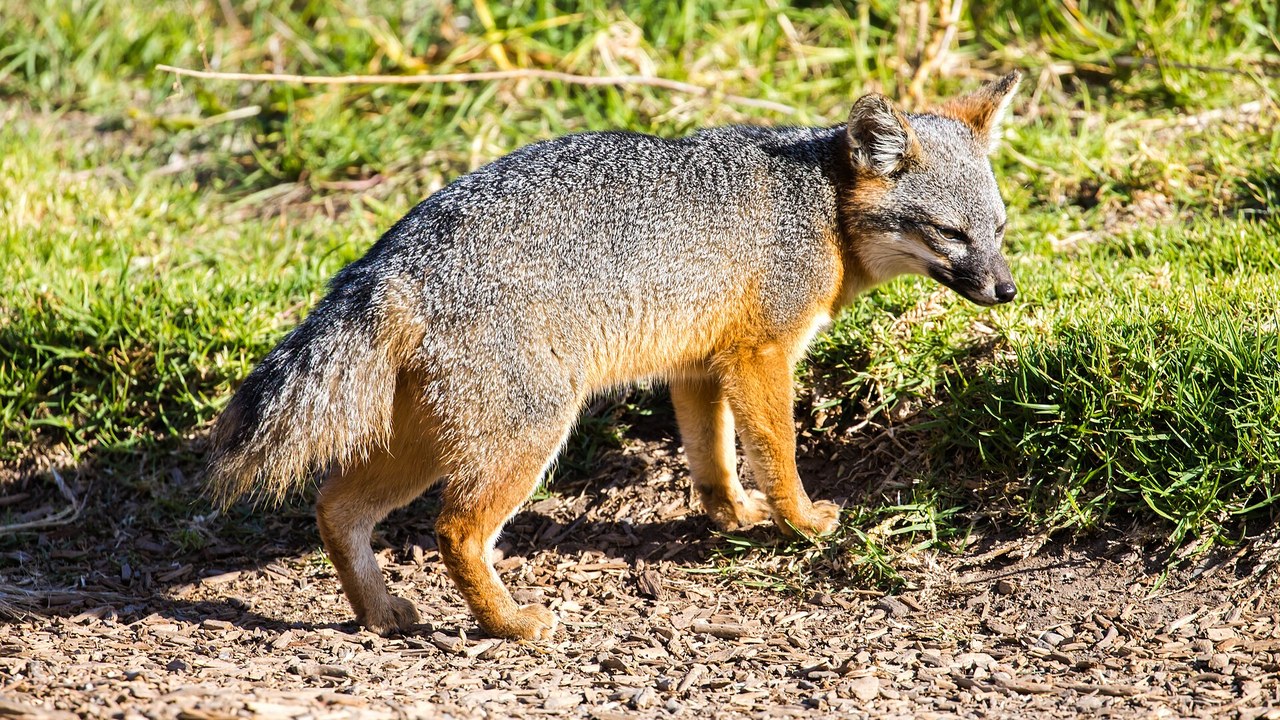
Island fox numbers collapsed in the late 1990s to lows of 15 foxes on San Miguel and Santa Rosa, as described in the fastest recovery release. Delisting of three subspecies in 2016 was the fastest recovery of any listed mammal.
Few mammals have rebounded so quickly after such a steep drop, which makes the island fox a model for conservation planning. Three subspecies left the list together in 2016, and the contrast between a handful of foxes in the late 1990s and a full delisting less than two decades later explains the record described by the agency.
9. Kirtland’s warbler: Warbler of the Pines
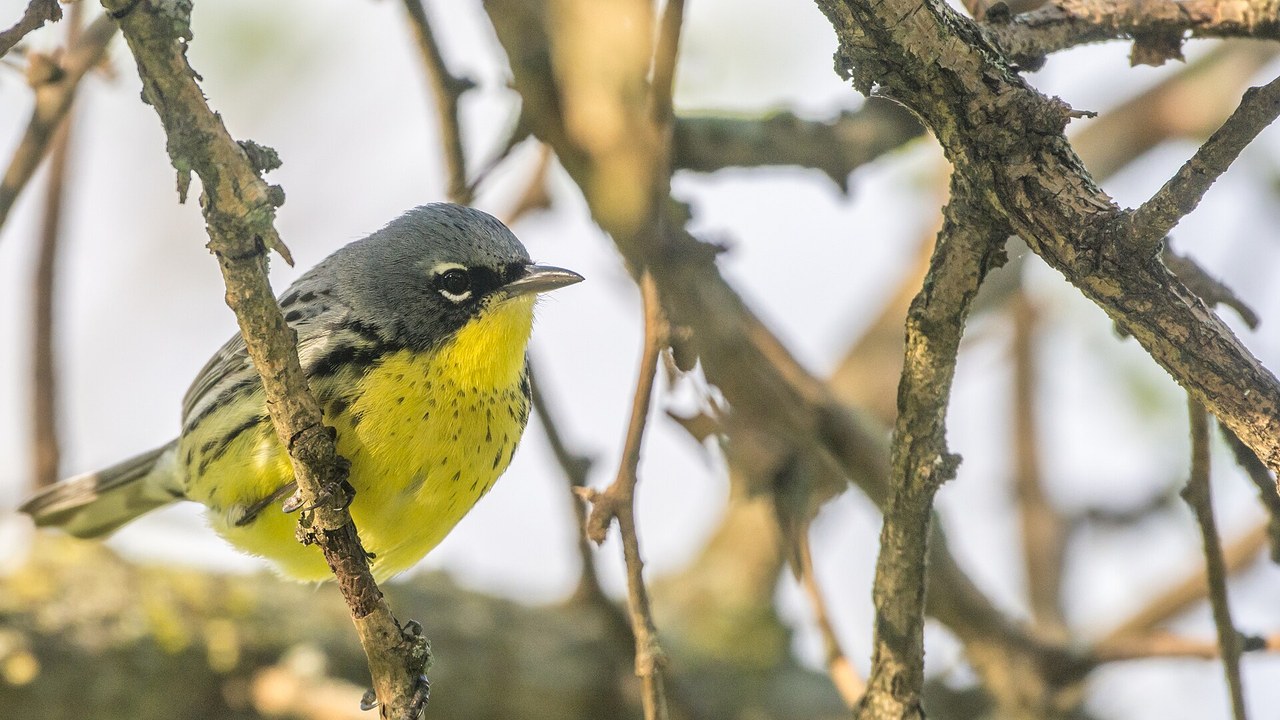
Kirtland’s warbler dipped to 167 pairs in 1974 and again in 1987, then climbed past 2,000 pairs by 2018, based on a 2018 conservation victory announcement. The bird was delisted in 2019.
The numbers show how a small songbird with narrow needs can be brought back through sustained work. Two separate lows, the first in 1974 and the second in 1987, make the climb past 2,000 pairs more notable, and the delisting is described as a conservation victory credited to the Service and its partners.
10. Steller sea lion: Rocky Shore Giant
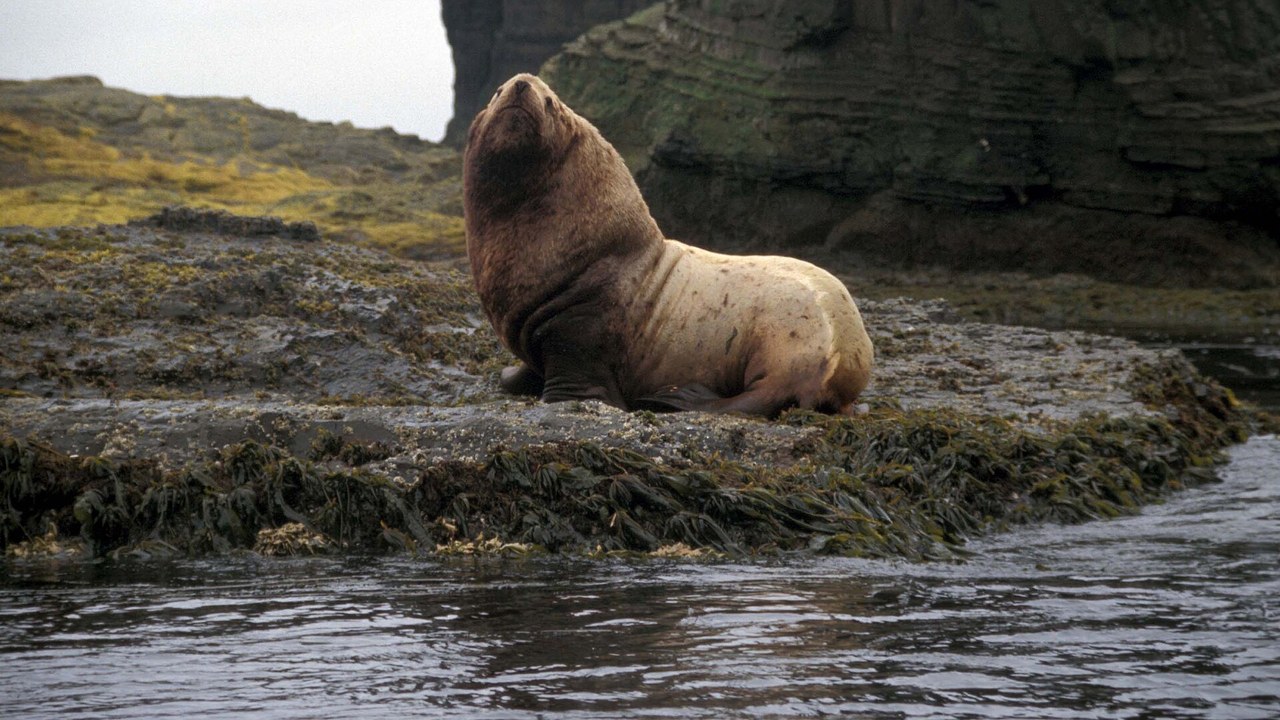
The eastern population of Steller sea lions was delisted in 2013 after 30 years of recovery, the NOAA sea lion profile reports. Males of the species can reach 2,500 pounds.
The population on the other side of the range was handled separately, so the species as a whole did not leave the list. Even so, the rebound of the eastern group offers a clear case of slow but steady recovery, with three decades of work behind it. That long timeline is a useful reminder that marine mammal recoveries are measured in decades.
AI, explained every day: Get The Deep View →
We may earn a commission if you sign up.
More from Morning Overview
- The FBI told the rest of ShinyHunters to surrender after a 24-year-old was arrested
- Two passengers died at an Ohio toll plaza, and the NTSB now wants the cash lanes shut
- Long use of a common prostate pill is tied to a higher chance of glaucoma
- Ford is recalling 223,472 F-150 pickups because the fuel tank can leak or detach
