
Venomous snakes are found across much of the country, from southeastern pinelands to desert flats and northern plains. These eleven species range from a 16-inch pygmy to a rattlesnake that can reach 8 feet. Here are eleven of them, with the size, range and venom facts worth knowing.
Save more, waste less: The Cool Down’s newsletter sends smart, simple changes that help you and the planet in your everyday life.
We may earn a commission if you sign up.
1. Eastern diamondback rattlesnake: Longest of the Lot
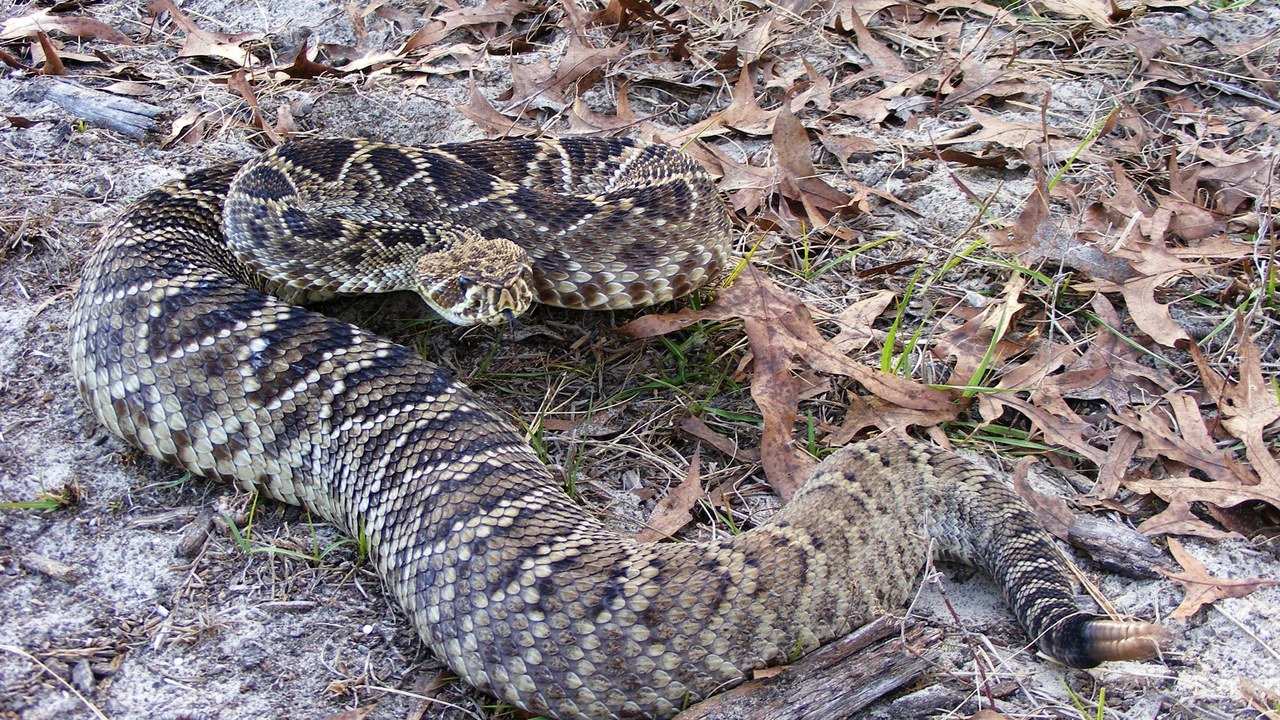
According to the National Zoo’s species profile, adults of the species can reach as long as 8 feet, and the snake is described as North America’s longest and heaviest venomous species. Its range runs through the Southeast, from Florida pinelands to Louisiana.
Strike distance matters as much as length here, since the animal can lunge up to two-thirds of its body length. Anyone hiking or working in Southeastern pine habitat is better off keeping a generous distance from any large coiled snake.
2. Western diamondback rattlesnake: Size and Attitude
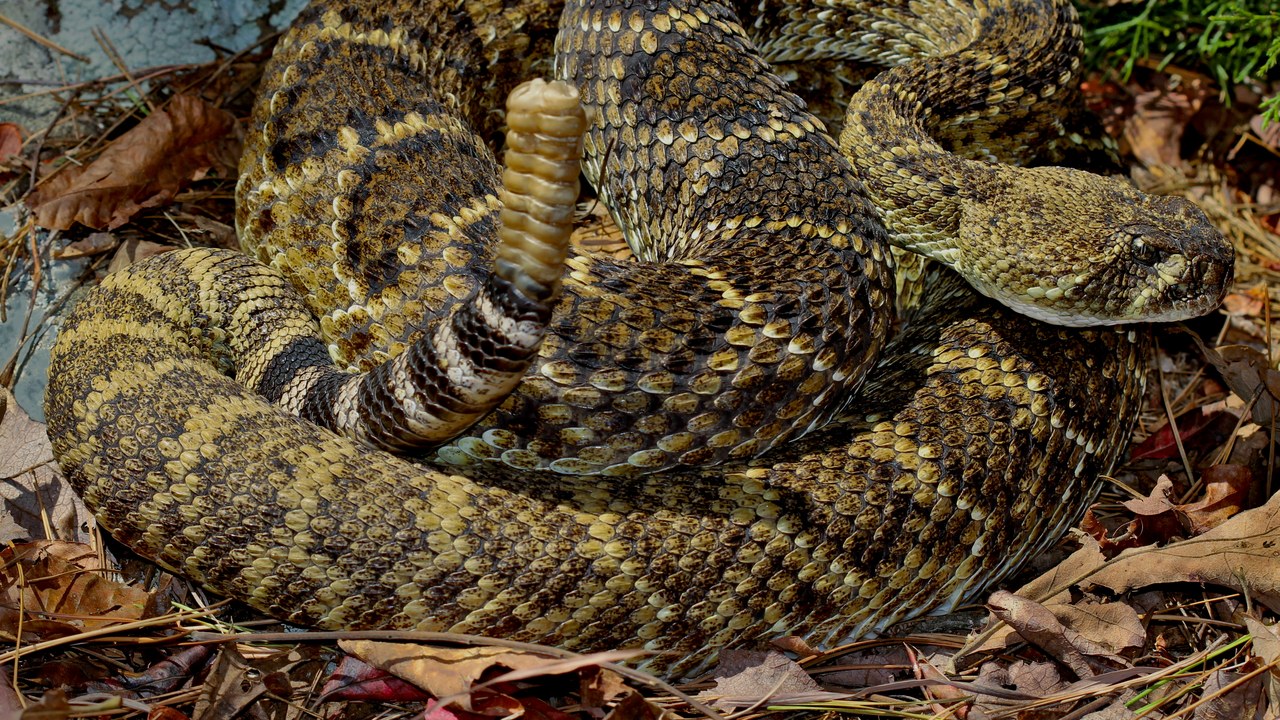
According to the park service’s snake guide, adults grow from 30 to 90 inches, a wide range that covers both modest and truly large individuals. The National Park Service calls the species dangerous not only because of its size, but also because of its attitude.
That description points to a snake that tends to stand its ground rather than slip away. For hikers in the desert Southwest, the practical lesson is to watch where hands and feet go around rocks, brush and ledges.
3. Timber rattlesnake: Big Fangs, Big Reach
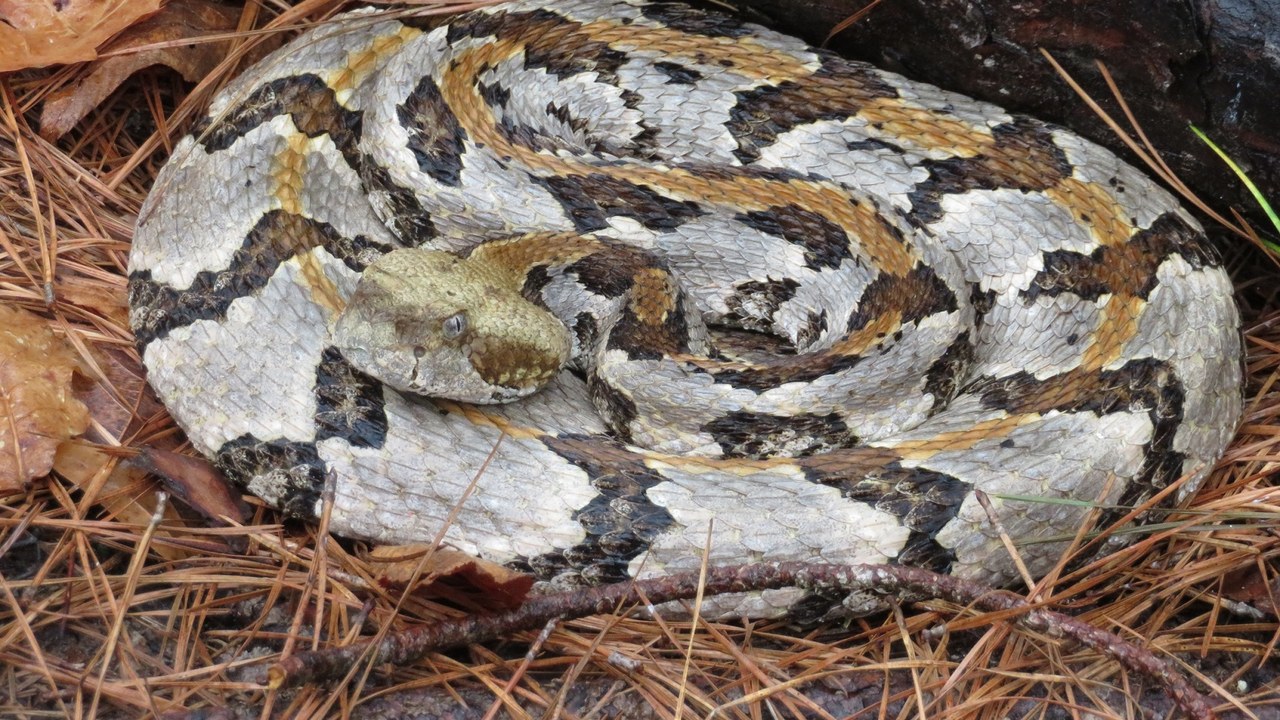
According to the Big Thicket venomous snake page, reaching 3 to 5 feet in length, the species carries larger fangs and a higher venom load than most venomous snakes. It is widespread across the eastern United States, so the range overlaps with many popular woodland trails.
The combination of body size and venom volume makes this one of the more serious snakes of eastern forests. Even so, a calm animal left alone is generally content to stay put, and giving it room is the sensible response.
4. Mojave rattlesnake: Two Venoms in One
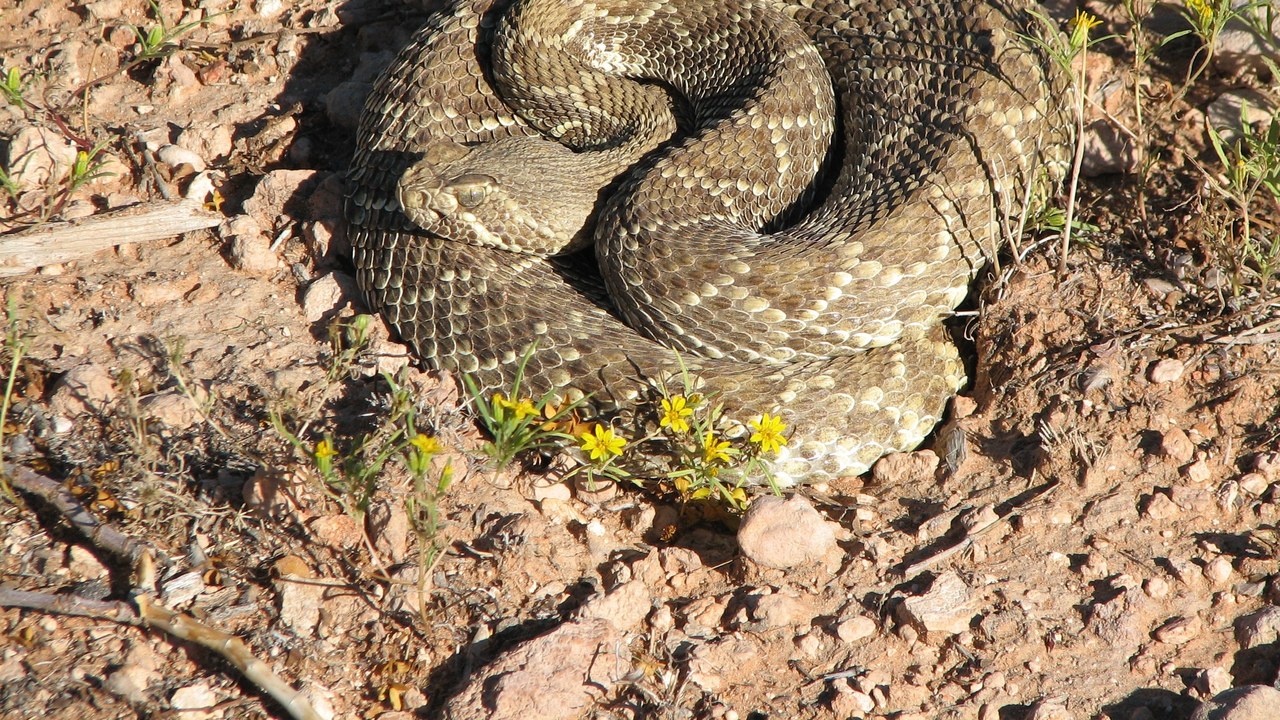
According to the Parashant park profile, averaging 2 to 4 feet, this desert snake is not especially large. Its venom is the concern, since it carries both nerve-attacking neurotoxins and blood-attacking hemotoxins.
That mix of effects is the reason the park service describes it as one to avoid. Visitors to the arid West should treat any rattlesnake as a reason to back away slowly rather than try to identify the exact species.
5. Sidewinder: Sideways Across the Sand
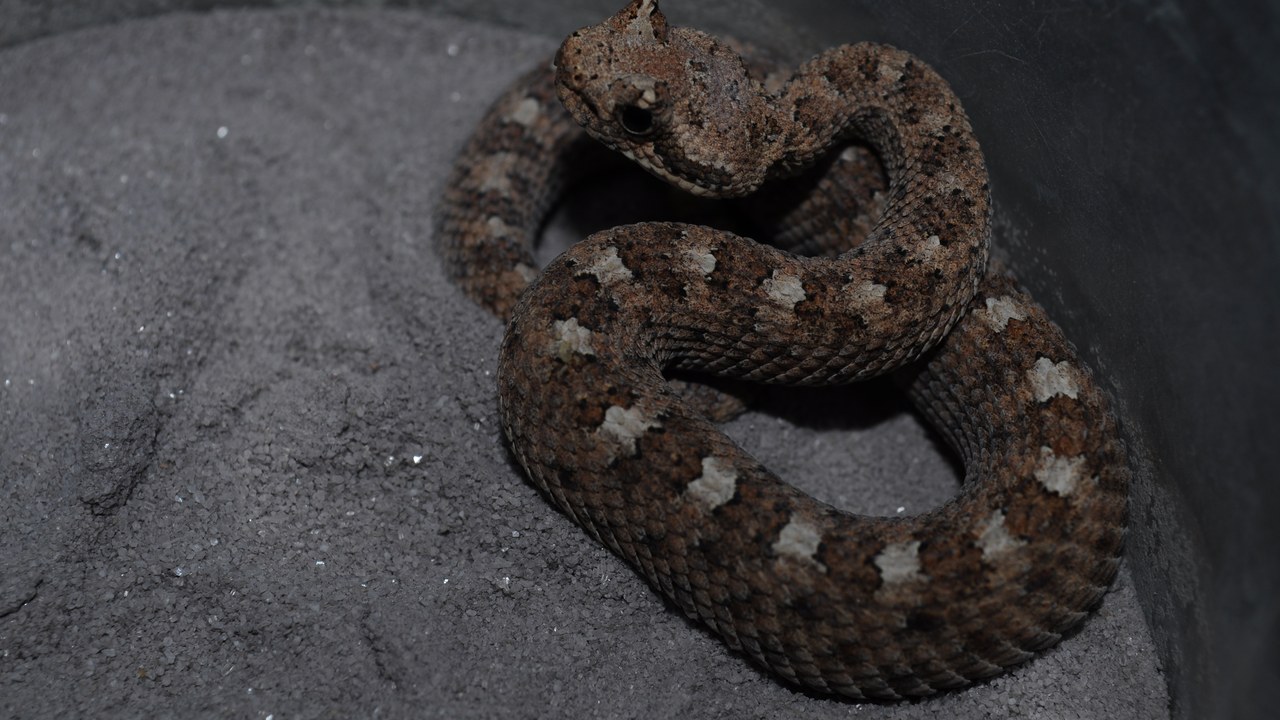
According to the Death Valley sidewinder page, usually about 1.5 feet long and rarely approaching 3 feet, this is a small rattlesnake. It hunts sandy desert flats and is found from below sea level up to about 6,000 feet.
The wide elevation span means the snake turns up in more places than the flat, dune-like terrain suggests. Small size does not make it harmless, so desert walkers still need to step carefully, especially on loose sand.
6. Prairie rattlesnake: Yellowstone’s Only One
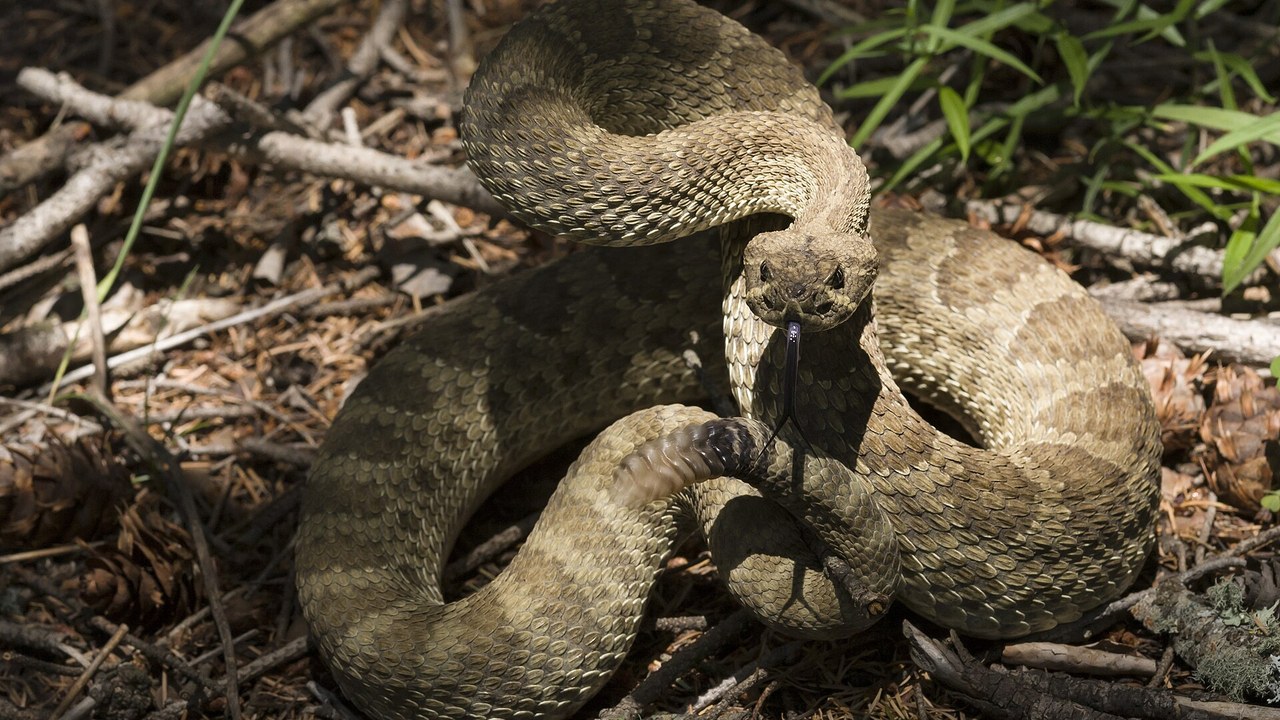
According to the Yellowstone prairie rattlesnake page, the species can top 48 inches and is the only dangerously venomous snake in Yellowstone National Park. Just two bites are on record there, which shows how uncommon an encounter turns out to be.
For park visitors, that history is reassuring but not an invitation to be careless. Staying on trails and watching the ground in warm, open, rocky terrain remains the standard advice around any rattlesnake.
7. Eastern massasauga rattlesnake: Shy and Threatened
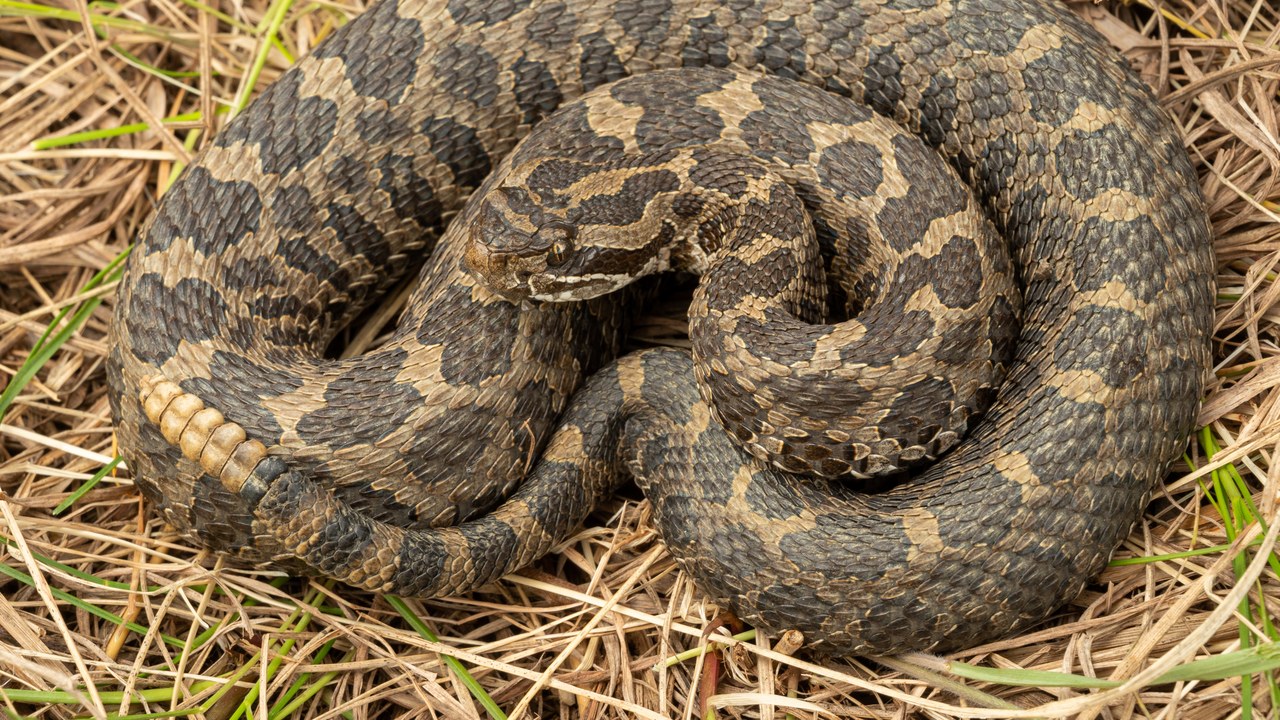
According to the Fish and Wildlife Service species profile, averaging about 2 feet in length, this small rattlesnake was listed as threatened in 2016. Bites are rare because the snake is shy and elusive.
Its status makes it one of the few venomous snakes in the country that conservation work focuses on protecting. For people, the takeaway is simple: a sighting is unusual, and the animal is best left undisturbed.
8. Copperhead: The Most Bites
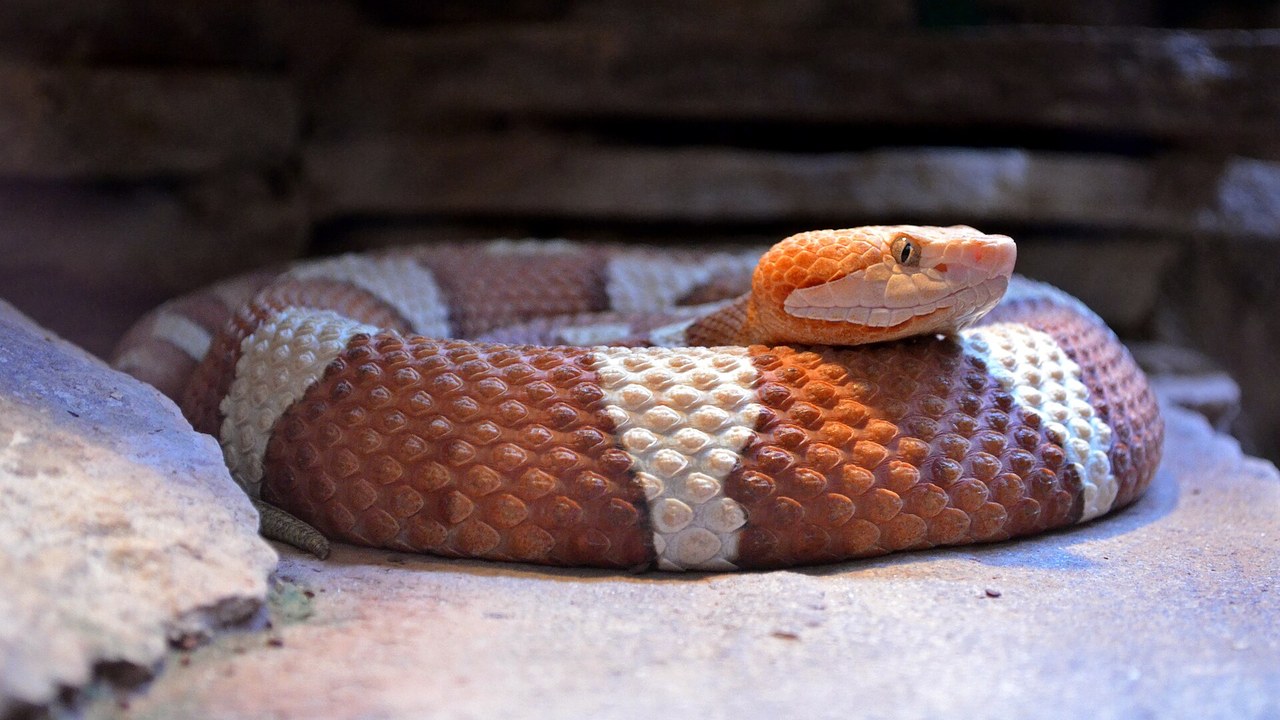
According to the Big Thicket venomous snake page, copperheads bite more people than any other venomous snake in the United States. Adults are usually 2 to 2.5 feet long, though some grow to more than 3 feet.
The bite count reflects how often the species lives near people rather than any special aggression. Careful attention when moving leaf litter, woodpiles or garden debris is the straightforward way to avoid becoming part of that statistic.
9. Cottonmouth: Water’s Edge Danger
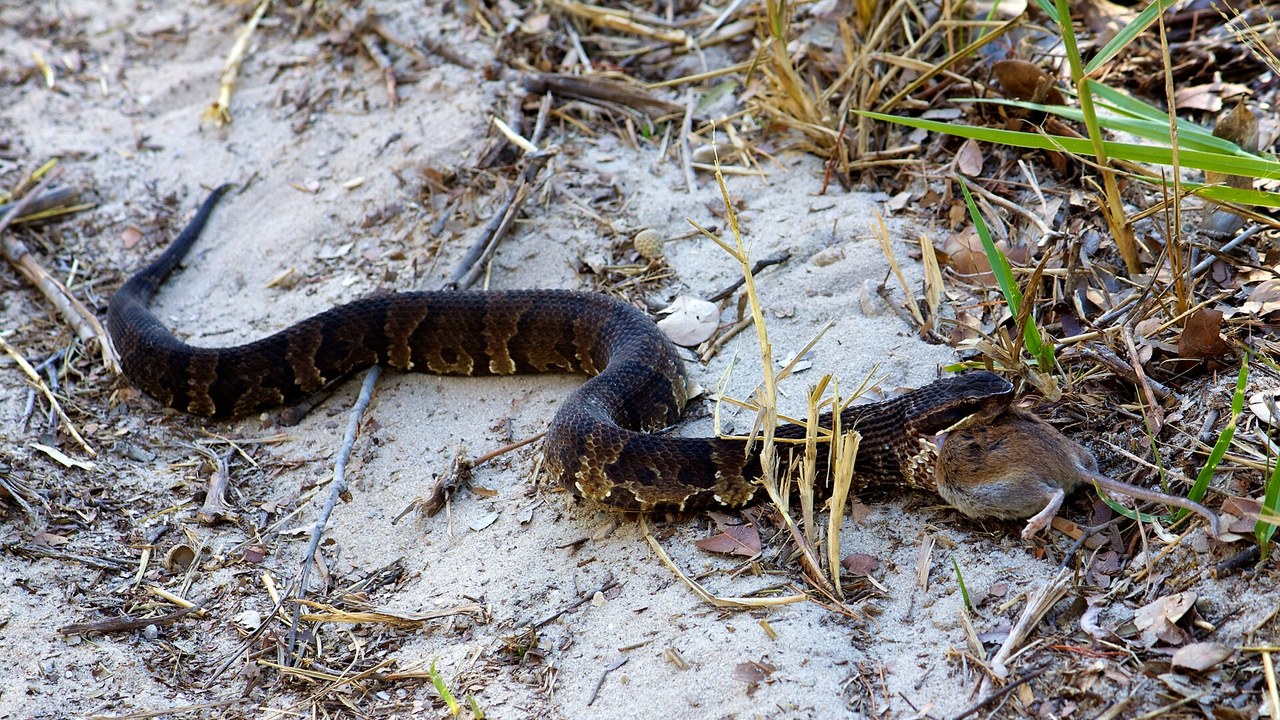
According to the Big Thicket park page, growing 2 to 4 feet in the Southeast, the species usually lives near water. The park service calls its venom very potent.
Because the snake favors wetlands, streams and shorelines, anglers, paddlers and swimmers are the people most likely to cross its path. Looking before stepping onto banks, logs and docks is a simple precaution in its range, and so is keeping hands out of brush along the water.
10. Texas coral snake: Small but Strong
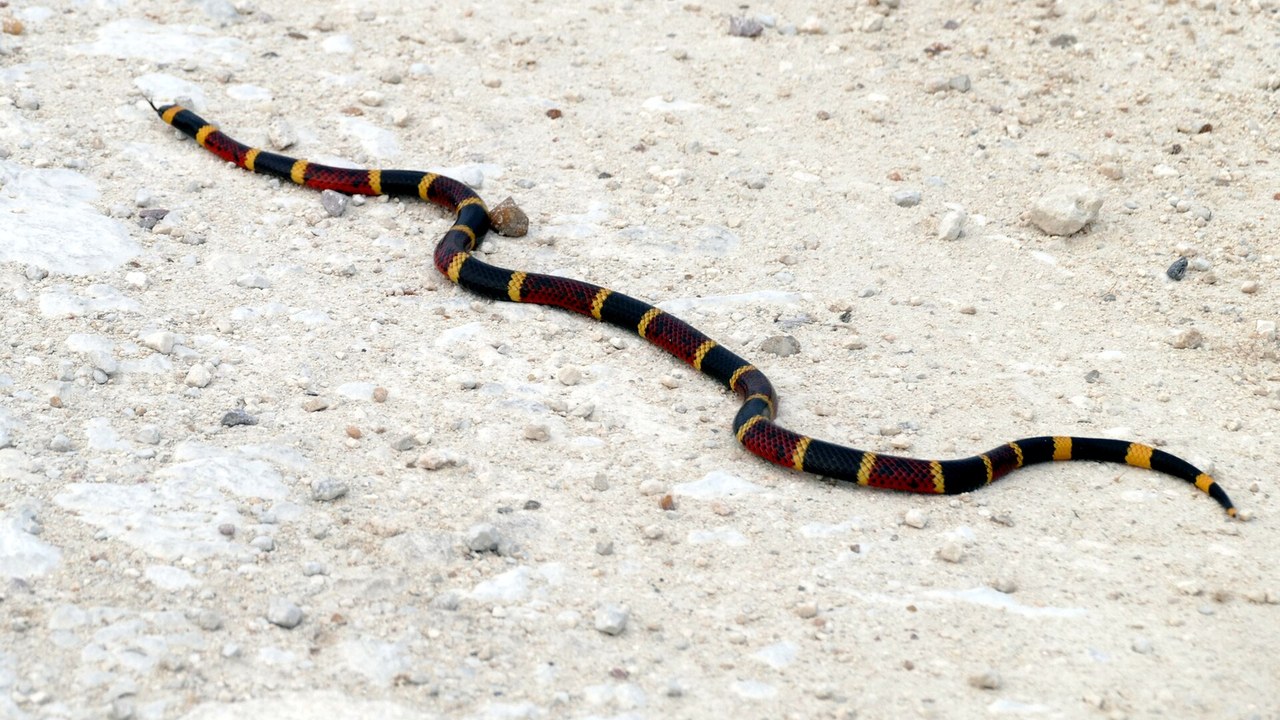
According to the Big Thicket page on venomous snakes, hatchlings are only about 7 inches long, yet the venom is described as very strong. A bite may not hurt much at first, which can make the injury easy to underestimate.
The lack of early pain is the key caveat, since a mild first reaction does not signal a mild bite. The banded snake is better admired from a distance, and any bite calls for immediate medical attention.
11. Pygmy rattlesnake: Smallest Rattler
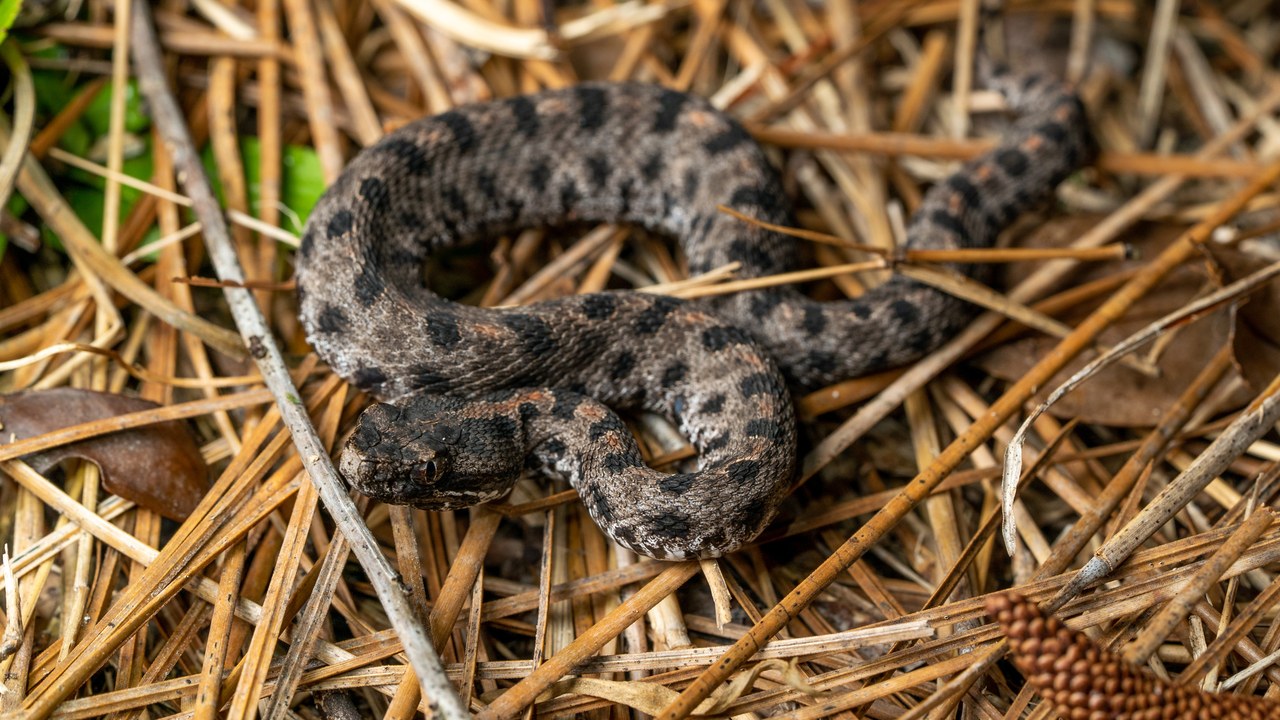
According to the Wikipedia species article, typically 16 to 24 inches long with a maximum of 31, this is the smallest rattlesnake in North America. Its range runs from North Carolina through Florida to East Texas.
Its small size and quiet rattle make it easy to overlook in leaf litter and pine straw. Within its Southeastern range, it deserves the same caution as larger relatives, and sightings are best enjoyed from a few steps away.
Save more, waste less: Subscribe to The Cool Down →
We may earn a commission if you sign up.
More from Morning Overview
- Doctors warn a silent liver disease now affects one in three American adults
- The FBI told the rest of ShinyHunters to surrender after a 24-year-old was arrested
- Two passengers died at an Ohio toll plaza, and the NTSB now wants the cash lanes shut
- Long use of a common prostate pill is tied to a higher chance of glaucoma
