
The United States Geological Survey scores every volcano in the country for the danger it poses to people and aircraft. Of 161 volcanoes assessed in its 2018 update, 18 land in the very high group, spread across five states. Here are eleven of the best known, from Hawaii’s shield volcanoes to the snowy cones of the Cascades.
Help yourself and the planet: The Cool Down makes it easy to help yourself while helping the planet, with smart, simple changes to save more and waste less in your everyday life.
We may earn a commission if you sign up.
1. Kilauea: Top of the List
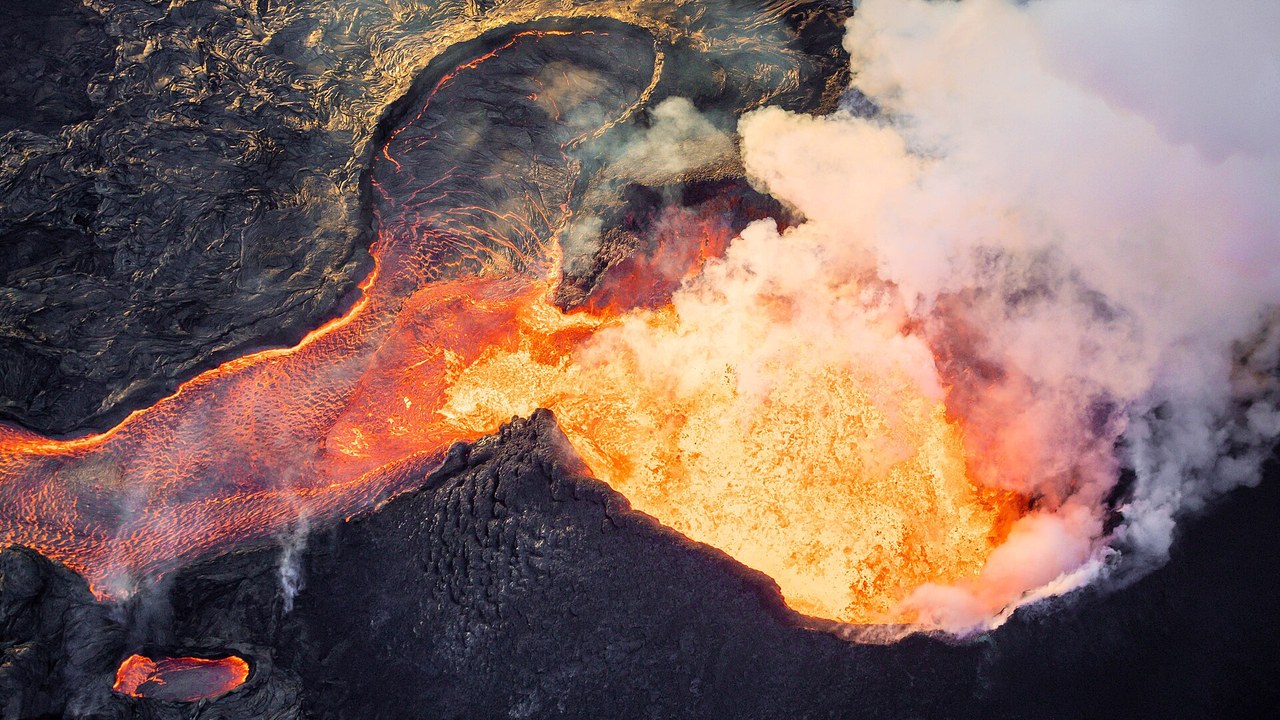
Kilauea holds first place among the 161 volcanoes ranked in the national volcanic threat assessment, with an overall threat score of 263. That is the overall score, kept separate from the aviation threat score the same assessment also reports. The 2018 update puts it in the very high group alongside seventeen others.
The number works as a ranking tool, not a forecast of when anything will happen. As of 2026-10-29, the USGS volcano page showed Kilauea at an advisory alert level, a status that is tracked separately from its long-term threat position.
2. Mount St. Helens: Eruptions Within Living Memory
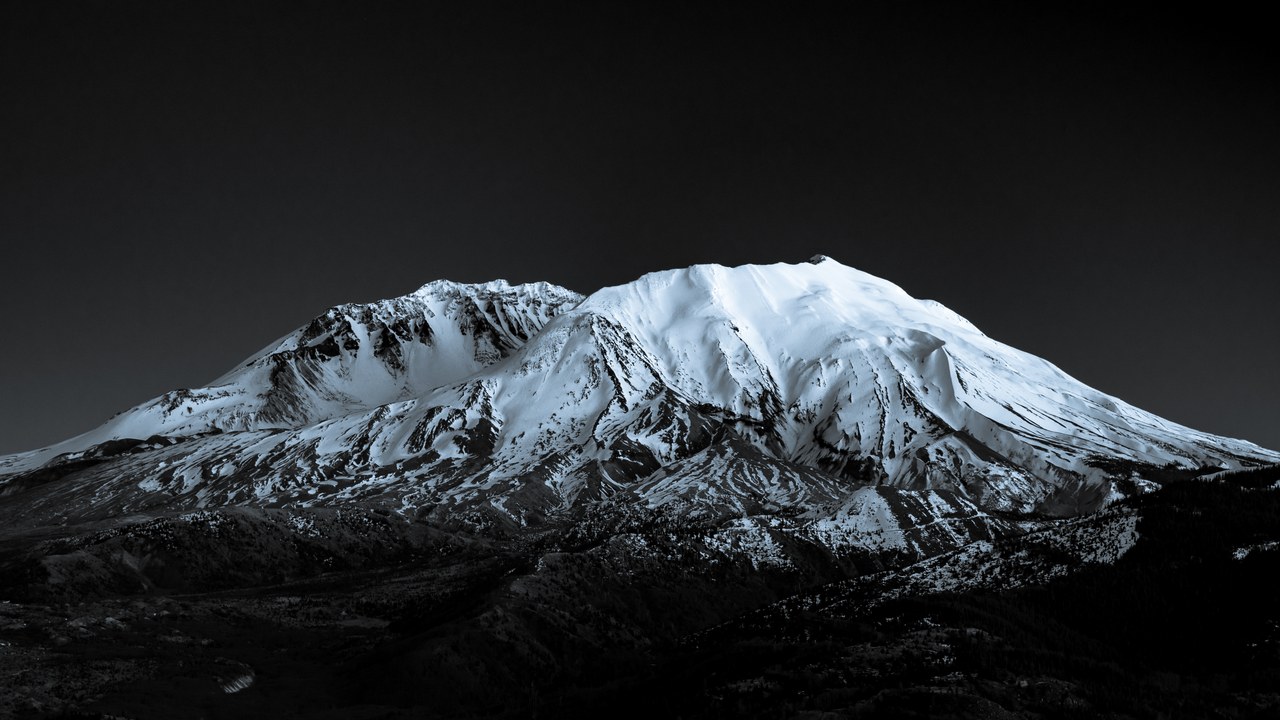
The USGS rates the threat potential of Mount St. Helens as Very High. The mountain erupted in 1980 and again from 2004 to 2008, so its record of activity includes events recent enough to be remembered by many people alive today.
The rating reflects demonstrated behavior rather than a prediction. Two separate eruptive episodes in a few decades explain why the volcano sits among the highest-rated in the country, and why the 1980 event remains a reference point for hazard planning.
3. Mount Rainier: A Mudflow Aimed at the Lowlands
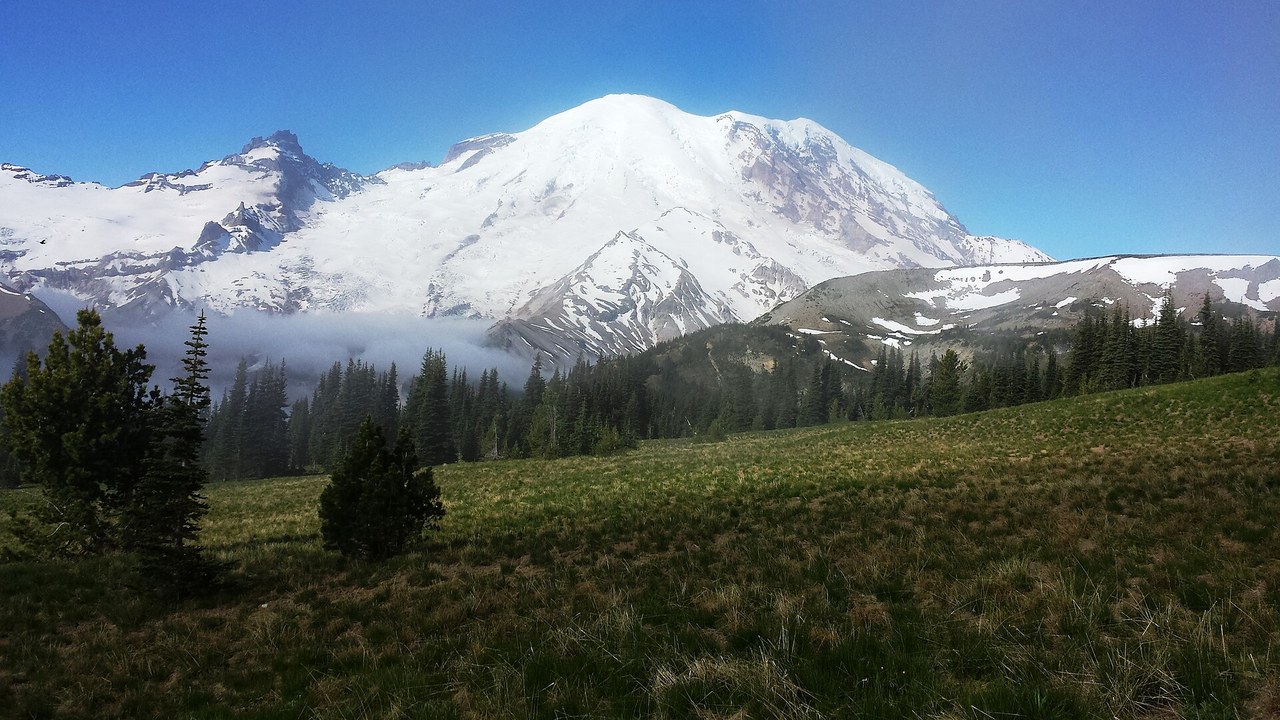
The greatest hazard at Mount Rainier is a lahar, a volcanic mudflow, according to the USGS volcano page. Such a flow could travel down valleys and reach the Puget Sound lowlands near Orting, Seattle and Tacoma.
The risk here is less about lava or ash than about water, rock and debris moving quickly downstream toward populated areas. That is why communities in the lowlands, rather than only those on the mountain itself, are central to how its hazards are described.
4. Redoubt Volcano: Alaska’s Highest Score
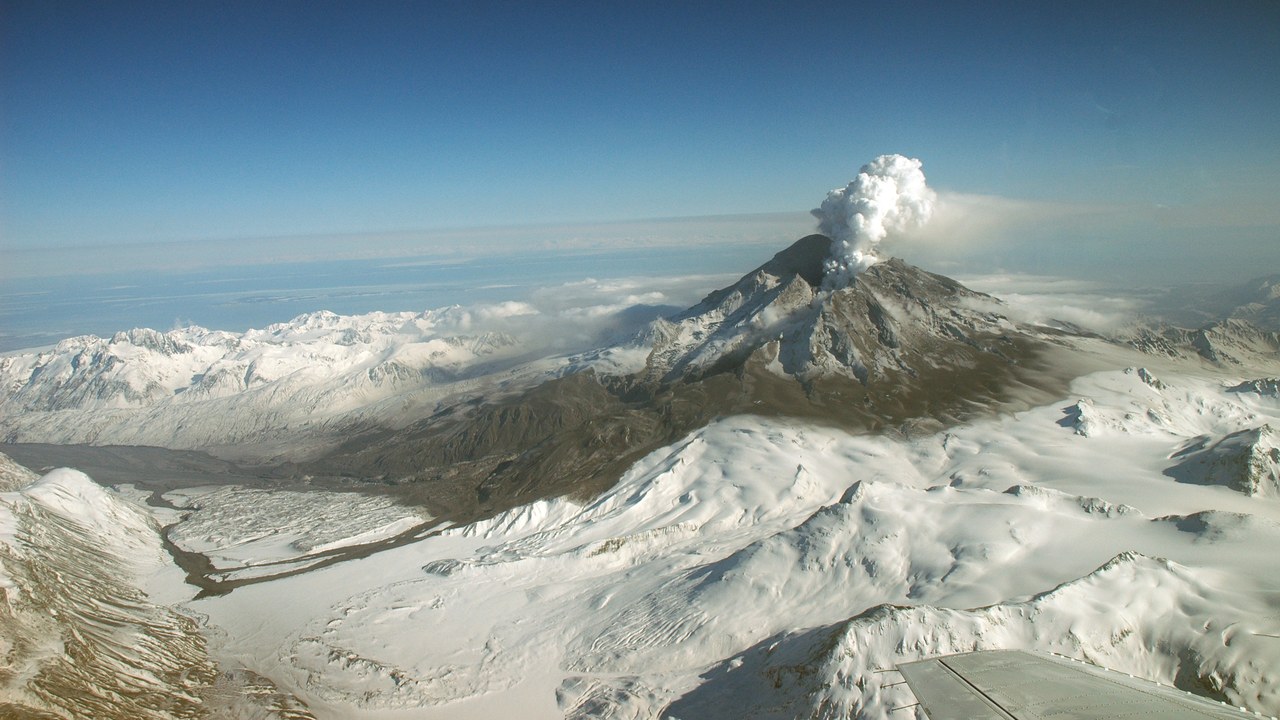
Redoubt Volcano ranks fourth in the USGS threat assessment report with a threat score of 201, making it the highest-scoring Alaskan volcano on the list. Its position reflects the 2018 USGS assessment, which scored all 161 volcanoes the same way.
Alaska contributes several very high rated volcanoes, and Redoubt leads that group. A score in the low 200s places it behind only three others nationwide, which makes it a clear top-tier entry on a list dominated by Hawaii and the Cascades.
5. Mount Shasta: Seventy Mudflows and Counting
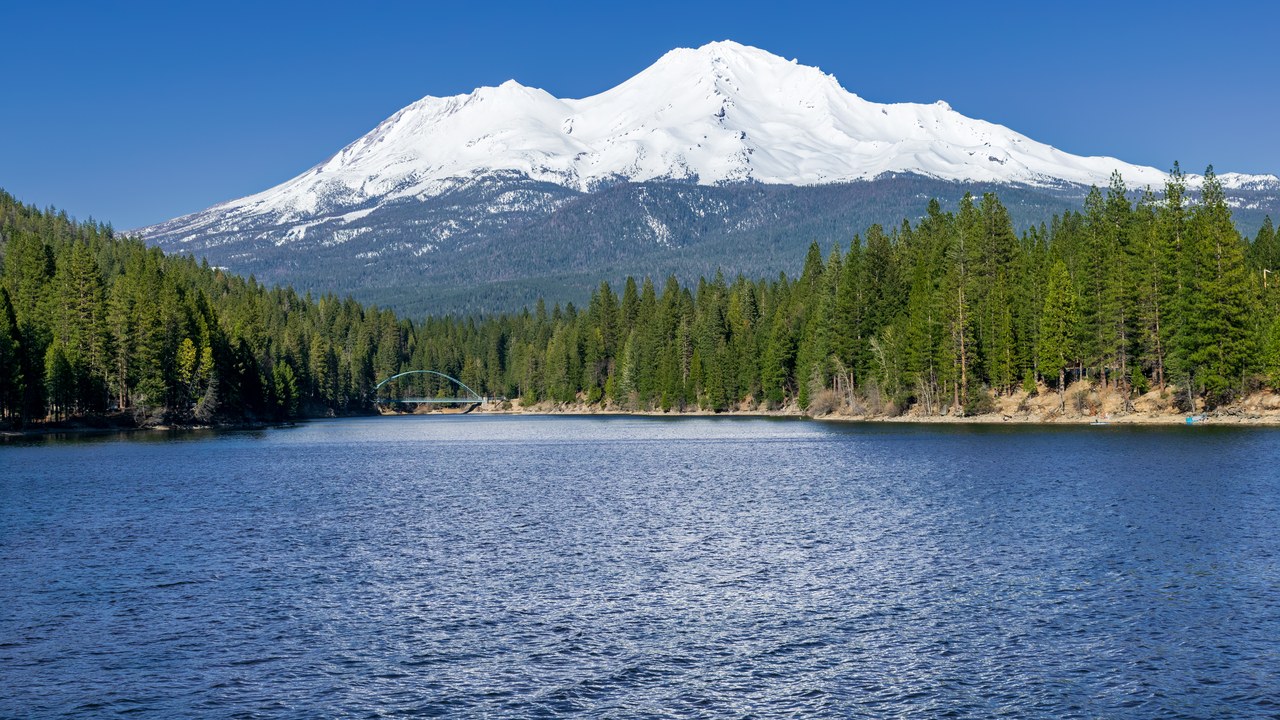
The USGS lists Mount Shasta with a threat potential of Very High, and its own page notes that more than 70 mudflows have filled the stream channels around it in the last 1,000 years.
That frequency is the notable part. A record of dozens of flows in a thousand years shows a volcano that repeatedly sends material down its drainages, which is a major reason the rating sits at the top of the scale for a peak that many people know mostly as a scenic landmark.
6. Mount Hood: Next Door to Growing Towns
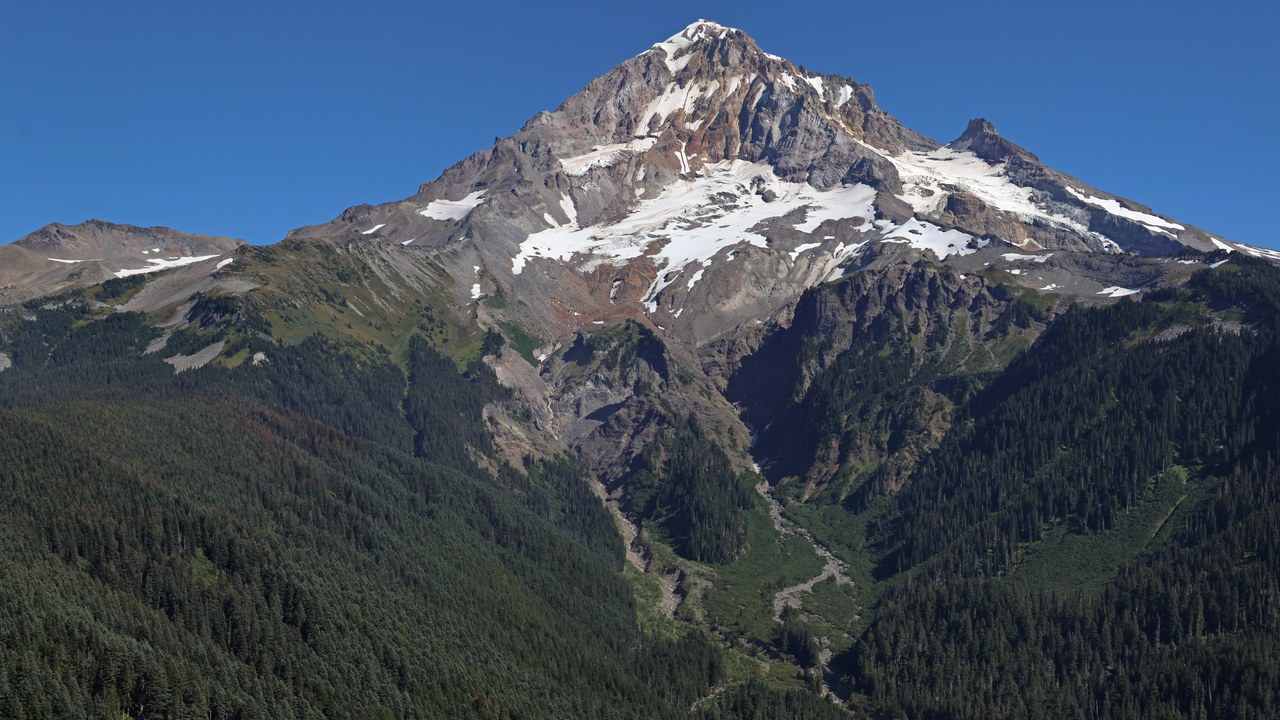
Lahars pose the greatest hazard at Mount Hood, according to the USGS volcano page, and they threaten ground beside growing Oregon communities. The volcano last erupted in 1865, well over a century ago.
A long quiet spell does not lower the rating by itself. The combination of a mudflow-prone mountain and expanding settlement nearby is what keeps Hood in the very high group, even though no eruption has occurred in living memory.
7. Three Sisters: A Cascades Trio
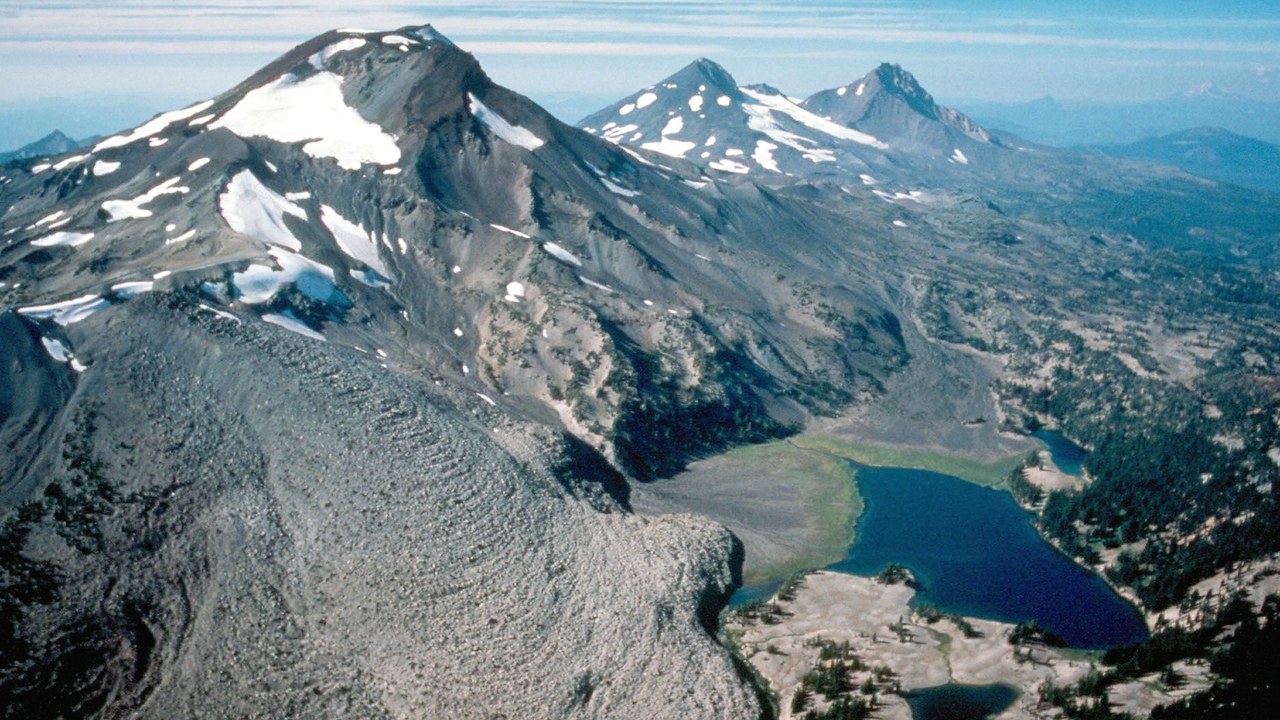
Three Sisters ranks seventh in the 2018 national assessment with a threat score of 165, and the group sits in Oregon’s central Cascades. The entry covers the cluster of peaks as one volcanic area.
A score of 165 places it just behind the 178 pair at fifth and sixth, and well ahead of the lower end of the top 18. The listing is a reminder that a very high rating can attach to a range of neighboring summits rather than a single famous cone.
8. Lassen Peak: The 1914 to 1917 Eruptions
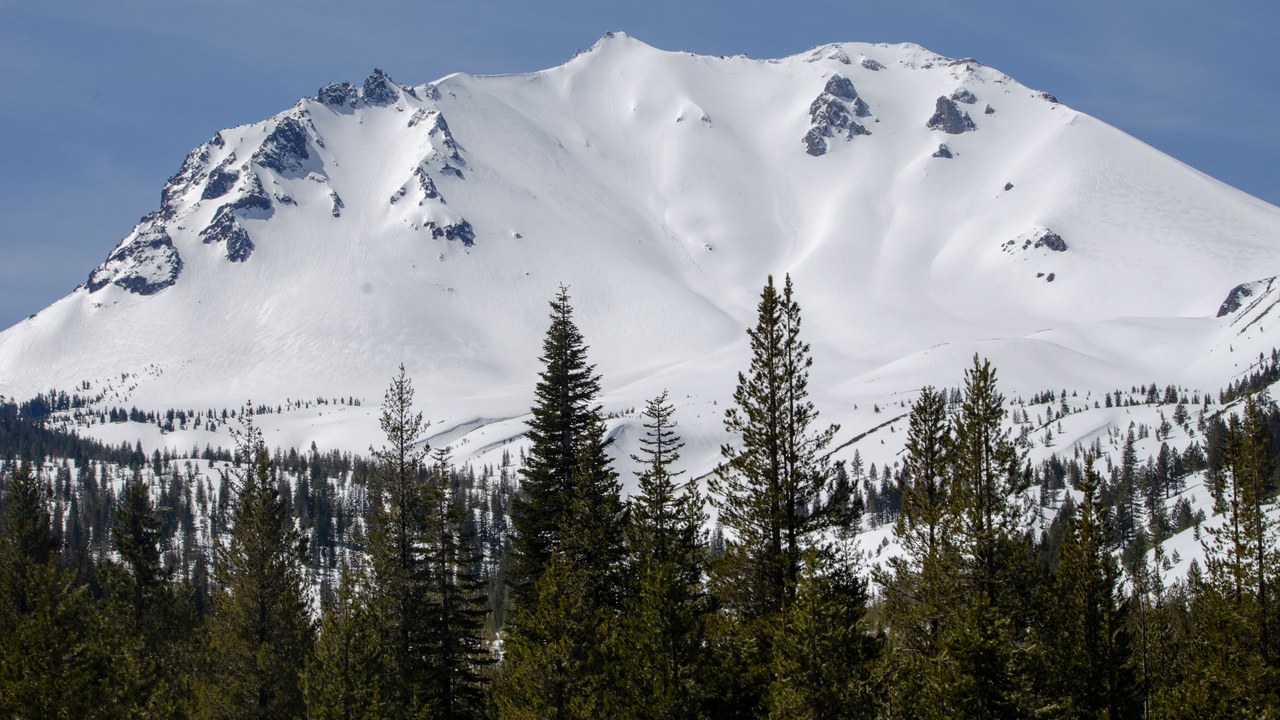
Lassen Peak belongs to the Lassen volcanic center, which the USGS gives a threat potential of Very High. The agency’s page for the center records that the center last erupted from 1914 to 1917.
Those eruptions are the most recent in the area, so the center has been quiet for roughly a century. The rating still places it in the top tier of the national list, a reminder that dormancy and high threat potential are not opposites.
9. Mount Baker: Rated High, Watched Lightly
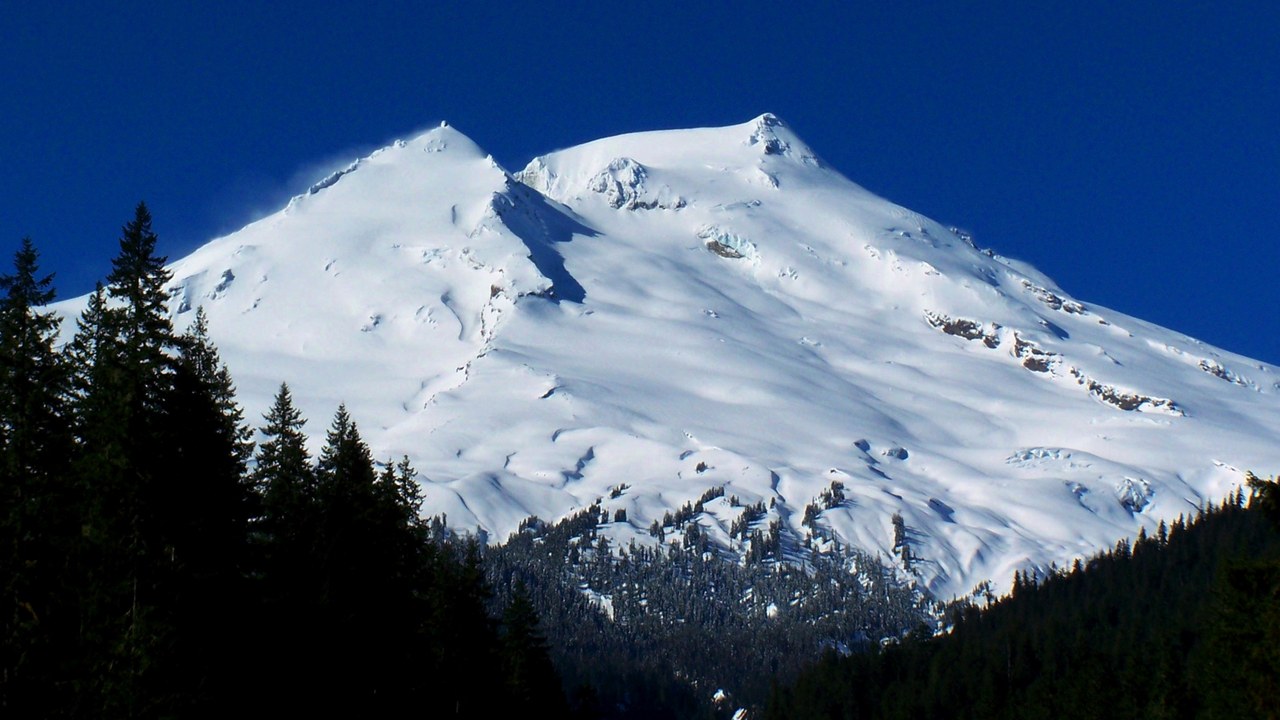
Mount Baker is rated Very High even though it last erupted 6,700 years ago, and the USGS page for the volcano says monitoring there is now insufficient.
The gap between an ancient last eruption and a top-tier rating shows how the threat score works, weighing what a volcano could do to nearby people and infrastructure as well as how recently it erupted. The monitoring shortfall is the practical concern, since less instrumentation means less warning.
10. Mauna Loa: Certain to Erupt Again
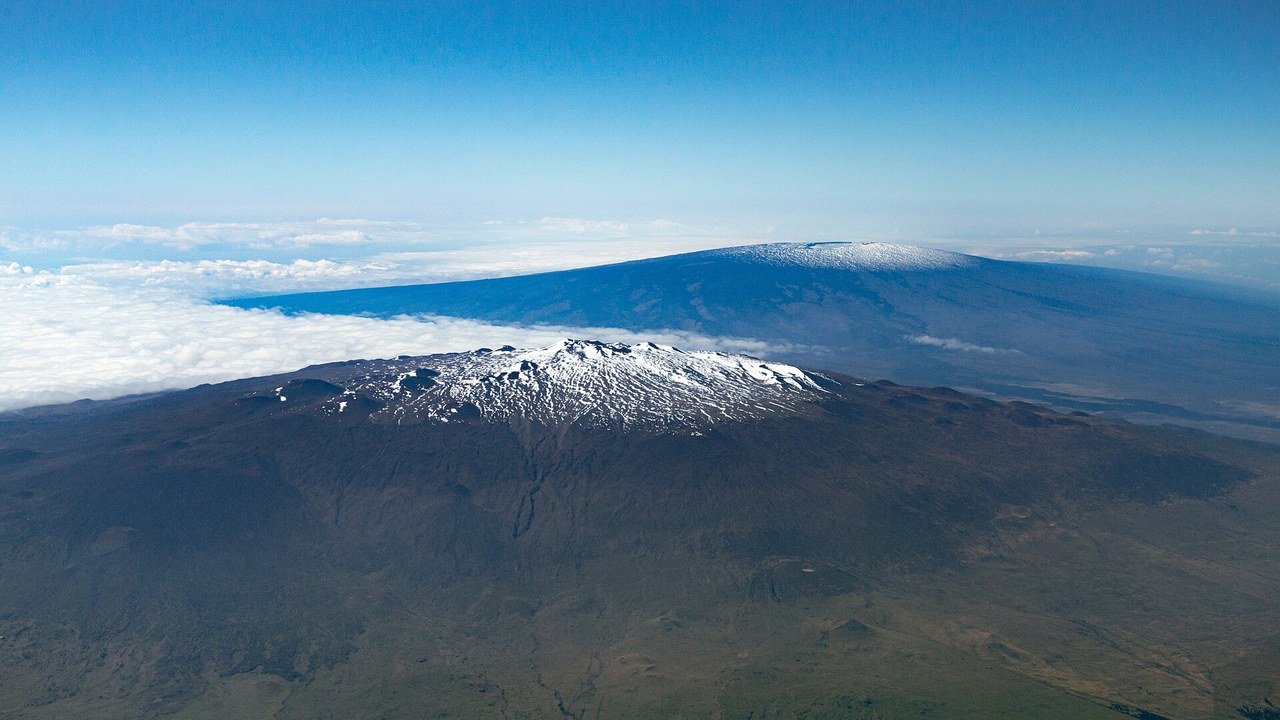
The USGS says Mauna Loa is certain to erupt again, and its eruption record describes lava reaching the ocean eight times since 1868. The most recent eruption came in 2022.
A statement of certainty is unusual language for a hazard agency, and it follows from the volcano’s long history of frequent activity. The eight ocean entries since 1868 show how far its flows have traveled in the past, which is the basis for the Very High rating.
11. Crater Lake: A Caldera Filled With Water
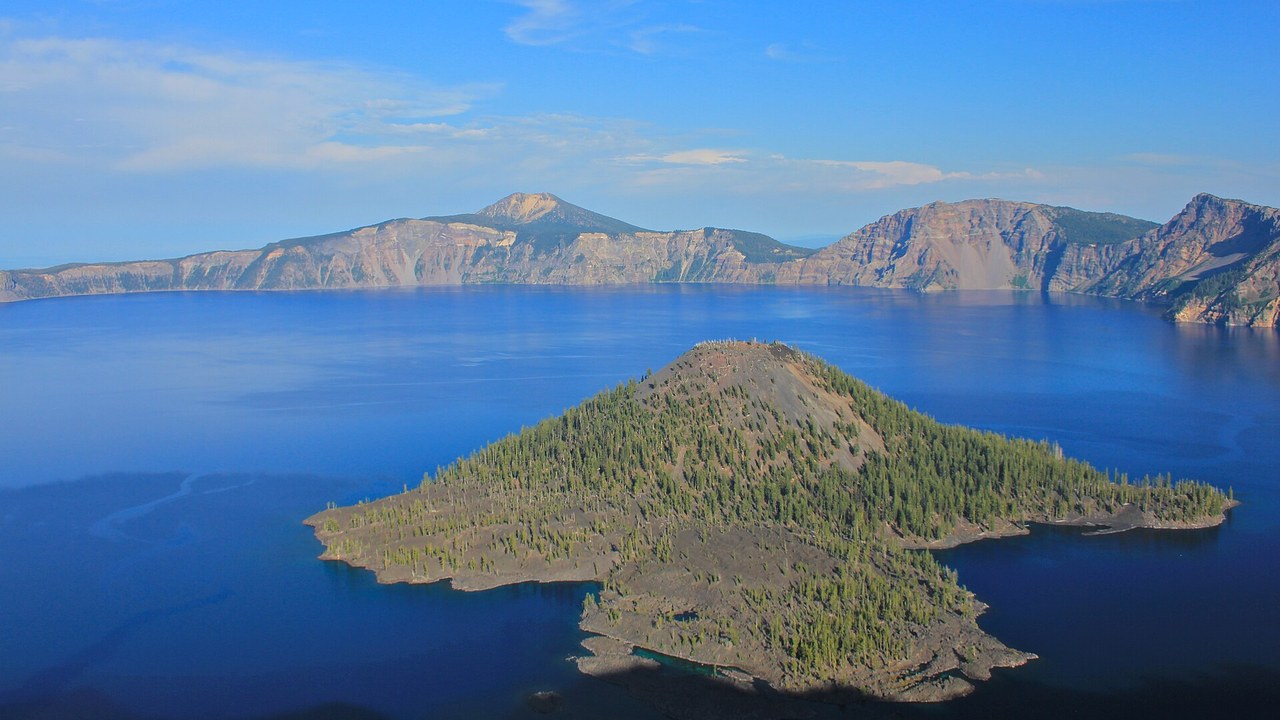
Crater Lake ranks seventeenth in the USGS threat assessment table with a threat score of 129, tied in score with the eighteenth volcano on the list. The lake fills the caldera left by Mount Mazama.
The postcard setting hides a volcanic system that still earns a very high rating. Placing the caldera at seventeenth shows how even the lower end of the top 18 includes places better known to visitors as scenic stops than as hazards.
Help yourself and the planet: Get The Cool Down →
We may earn a commission if you sign up.
More from Morning Overview
- Long use of a common prostate pill is tied to a higher chance of glaucoma
- Ford is recalling 223,472 F-150 pickups because the fuel tank can leak or detach
- Hybrids have 15% fewer problems than gas cars, while EVs and plug-in hybrids have about 80% more, Consumer Reports finds
- Regulators cleared the first U.S. small modular reactor, 4 months early
