
American automakers spent the 1960s and 1970s racing to build the loudest, fastest cars they could sell to everyday drivers. Big engines, bold styling, and aggressive marketing turned ordinary sedans and coupes into genuine street icons almost overnight. Here are ten muscle cars that defined that era on American roads.
1. Chevrolet Camaro: Chasing The Mustang
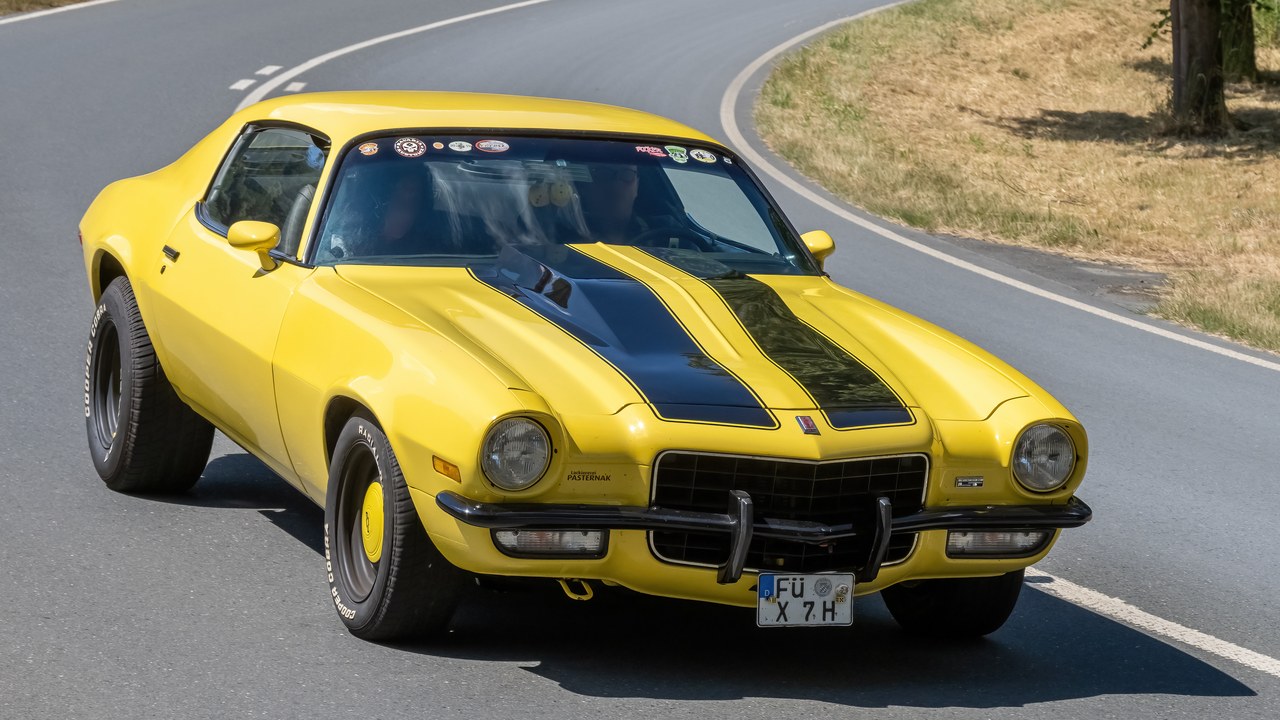
The Chevrolet Camaro arrived as Chevrolet’s F-body rival to the Ford Mustang, built on the same General Motors F-body platform it shared with the Pontiac Firebird. Chevrolet positioned it squarely against Mustang buyers, offering a range of engines from economical inline sixes up through big-block V8 options for drivers chasing genuine street performance.
Multiple generations followed over the decades, with the nameplate disappearing and returning more than once as tastes shifted. Even through those gaps, the Camaro kept its reputation as one of the pony-car segment’s most consistent big-name rivals on American streets.
2. Dodge Challenger: Retro Shape, Hemi Heart
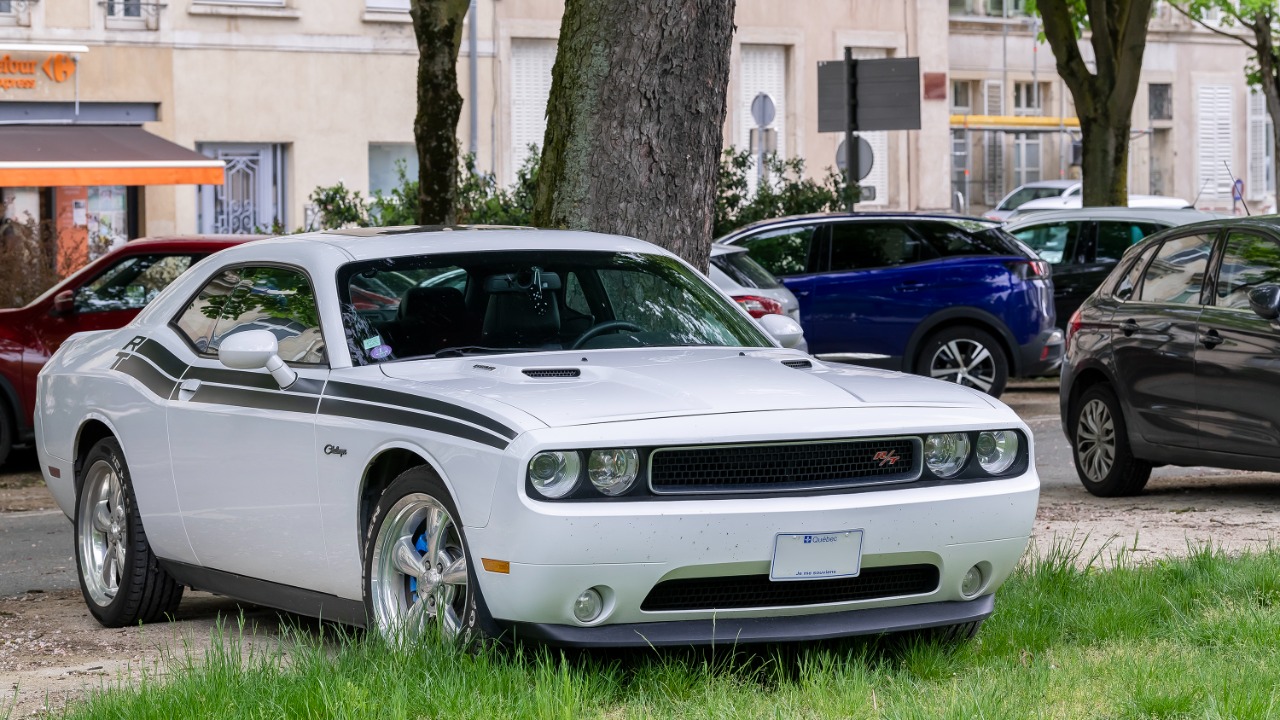
Dodge’s Challenger nameplate joined the pony-car fight late, arriving after Ford, Chevrolet, and Plymouth had already staked their claims on the segment. Dodge leaned on its Hemi V8 lineage to give the car serious straight-line credibility against established rivals already crowding showroom floors nationwide.
Decades later, a modern revival brought the original’s long hood and wide stance back into production, pairing throwback styling with contemporary engineering. That combination made the reborn Challenger a favorite among buyers chasing old-school presence without giving up daily drivability.
3. Plymouth Road Runner: Cartoon Horn, Real Speed
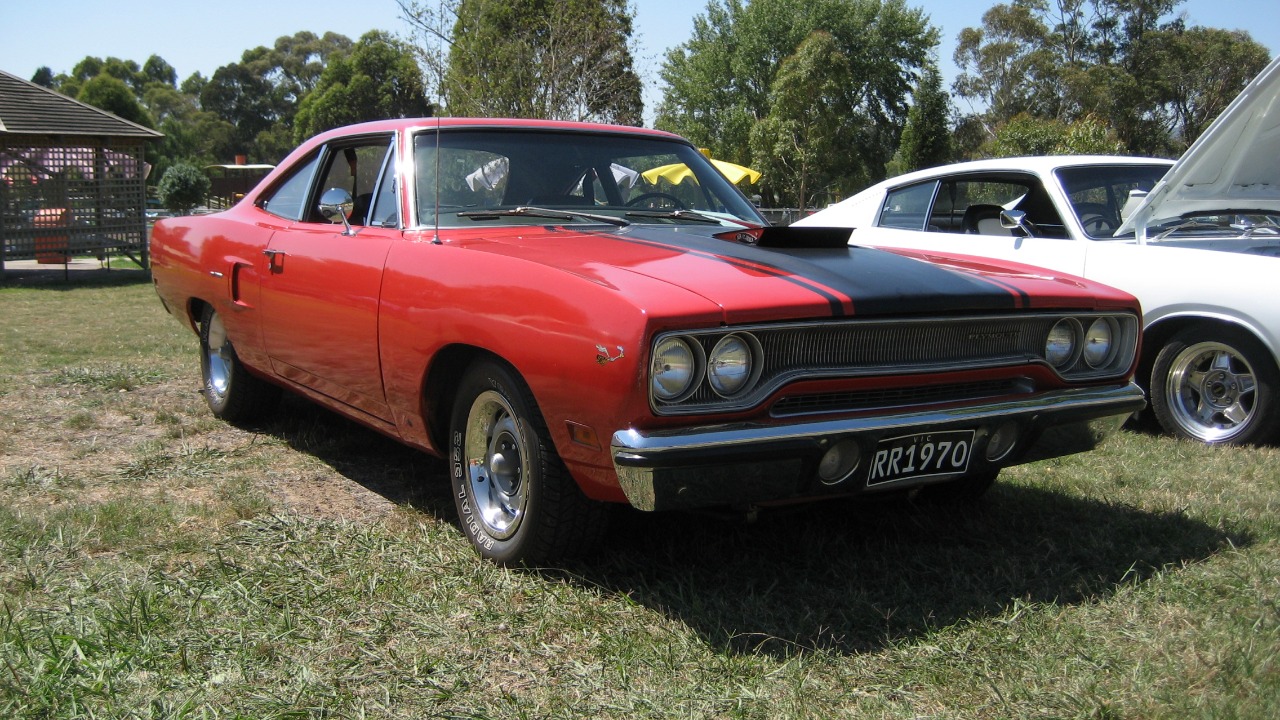
Plymouth’s Road Runner borrowed its name and its trademark horn sound directly from the Warner Bros. cartoon character, licensing the beeping honk as a novelty touch buyers noticed immediately. Plymouth stripped away expensive trim and comfort features to keep the sticker price low while still packing serious engine options.
That no-frills formula let Plymouth market genuine muscle-car performance to younger buyers who could not afford pricier rivals. The stripped-down approach became a template other manufacturers studied as they chased the same budget-performance buyer.
4. Chevrolet Chevelle: Big Block, Bigger Name
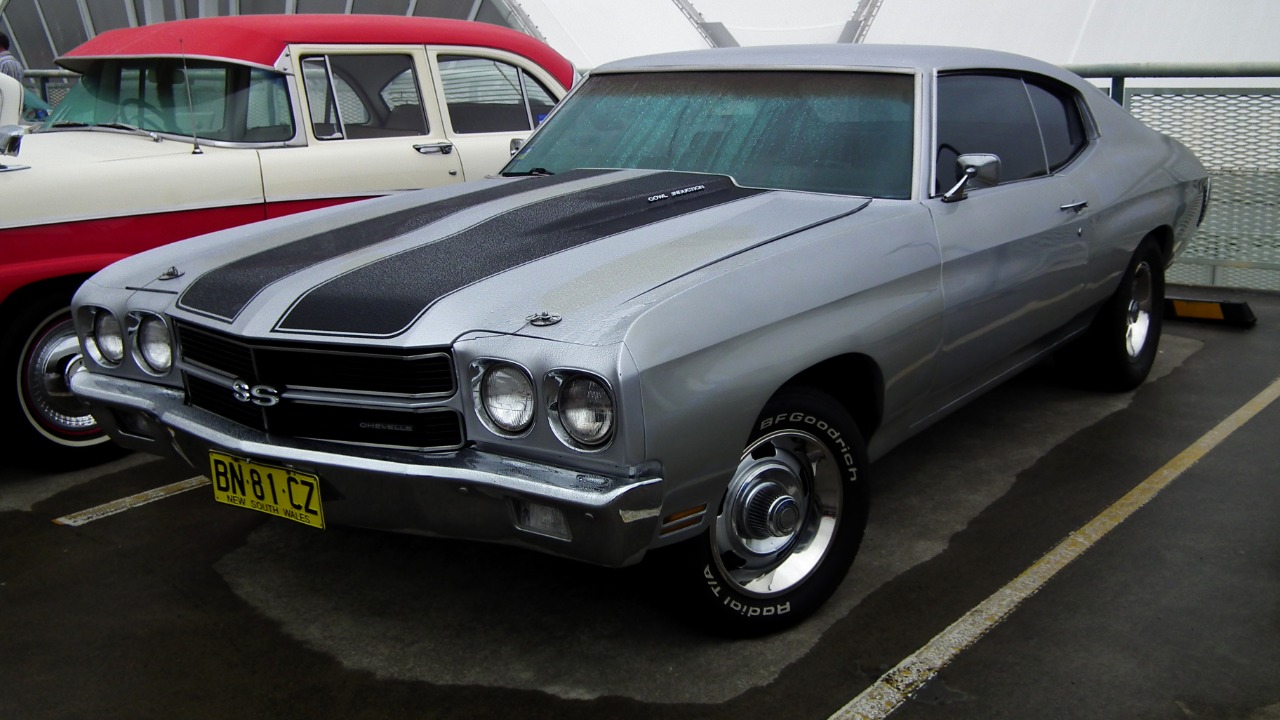
Chevrolet built the Chevelle SS lineup as a midsize platform that could still swallow big-block V8 engines, culminating in versions equipped with a 454 cubic-inch option. That combination of everyday practicality and serious displacement made the Chevelle stand out among GM’s broader muscle-car offerings.
Buyers could get four doors of usable family space alongside genuine big-block muscle, a pairing few rivals matched. That versatility helped the Chevelle earn a lasting reputation well beyond its factory production years. Restorers today still hunt for original big-block Chevelles decades after the last one rolled off the assembly line.
5. Dodge Charger: Street And Screen Star
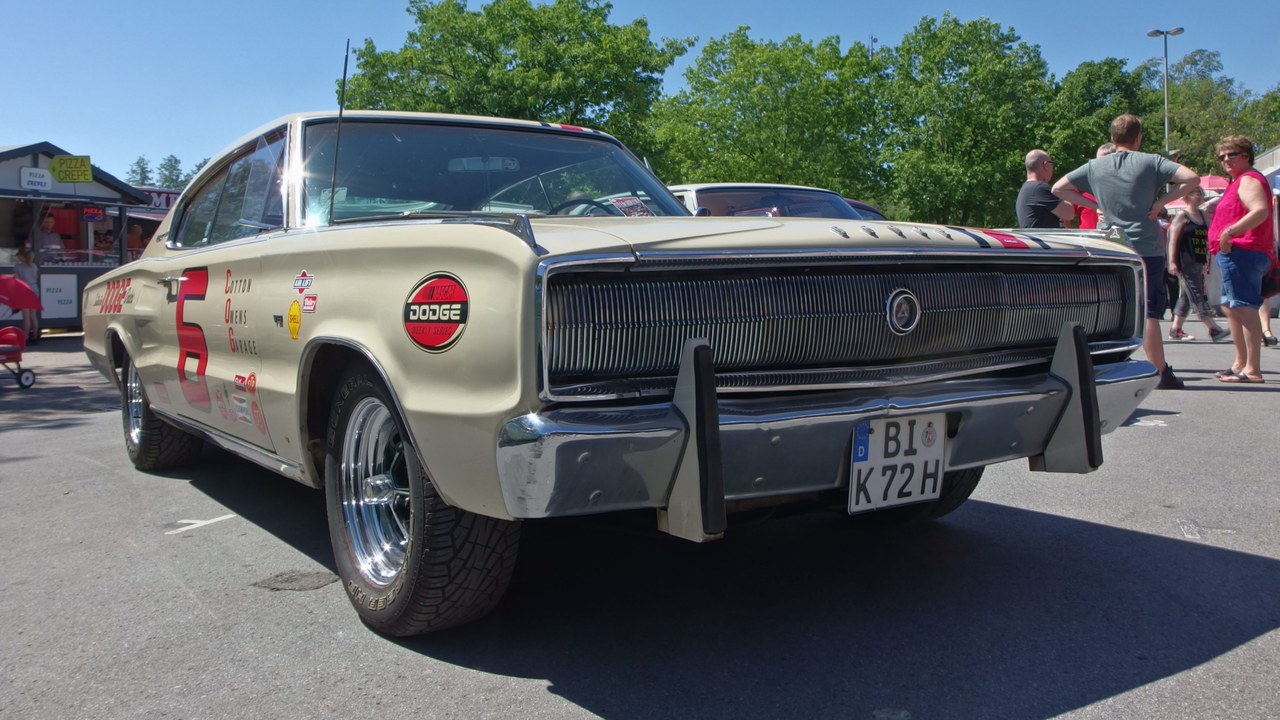
the B-body Dodge Charger introduced a swooping, coke-bottle-shaped body that separated it visually from boxier competitors on the same dealer lots. Its fastback roofline and hidden headlight options gave the Charger a menacing profile that buyers either loved or found too radical for daily use.
Television later cemented its fame when a bright orange example became the General Lee on The Dukes of Hazzard. That screen exposure introduced the Charger’s shape to audiences who never set foot near a dealership.
6. Oldsmobile 442: Muscle With Manners
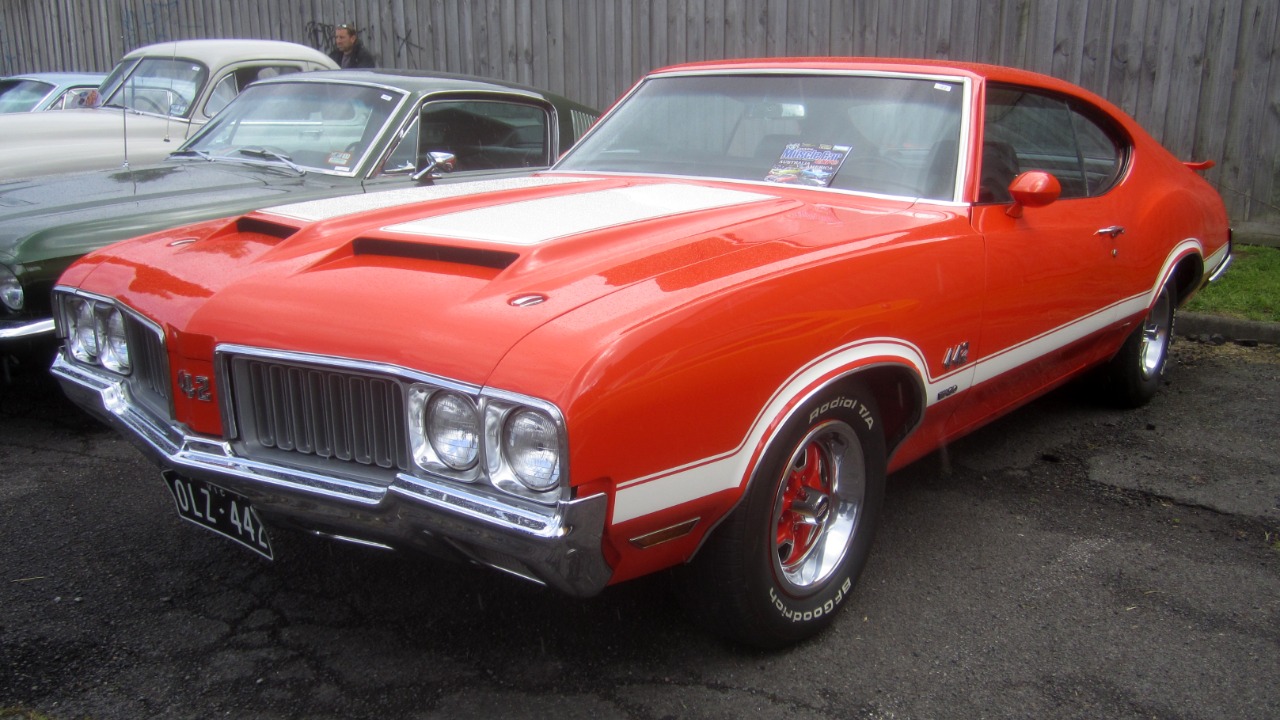
Oldsmobile’s 442 package took its name from a four-barrel carburetor, four-speed manual transmission, and dual exhaust setup bundled together on the option sheet. Oldsmobile also upgraded the suspension components, giving the car a handling edge that some straight-line-focused rivals never bothered to develop.
That attention to cornering as well as acceleration set the 442 apart within GM’s own muscle-car lineup. Enthusiasts who wanted composure through curves, not just power off the line, gravitated toward the Oldsmobile badge. Collectors today still seek out original 442 badges as proof of that balanced factory setup.
7. AMC Javelin: Detroit’s Independent Underdog
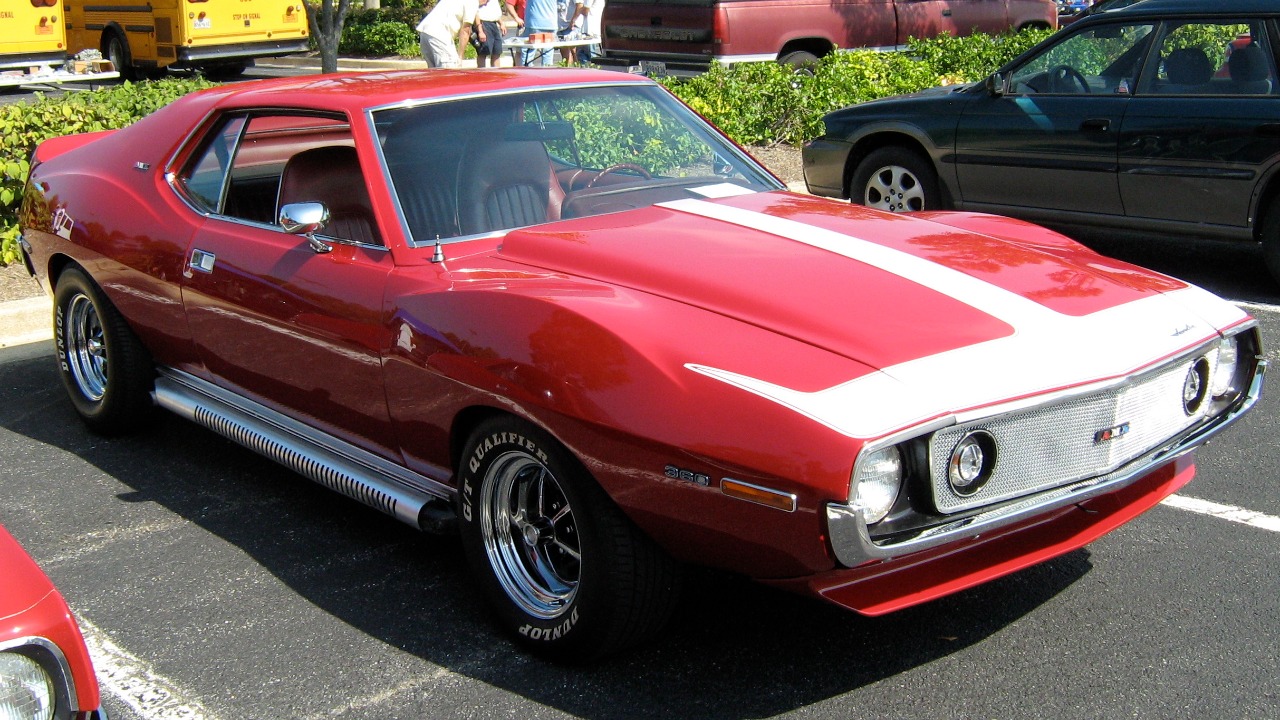
American Motors’ Javelin entered the pony-car field as the smallest domestic automaker’s answer to offerings from Ford, Chevrolet, and Chrysler. American Motors had far less budget to work with than its bigger rivals, yet still fielded a genuine competitor with sharp styling and available V8 power.
AMC pushed the Javelin into Trans-Am racing to prove its credibility on track rather than just in advertising. That underdog racing effort earned the independent automaker respect it rarely received in everyday sales figures.
8. Plymouth Superbird: Built To Win NASCAR
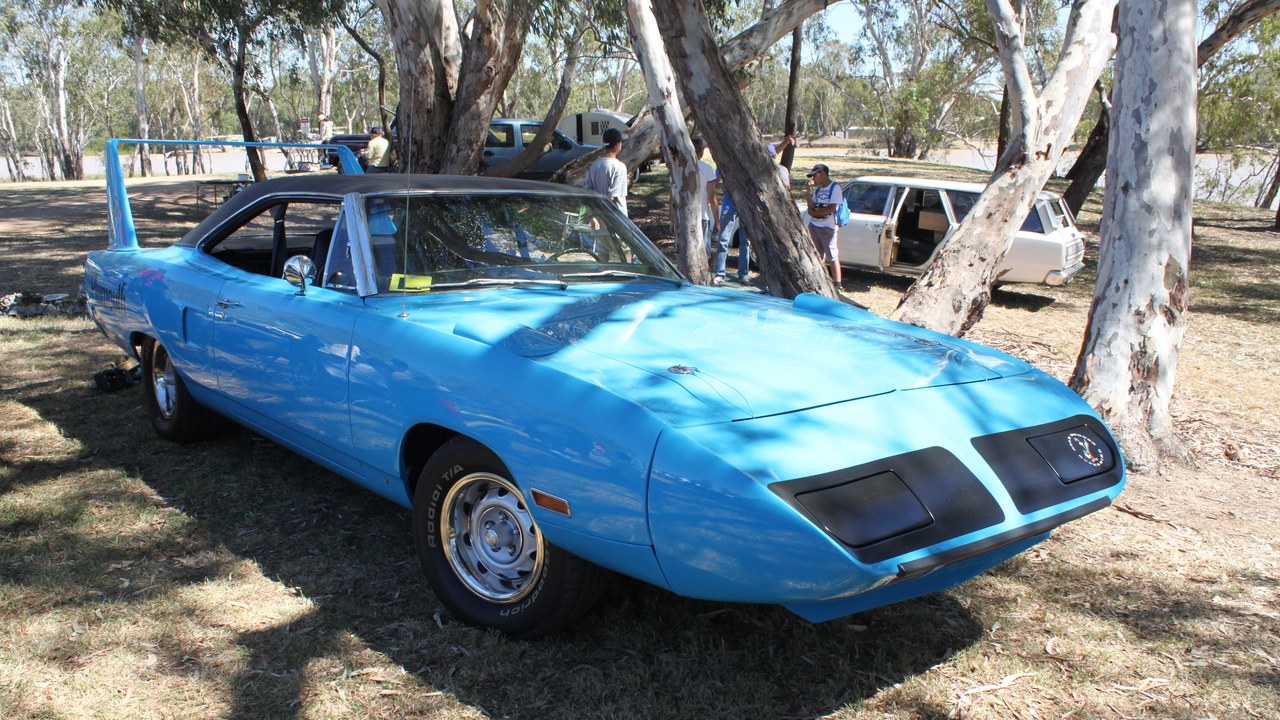
Plymouth built the Plymouth Superbird with a towering rear wing and a sharply pointed nose cone purely to satisfy NASCAR’s homologation rules for aerodynamic bodywork. Those extreme proportions looked unusual parked outside a suburban house, drawing stares from neighbors unfamiliar with its racing purpose.
On the track, that same bodywork cut through the air far more efficiently than boxier stock rivals of the period. The road-going version simply carried the race car’s aerodynamic logic straight onto public streets. Surviving examples now draw attention at car shows purely for how strange and purposeful that winged shape still looks.
9. Ford Torino: Ford’s Big Track Contender
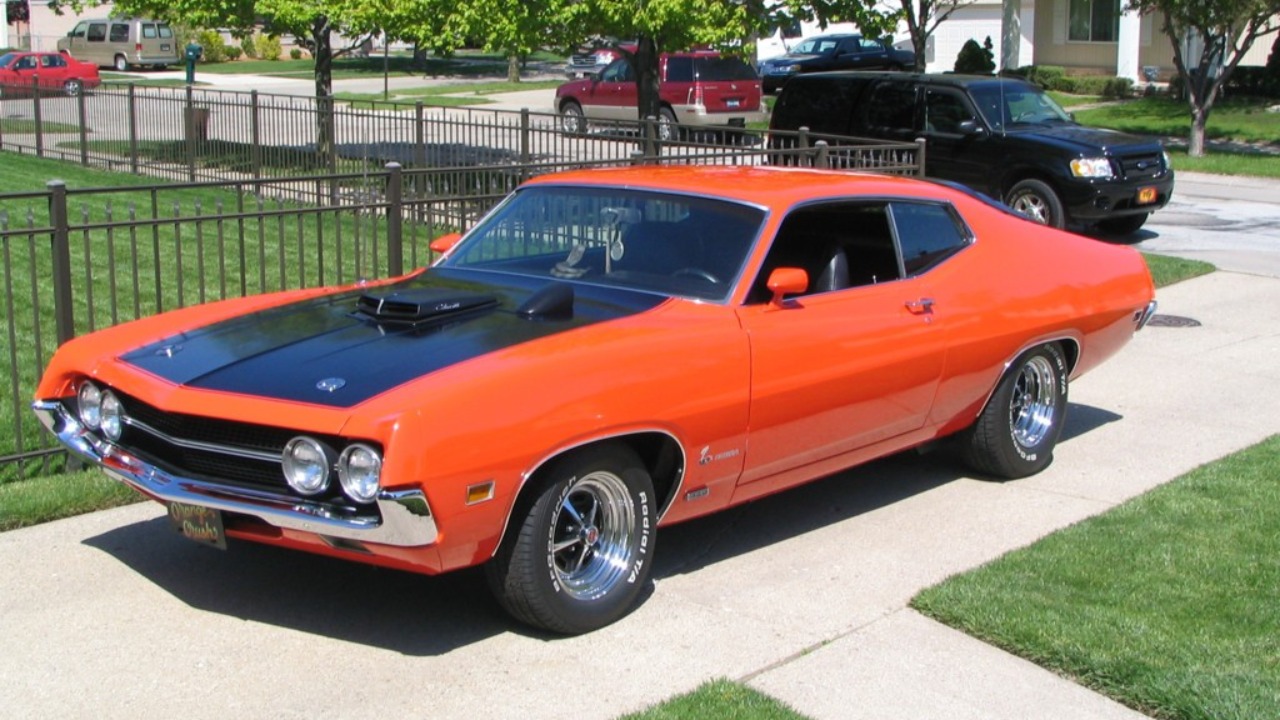
Ford’s Torino lineup grew larger than typical muscle-car rivals, giving Ford a full-size body that still carried serious performance options and NASCAR oval-track ambitions. That extra size let Ford market genuine family practicality alongside the same performance image its smaller pony cars were chasing.
Television gave the Torino its own spotlight when a red-and-white example became the signature car on Starsky and Hutch. That screen role introduced the big Ford to viewers who never considered it a performance nameplate. Surviving Torino coupes remain a niche favorite among collectors who appreciate its unusual size for the era.
10. Buick GSX: Quiet Brand, Loud Torque
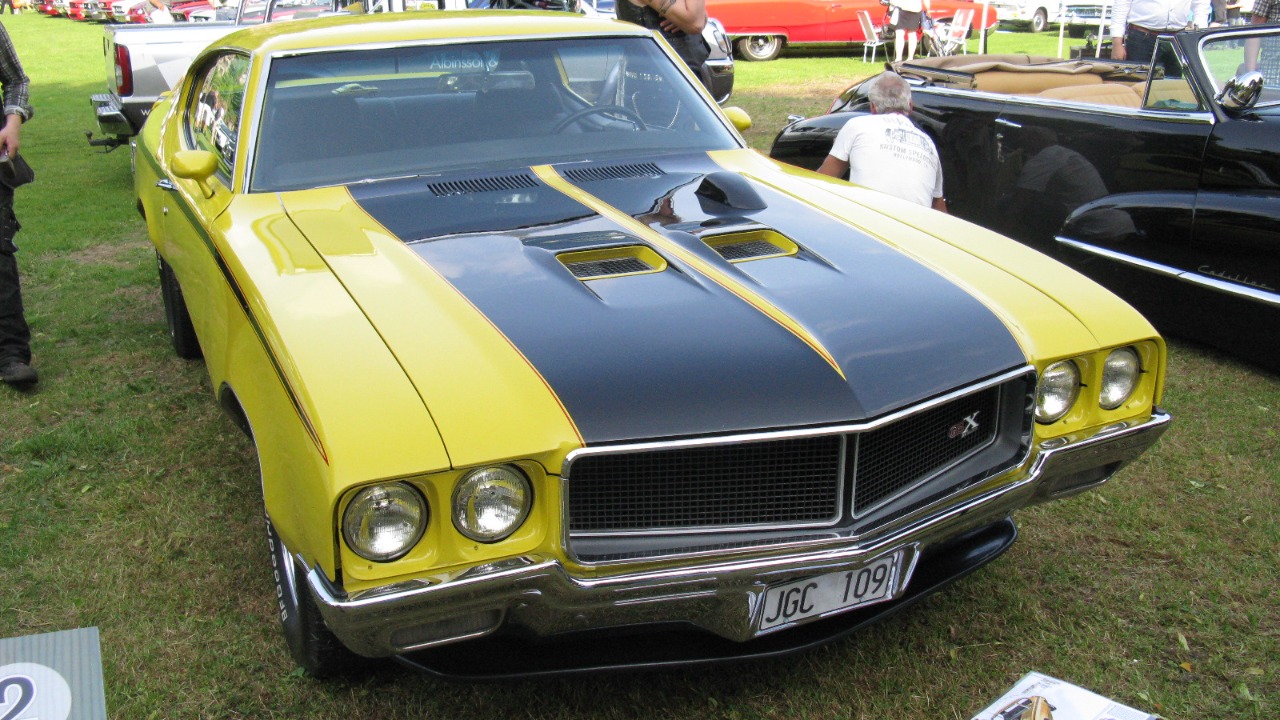
Buick’s GSX package dressed a Skylark-based coupe in bold stripes, a rear spoiler, and a big-block V8 engineered around strong low-end torque rather than sheer top-end horsepower. Buick built its reputation on comfort and quiet luxury, making the GSX an unexpected entry into the muscle-car conversation.
That contrast surprised buyers who assumed genuine muscle only came from Detroit’s usual performance-focused nameplates. The GSX proved a comfort-oriented brand could still build something with real street credibility. Surviving GSX coupes now draw attention from collectors precisely because so few were ever built.
More from Morning Overview
