
The 1960s and 1970s gave America muscle, chrome and some of the most memorable cars ever built. They also produced models that rusted early, handled poorly or simply failed to live up to the showroom pitch. Here are 13 cars from the ’60s and ’70s that disappointed their owners, from the Pinto to the Cordoba.
Read next on Morning Overview: Over 20 trillion gallons of rain fell on the Four Corners states and Nevada in two weeks
1. Ford Pinto: The Pinto’s Fuel Tank Problem
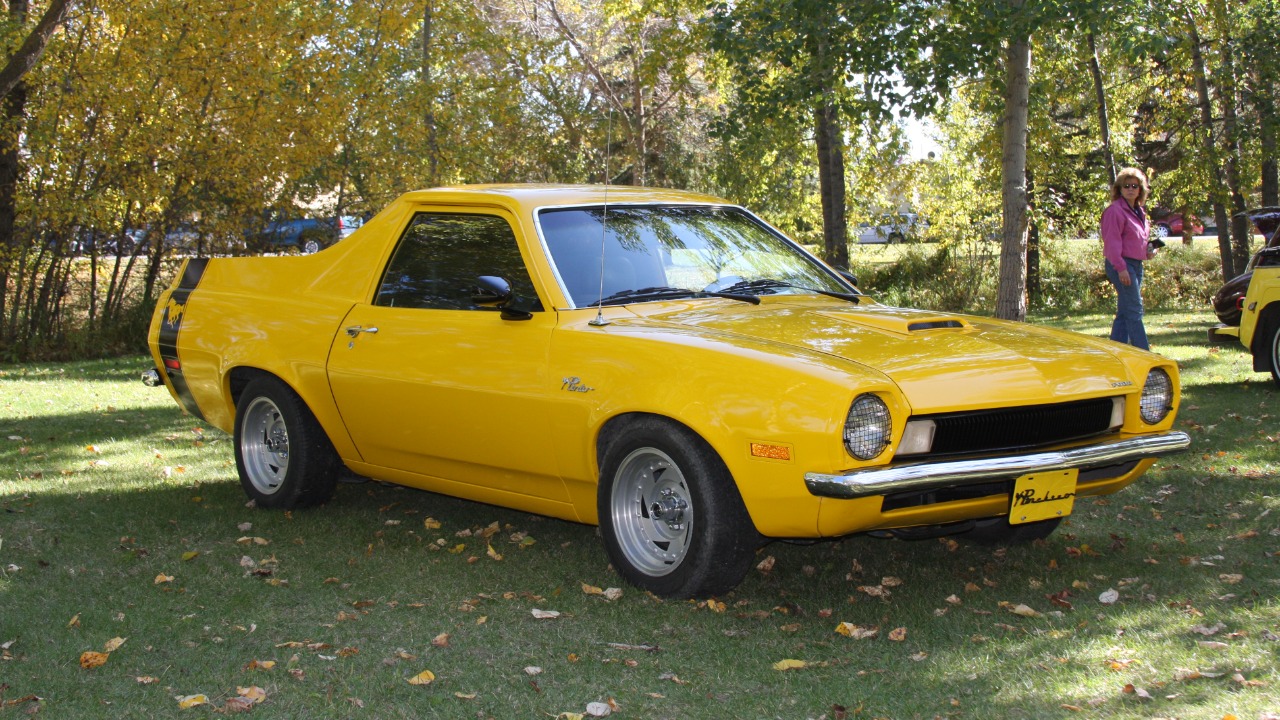
The Ford Pinto was Ford’s first North American subcompact, and in the 1970s it drew intense media and government scrutiny after several deadly fires followed fuel tank ruptures in rear-end crashes, according to its Wikipedia entry.
The small, cheap car was a strong seller when it arrived for 1971, built to fight imports from Japan and Germany. The fuel tank controversy led to a major recall and lawsuits, and the Pinto’s name became shorthand for corporate cost-cutting for decades.
2. Chevrolet Corvair: Unsafe at Any Speed
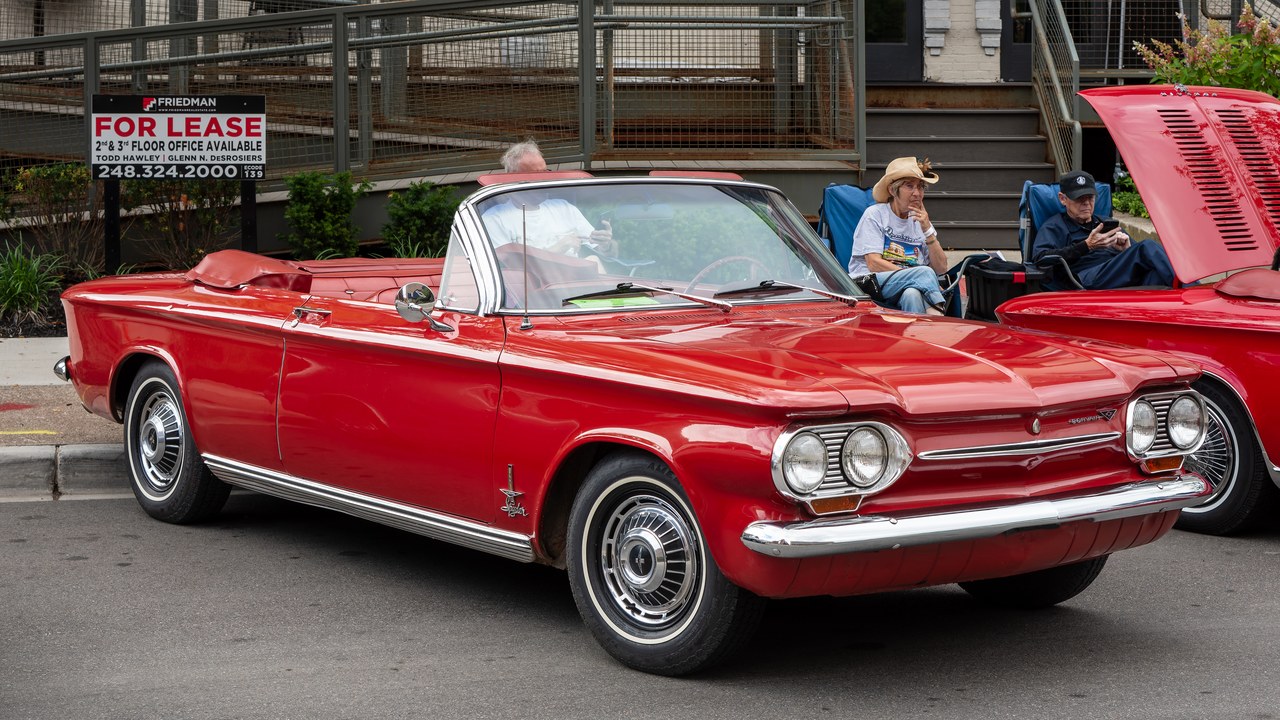
Ralph Nader argued in his book “Unsafe at Any Speed” that early swing-axle Chevrolet Corvairs handled dangerously, according to its Wikipedia entry. Chevrolet still sold 1,835,170 of the rear-engined compacts in all.
The Corvair was a bold design, with an air-cooled engine in the back like a Volkswagen. Its rear suspension could tuck under in hard corners, and Nader’s 1965 book turned the car into a symbol of auto safety failures. Sales fell sharply, and production ended in 1969, with the last car built on May 14, 1969.
3. Chevrolet Vega: The Vega That Hurt GM’s Name
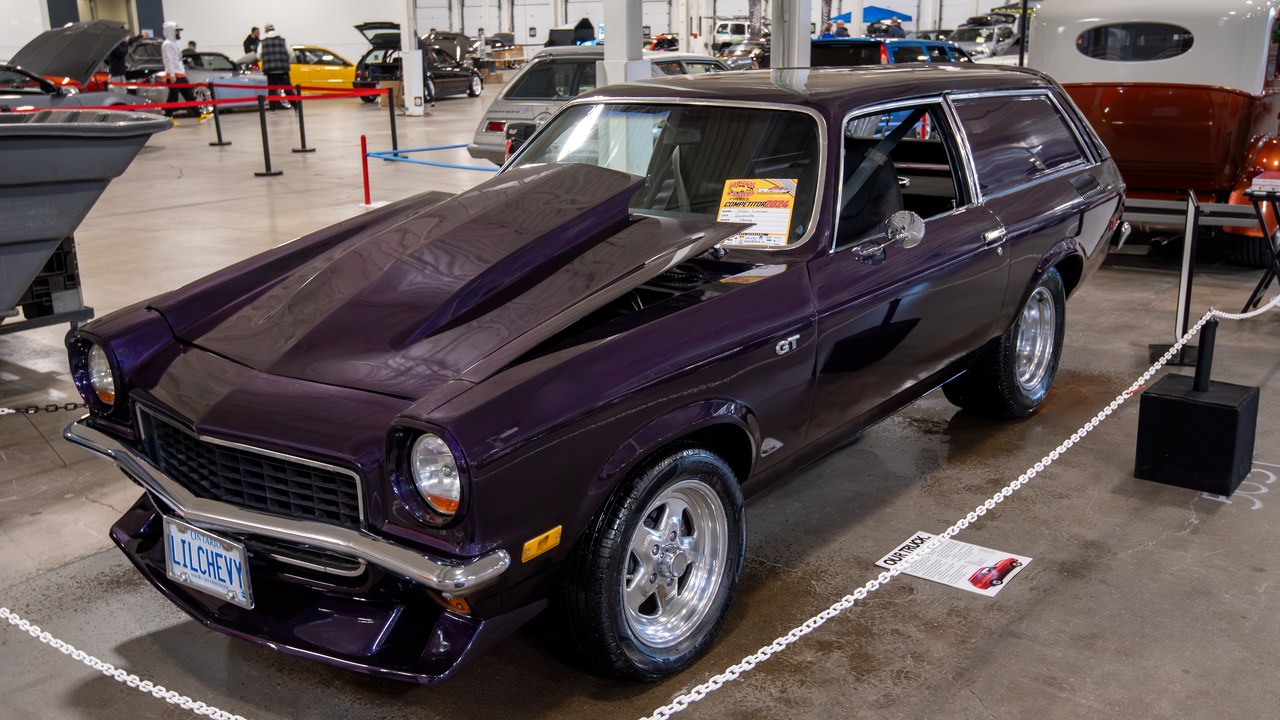
The Chevrolet Vega went through numerous recalls and design upgrades, but its problems still tarnished its reputation and that of General Motors, according to its Wikipedia entry.
Every standard Vega used a 2.3-liter four-cylinder engine with a lightweight aluminum block designed just for the car. That engine was prone to overheating and burning oil, and the bodies rusted quickly. The Vega won early praise and an award when it launched for 1971, which made its fall more painful.
4. AMC Gremlin: The Gremlin That Never Changed
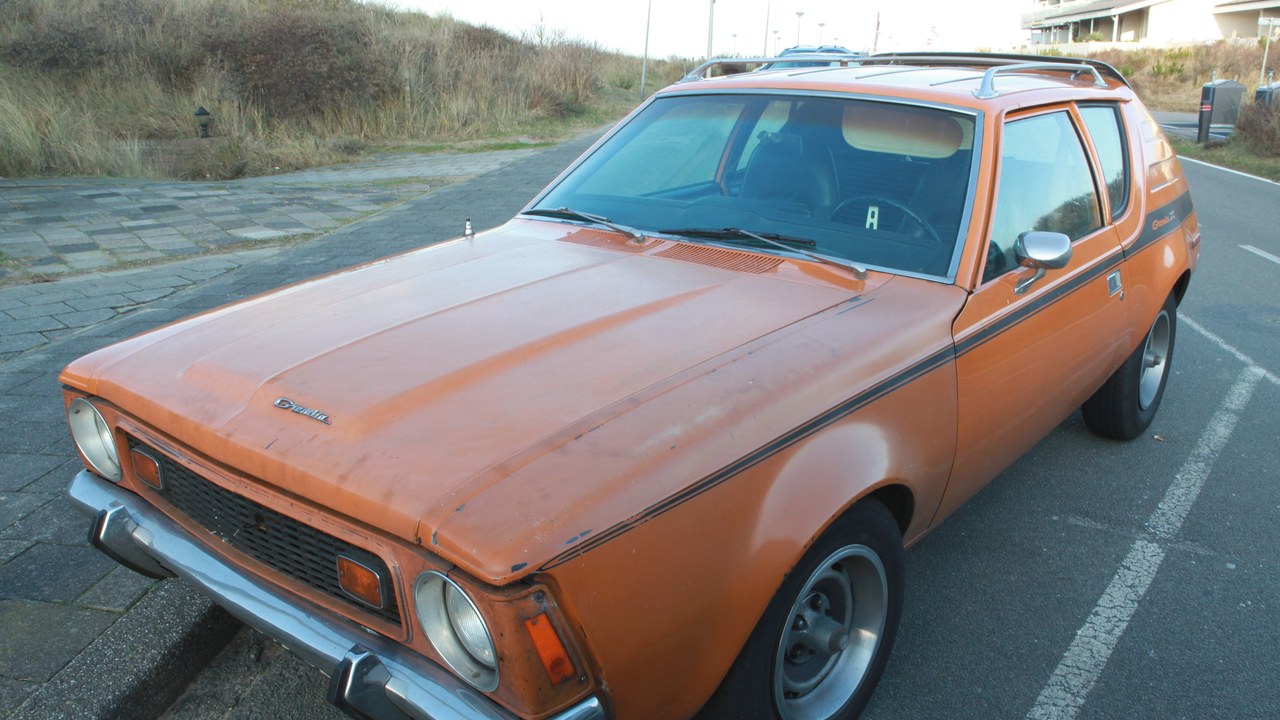
The AMC Gremlin’s body barely changed over nine years of production, even as lighter rivals arrived with more doors, better interiors and front-wheel drive, according to its Wikipedia entry.
American Motors built it by chopping the rear off its Hornet compact, giving it a short, abrupt tail. It went on sale in 1970 to fight the Chevrolet Vega, Ford Pinto and imports like the Volkswagen Beetle. Owners got a cheap car, but one that quickly looked dated beside newer small cars.
5. AMC Pacer: The Fishbowl on Wheels
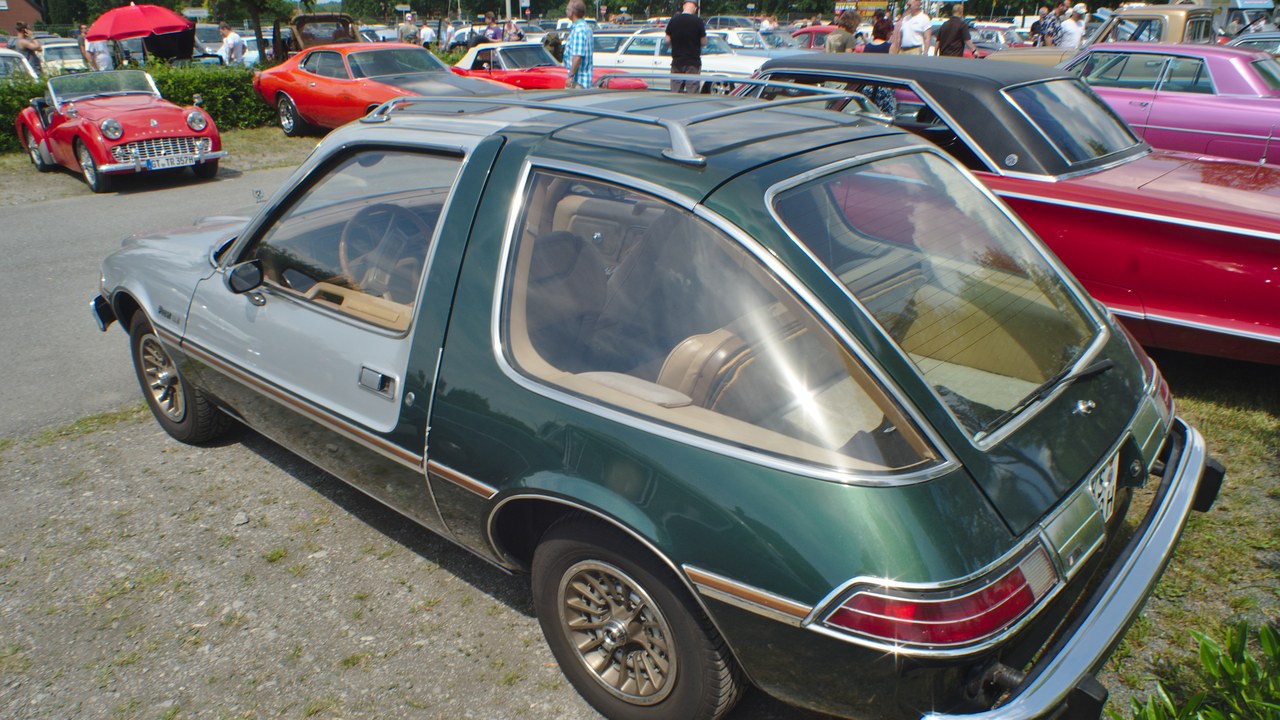
The AMC Pacer’s designer even eliminated rain gutters, a detail that critics said let rain drip onto the front seat when the doors opened, according to its Wikipedia entry.
The Pacer’s rounded shape and huge glass area made it look like nothing else on the road in 1975, and it earned the nickname “fishbowl.” It was wide for its short length and heavy for a small car, so fuel economy disappointed, and buyers soon moved on.
6. Bricklin SV-1: The Gull-Wing Car With Body Trouble
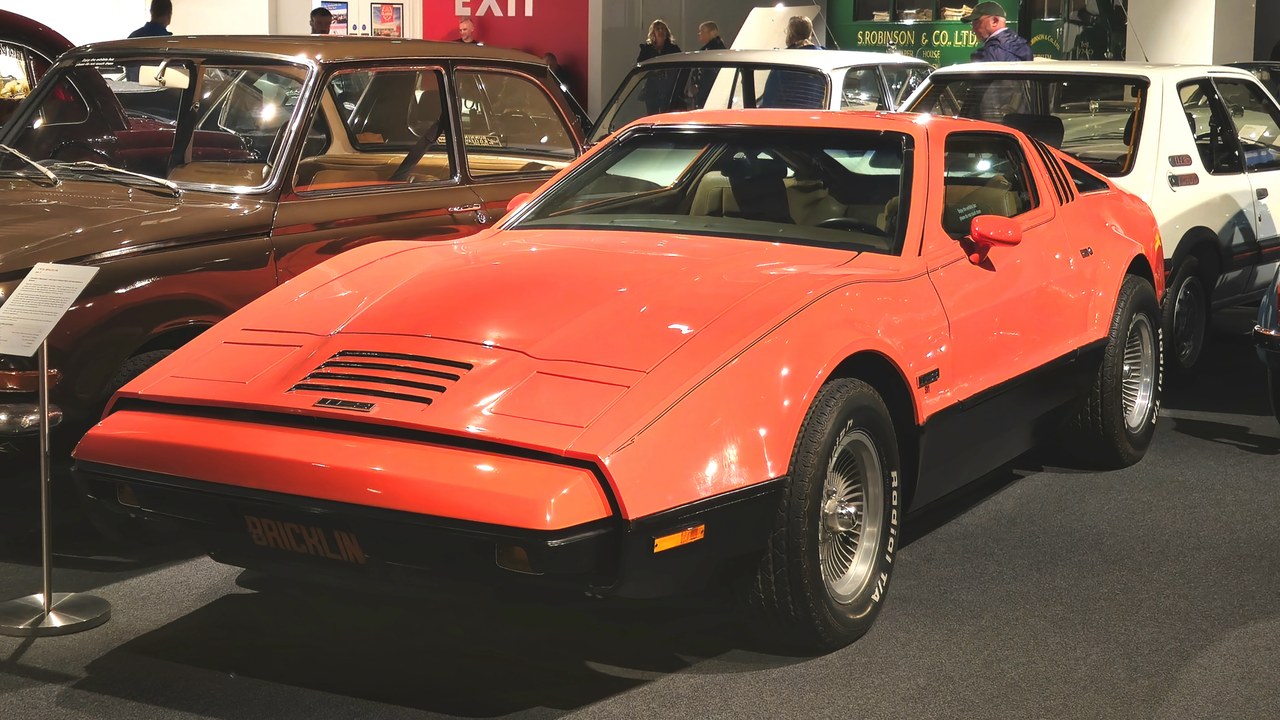
Bricklin experienced persistent problems with the composite acrylic and fiberglass body panels on its gull-wing SV-1 sports car, according to its Wikipedia entry.
The SV-1 was built in Saint John, New Brunswick, from 1974 to 1976 and marketed as a safety sports car. Its heavy gull-wing doors were powered by a system that could be slow and unreliable. The company built 2,854 cars before it went bankrupt, leaving owners with an orphaned car.
7. Morris Marina: Britain’s Most Mocked Family Car
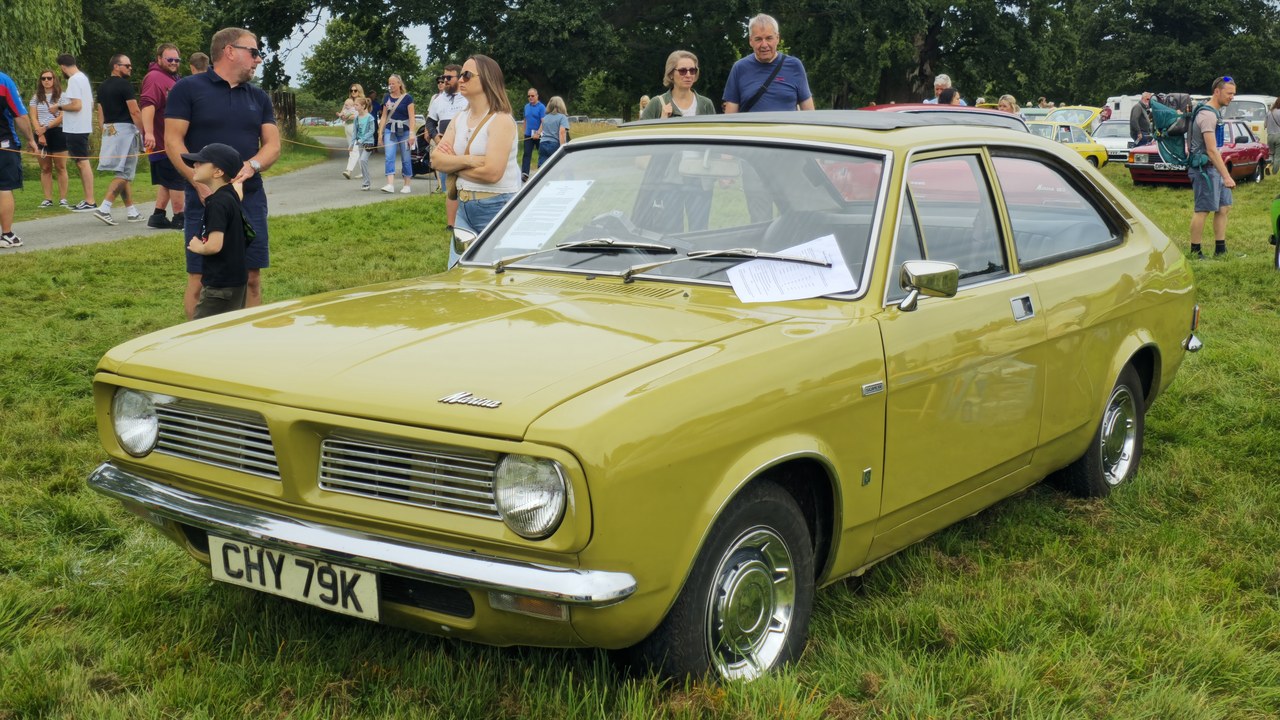
The Morris Marina, sold in some markets as the Austin Marina or Leyland Marina, ranks among the worst cars ever built, according to various sources cited in its Wikipedia entry.
The Marina was British Leyland’s attempt to build a simple, profitable family car to rival Ford in the 1970s. It sold in large numbers in Britain, but owners complained about dated engineering, poor handling and patchy build quality, and its name became a punchline.
8. Subaru 360: The Tiny Subaru That Struggled in America
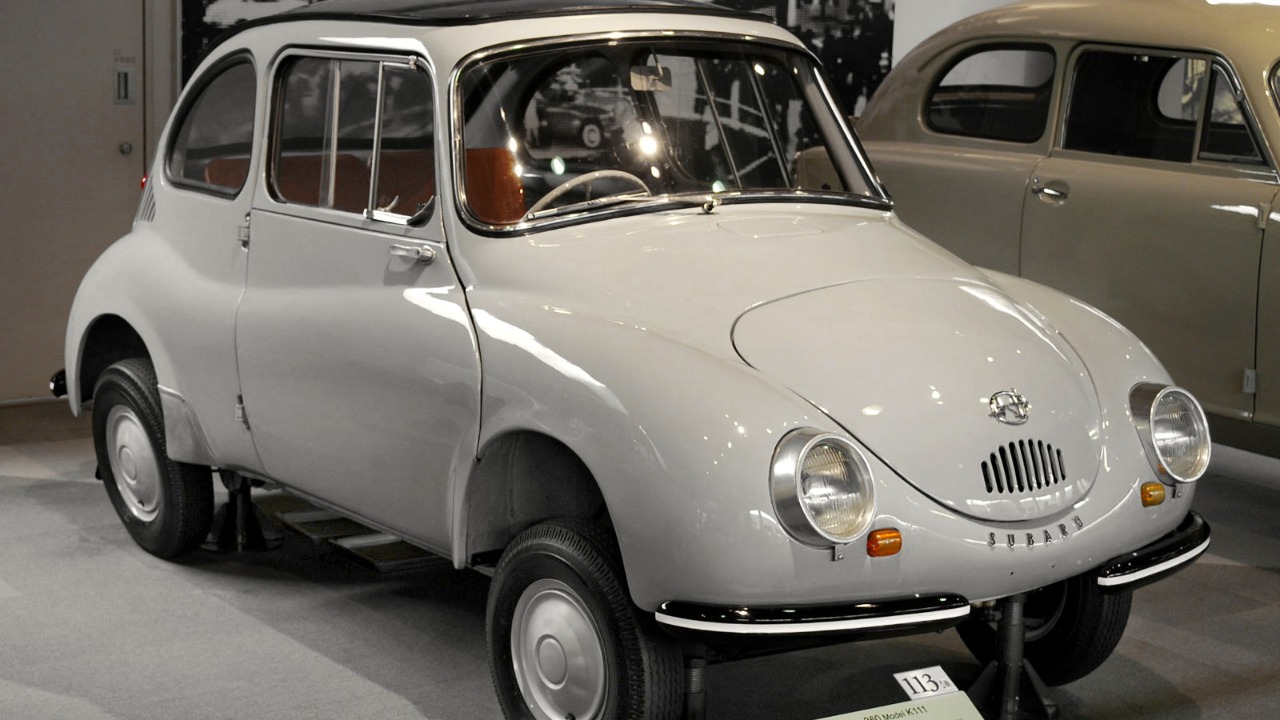
The Subaru 360 was the company’s first mass-produced car and reached 392,000 units, according to its Wikipedia entry. Its engine made just 16 PS at launch in 1958, later rising to 20 PS.
In Japan it was a hit, an affordable car for families who had never owned one. When it was imported to the United States in the late 1960s, though, its small size and modest power made it a poor match for American highways, and sales quickly stalled.
9. Ford Maverick: The Maverick That Disappointed
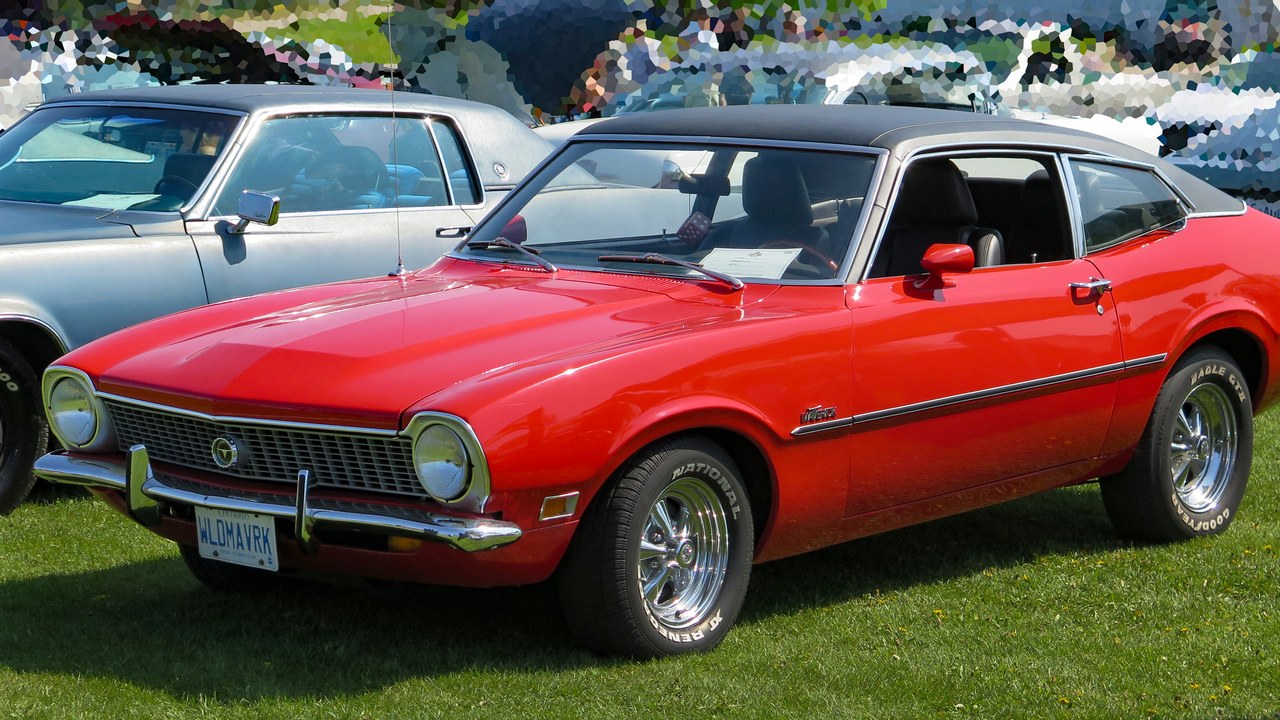
The 1970 Ford Maverick was meant to fight small imports, but it quickly drew criticism for subpar build quality, a cheap and uncomfortable interior and weak performance, according to MotorBiscuit.
Ford priced the compact low and sold it in big numbers in its early years. That cost-cutting showed, though, and owners found it noisy, sparse and slow with the base six-cylinder engine. It was replaced after 1977 by the Fairmont.
10. Buick Riviera: The Riviera That Grew Too Big
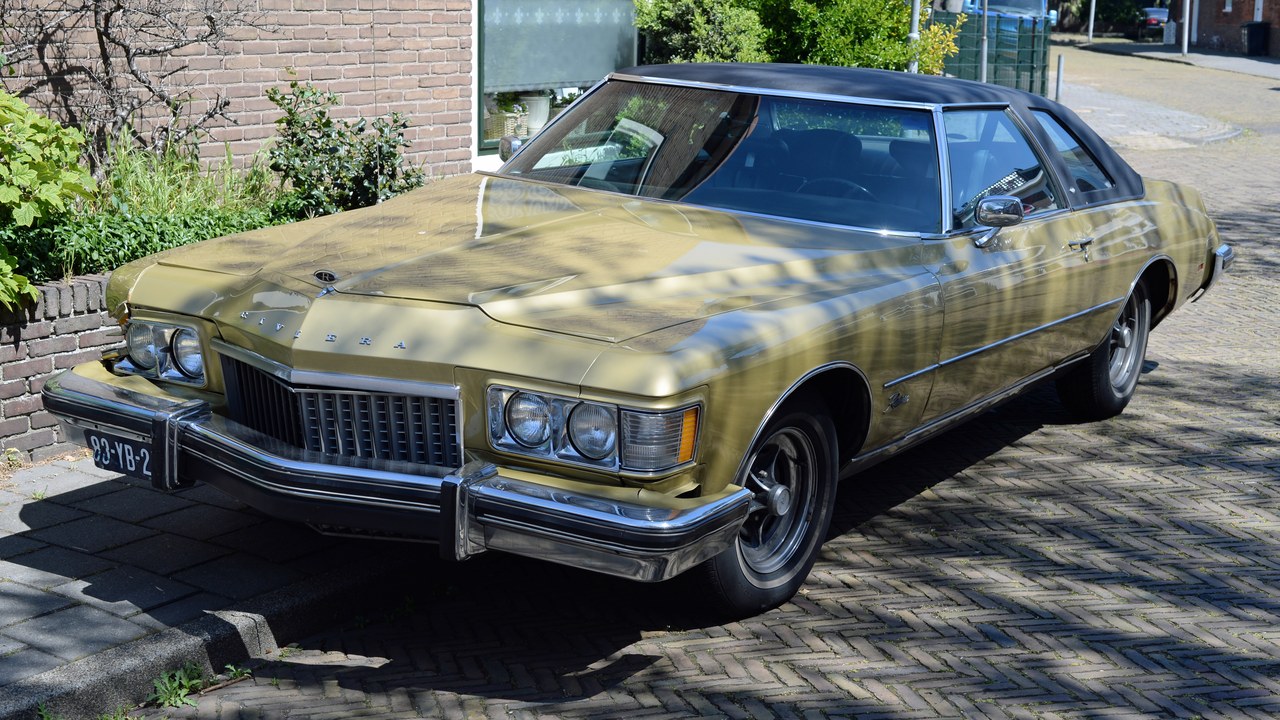
The 1974 to 1976 Buick Rivieras were not well received, according to MotorBiscuit, which points to an exaggerated, ungainly design and an overly heavy body that brought poor handling and worse fuel economy.
The Riviera had been one of the most admired personal luxury cars of the 1960s, with crisp styling that drew praise from designers. By the mid-1970s it had grown into a much heavier car, arriving just as gas prices spiked and buyers began to want something smaller.
11. Porsche 914: The Porsche Owners Shrugged At
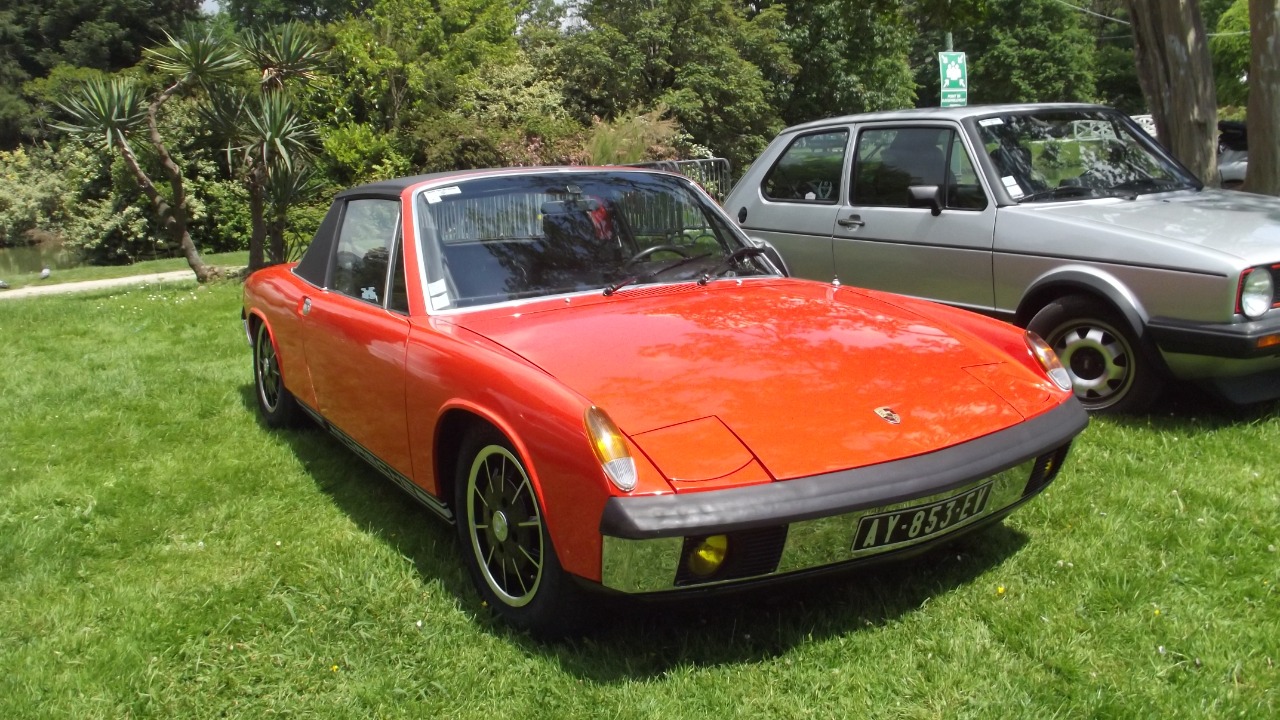
The Porsche 914 was built with Volkswagen from 1969 as an affordable sports car, but it was criticized as unattractive, and the base model’s VW-sourced engine delivered underwhelming power, according to MotorBiscuit.
The mid-engined 914 handled well and had a removable roof panel, but many buyers expected more from a Porsche badge. Some were sold as Volkswagen-Porsches, which only added to the confusion about what kind of car it was.
12. Ford Thunderbird: The Thunderbird That Lost Its Way
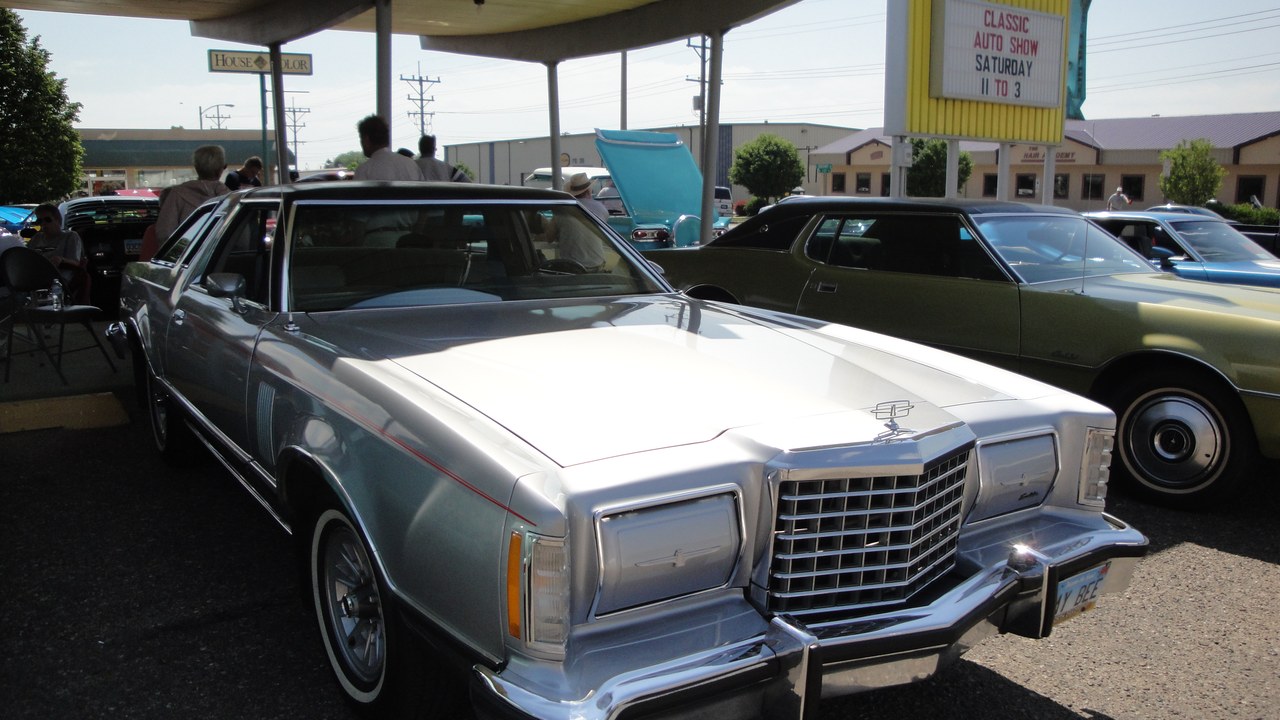
The Ford Thunderbird launched in 1955 as a stylish two-seat convertible, but by the late 1970s it had grown large and cumbersome, with poor fuel efficiency and lackluster handling, according to MotorBiscuit.
The 1977 to 1979 models were among the best-selling Thunderbirds ever because Ford priced them aggressively. Owners, though, got a long, heavy coupe that had little in common with the nimble original and struggled at the gas pump during the energy crises.
13. Chrysler Cordoba: The Cordoba’s Soft Corinthian Leather
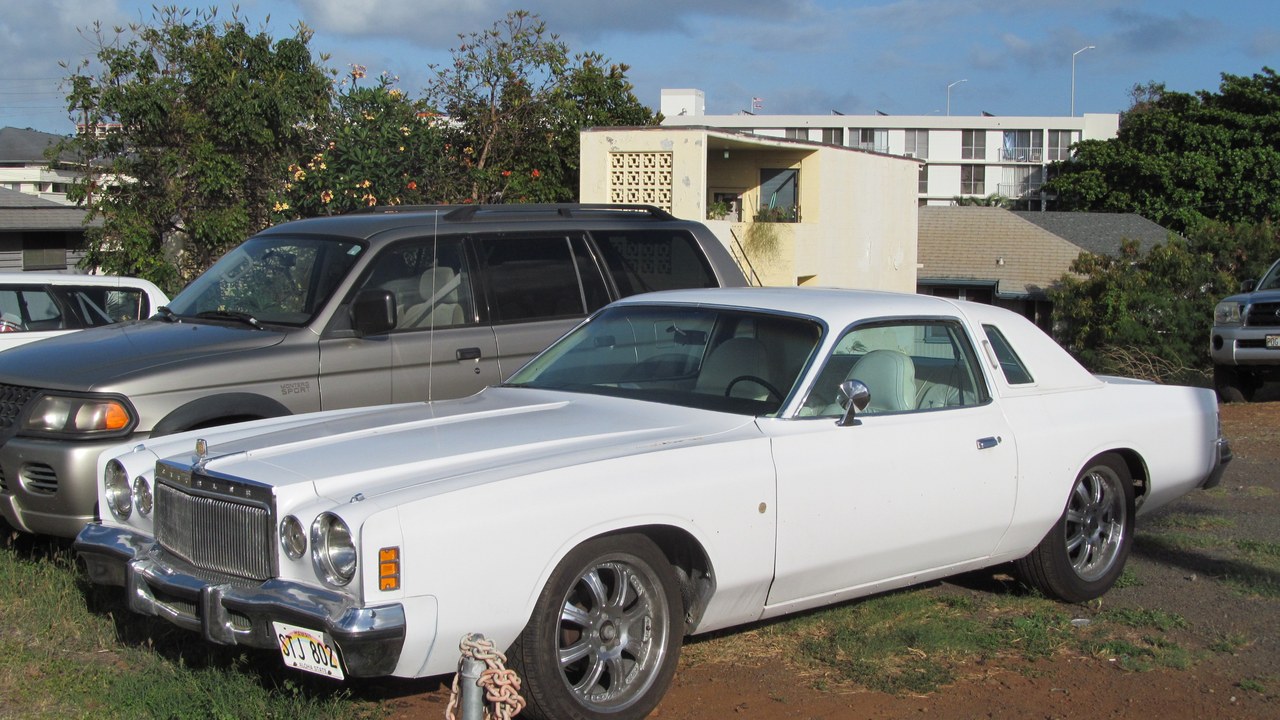
The personal luxury Chrysler Cordoba was criticized for uninspiring performance and handling, sluggish acceleration, poor fuel economy and fit-and-finish complaints, according to MotorBiscuit.
Chrysler sold it with ads in which actor Ricardo Montalban praised its “soft Corinthian leather,” and the car sold well at first. But behind the luxury image, owners got a heavy coupe that felt slow, and Chrysler’s quality problems of the era showed up in rattles and trim.
More from Morning Overview
- The FAA wants $2.39 million from a flight school it says flew a Cessna about 280 times with an unapproved part
- A $1 billion gas plant planned for Superior, Wisconsin, has been abandoned
- Shaq spent $1.3 million on three Rolls-Royce Phantoms to prove a point to a salesman
- The Justice Department asked courts to undo approvals for three offshore wind farms, one already making power
