
In 1274 and again in 1281, Kublai Khan sent invasion fleets against Japan, and both times storms and Japanese defenders turned them back. The wrecks of that second armada still lie off Takashima Island, and archaeologists keep finding more. This month brought word of a third ship, believed to be the fleet’s mother ship, carrying dice and playing cards its crew used to pass the time.
Read next on Morning Overview: The FAA wants $2.39 million from a flight school it says flew a Cessna about 280 times with an unapproved part
Mongol invasions of Japan: Two Invasions That Failed
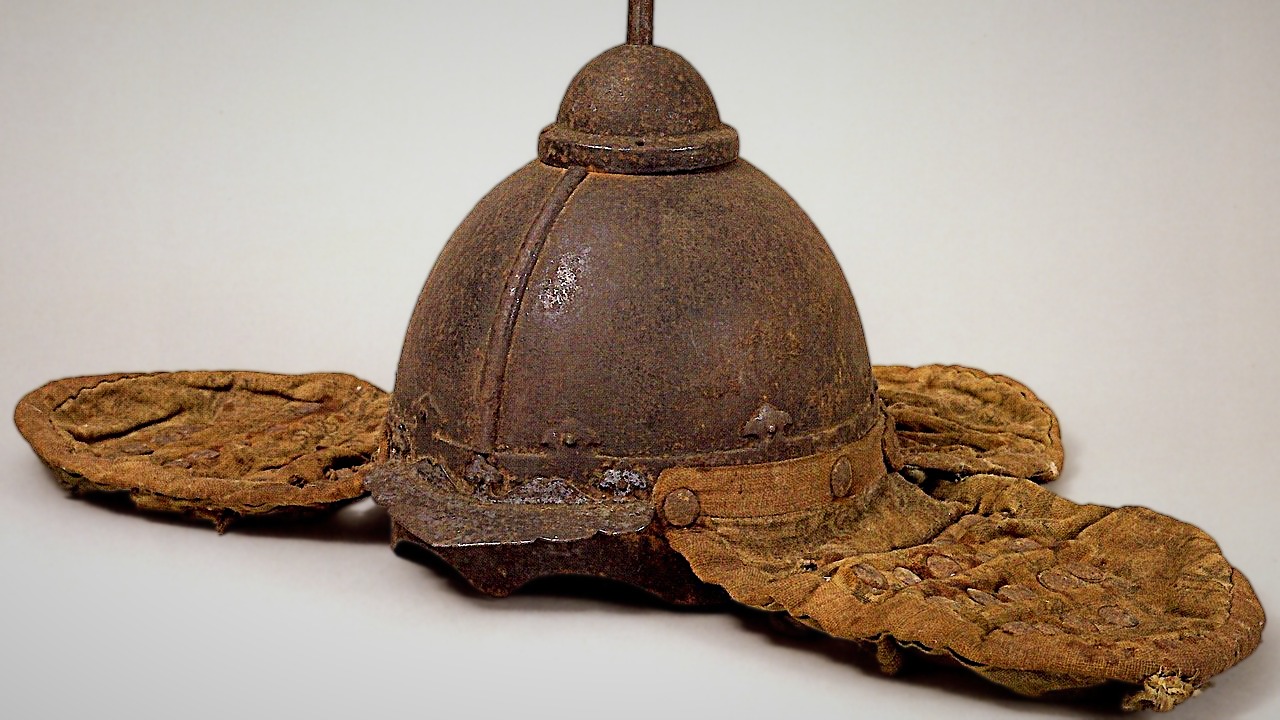
Kublai Khan of the Yuan dynasty launched major efforts in 1274 and 1281 to conquer the Japanese archipelago, after Korea’s Goryeo kingdom had become his vassal. Both attempts failed.
The invasions set a limit on Mongol expansion and rank as nation-defining events in Japanese history. They were also among the earliest cases of gunpowder warfare outside China, with explosive hand-thrown bombs among the war’s notable innovations. And they gave Japanese the word kamikaze, first used for the typhoons said to have destroyed the invading fleets.
Kublai Khan: The Emperor Who Sent the Fleets
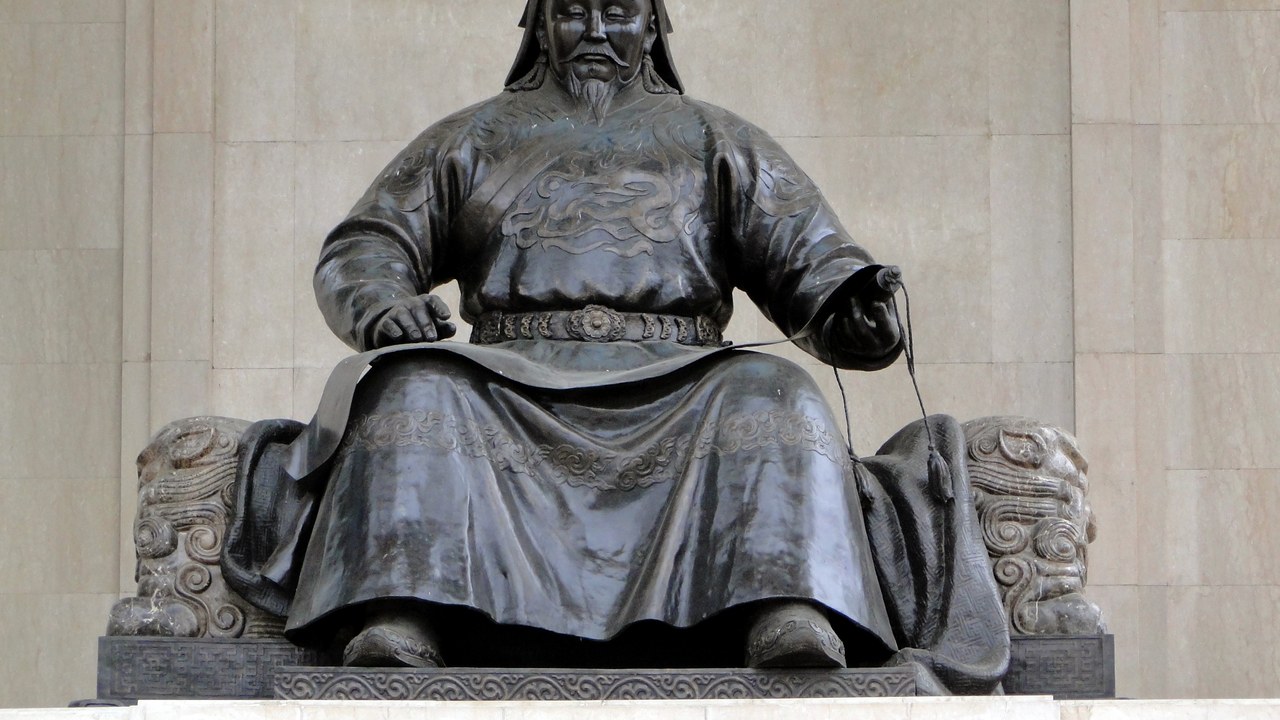
Kublai Khan was the founder and first emperor of the Mongol-led Yuan dynasty of China, a grandson of Genghis Khan who proclaimed the Great Yuan in 1271 and ruled until his death in 1294.
By 1279 he had finished conquering the Song dynasty and became the first non-Han emperor to rule all of China proper. His ambitions reached overseas: as emperor he ordered invasions of Japan, Vietnam, Burma and Java. Japan proved one of the costliest failures of that expansion.
Kamikaze (typhoon): The Divine Wind
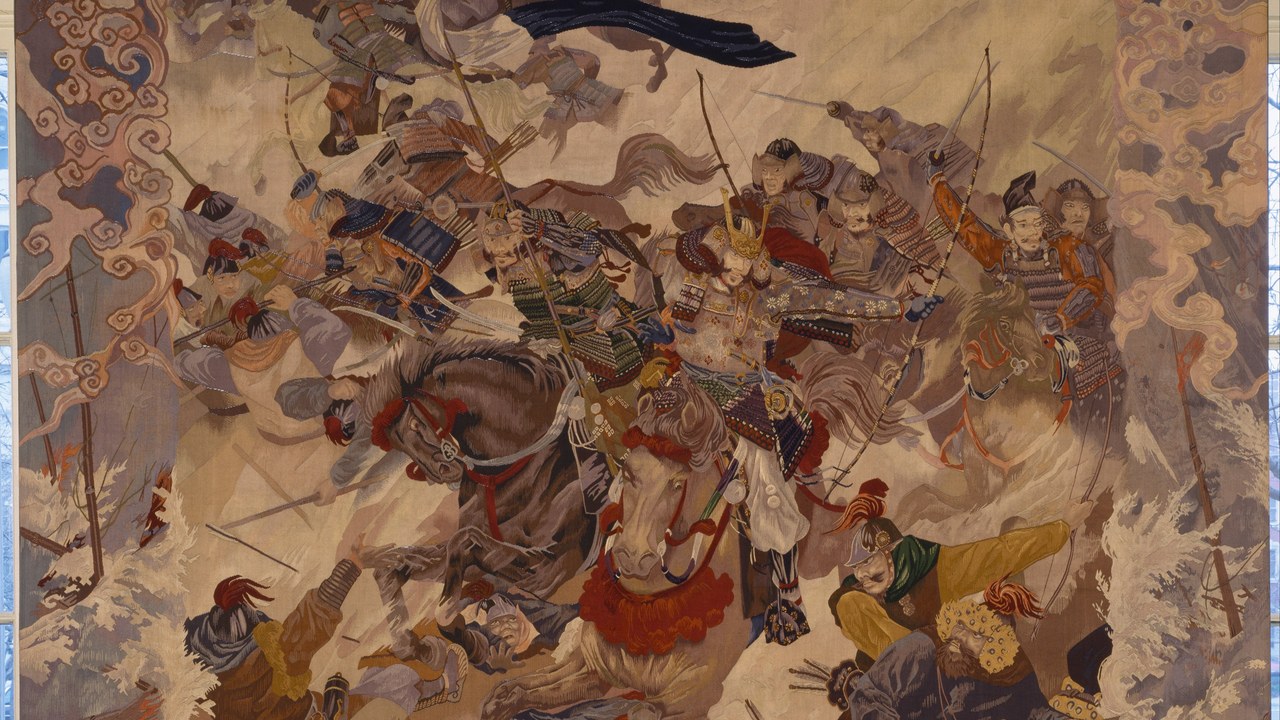
The kamikaze were winds or storms said to have saved Japan from two Mongol fleets under Kublai Khan, which attacked in 1274 and again in 1281. The name means divine wind.
With Zen Buddhism spreading among the samurai at the time, these were the first events in which typhoons were described as divine wind, as much for their timing as their force. The word later took on a darker meaning in World War II, when it was used for Japanese pilots who crashed their planes into enemy warships.
Hakata Bay: Where the Fighting Came Ashore
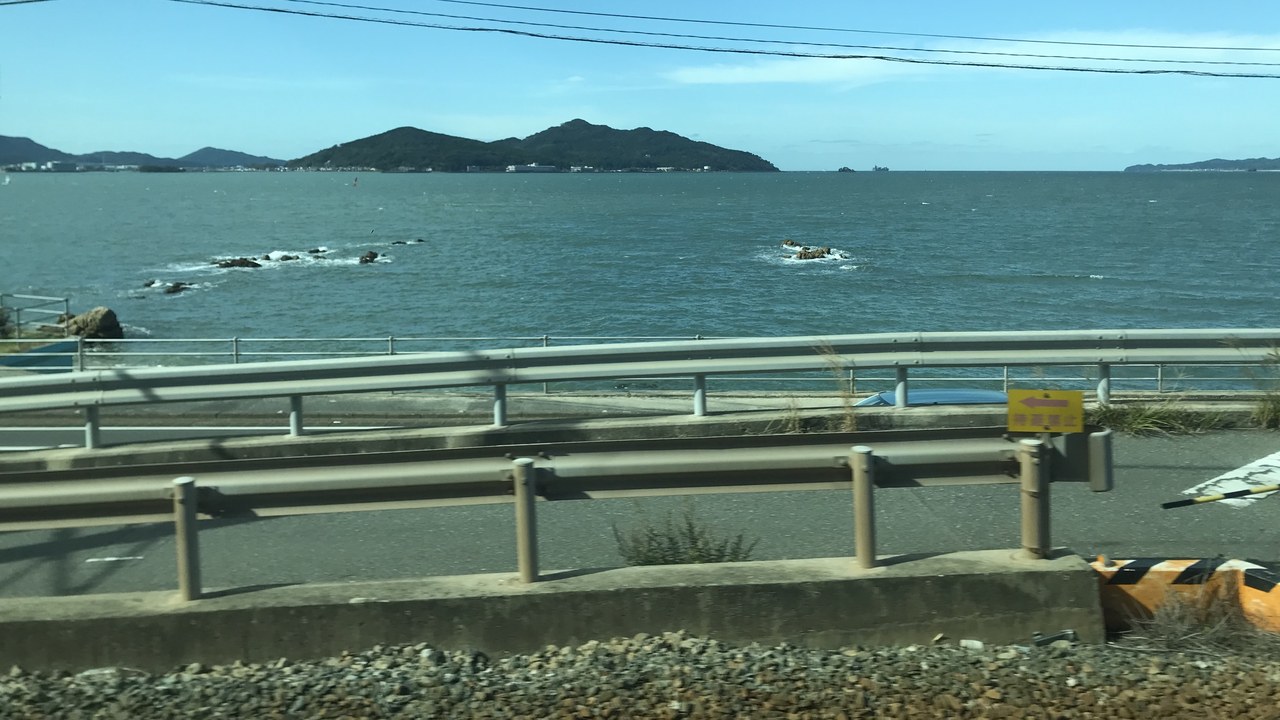
Hakata Bay is a bay in the northwestern part of Fukuoka city on the island of Kyūshū, facing the Tsushima Strait. It lies near the site of both Mongol invasions, which are sometimes called the Battle of Hakata Bay.
Today the bay holds beaches and a busy port, and parts of it have been reclaimed as Fukuoka has grown. In the 13th century, it was the stretch of coast the invaders targeted, and after 1274 the Japanese fortified it with a long stone wall.
Genkō Bōrui: The Wall Built for the Second Attack
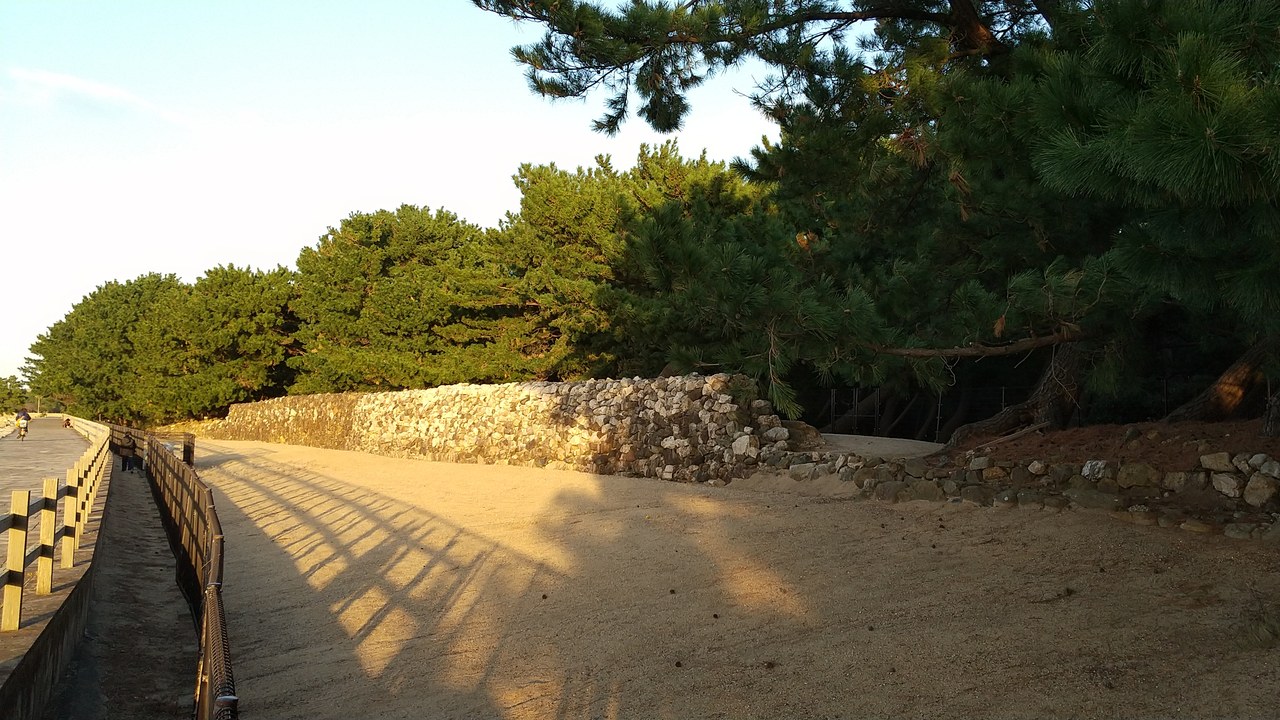
After the first invasion, Japan built the Genkō Bōrui, a 12-mile defensive stone wall along Hakata Bay in preparation for the Mongols’ return. When the second attack came in 1281, it was thwarted by a typhoon and the invaders were forced to withdraw.
Some of the wall’s stones were later reused to build Fukuoka Castle in the Edo period, but sections remain intact at several points along the bay. Originally called Ishitsuiji, it was designated a National Historic Site on March 30, 1931.
Yuan dynasty: The Empire Behind the Armada
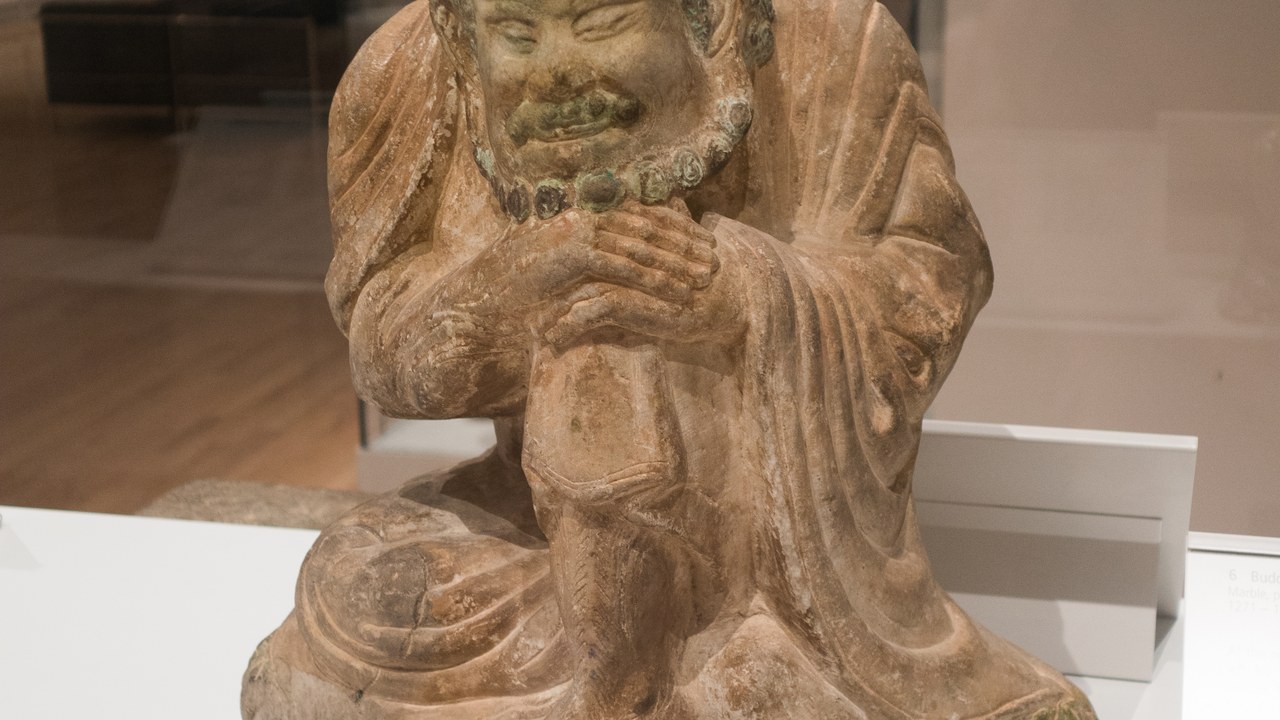
The Yuan dynasty was a Mongol-led imperial dynasty of China and successor state to the Mongol Empire, established by Kublai and lasting from 1271 to 1368. It was the first dynasty founded by a non-Han people to rule all of China proper.
Its conquest of the Southern Song was complete in 1279, two years before the second, larger invasion of Japan. The dynasty fell to the Ming in 1368, after which its Genghisid rulers retreated to the Mongolian Plateau and held on there until 1635.
Mōko Shūrai Ekotoba: A Samurai’s Picture Record
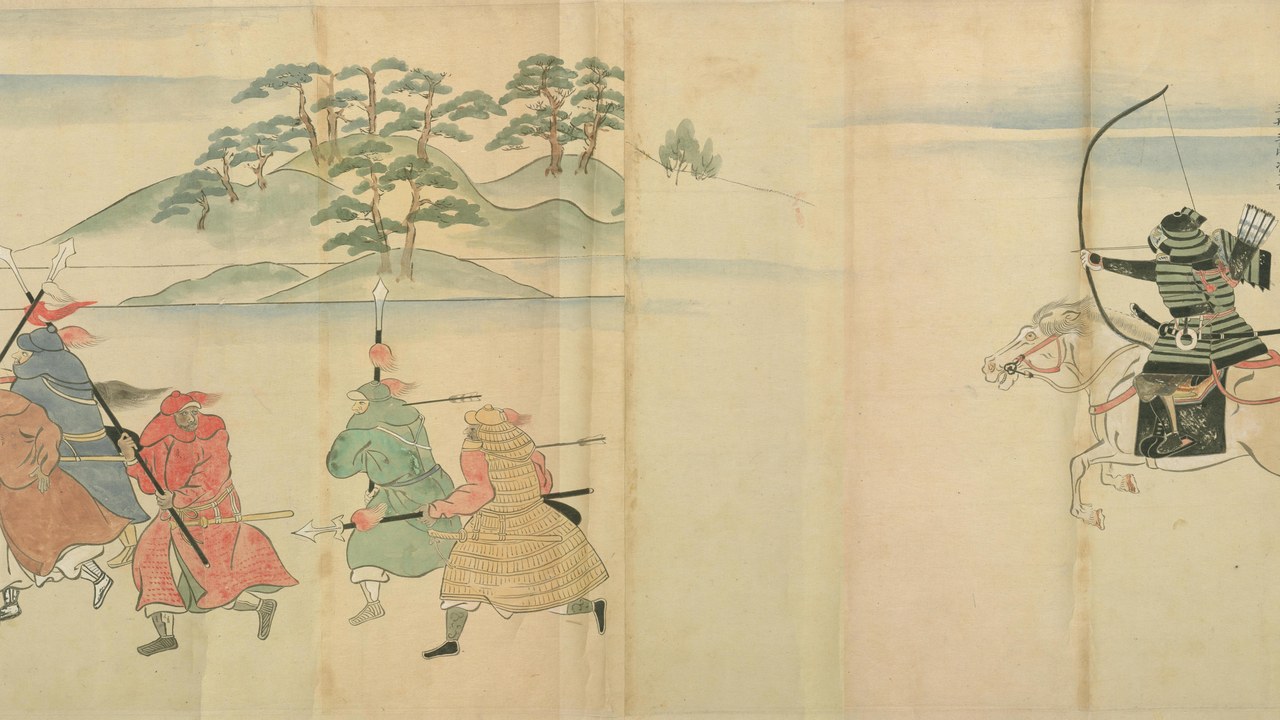
Mōko Shūrai Ekotoba is a set of two illustrated handscrolls commissioned by the samurai Takezaki Suenaga to record his deeds in the Mongol invasions. The first covers the Battle of Bun’ei in 1274, the second the naval Battle of Kōan in 1281.
The work dates itself to 1293, and the scrolls contain some of the earliest artistic depictions of the invasions. Suenaga commissioned them partly to document his claim to rewards from the government. Both scrolls are now kept in the Museum of the Imperial Collections at Tokyo’s Imperial Palace.
Goryeo: The Vassal Forced to Help
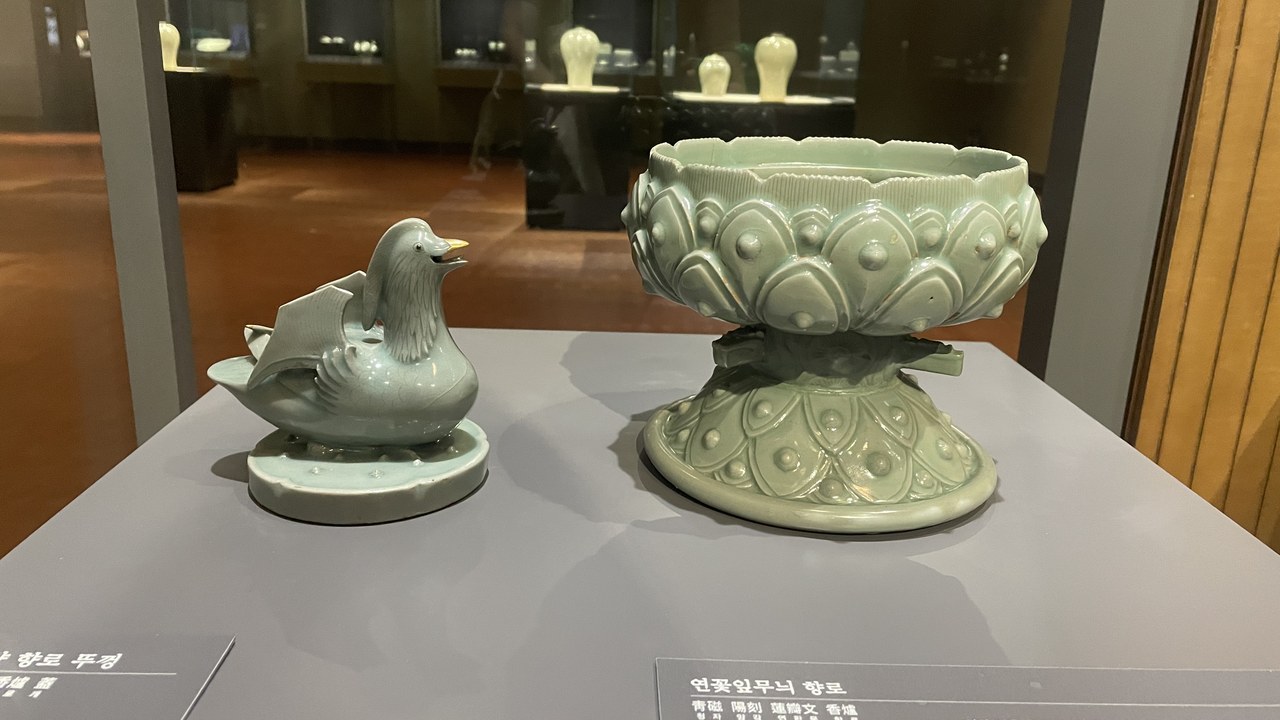
Goryeo was a Korean state founded in 918 that unified and ruled the Korean Peninsula until 1392. The name Korea itself derives from Goryeo.
Invaded by the Mongol Empire, Goryeo became a vassal of the Yuan dynasty in the 13th and 14th centuries, and its submission set the stage for the invasions of Japan. It later attacked the Yuan and reclaimed territory as the dynasty weakened. Goryeo was known for its flourishing trade, with merchants arriving from as far as the Middle East, and for great achievements in art and culture.
Underwater archaeology: The Third Ship Off Takashima
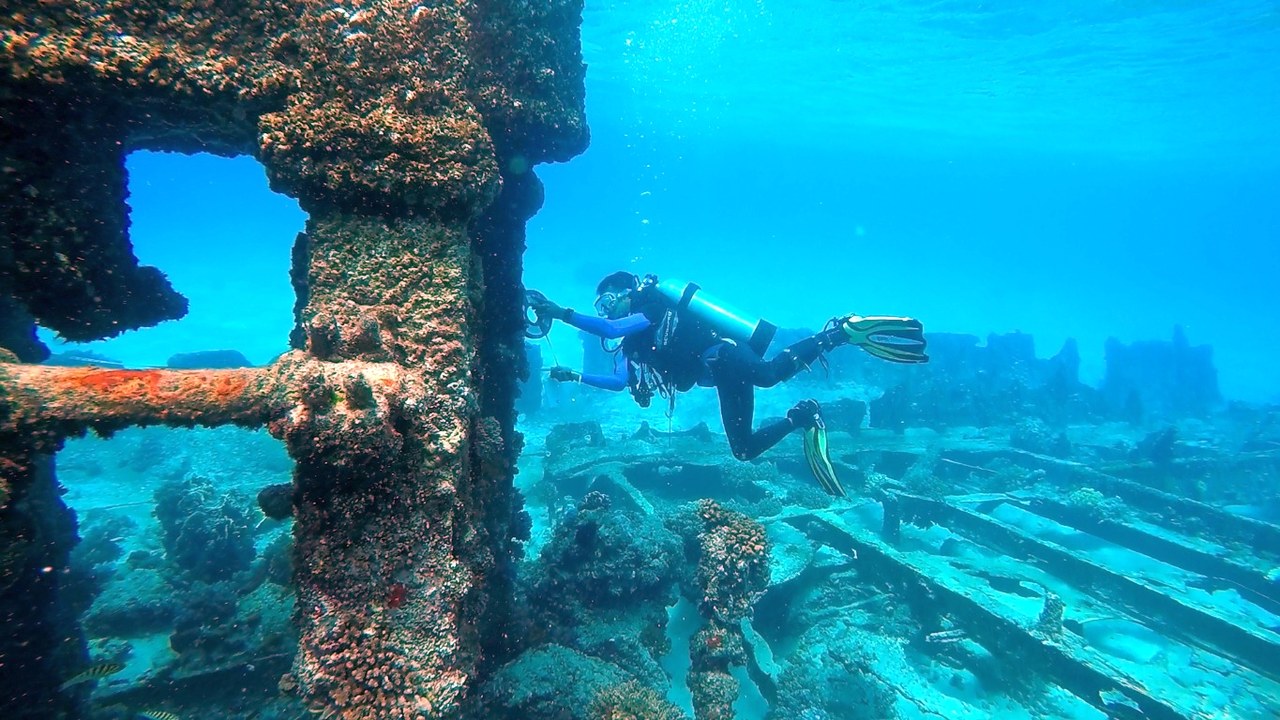
A third 13th-century shipwreck has been found off Takashima Island, Archaeology magazine reported on Nov. 6, 2026, citing the Mainichi. Two others were identified there in 2011 and 2015, and all three are believed to have sunk during the 1281 Battle of Kōan.
The newly investigated ship was about 100 feet long and had living quarters, likely serving as the fleet’s mother ship. Researchers recovered five dice and 29 small cards for koppai, a Chinese game seen as a precursor to mahjong tiles. Professor Yoshifumi Ikeda said the finds “offer a glimpse into life during wartime.”
Tsushima Island: The Island on the Invasion Route
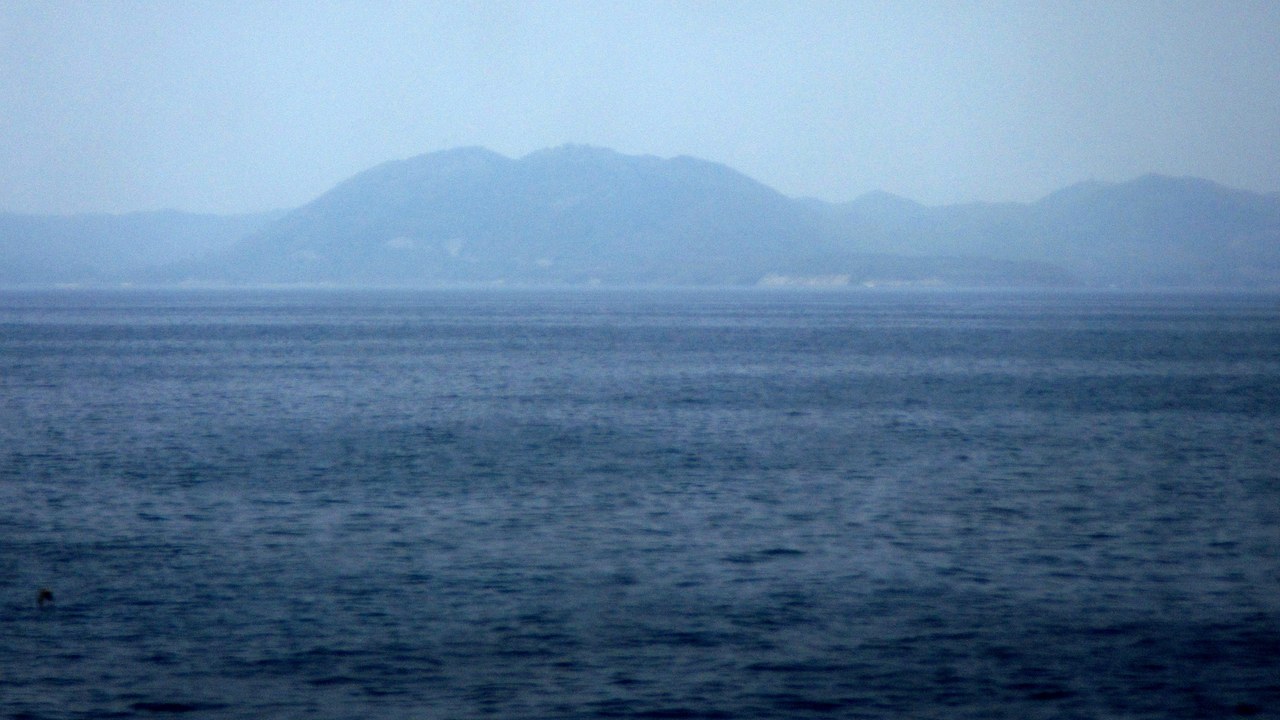
Tsushima is an island group in the Tsushima and Korea straits, roughly halfway between Kyushu and the Korean Peninsula. The archipelago measures about 43 by 9 miles and had about 28,000 people in 2022.
It sits directly between Korea and Kyushu, the waters the invasion fleets had to cross. Today it is administered as part of Nagasaki Prefecture, and its main island was cut into three by canals dug in 1671 and 1900, but its geography still puts it squarely on the old sea route between Korea and Japan.
More from Morning Overview
- Arizona’s governor declared a statewide emergency after Flagstaff logged its wettest Nov. 1 on record
- Zero Motorcycles unveiled an electric motorcycle targeted at under $8K and a street-legal dirt bike at EICMA
- New FCC rules on how people can stop robocalls and texts take effect Nov. 25
- Neanderthals in Spain carved a wooden object that matches nothing archaeologists have ever found
