
Some of the ancient world’s greatest monuments still refuse to give up their secrets. Archaeologists know roughly when many were built, but not always how, why, or even by whom. Here are eighteen ancient wonders, from colossal stone blocks in Lebanon to a gear-driven device pulled from a Greek shipwreck, whose builders left the biggest questions unanswered.
Read next on Morning Overview: New FCC rules on how people can stop robocalls and texts take effect Nov. 25
1. Baalbek: Stones Too Heavy to Explain
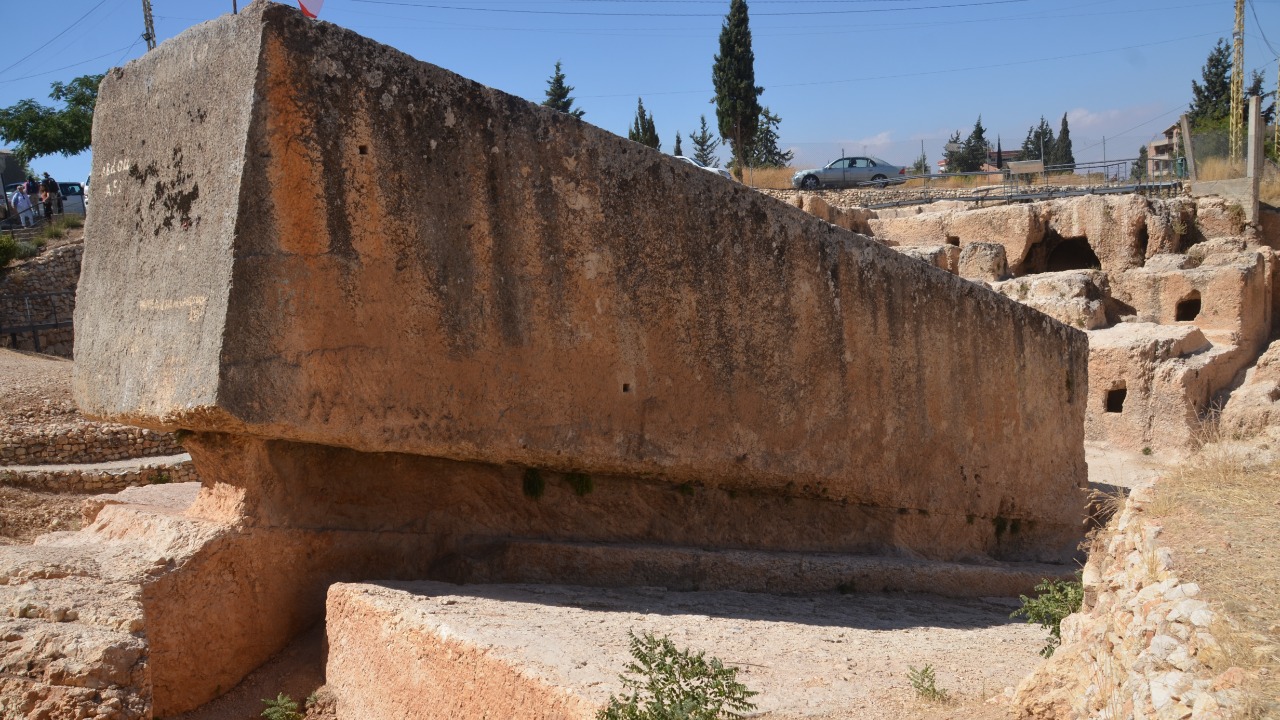
Buried in the foundation of a Roman temple at Baalbek, in Lebanon, sit three stone blocks known as the Trilithon, each weighing around 800 tons, History Snob reports.
A fourth, even larger block lies unfinished nearby, abandoned mid-project. Who built the temple is not the puzzle here. The question that remains unresolved is exactly how Roman engineers planned to move stones of that size, and the abandoned giant still sits where its quarrymen left it.
2. Great Zimbabwe: A City Without Mortar
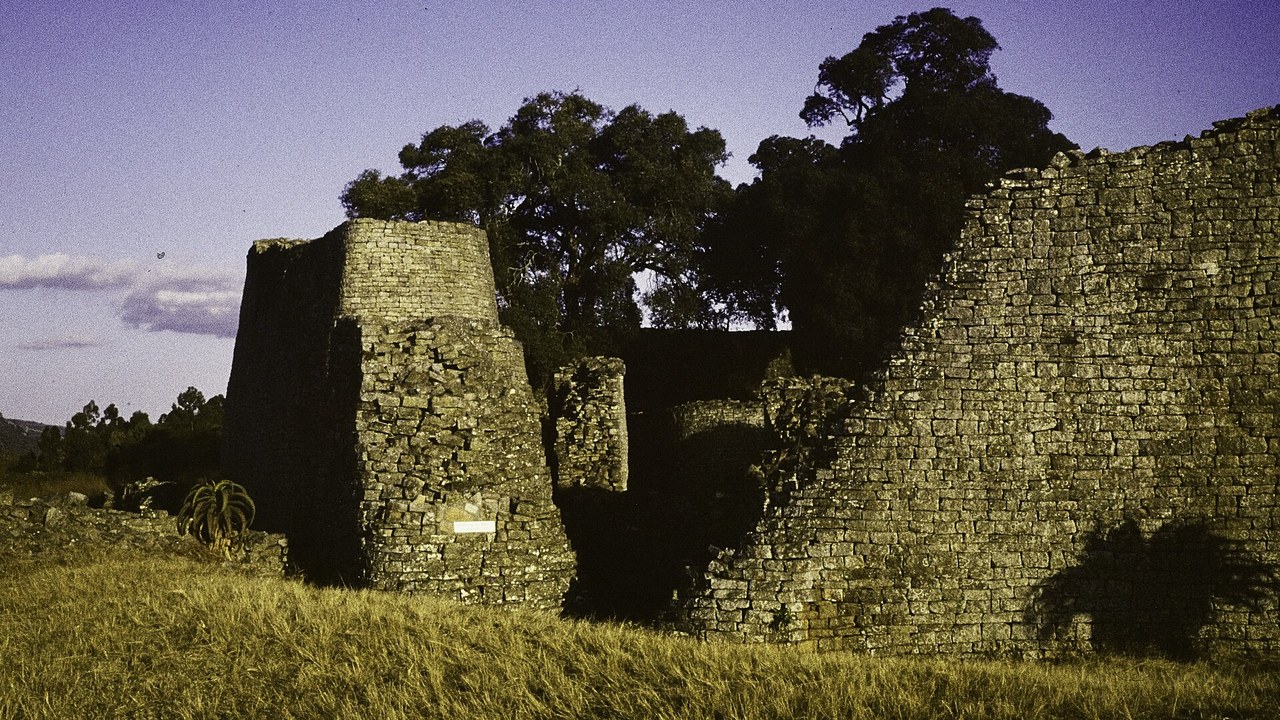
Ancestors of the Shona people built Great Zimbabwe between the 11th and 15th centuries, fitting its stone walls together with real precision and no mortar at all.
Colonial-era archaeologists wrongly denied for decades that African builders were responsible. That question is now settled, and the builders get their due, but other questions remain open, including how the city’s power actually functioned at its peak.
3. Easter Island moai: Statues That Walked
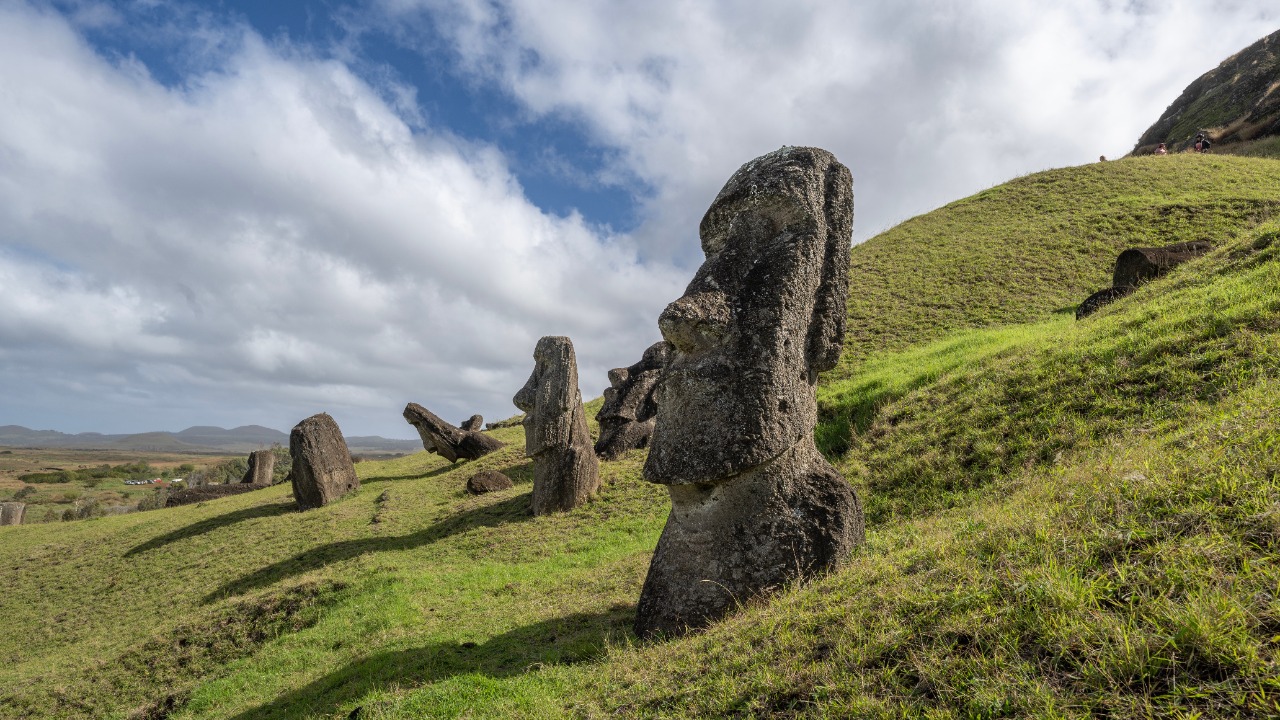
How the moai of Easter Island were moved without wheels or draft animals is still argued over, though a rocking, walking technique is now favored over simple rollers.
Why the island’s population later collapsed is even less settled, with ecological self-destruction on one side and European disease and slave raids on the other. Adding to the mystery, the island’s Rongorongo script has never been deciphered, so its people’s own records cannot yet be read.
4. Puma Punku: Stonework That Looks Machined
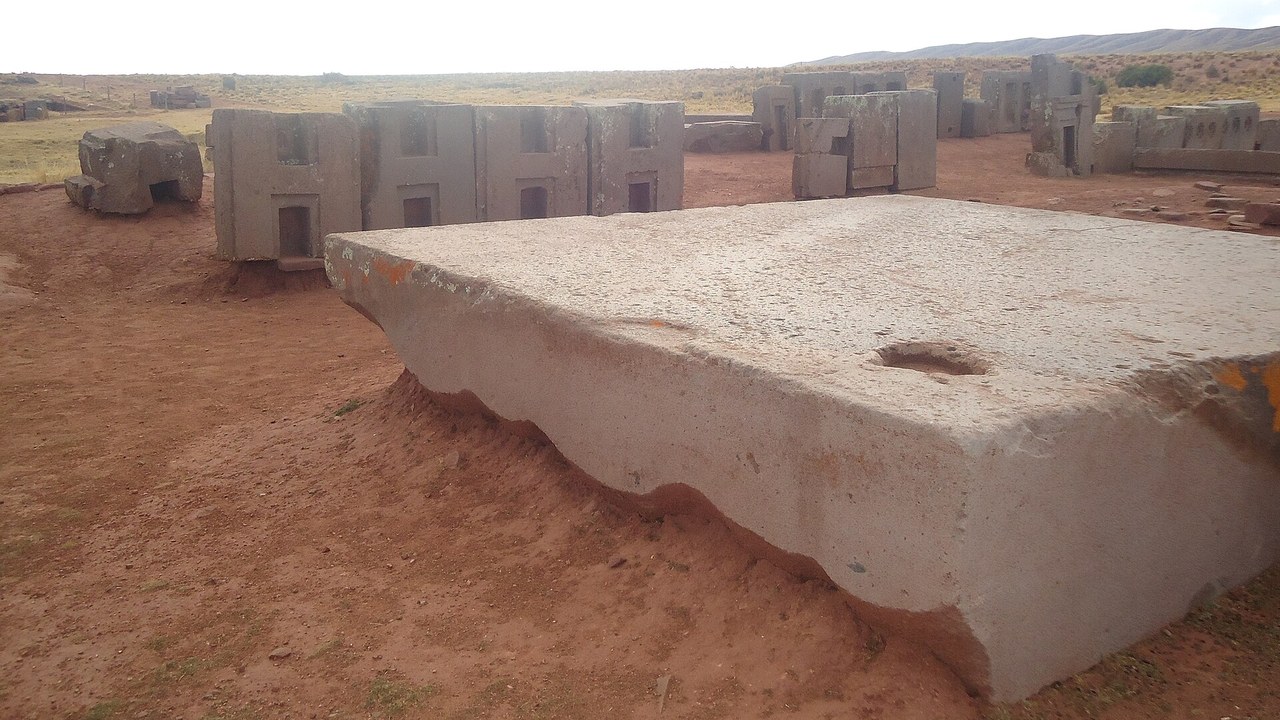
Part of the Tiwanaku complex in Bolivia, Puma Punku features stone blocks cut with interlocking joints and surfaces flat enough to look machined.
Researchers agree the Tiwanaku built it using stone tools and abrasives. But the exact techniques behind that precision have not been fully worked out, and neither has the reason the site was later abandoned, leaving the site only partly explained.
5. Newgrange: Older Than the Pyramids
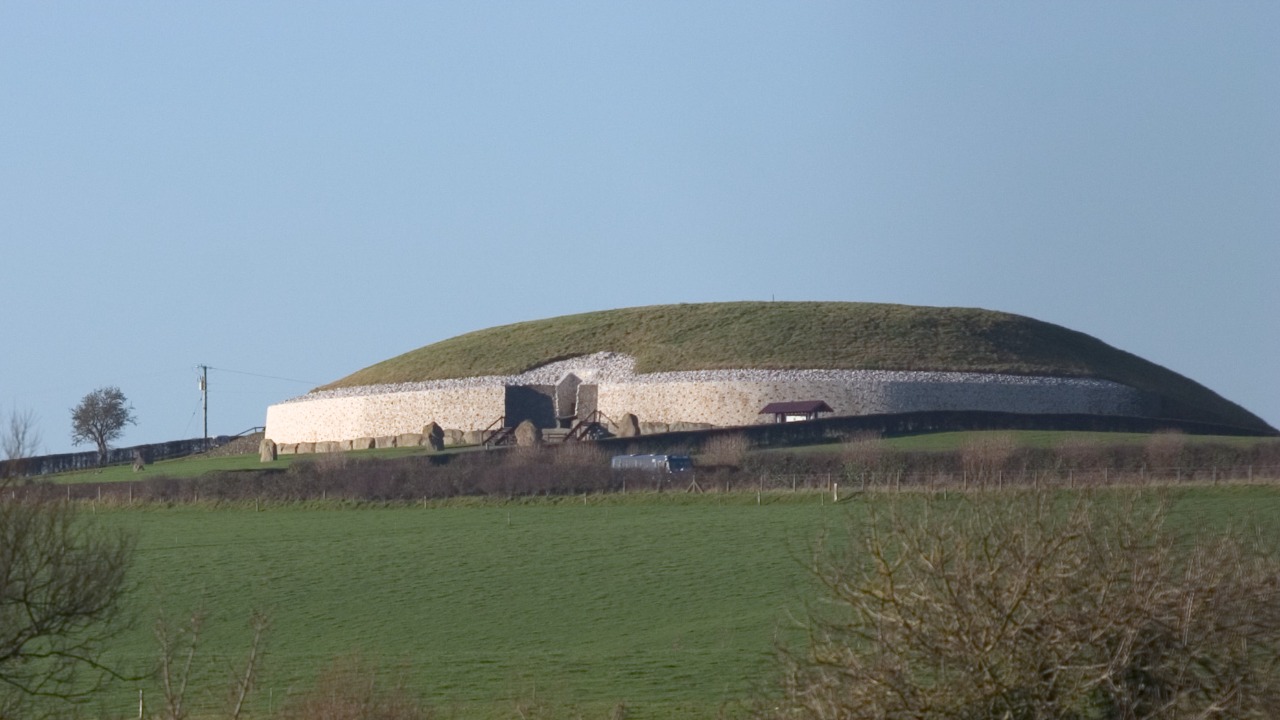
Older than both Stonehenge and the Great Pyramid, Ireland’s Newgrange passage tomb aligns so precisely with the winter solstice sunrise that light floods its inner chamber for about 17 minutes a year.
Whether it served mainly as a tomb, a ceremonial space or a solar calendar is still argued. Its spiral carvings have never been convincingly translated, so the meaning its builders gave them remains unknown.
6. Derinkuyu: A City Under the Rock
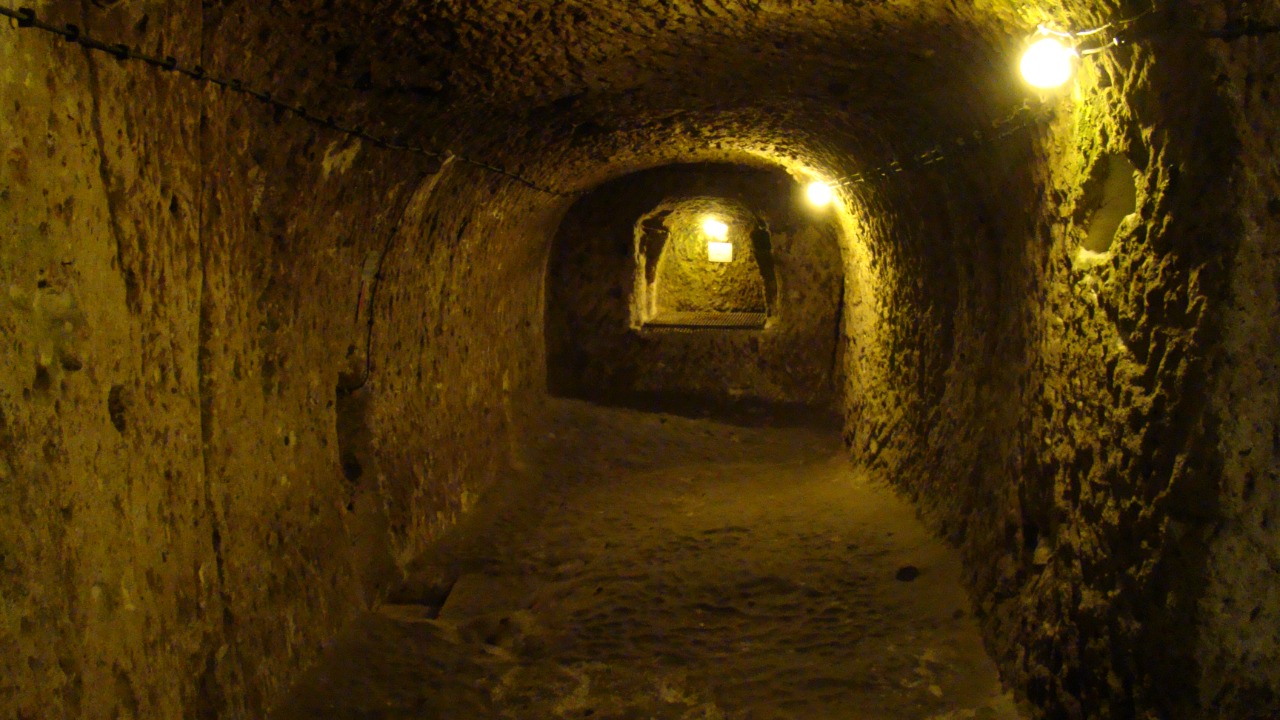
Derinkuyu, in Turkey’s Cappadocia region, drops several stories into the rock and could reportedly shelter thousands of people, complete with ventilation shafts and stables.
Nobody has fully nailed down who first carved it. Most researchers think it predates the Byzantine Christians who later expanded it as a refuge during raids, but the original diggers and the date they began remain open questions buried as deep as the city itself.
7. Teotihuacan: A Metropolis Without a Name
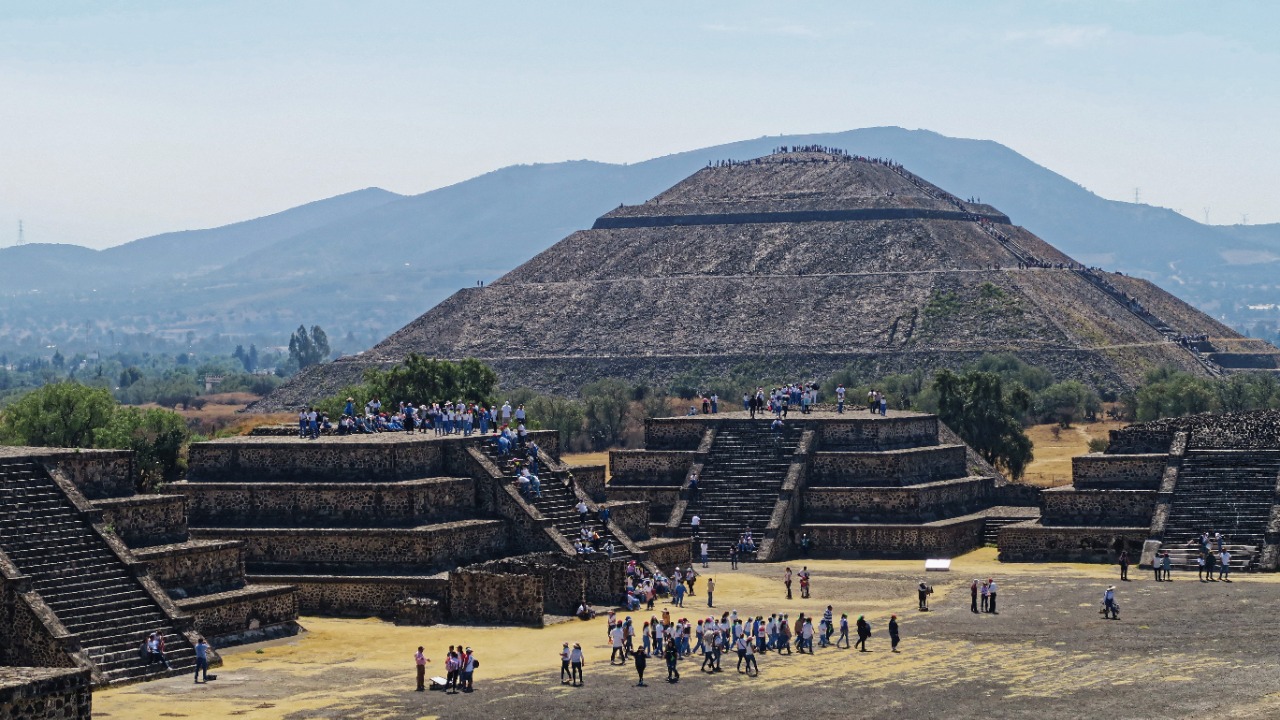
At its height, Teotihuacan was one of the largest cities in the ancient world. Yet by the time the Aztecs found it, it was already abandoned, and the name we use today is the one they gave it.
That means the identity of the people who actually built and ran the city remains unknown, and so does the language they spoke. They left one of the ancient world’s great cities in central Mexico, but not their own name for it.
8. Plain of Jars: Jars Fit for Giants
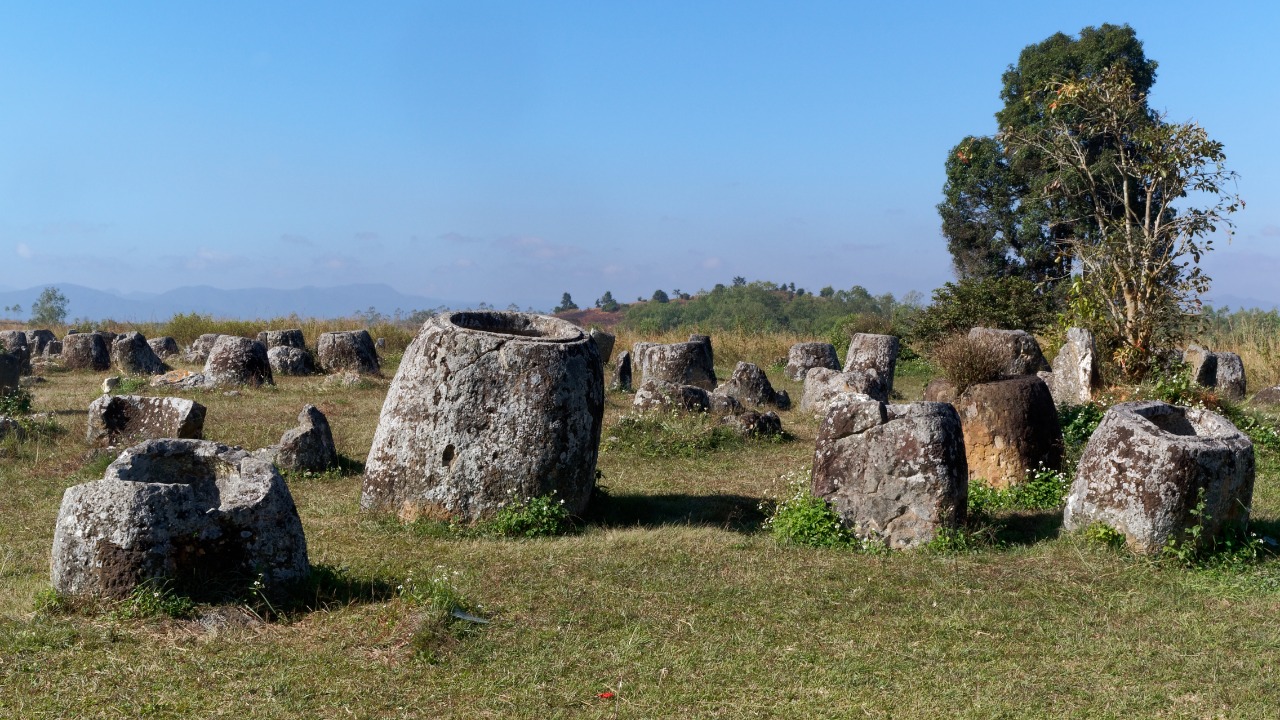
Thousands of lichen-covered Iron Age stone jars, some close to 10 feet tall and weighing several tons, dot northern Laos in groups of one to 400. Legend says giants used them as wine glasses, History.com notes.
Many archaeologists think they were funerary urns, and some jars may date to 1240 B.C. Studying them is dangerous, because many stand in fields of unexploded munitions left from a massive U.S. bombing campaign during the Vietnam War.
9. Nazca Lines: Drawings Made for the Sky
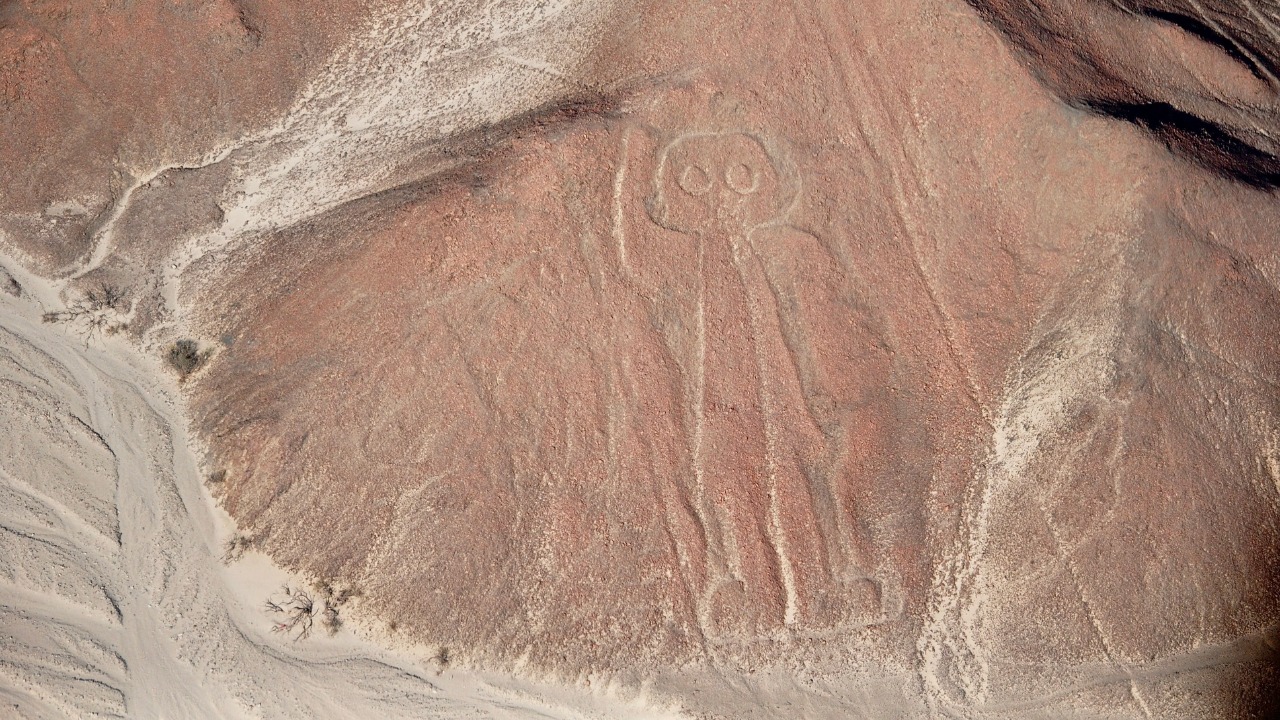
About 2,000 years ago, a pre-Inca civilization etched enormous drawings into Peru’s coastal plain, and they remained largely unknown until aircraft flew over in the 1930s.
More than 1,000 designs have been found, most of them straight lines up to 30 miles long or geometric shapes, plus figures such as a spider, a hummingbird, a monkey and a humanoid nicknamed “The Astronaut.” In 2022 alone, 168 new geoglyphs were discovered, yet their purpose is still not understood.
10. Paracas Candelabra: A Giant on the Hillside
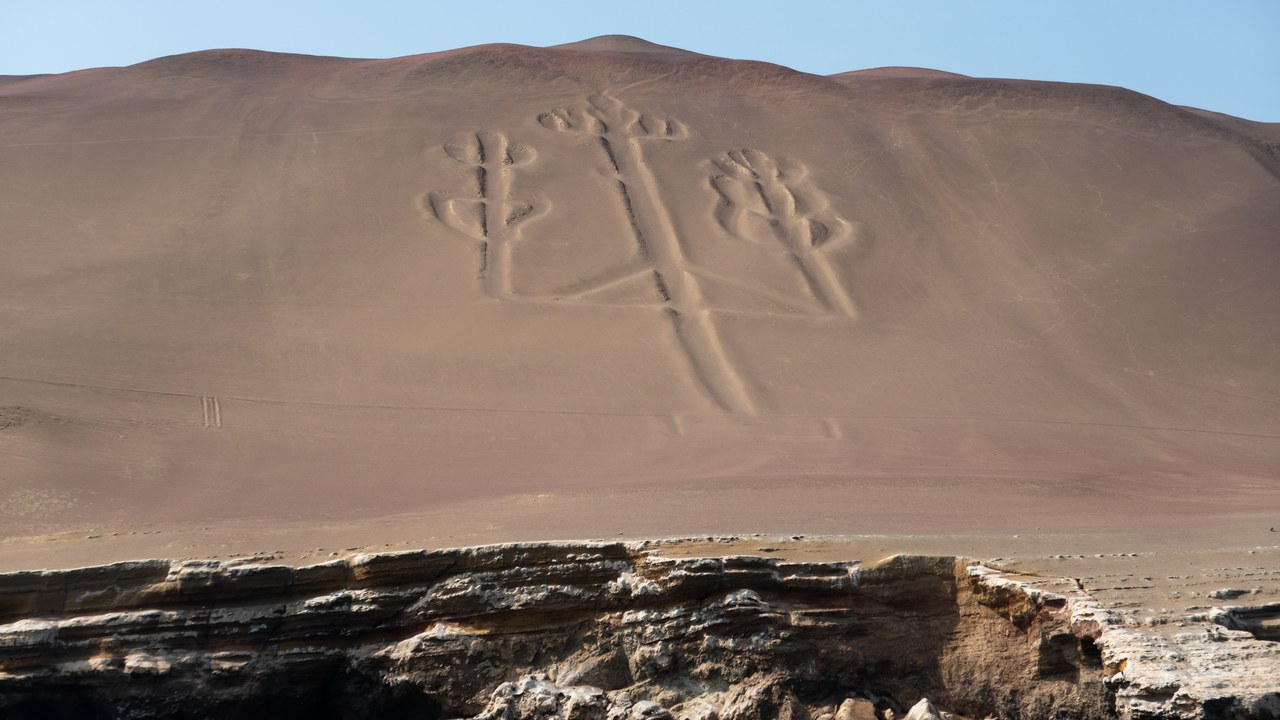
Northwest of the Nazca Lines, carved into a hillside overlooking Peru’s Pisco Bay, the Paracas Candelabra is a massive geoglyph that stretches some 600 feet from top to bottom.
Pottery found at the site has been dated to around 200 B.C., but no one knows the age of the figure itself. Its purpose is equally fuzzy. One theory holds that it guided sailors, while another claims it depicts a creator god’s trident.
11. Sacsayhuamán: Blocks of 125 Tons
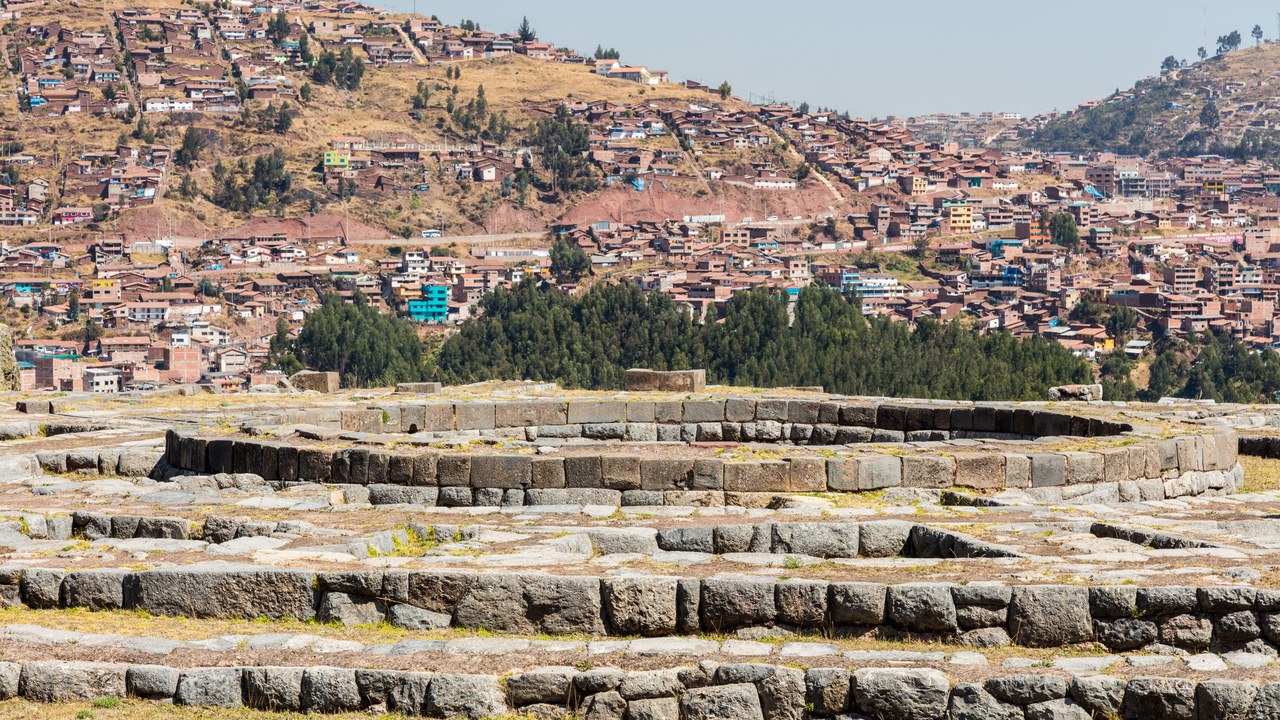
Just outside Cuzco, the Inca built the Sacsayhuamán fortress in the 1400s. Laborers somehow moved rocks weighing 125 tons or more into place, and masons cut them using only bronze and stone tools, History.com reports.
The blocks were fitted so tightly without mortar that a knife blade cannot slide between them, History Snob adds. Spanish colonizers dismantled much of the site for building stone, but what remains has withstood large earthquakes.
12. Yonaguni Monument: Japan’s Atlantis?
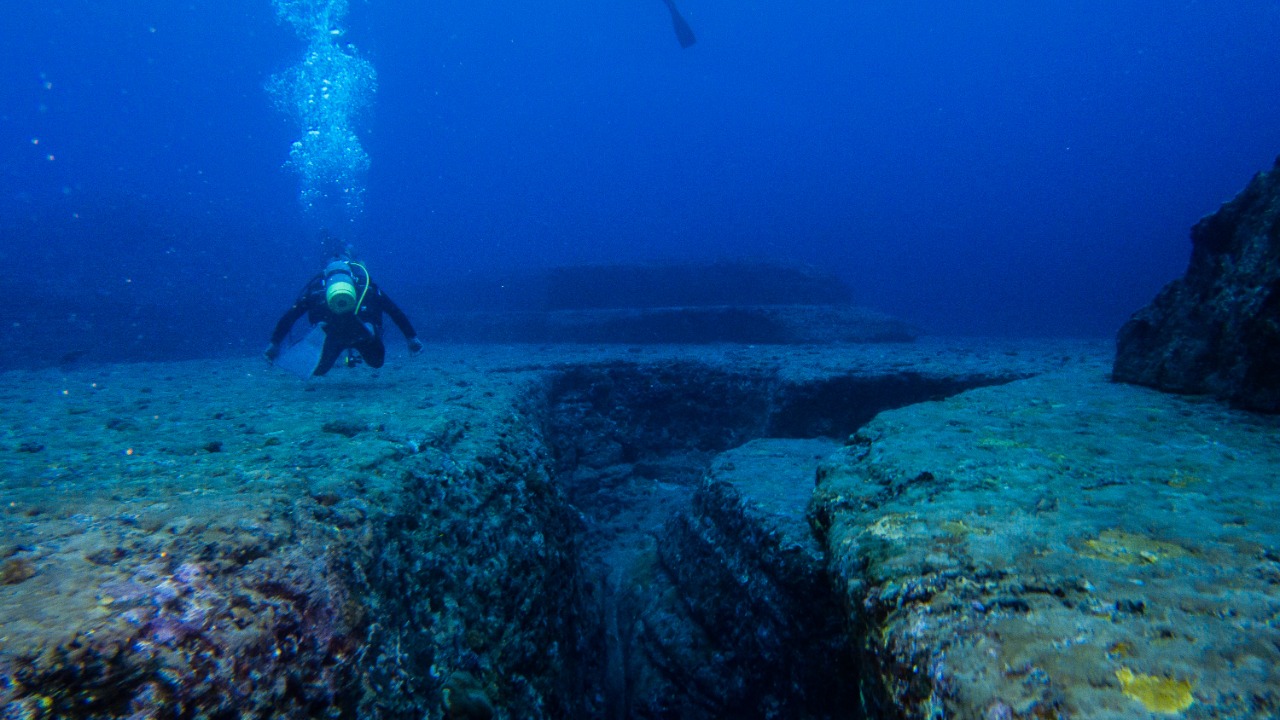
Off Japan’s Yonaguni Island lies an underwater rock structure at least 165 feet long and 65 feet wide that resembles a step pyramid. Discovered in the 1980s, it is believed by some researchers to be the ruins of an ancient civilization.
Many other researchers argue that “Japan’s Atlantis” is just a curious natural formation shaped by tectonic uplift and ocean currents. The debate over whether people made it, or nature did, continues.
13. Stonehenge: Britain’s Biggest Puzzle
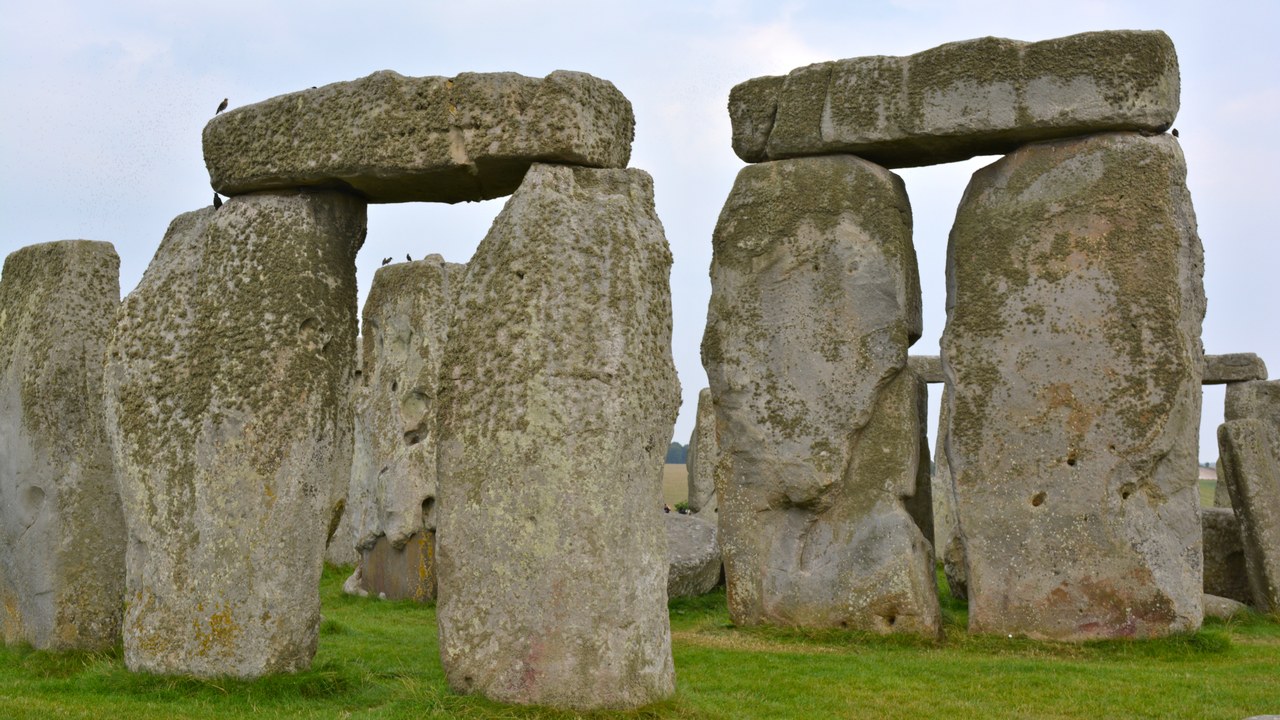
Construction of Stonehenge began some 5,000 years ago, before England entered the Bronze Age. It has been studied for centuries, most researchers agree it served as a burial site, and it is now known where its massive stones came from.
Yet its other secrets remain stubbornly elusive. Its possible religious, ceremonial, astronomical and even therapeutic significance is still debated, which keeps one of the world’s most iconic prehistoric landmarks among its most mysterious.
14. Göbekli Tepe: Older Than Farming
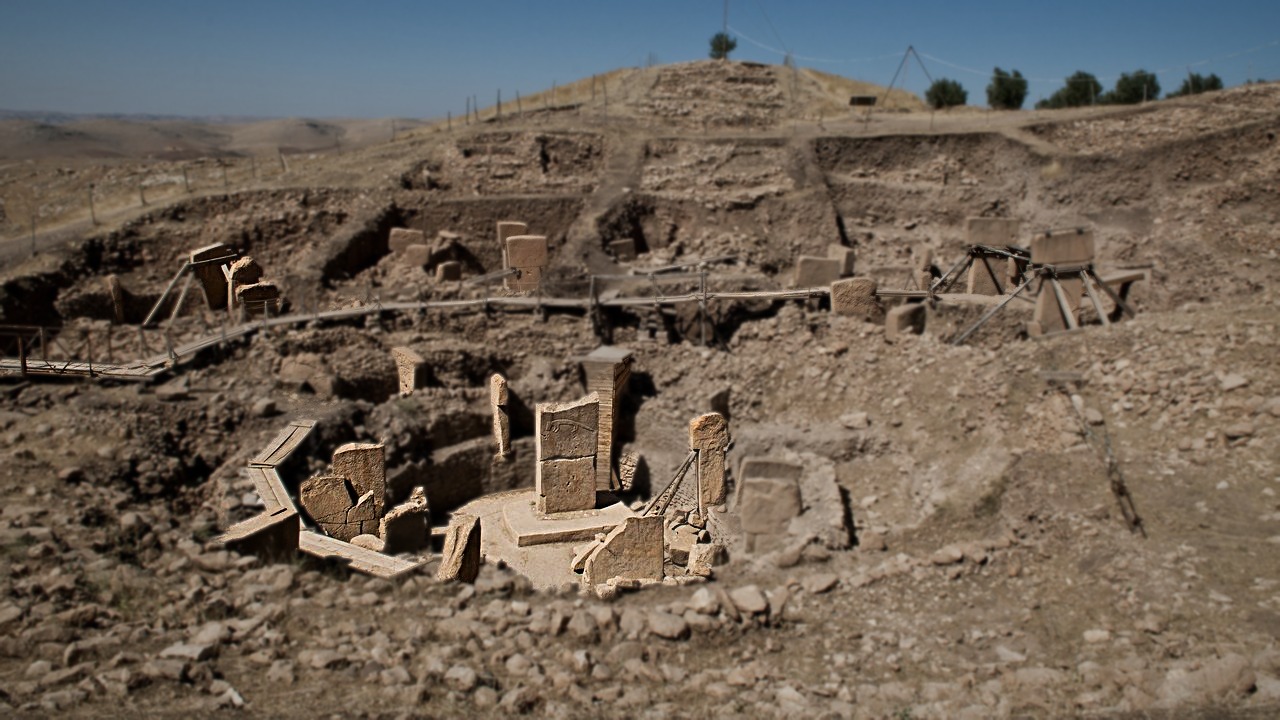
Göbekli Tepe, near Şanlıurfa in southern Turkey, dates back 12,000 years and may be thousands of years older, WorldAtlas reports. Its building techniques predate the first agricultural revolution.
History Snob notes that hunter-gatherers apparently raised its massive carved stone pillars and then deliberately buried the complex around 8000 BCE, for reasons nobody has pinned down. Whether it was a town, a temple, a gathering place for hunters or something else is still hotly debated.
15. Great Pyramid of Giza: How Did They Build It?
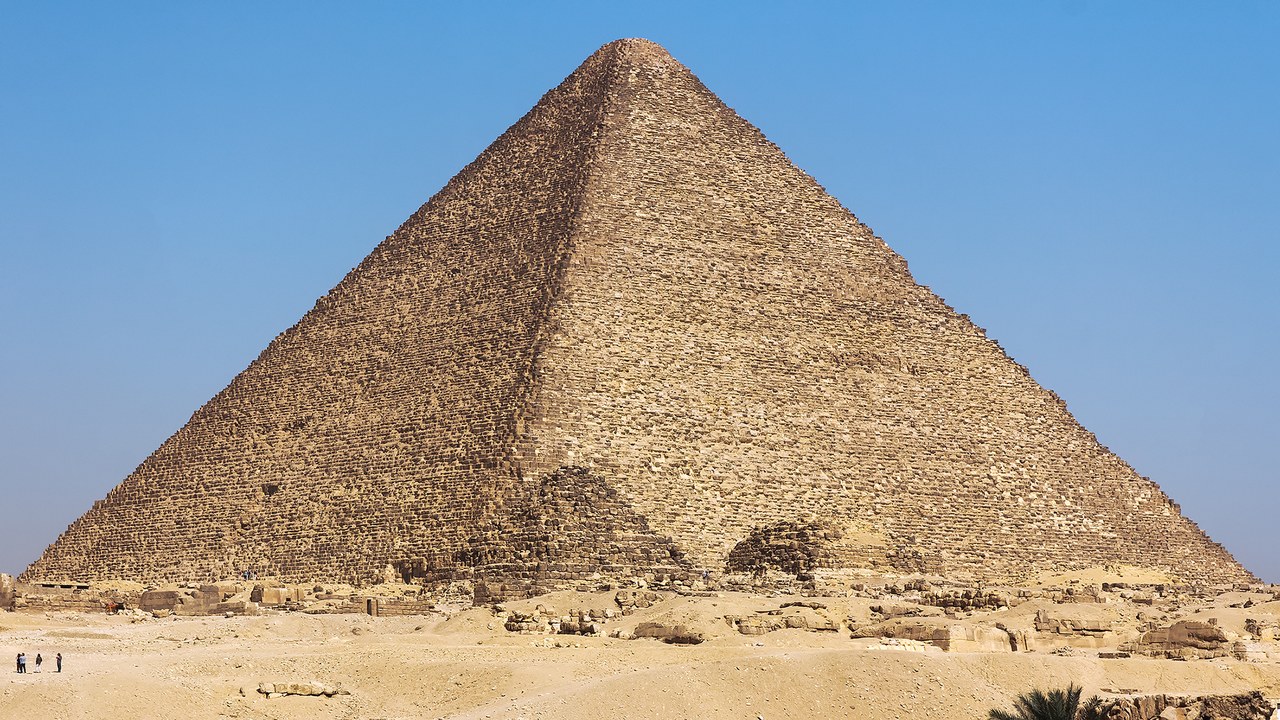
Finished more than 4,600 years ago near modern Cairo, the Great Pyramid of Giza stands around 450 feet tall and is one of the seven ancient wonders of the world, WorldAtlas notes.
Its biggest mystery is construction itself, which has still not been conclusively understood. Explanations for how its giant blocks were moved and set in place range from the expert use of levers to far more eccentric ideas involving sound devices or aliens.
16. Mausoleum of Qin Shi Huang: The Tomb No One Has Opened
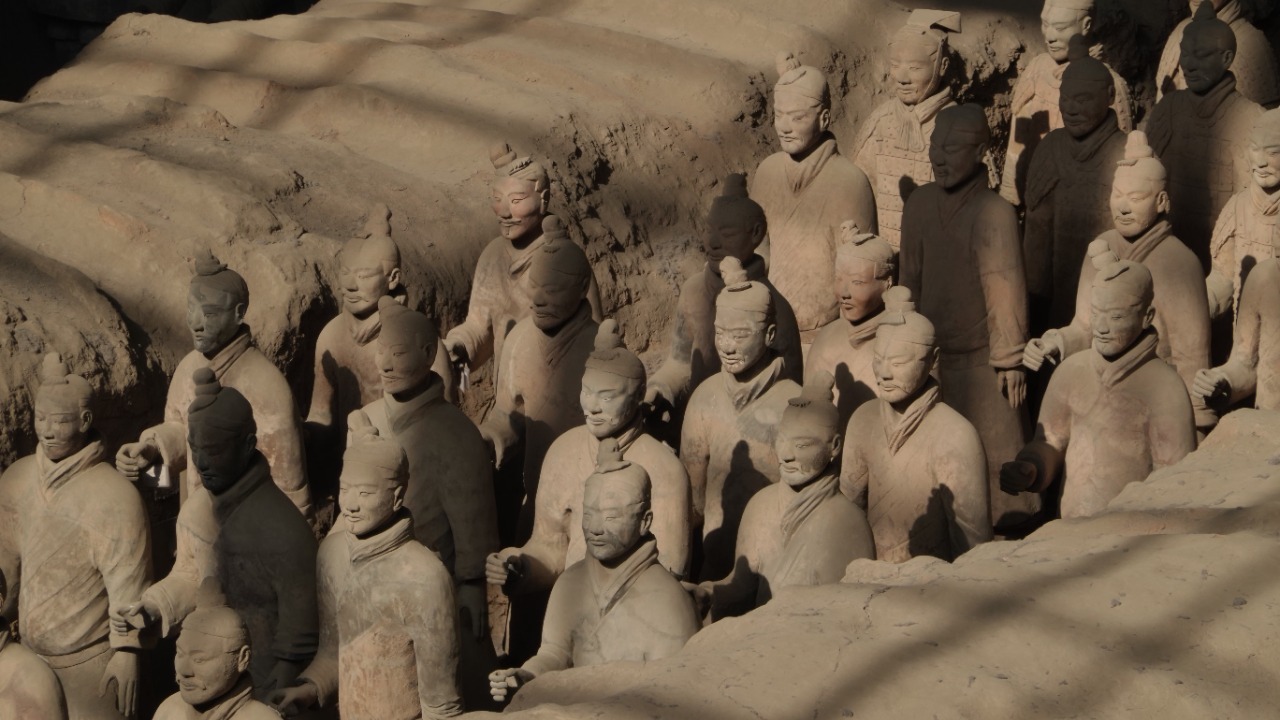
The Terracotta Army has stood guard for more than two millennia over the tomb of Qin Shi Huang, the emperor who died in 210 B.C. The tomb itself has not yet been explored, WorldAtlas reports.
Ancient texts describe booby traps, including a river of mercury and crossbows primed to fire, but the main reason is more mundane: fear of damaging the delicate site. Noninvasive tools such as ground-penetrating radar may one day allow a look inside.
17. Antikythera mechanism: An Ancient Computer
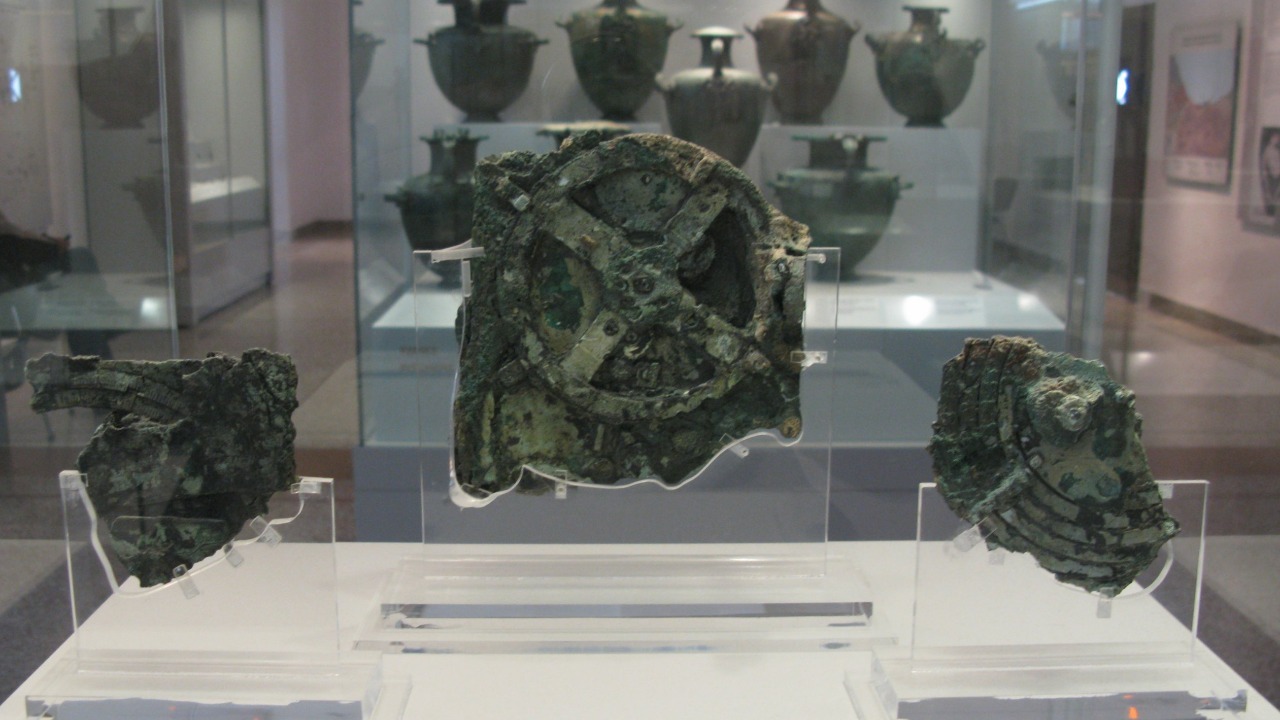
Found in a shipwreck near the Greek island of Antikythera in 1901, what first looked like a rusted pile of gears turned out to be one of the most advanced devices of the ancient world. Estimates date it to between 150 and 87 B.C.
X-rays show a gear layout that appears to track the sun and moon, letting users calculate events such as eclipses. Its exact purpose, and who designed and built it, may never be fully known.
18. Casa Grande Ruins: An Apartment House in the Desert
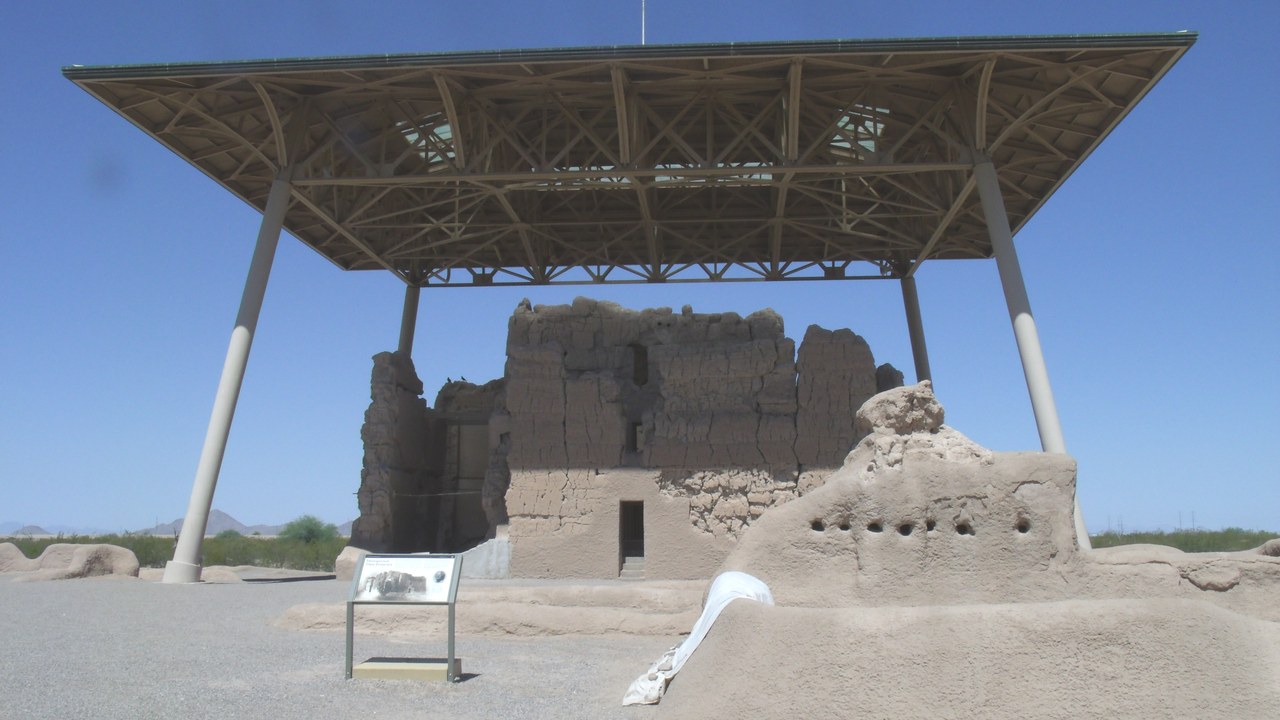
Around 1350, the Hohokam people built Casa Grande in what is now Coolidge, Arizona, a four-story Great House that resembles a modern apartment building, surrounded by smaller buildings and walls.
Its purpose remains uncertain. It may have been an astronomical observatory aligned with solar and lunar sightlines, a ceremonial site, a trading center or an administrative hub. It was abruptly abandoned around 1450, possibly amid unrest triggered by environmental decline.
More from Morning Overview
- Cadillac cut the price of its cheapest EV, which goes up to 317 miles on a charge
- Winter weather advisories cover I-80, I-70 and the Bighorns with up to 15 inches of snow
- Arizona’s governor declared a statewide emergency after Flagstaff logged its wettest Nov. 1 on record
- Zero Motorcycles unveiled an electric motorcycle targeted at under $8K and a street-legal dirt bike at EICMA
