
Mercury moves up the ocean food chain, and the fish at the top tend to carry the most. Testing by the US Food and Drug Administration and the biology of long-lived predators explain which species sit highest. Here are ten fish that stand out for how mercury builds up in them.
1. Swordfish: Top Of The Table
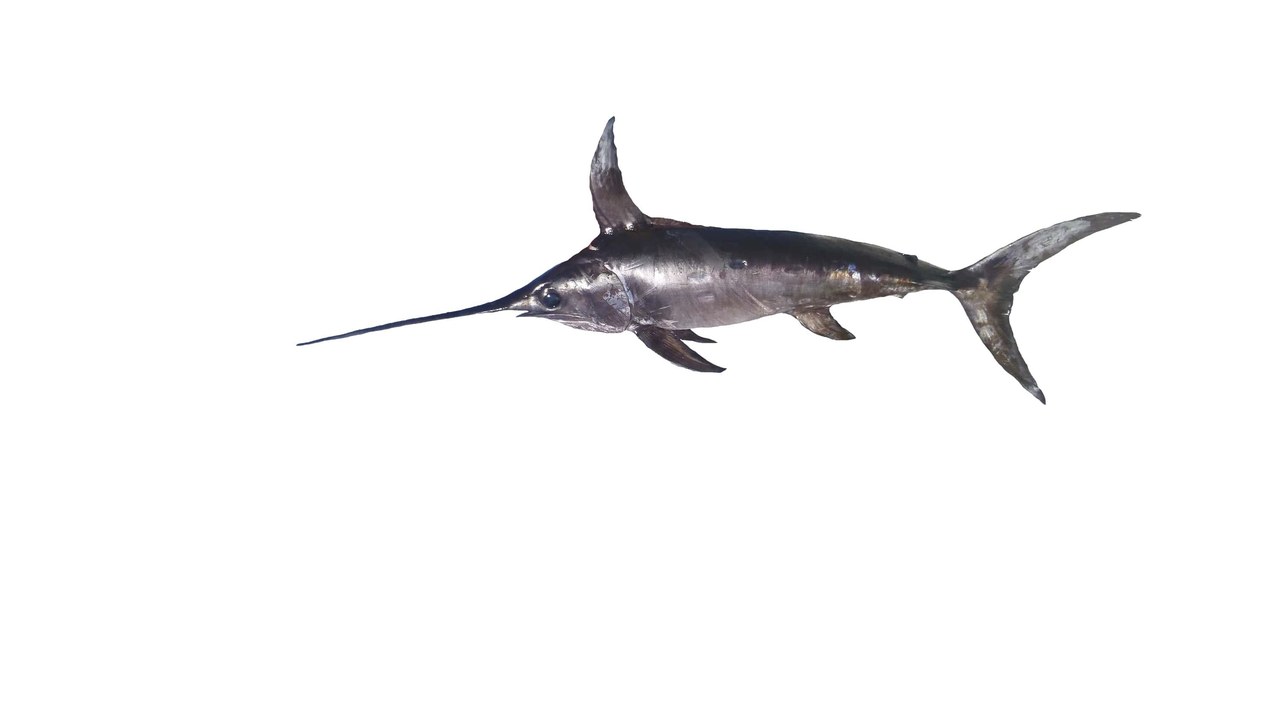
Swordfish sit near the top of the FDA mercury table, with a mean of 0.995 ppm across the agency’s own sampling. A single sample reached 3.22 ppm. The agency’s own table counts that mean among the highest it lists for commercial fish.
The table reports concentrations measured in sampled fish, nothing more. Swordfish are large predators that live for years, a profile that tends to go with higher readings. The figures describe the sample set from 1990 to 2012 and are not a verdict on any single fish.
2. Shark: Highest Single Reading
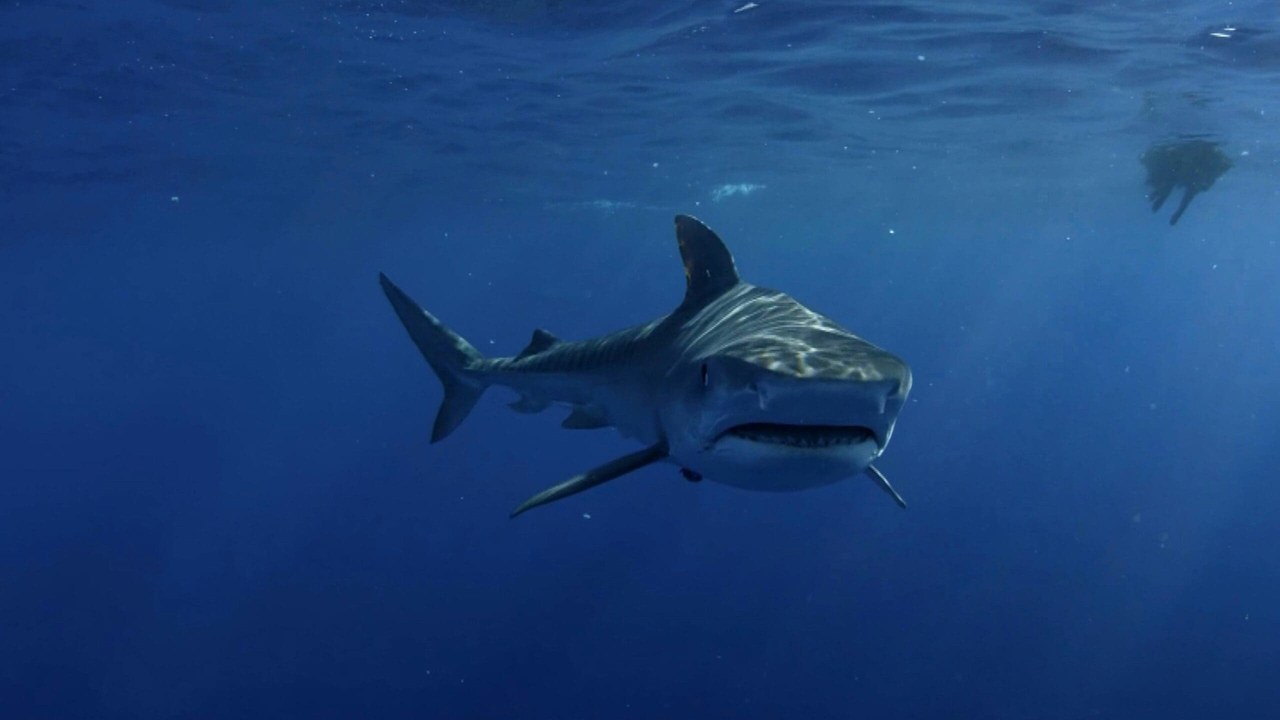
In the FDA commercial fish table, shark shows a mean of 0.979 ppm of mercury. Its highest single reading, 4.54 ppm, is the largest figure anywhere in the whole table. That maximum belongs to one sampled fish rather than the typical catch.
The entry is listed simply as shark, so the numbers describe that grouping. Sharks occupy the top of ocean food webs, where the metal passes up from prey to predator. The mean and the maximum tell different stories, and the table prints both.
3. King mackerel: A Dockside Predator
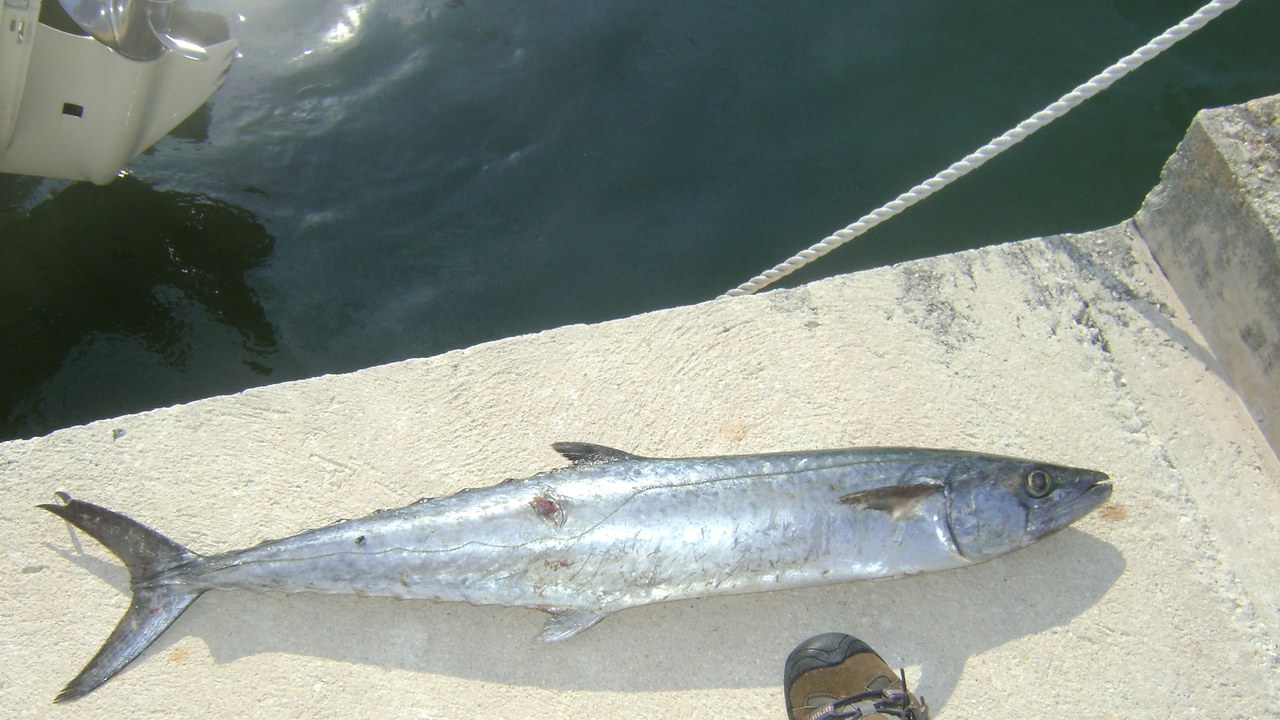
For king mackerel, the FDA sampling results give a mean of 0.73 ppm and a maximum of 1.67 ppm. This is a fish sold off Gulf and Atlantic docks, so it is a familiar catch and no deep-sea rarity. Its mean sits below those of swordfish and shark.
King mackerel is a fast, fish-eating predator that grows large, and that diet helps explain where it lands. The two figures come from the same FDA dataset covering 1990 to 2012. Reading them side by side shows how far a single fish can sit from the average.
4. Bigeye tuna: The Tuna Singled Out
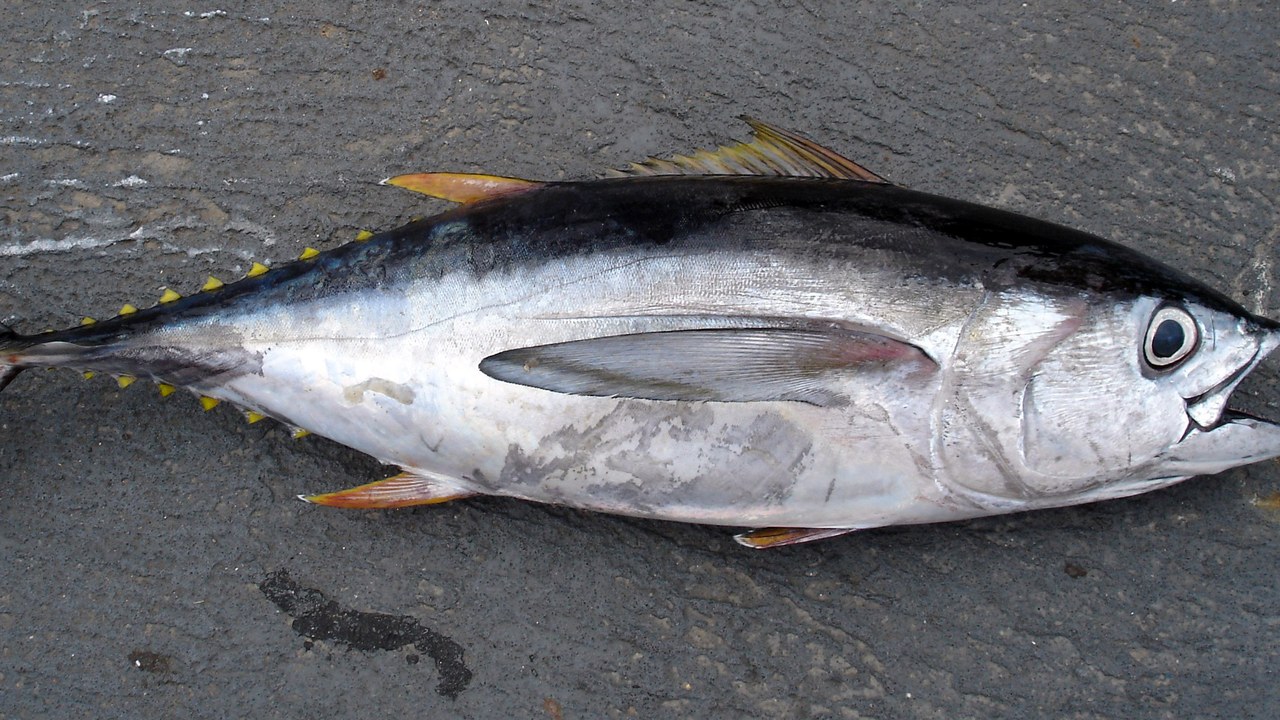
Fresh and frozen bigeye tuna averaged 0.689 ppm of mercury in FDA testing data, with a maximum of 1.816 ppm. That makes it the tuna singled out from the rest of the case.
Bigeye is an open-ocean tuna, and the table lists it as its own entry. Each number reflects a measured sample, and the range between mean and maximum is wide. The listing gives concentrations only, in parts per million. Readers comparing entries should note which figures are means and which are single-sample maximums, since the two measures answer different questions.
5. Albacore: Canned White Tuna
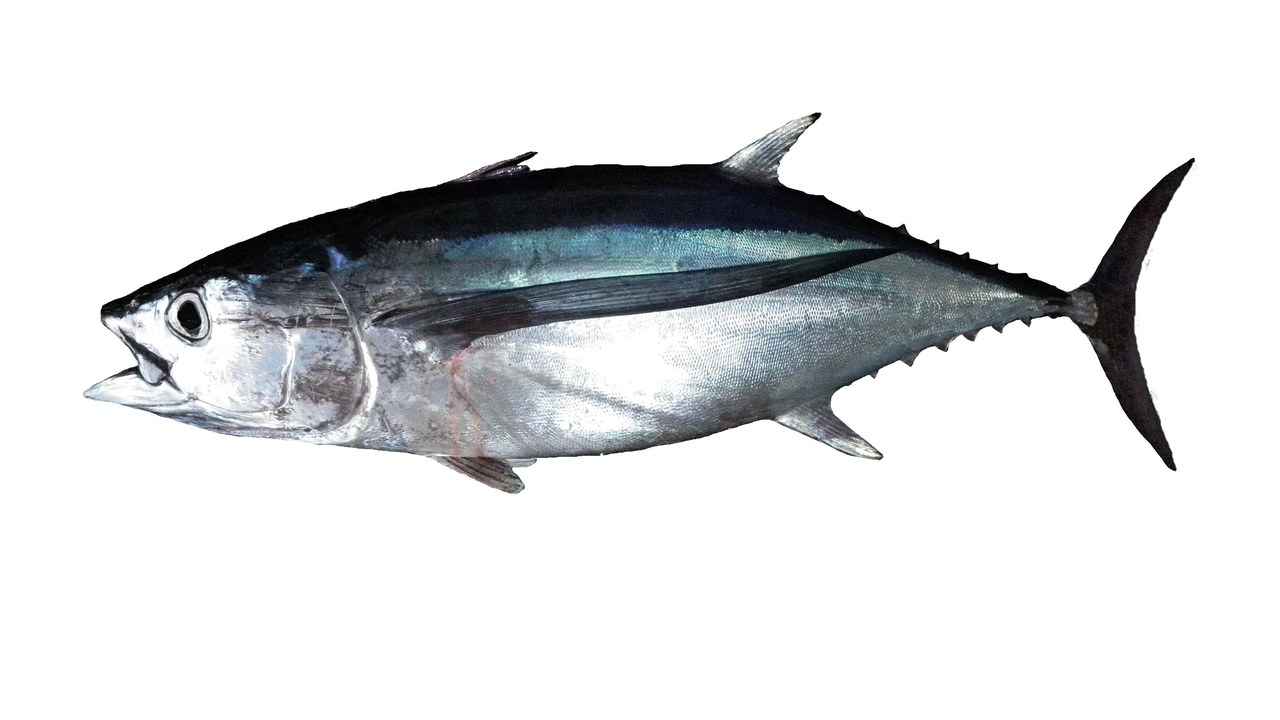
Albacore is the tuna sold as canned white tuna, a bigger and longer-lived fish than the skipjack found in standard light tuna, according to the Albacore species article. Its size and lifespan are the traits that matter for how mercury accumulates. The FDA table lists tuna products under separate entries, so this item rests on that profile rather than a single quoted figure.
Fish that live longer and grow larger have more time to take in the metal from their prey. That is why canned white and canned light tuna are treated as different products. The comparison is one of body plan and age, and no concentration is claimed here.
6. Atlantic blue marlin: Apex Of The Open Ocean
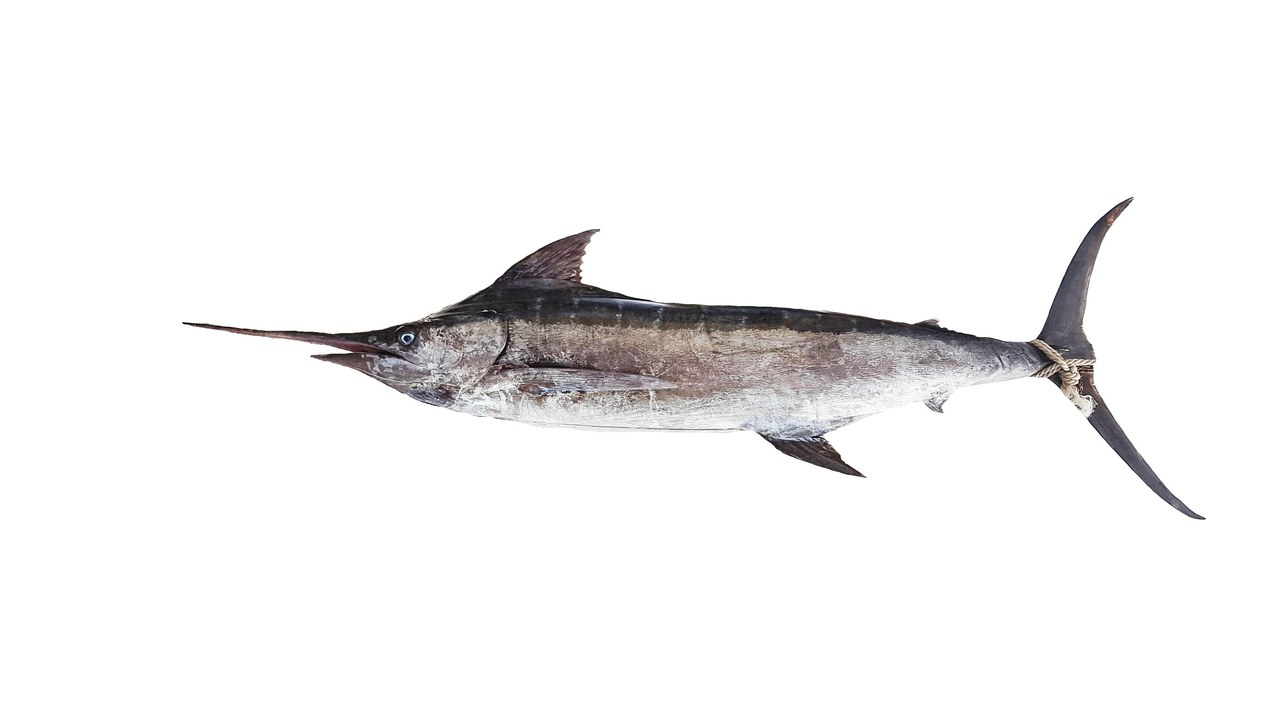
Atlantic blue marlin is a giant, long-lived apex predator of the open ocean, as described in the Atlantic blue marlin entry. That body plan is the one that concentrates mercury most heavily up the food chain. Size, age and a diet of other predatory fish all point the same way.
No FDA concentration figure is quoted for this fish in the item’s source, which supports only the general profile. Marlin are a trophy and sport species more than a market staple. The point is the pattern of biology, since top predators collect more of the metal than animals lower down.
7. Atlantic Spanish mackerel: The King’s Cousin
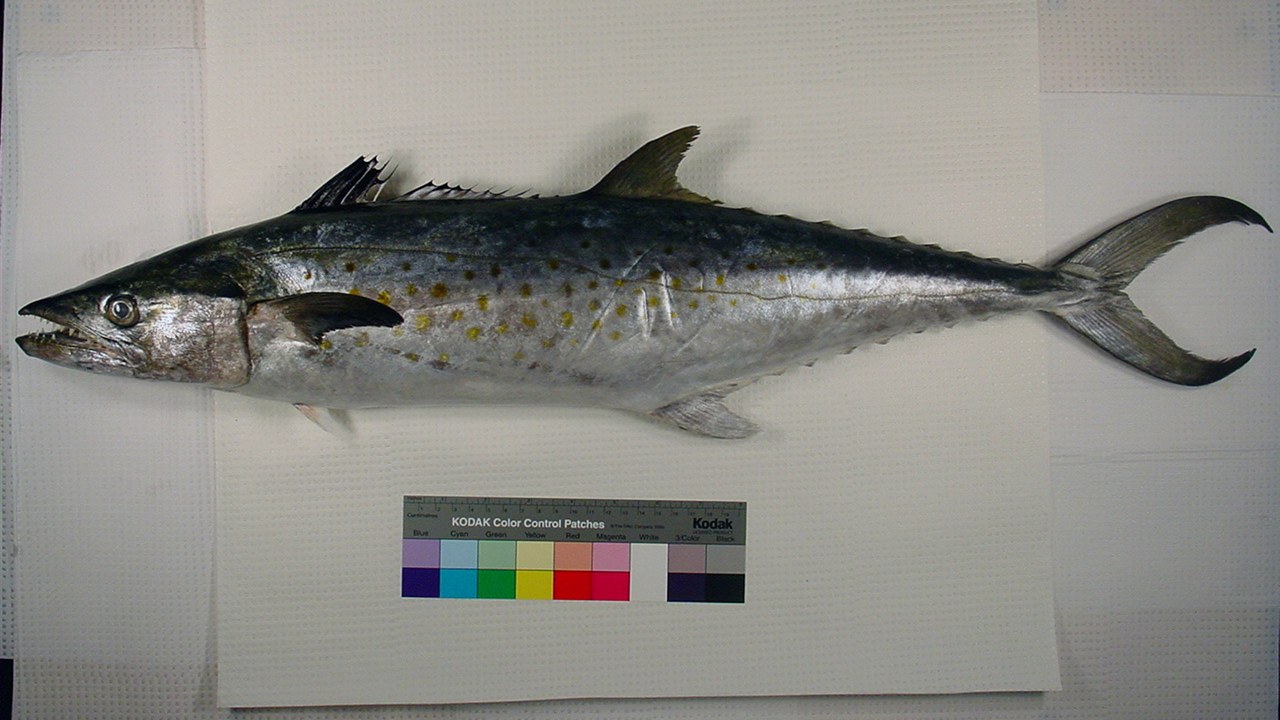
Atlantic Spanish mackerel is a fast coastal predator, netted and sold through Gulf and South Atlantic markets, and a close relative of the king mackerel, per the Atlantic Spanish mackerel article. It shares the streamlined build and fish-eating habits of its larger cousin. The source describes the species and gives no mercury measurement.
Its inclusion rests on that kinship and on its place in the same regional fisheries. Spanish mackerel stay smaller than king mackerel, and size is one of the factors tied to accumulation. No figure is attached to this entry, so none is claimed.
8. Red grouper: A Premium Reef Fillet
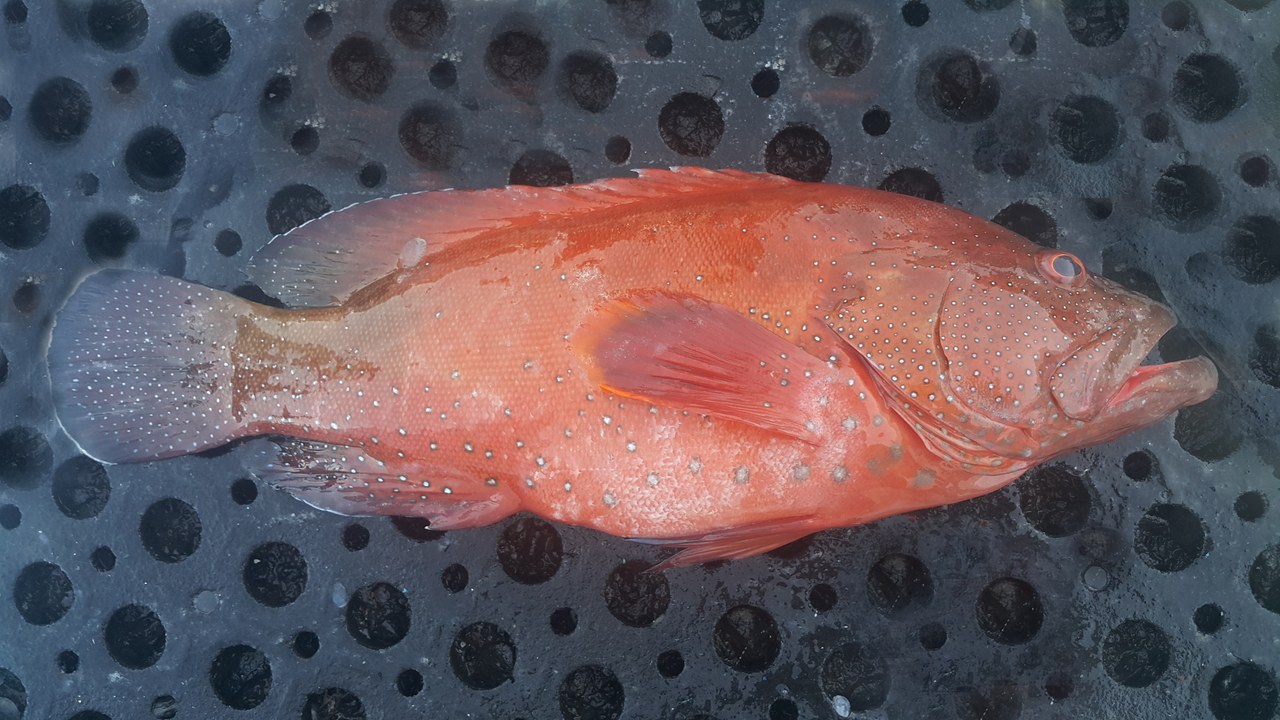
Red grouper is a slow-growing, long-lived reef predator landed commercially in the Gulf of Mexico and sold as a premium white fillet, as the Red grouper encyclopedia entry explains. Slow growth and a long life mean more years of exposure to prey carrying the metal. The cited source covers the fish and its fishery, with no concentration reported.
Groupers are predators, and their appearance on a list like this follows from biology and market role. Any specific measurement would need to come from the FDA table or similar testing.
9. Bluefish: Coastal Schooling Hunter
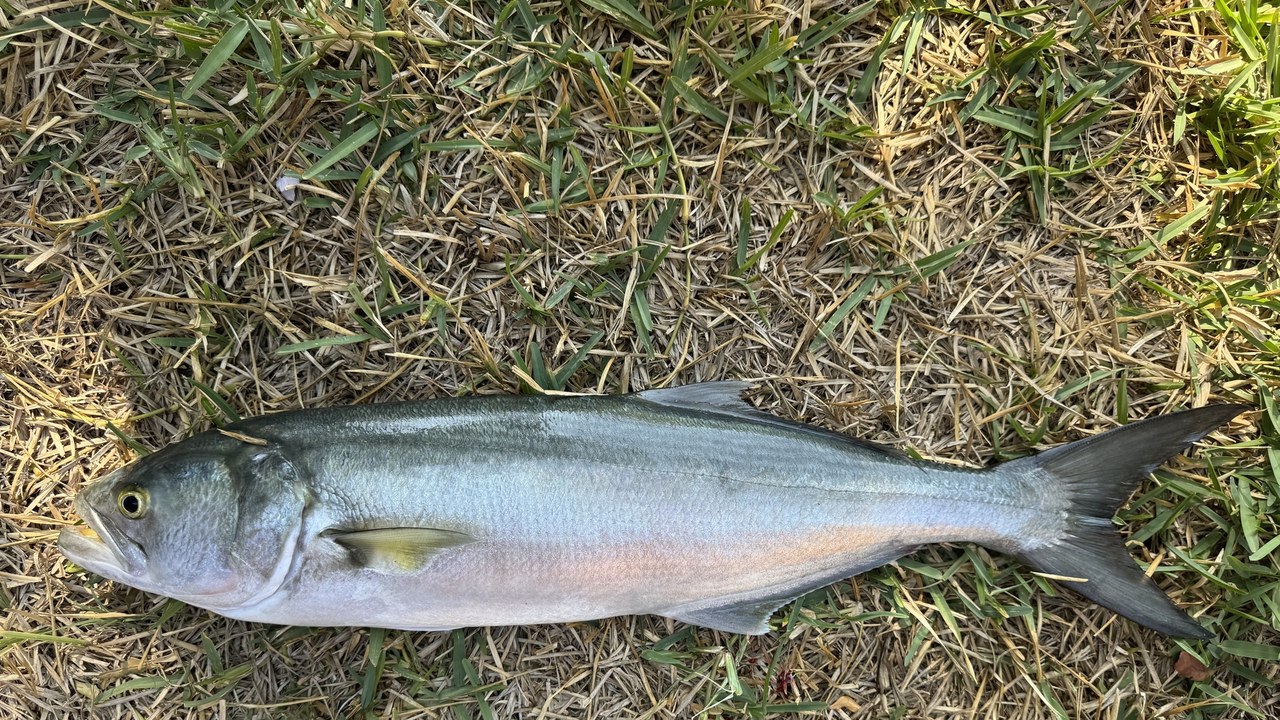
Bluefish is a voracious schooling predator of the Atlantic coast, caught by recreational anglers in enormous numbers and the subject of long-running state eating advisories, according to the Bluefish article. Those advisories exist at the state level and are separate from the federal table. The source supports that description and gives no mercury figure.
A fish eaten as often as this one gets attention from health agencies, which explains the advisories. Its habit of chasing smaller fish in packs puts it high in coastal food webs. The entry is a profile of the fish and its fishery, and no measurement is quoted.
10. Atlantic bluefin tuna: The Largest Tuna
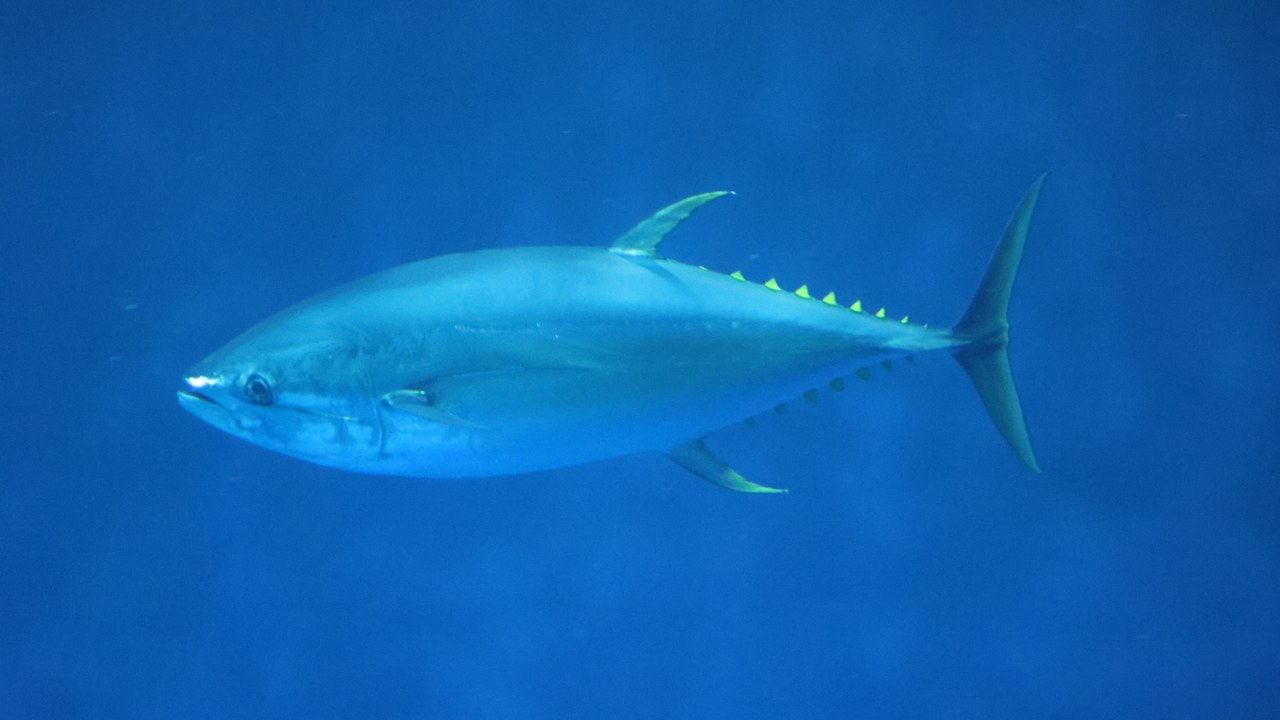
Atlantic bluefin tuna is the largest of the tunas, decades-lived and at the very top of its food web, which is the profile that accumulates the most mercury of all, as the Atlantic bluefin tuna entry outlines. Few ocean fish combine such size with such a long life. The source supports the biological profile only and quotes no concentration.
Each year of a long life adds to the load carried from prey. As with the other profile entries, the argument rests on ecology, and the FDA figures appear only in the first four items.
More from Morning Overview
- Card skimmers hidden on gas pumps and ATMs are draining accounts, and here’s the tell
- Hurricane Hunter radar shows four warning signs that a tropical cyclone is about to strengthen, a University of Miami study found
- NTSB report details how a family of four died when their plane’s nose suddenly pitched up
- Doctors warn a silent liver disease now affects one in three American adults
