
Aircraft carriers range from nuclear-powered supercarriers with catapults to small ski-jump ships carrying a dozen jets at sea. Their size, propulsion and launch method decide what each ship can actually do. Here are fifteen carriers in service today, along with the capabilities that set each one apart.
Read next on Morning Overview: Tesla’s Cybercab has already crashed 8 times, and the worst one came at highway speed
1. USS Gerald R. Ford: Supercarrier Benchmark
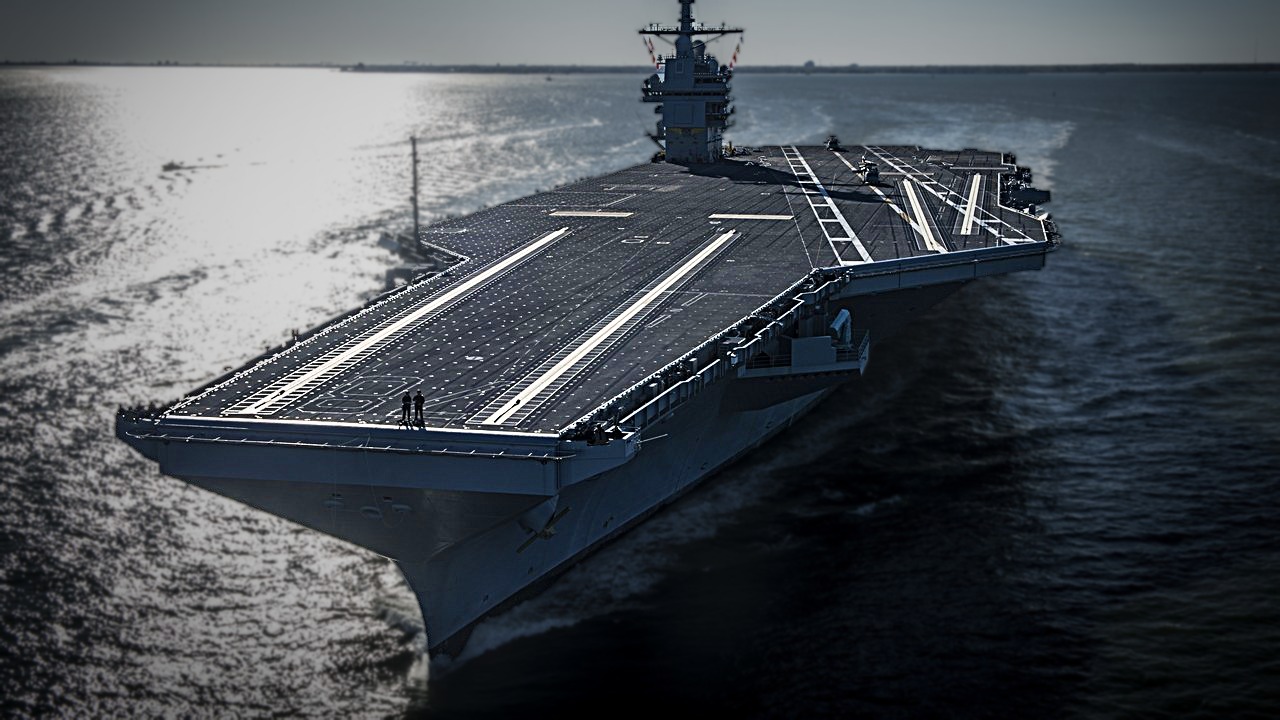
The newest US supercarrier displaces about 100,000 tons and operates 75 or more aircraft. The Navy’s fact file credits the design with a 33 percent increase in sortie generation rate over the Nimitz class, while needing nearly 600 fewer crew members.
Higher launch tempo with a smaller crew is the whole pitch of the class. It is the ship against which the rest of this list is easiest to measure.
2. Nimitz-class carrier: The Long-Lived Workhorse
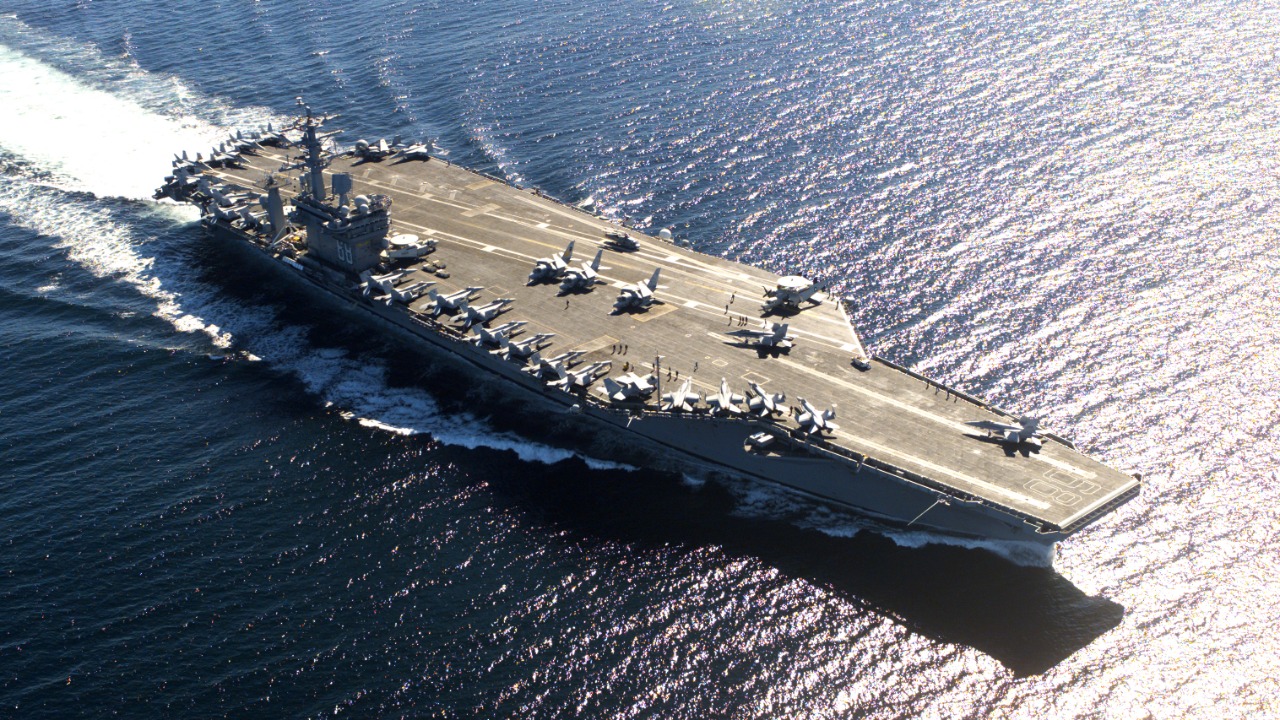
Ten ships make up the class, each displacing about 97,000 tons at full load, per the Navy’s carrier fact file. Each carries more than 60 aircraft, steams at 30-plus knots and was designed for a 50-year service life.
Nuclear power removes the fuel limit that tethers most other carriers on this list. The class forms the backbone of US carrier aviation, with newer hulls gradually taking over.
3. HMS Queen Elizabeth: Royal Navy Flagship
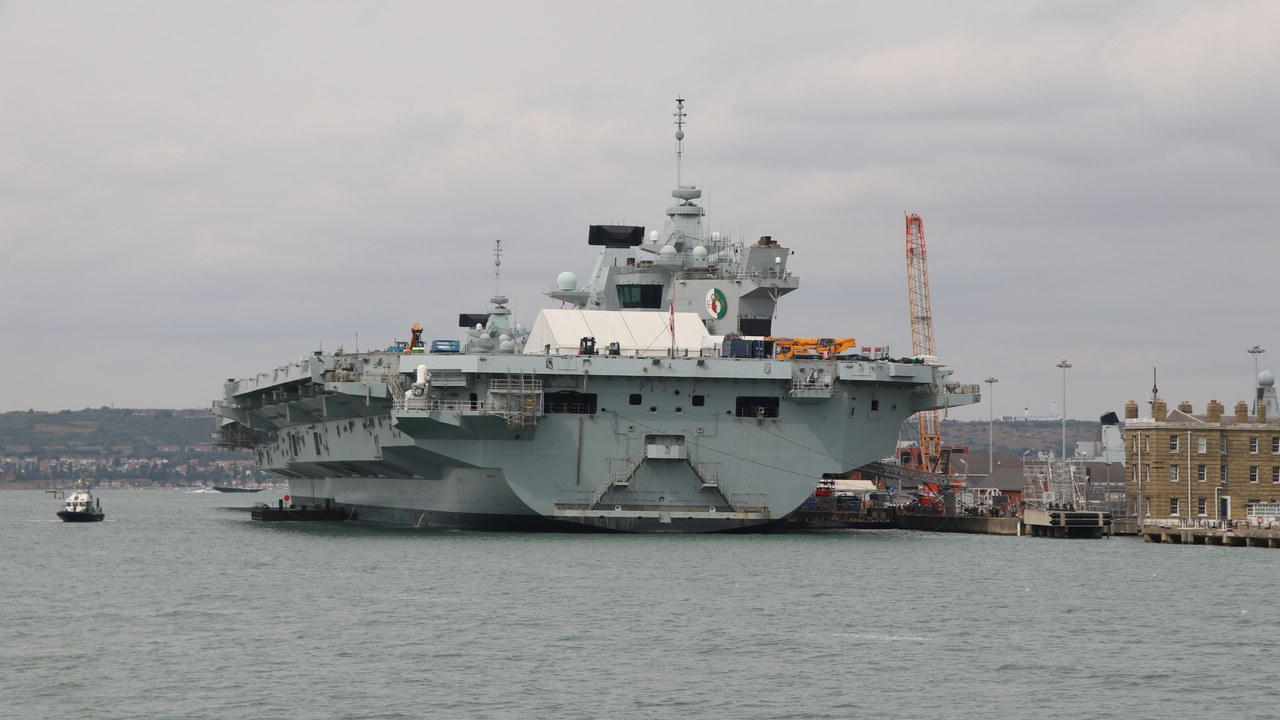
Officially rated at 65,000 tonnes, the ship launches between 24 and 36 F-35B jets, and a 12-degree ski jump does the work that catapults do on larger decks. That makes it a short-takeoff, vertical-landing carrier rather than a catapult ship.
The ski-jump design suits the F-35B and avoids the cost of catapults and arresting gear. Air wing size varies with the mission, which explains the wide range quoted.
4. HMS Prince of Wales: Sister Ship Duty
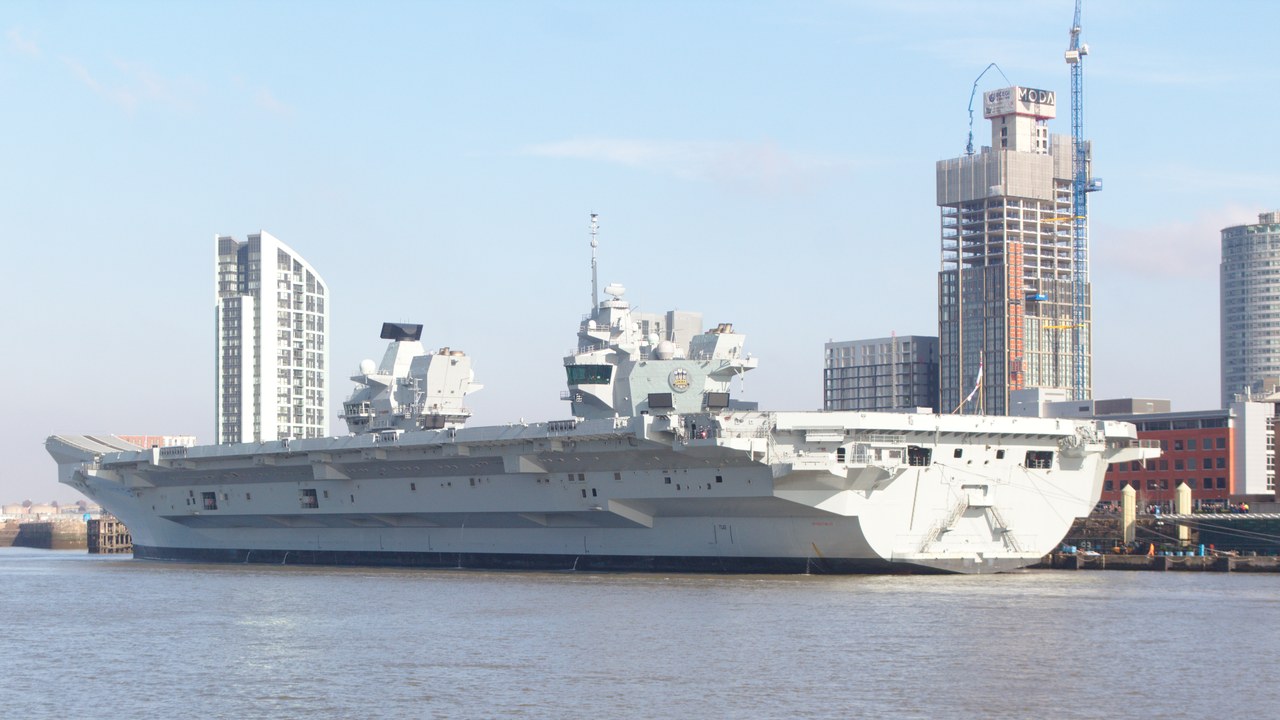
The second of the two Queen Elizabeth-class carriers uses the same F-35B and ski-jump arrangement, and AeroCorner’s carrier ranking groups both ships together at 24 to 36 F-35B. Its commissioning date is listed as 10 December 2019.
Having two hulls of one design lets the Royal Navy keep a carrier available more often than a single ship would allow. Both ships share training, spares and tactics.
5. Charles de Gaulle: France’s Nuclear Carrier
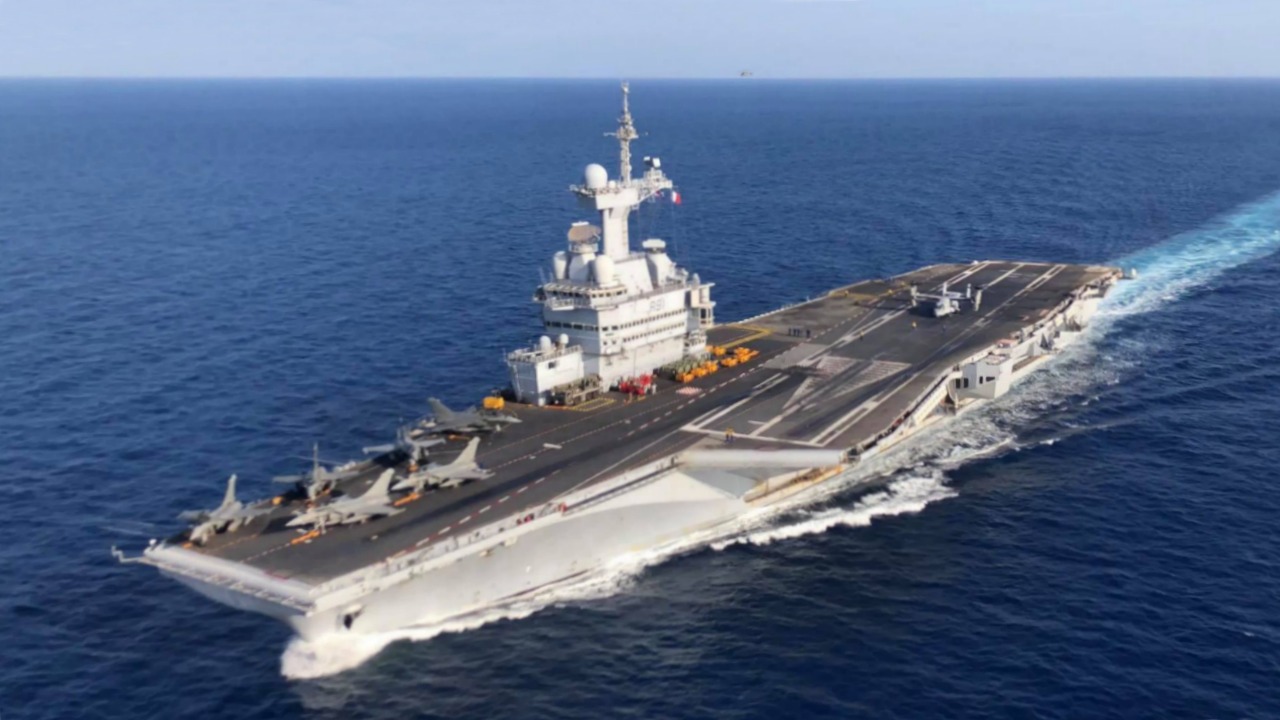
The only carrier in the French fleet is nuclear-powered, driven by two K15 reactors, and displaces about 42,500 tons. Two steam catapults launch an air wing of about 30 aircraft, a rare arrangement outside the US Navy.
Catapult launch lets heavier aircraft take off than a ski jump allows. The ship’s small size and single-hull status mean its availability shapes French naval deployments.
6. Liaoning: China’s First Flattop
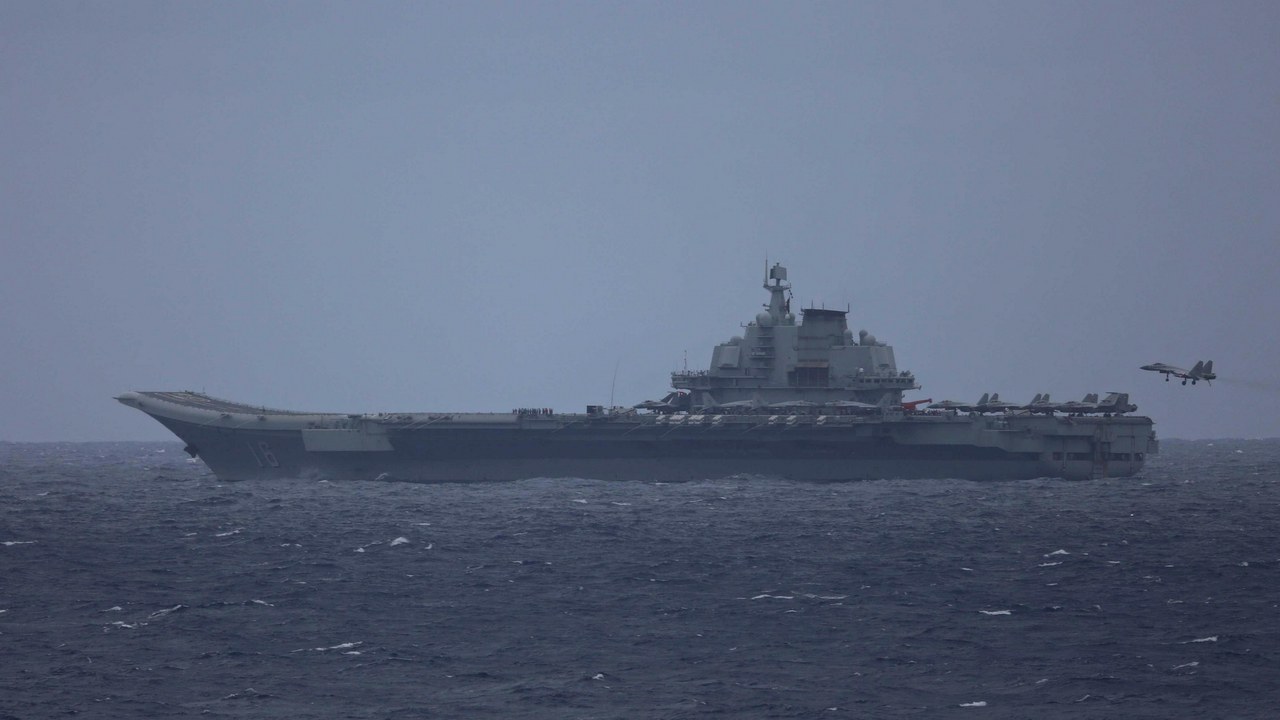
China’s first carrier carries about 24 J-15 fighters and launches them off a ski-jump bow. Without catapults, the aircraft take off under their own power from the ramp.
Ski-jump launch limits how much fuel and weapons each fighter can carry, which restricts the range and strike load of the air wing. The ship is widely seen as a training and learning platform that paved the way for later Chinese carriers.
7. INS Vikrant: India’s Homebuilt Carrier
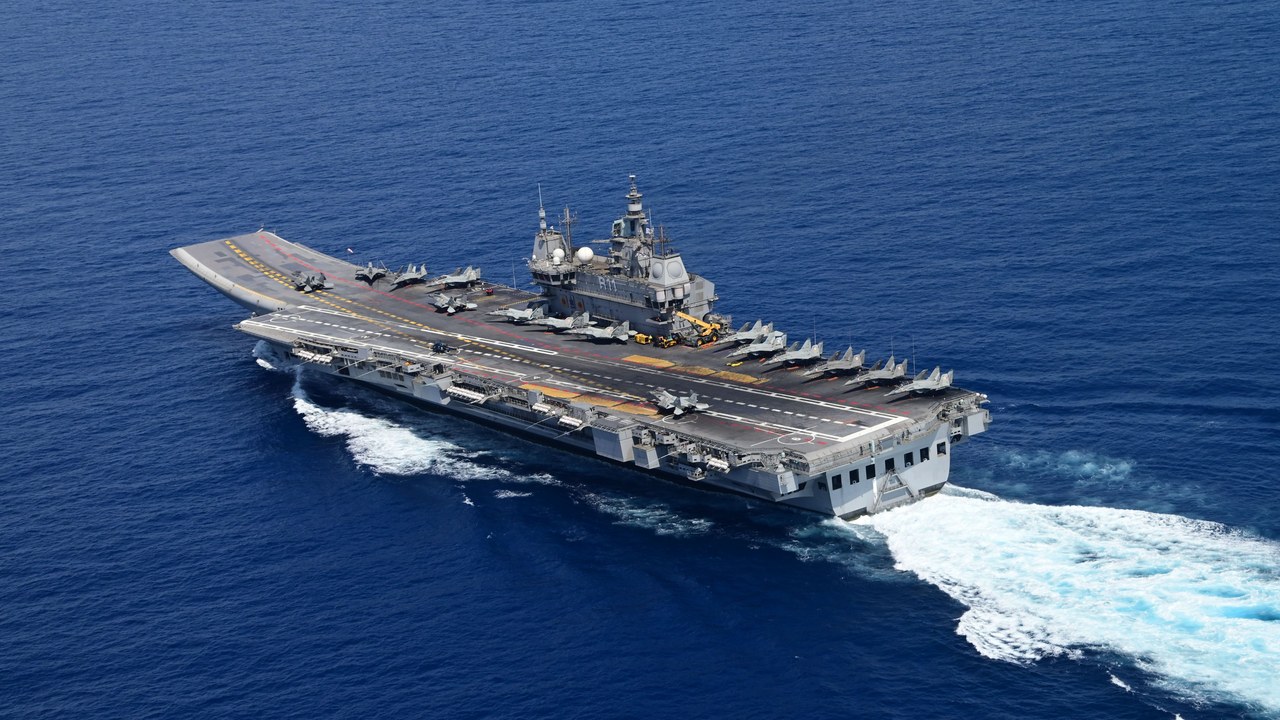
Commissioned in 2022, the Indian Navy’s ship displaces about 45,000 tons and carries roughly 30 aircraft, according to AeroCorner’s list of carriers. Aircraft launch from a ski jump at the bow.
Building the ship domestically marked a milestone for Indian shipyards. The ski-jump layout keeps aircraft handling simpler than a catapult design would. Together with the older Vikramaditya, it gives the Indian Navy two carriers.
8. JS Izumo: Japan’s Flat-Deck Destroyer
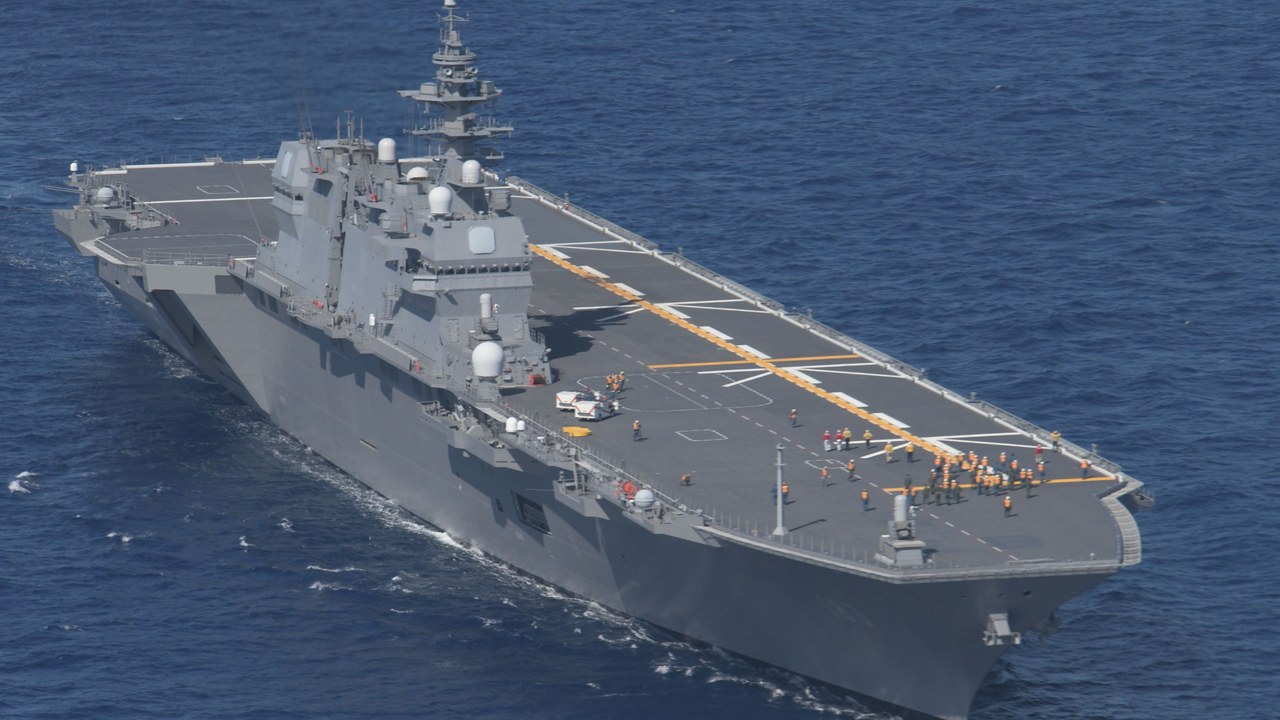
The Japanese ship displaces around 27,000 tons and is listed with around 12 F-35B jets, per AeroCorner’s carrier overview. Its flat, full-length deck is what places it on the list, despite an official helicopter destroyer label.
The F-35B gives Japan fixed-wing strike aviation at sea without a dedicated catapult carrier. How far the ship counts as a true carrier is a matter of naming as much as hardware.
9. JS Kaga: Izumo’s Sister Ship
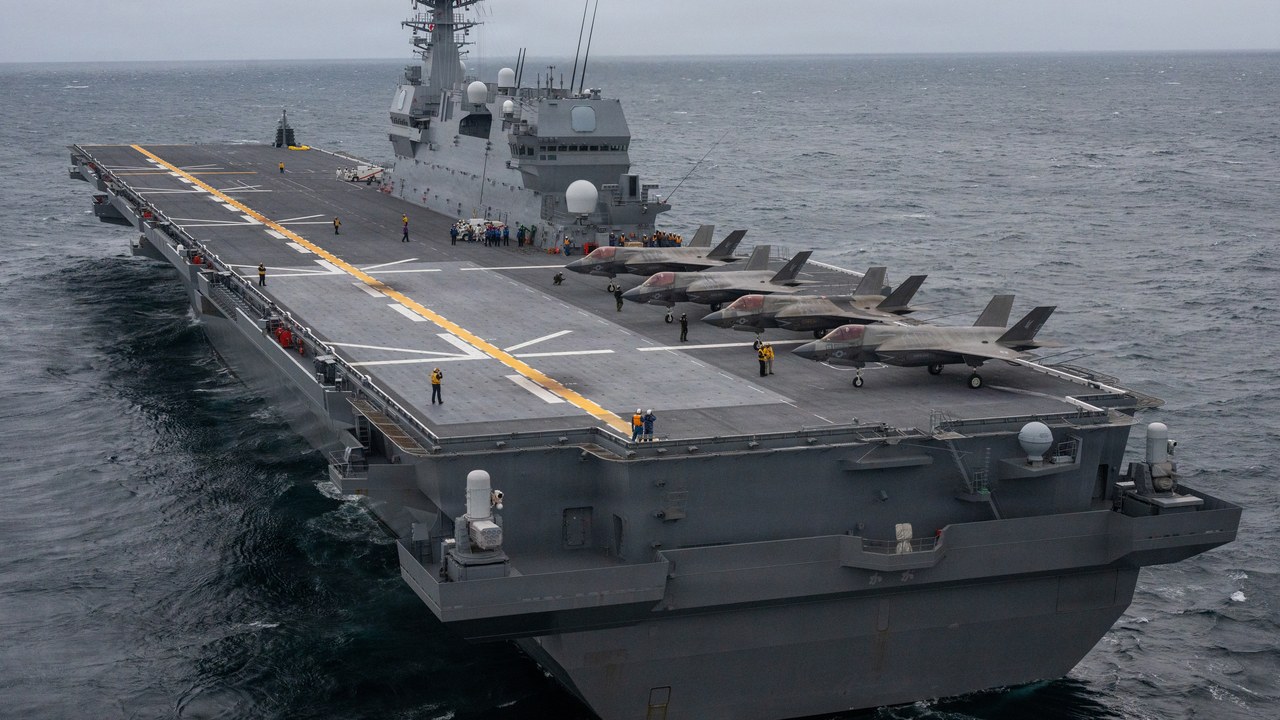
Commissioned on 22 March 2017, the second Izumo-class ship displaces 27,000 tons. The Wikipedia list of carriers in service labels it a helicopter destroyer and, from 2024, a light aircraft carrier.
The relabelling reflects the planned operation of F-35B jets from its flat deck. The ship and its sister now sit in a category between helicopter carrier and light carrier.
10. INS Vikramaditya: Soviet-Era Hull, Indian Flag
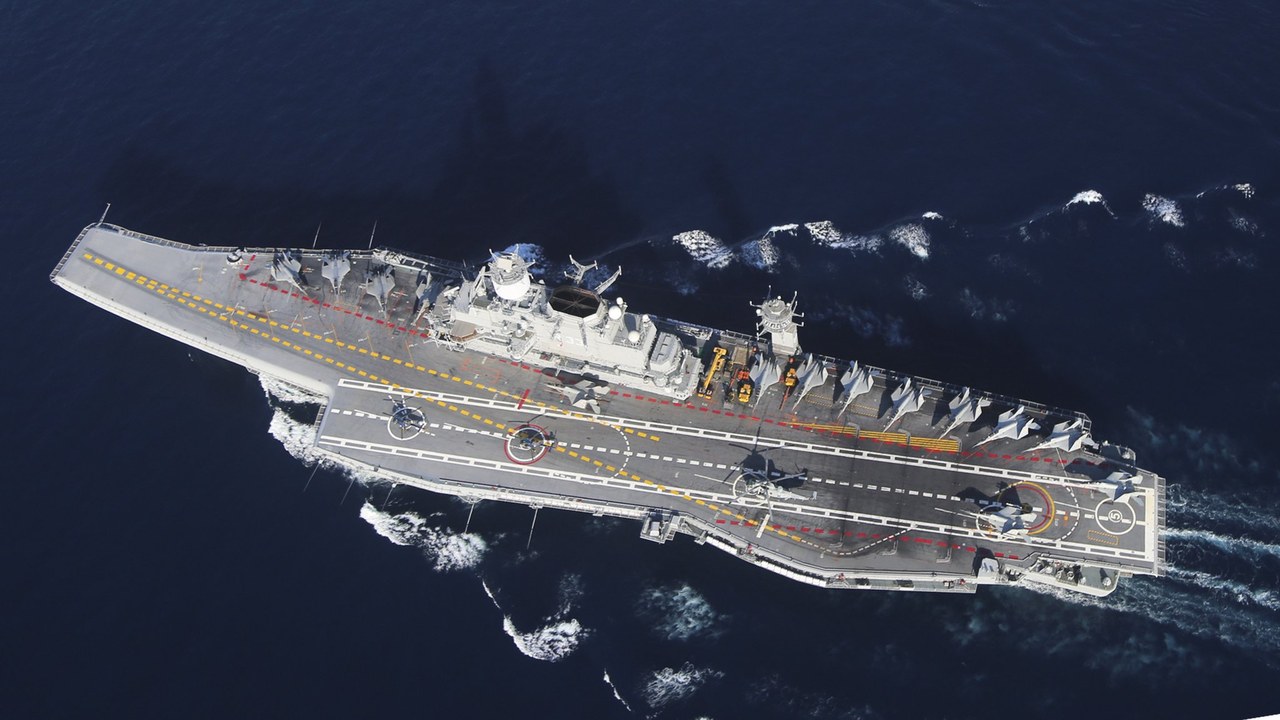
This STOBAR carrier was commissioned on 16 November 2013 and displaces 45,400 tonnes, according to the Wikipedia list of carriers in service. STOBAR means short takeoff but arrested recovery, with a ski jump for launch and wires for landing.
The ship began life as a Soviet design before the Indian Navy took it over. Together with the newer Vikrant, it gives India a two-carrier fleet.
11. Cavour: Italy’s Original Light Carrier
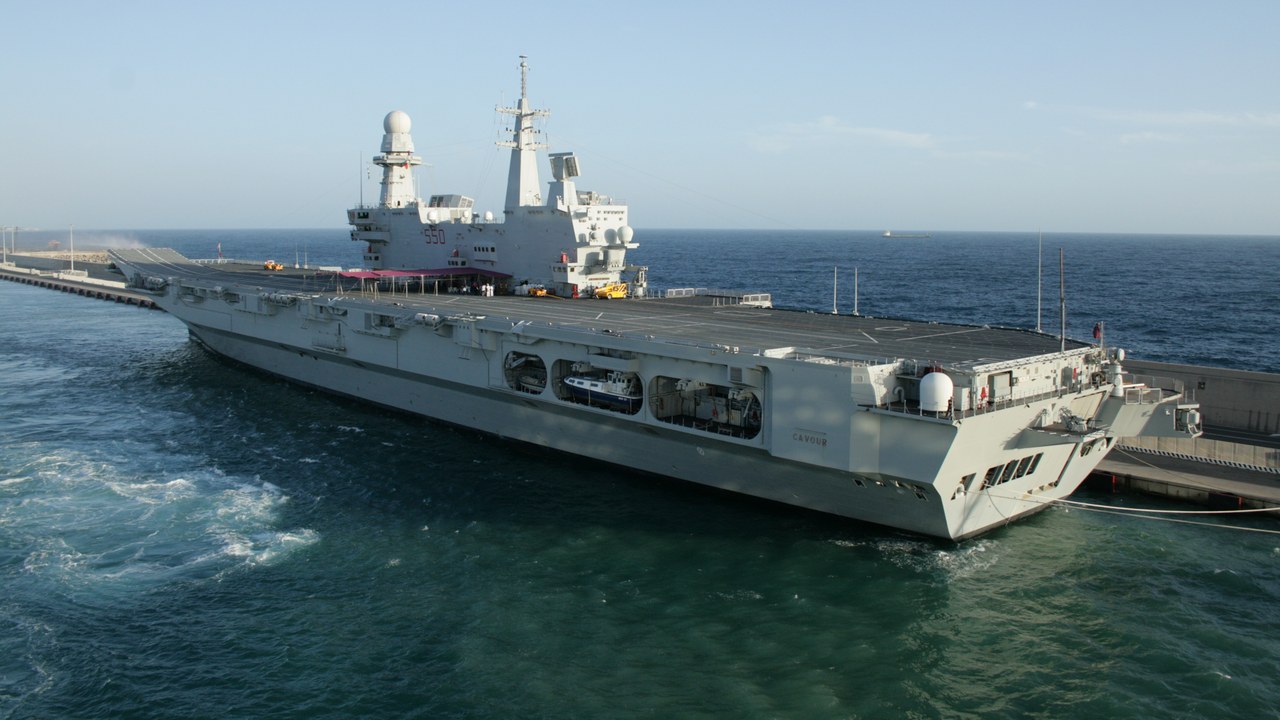
Italy’s STOVL carrier was commissioned on 27 March 2008 and displaces about 30,000 tonnes, per the Wikipedia list of carriers in service. AeroCorner’s list credits it with about 15 F-35B jets.
The ship pairs a ski jump with vertical-landing aircraft. It serves as the flagship role-player for Italy’s fixed-wing naval aviation, and the vertical-landing jets operate from its flat deck without any arresting wires.
12. Juan Carlos I: Spain’s Dual-Role Ship
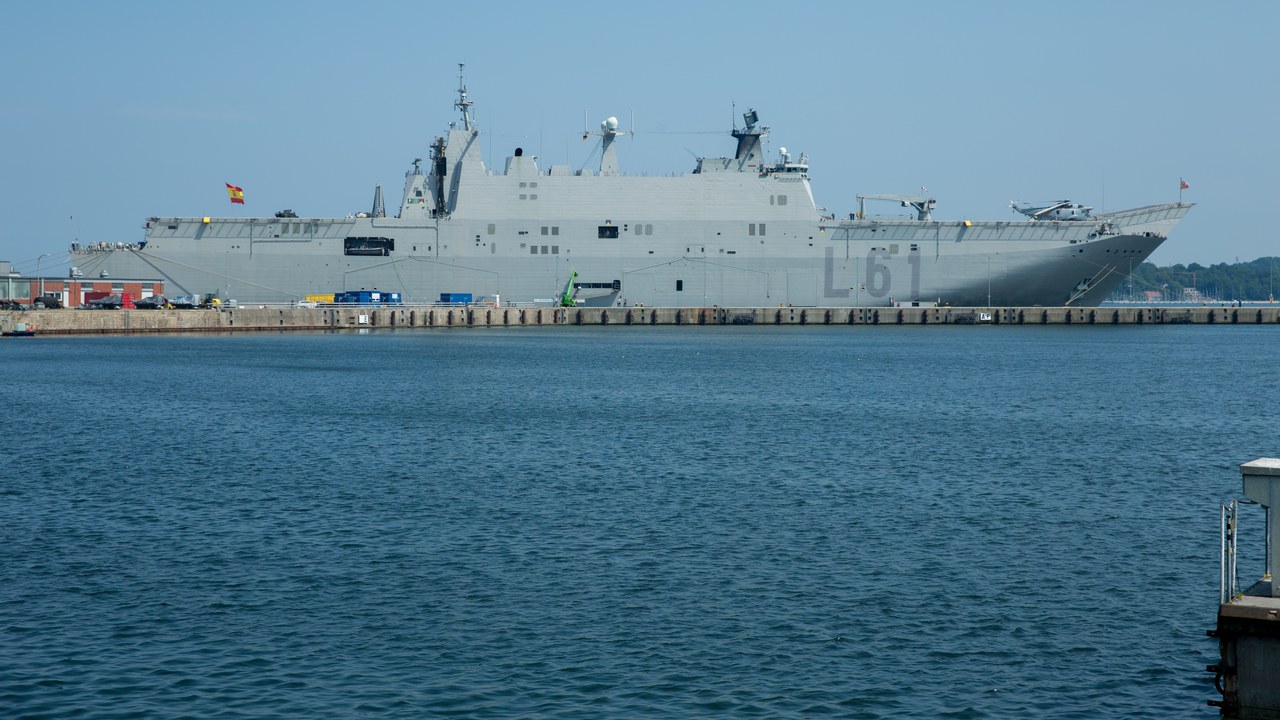
Spain’s amphibious assault ship was commissioned on 30 September 2010 and displaces 26,000 tonnes, as the Wikipedia carrier list records. It is listed as an LHD that also operates as a STOVL carrier.
The same hull handles landing craft, helicopters and short-takeoff jets. That flexibility is typical of ships that straddle the line between amphibious and carrier roles, and the flat deck is what allows fixed-wing operations at all.
13. Italian ship Trieste: Italy’s Newest Flagship
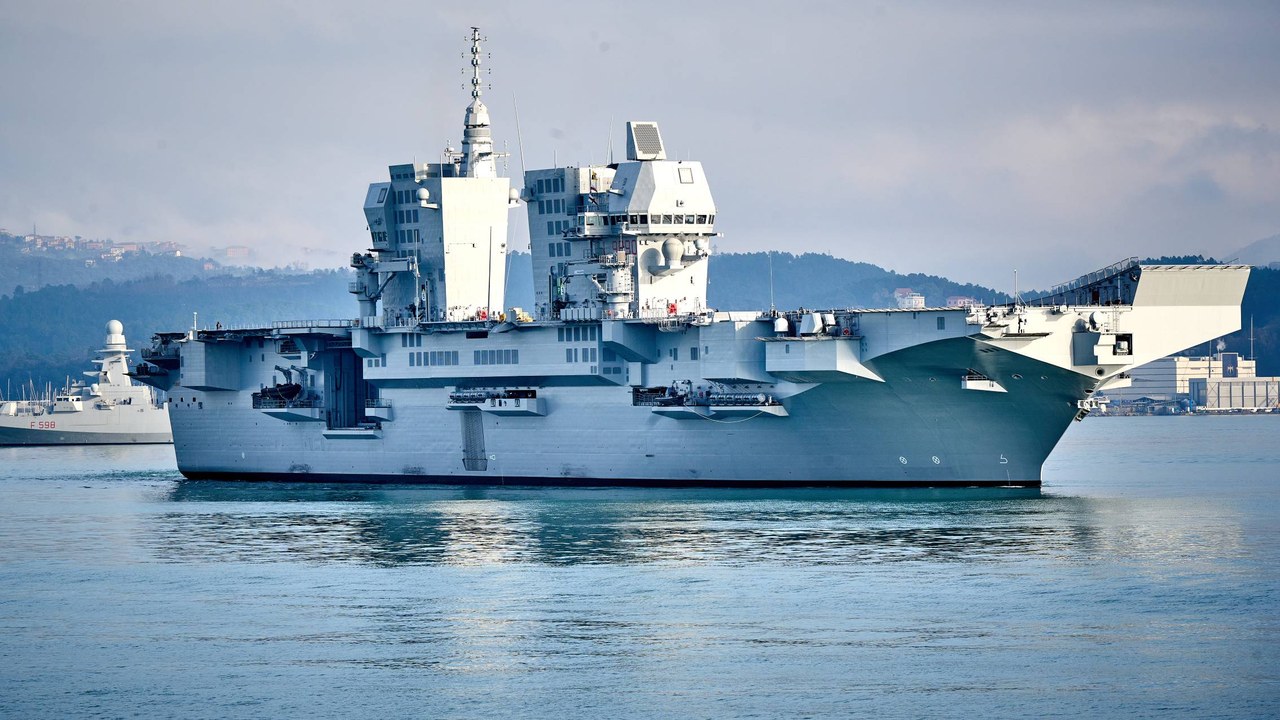
Italy’s newest carrier was commissioned on 7 December 2024 and displaces 38,000 tonnes, according to the Wikipedia carrier list. It is a STOVL design with a flat deck.
As of November 2026, the ship stands as the most recent addition among the Italian carriers on this list. Its larger displacement sets it apart from the older Cavour, and it shares the flat-deck, short-takeoff approach.
14. TCG Anadolu: Turkey’s Drone Carrier
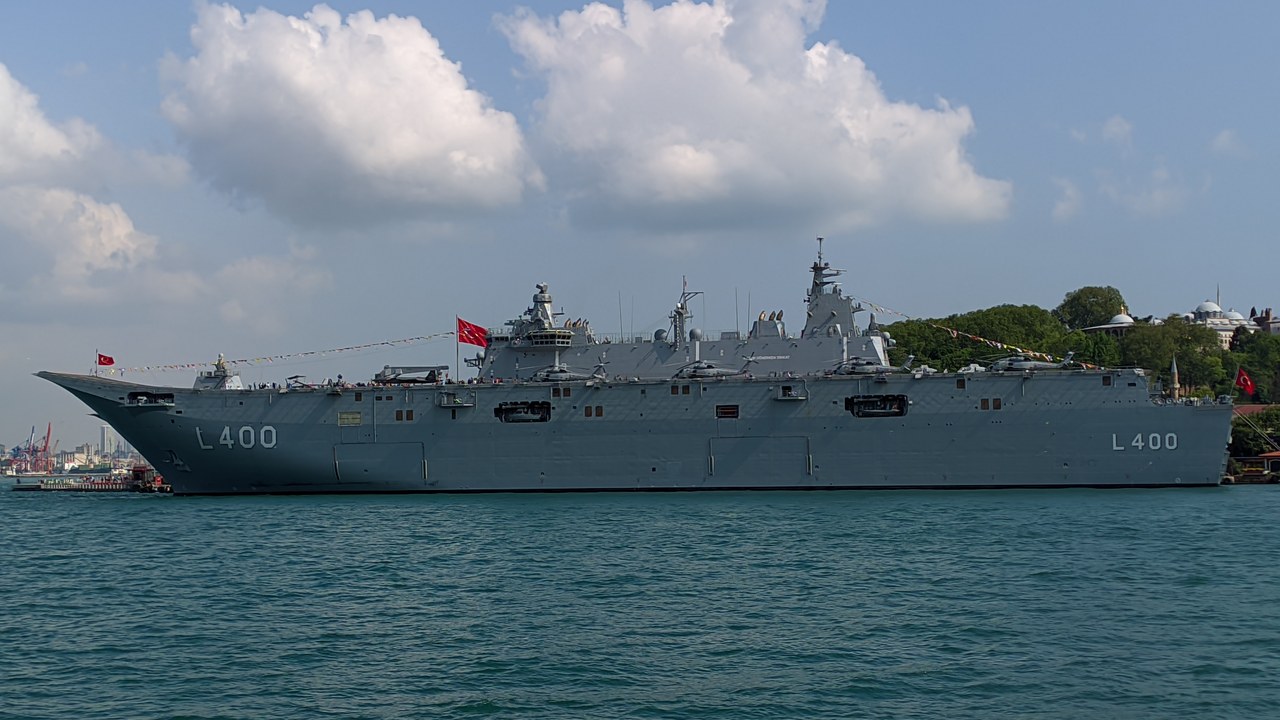
Turkey’s LHD was commissioned on 10 April 2023 and displaces 27,500 tonnes, per the Wikipedia list of carriers in service. It is described as V/STOL-capable and built to operate drones.
The ship pairs an amphibious role with drone operations. It gives Turkey a platform for unmanned aircraft launched at sea, alongside the helicopters and landing craft an LHD normally carries.
15. USS America (LHA-6): Amphibious Assault Giant
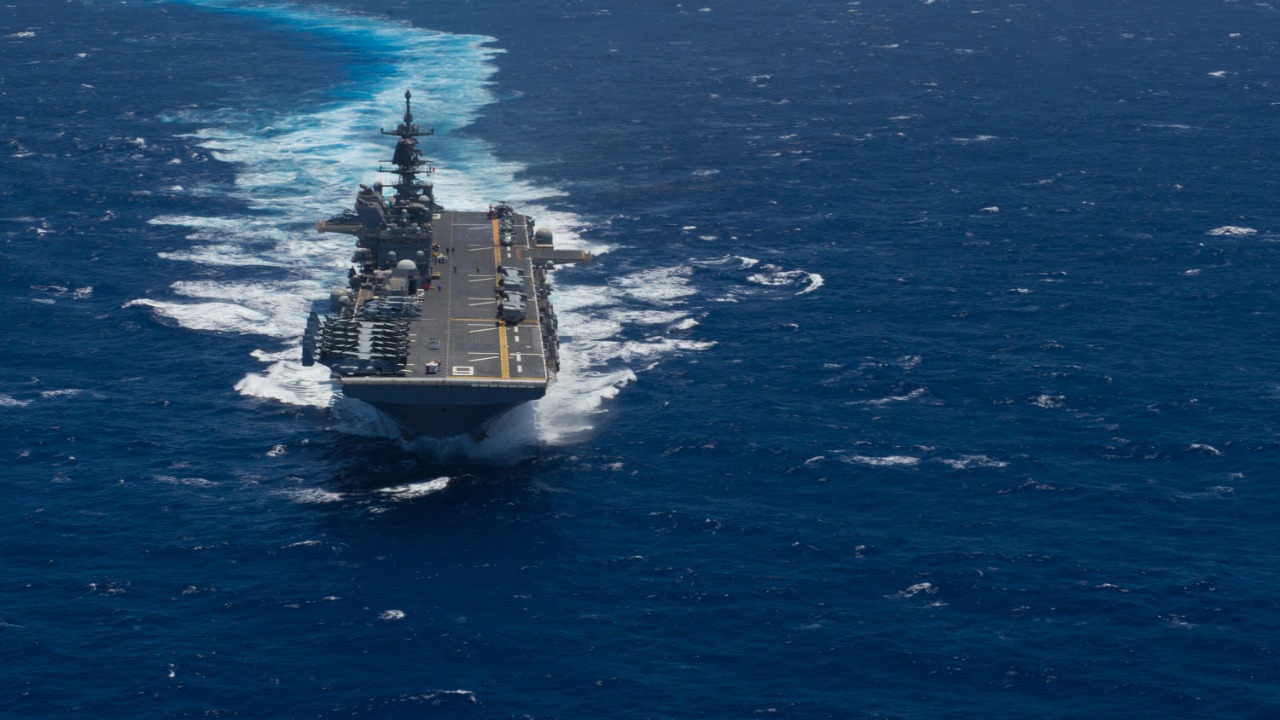
The ship measures 844 feet and displaces about 44,971 long tons, according to Naval Surface Force Pacific. It can launch MV-22 Osprey tiltrotors and F-35B jets from its flat deck.
Carrying both Ospreys and F-35Bs lets the ship act as a light carrier when needed. Amphibious ships of this size blur the line with dedicated aircraft carriers, which is why they appear on lists such as this one.
More from Morning Overview
- Older Teslas mostly keep their batteries, and here’s what wears out instead
- Pieces of a Learjet’s tail landed miles from the Florida crash that killed all nine aboard
- Czech Skyfox jets could become Ukraine’s cheap answer to Shahed attack drones
- A windstorm slammed western Washington, blocking I-5 and knocking out power for thousands
