
Some cars break down and turn a simple repair into a scavenger hunt for a discontinued part. Others sit on nearly every street in the country, which means junkyards, parts counters, and online catalogs are stocked with exactly what a mechanic needs. Here are ten vehicles whose sheer numbers on the road make sourcing a replacement part a quick errand rather than a long wait.
1. Toyota Corolla: Everywhere by Design
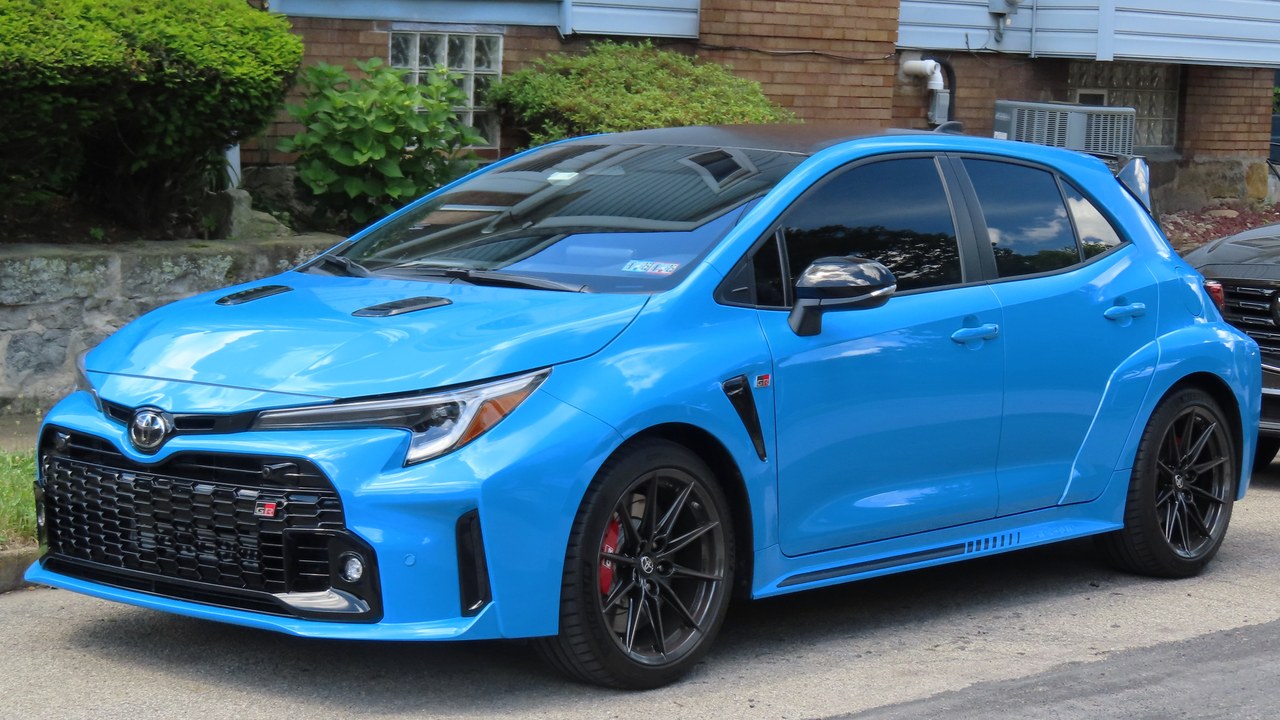
Few nameplates have been built in more places, for more years, than the Toyota Corolla, and that scale is exactly why its parts are so easy to track down. Independent shops, dealerships, and salvage yards all carry Corolla components as a matter of routine stock, not a special order.
Because so many generations share basic mechanical layouts, a part pulled from a slightly older Corolla often bolts onto a newer one without modification, giving owners more options and lower prices than a rarer sedan would ever offer.
2. Honda Civic: Aftermarket Favorite
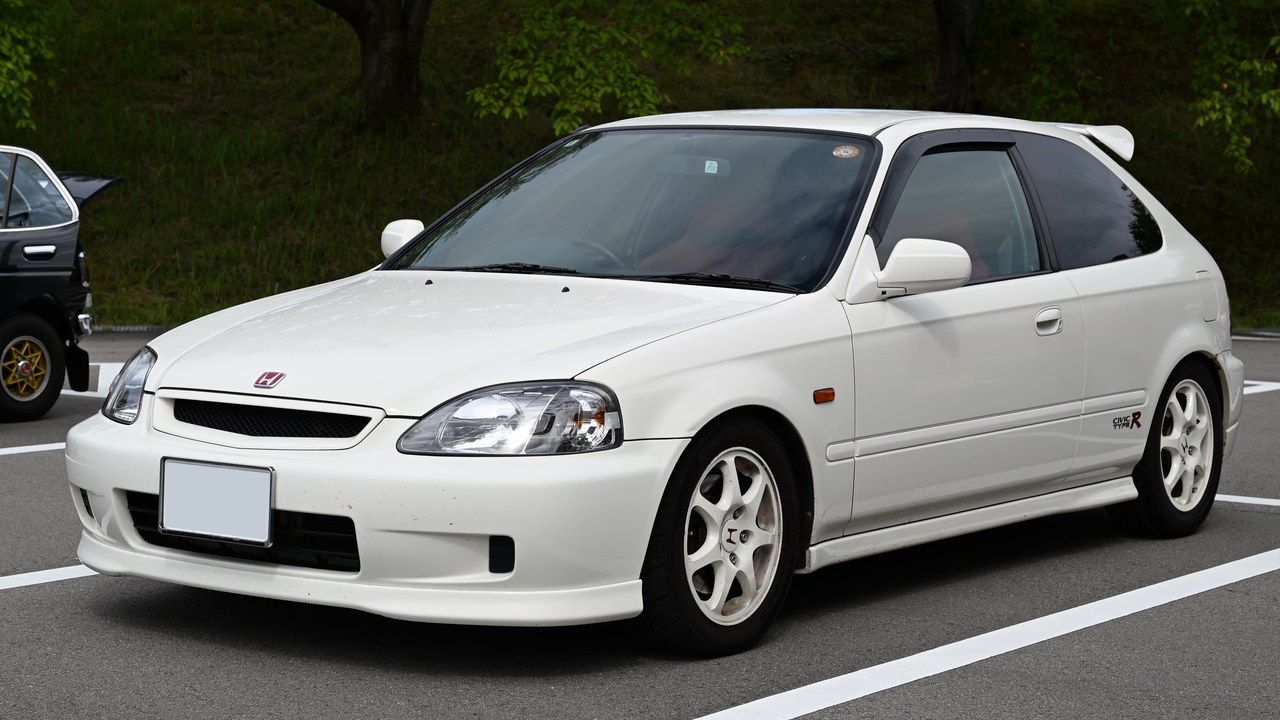
The Honda Civic has built a reputation for lasting well past 200,000 miles, and that longevity has produced an enormous population of used examples feeding salvage yards nationwide. Enthusiast demand has also pushed the aftermarket to manufacture nearly every wear item new.
That combination of factory-original salvage parts and aftermarket reproductions means a Civic owner rarely waits more than a day for anything short of a rare trim-specific piece, and prices stay competitive because so many suppliers compete for the same customer.
3. Ford F-150: America’s Workhorse
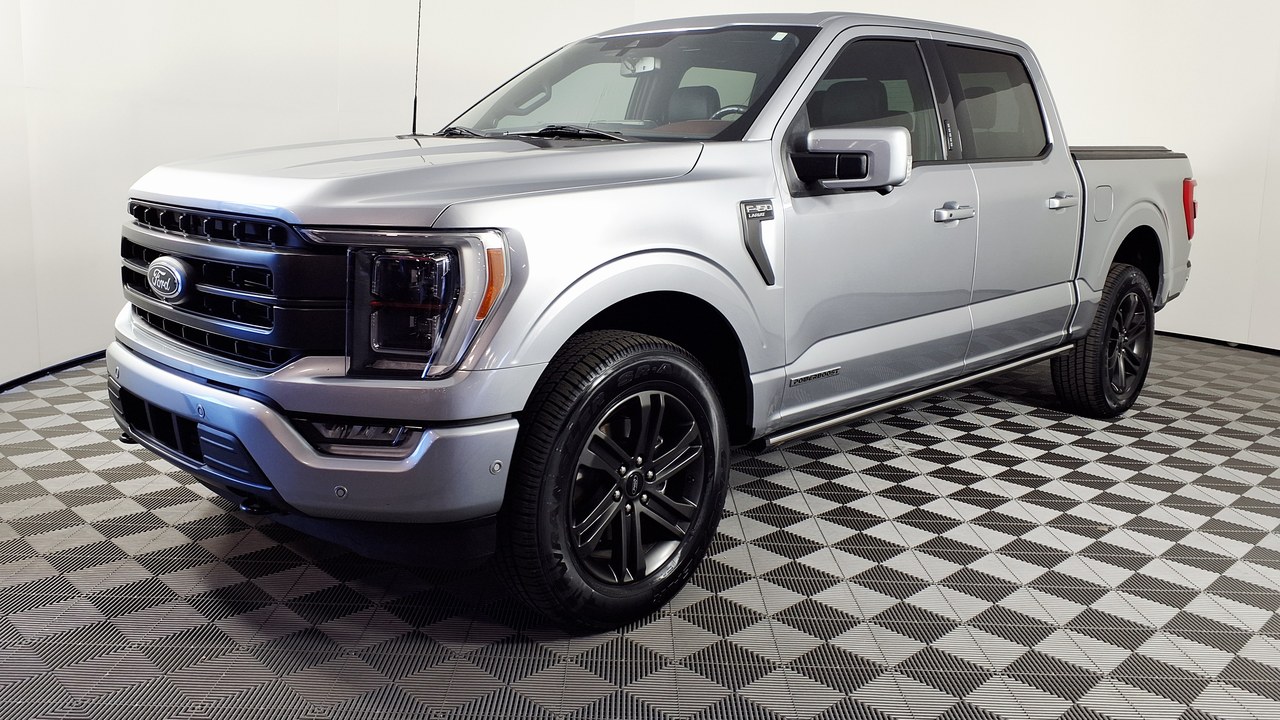
As America’s perennial best-selling vehicle, the Ford F-150 shows up in parts catalogs at a scale few competitors can match. Every major auto parts chain treats F-150 components as core inventory rather than something ordered from a warehouse.
Fleet and commercial buyers add another layer of supply, since businesses that run F-150s in volume support a robust market for used and remanufactured parts, keeping repair costs down for private owners who service the truck themselves or through an independent mechanic.
4. Toyota Camry: Sedan Staple
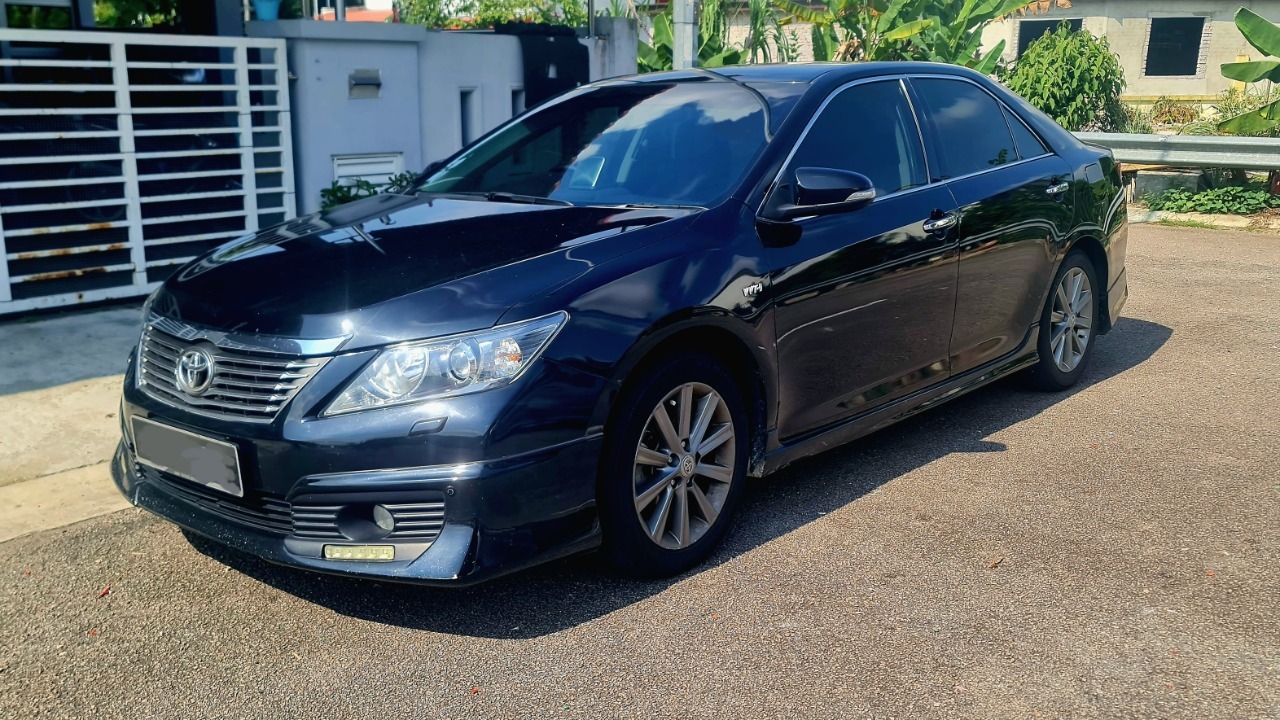
The Toyota Camry has anchored the midsize sedan segment for decades, and that long, steady production run keeps its installed base large even as newer generations arrive. Parts suppliers stock Camry components because demand never really tapers off.
Its mechanical layout has also stayed relatively conservative across redesigns, so common maintenance items often interchange between model years, giving independent shops flexibility to source whatever is cheapest or fastest to obtain rather than a single dealer-only option. Rental and fleet turnover adds still more used units to the supply chain each year.
5. Chevrolet Silverado: Shared GM Bones
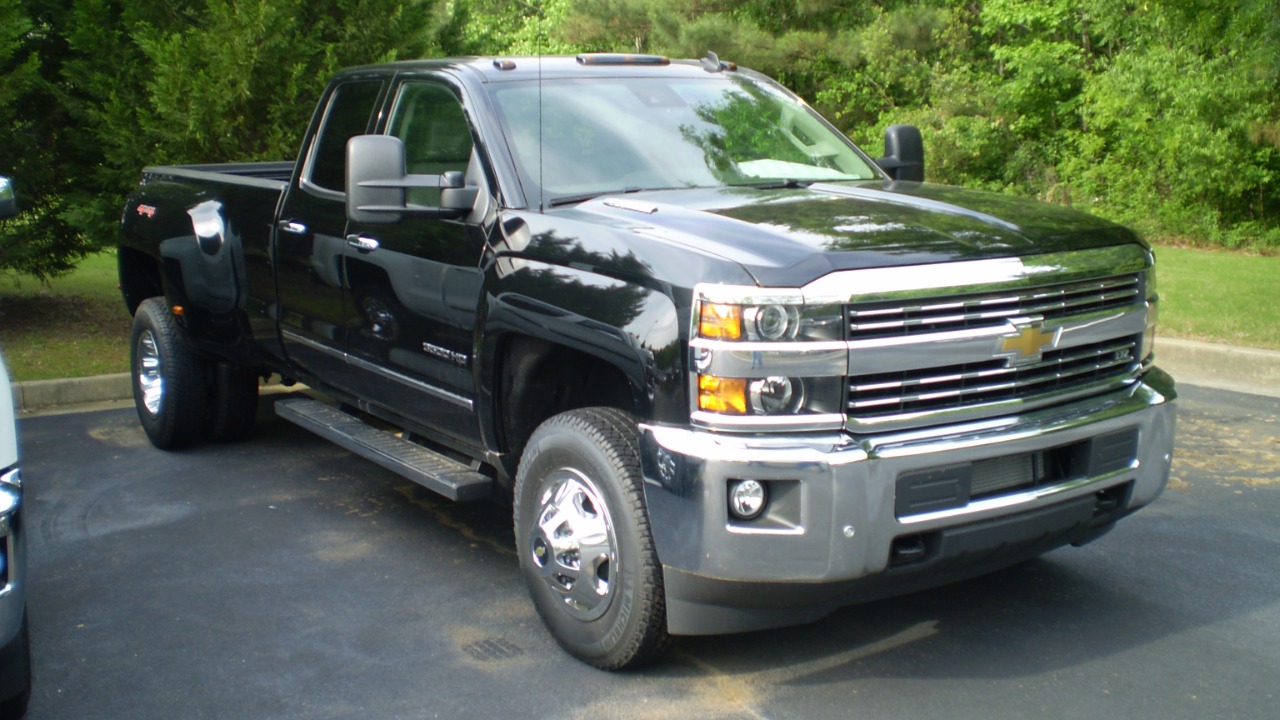
The Chevrolet Silverado shares its underlying platform and many mechanical parts with the GMC Sierra, effectively doubling the pool of compatible components available at any given store. That platform-sharing is a deliberate GM strategy, not an accident.
High sales volume across both badges means auto parts retailers keep Silverado-compatible brake, suspension, and drivetrain parts on hand as standard stock, and salvage yards process enough wrecked GM trucks that used parts stay abundant and inexpensive for owners doing their own repairs.
6. Honda Accord: Decades of Volume
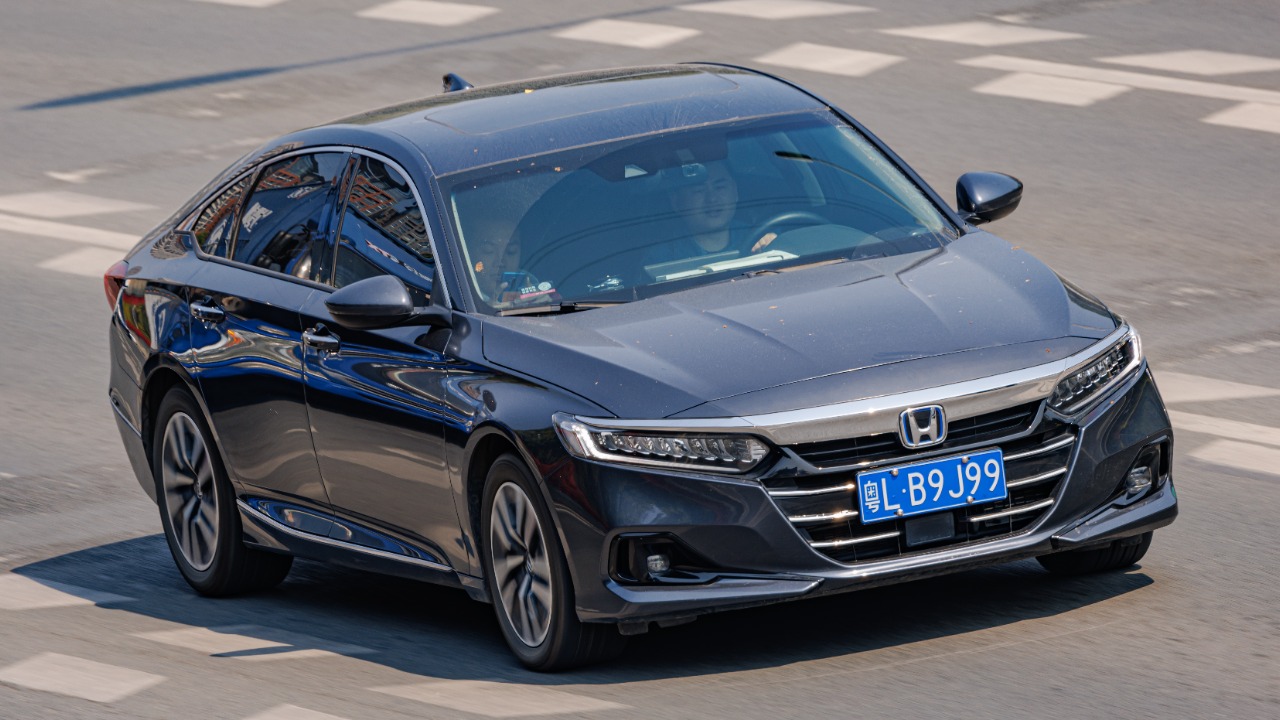
The Honda Accord has been a top-selling family sedan for so many consecutive generations that its parts ecosystem is thoroughly mature. Suppliers have had years to refine and mass-produce replacement components at low cost.
Because reliability keeps older Accords on the road long after comparable sedans are scrapped, the used-parts market stays deep, and mechanics familiar with the platform can often diagnose and source a fix from memory rather than research, cutting both labor time and part cost for the owner.
7. Toyota RAV4: SUV Sales Leader
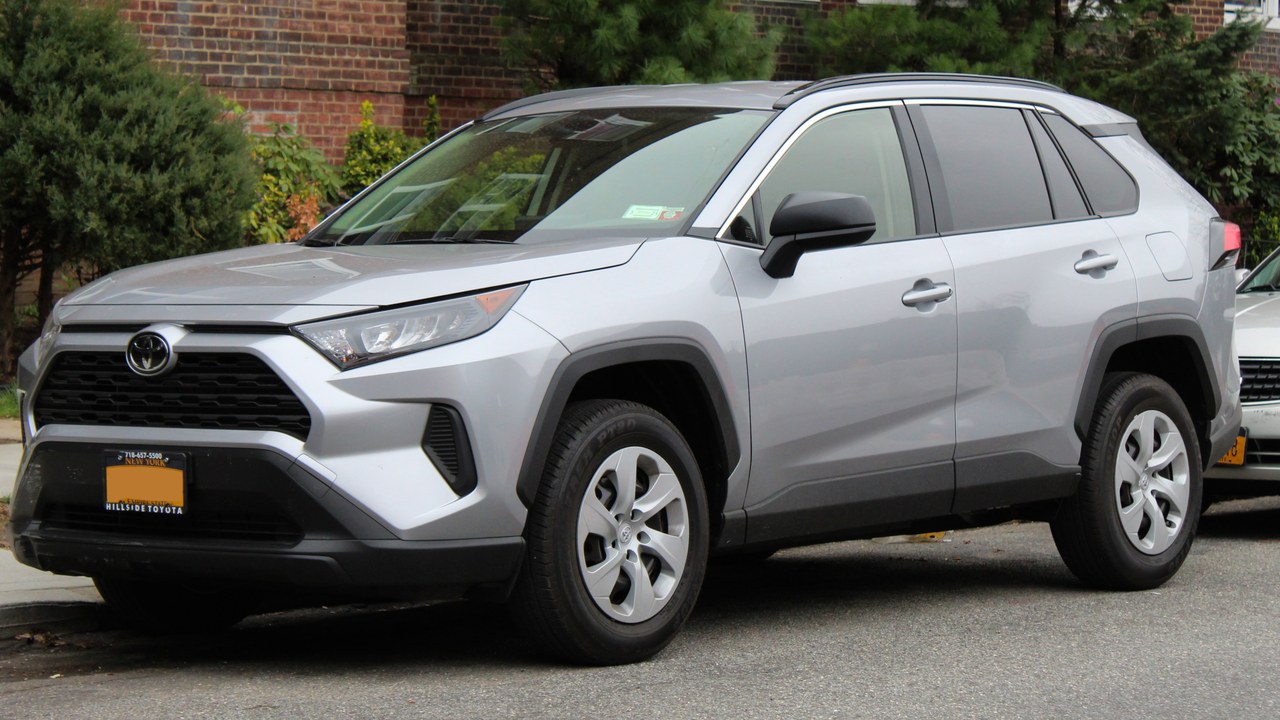
As one of the best-selling SUVs in the country, the Toyota RAV4 generates enough parts demand that both dealerships and independent suppliers keep deep inventories on hand year-round.
Its shared components with other Toyota models in the same platform family widen the supply pool further, so a RAV4 owner facing a routine repair typically finds several sourcing options rather than a single dealer route, which keeps turnaround times short and pricing competitive across the board. Rental fleets retiring older RAV4s add yet another steady stream of used parts.
8. Jeep Wrangler: Built for Modding
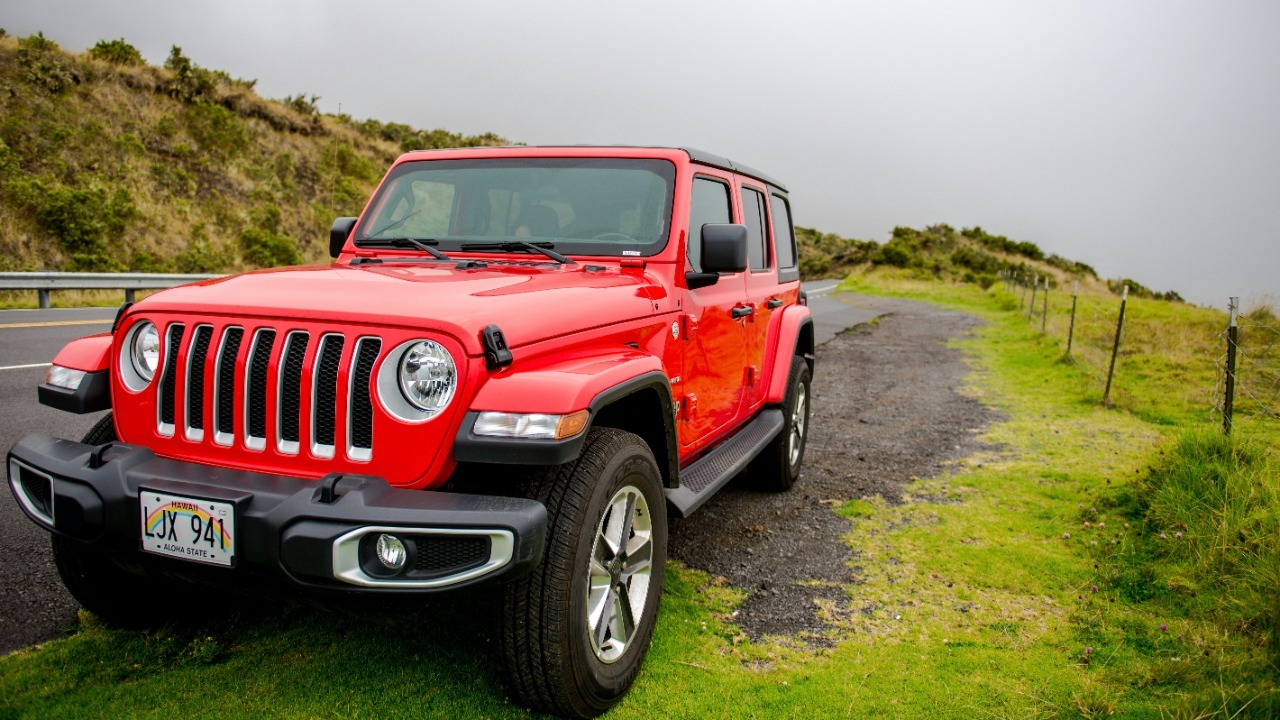
Few vehicles have inspired an aftermarket as large as the one built around the Jeep Wrangler, where entire companies exist solely to manufacture upgraded or replacement parts for it. That culture of modification has made sourcing components unusually easy.
Beyond factory parts, owners can choose from a wide range of aftermarket bumpers, axles, and body panels designed specifically for the Wrangler’s boxy, body-on-frame layout, and that variety means a broken or worn part rarely forces a long wait, even for off-road-specific hardware.
9. Ford Mustang: Enthusiast Backbone

The Ford Mustang has stayed in continuous production since the mid-1960s, and that long history has built a parts network spanning both restoration specialists and modern factory suppliers.
Whether an owner drives a decades-old classic or a current model, dedicated Mustang parts houses cater specifically to the car, stocking everything from reproduction trim to performance upgrades, so finding a component rarely depends on whatever a generic parts store happens to carry that week. Restoration demand alone has kept many discontinued pieces back in production for years.
10. Subaru Outback: Common on Every Road
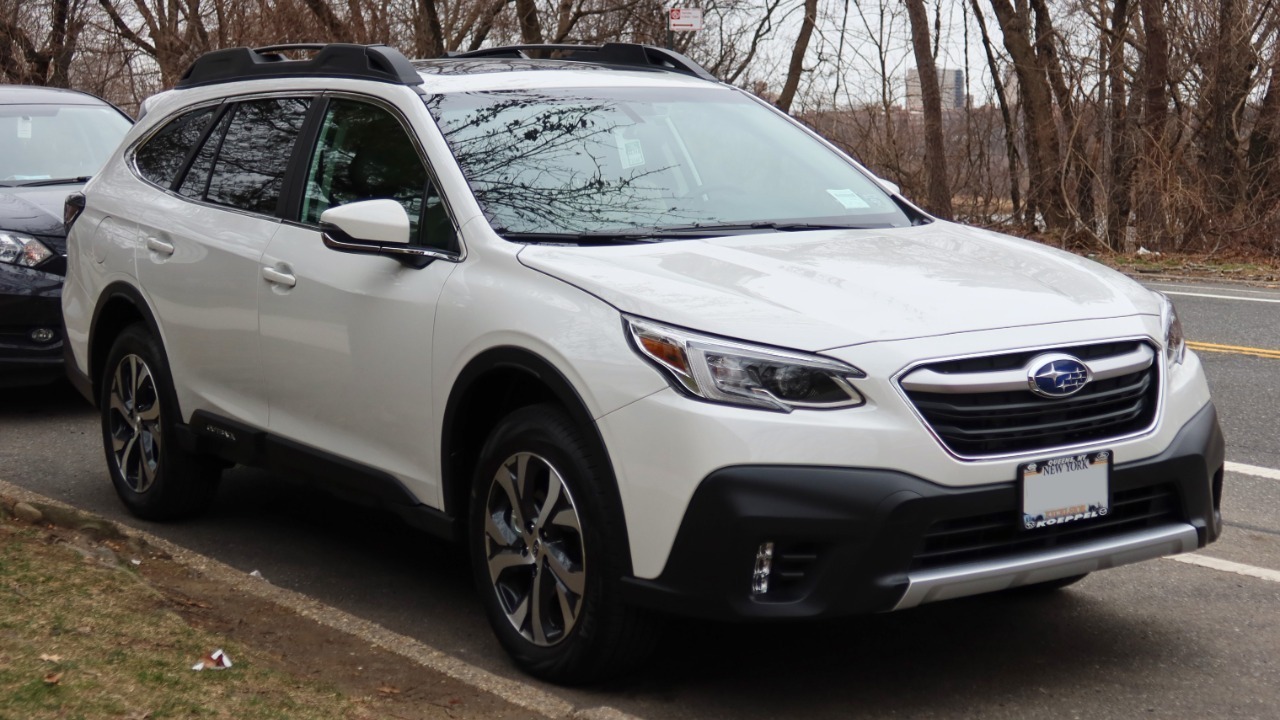
The Subaru Outback has become one of the most common all-wheel-drive wagons on American roads, particularly in colder and rural regions where its capability is prized.
That regional popularity has pushed parts suppliers to stock Outback-specific components even outside major cities, and because Subaru reuses many mechanical parts across its lineup, an Outback owner often finds a needed piece shared with a related model, widening availability well beyond a single dedicated supply chain. Independent Subaru specialists have also grown alongside the wagon’s following.
More from Morning Overview
- Long-term use of common heartburn pills is tied to kidney and dementia risk
- A California supervolcano has bulged upward about two and a half feet since 1978
- The FTC is warning about a scam quietly draining thousands from victims
- The NSA is again telling phone owners to switch off one location setting
