
Few experiments in animal behavior have sparked as much argument as the mirror test, which asks whether a creature can tell its own image from another animal. Passing it is often treated as a sign of self-awareness, though many results remain contested. Here are ten animals that have been reported to show some sign of recognition.
The day in tech, in one email: TLDR is the daily newsletter with links and TLDRs of the most interesting stories in startups, tech and programming.
We may earn a commission if you sign up.
1. Chimpanzee: The Original Subject
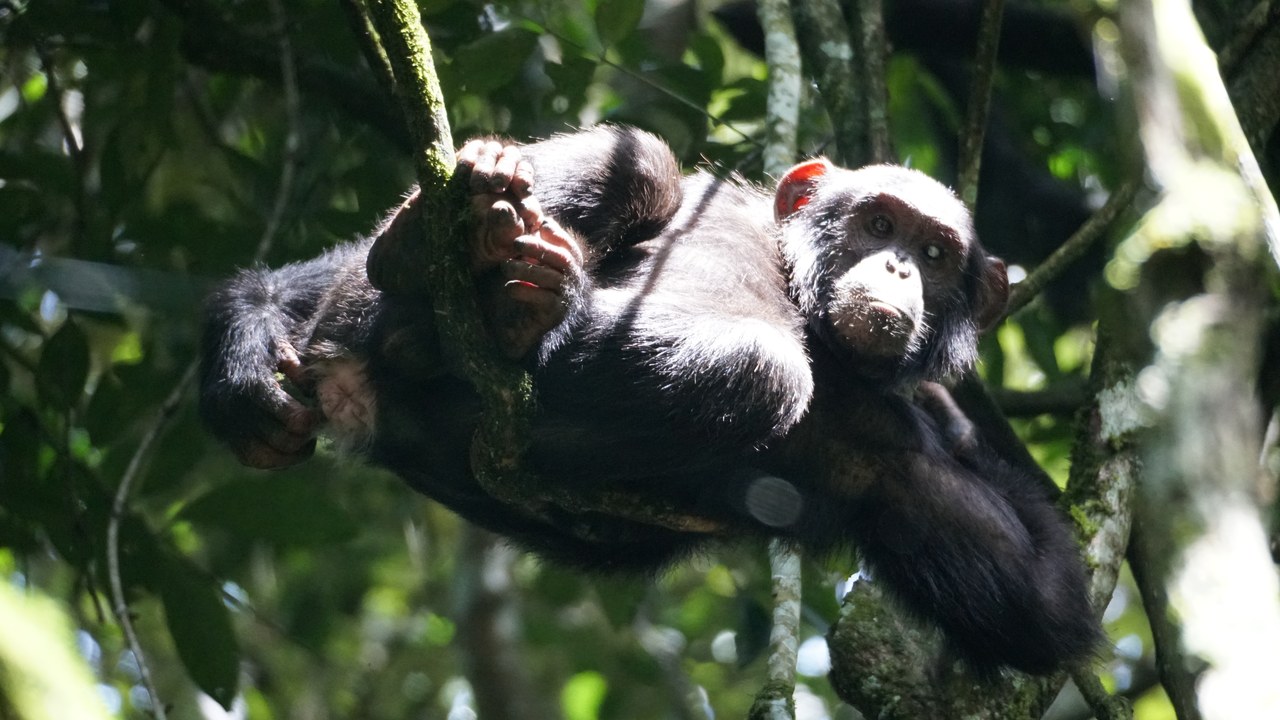
Psychologist Gordon Gallup Jr. designed the mirror test in 1970 using young chimpanzees, and the mark test became the standard way to probe self-recognition.
The method places a mark on an animal where it can only be seen in a mirror. If the animal touches the spot on its own body, researchers read that as recognition. Chimpanzees remain the reference case for every later claim. Later work on other species borrowed the same basic design, which explains why it remains controversial. Critics note that it favors animals that rely on vision and can reach their own bodies.
2. Asian elephant: Happy at the Zoo
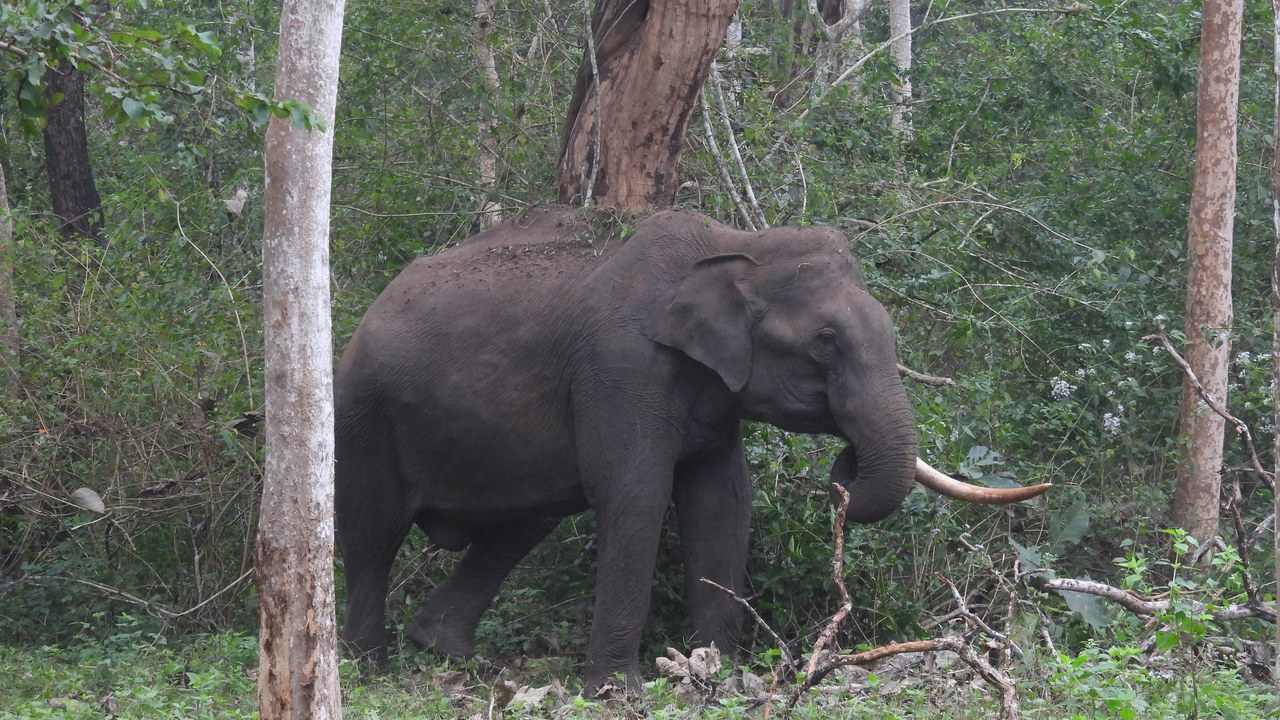
In a 2006 PNAS study at the Bronx Zoo, an elephant named Happy repeatedly touched a painted white X on her head with her trunk while facing a mirror.
The result was notable because elephants are not primates, so the ability seemed to have arisen separately. Researchers stress that only one of the animals tested clearly passed, which limits how far the finding can be generalized. Elephants are famous for memory and social bonds, which makes the result fit common impressions of the animals. Still, a single successful animal leaves many open questions.
3. Bottlenose dolphin: The Exception at Sea
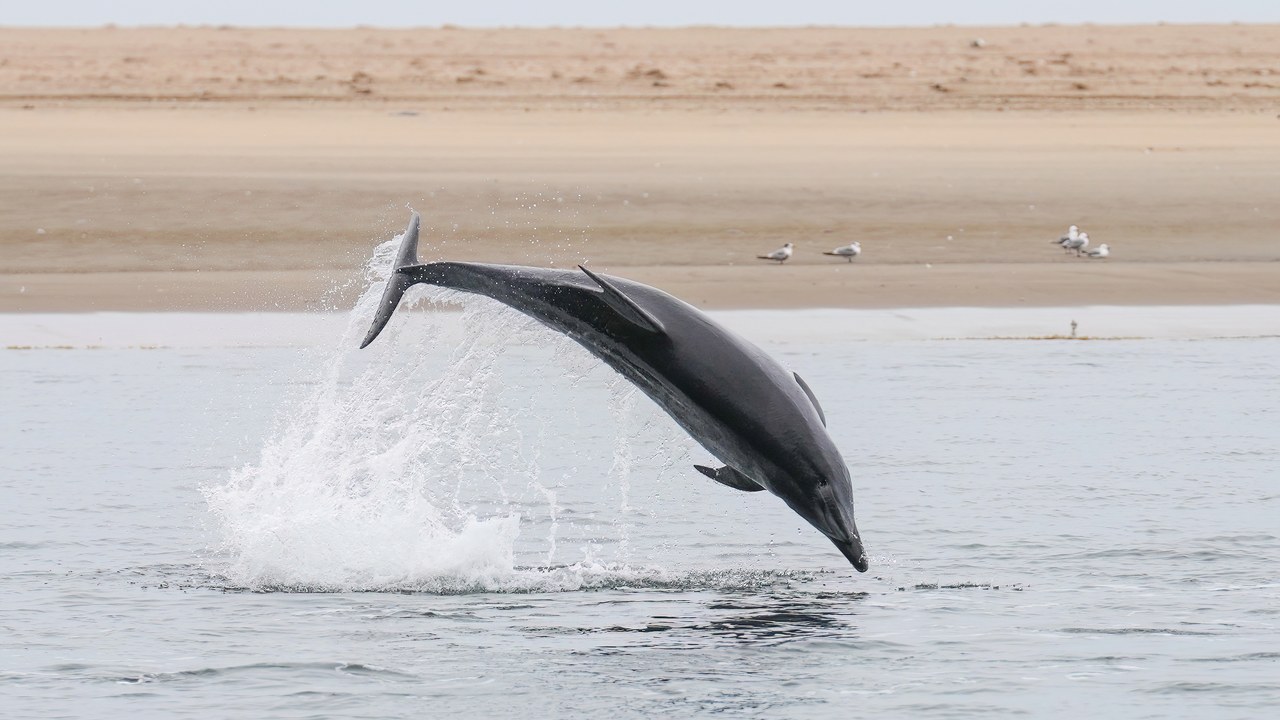
The 2006 elephant paper calls a 2001 report of mirror self-recognition in bottlenose dolphins the notable exception outside humans and apes.
Dolphins lack hands, so experimenters relied on how the animals behaved and inspected marked body areas. That makes the evidence harder to compare with primate studies, though it fits their reputation for complex social lives. The finding is often cited alongside primate results because it suggests self-recognition may appear wherever complex social life and large brains coincide. Debate over how to test swimmers continues.
4. Bonobo: A Close Cousin
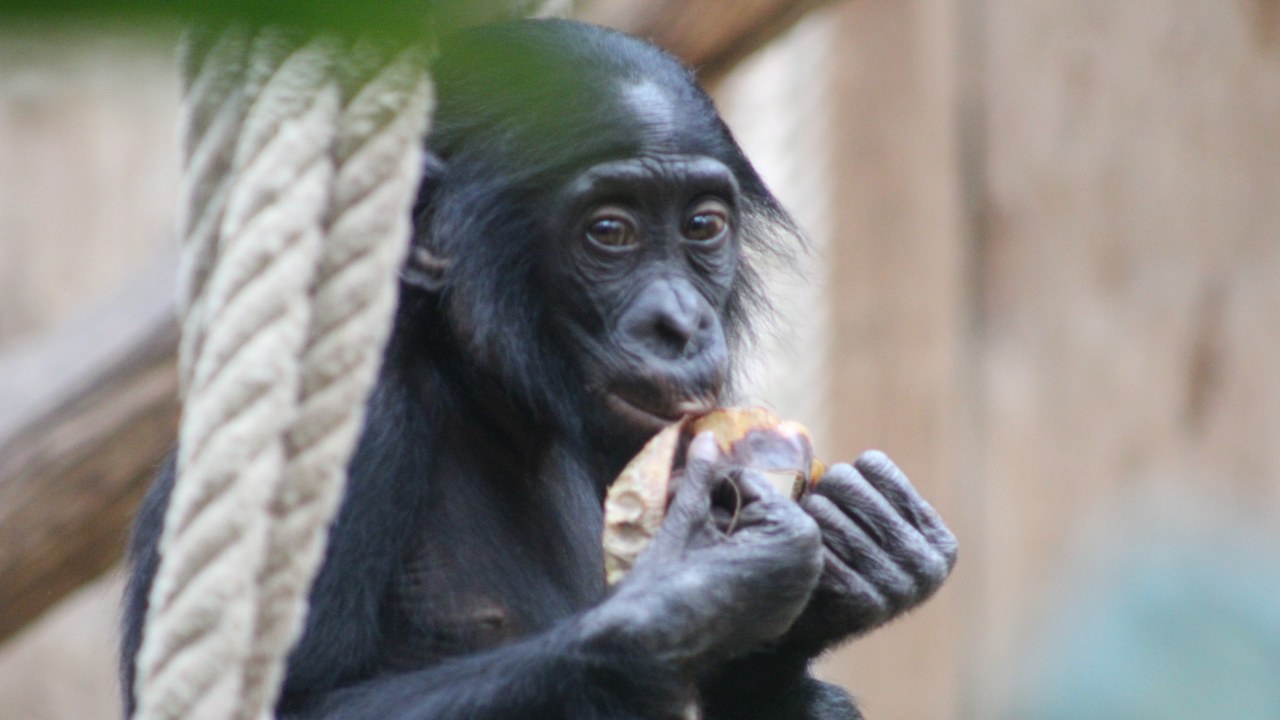
Bonobos are among the great apes listed as passing the mirror test, alongside chimpanzees and orangutans.
Because bonobos and chimpanzees are closely related, a shared ability is expected. The pairing supports the idea that self-recognition runs deep in the ape family tree rather than being a quirk of one species. Studying them in captivity has been difficult, and sample sizes tend to be small. Researchers often warn that failing the test may say more about the setup than about the animal.
5. Bornean orangutan: Red Ape in the Glass
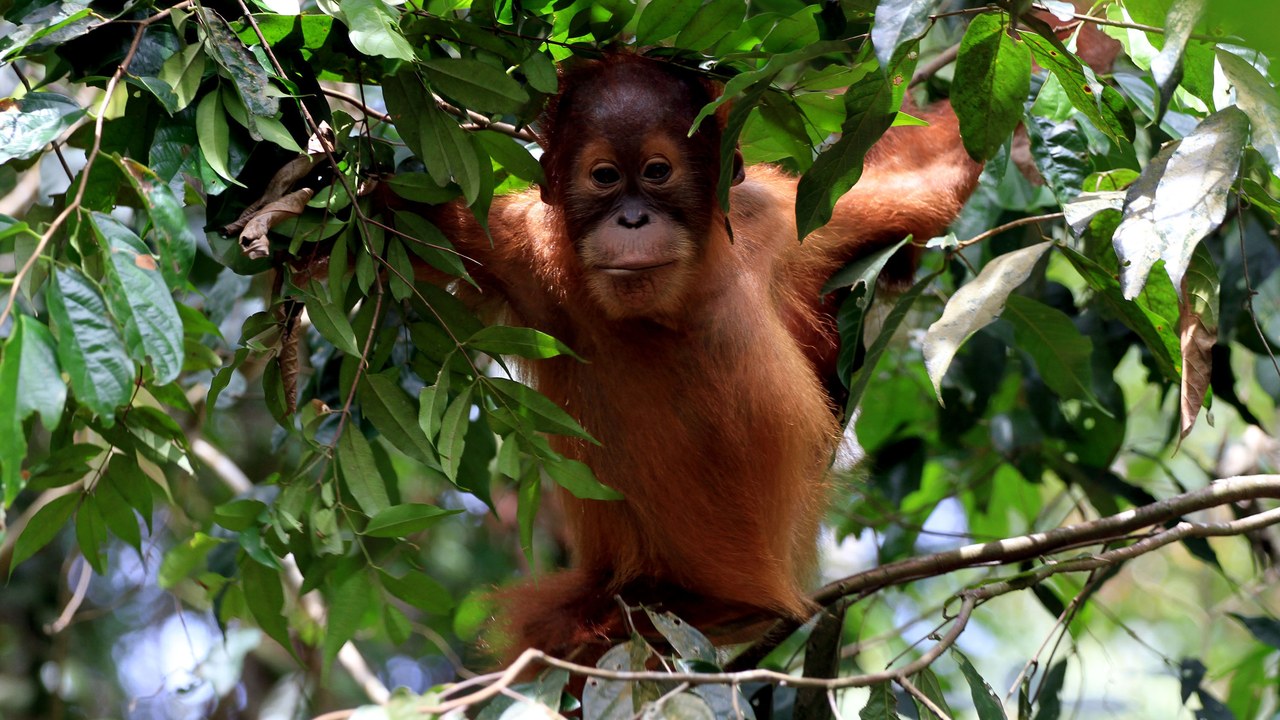
A 1981 study by Suarez and Gallup reported self-recognition in chimpanzees and orangutans, but not in gorillas.
The orangutan result extended the finding beyond the chimpanzee lineage. It also set up a long-running puzzle, since gorillas are close relatives yet seemed to fail the same procedure in early tests. Some scientists argue the test reflects interest in appearance more than any deeper awareness of the self, and that a failed trial is weak evidence on its own. Even so, the orangutan data remain a staple in discussions of ape cognition.
6. Western gorilla: A Gorilla Reconsidered
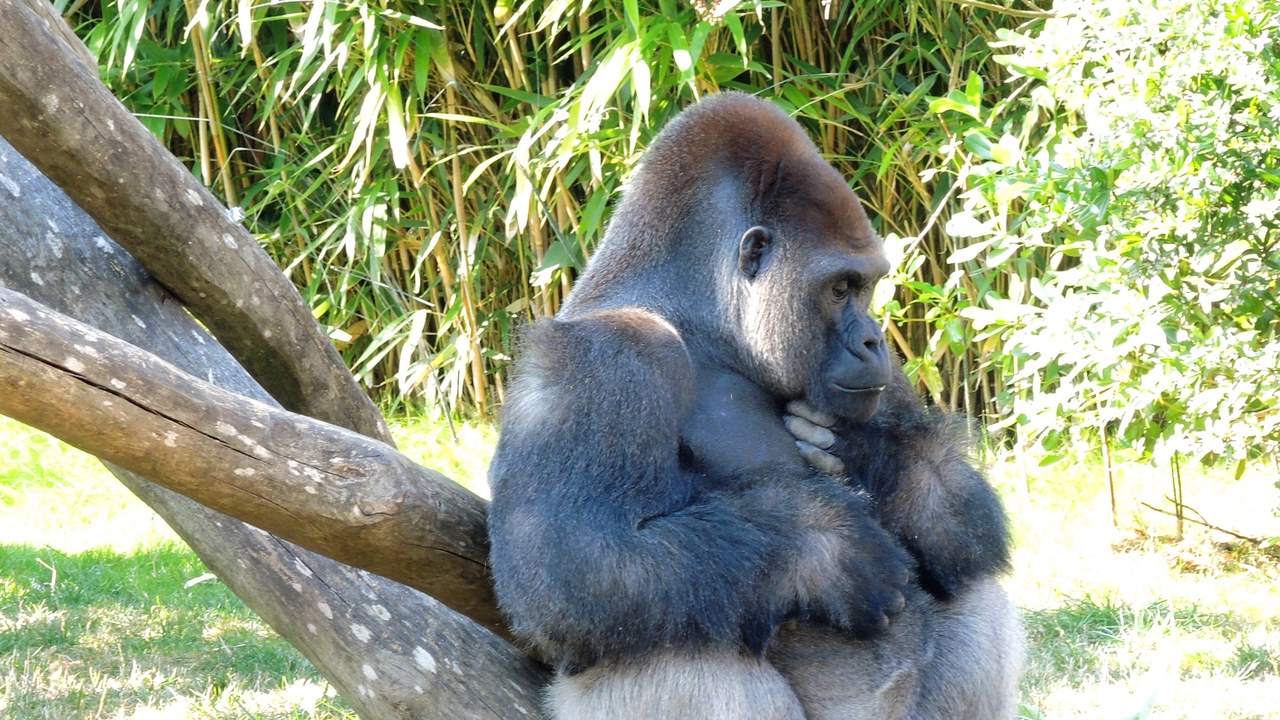
Most gorillas failed early tests, but a 2007 study reported a gorilla that recognized himself, and Koko is named as one that passed.
The mixed record suggests that failure may reflect temperament or testing conditions, since direct eye contact can feel like a threat to gorillas. Individual animals, especially those raised around people, may behave differently from wild groups. Because so few individuals have been tested, one or two animals can change the tally. The gorilla story shows why cautious wording matters whenever a species is described as passing or failing.
7. Eurasian magpie: Sticker Birds
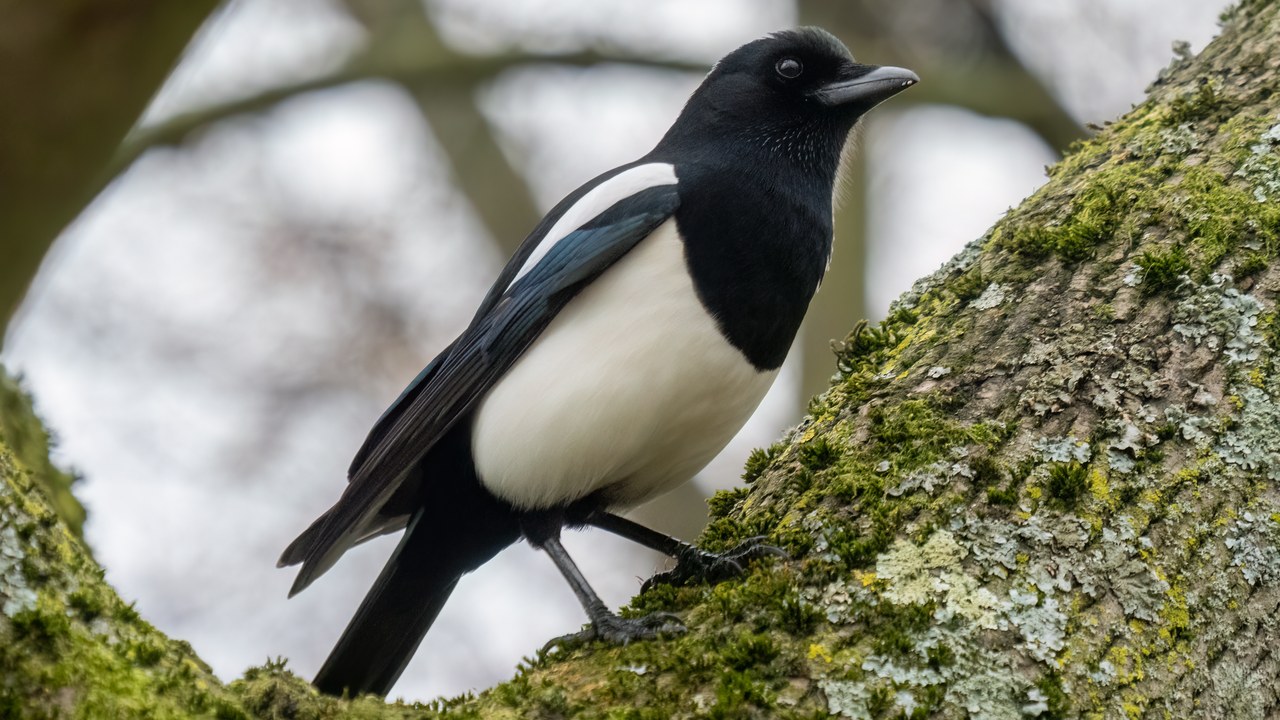
In a 2008 study, magpies wearing colored stickers scratched at their throats in front of a mirror, a result reported in a bird study.
A 2020 attempt failed to replicate it, so the claim remains disputed. If it holds, it would show that a brain very different from a mammal’s can pass, but the doubts keep scientists cautious. Birds from the crow family are known for problem solving, so a positive result was not wholly surprising. Replication is the usual standard in science, and this claim has not yet met it.
8. Killer whale: Orca Evidence
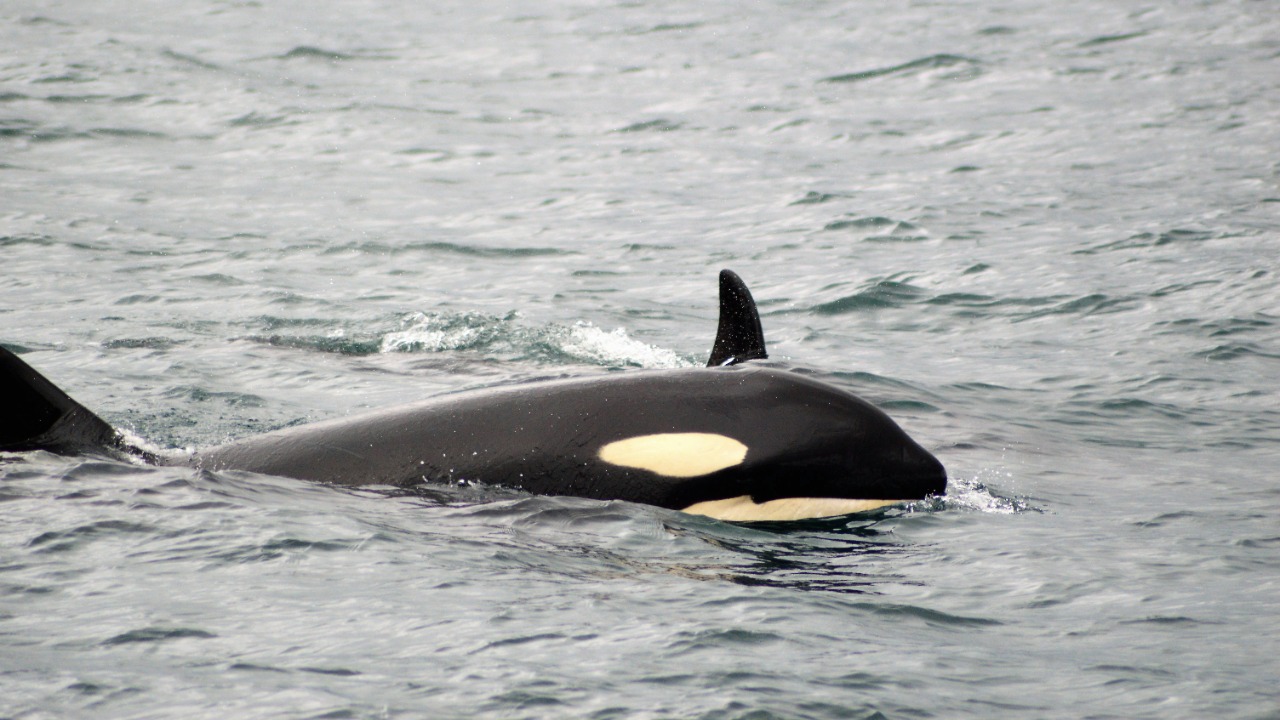
A 2001 study by Delfour and Marten suggested killer whales may be able to recognize themselves in mirrors.
The wording is careful, and the case rests on observed behavior in front of reflective surfaces. Like the dolphin work, it points toward large-brained marine mammals as strong candidates, while leaving room for further testing. Observers cannot place a mark on a whale easily, so interpretations rely on subtle movements. Supporters see evidence of curiosity, while skeptics call for stricter controls before any firm conclusion is drawn.
9. Bluestreak cleaner wrasse: A Fish Surprise
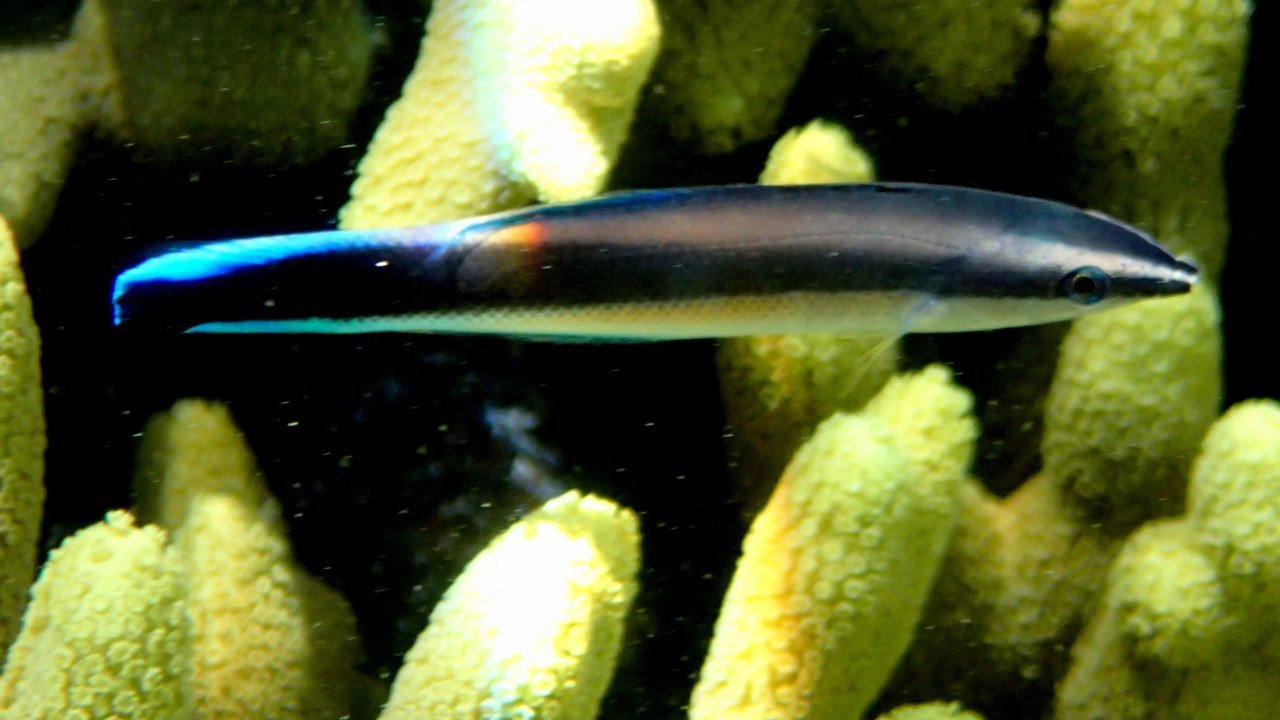
A 2019 study by Kohda and colleagues claimed the bluestreak cleaner wrasse passed, though Frans de Waal argued the results fall short of true self-recognition.
The debate matters because a fish has a tiny brain compared with an ape. If the claim stood, it would force a rethink of what the test measures, which is why critics push back so firmly. The dispute shows how the field still lacks agreement on what counts as passing. Supporters say the fish understood the mark was on its own body, and opponents prefer simpler explanations.
10. Giant oceanic manta ray: Mantas at the Mirror
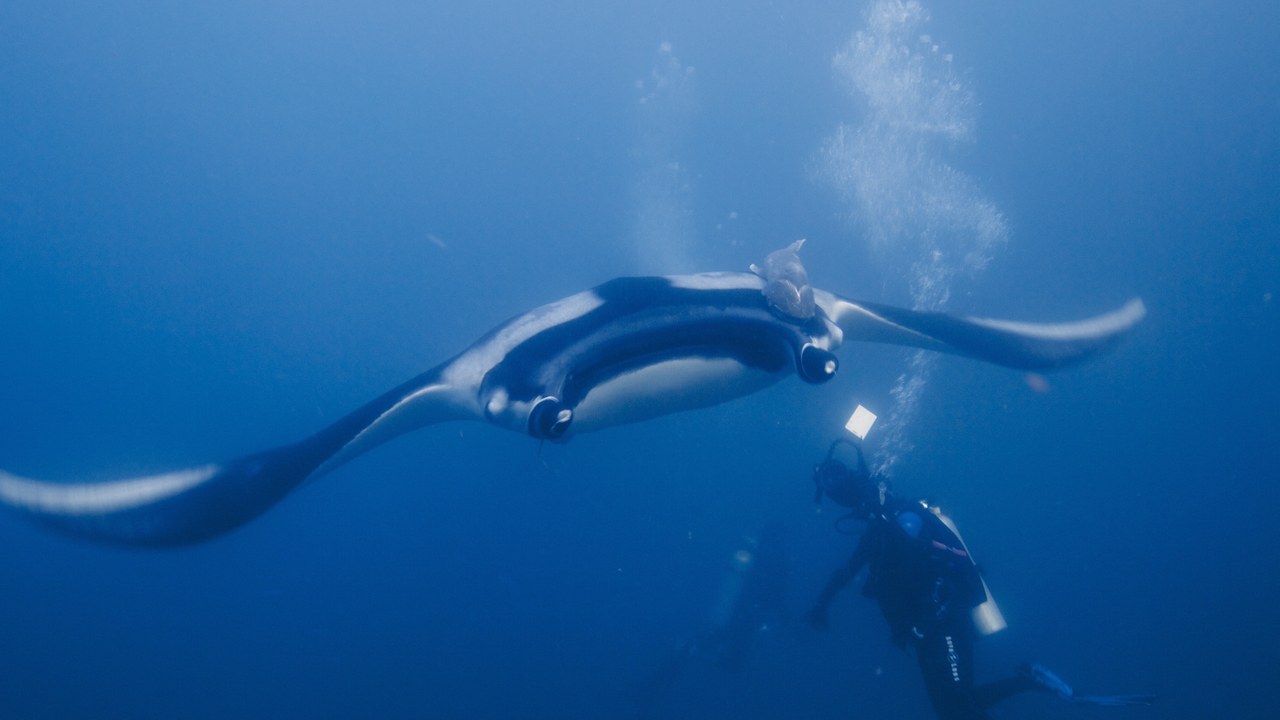
In a 2016 Journal of Ethology study, two captive giant mantas swam repetitively and blew bubbles in front of a mirror, and the manta study noted the species has the largest brain of any fish.
Such behavior is suggestive but not a clean pass, since the animals never touched a mark. It is best read as a hint that large-brained fish deserve more careful testing. Rays are not usually considered among the most intelligent animals, so the study drew attention. Larger samples and better controls would be needed before anyone could claim recognition.
The day in tech, in one email: Get TLDR →
We may earn a commission if you sign up.
More from Morning Overview
- Long use of a common prostate pill is tied to a higher chance of glaucoma
- Ford is recalling 223,472 F-150 pickups because the fuel tank can leak or detach
- Hybrids have 15% fewer problems than gas cars, while EVs and plug-in hybrids have about 80% more, Consumer Reports finds
- Regulators cleared the first U.S. small modular reactor, 4 months early
