
Great Smoky Mountains National Park shelters a remarkable mix of mammals, amphibians, fish and birds across a rugged stretch of the southern Appalachians. Some species never left, while others were brought back after being lost, and a few arrived as troublesome newcomers. Here are twelve animals that show how that story has played out.
Save more, waste less: The Cool Down’s newsletter sends smart, simple changes that help you and the planet in your everyday life.
We may earn a commission if you sign up.
1. American black bear: Bears by the Square Mile
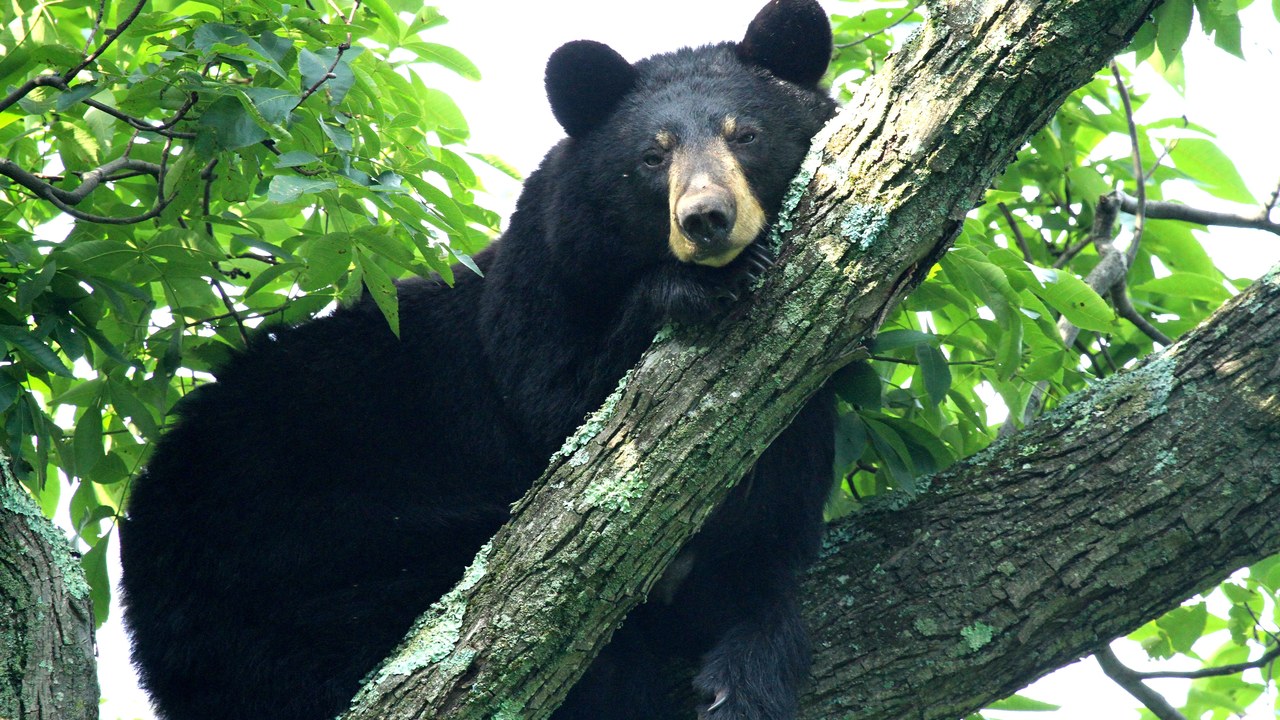
The National Park Service says roughly 1,900 bears live in the park, about two per square mile, and a black bear can run up to 30 miles per hour.
That speed is a useful reminder that these animals deserve distance, since no person can outrun one. The density figure also explains why bear encounters are a normal part of a Smokies visit rather than a rare event. Park rules ask people to keep a safe distance from bears, and the estimate is a helpful snapshot of how many of the animals share the mountains with visitors.
2. Elk: A Valley Comeback
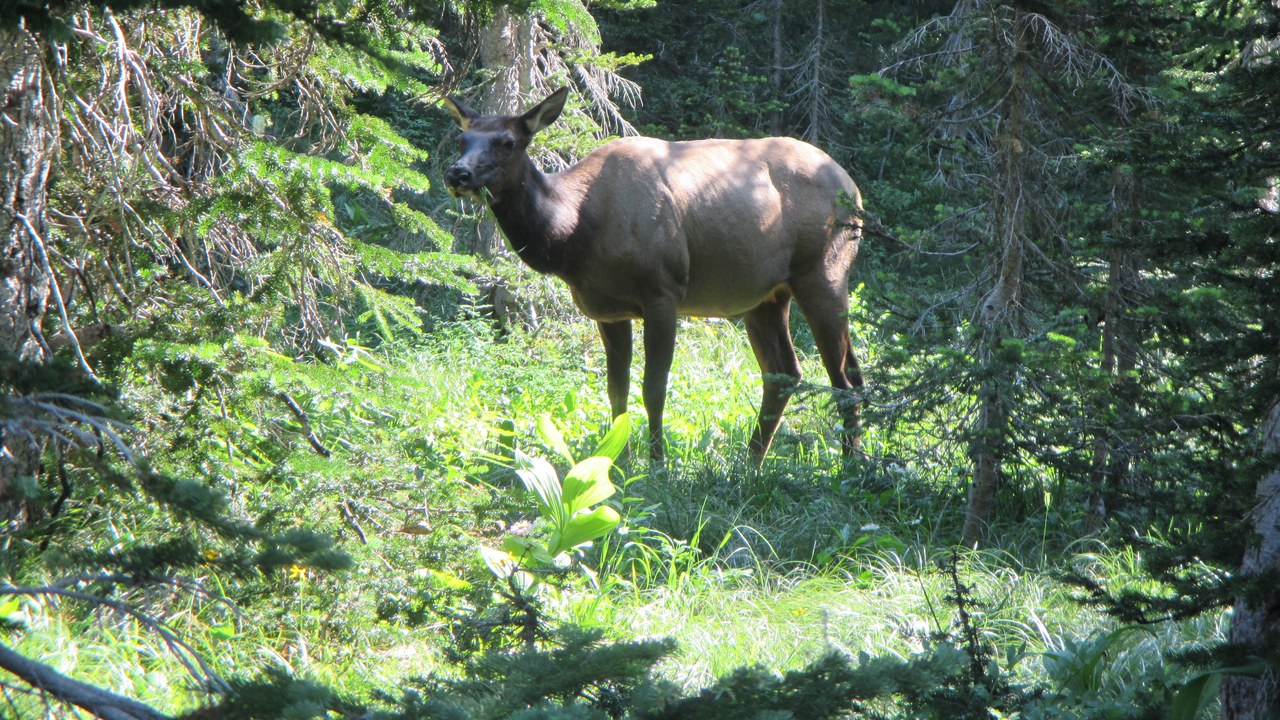
Elk returned to the Smokies in 2001 when 25 animals were released in Cataloochee Valley, and Cataloochee elk reintroduction notes that bulls can weigh up to 1,000 pounds.
Seeing such a large animal grazing in an open valley is now a draw for visitors. The release stands as one of the park’s clearest wildlife restoration efforts, bringing back a species that had long been absent. The herd has become a popular attraction, especially for visitors who enjoy watching large wildlife in the open, and it demonstrates that careful planning can bring a species back.
3. White-tailed deer: Familiar Roadside Browser
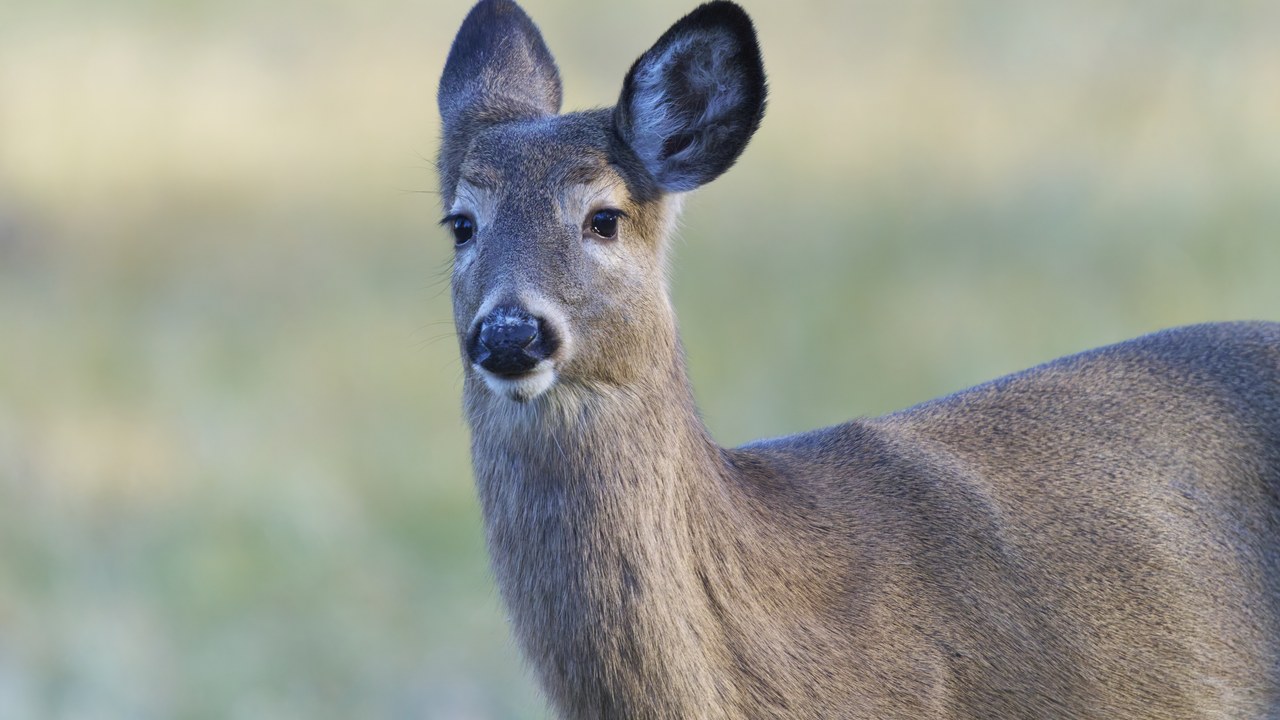
The park lists the white-tailed deer among the animals visitors may encounter, making it one of the more accessible species on this list.
Deer are the sort of animal many visitors expect to see, and they often appear near meadows and roads rather than deep in the forest. That ease of viewing makes them a gentle introduction to the park’s wildlife before more elusive creatures. Their familiarity should not tempt anyone to approach them, as the park advises respecting all wildlife, but they remain a reliable and pleasant sight on a drive.
4. Eastern hellbender: Giant of the Streams
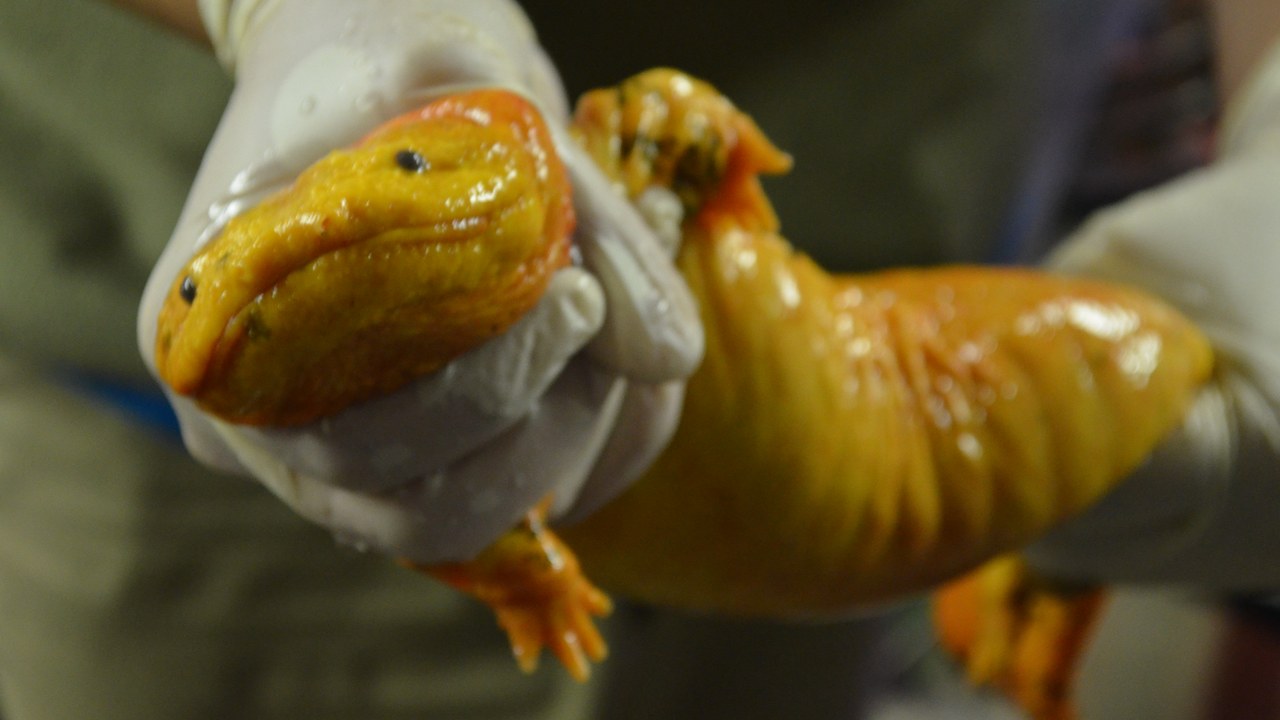
The eastern hellbender is the largest salamander in what the park calls the Salamander Capital of the World, and hellbender size reports say it can grow longer than two feet.
A salamander that large surprises people who picture amphibians as palm-sized creatures. Hellbenders live in clear, cold streams, so their presence is often read as a sign of healthy water. Because the species is secretive and nocturnal, few visitors will ever meet one, which makes the animal feel like a hidden treasure of the park’s waters.
5. Wood frog: Frozen but Alive
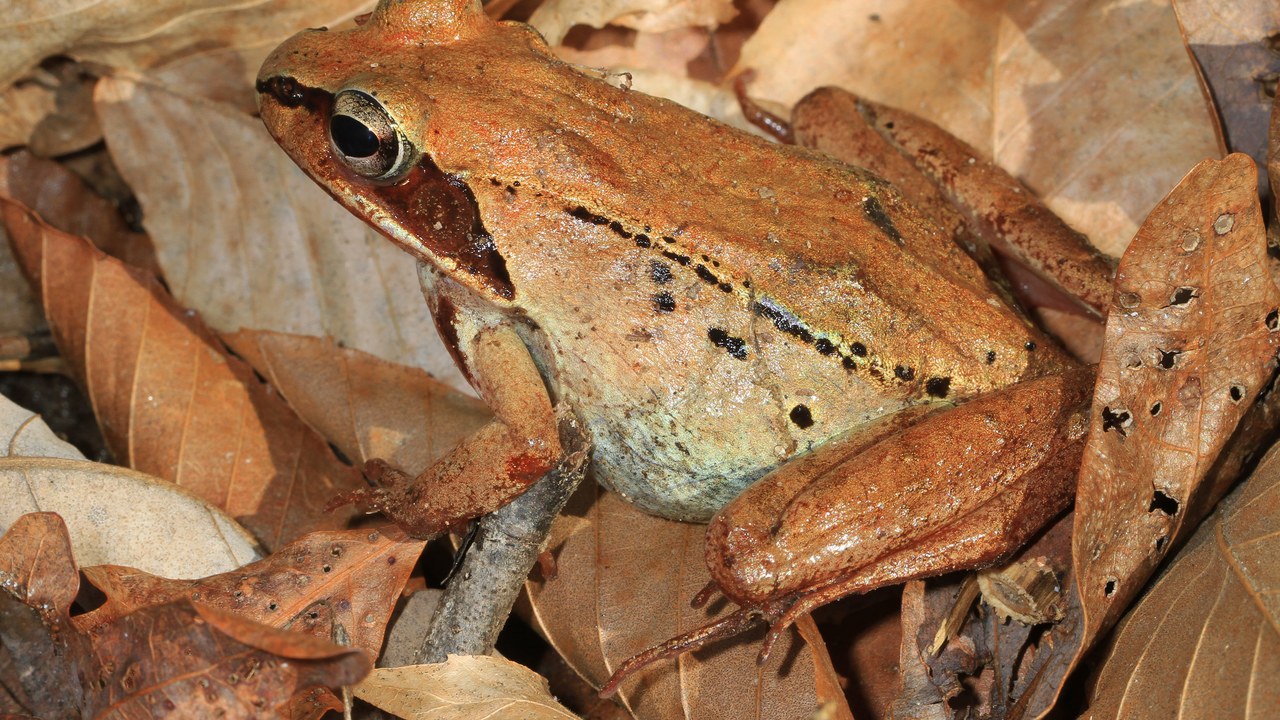
One of the park’s 14 frog and toad species, the wood frog survives winter freezes thanks to a natural antifreeze in its body.
Surviving while partly frozen sounds impossible, yet this small amphibian does it every cold season. The wood frog is a good example of how much biological ingenuity hides in an ordinary forest floor. The adaptation lets the species emerge in early spring to breed, and it helps explain why frogs and toads are such a distinctive part of the Smokies story.
6. Wild hog: The Rooting Problem
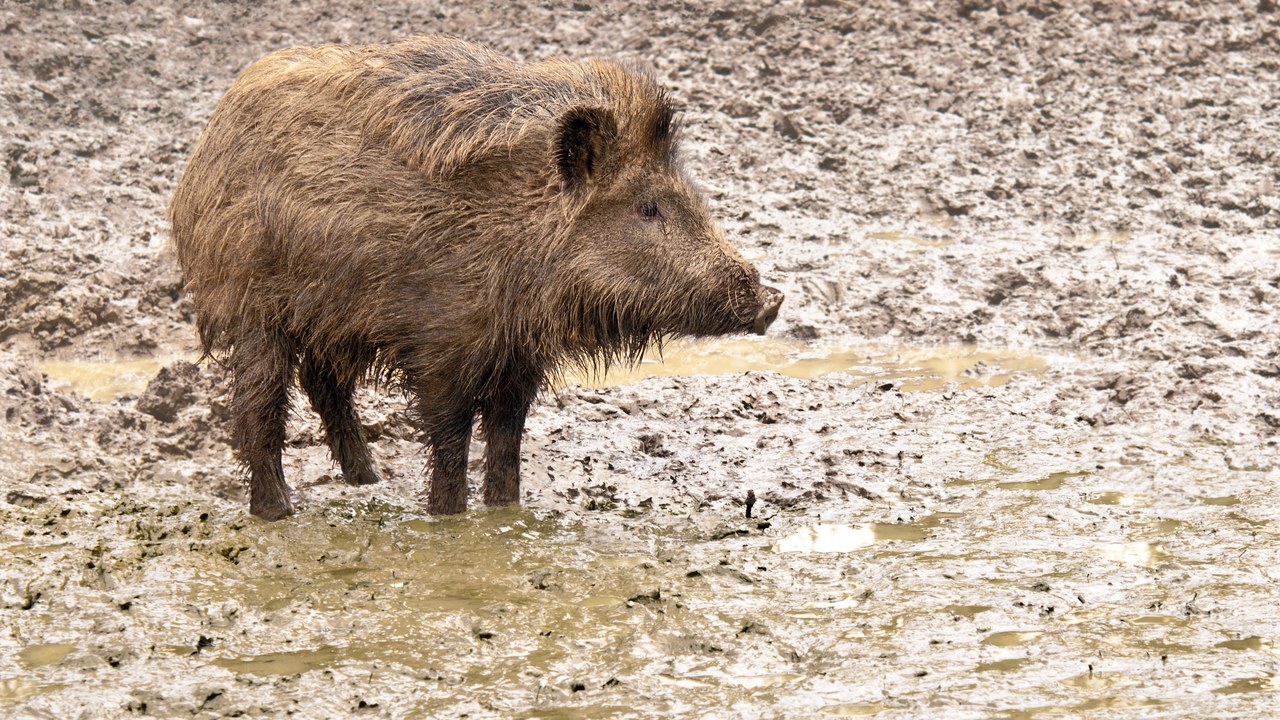
Park staff trap and cull about 300 wild hogs a year, according to wild hog control efforts, because their rooting damages forests and they eat red-cheeked salamanders found only in the park.
Unlike most animals on this list, the hog is an unwelcome presence. Protecting a species that exists nowhere else is a strong reason for managers to keep up a steady removal effort. The effort is ongoing because hogs reproduce readily, so managers must keep removing animals to prevent damage to forests and to the creatures that live in them.
7. Rainbow trout: An Imported Fish
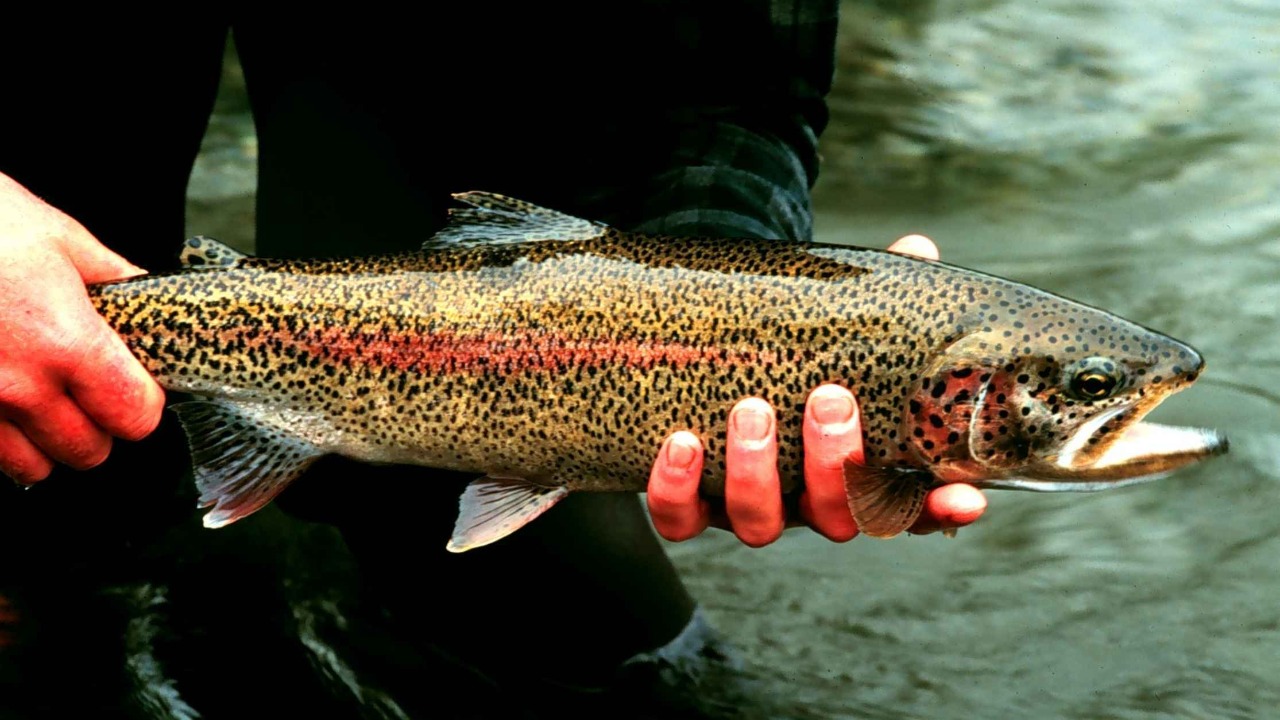
Rainbow trout were imported from the western United States during the early-1900s logging era, and the park ended its stocking program in 1975 stocking end.
Non-native fish can crowd out local species, which is why stopping the stocking mattered. The rainbow trout is now a reminder that decisions made to improve fishing a century ago still shape the park’s streams. Anglers still find them in many mountain streams, so the fish remains a visible legacy of the logging years despite the decision to stop adding more.
8. Brook trout: The Native Trout
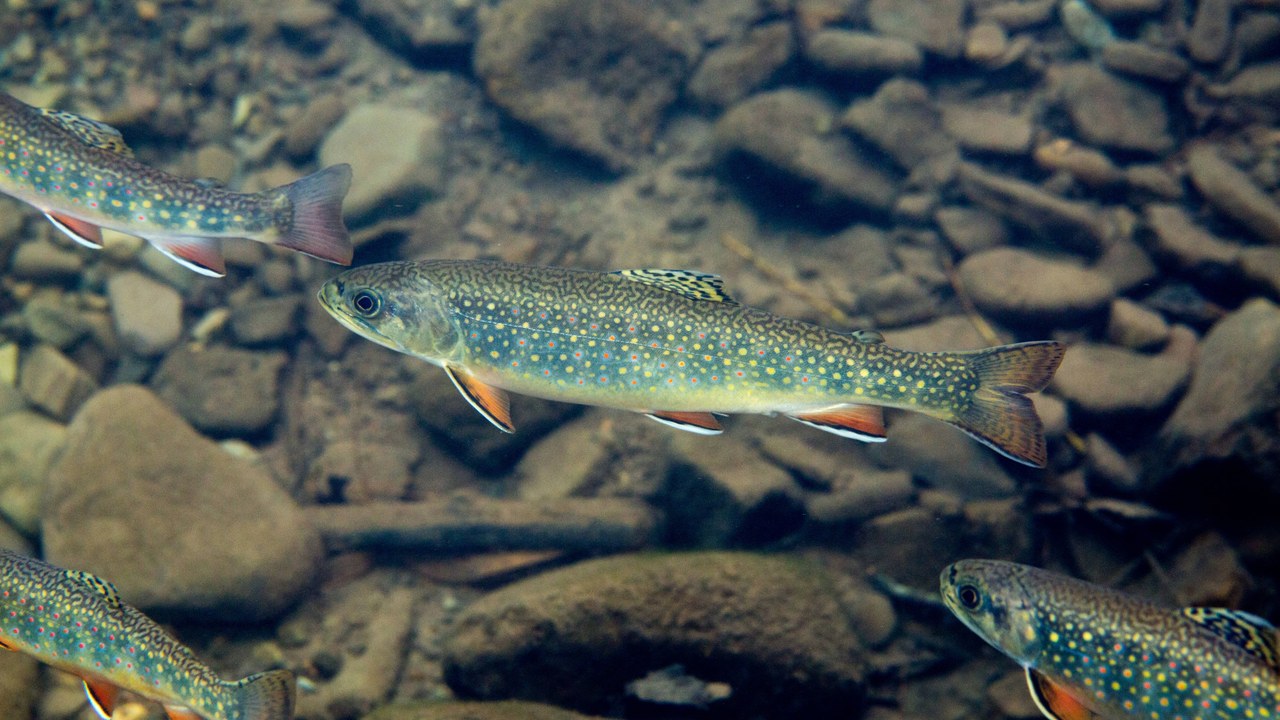
The park’s only native salmonid, the brook trout, has been restored to 11 restored populations covering 27.6 miles of stream.
Reclaiming that stream mileage is slow and painstaking work, since the fish must be given room away from competing species. The result is an improvement for a native fish that once had far less water to call its own. Trout fishing is popular in the park, and the native fish adds a conservation story to the sport by showing how a wild population can be given another chance.
9. North American river otter: Crayfish Hunter
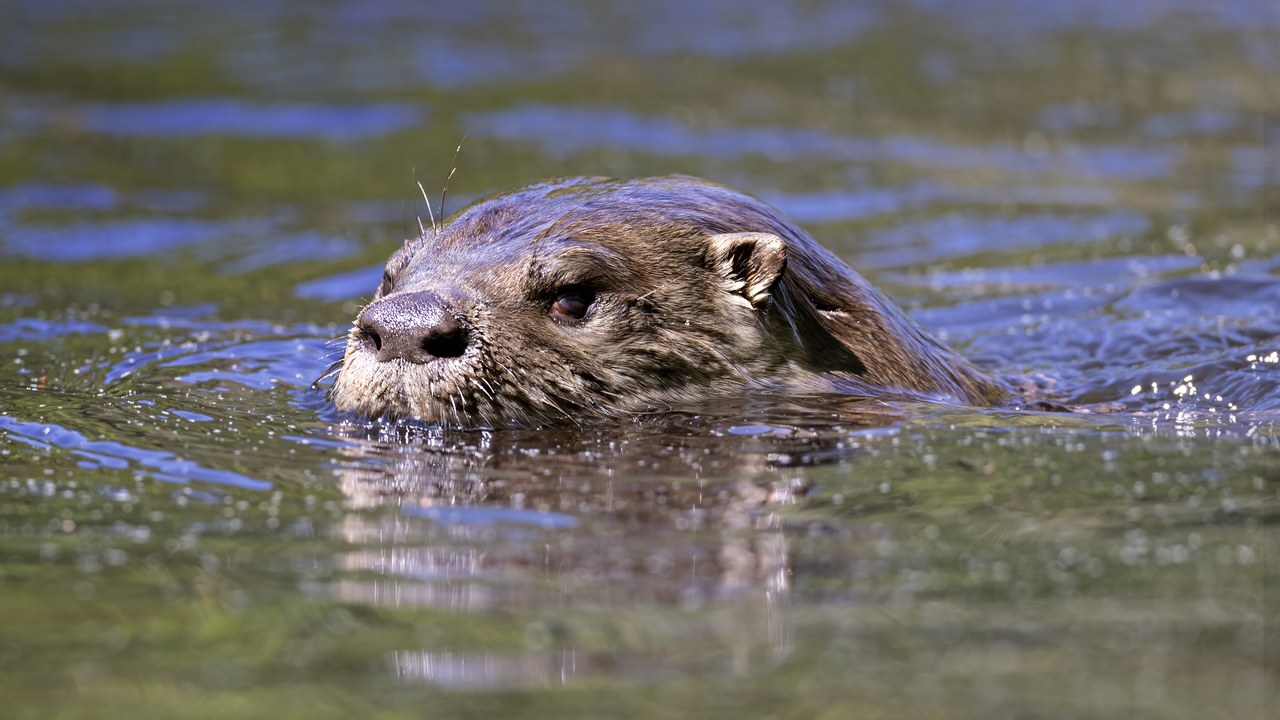
Otters were reintroduced to the park in 1992, and river otter diet consists mainly of crayfish.
Seeing an otter in a Smokies stream is a sign that the reintroduction took hold. The animal’s playful reputation makes it popular, but its diet also ties it to the health of the stream food web. Their return benefits the park by restoring a predator that had disappeared, and anyone watching a quiet stretch of water may be lucky enough to see one.
10. Red wolf: A Reintroduction That Failed
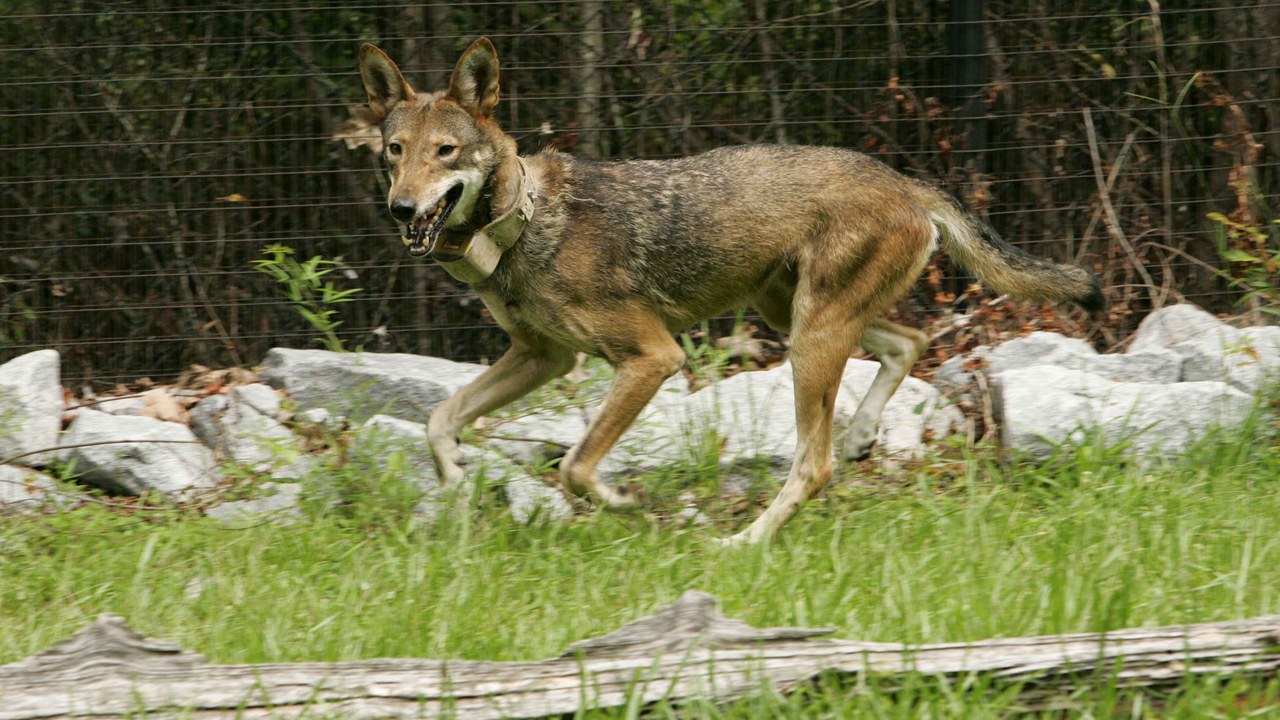
Red wolves were released in the park starting in 1991, but the project ended in 1998 after only 2 of 30 wild-born pups were known to survive, as the red wolf release results show.
Not every wildlife effort succeeds, and this one is a candid example. The red wolf remains on the list because the attempt is part of the park’s history. Even so, the story is worth telling, because it shows that wildlife managers sometimes have to learn from setbacks and that the park has been honest about what happened.
11. Wild turkey: Common Woodland Bird
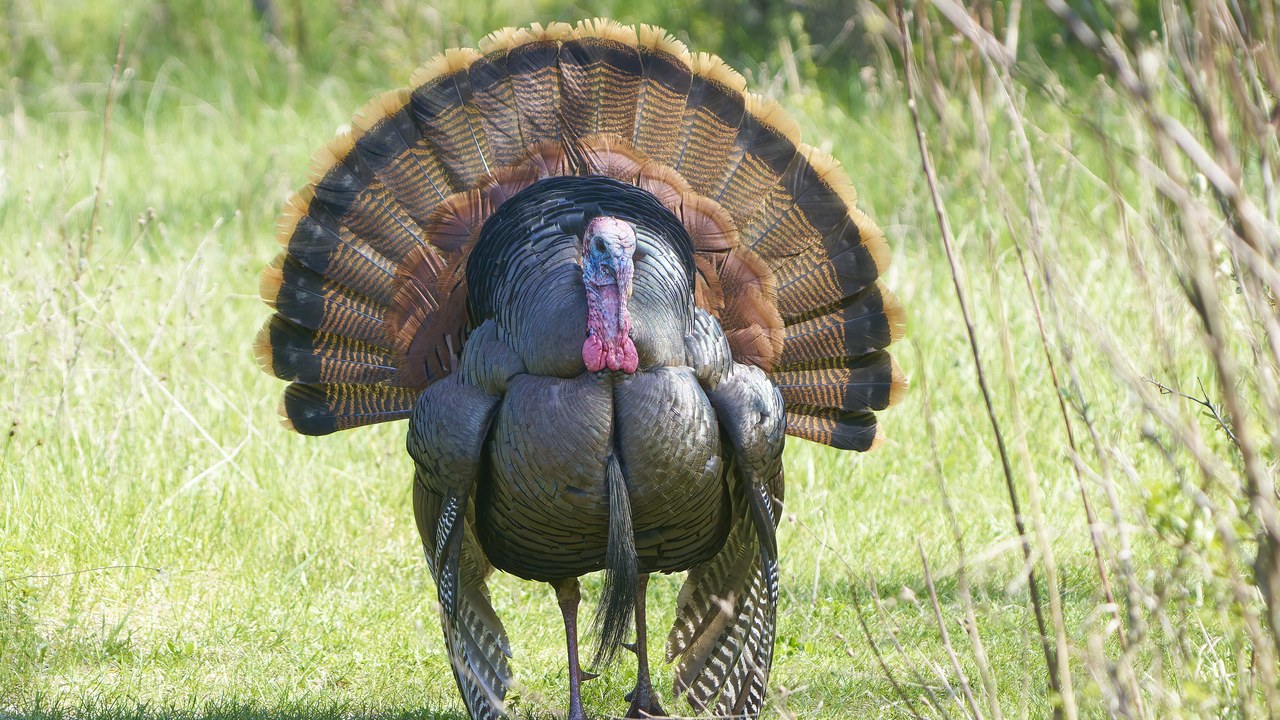
The park lists the wild turkey among the most common animals visitors can see, so it is one of the easiest species to spot.
Turkeys forage on the ground in open woods and fields, which makes them more visible than many forest birds. For first-time visitors, one is a good reminder that wildlife viewing here does not always require patience or luck. They are an unmistakable part of the landscape, and a large bird strutting through a clearing is one of the easiest ways to feel close to the park’s wildlife.
12. Peregrine falcon: Back on the Cliffs
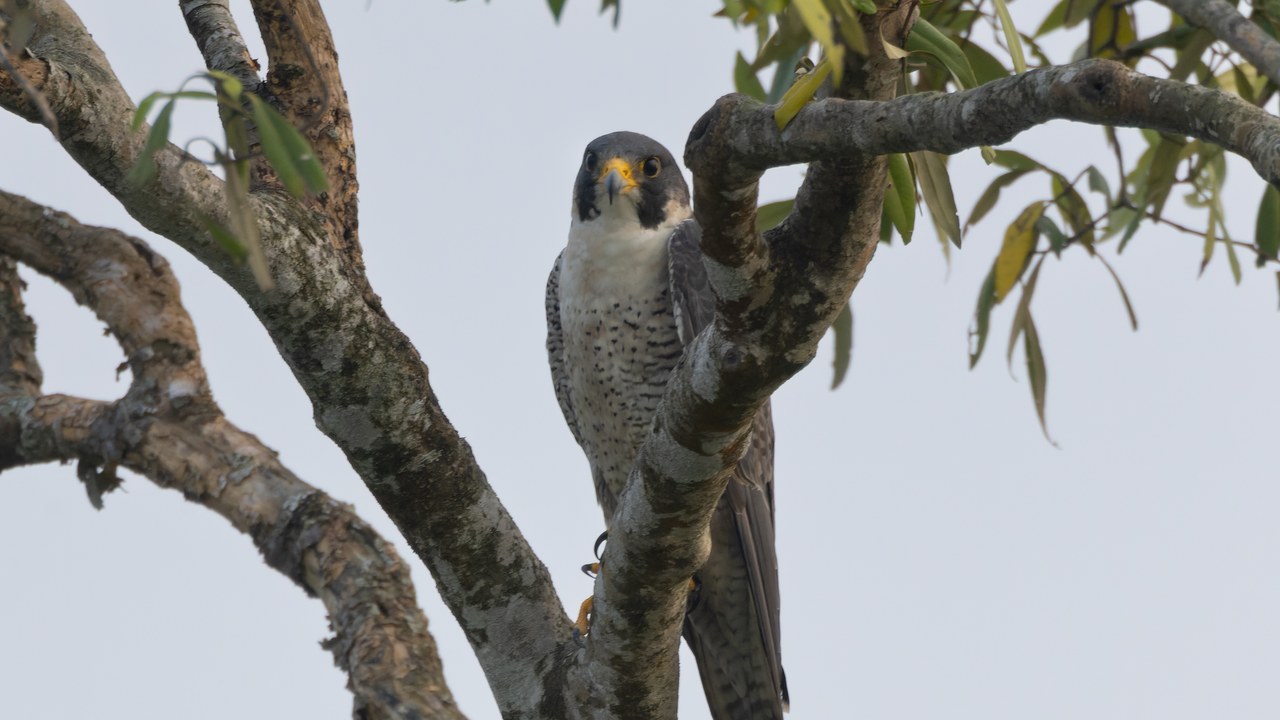
The peregrine falcon is one of the species the park has successfully reintroduced, along with elk and river otters, as the successful park reintroductions record shows.
Having a raptor known for diving at great speed return to the high rock faces is a quiet success. Together with the elk and otter, the falcon shows that restoration here has produced several wins. Restoration programs like this take years of patient effort, and a bird that once vanished from these cliffs now has a place in the park’s list of recoveries.
Save more, waste less: Subscribe to The Cool Down →
We may earn a commission if you sign up.
More from Morning Overview
- Doctors warn a silent liver disease now affects one in three American adults
- The FBI told the rest of ShinyHunters to surrender after a 24-year-old was arrested
- Two passengers died at an Ohio toll plaza, and the NTSB now wants the cash lanes shut
- Long use of a common prostate pill is tied to a higher chance of glaucoma
