
Snow in America can pile up on a scale that is hard to picture, from Cascade ski slopes to Alaskan passes and a lake-effect city in New York. Each of these spots earned its place through a record, an average or a famous nickname. Here are eleven of the places where winter lingers longest.
Save more, waste less: The Cool Down’s newsletter sends smart, simple changes that help you and the planet in your everyday life.
We may earn a commission if you sign up.
1. Mount Baker: Record Season Holder
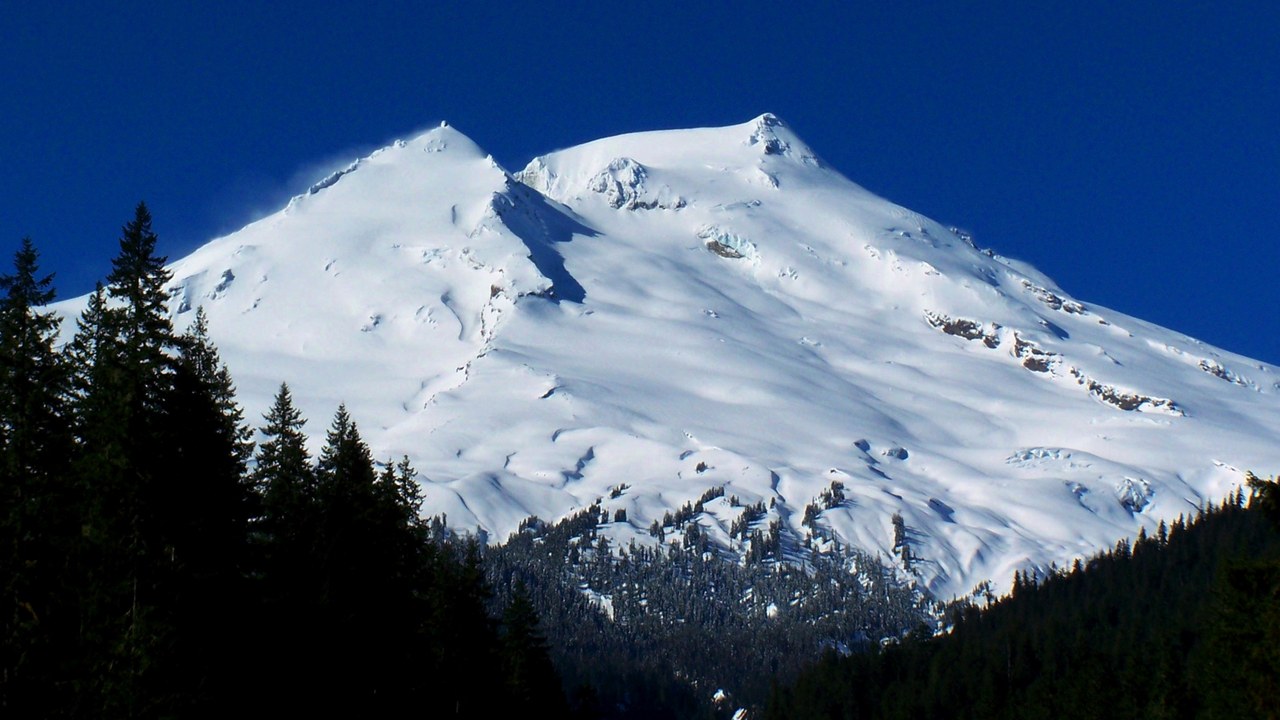
The Mount Baker Ski Area logged 1,140 inches in one season during 1998-99, about 95 feet of snow, and NOAA declared it a world record for a single season.
That total is the reason the Washington mountain tops any snowiest-places list. It also edged out a famous rival, which makes the mark a hard one to beat for any other spot. Records like this are tracked carefully because a single season can reshape how people think about extremes. Skiers, scientists and weather historians all return to the figure whenever the question comes up.
2. Paradise, Mount Rainier: The Previous Champion
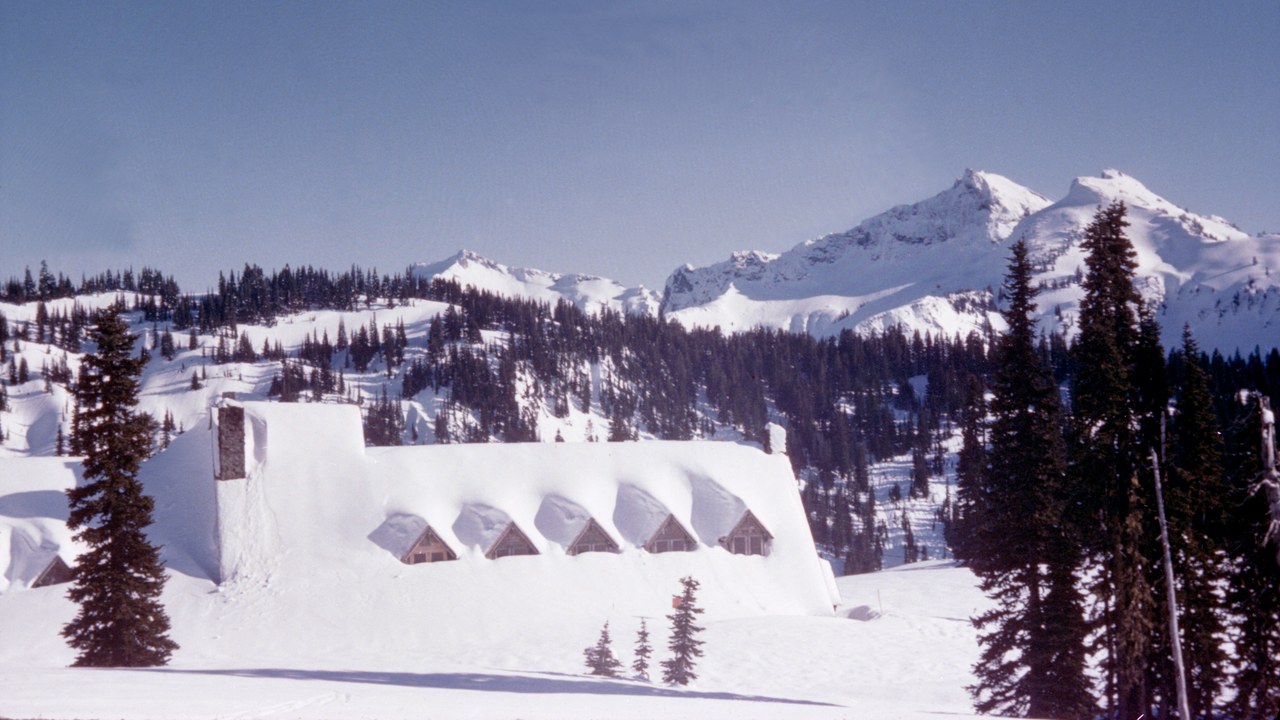
Before Baker took the crown, Paradise on Rainier held the record with 1,122 inches in the 1971-72 season, the benchmark that stood until the late 1990s.
Even as the runner-up, the Washington site remains one of the most reliably buried places in the lower 48 states. Its long snow season shapes everything from road openings to lodge operations. Both totals sit so far above ordinary winters elsewhere that comparing them is almost a different exercise. Anyone planning a trip should treat such seasons as extraordinary rather than typical.
3. Crater Lake: Deep Winters in Oregon
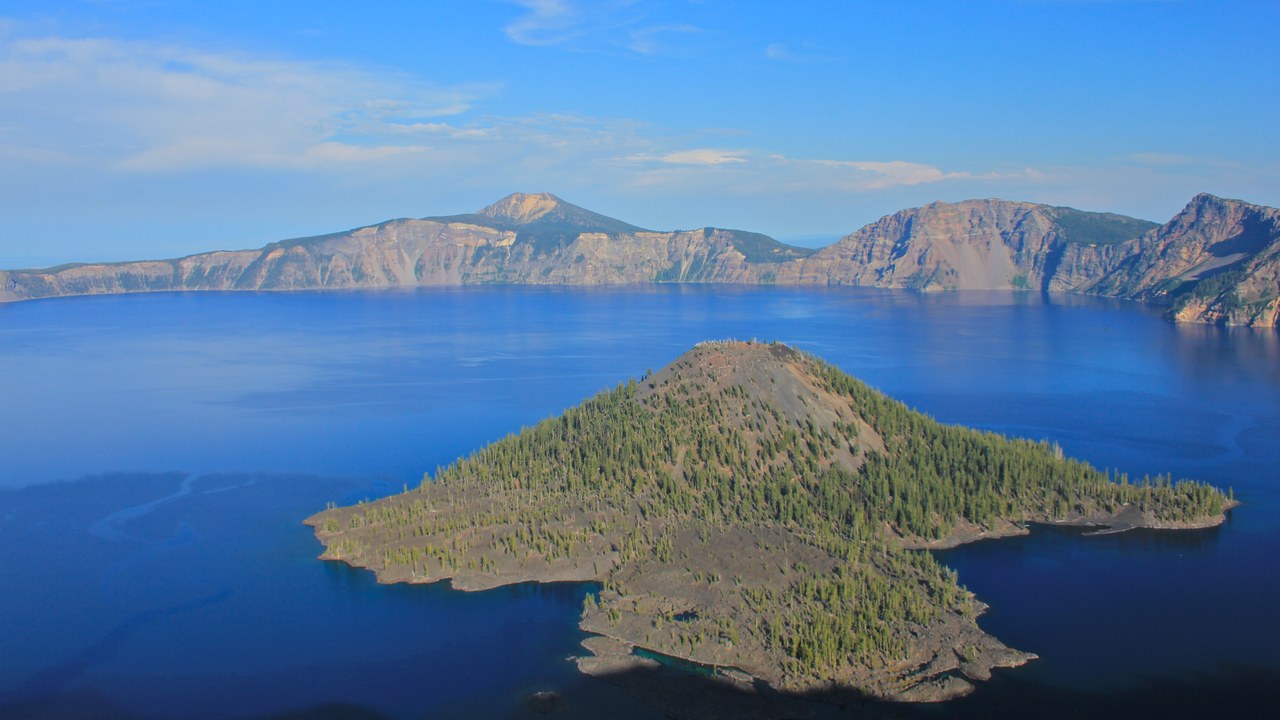
Park headquarters averages 41 feet of snow a year, and Crater Lake National Park logged 879 inches during the winter of 1932-33.
The lake sits in a high volcanic caldera, so storms from the Pacific arrive loaded with moisture and drop it as snow. Heavy drifts often close sections of the rim road for months. Visitors who go in winter should expect closures, deep drifts and a landscape that looks very different from the summer postcards. Planning ahead matters, because conditions can change quickly.
4. Thompson Pass: Alaska’s Storm Funnel
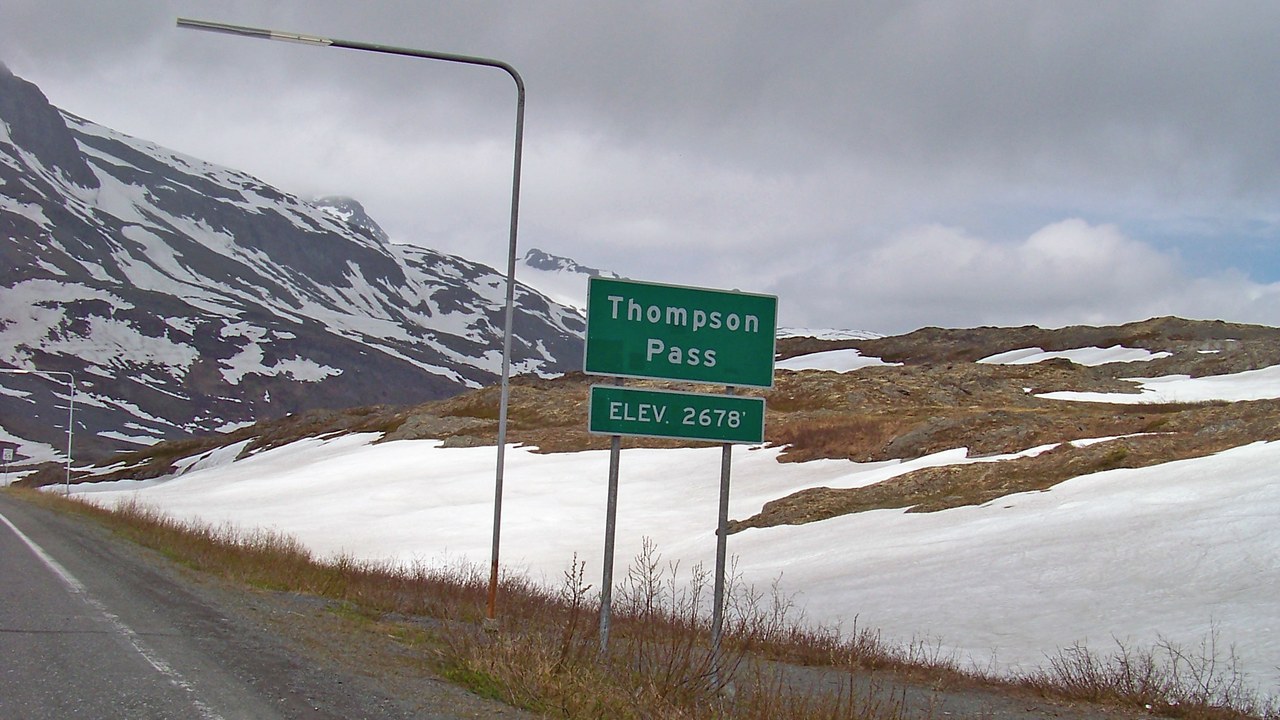
The pass near Valdez averages 551.5 inches a year, and Thompson Pass snowfall reached 974 inches in 1952-53.
Such numbers come from moist air off the Gulf of Alaska colliding with the Chugach range. The pass shows how coastal mountains, more than latitude alone, decide where the heaviest snow falls. A single storm can bury vehicles and shut the highway, which is why crews watch forecasts closely. For travelers, the pass is a vivid example of how weather can control a route.
5. Valdez: A Town Under Snow
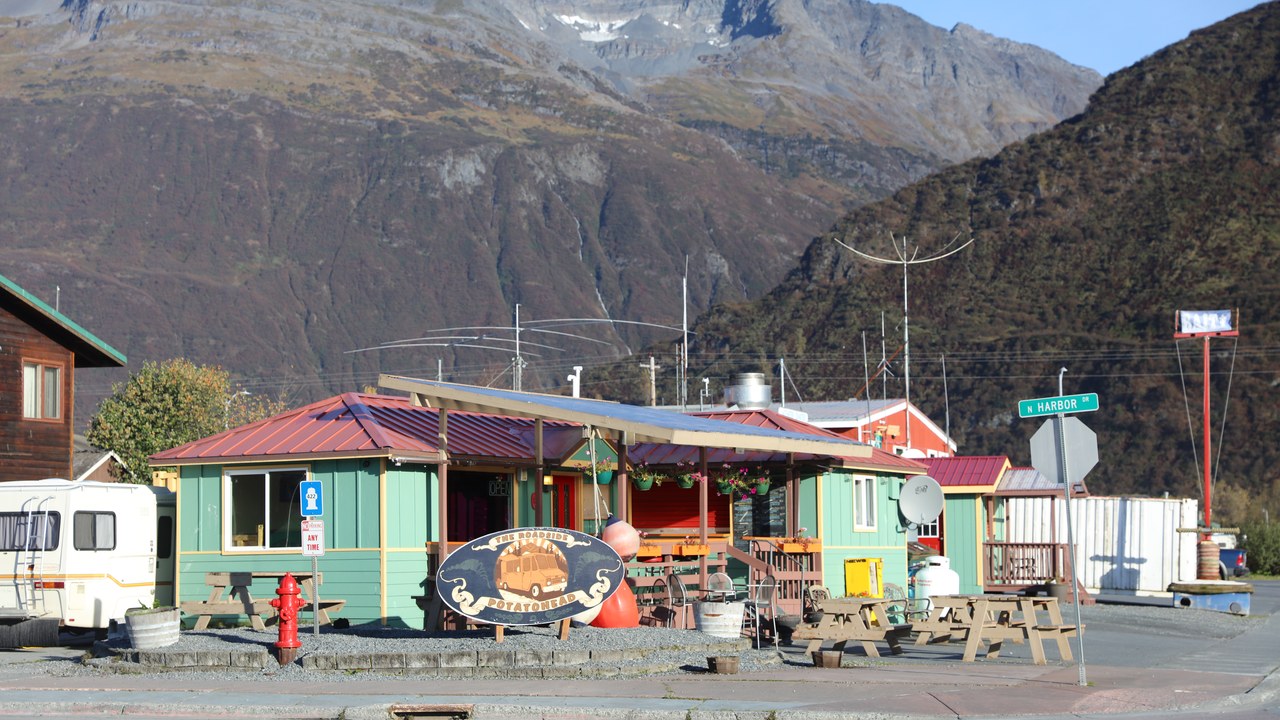
At 326.3 inches a year, Valdez, Alaska is called the snowiest named town in the country.
Unlike a ski area or remote pass, this is a real community with homes, a port and plows. Residents plan the whole winter around clearing roofs, streets and harbor facilities. Living with that much snow shapes local habits, from the equipment people own to the way buildings are designed. Few other communities in the country operate under similar winter pressure.
6. Alta: High and Powdery
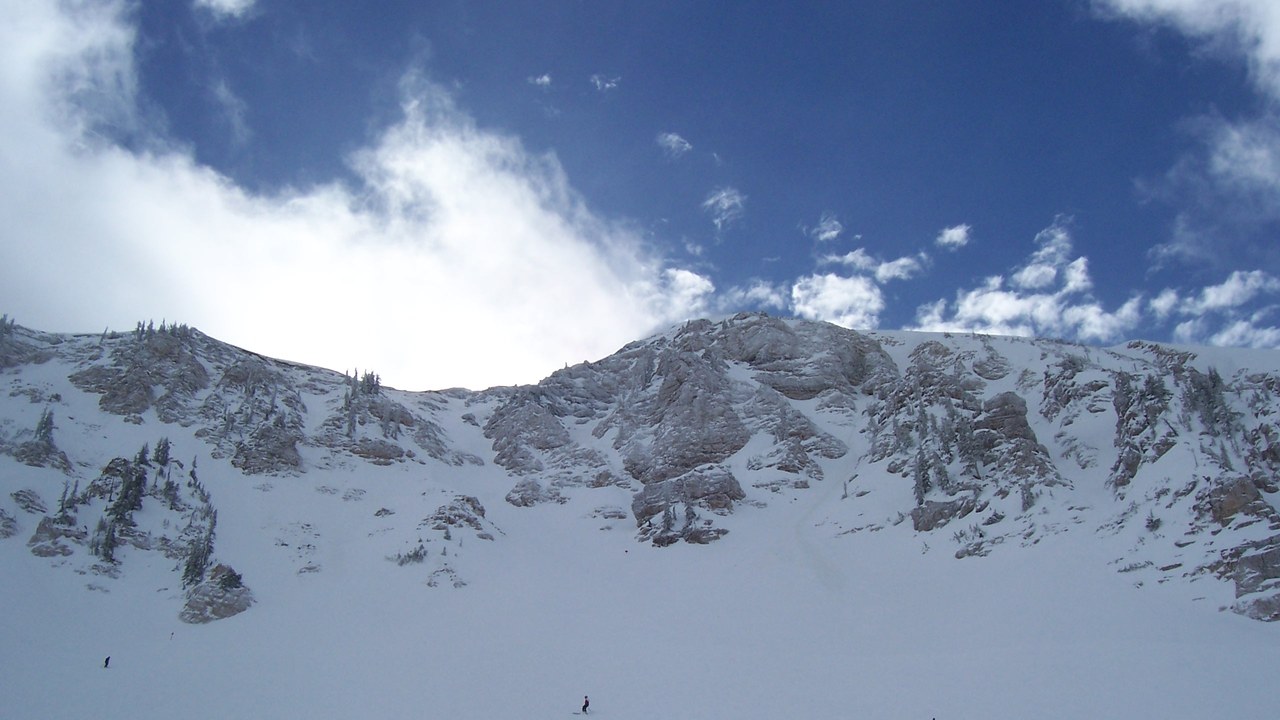
The Utah village and Alta Ski Area average 583 inches of snow a year at 8,950 feet.
Skiers prize the Wasatch snow for being light and dry. The elevation helps keep storms cold, so much of the precipitation arrives as snow instead of rain. Powder this reliable has made the area a pilgrimage for winter sports fans. Avalanche control is a routine part of keeping the canyon roads and slopes open.
7. Mount Washington: Wind Beats Snow
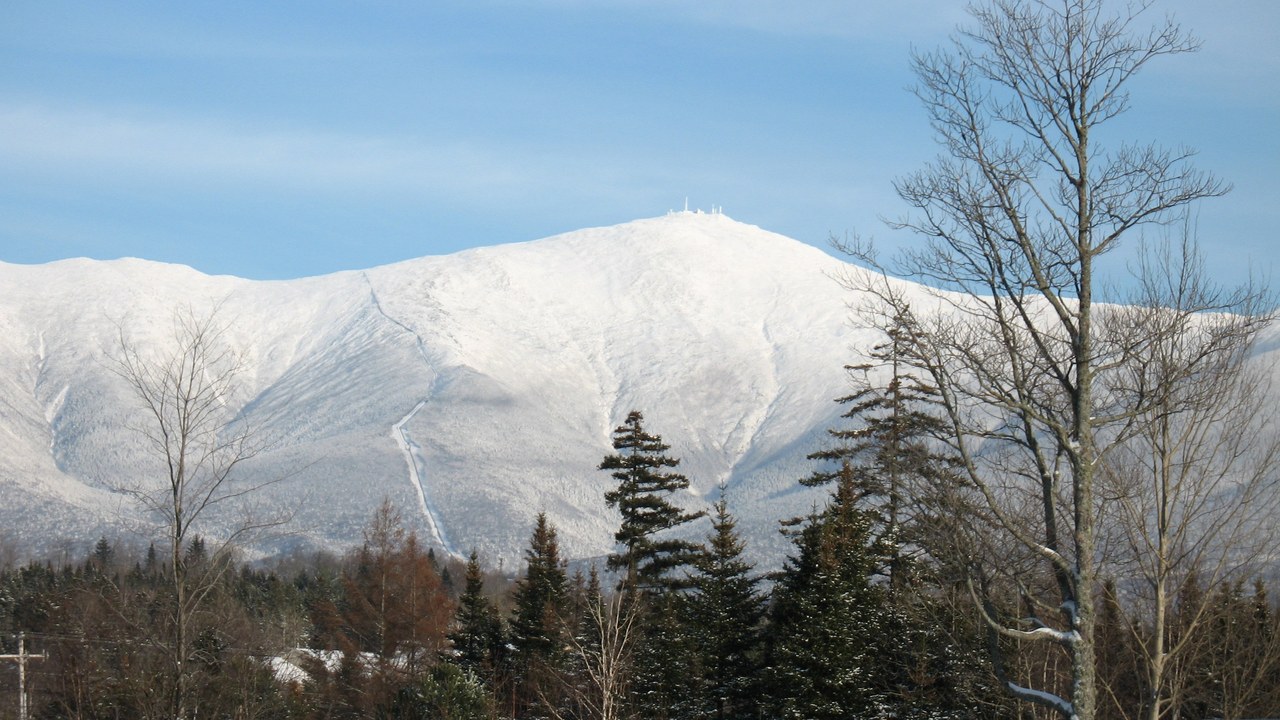
Mount Washington averages 282 inches of snow, yet its fame rests on a 231 mph wind gust recorded on April 12, 1934.
The New Hampshire summit is a reminder that severe winter weather is not only about depth. Blowing snow, fog and extreme gusts make conditions dangerous even when totals look modest next to western peaks. Meteorologists still point to the summit as proof that mountaintops can be hostile in every season. The mountain continues to attract people who study extreme conditions.
8. Timberline Lodge: Mount Hood Mainstay
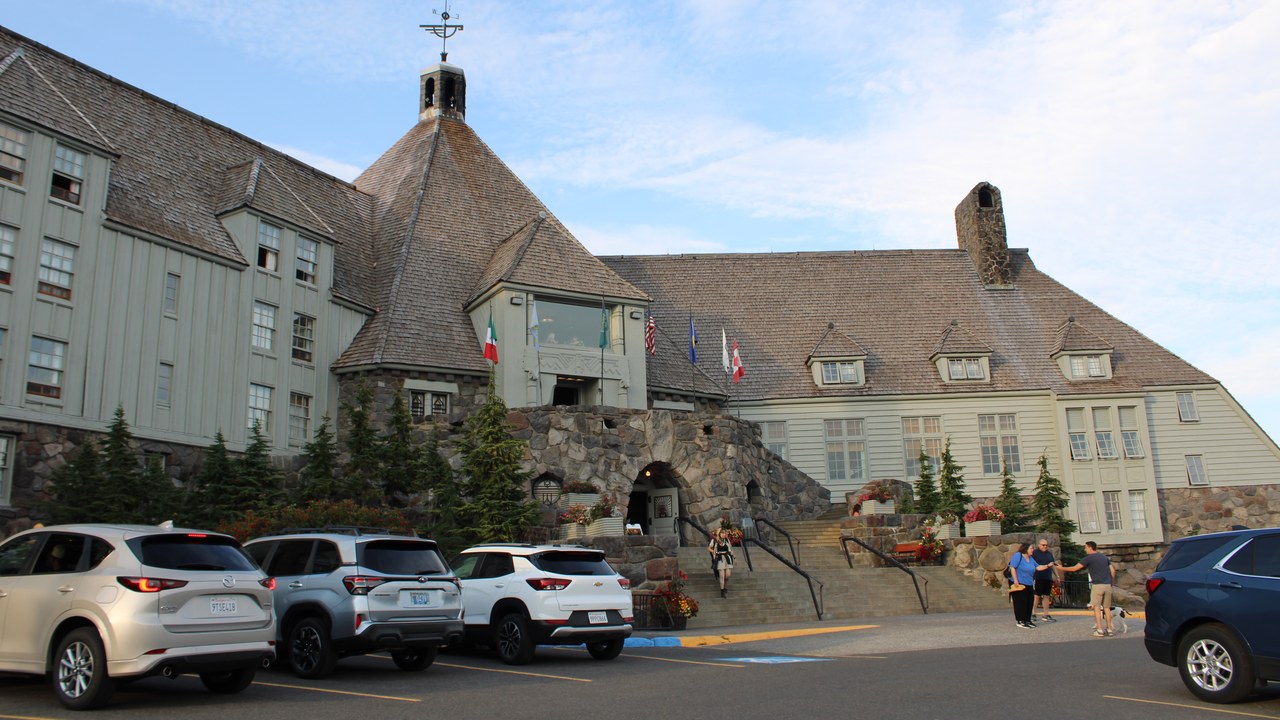
On Oregon’s Mount Hood, Timberline Lodge Ski Area averages 551 inches of snow a year.
The figure keeps the slopes open deep into the season. It places the Cascades firmly among the snowiest ranges in North America. A deep snowpack like this also feeds streams and reservoirs that nearby communities rely on later in the year. Long ski seasons on the mountain depend on the same dependable winter storms that build it.
9. Lassen Peak: California’s Volcano
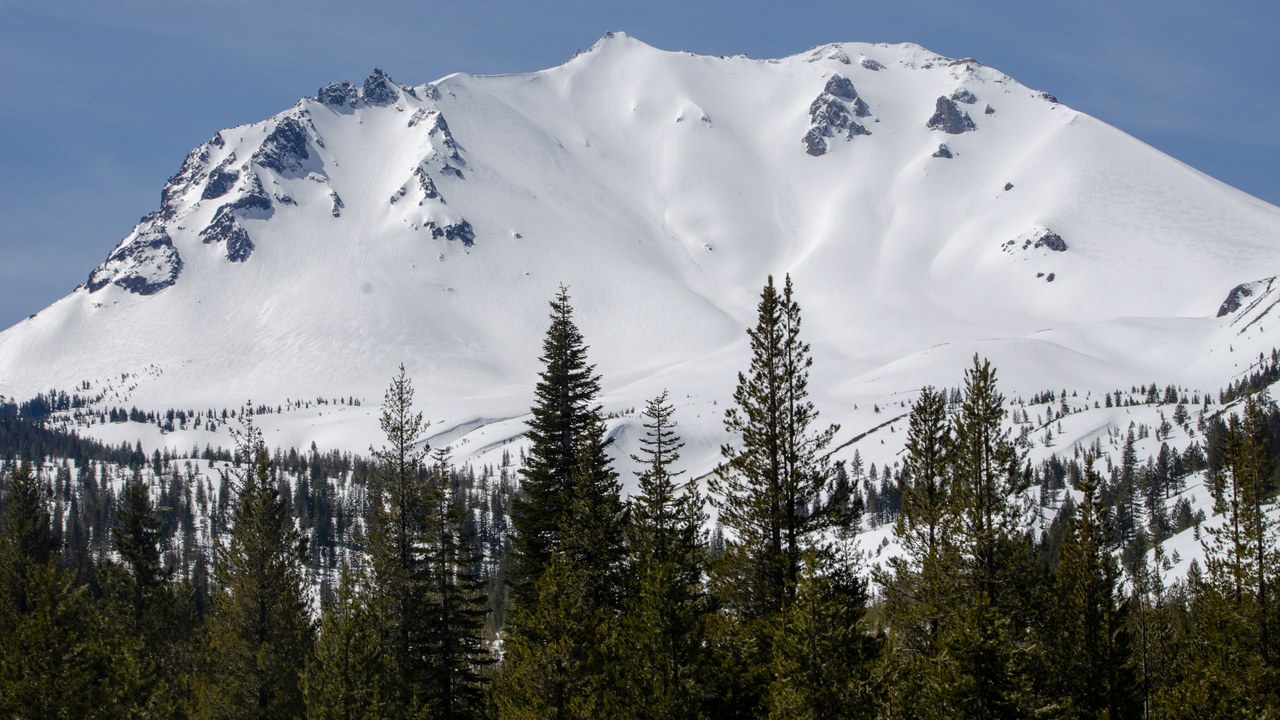
Lake Helen at Mount Lassen is estimated to receive 600 to 700 inches of snow a year.
As an estimate rather than a long instrument record, the figure carries more uncertainty than some others. Even so, it shows California’s snow story reaches well beyond the Sierra Nevada. Reliable instruments are scarce on high volcanic peaks, so such estimates are useful but should be read as approximate. Hikers see the evidence in snow that often lasts well into summer.
10. Alyeska Resort: Resort Near Anchorage
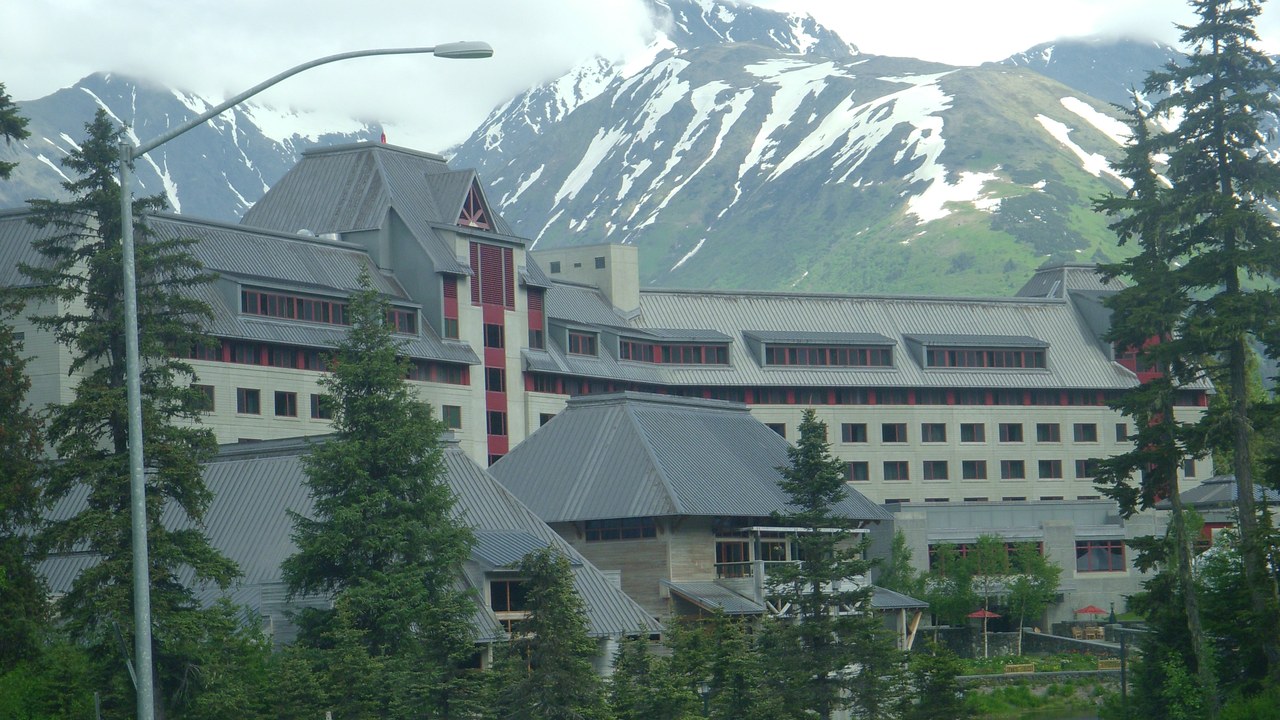
Alaska’s Alyeska Resort is listed at 669 inches of average annual snowfall.
The resort pairs steep terrain with maritime storms, giving a season that starts early and ends late. It is a rare case of a major ski destination sitting close to a large city. Skiers visiting tend to talk about the views over the water as much as the powder. Heavy storms can also make travel on nearby highways slow and unpredictable.
11. Syracuse: The Big City Winner
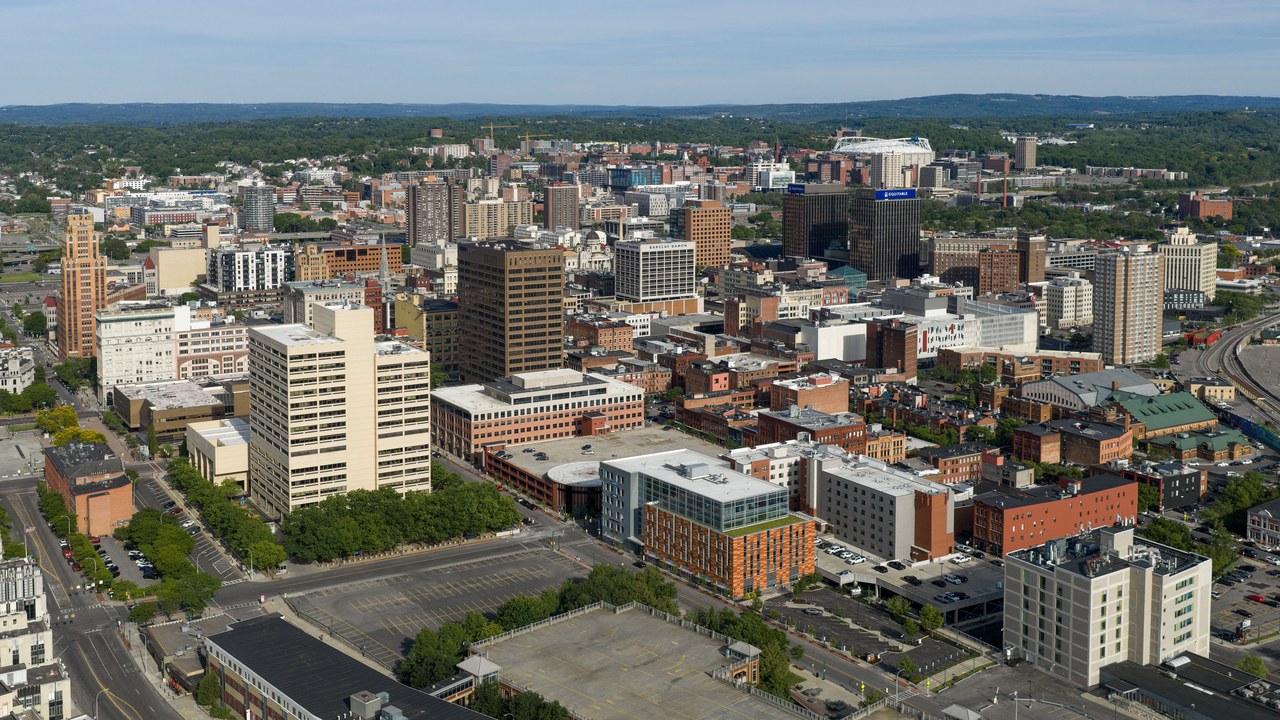
Syracuse has been named the snowiest city in the country, averaging 123.8 inches a year.
Its snow comes largely from lake-effect storms that form as cold air crosses the Great Lakes. The total is far below the mountain sites, yet it is remarkable for a place with a large urban population. City residents plan for shoveling, plowing and slow commutes every winter, and local crews are known for their experience. The title shows that big snow is not only a mountain story.
Save more, waste less: Subscribe to The Cool Down →
We may earn a commission if you sign up.
More from Morning Overview
- Two passengers died at an Ohio toll plaza, and the NTSB now wants the cash lanes shut
- Long use of a common prostate pill is tied to a higher chance of glaucoma
- Ford is recalling 223,472 F-150 pickups because the fuel tank can leak or detach
- Hybrids have 15% fewer problems than gas cars, while EVs and plug-in hybrids have about 80% more, Consumer Reports finds
