
Folklore has long assigned animals to the darker corners of the calendar, casting some as witches’ helpers and others as omens of loss. Most of those reputations grew from fear, church teaching, theater and seasonal habits rather than from how the creatures actually behave. Here are ten of the species most often blamed.
Help yourself and the planet: The Cool Down makes it easy to help yourself while helping the planet, with smart, simple changes to save more and waste less in your everyday life.
We may earn a commission if you sign up.
1. Black cat: Hecate’s Dark Reputation
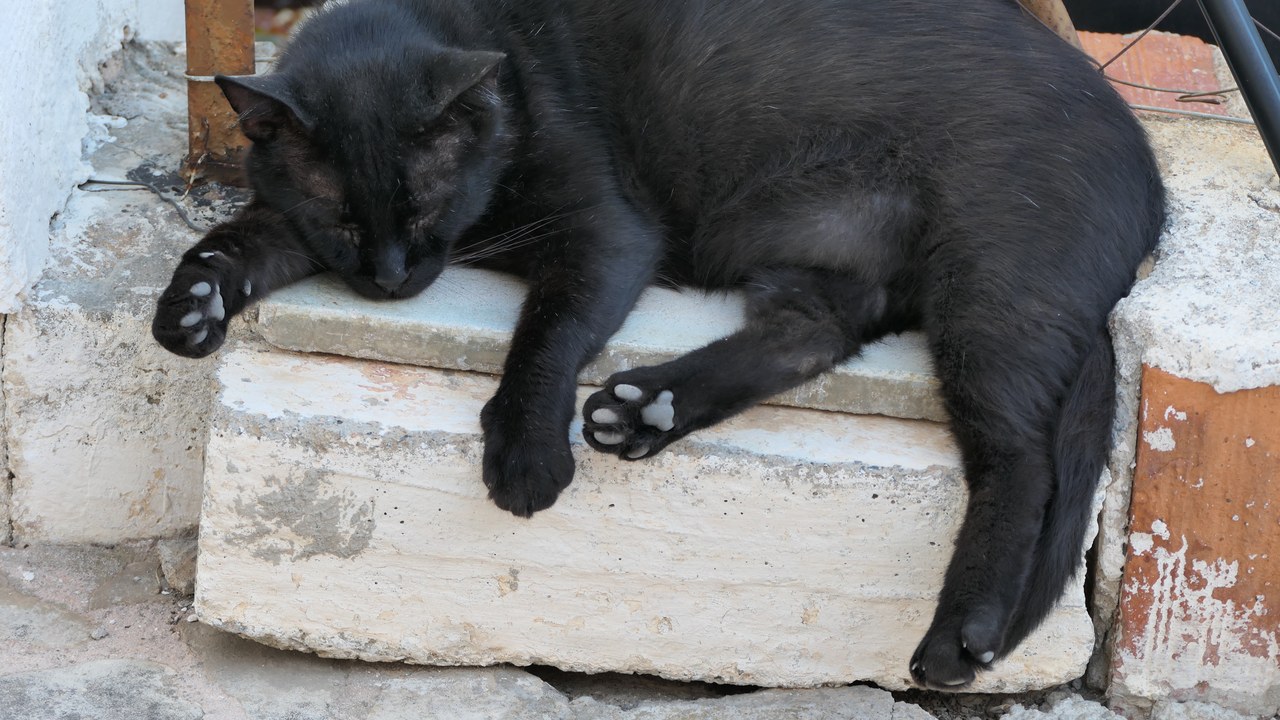
In folklore, the black cat’s bad-luck reputation traces to Hecate, Greek goddess of witchcraft, and a 13th-century church decree branded black cats ‘demonic incarnations of the devil.’ That history appears in a Fish and Wildlife Service feature, which places the superstition far earlier than any modern Halloween decoration.
The coat color is only pigment, and the animal beneath it is an ordinary house cat. Owners and shelter visitors can treat the folklore as a record of medieval fear, since the reputation was assigned by people and never earned by the cat itself.
2. Common raven: Poe’s Midnight Visitor
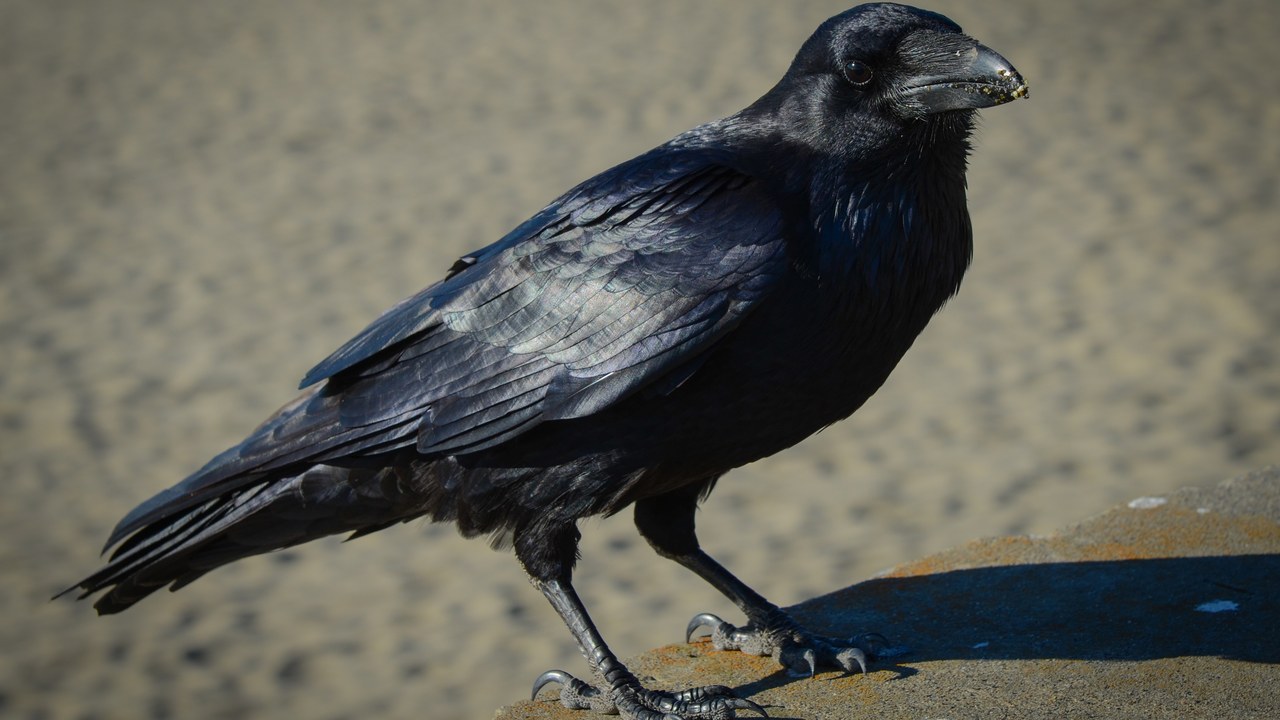
Edgar Allan Poe’s 1845 poem ‘The Raven’ deepened the image of a bird long linked to the spirit world, though Northwest Native Americans saw it as creator of the sun and stars. A Halloween animal symbolism piece sets those two readings side by side.
The contrast is the useful part. One culture heard an omen in the raven’s croak while another credited it with making light itself. Anyone watching the large, black, deep-voiced bird overhead is looking at a clever animal that holds very different meanings depending on whose story is told.
3. Gray wolf: Werewolves of France
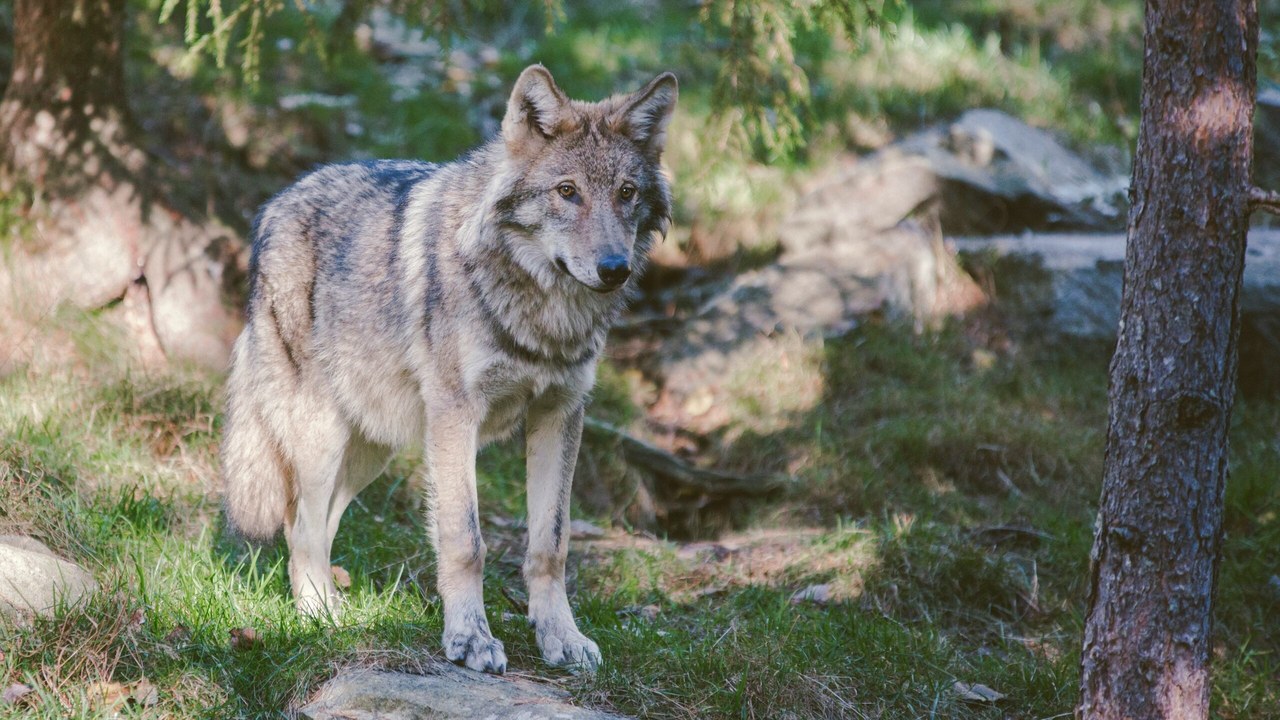
Werewolf lore peaked in late-1500s France, when several murder defendants claimed to be werewolves. That detail comes from a Halloween symbolism article, and it shows how the wolf’s frightening image moved from the forest into the courtroom.
The gray wolf itself plays no part in those confessions; the fear was human, and the animal simply supplied a ready-made monster. Readers who meet the wolf as a shy, social predator today can see how far legend drifted from the living species. The distance between trial record and animal is wide.
4. American crow: A Murder on the Fence
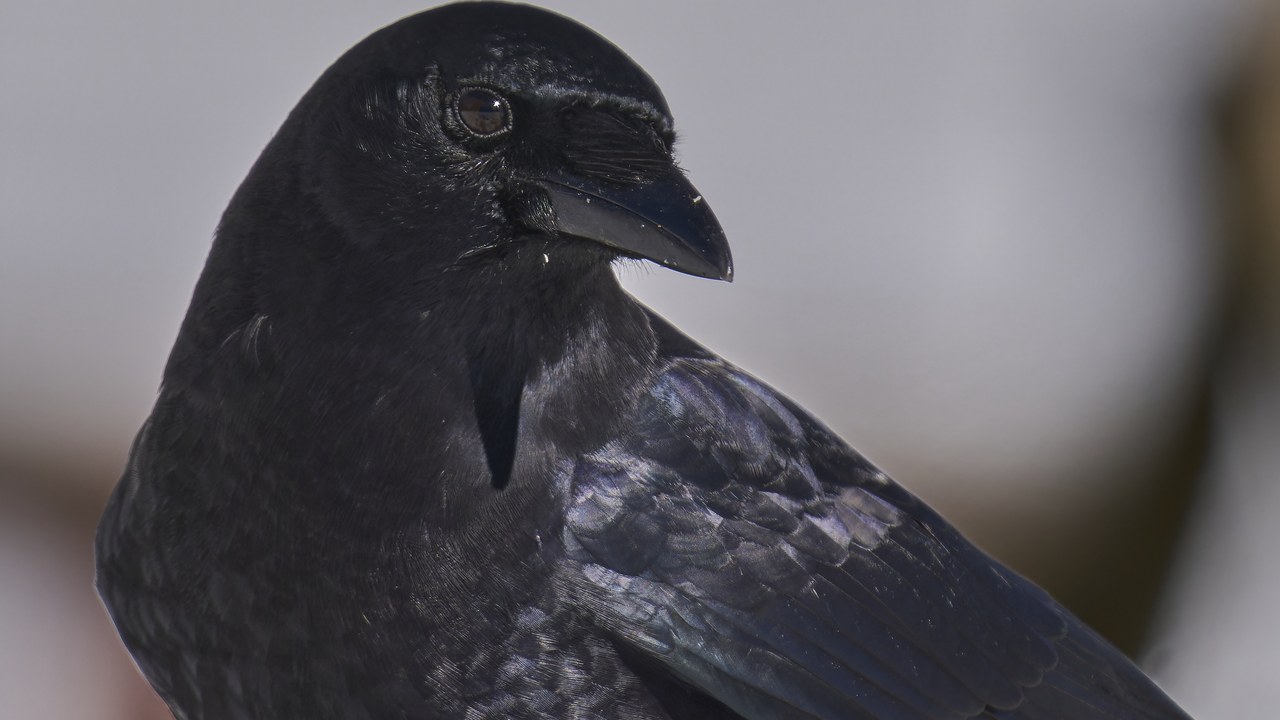
The American crow carries a grim collective noun, since a group is called a ‘murder,’ and its habit of scavenging carcasses helped tie it to Halloween. A Mental Floss Halloween list lists the bird among the season’s signature animals.
Scavenging is a practical job, not a sinister one. Crows clear dead animals from roadsides and fields, so the same behavior that fed the superstition quietly benefits neighborhoods. A flock gathering at dusk is routine crow business, whatever the old name suggests. Few birds are watched so closely for so little reason.
5. Toad: The Witch’s Companion
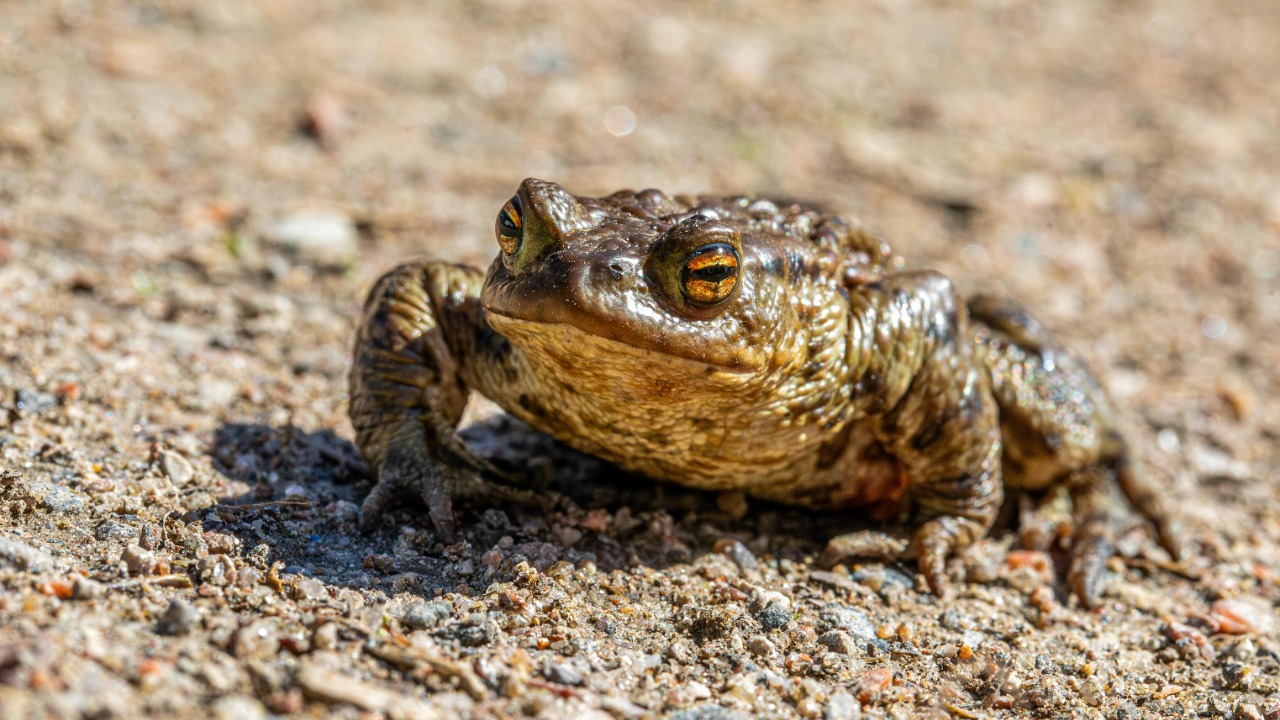
Long cast as a witch’s companion, the toad goes into the witches’ brew in Shakespeare’s ‘Macbeth.’ A Fish and Wildlife Service story points to that stage cauldron as one of the clearest places the amphibian’s sinister image took hold.
Toads are bumpy, secretive and often found near damp garden corners, which made them easy to cast as odd company. In practice the common toad is a harmless insect eater, and gardeners generally welcome one under a flowerpot. Few garden visitors are blamed so unfairly.
6. Brown rat: Blamed for the Plague
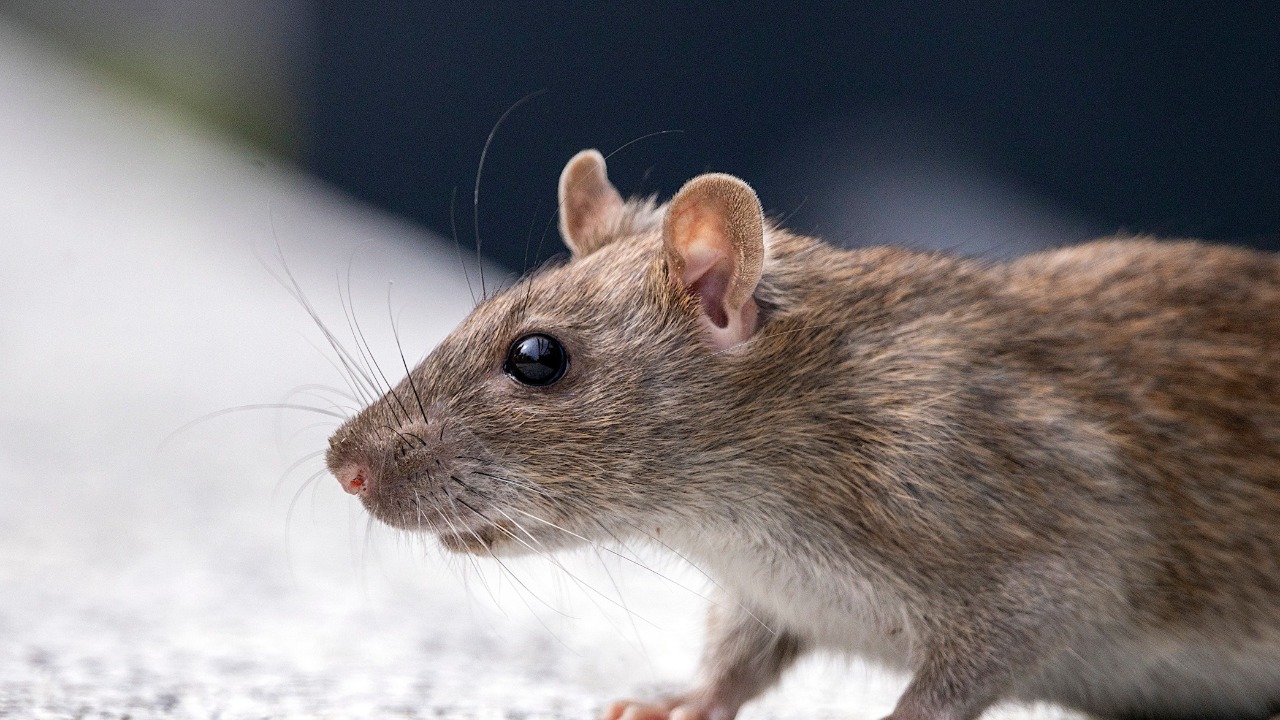
Rats became scapegoats for the 14th-century Black Death, though fleas carried the disease; they bathe up to 8 times a day. Both points appear in a Fish and Wildlife Service article, which pairs the old blame with a fact that undercuts it.
The brown rat paid for a reputation it did not deserve, and the grooming habit suggests an animal far tidier than its image. Readers can take the lesson that folklore often punishes the visible animal rather than the real carrier. That pattern has repeated across many animals on this list.
7. Spider: Webs in October
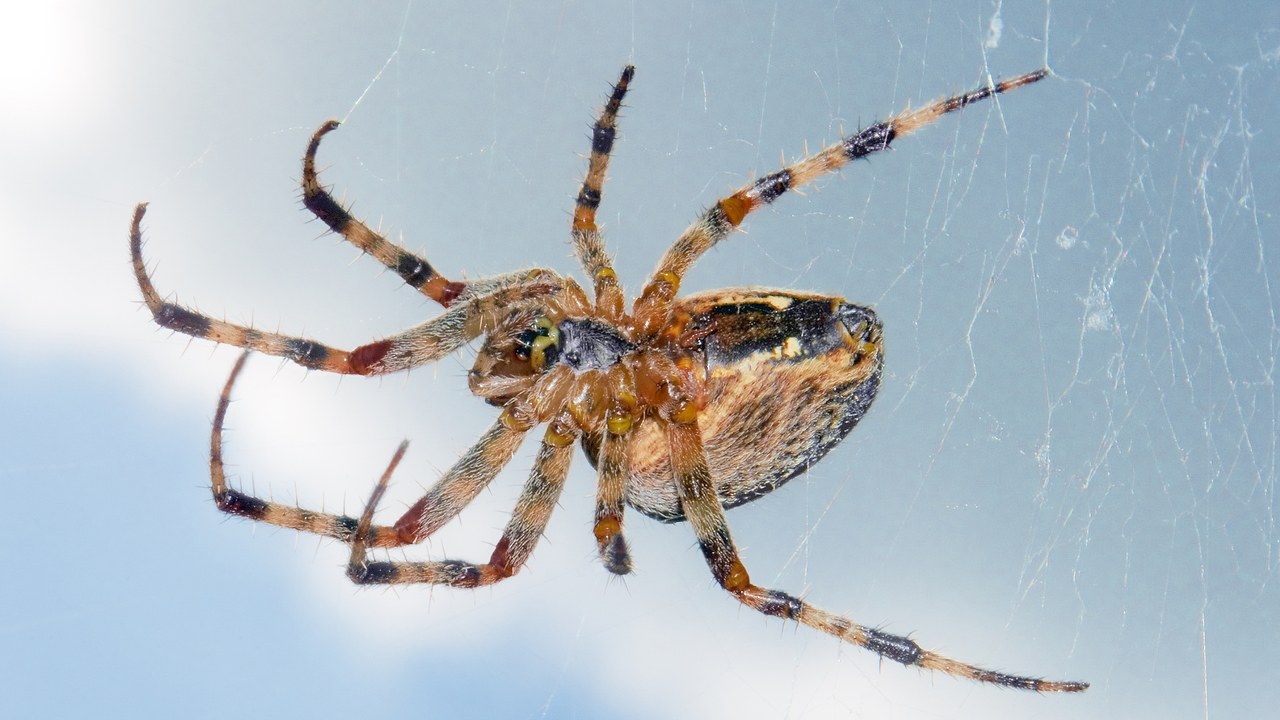
Spiders haunt the season because many begin mating in September and October, when their webs are most visible. A Mental Floss Halloween guide offers that seasonal explanation for why the creatures feel so tied to Halloween.
The timing is a matter of biology rather than omen. Webs strung across porches and shrubs in autumn belong to animals busy with reproduction, and most are harmless to people. A morning dew-covered web is a good reason to look closely before sweeping it away. Spotting one is a sign of a healthy garden.
8. Eurasian magpie: One for Sorrow
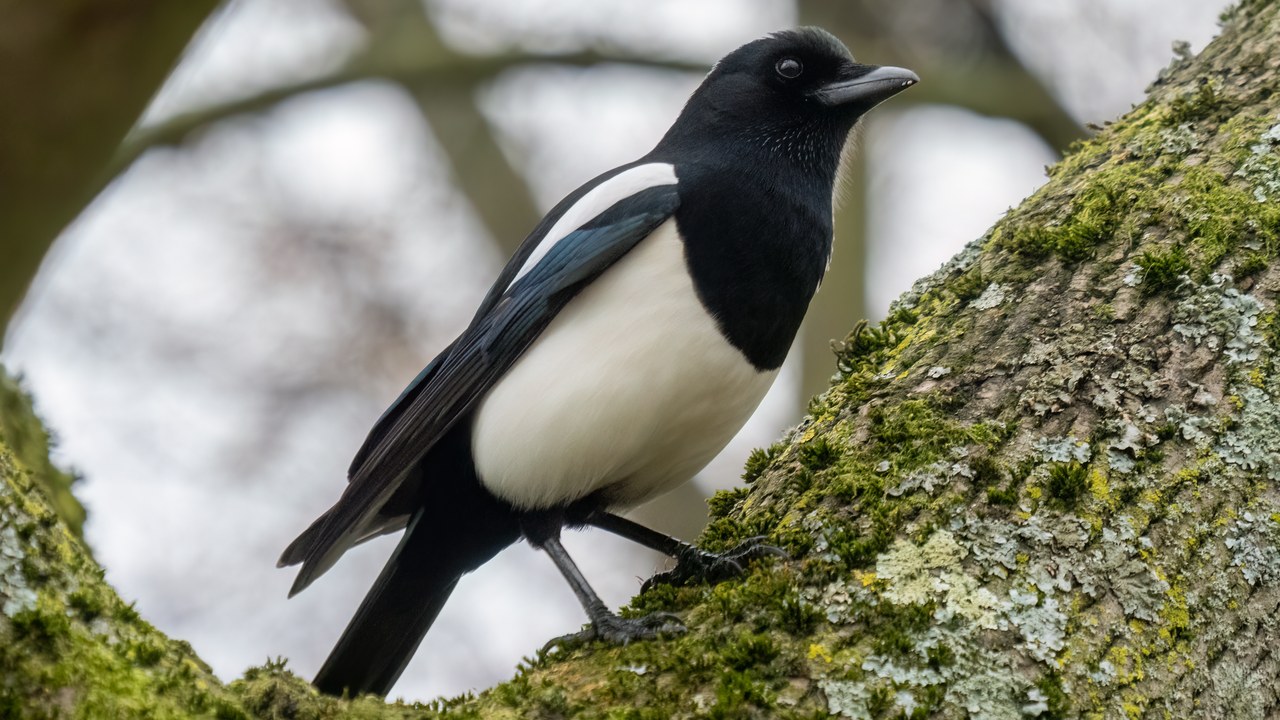
British folklore warns that a single magpie brings sorrow, the idea behind the familiar counting rhyme. The warning is recorded in a roundup of unlucky birds of birds that supposedly bring bad luck.
The superstition hangs on how many birds are seen, not on anything the magpie does. Bird watchers who spot a lone Eurasian magpie on a lawn can note the old rule with a smile, then watch a bold, intelligent bird go about its business. Not every warning in folklore needs obeying.
9. Turkey vulture: Scavenger of Decay
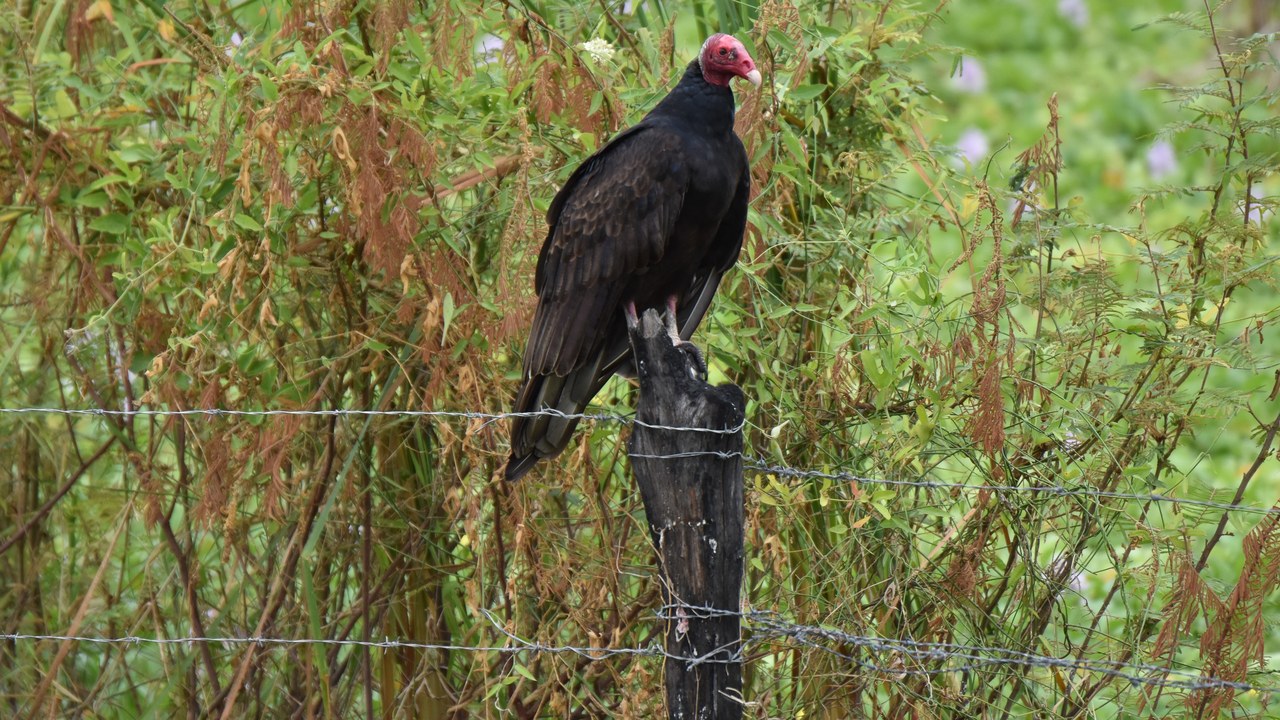
As scavengers, vultures are tied to decay and death in bird superstition. A list of supposedly unlucky birds includes the turkey vulture among birds said to bring ill fortune, a reputation built on what the bird eats.
That diet is the point of the animal’s job. By cleaning up carrion, the turkey vulture removes what would otherwise rot in the open. Seeing one circle overhead signals a working scavenger, and the omen is far less reliable than the ecology. Nature offers the better explanation.
10. Common blackbird: Dark Bird at the Door
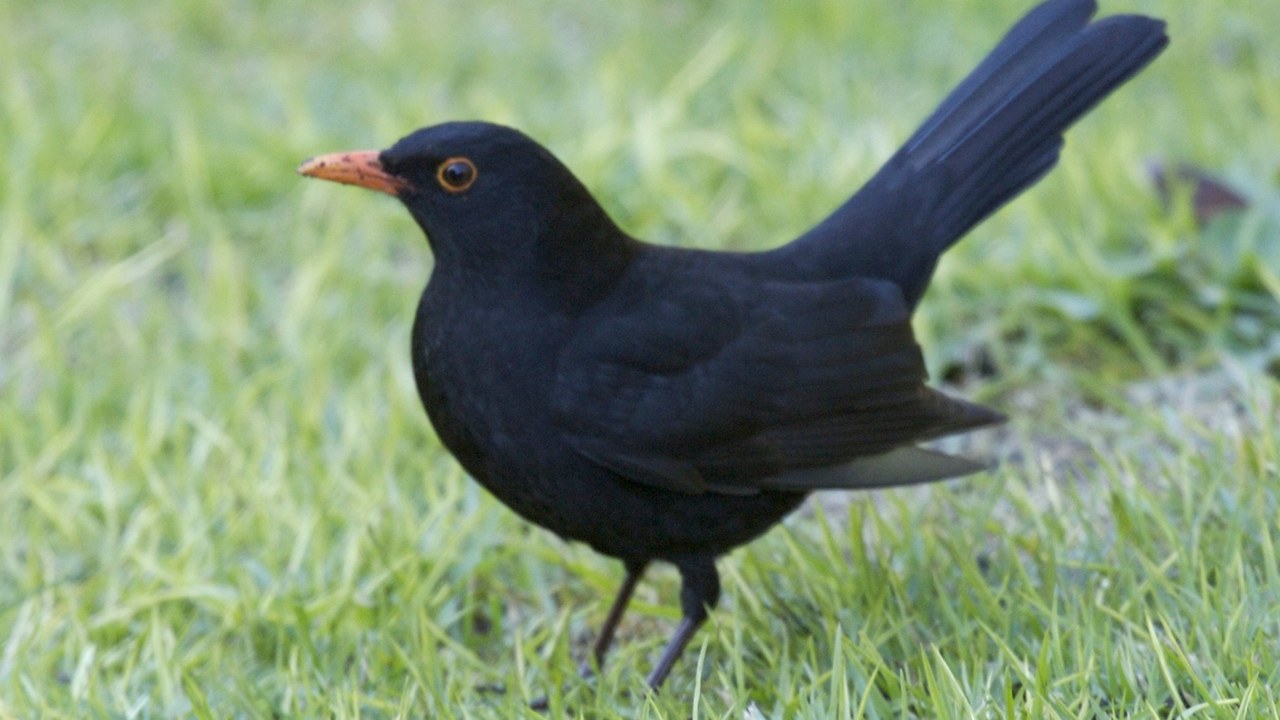
In some European traditions, a blackbird near the home was a sign of bad luck. That belief is noted in a bad-luck birds roundup covering birds that supposedly bring bad luck.
The common blackbird is a familiar garden singer, so the omen mostly shows how any dark bird near a doorway could attract suspicion. Homeowners hearing one at dusk are listening to a songster, not a warning, and the old belief makes a good story rather than a forecast. Folklore prizes such contrasts.
Help yourself and the planet: Get The Cool Down →
We may earn a commission if you sign up.
More from Morning Overview
- Ford is recalling 223,472 F-150 pickups because the fuel tank can leak or detach
- Hybrids have 15% fewer problems than gas cars, while EVs and plug-in hybrids have about 80% more, Consumer Reports finds
- Regulators cleared the first U.S. small modular reactor, 4 months early
- Lake Powell sank to a record 3,517 feet, nearing the level that stops Glen Canyon Dam’s turbines
