
Entire cities can vanish from memory, buried by ash, swallowed by jungle or simply left to the desert. Their rediscovery often depended on a lucky glance, a storm or a determined scholar rather than a planned expedition. Here are twelve cities that were found again, each in its own unexpected way.
AI, explained every day: The Deep View is the go-to daily newsletter for 600,000+ founders, knowledge workers and professionals who want to stay up to date with artificial intelligence.
We may earn a commission if you sign up.
1. Machu Picchu: Guided to the Summit
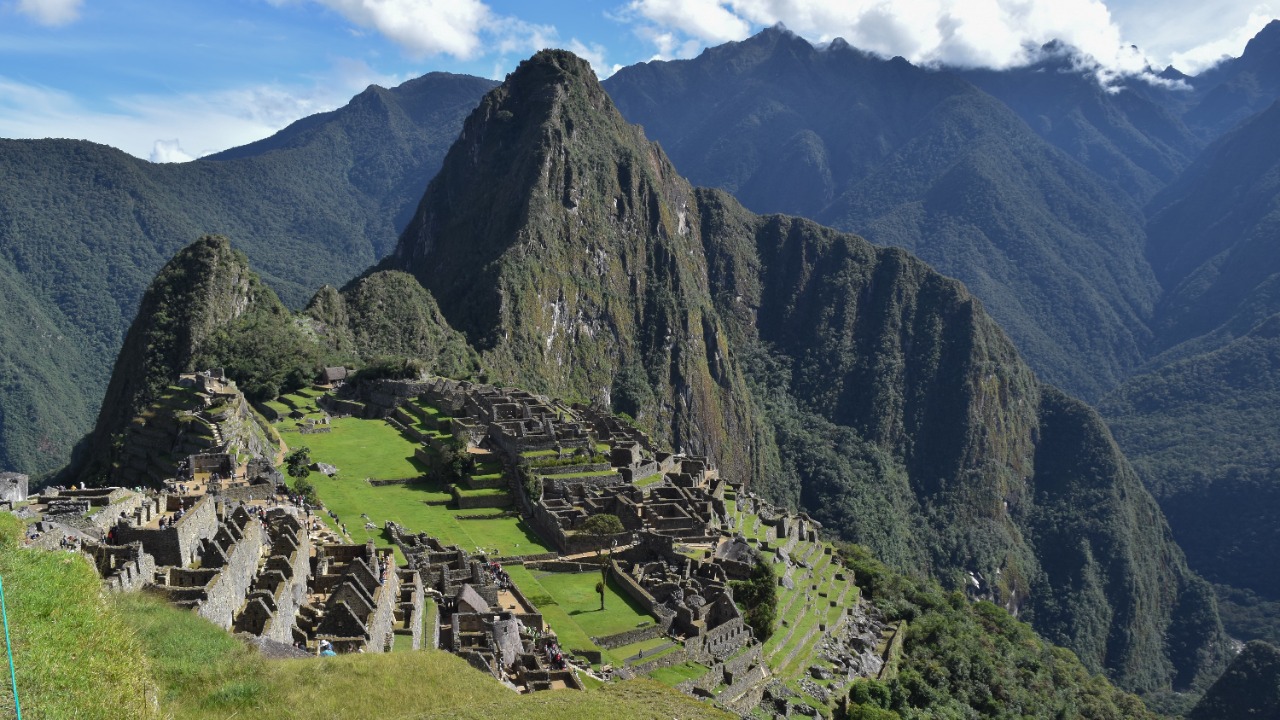
In 1911, local guide Melchor Arteaga led explorer Hiram Bingham to the Inca site, though Agustín Lizárraga’s earlier visit means the credit is shared.
Machu Picchu is often described as a Bingham discovery, yet local people knew the place and one had been there before him. The story is a good reminder that rediscovery for outsiders often means arriving where residents already stood. The citadel’s setting high above a river valley continues to draw crowds, and the story shows how many people usually contribute to what history labels a single discovery.
2. Petra: Revealed by a Swiss Traveler
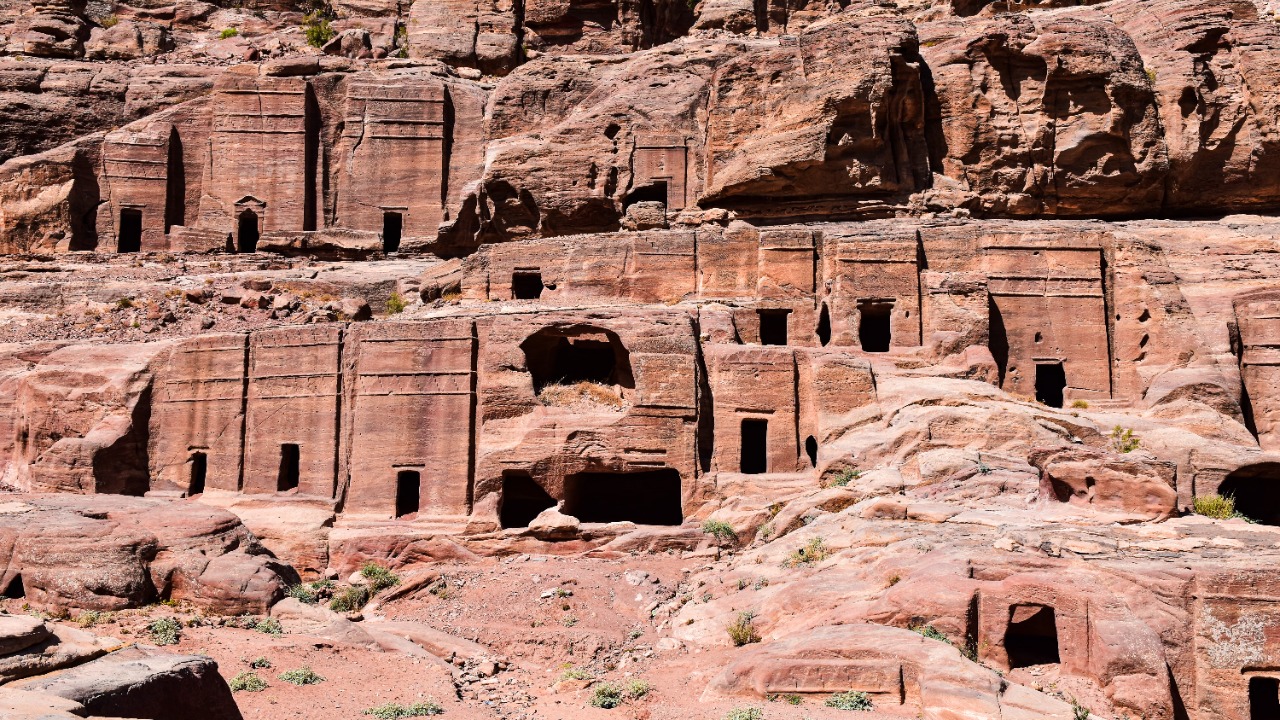
Swiss explorer Johann Ludwig Burckhardt rediscovered Petra in 1812, according to the Burckhardt rediscovery account on the site.
The rose-colored city had been known to local communities, but its fame in Europe began with that visit. Burckhardt’s account turned Petra into a destination for travelers, and it remains one of the most recognizable ancient places anywhere. Its carved facades and narrow canyon entrance made a lasting impression on early visitors, and the city has become a symbol of Jordan’s heritage in the modern world.
3. Skara Brae: Uncovered by a Storm
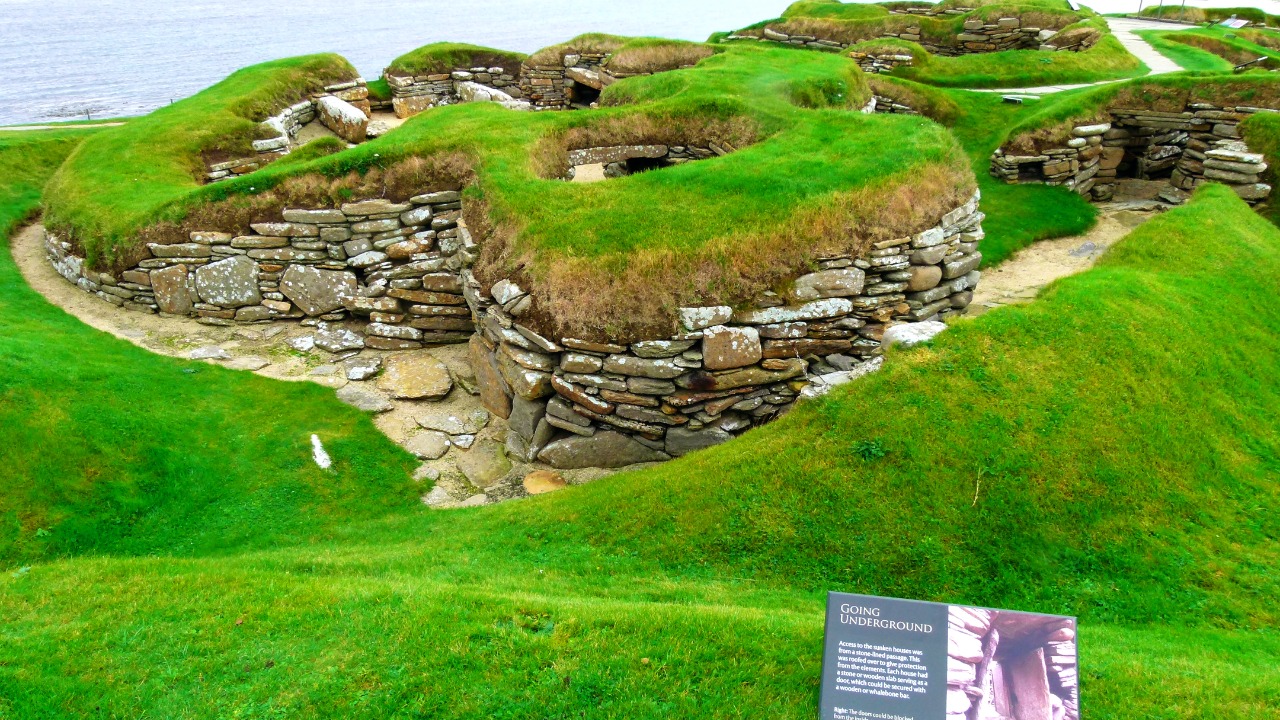
A winter storm in 1850 stripped sand from Orkney and exposed Skara Brae, and storm exposed Neolithic village is how the Neolithic settlement came to light.
Nature did the excavating here, which is rare for a site of such age. The preserved houses give a close look at early daily life, and the discovery shows how weather can reveal what centuries of quiet had covered. It remains one of the best-preserved prehistoric villages in Europe, and visitors can still see the stone furniture inside the houses that those early residents once used.
4. Troy: From Legend to Dig
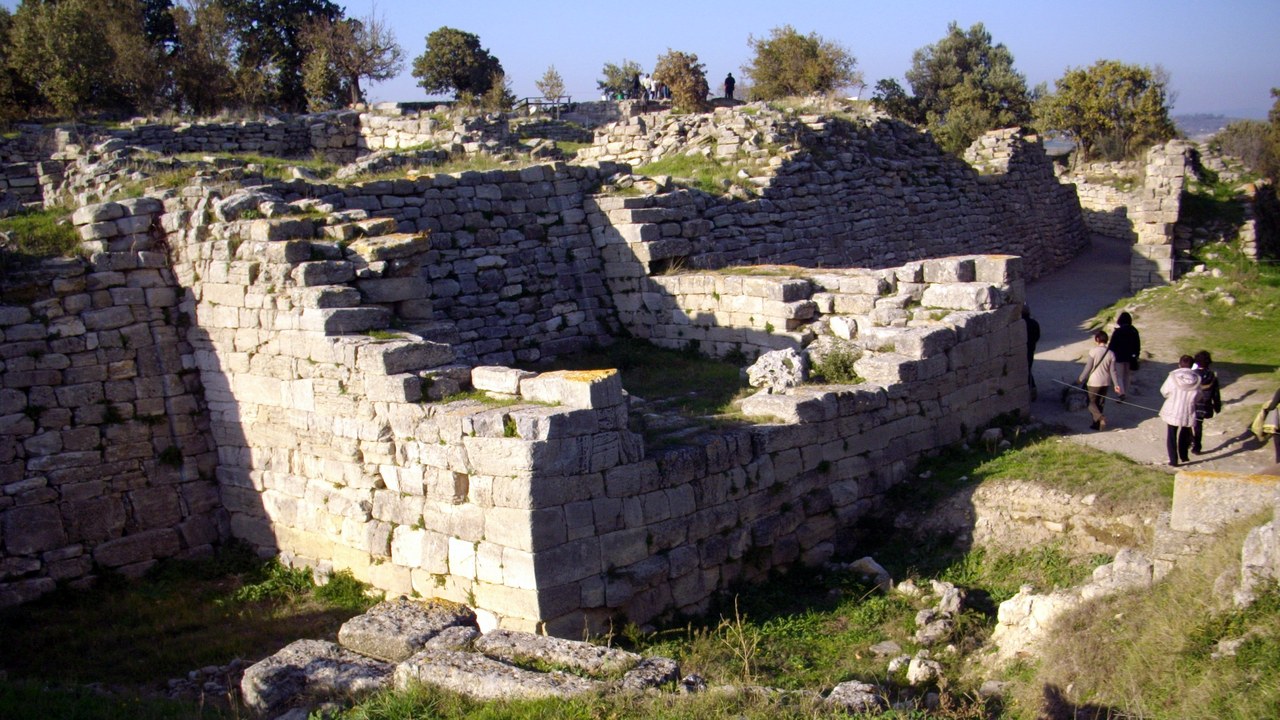
Long consigned to legend, Troy’s site in northwest Anatolia was first excavated in the 1860s, as noted in the Troy excavation history.
Few ancient names carry as much literary weight, so the idea of a real city behind the story was electrifying. The excavations turned a poetic setting into a physical place that archaeologists have studied ever since. The identity of the site was long debated, and the digs gradually turned a contested idea into a documented place with layers of settlement, which scholars continue to study.
5. Pompeii: A City Found Twice
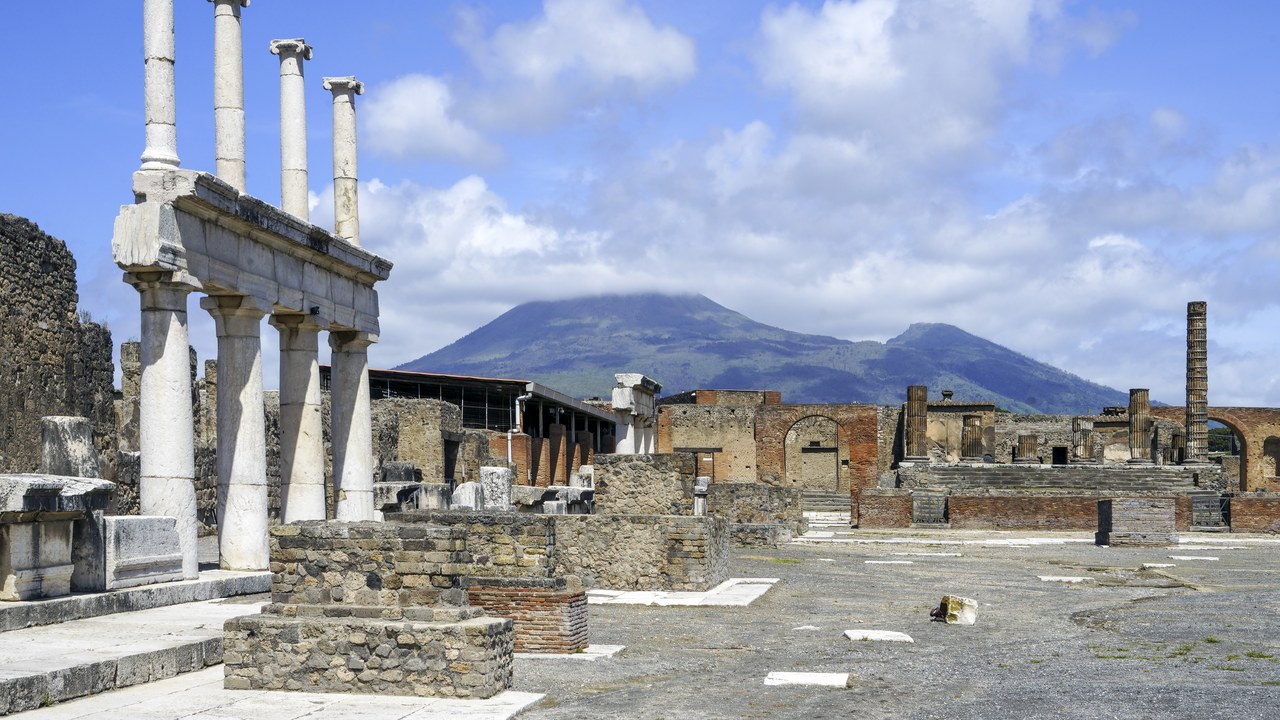
Buried by Vesuvius in 79 AD, Pompeii was hit by Domenico Fontana’s canal diggers in 1592, and up to a third of the ancient city remains buried even now.
Workers found it long before systematic excavation began, which shows how easily a discovery can be ignored. That a large portion remains underground means the site can still yield surprises for future archaeologists. Excavations over the centuries have revealed streets, homes and public buildings, and the unexcavated areas leave plenty of material for future teams to examine carefully.
6. Ciudad Perdida: Found by Looters
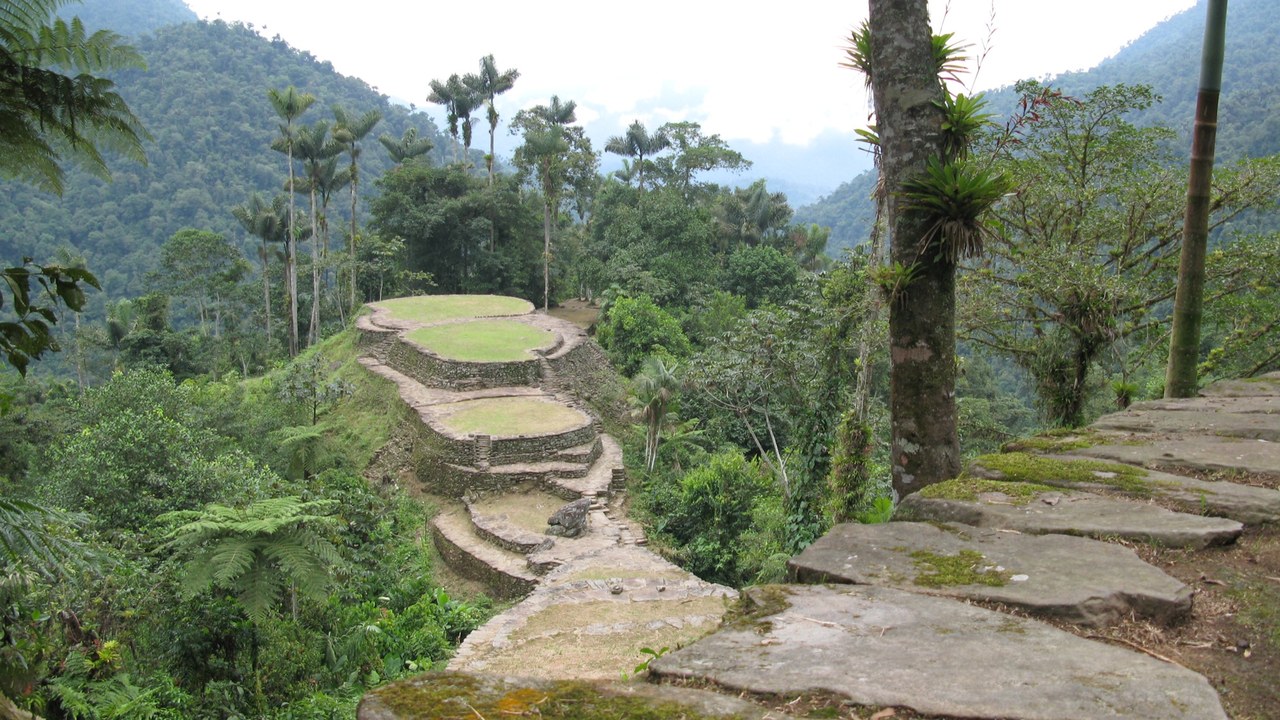
Treasure looters stumbled on Colombia’s Teyuna in 1972, and the 160-plus terraces at the site show how large the settlement was.
The Ciudad Perdida entry is a reminder that illegal digging sometimes finds places before scholars do. Once known, the city became a protected archaeological destination reachable by determined hikers, who now come to see the terraces. The site is reached today by a long trek through the jungle, and the terraces remain a striking reminder of how much effort the original builders put into shaping the hillside.
7. Great Zimbabwe: The Stone Enclosure
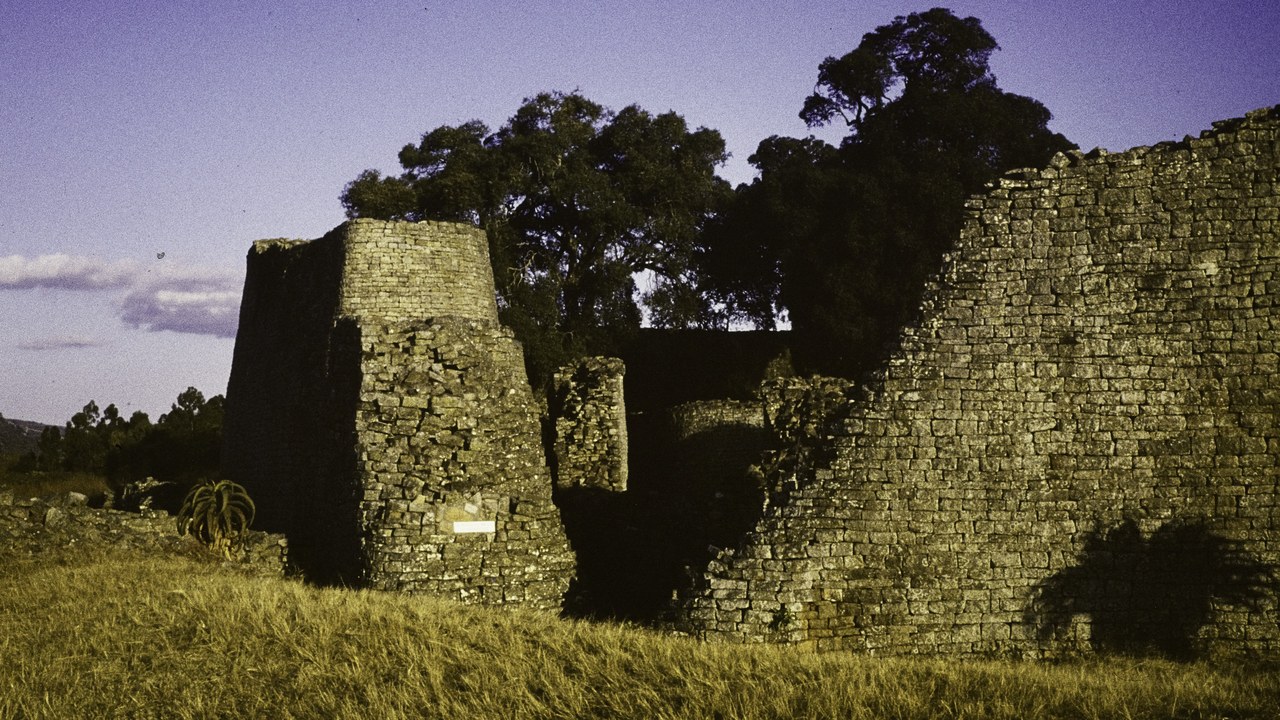
Built between the 11th and 15th centuries, Great Zimbabwe held up to 18,000 people, and the stone city’s lasting legacy is that it gave the modern country its name.
A national name taken from a ruin shows how central the site is to identity in the region. Its size also challenges outdated assumptions about the scale of medieval African societies. Debate over who built it and why has shaped the history of the ruins, and the impressive masonry is a credit to the local society that produced it.
8. Angkor: Mapped from Above
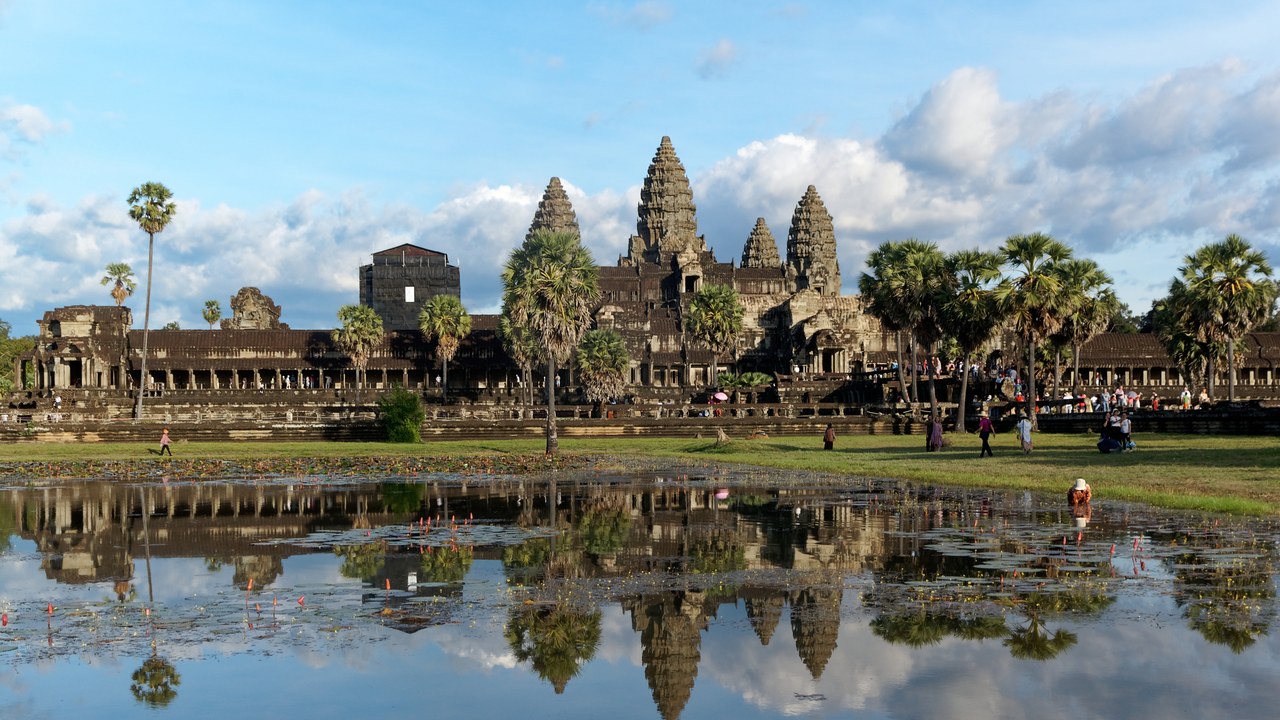
French explorer Henri Mouhot was the first European to report on the ruins in the 1860s, and 2016 laser scans later revealed a settlement as big as Los Angeles.
Modern lidar technology can see through dense forest, uncovering urban sprawl that earlier visitors missed entirely. Angkor is therefore a case where rediscovery never ended, since new tools keep expanding what archaeologists know. The finding changed how experts think about the scale of medieval Khmer cities, and it shows how technology can send researchers back to sites they believed were well understood.
9. Mohenjo-daro: Indus Valley Revelation
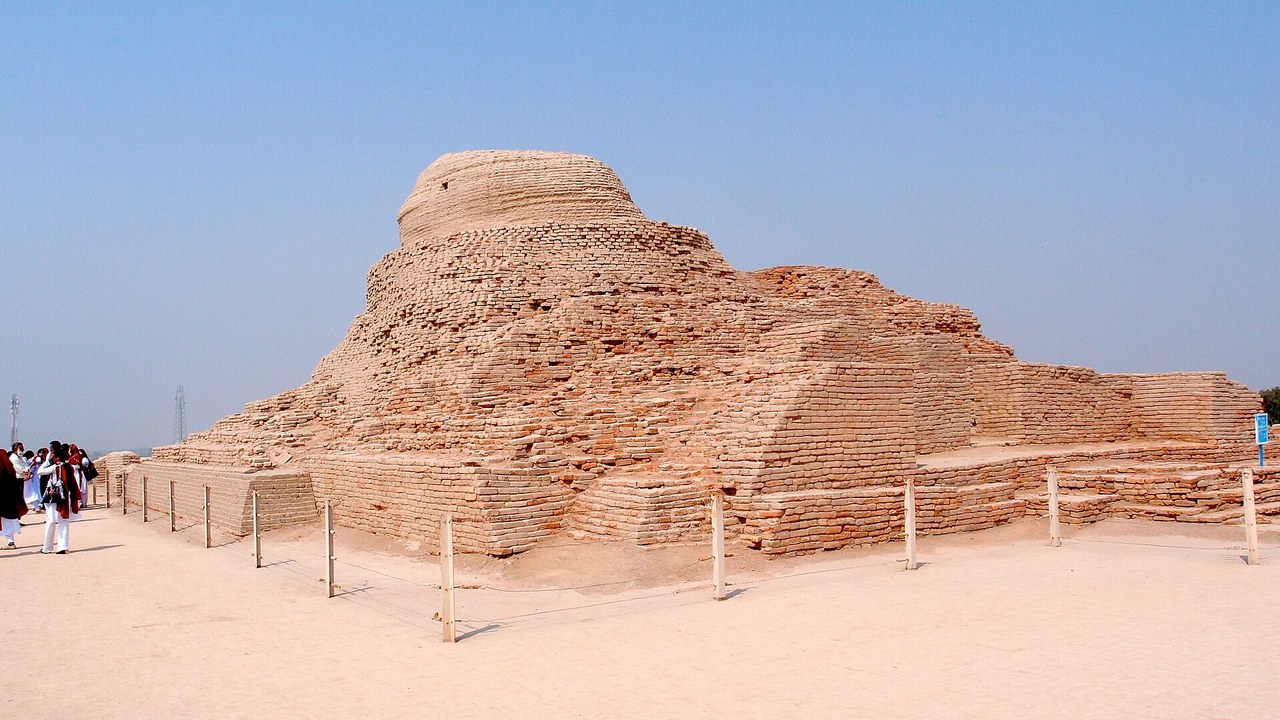
Archaeologist R.D. Banerji rediscovered the Indus Valley city in 1922, and dating to about 2500 BCE, one of the earliest urban centers known anywhere.
The find pushed back the known history of South Asian civilization by a long margin. Mohenjo-daro helped show that organized cities existed there thousands of years ago, which reshaped scholarly thinking about early urban life. Its streets and drainage systems revealed careful planning, and the site is now widely treated as a window into a civilization that left behind few readable written records.
10. Babylon: Under the Desert
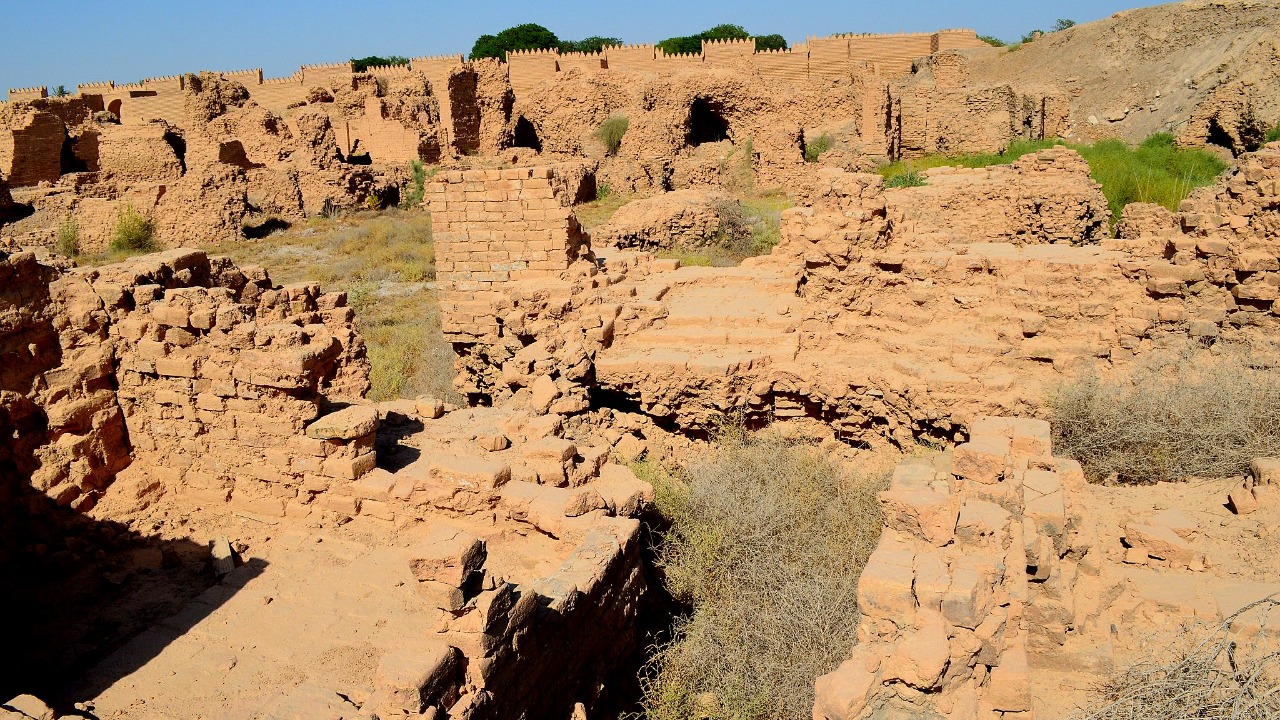
German archaeologist Robert Koldewey began excavating the desert-covered city south of Baghdad in 1899, as the Babylon excavation record explains.
Babylon was famous in ancient writing long before anyone dug it up, so the work gave tangible form to a place of legend. Koldewey’s long campaign is a model of patient fieldwork in difficult conditions. The scale of the work included massive walls and gates, and the finds from the dig gave museums and scholars their clearest picture of the city at its height.
11. Persepolis: The Capital Alexander Burned
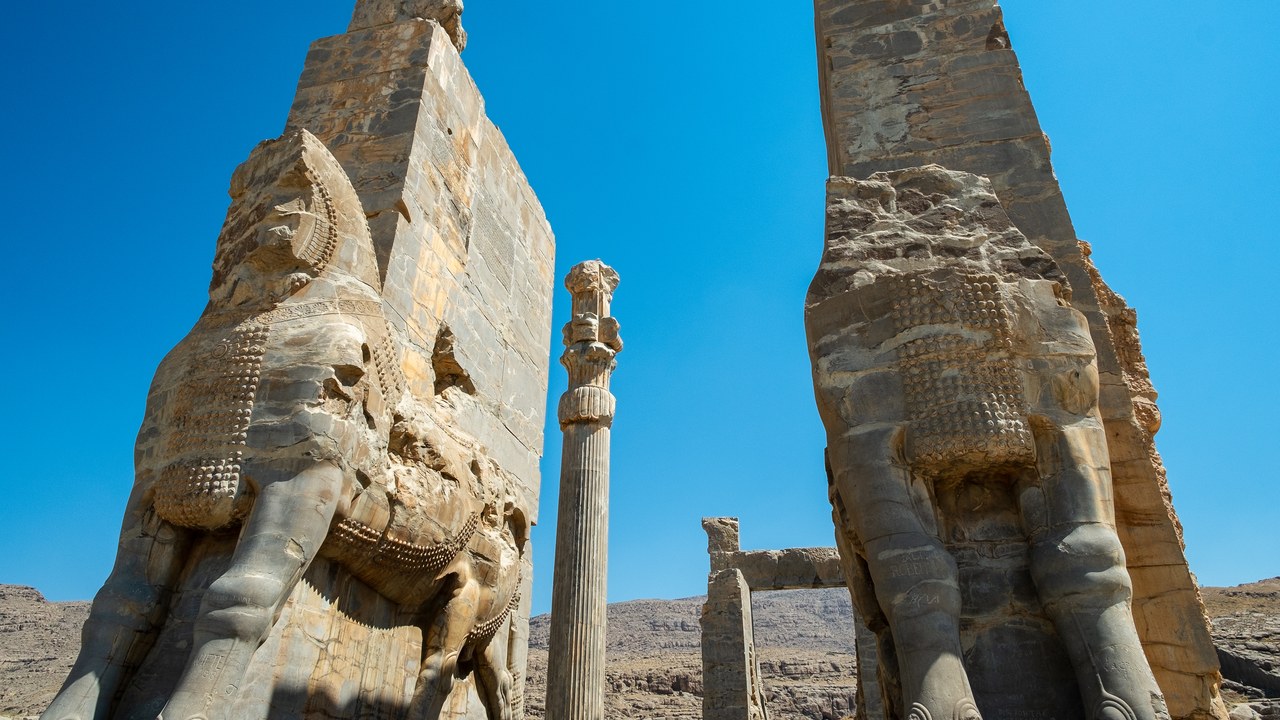
The Persian capital that Alexander largely destroyed was excavated in the 1930s by Emil Herzfeld of the University of Chicago, according to a Persepolis excavation summary.
The destruction under Alexander is part of the site’s story, and the digs showed what survived that fate. Persepolis today is one of the best-known ruins of the ancient Persian empire. The ruins still show the great terrace and monumental stairways, and the scholarship connected with the excavations gave the world a clearer sense of Persian imperial ambition.
12. Cliff Palace: Cowboys Chasing Cattle
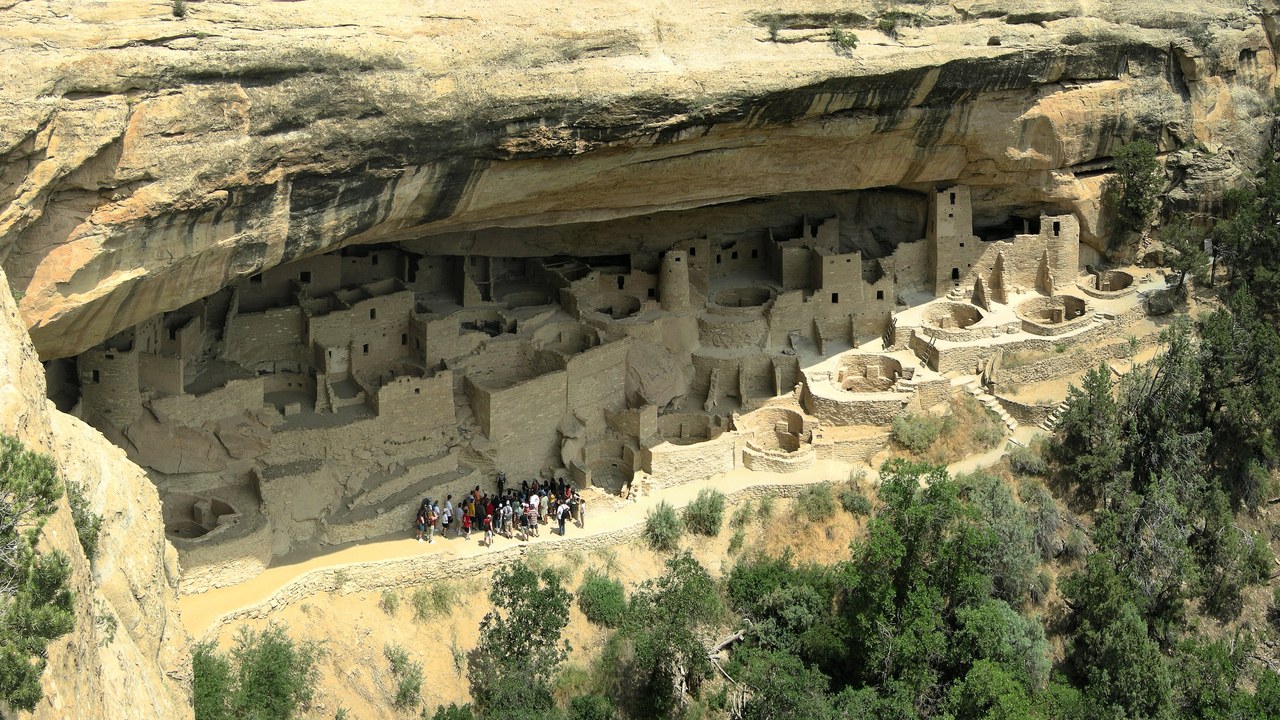
On December 18, 1888, Richard Wetherill and Charles Mason, searching for lost cattle, spotted Cliff Palace at Mesa Verde, as the National Park Service account relates.
Ranchers rather than scholars made the credited find, which gives the discovery its unusual flavor. The cliff dwelling later became one of the best-known archaeological sites in the American Southwest. The cliffside setting made it difficult to find, so a chance sighting while looking for stray animals was an unlikely way to uncover such a remarkable dwelling.
AI, explained every day: Get The Deep View →
We may earn a commission if you sign up.
More from Morning Overview
- The FBI told the rest of ShinyHunters to surrender after a 24-year-old was arrested
- Two passengers died at an Ohio toll plaza, and the NTSB now wants the cash lanes shut
- Long use of a common prostate pill is tied to a higher chance of glaucoma
- Ford is recalling 223,472 F-150 pickups because the fuel tank can leak or detach
