
Speed in the animal kingdom takes wildly different forms, from a diving falcon to a sprinting bird that never truly flies. Raptors, migratory fliers, and land runners each solve the problem of covering ground or air fast in their own way, using different muscles, wings, and body shapes to do it. Here are ten animals that can outrun almost anything alive.
1. Peregrine falcon: The 200 MPH Benchmark
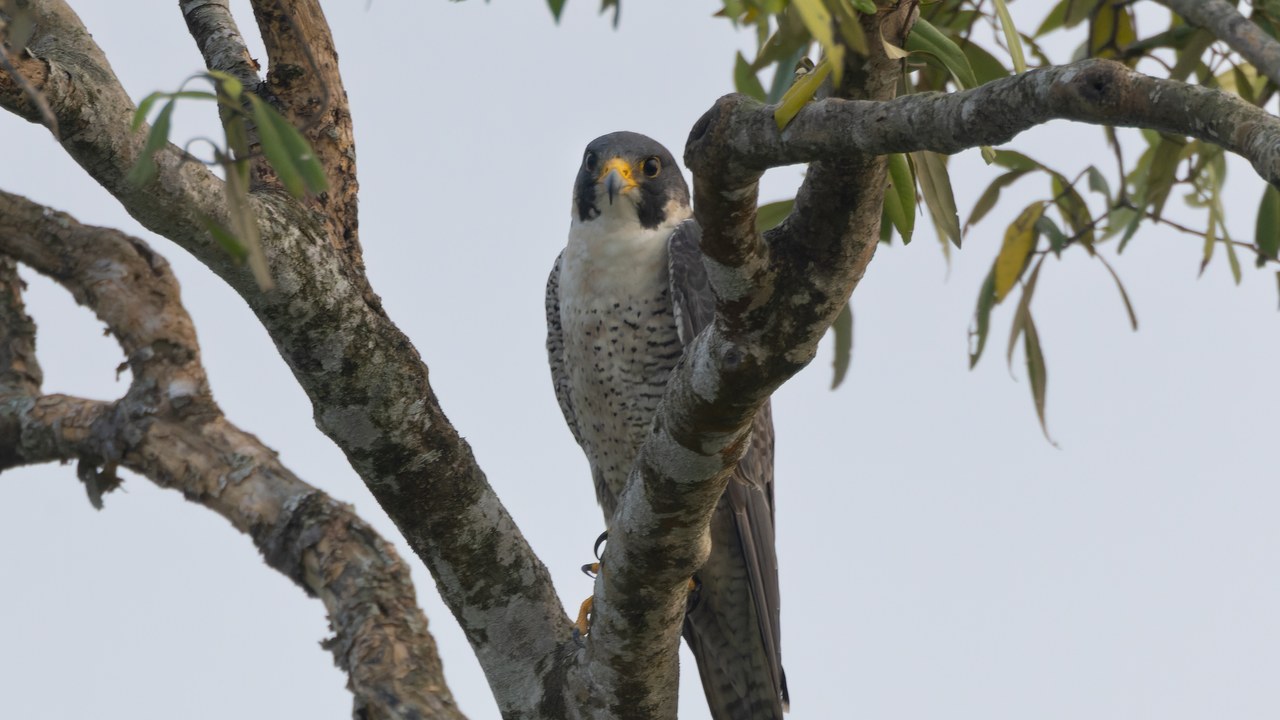
During a hunting stoop, the peregrine falcon folds its wings and drops from great height, reaching speeds that may top 200 miles per hour. That figure, verified by ornithologists, stands as the benchmark for raw speed anywhere in the animal kingdom, air or land included.
No sustained flapping flight comes close; the number belongs to a controlled fall aimed at prey below, not level cruising. Once it levels off to chase smaller birds, its horizontal speed drops sharply, closer to that of many other raptors.
2. Cheetah: Built For The Sprint, Not The Marathon
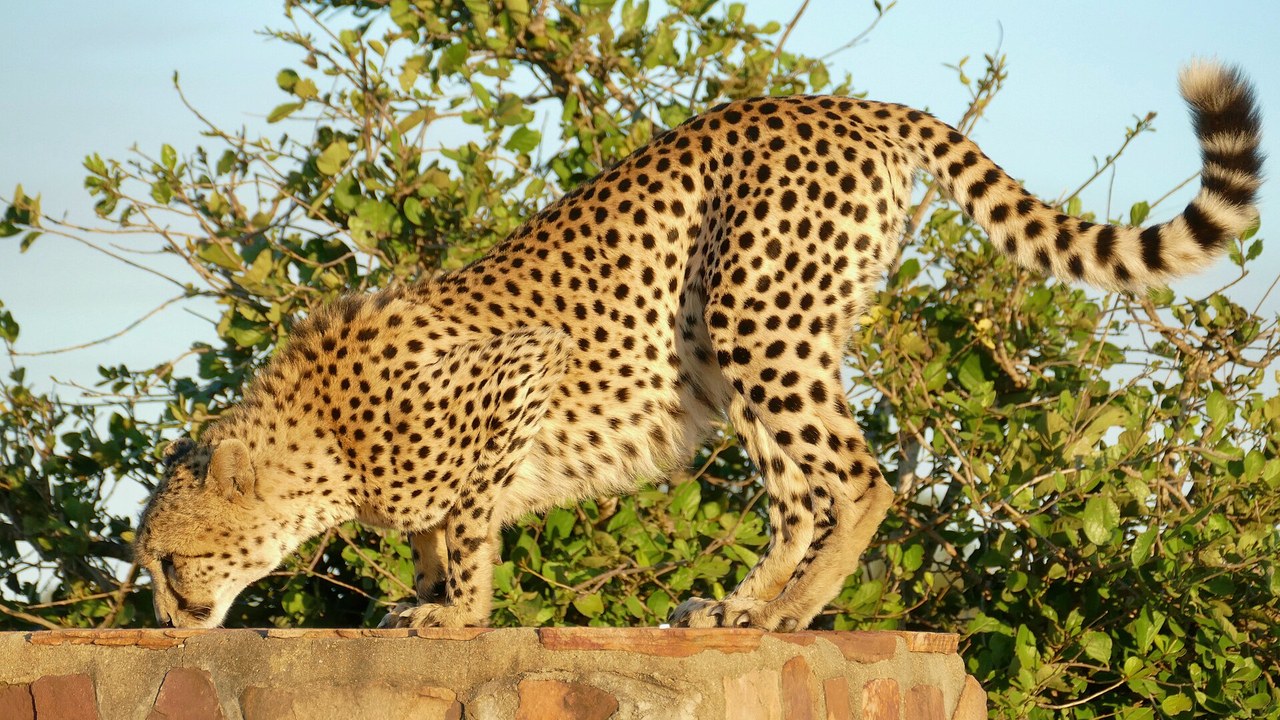
Built for the short chase, the cheetah’s top speed averages 60 to 70 miles per hour, faster than any other land animal on record. Flexible spines, oversized nostrils, and non-retractable claws work together to turn that burst into usable traction across open ground.
The run rarely lasts more than about 300 yards before overheating forces a stop, and the cat needs a long recovery before it can sprint again. A failed chase can leave it too exhausted to defend a kill from hyenas or lions moving in nearby.
3. Golden eagle: A Second Raptor In The 200 MPH Club
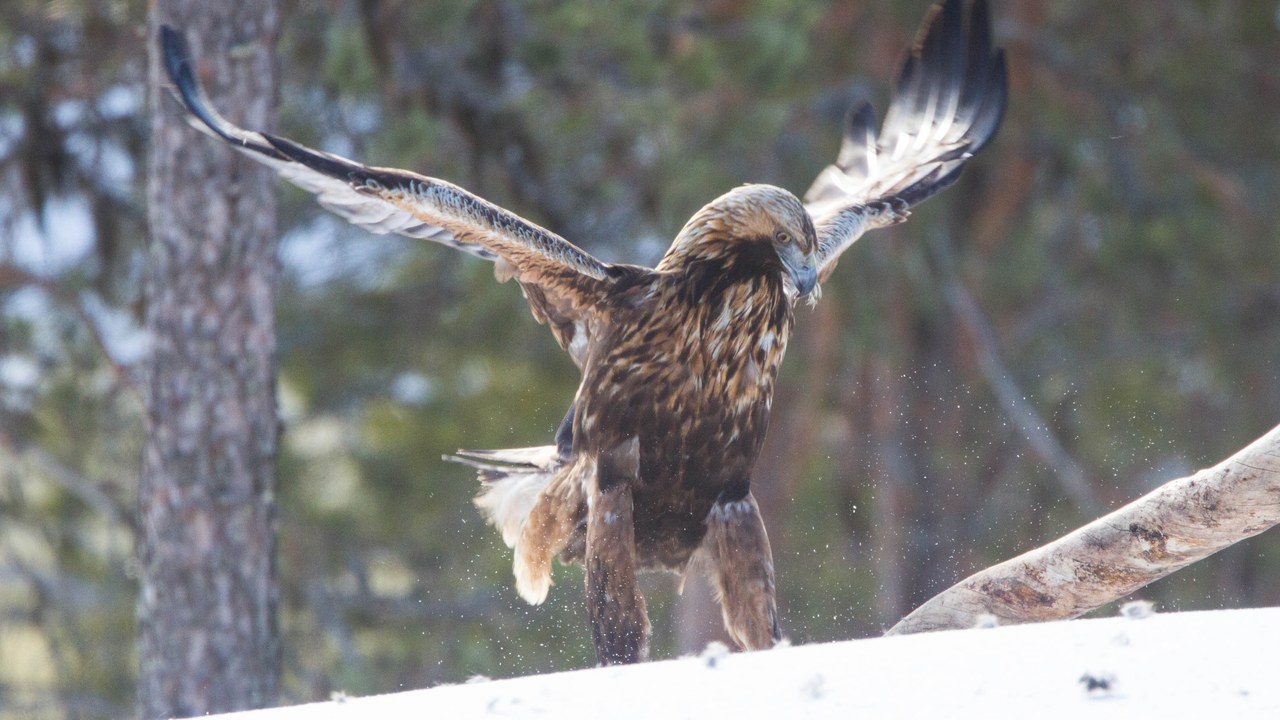
Like the falcon, the golden eagle hunts by stooping, tucking its wings and dropping onto prey at speeds the American Eagle Foundation places between 150 and 200 miles per hour. Its powerful hunting glides, used to cover open terrain while scanning for rabbits and marmots, still run as fast as 120 miles per hour.
A wingspan that can top seven feet gives it the lift to climb high before committing to a dive. That combination of size and speed lets a single bird patrol territory measured in dozens of square miles.
4. Pronghorn: The Endurance Sprinter Of The Plains
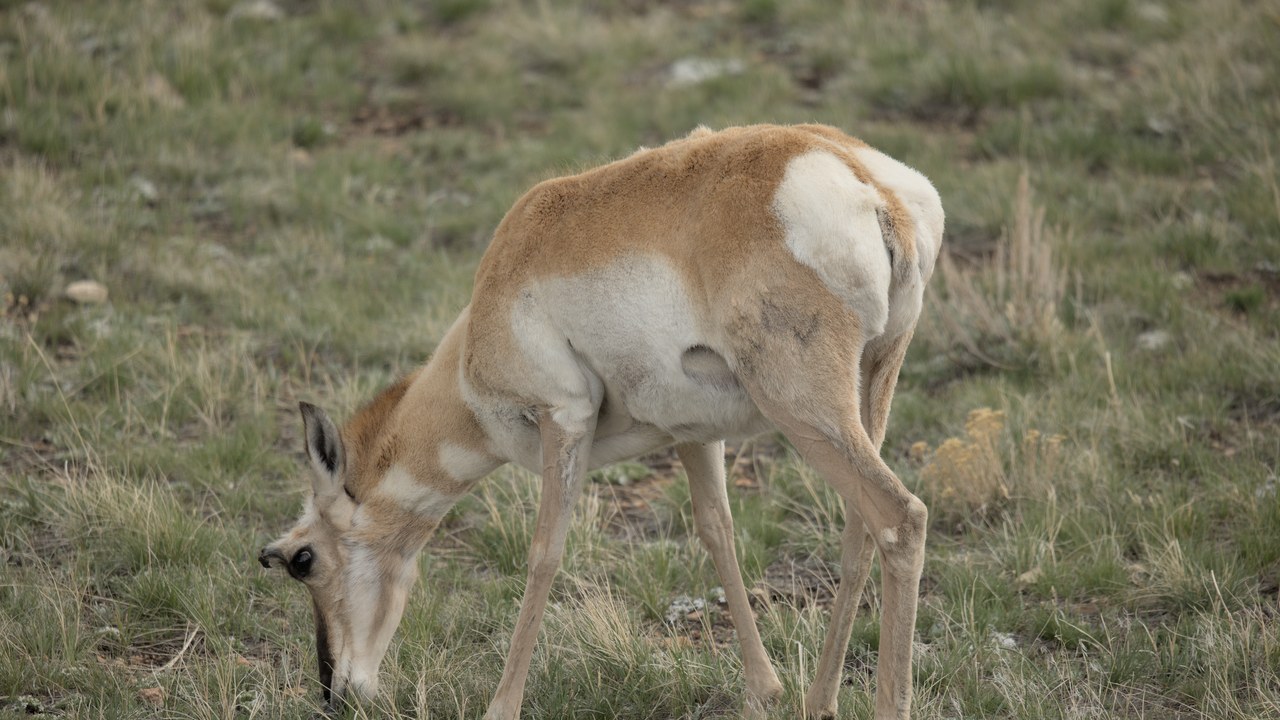
The National Park Service says the pronghorn’s sustained speed reaches 55 miles per hour for half a mile, a pace no living predator across its range can match over that distance. Oversized lungs, a large heart, and light bones built for distance rather than a single burst explain the stamina behind that number.
The trait is often traced to an extinct American cheetah that once hunted it on the same plains, a predator gone for roughly ten thousand years. Modern threats such as fencing and vehicle traffic now pose more danger than any chase ever could.
5. Brazilian free-tailed bat: A Record For Horizontal Flight
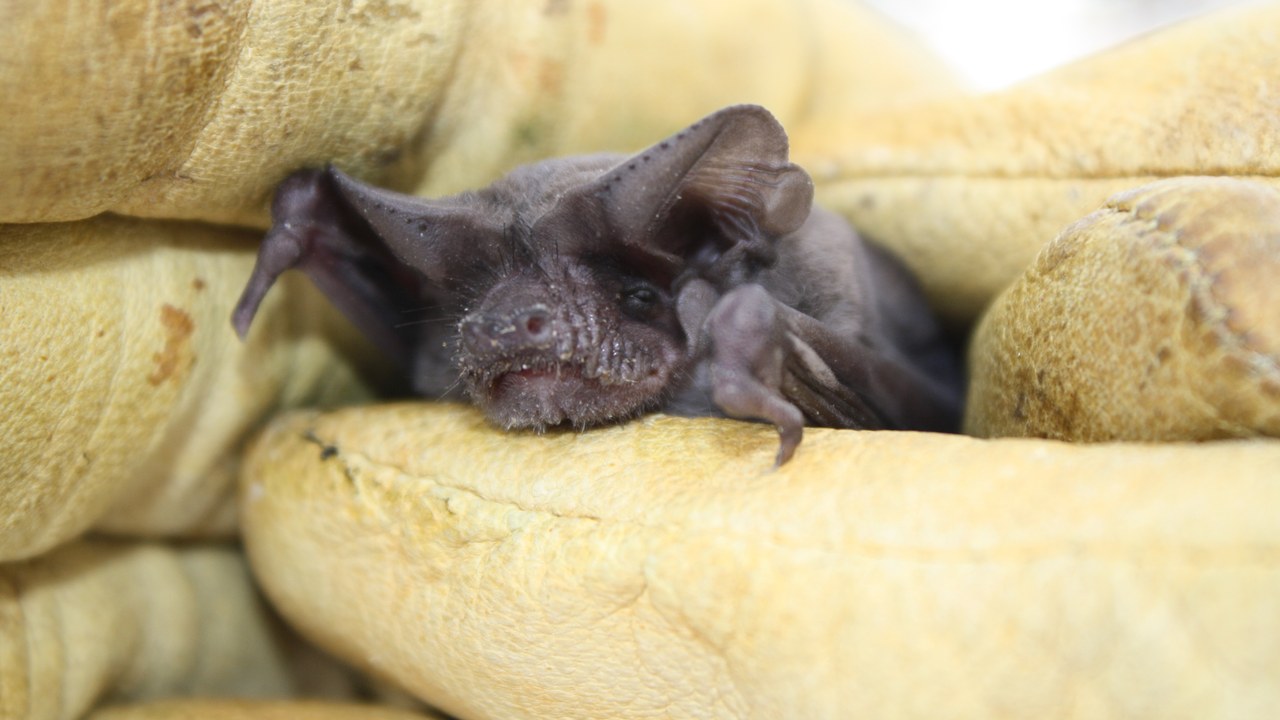
Using aircraft-mounted radio tracking, researchers clocked female Brazilian free-tailed bats flying above 160 kilometers per hour, or roughly 100 miles per hour, in level, powered flight. The Max Planck Society study that produced the number describes it as a record for horizontal flight, ahead of any bird ever measured the same way.
The bats reach that pace on long-distance foraging flights, not in short bursts, using tailwinds and high-altitude air to help sustain it. Colonies can number in the millions, and matching that speed over distance lets them cover a wide range of airspace each night.
6. Grey-headed albatross: Riding A Storm To A Speed Record
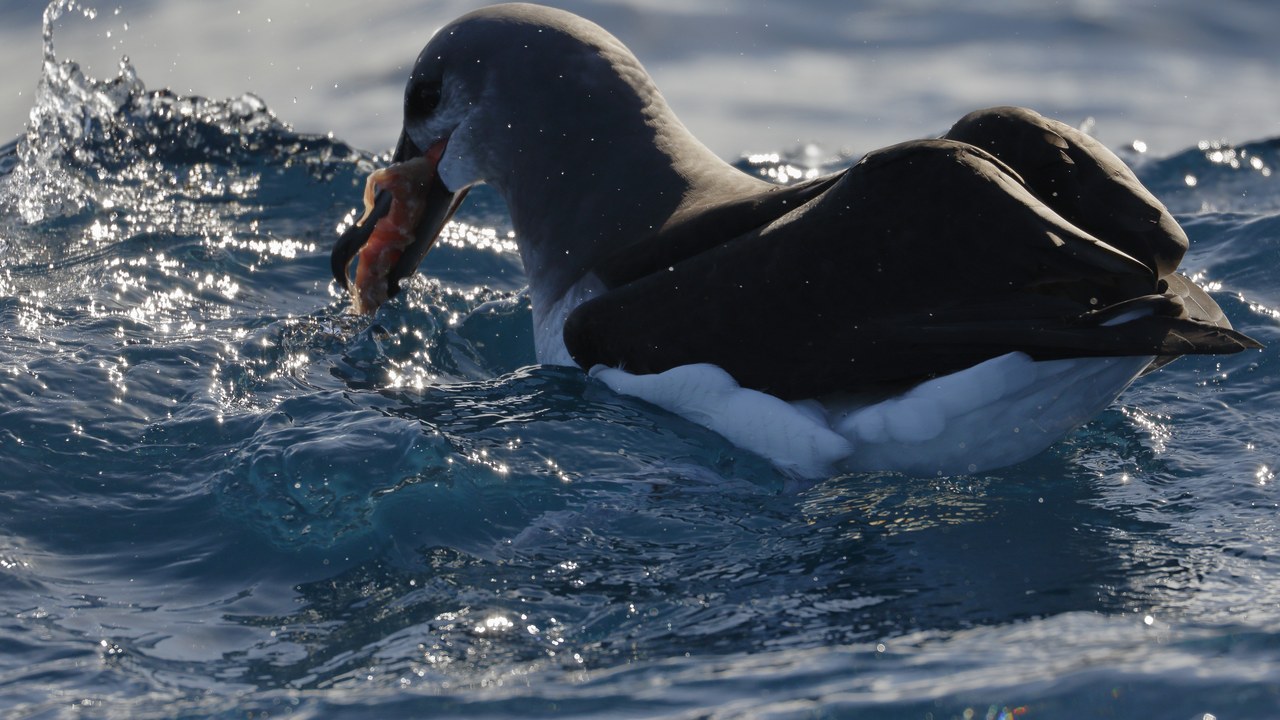
A satellite-tagged grey-headed albatross averaged 127 kilometers per hour, about 78.9 miles per hour, for more than eight straight hours while riding an Antarctic storm, a mark recognized by Guinness World Records for sustained speed. The bird did not flap continuously; it locked its long, narrow wings and let the gale do the work.
That technique, called dynamic soaring, lets albatrosses cross vast stretches of the Southern Ocean while barely spending energy. Storm systems that ground most aircraft and ships instead become a source of free propulsion for a bird built to exploit them.
7. Common swift: The Fastest Bird Clocked Level

Researchers at Lund University measured a common swift at 111.6 kilometers per hour, about 69 miles per hour, in level, powered flight, the fastest speed ever scientifically clocked for a bird flying that way rather than diving. Unlike a stooping falcon, the swift produced that number without gravity’s help, using rapid wingbeats alone.
Common swifts spend nearly their entire lives airborne, eating, mating, and even sleeping on the wing, landing mainly to nest. That near-constant flight is part of why the species was positioned to set the level-flight record in the first place.
8. Anna’s hummingbird: Small Bird, Absurd G-Forces

The male Anna’s hummingbird stages a courtship dive that tops 60 miles per hour, a speed National Geographic reported works out to about 385 body lengths per second, a ratio that beats a diving peregrine falcon and even a fighter jet in afterburner. It pulls out of the dive hard enough to generate forces that would black out a human pilot.
Its throat feathers flare and its tail fans out at the bottom of the dive to produce a loud chirp aimed at a watching female. The display lasts only a couple of seconds.
9. Shortfin mako shark: The Ocean’s Fastest Predator
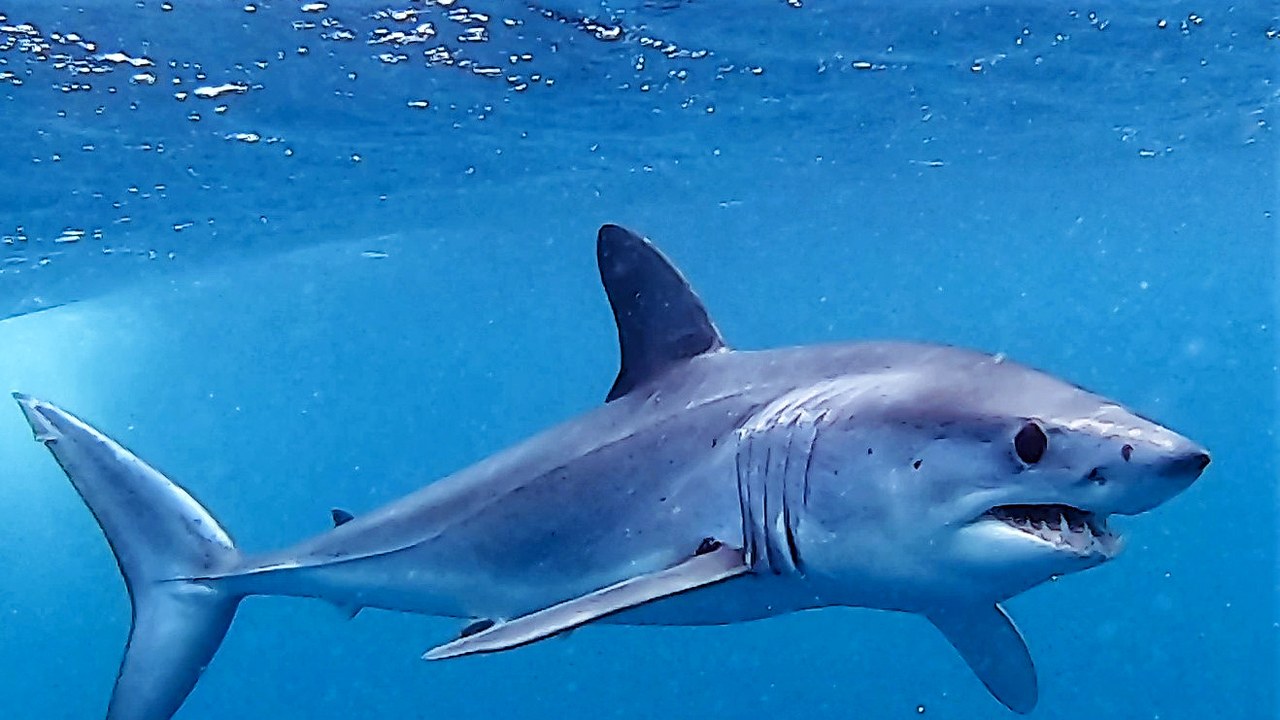
The shortfin mako shark is recognized by the Florida Museum of Natural History as the fastest shark in the ocean, capable of burst swimming speeds up to 43 miles per hour, or about 70 kilometers per hour. A streamlined, torpedo-shaped body and a crescent-shaped tail built for rapid propulsion drive those bursts.
It can also leap clear of the water, sometimes many feet into the air, when chasing prey like tuna and swordfish near the surface. That combination of speed and power makes it one of the most capable open-ocean hunters alive.
10. Common ostrich: Outrunning Everything On Two Legs
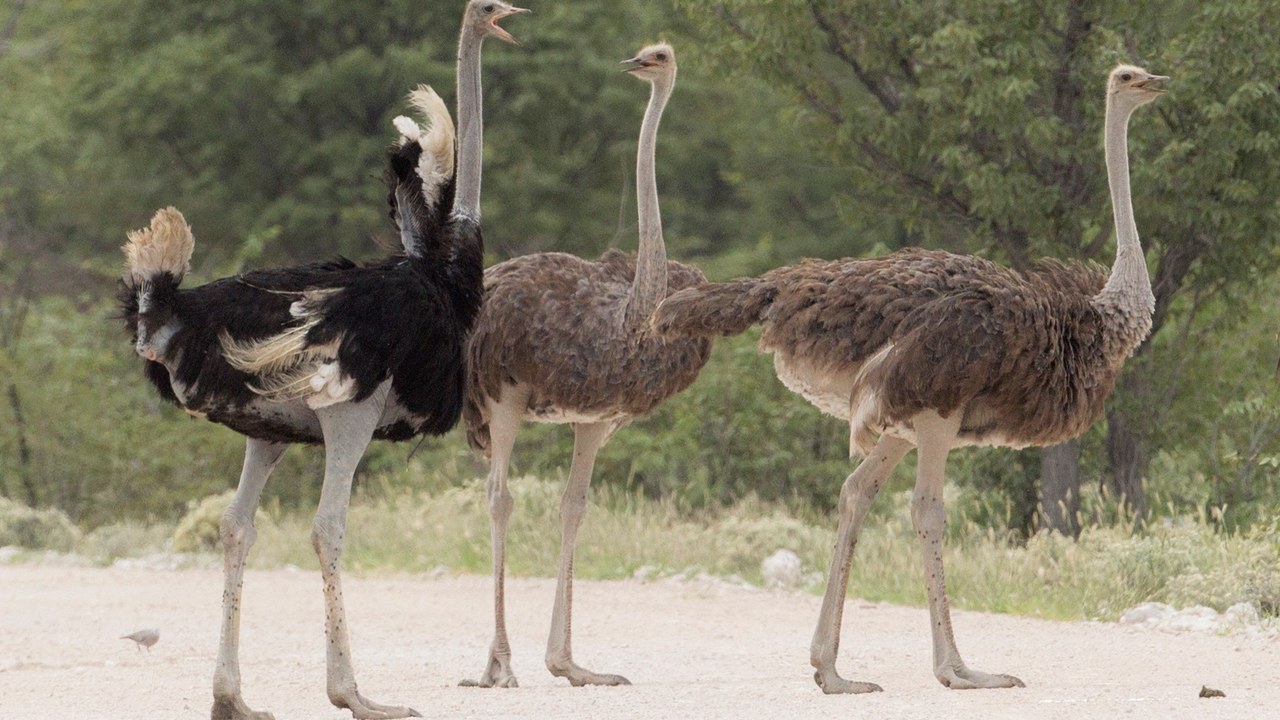
The common ostrich, the largest living bird, sprints in short bursts up to 43 miles per hour and can hold a steady pace of 31 miles per hour, according to the San Diego Zoo. Long, powerful legs and just two toes per foot, one of them enlarged like a hoof, give it the leverage a flightless bird needs to outrun most predators on open ground.
A single stride can cover roughly 10 to 16 feet, and a hard kick from one of those legs can be dangerous enough to deter a lion. Speed, not flight, is the ostrich’s main defense on the open plains it calls home.
More from Morning Overview
