
Long before modern cities, great civilizations built capitals in some of the densest forests on Earth. When those societies faded, the jungle moved in, swallowing temples, plazas and palaces for centuries. Here are ten ancient cities that were hidden in the world’s jungles, from Cambodia to Central America and the Andes.
Read next on Morning Overview: Zero Motorcycles unveiled an electric motorcycle targeted at under $8K and a street-legal dirt bike at EICMA
1. Angkor Wat: The Crown of the Khmer Empire
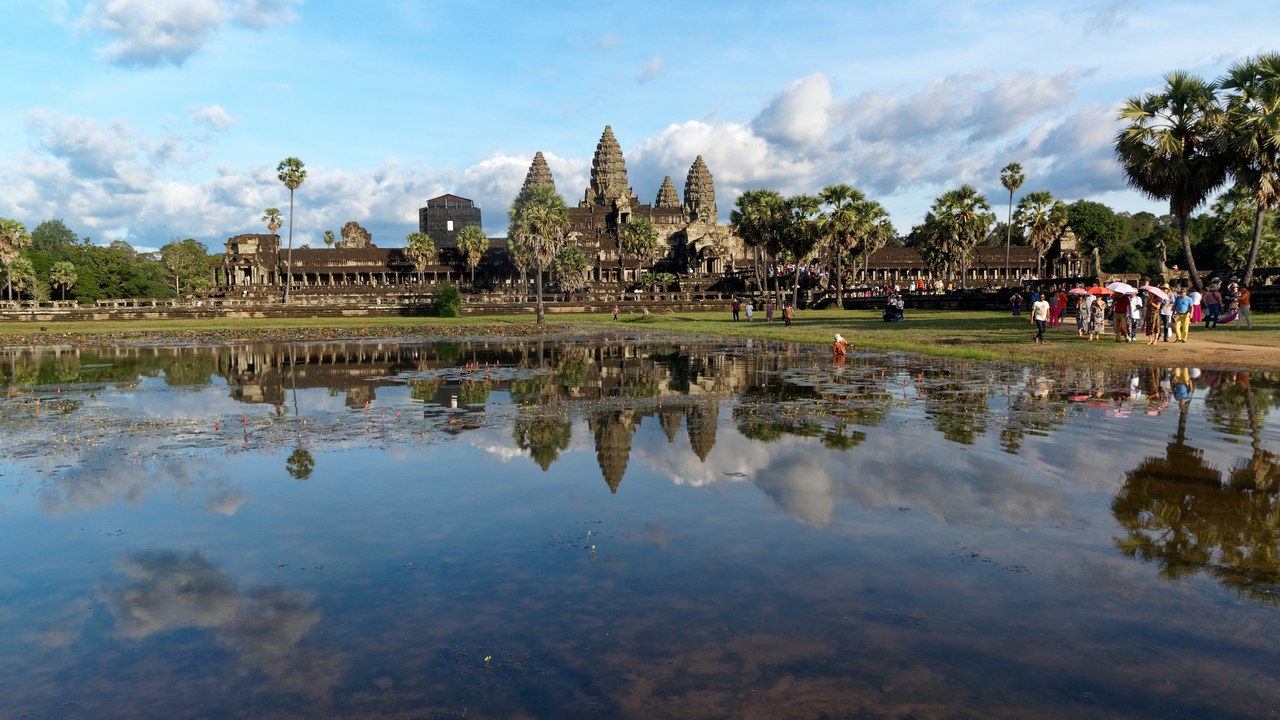
Angkor Wat is the best known monument in a far larger complex. According to UNESCO’s listing, Angkor Archaeological Park stretches over some 400 square kilometres, including forested land, and holds the remains of successive Khmer Empire capitals from the 9th to the 15th century.
The site in Cambodia’s Siem Reap province is counted among the most important archaeological sites in Southeast Asia. Beyond its scores of temples, it includes hydraulic works such as basins, dykes, reservoirs and canals, evidence of an engineered city that once ran on carefully managed water before the forest closed in around it.
2. Machu Picchu: The Inca City in the Clouds
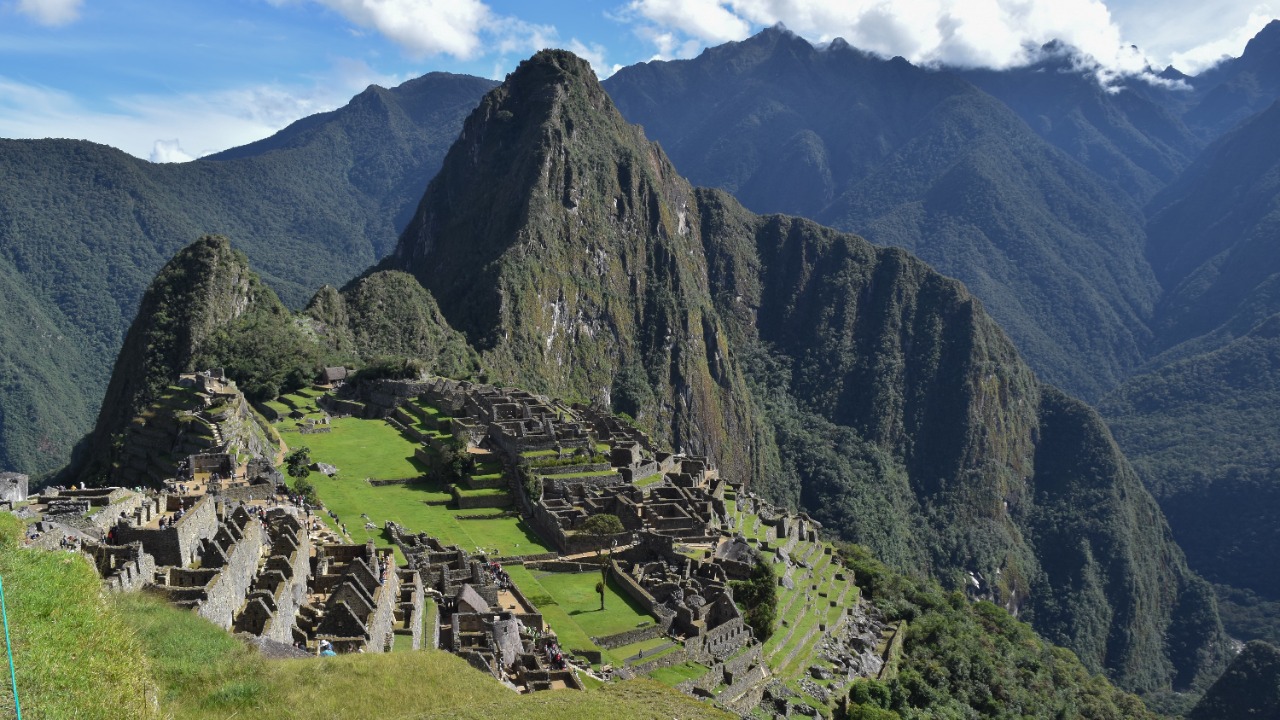
Machu Picchu stands 2,430 metres above sea level in the middle of a tropical mountain forest. UNESCO describes it as probably the most amazing urban creation of the Inca Empire at its height, with giant walls, terraces and ramps that seem carved out of the rock itself.
The sanctuary sits where the Peruvian Andes meet the Amazon Basin, a setting UNESCO counts among the greatest architectural and land-use achievements anywhere. Its isolation on a steep ridge is part of what preserved it. Today it is the most significant tangible legacy of the Inca civilization and one of the most visited ruins on the planet.
3. Tikal: A Maya Capital in Guatemala’s Jungle
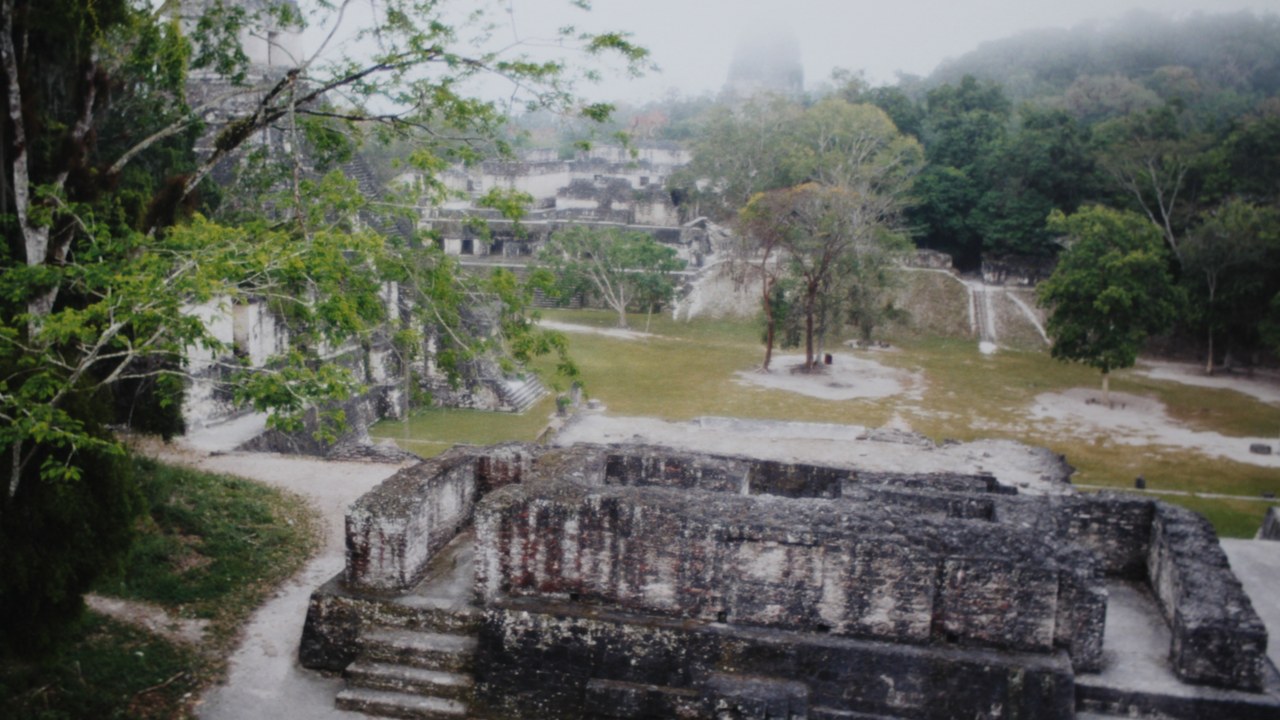
In the heart of the jungle, surrounded by lush vegetation, lies Tikal, one of the major sites of Maya civilization. According to UNESCO’s description, it was inhabited from the 6th century BC to the 10th century AD, and its ceremonial centre holds superb temples, palaces and public squares reached by ramps.
Tikal was a major political, economic and military centre. An inner urban zone of about 400 hectares contains its principal monumental architecture. Research there has turned up numerous buildings and carved monuments showing sophisticated technical, intellectual and artistic achievement, from the arrival of the first settlers around 800 BC to its final stages.
4. Calakmul: Deep in Mexico’s Tropical Forest

The Maya city of Calakmul sits deep in the tropical forest of southern Mexico, in the central and southern part of the Yucatan Peninsula. According to UNESCO’s listing, the city played a key role in the history of the region for more than twelve centuries.
The surrounding forest is part of the second-largest expanse of tropical forest in the Americas, surpassed only by the Amazon. Excavations at Calakmul have revealed stucco friezes and mural paintings inside massive temple pyramids and palaces, along with burials of kings and nobles.
5. Palenque: Overgrown and Then Restored
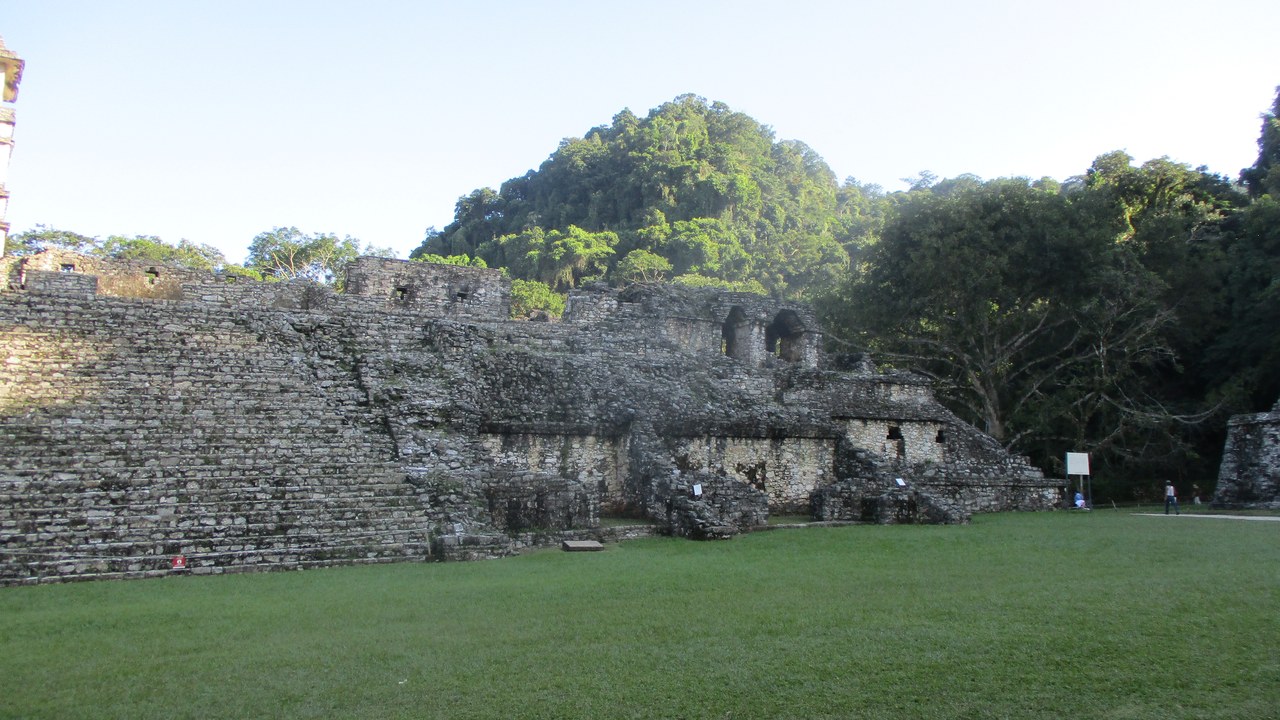
Palenque reached its height between AD 500 and 700, building some of the finest sculpted reliefs in the Maya world. After the city’s decline, a jungle of cedar, mahogany and sapodilla trees overgrew it, according to UNESCO’s site record, though it has since been excavated and restored.
UNESCO notes the city was abandoned around the 9th century, and the thick jungle that covered its temples and palaces largely protected them from looting. That is part of why Palenque bears such a rich testimony to Maya mythology and ritual, especially in the remarkable number of reliefs carved on the interior walls of its buildings.
6. Ciudad Perdida: Colombia’s Lost City
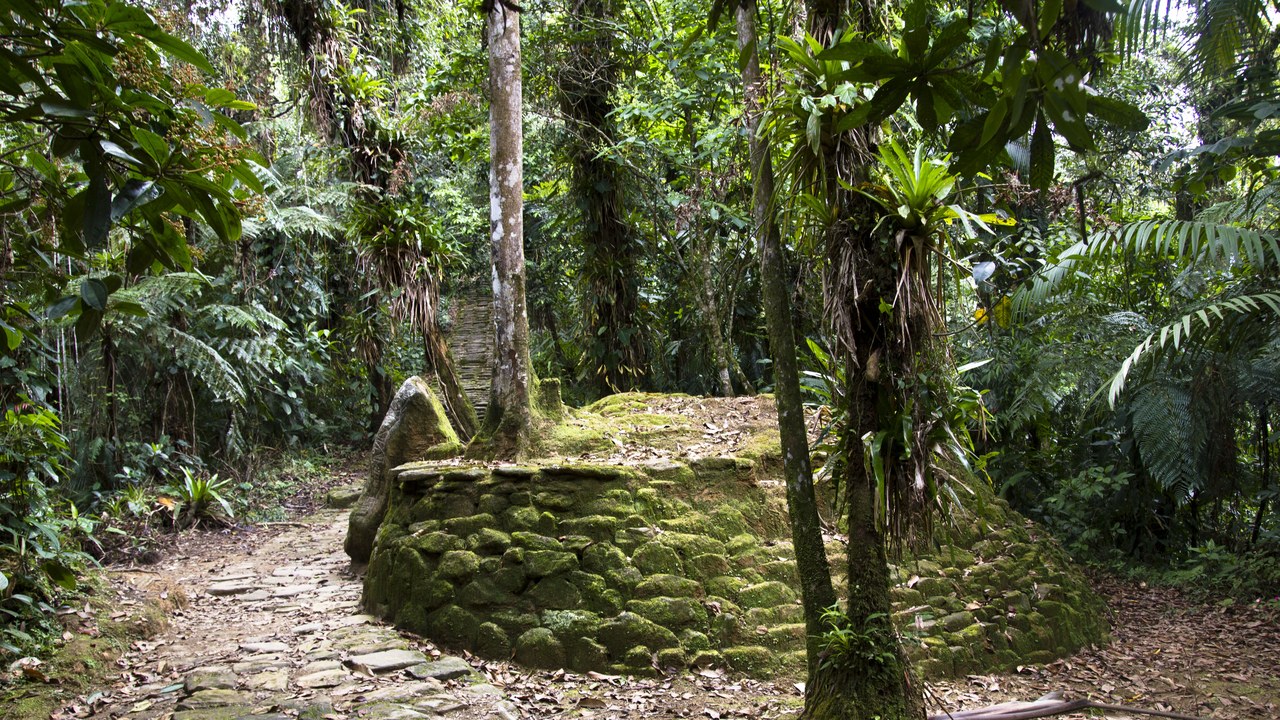
Ciudad Perdida, also called Teyuna, lies in the Sierra Nevada de Santa Marta of Colombia. It is believed to have been founded about AD 800, which would make it some 650 years older than Machu Picchu, according to its Wikipedia entry. The city is built on 169 terraces carved into the mountainside.
It also includes a network of tiled roads and several small circular plazas. Reaching the entrance means climbing about 1,200 stone steps through dense jungle. The site was rediscovered in 1972 by a family of local treasure looters, who stumbled on a series of stone steps while retrieving a bird they had shot in the forest.
7. Caracol: Bigger Than Belize City
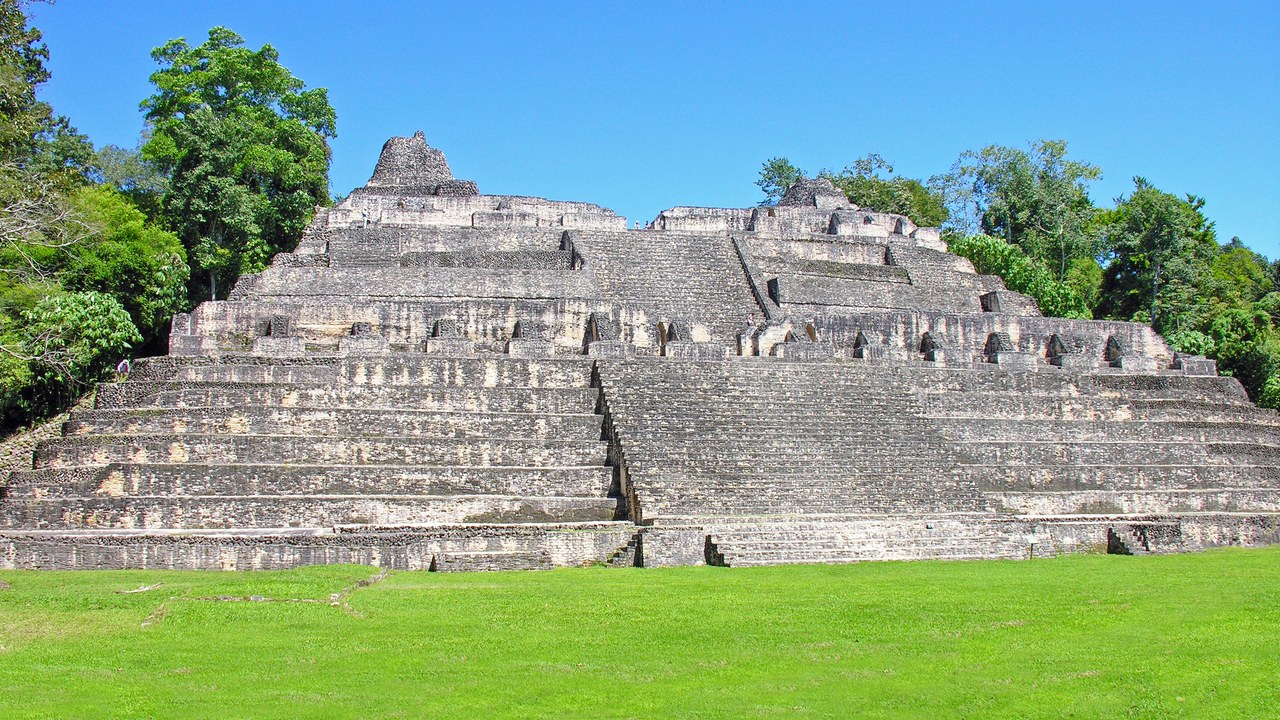
Caracol, in Belize’s Cayo District, was a sprawling Maya metropolis. At its peak it covered about 200 square kilometres, an area much larger than present-day Belize City, and supported more than twice that city’s population, according to the site’s Wikipedia entry.
A logger searching for mahogany trees first reported its remains in 1937. The largest building, Caana, meaning sky palace, rises 43 metres and is still the tallest man-made structure in Belize. An archaeological project led by Arlen and Diane Chase has worked at the site every year since 1985, slowly mapping a city the forest had hidden.
8. Copán: Honduras’ Great Maya Center
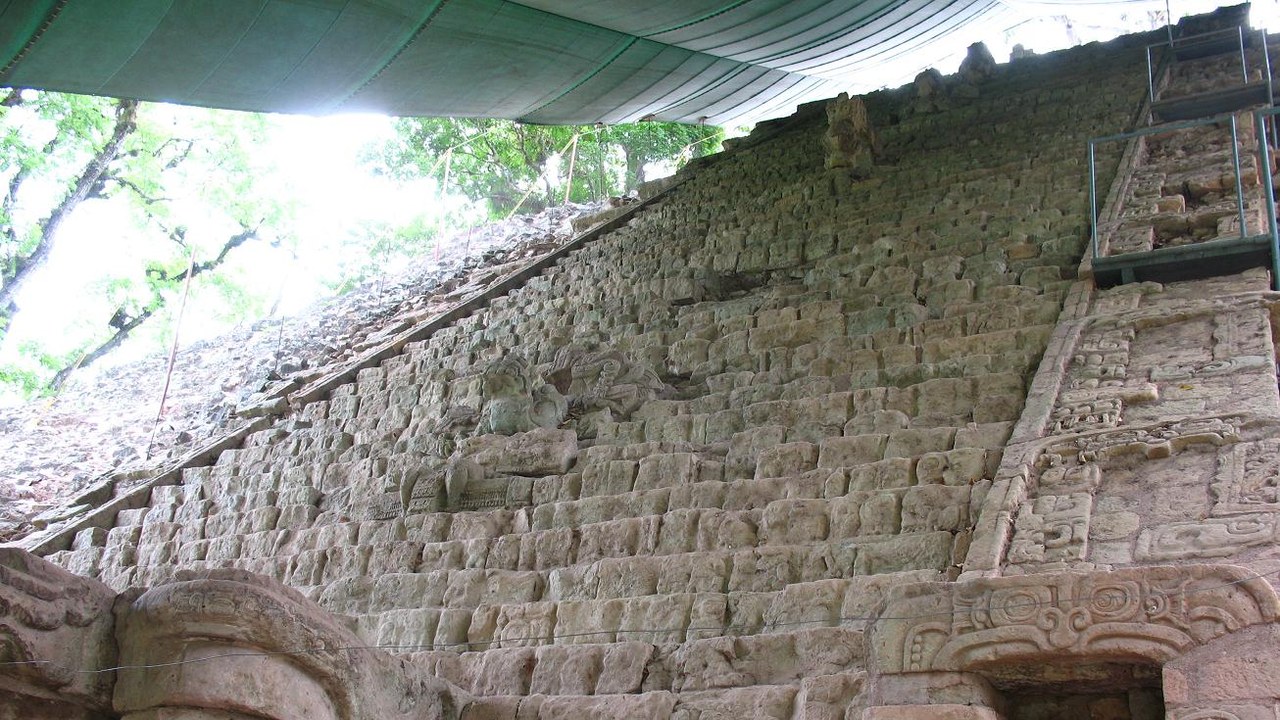
Copán, in western Honduras near the border with Guatemala, is one of the most important sites of the Maya civilization. Its population declined across the 8th and 9th centuries, and the city was not excavated until the 19th century, according to the Copán entry.
Its numbers fell from perhaps more than 20,000 people in the city to fewer than 5,000, a decline that took centuries. Copán is famous for its well-preserved architecture and carved monuments, including a Hieroglyphic Stairway that records its rulers. It was declared a UNESCO World Heritage Site in 1980.
9. Ta Prohm: The Temple Held by Tree Roots
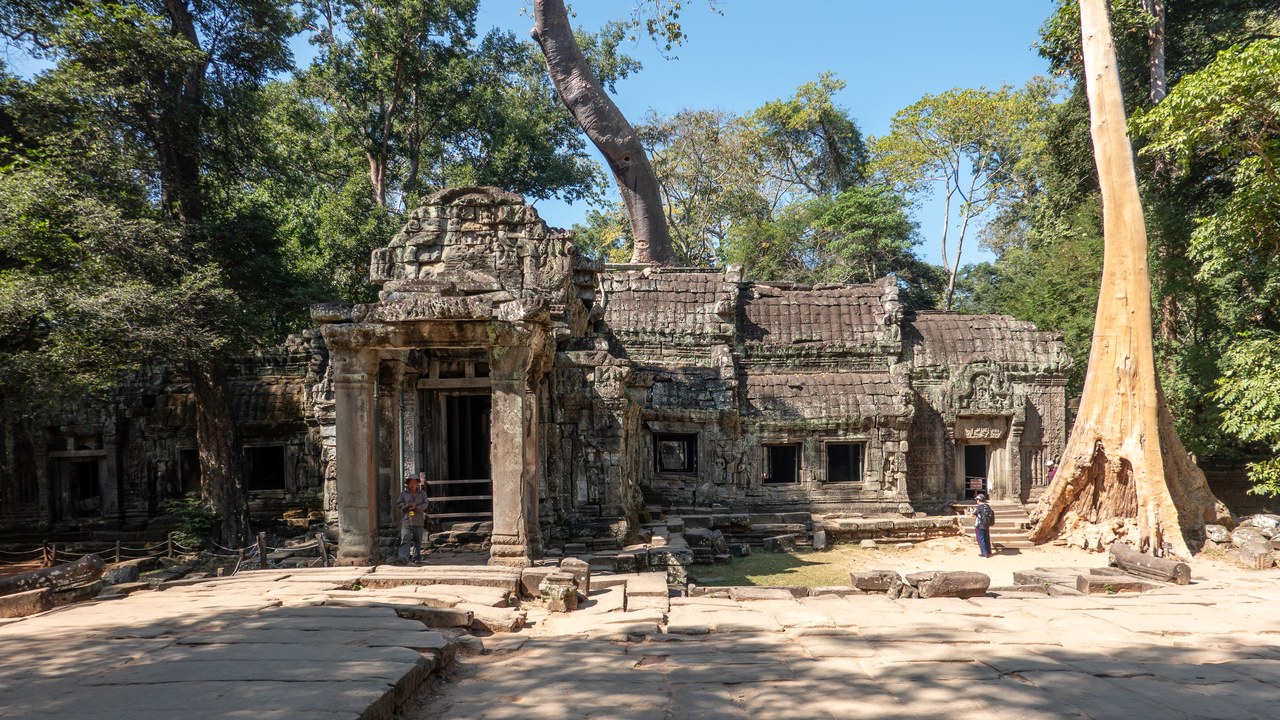
Ta Prohm was founded by the Khmer king Jayavarman VII and completed in 1186 as part of a massive building program. The temple was built without mortar, and after it was abandoned, trees took root in the loosened stones, according to its Wikipedia entry.
Those trees growing out of the ruins, along with the jungle setting, have made it one of the most popular temples near Siem Reap. It sits about a kilometre east of Angkor Thom. Many visitors know it as the Tomb Raider temple because of its appearance in the 2001 film starring Angelina Jolie.
10. Koh Ker: A Remote Capital Reclaimed by Forest
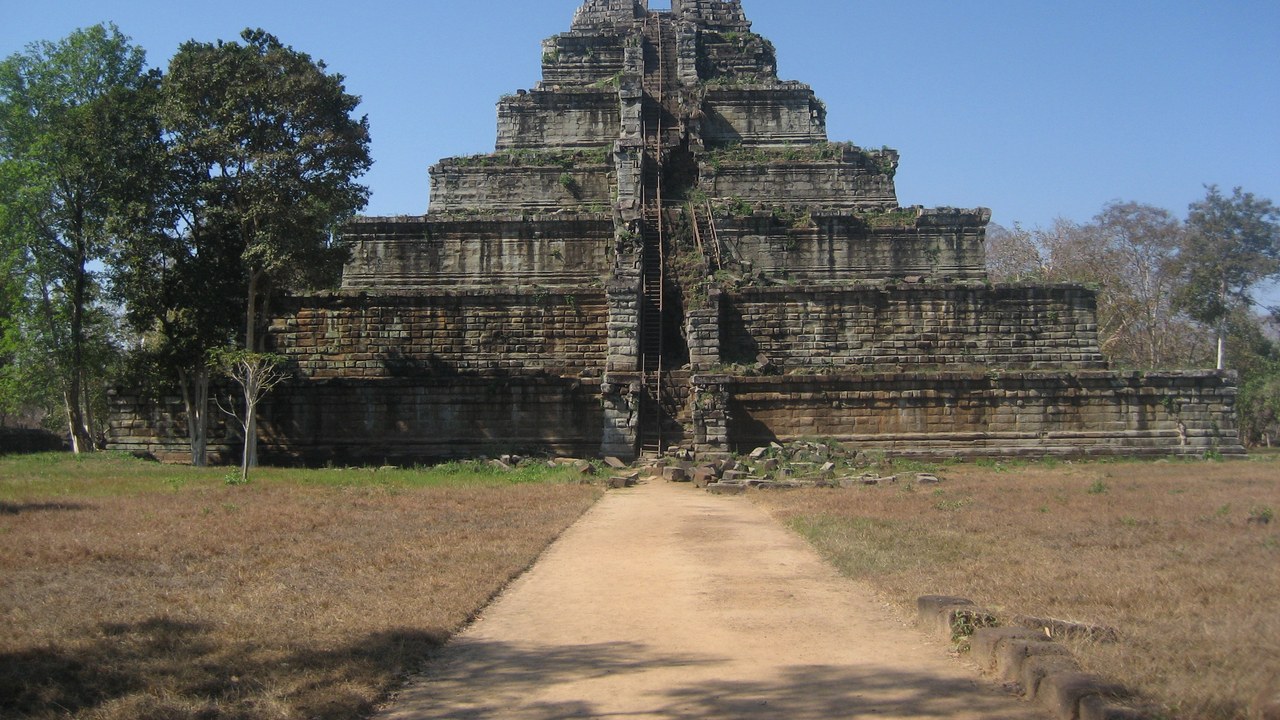
Koh Ker is a remote, jungle-filled site in northern Cambodia about 120 kilometres from Siem Reap. More than 180 sanctuaries have been found within a protected area of 81 square kilometres, according to the Koh Ker entry.
For a brief period, from 928 to 944 AD, under the kings Jayavarman IV and Harshavarman II, it was the capital of the whole Khmer Empire. Jayavarman IV launched an ambitious building program that included an enormous water tank and about forty temples. Its remoteness later left it open to looters, and French explorers only brought word of it to Europe in the late 19th century.
More from Morning Overview
- Melting permafrost is setting off a newly identified kind of catastrophic landslide, scientists say
- Cadillac cut the price of its cheapest EV, which goes up to 317 miles on a charge
- Winter weather advisories cover I-80, I-70 and the Bighorns with up to 15 inches of snow
- Arizona’s governor declared a statewide emergency after Flagstaff logged its wettest Nov. 1 on record
