
Long before written records, communities dragged enormous stones across great distances and set them in careful rings and rows. Archaeologists have learned how many of these monuments were built, but they still know far less about why they were raised. Here are ten stone circles that still puzzle archaeologists.
Read next on Morning Overview: Cadillac cut the price of its cheapest EV, which goes up to 317 miles on a charge
1. Stonehenge: A Stone From 450 Miles Away
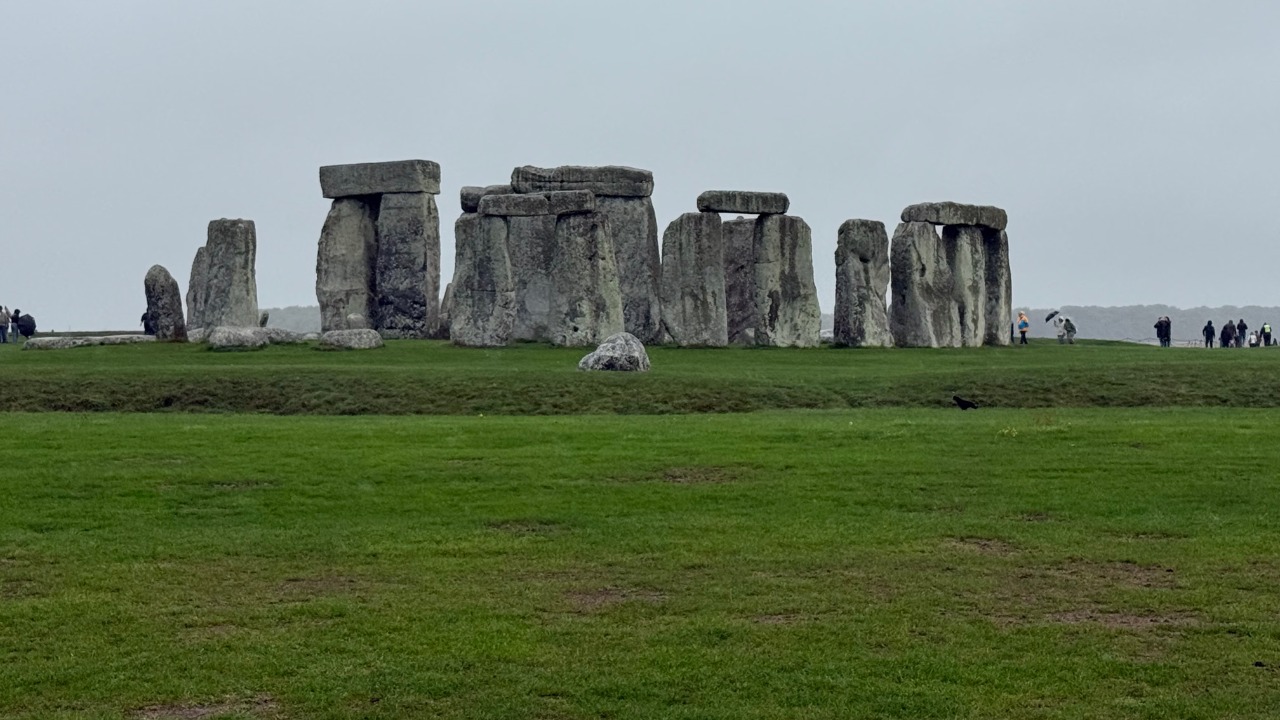
Researchers found that Stonehenge’s six-ton Altar Stone came from Scotland, more than 450 miles away, according to NBC News coverage of the study. The team thinks the stone was most likely moved by boat rather than overland.
The finding upended the long-held belief that the stone came from Wales, like the smaller bluestones. Moving a six-ton slab that far would have required planning and cooperation across Britain, which suggests the monument mattered far beyond its local area. It remains the best-known prehistoric monument in Europe.
2. Avebury: Britain’s Largest Stone Circle
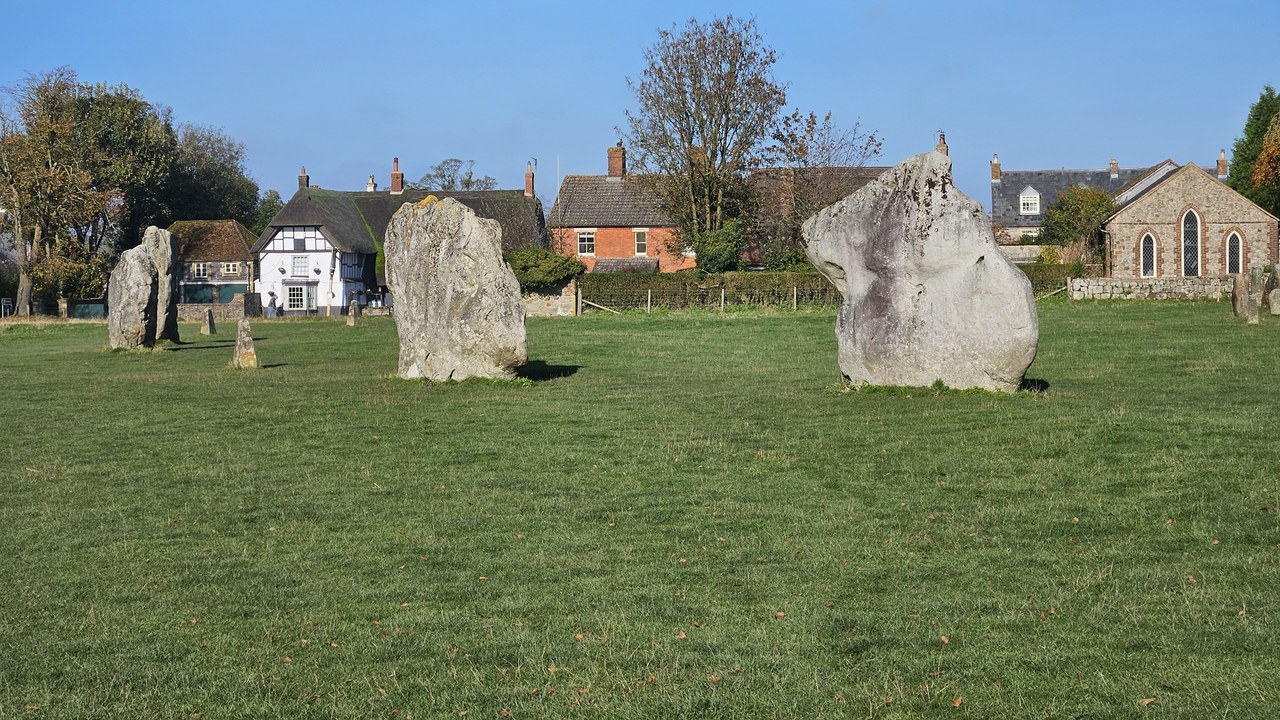
Avebury’s henge stretches more than 340 m across and holds the largest stone circle in Britain, with stones weighing almost 50 tons, according to a Simon Fraser University guide to British henges.
A village grew up inside the monument, and some stones were broken up or buried in later centuries. Today houses, a pub and a road sit within the great circle, making Avebury one of the few prehistoric monuments people can walk through freely. The site is cared for by the National Trust.
3. Ring of Brodgar: Only 27 of 60 Stones Remain
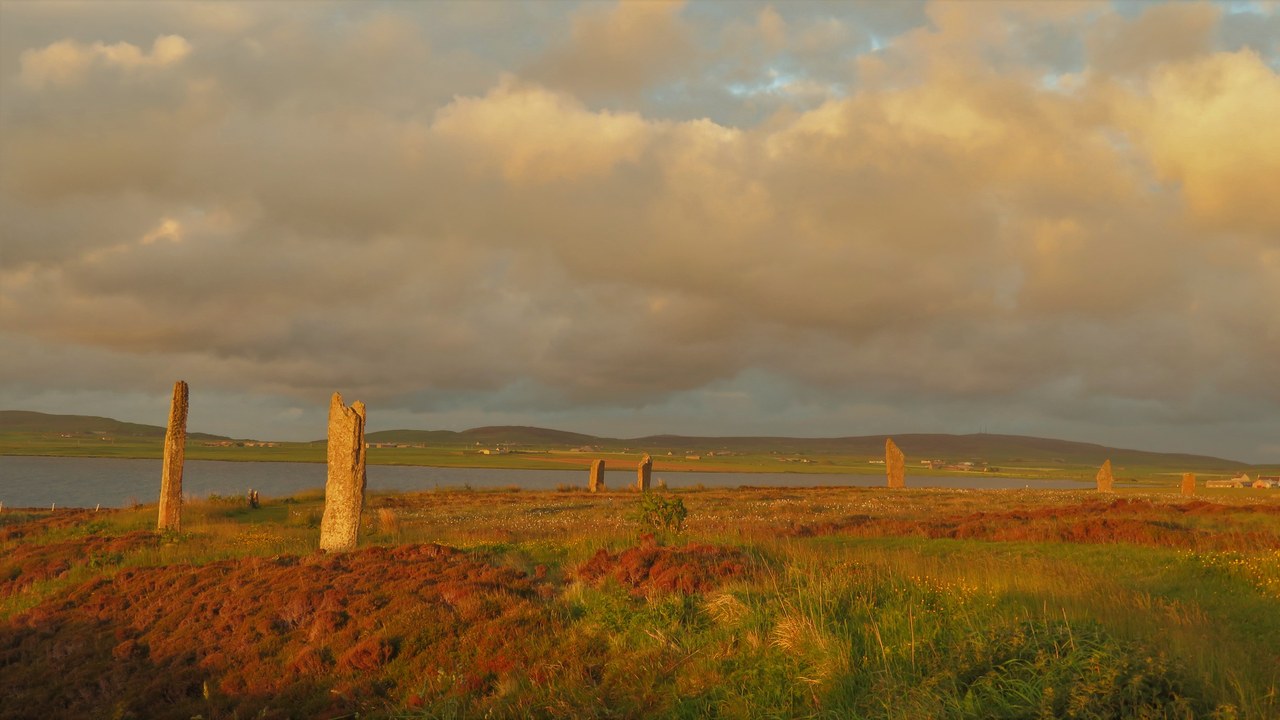
The Ring of Brodgar in Orkney once held 60 stones, but only 27 remain standing today. Some researchers believe the circle was built to observe the sky, though its exact purpose is still unknown.
The ring sits on a narrow strip of land between two lochs, close to other major Neolithic sites. Excavations nearby at the Ness of Brodgar have uncovered large stone buildings, adding to the sense that this landscape was a major ceremonial center. Visitors can walk the full ring.
4. Stones of Stenness: A Ring Inside a Henge
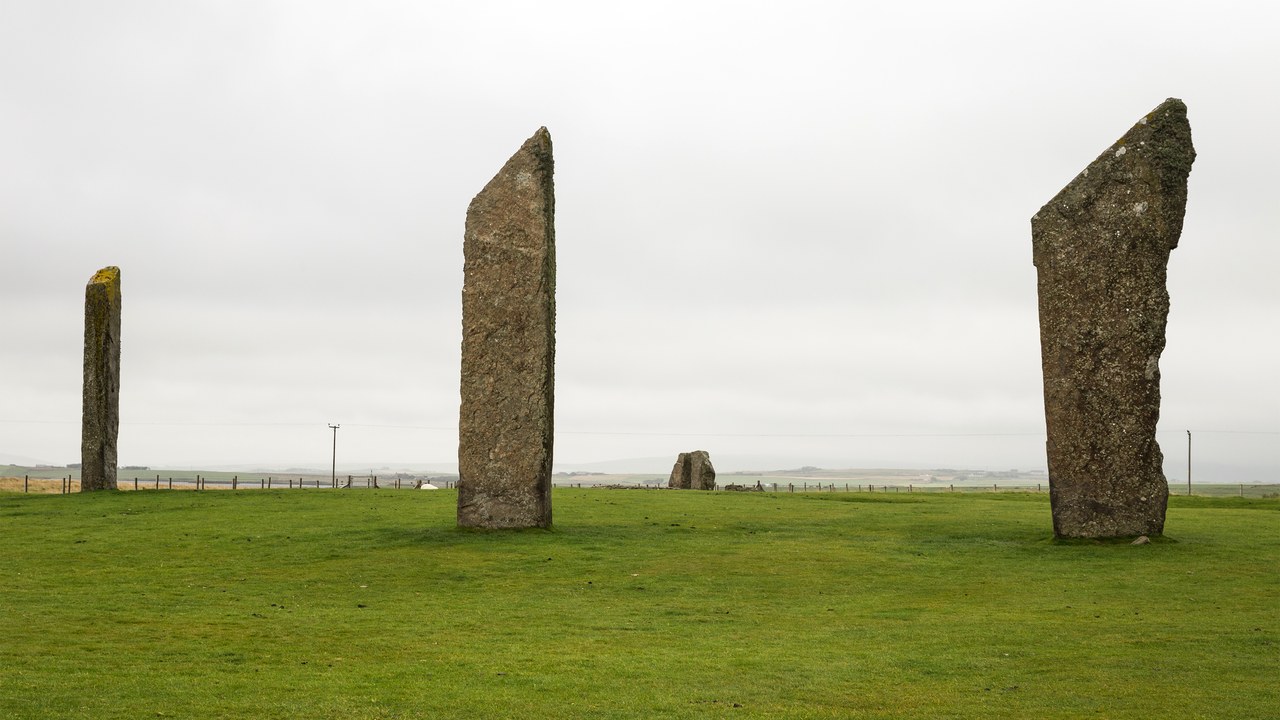
The Stones of Stenness in Orkney originally included 12 stones standing inside a henge, according to the Simon Fraser University henge guide. Many have since been removed, leaving only a few tall slabs.
The surviving stones are thin and dramatically tall, which makes them look different from most British circles. The site is among the oldest stone circles in the British Isles and sits within walking distance of the Ring of Brodgar. Some stones were toppled in the 1800s. Few remain.
5. Callanish Stones: An Observatory of Gneiss
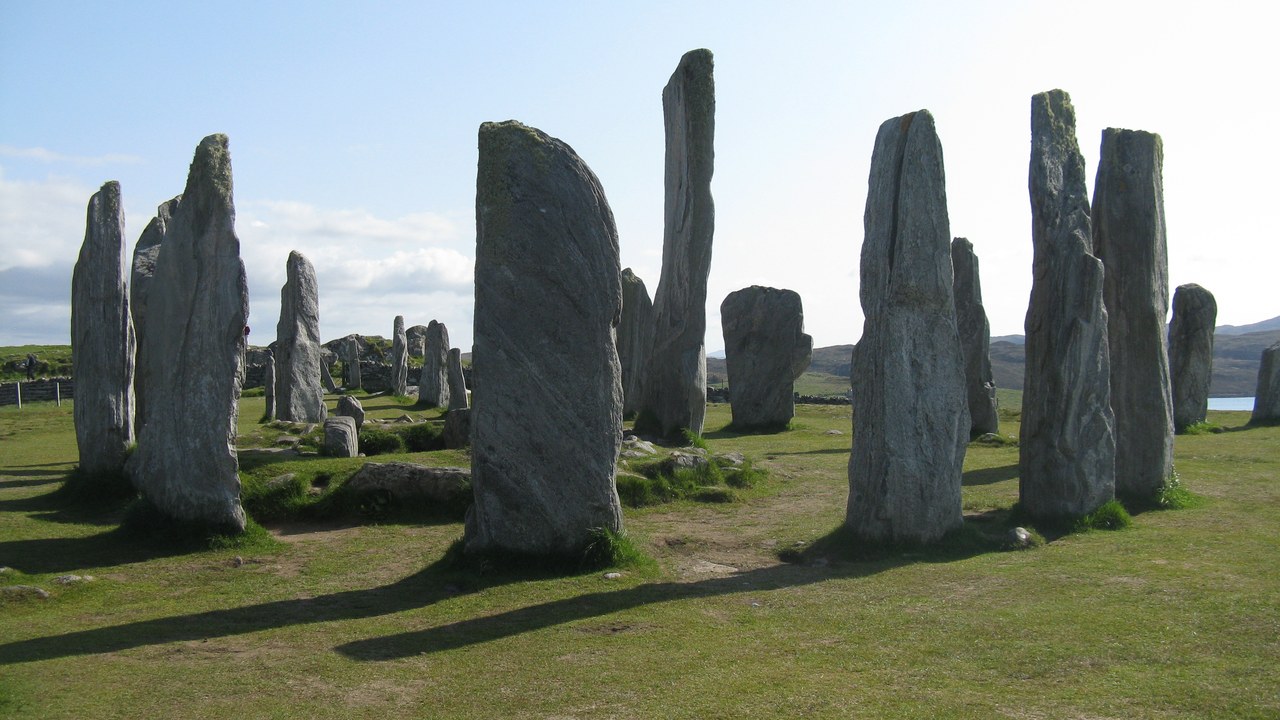
The Callanish Stones on the Isle of Lewis are made of local gneiss and are more than 5,000 years old. They are thought to have served as an astronomical observatory of some kind.
The stones are laid out in a cross shape with a central circle, a pattern unlike most other British monuments. Some researchers link the layout to the movements of the moon, which appears to skim low over nearby hills every 18.6 years. Visitors can still walk among the stones.
6. Castlerigg Stone Circle: A Rectangle Within the Ring
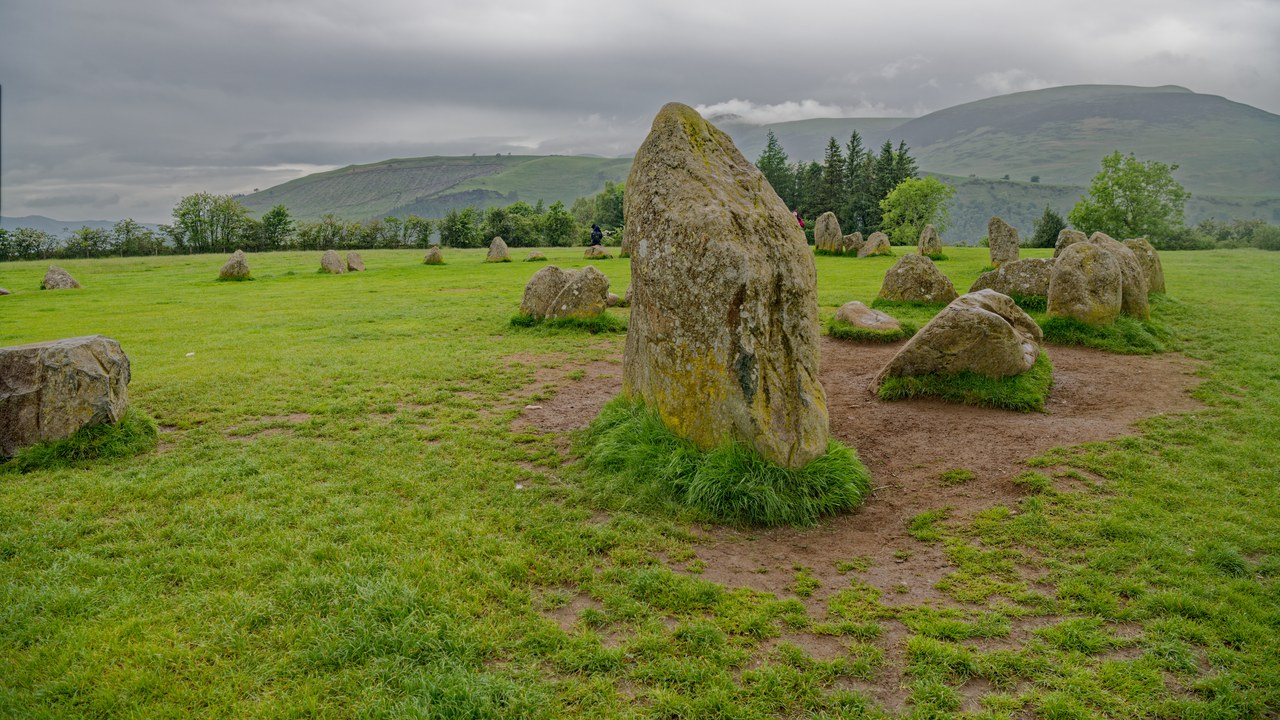
Castlerigg Stone Circle in England’s Lake District has 38 stones and a rectangular setting of stones inside the ring, according to the henge guide from Simon Fraser University. It may have served as a meeting place.
The circle sits on a plateau surrounded by mountains, and its setting is often called one of the most dramatic in Britain. The unusual rectangle inside the ring has no clear explanation and is part of what keeps the site puzzling. Its stones are local volcanic rock.
7. Long Meg and Her Daughters: Sixty-Nine Stones in a Ring
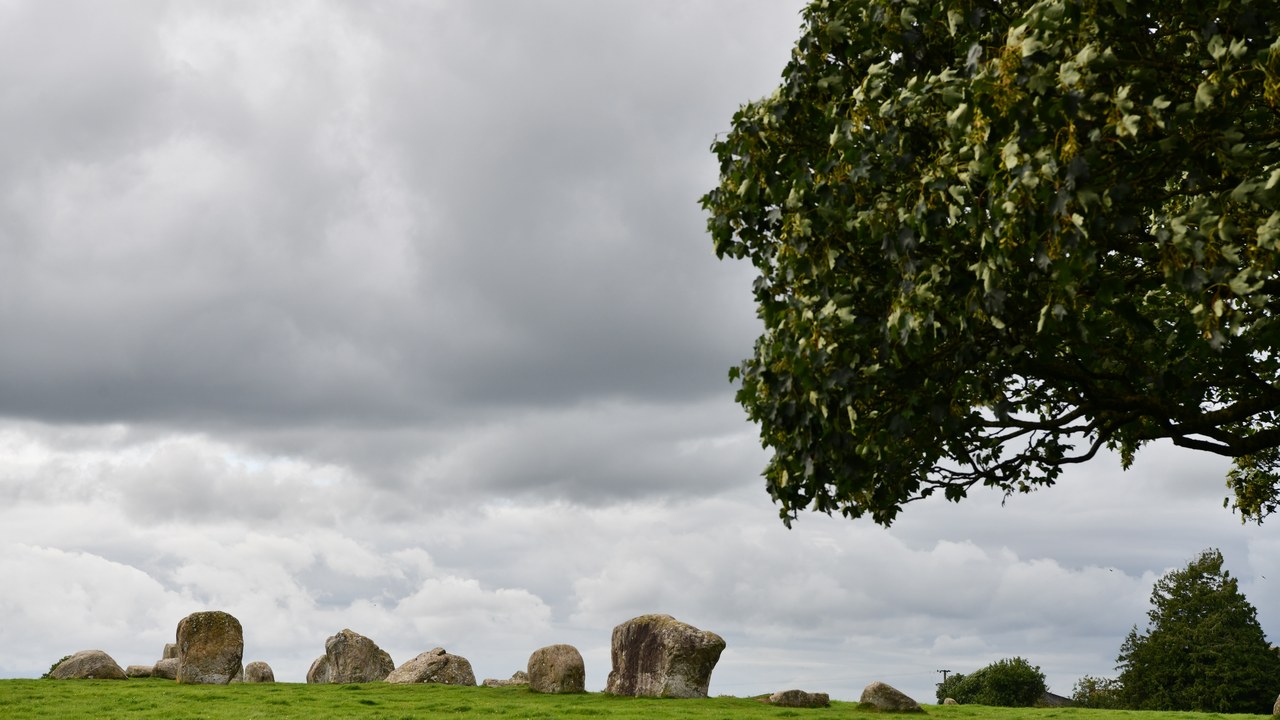
Long Meg and Her Daughters in Cumbria has 69 stones arranged in a ring about 350 feet (106 m) across. According to a roundup of mysterious stone circles, it was likely a meeting place or used for spiritual ceremonies.
Long Meg is a single tall outlier stone that stands apart from the circle and carries carved spiral markings. Local legend says the stones are a coven of witches turned to stone, a story that shows how long people have wondered about the site.
8. Drombeg Stone Circle: A Small Circle in County Cork
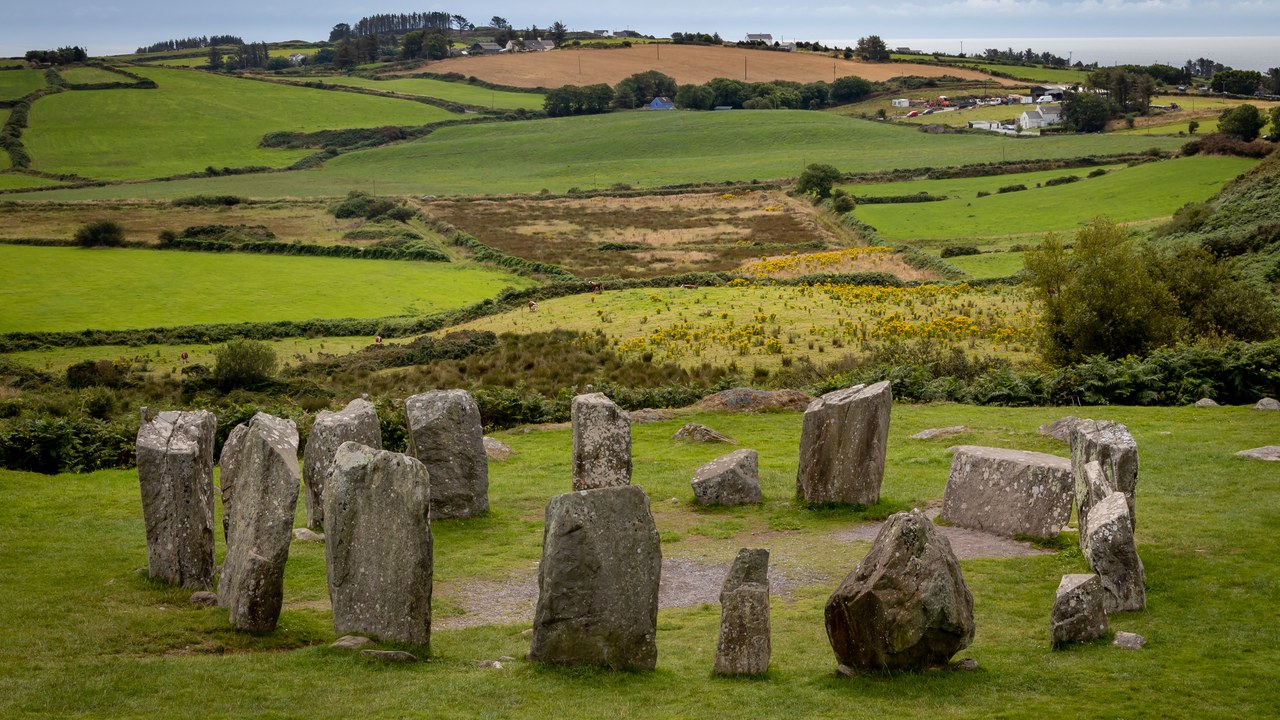
Drombeg Stone Circle in County Cork, Ireland, still holds 13 of its original 17 low stones, according to the same stone circle roundup. It is one of the best known of the many small circles in southwest Ireland.
Excavations found a cremation burial in the center, and the circle is aligned with the setting sun at the winter solstice. Nearby are the remains of huts and a cooking pit, which suggest people gathered here for more than ceremonies. The site is easy for visitors to reach.
9. Carnac stones: Thousands of Standing Stones
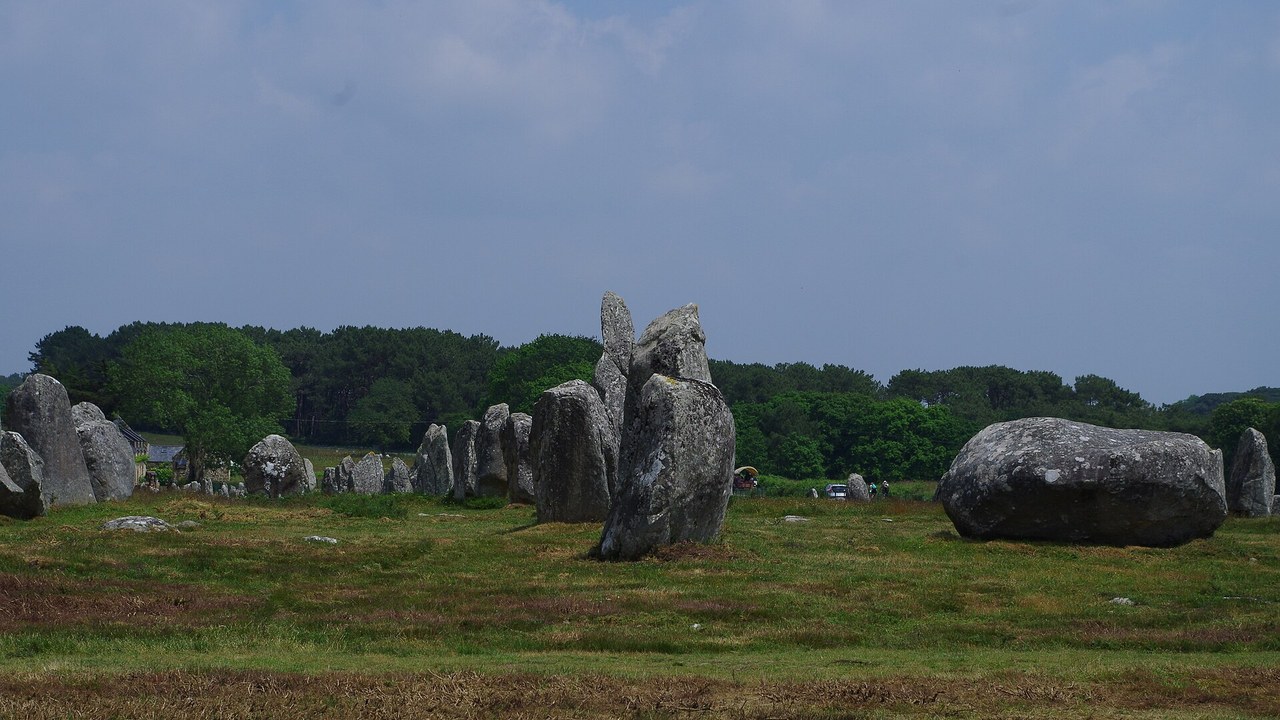
The Carnac stones in Brittany include more than 3,000 menhirs set in carefully arranged rows, and their purpose remains cloaked in mystery, according to France Today’s report on the site joining the UNESCO World Heritage list.
The rows stretch for kilometers across the countryside. Theories have ranged from astronomical calendars to territorial markers to monuments for the dead, and the sheer scale of the work has no simple explanation. Some stones stand taller than a person, and visitors can see the alignments from viewing platforms nearby.
10. Stone circles of Senegambia: West Africa’s Megalith Field
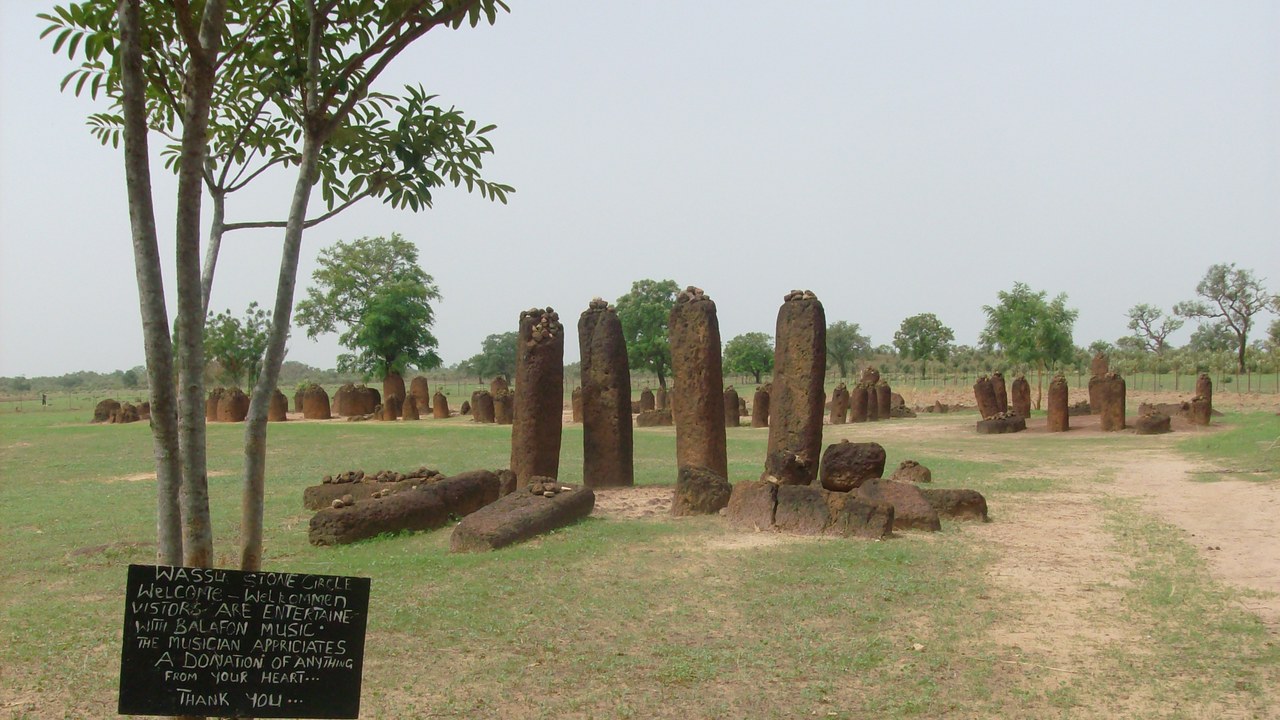
The Stone Circles of Senegambia include four groups with 93 circles and more than 1,000 megaliths, according to Britannica. Sine Ngayene has 52 circles, Wanar 21, Wassu 11 and Ker Batch 9, and their exact function remains unclear.
Many of the circles stand near burial mounds, which suggests a link to funeral practices. The site is listed by UNESCO and is one of the largest concentrations of stone circles anywhere in the world, yet it is far less known than its British counterparts.
More from Morning Overview
- 11 engines built to run well past 200,000 miles
- Two Kentucky residents died when a small plane crashed at Missouri’s Lake of the Ozarks, and the NTSB is investigating
- A handful of car transmissions are so tough that mechanics say they almost never die
- Melting permafrost is setting off a newly identified kind of catastrophic landslide, scientists say
