
California’s wildfires have grown more destructive as homes spread deeper into fire-prone hills and forests. CAL FIRE keeps official records of each major blaze, from acres burned to structures lost and lives taken. These 12 fires, ranked by the structures they destroyed, show how much damage a single wildfire can do.
Read next on Morning Overview: The FAA wants $2.39 million from a flight school it says flew a Cessna about 280 times with an unapproved part
1. Camp Fire: The Most Destructive on Record
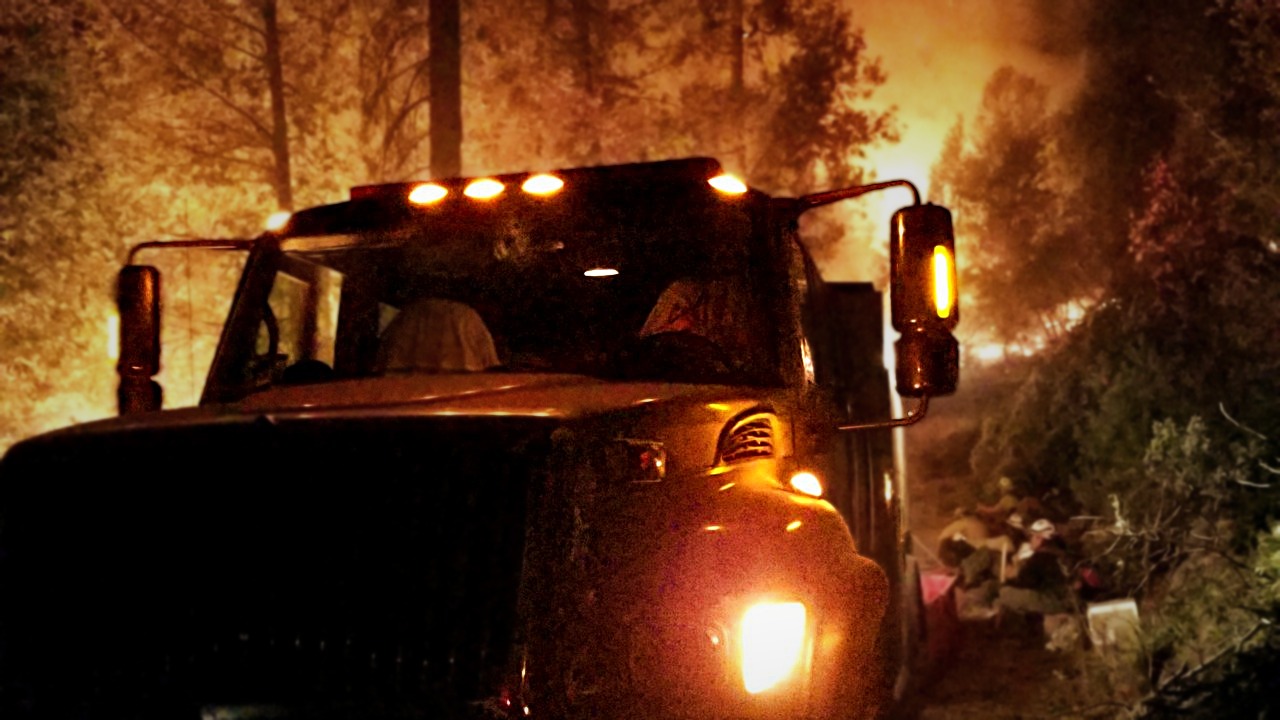
CAL FIRE records 18,804 structures destroyed and 85 confirmed civilian deaths in the Camp Fire, according to its incident page. The fire started on November 8, 2018, burned 153,336 acres in Butte County and was caused by power lines.
The fire swept through the town of Paradise with little warning, driven by strong winds. Many residents had only minutes to flee, and some were trapped on clogged roads. It remains the deadliest and most destructive wildfire in California’s recorded history.
2. Eaton Fire: Altadena’s Catastrophe
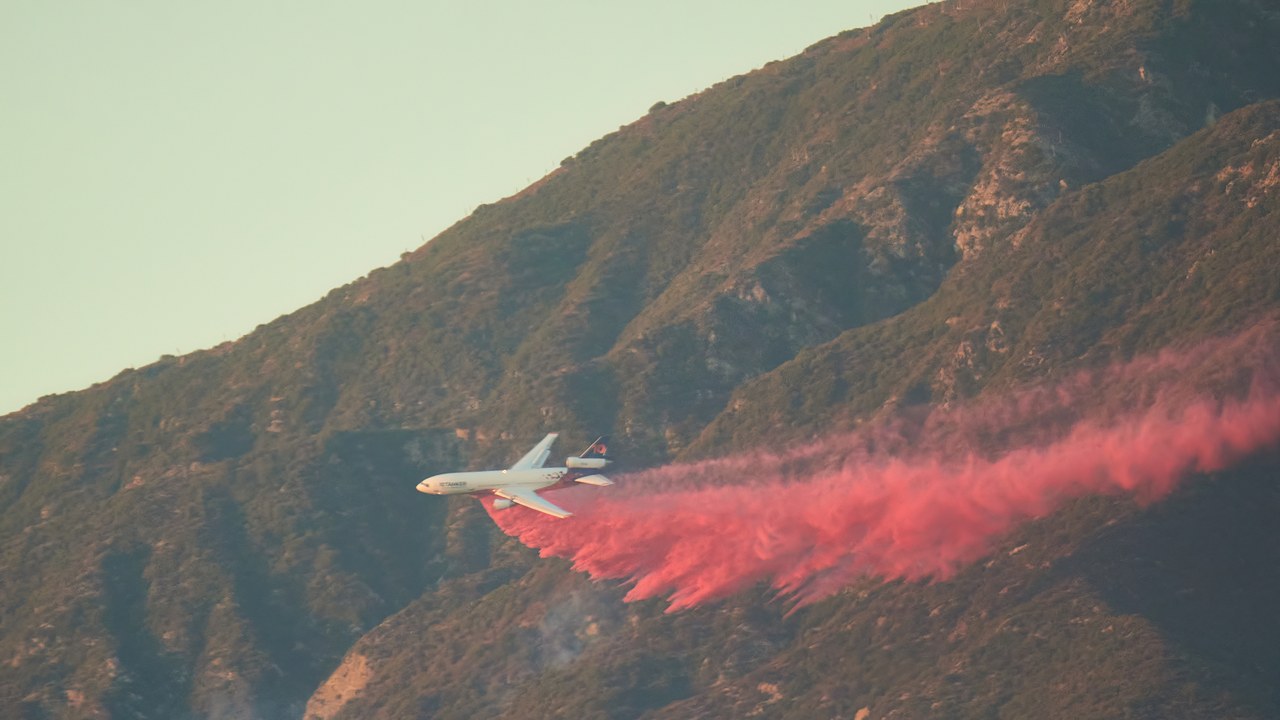
The Eaton Fire destroyed 9,419 structures and killed 19 civilians while burning 14,021 acres of Los Angeles County, according to CAL FIRE. It started on January 7, 2025.
Fierce Santa Ana winds pushed the flames into Altadena and parts of Pasadena overnight. Whole neighborhoods were reduced to ash in a matter of hours. The fire burned at the same time as the Palisades Fire, stretching firefighting resources across the region.
3. Palisades Fire: Fire in the Palisades
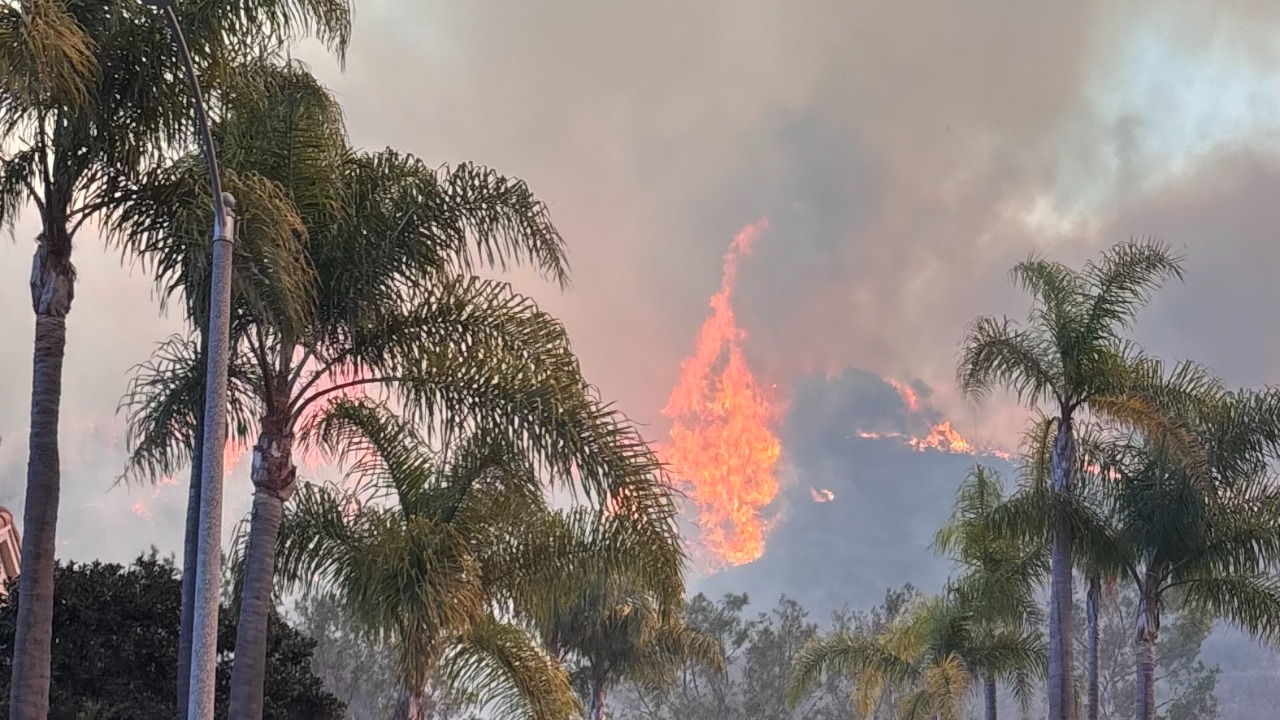
CAL FIRE counts 6,845 structures destroyed and 12 civilian deaths in the Palisades Fire, according to its incident record. The fire started on January 7, 2025, burned 23,448 acres and lists arson as its cause.
The blaze tore through Pacific Palisades and spread toward Malibu along the coast. Images of burning homes beside the ocean were seen around the world. Together with the Eaton Fire, it made January 2025 one of the most destructive months in Los Angeles history.
4. Cedar Fire: San Diego’s Firestorm
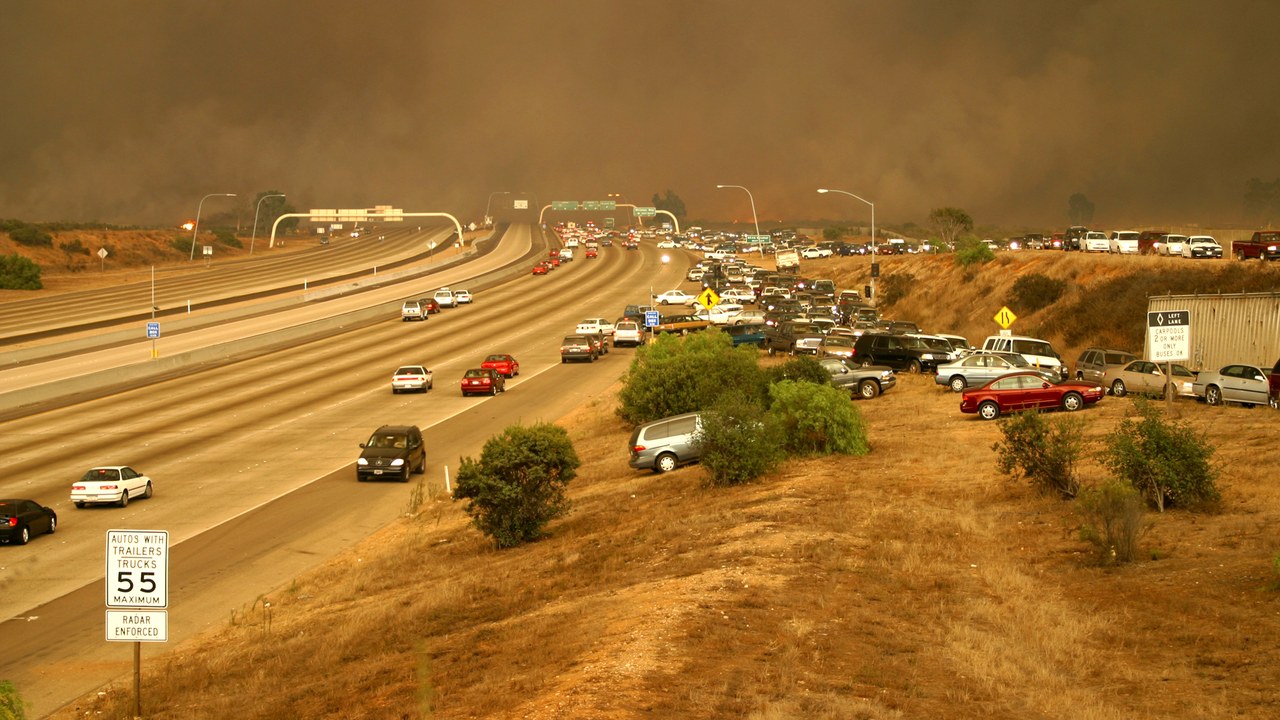
San Diego County’s Cedar Fire of October 2003 burned 273,246 acres, destroyed 2,820 structures and killed 14 civilians, CAL FIRE records show.
The Cedar Fire raced across the backcountry and into suburban neighborhoods, pushed by hot, dry winds. Traffic jammed highways as residents evacuated under smoke-darkened skies. It was one of several major fires burning in Southern California that autumn, and it left scars across the county’s mountains and canyons for years.
5. Valley Fire: A Fast-Moving Blaze in Lake County
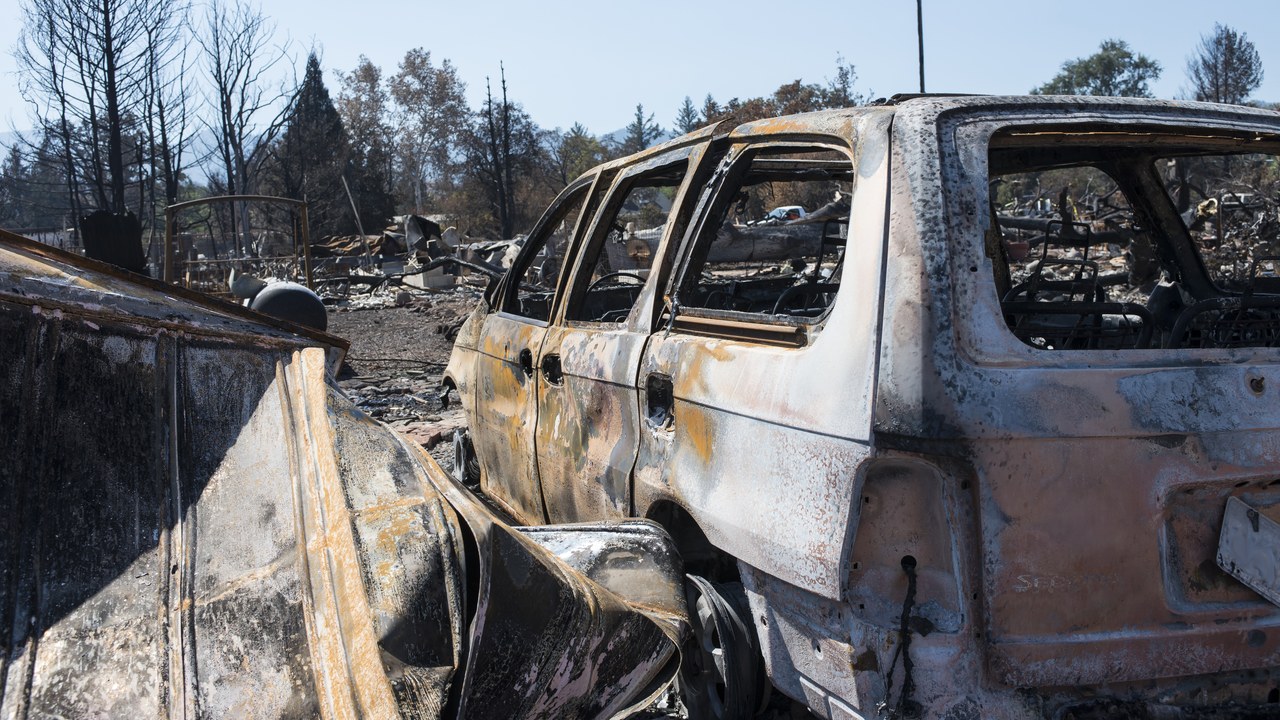
The Valley Fire in Lake County burned 76,067 acres in September 2015 and destroyed a total of 1,958 structures, including 1,280 homes, according to CAL FIRE’s damage assessment.
The fire spread with astonishing speed through rural communities north of the Napa Valley. Towns such as Middletown were badly damaged within hours. The scale of the loss in a sparsely populated county stunned residents and fire officials alike. Rebuilding took years for many families.
6. Woolsey Fire: Flames Down to the Coast
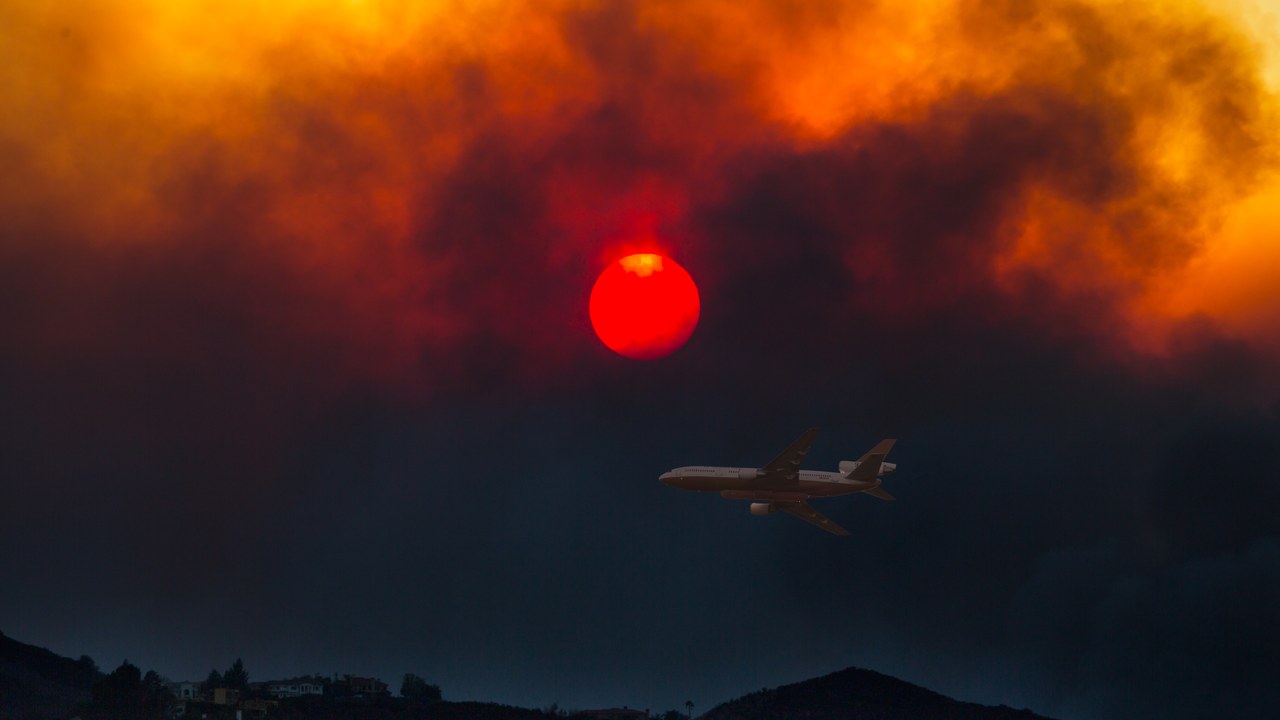
The Woolsey Fire started on November 8, 2018, burned 96,949 acres in Los Angeles and Ventura counties, destroyed 1,643 structures and killed 3 civilians, according to CAL FIRE.
The fire began on the same day as the Camp Fire in Northern California. It burned through hills and canyons and reached Malibu, forcing large-scale evacuations. Smoke from the blaze darkened the skies over much of the region for days. Many homes were lost in Malibu.
7. Carr Fire: A Fire Started by a Vehicle
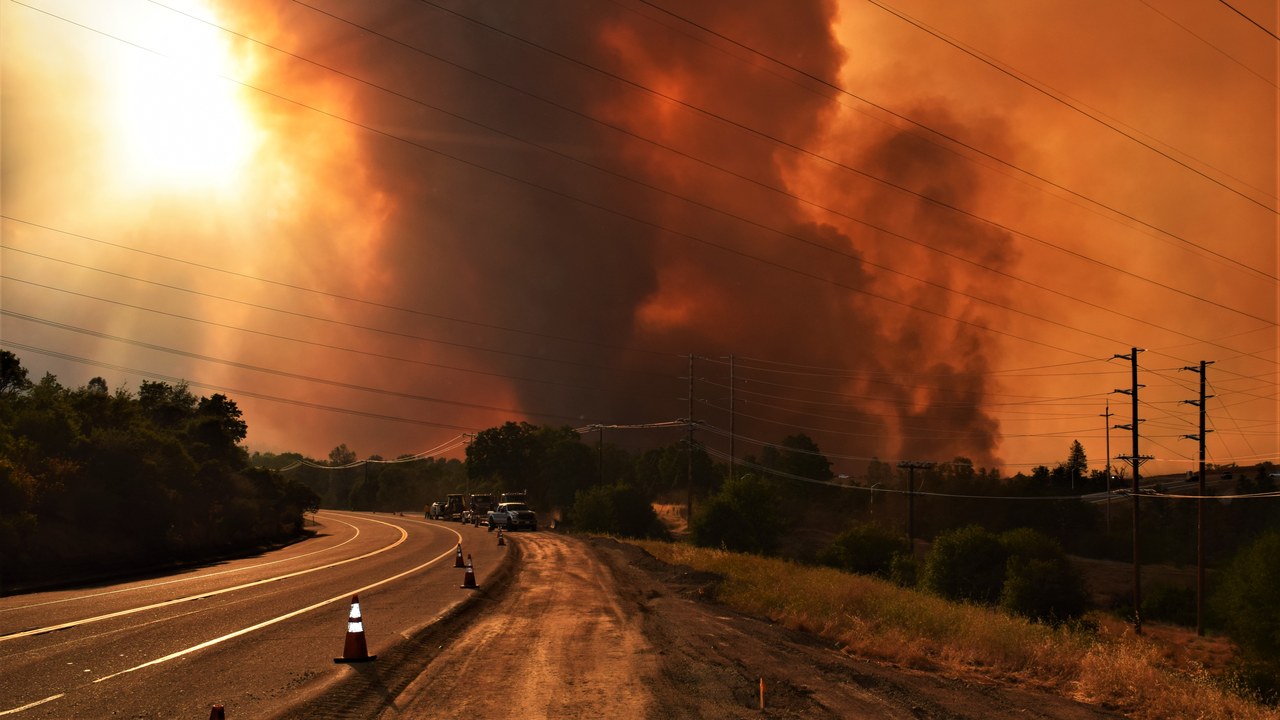
Started by a vehicle in July 2018, the Carr Fire burned 229,651 acres in Shasta and Trinity counties, destroyed 1,614 structures and killed 7 civilians, according to CAL FIRE.
The fire pushed into the city of Redding, where extreme fire behavior created a powerful fire whirl. Neighborhoods on the city’s west side suffered heavy losses. The event showed how a single spark from a vehicle can grow into a massive disaster.
8. Dixie Fire: The Largest Single Fire
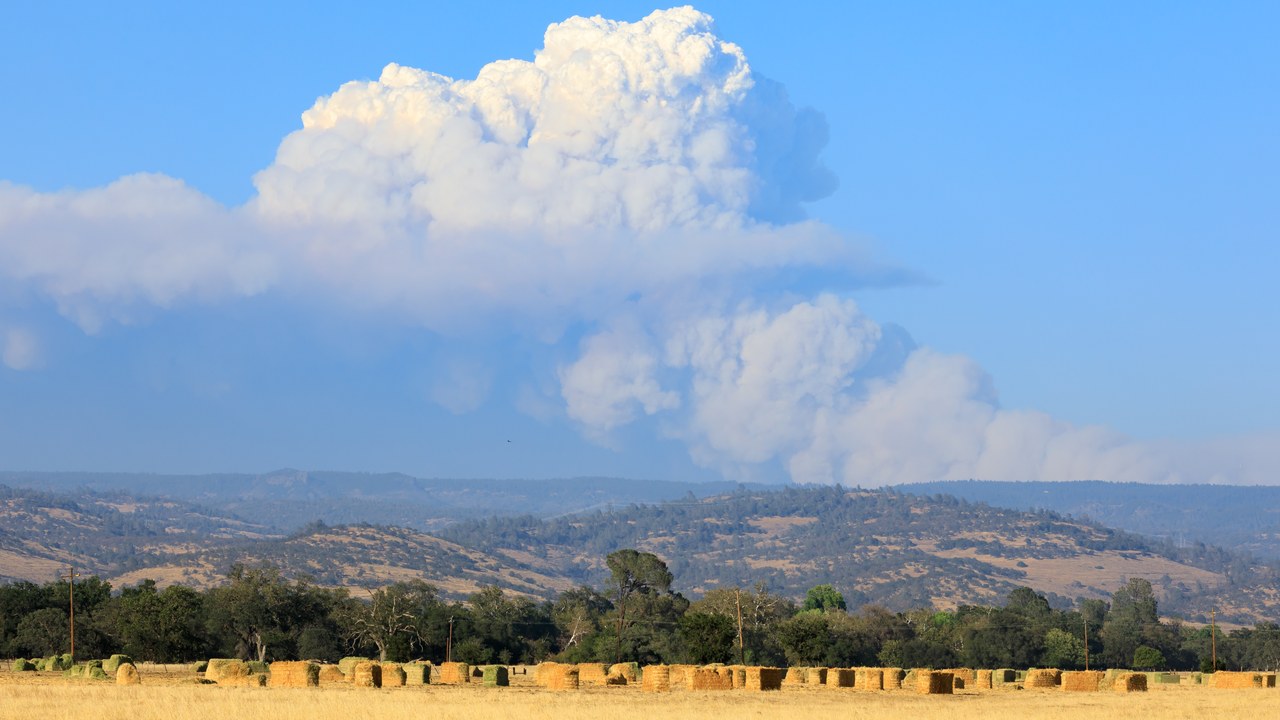
The Dixie Fire burned 963,309 acres across five counties over 104 days in 2021 and destroyed 1,311 structures, according to CAL FIRE.
The Dixie Fire burned for more than three months and destroyed much of the historic town of Greenville. Its enormous size made it the largest single wildfire in California’s recorded history. Towering smoke clouds from the fire could be seen from far away. Crews fought it through steep, remote terrain.
9. Thomas Fire: A Winter Wildfire
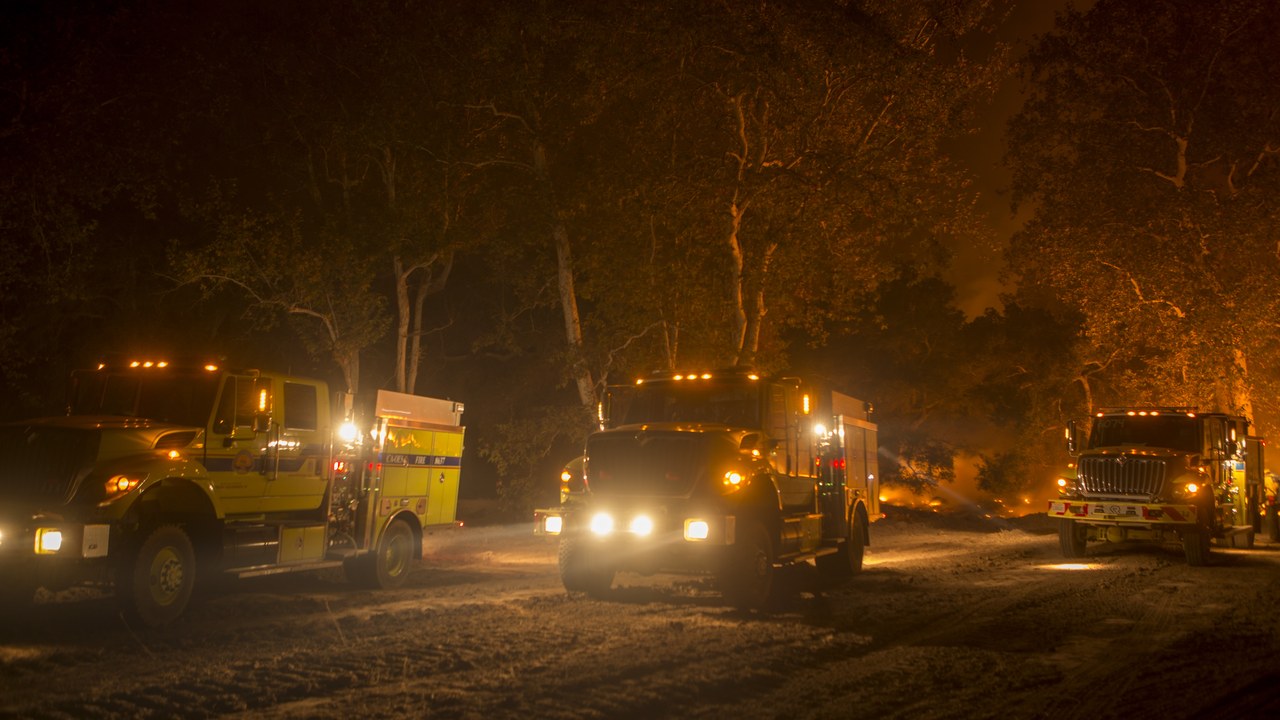
The Thomas Fire, sparked by power lines on December 4, 2017, burned 281,893 acres in Santa Barbara and Ventura counties and destroyed 1,063 structures, according to CAL FIRE.
A wildfire of that size in December surprised many Californians who thought of fire season as a summer threat. The burned hillsides later contributed to deadly mudslides in Montecito when heavy rain arrived. The fire burned for weeks before it was contained.
10. Caldor Fire: A Fire That Threatened Tahoe
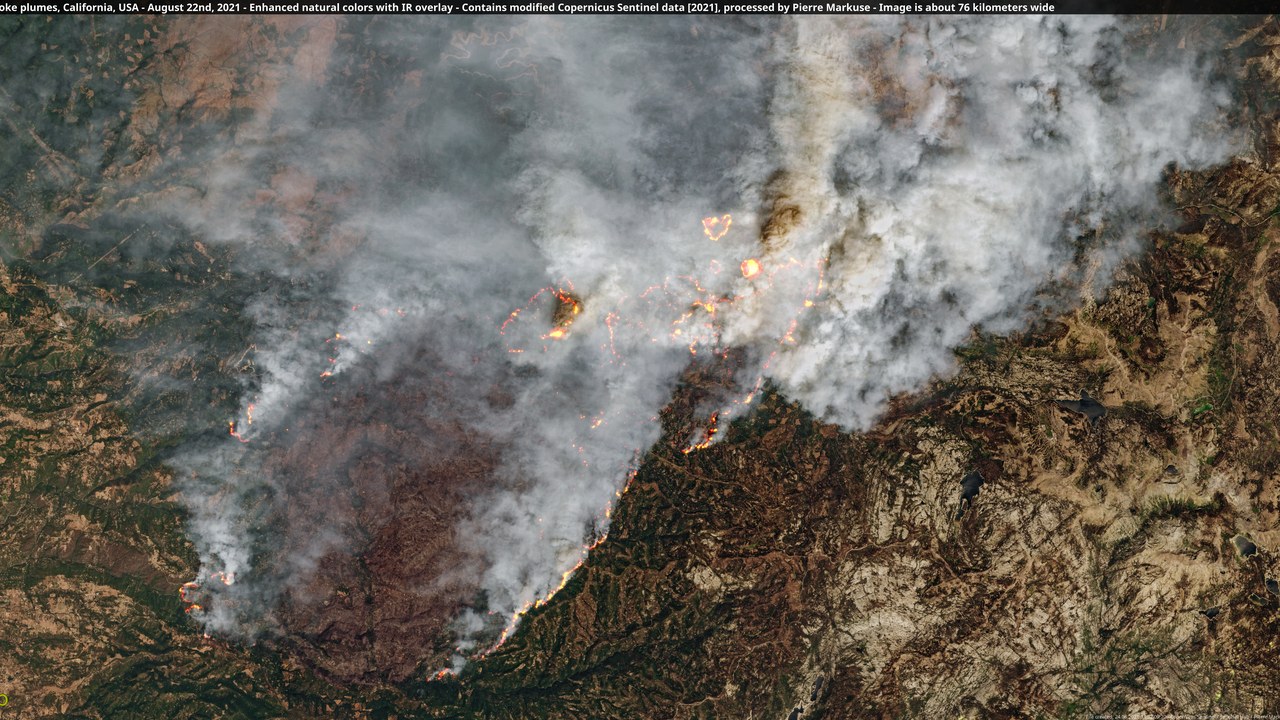
The Caldor Fire burned 221,835 acres in El Dorado, Alpine and Amador counties in 2021 and destroyed 1,005 structures, CAL FIRE reports.
The fire destroyed much of the small community of Grizzly Flats before climbing over the Sierra Nevada. Its advance prompted the evacuation of South Lake Tahoe, a rare event for the popular resort town. Crews eventually held the fire at the edge of the basin, sparing most of the town.
11. Creek Fire: Trapped by the Creek Fire
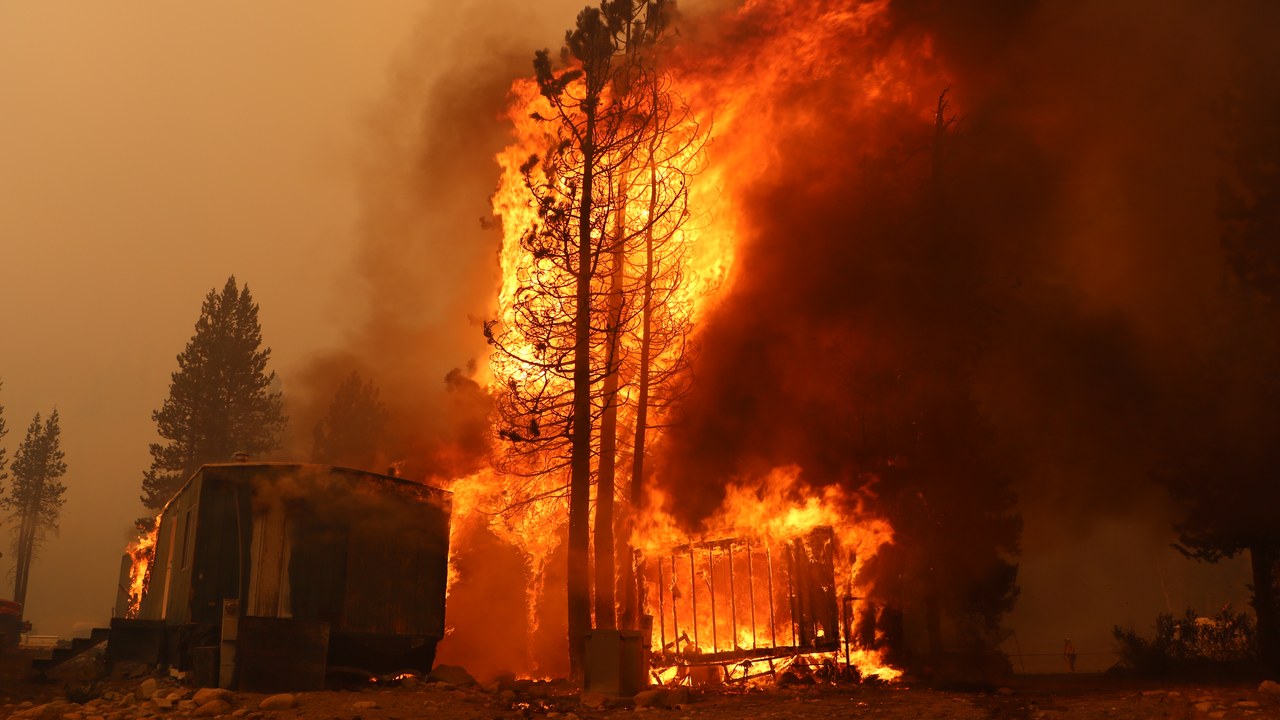
The Creek Fire, which started September 4, 2020, burned 379,895 acres in Fresno and Madera counties and destroyed 856 structures, according to CAL FIRE.
Early in the fire, hundreds of campers were trapped near Mammoth Pool Reservoir and had to be rescued by military helicopters. The fire burned through dense forests of trees killed by drought and bark beetles, which helped fuel its rapid growth across the Sierra Nevada foothills.
12. Kincade Fire: Wine Country Under Threat
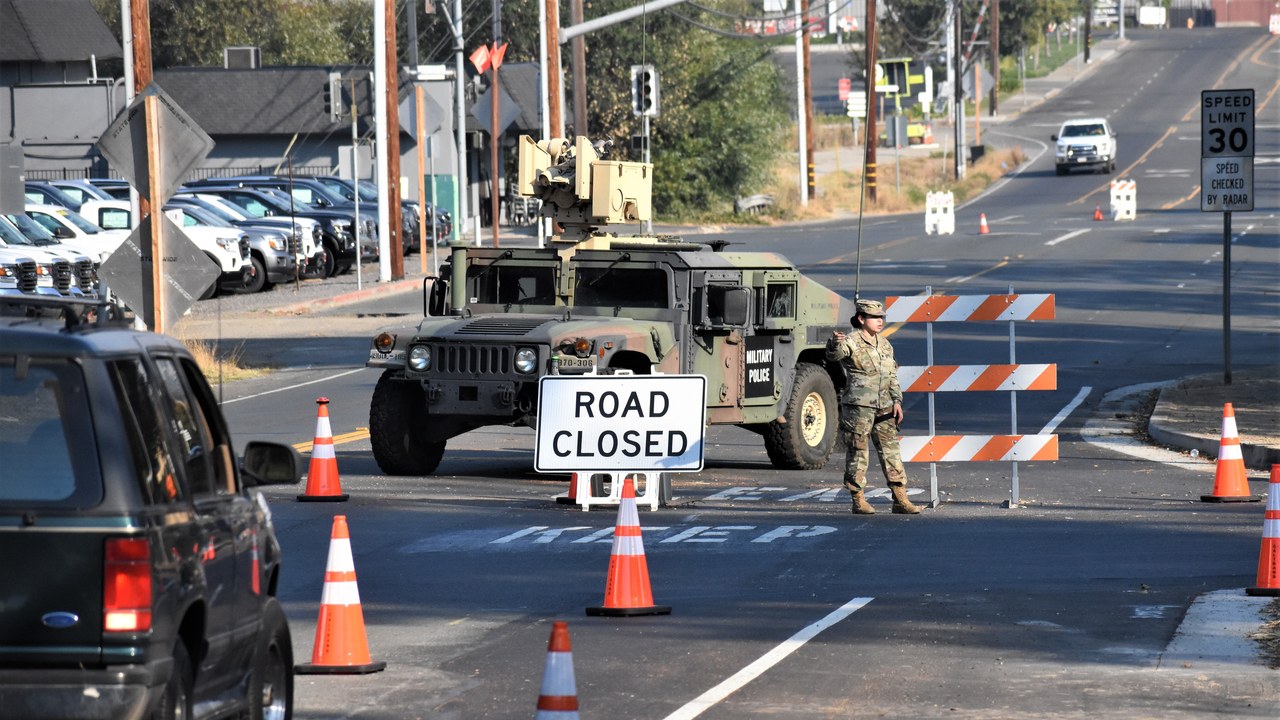
Sonoma County’s Kincade Fire of October 2019 burned 77,758 acres and destroyed 374 structures, according to CAL FIRE.
The fire led to one of the largest evacuations in the county’s history, as officials ordered residents out of towns such as Healdsburg and Windsor. National Guard troops helped secure evacuated areas. Firefighters worked to keep the flames out of Santa Rosa, which had been hit hard by fire two years earlier.
More from Morning Overview
- Arizona’s governor declared a statewide emergency after Flagstaff logged its wettest Nov. 1 on record
- Zero Motorcycles unveiled an electric motorcycle targeted at under $8K and a street-legal dirt bike at EICMA
- New FCC rules on how people can stop robocalls and texts take effect Nov. 25
- Neanderthals in Spain carved a wooden object that matches nothing archaeologists have ever found
