
Most ancient tombs were stripped by robbers long before archaeologists arrived, which makes the rare untouched burials all the more astonishing. Gold masks, bronze bells and buried armies have emerged from graves that stayed hidden for centuries or even millennia. Here are ten ancient tombs that hid treasure for centuries.
Read next on Morning Overview: Melting permafrost is setting off a newly identified kind of catastrophic landslide, scientists say
1. Tomb of Tutankhamun: The Boy King’s Golden Tomb

Howard Carter’s team found tomb KV62 in Egypt’s Valley of the Kings in November 1922, with the burial and most of its 5,398 objects intact, according to the entry on KV62. The treasures included Tutankhamun’s famous gold mask.
Most royal tombs in the valley had been looted in ancient times, which is why the near-complete contents of this small tomb caused a worldwide sensation. Many of the objects are now displayed at the Grand Egyptian Museum near Giza. The discovery fueled decades of Egyptomania.
2. Mausoleum of the First Qin Emperor: An Army of Clay Soldiers
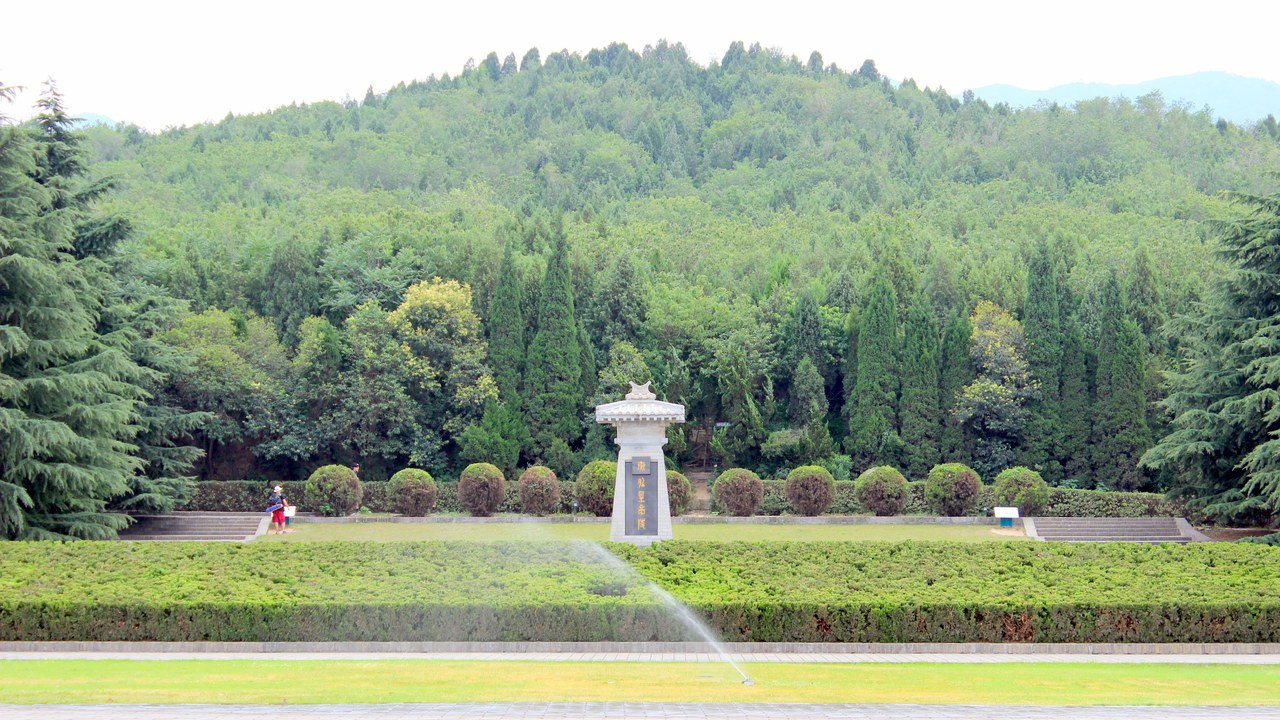
Nearly 200 pits of life-size terracotta soldiers surround the tomb of China’s first emperor, who died in 210 B.C., and the army was not found until 1974, according to UNESCO.
Farmers digging a well uncovered the first fragments. The emperor’s burial mound itself has never been opened, partly out of concern for preserving whatever lies inside, so the greatest treasure of the site may still be waiting underground. The pits continue to be excavated slowly, and new figures are still being restored and studied today.
3. Sutton Hoo: An Anglo-Saxon Ship Burial
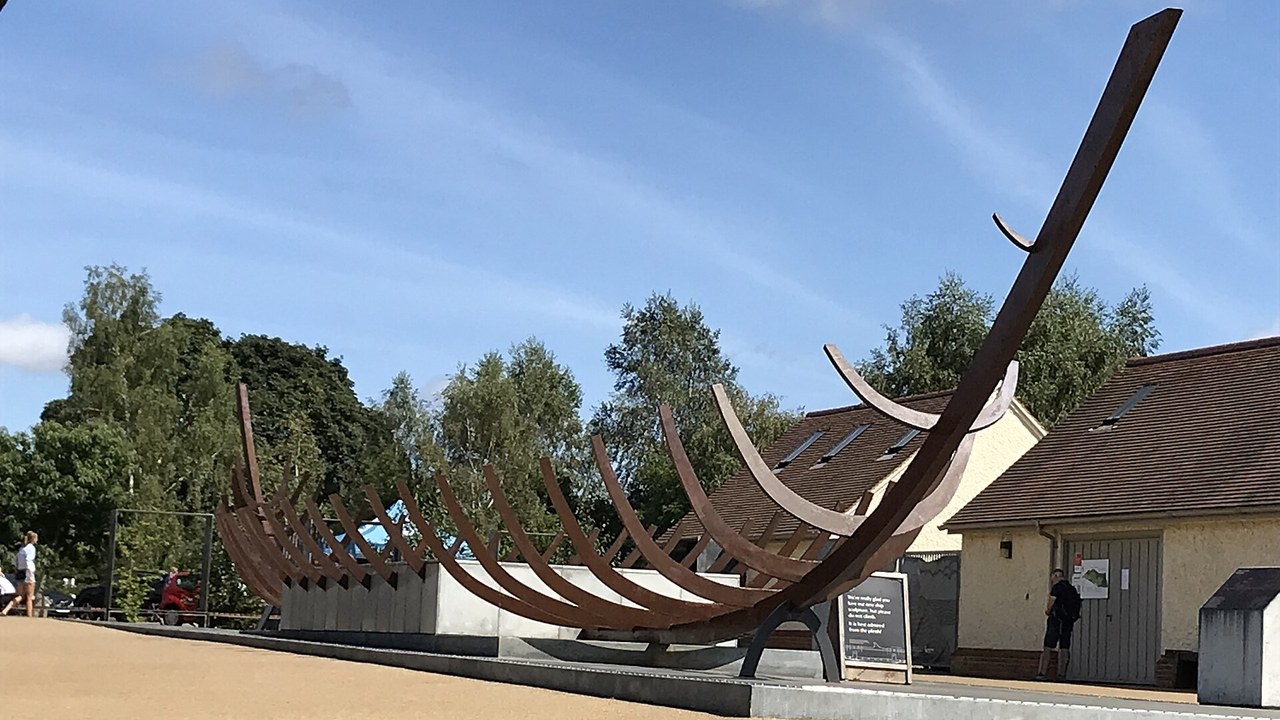
In June 1939 archaeologists at Sutton Hoo in England uncovered an Anglo-Saxon ship burial holding a sword, a lyre, silver bowls and a famous helmet, according to the National Trust’s history of the site. Coins date the burial to around A.D. 625.
The ship’s timbers had rotted away, leaving only the outline of its rivets in the sand. The burial is thought to belong to a king of East Anglia, and its treasures transformed what historians knew about early medieval England.
4. Royal tombs of Aigai: The Tomb of Alexander’s Father
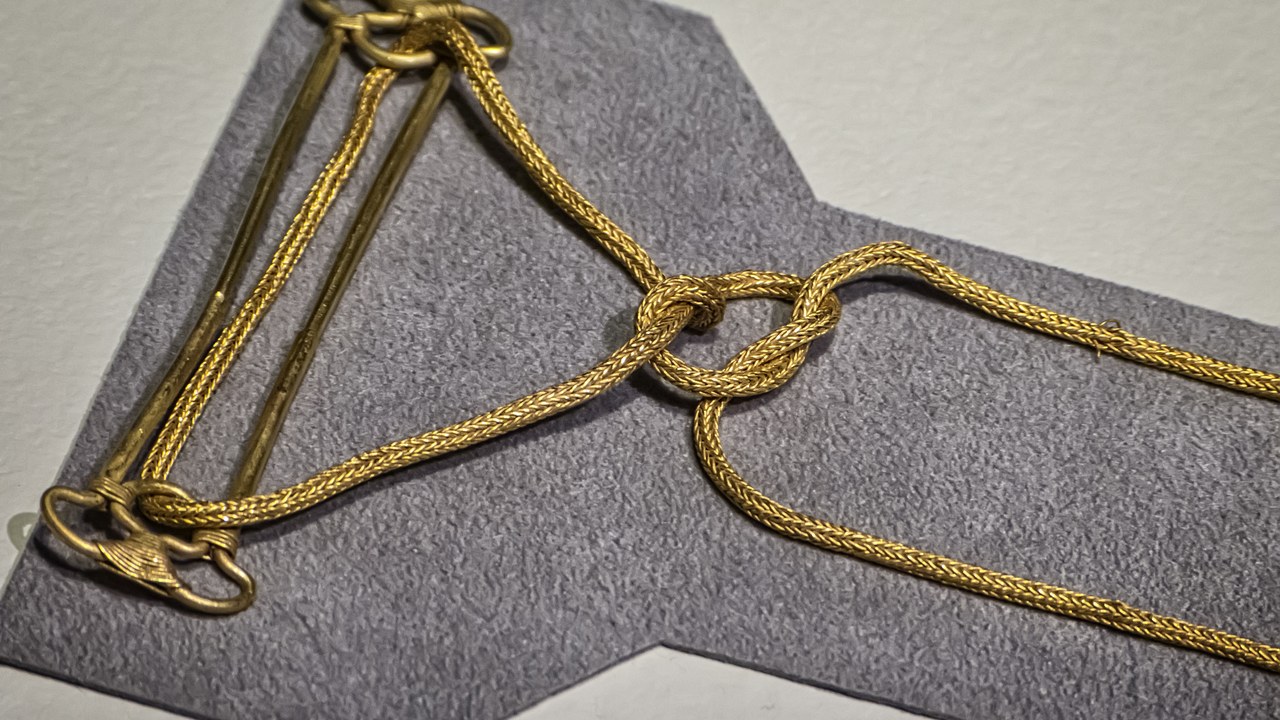
An unlooted tomb identified as that of Philip II, father of Alexander the Great, was found at Vergina in northern Greece in 1977 and 1978, according to UNESCO’s listing for Aigai.
The tomb held a gold casket decorated with a star, along with weapons, armor and fine metalwork. A museum built over the royal tombs now lets visitors see the finds in place, beneath the mound that hid them for more than 2,000 years. The finds remain on display there.
5. Tomb of Pakal: A King Beneath a Maya Pyramid
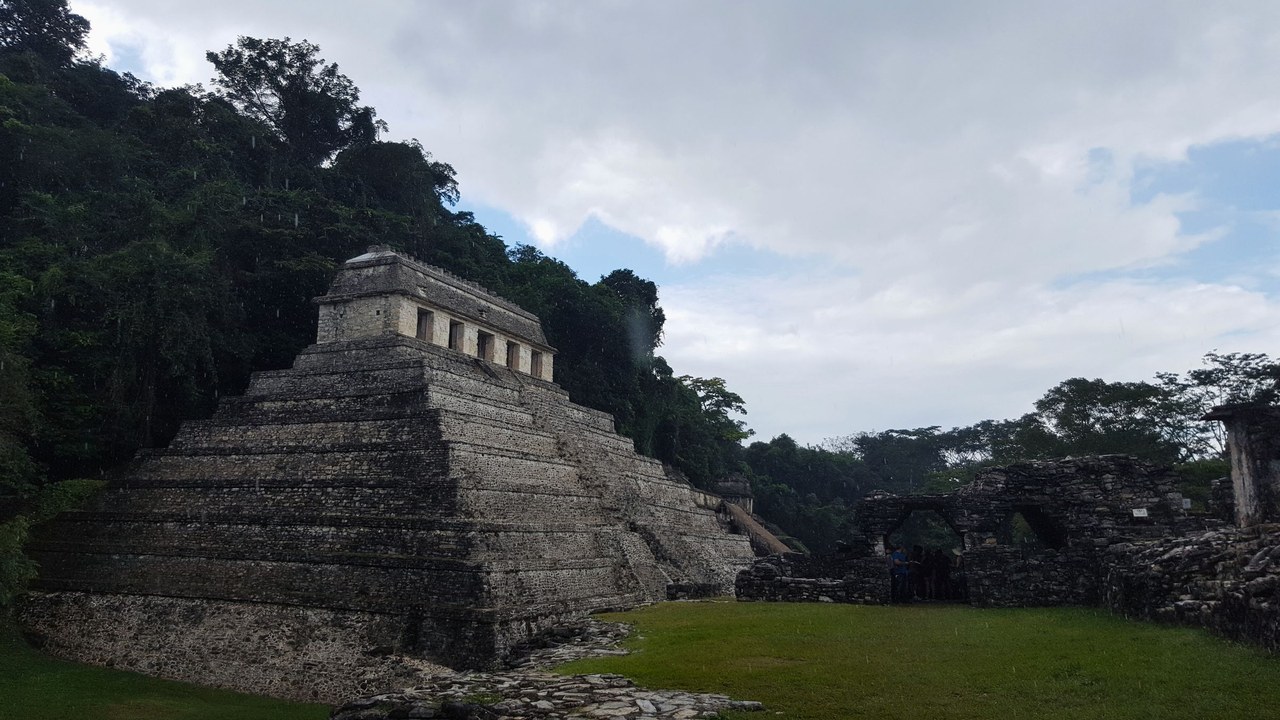
The tomb of the Maya ruler Pakal lay hidden beneath Palenque’s Temple of the Inscriptions until 1952, according to the entry on the temple. His face was covered by a mask made entirely of jade.
Archaeologist Alberto Ruz found a stairway filled with rubble inside the pyramid and spent years clearing it before reaching the tomb. The carved lid of Pakal’s sarcophagus is one of the most famous works of Maya art. The site is a UNESCO World Heritage site.
6. Grave Circle A at Mycenae: Gold Masks From Mycenae
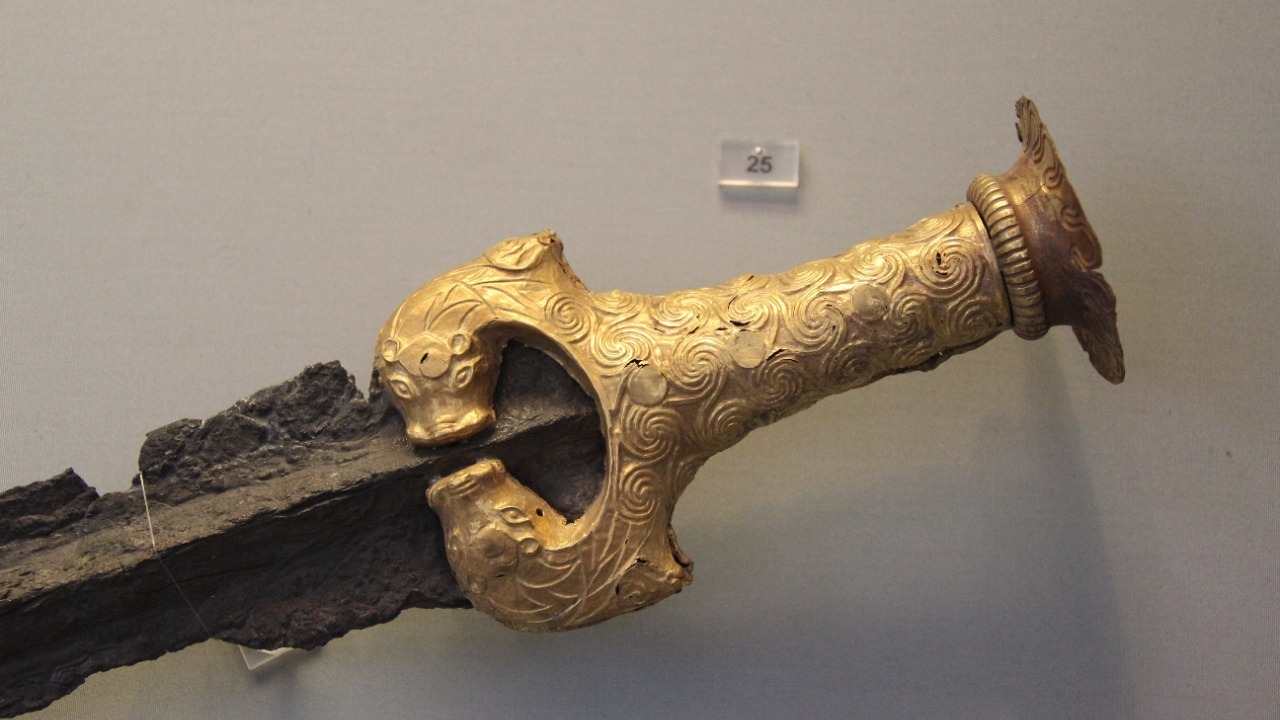
Heinrich Schliemann’s 1876 dig at Grave Circle A in Mycenae found five gold death masks and about 15 kilograms of gold, according to the entry on Grave Circle A. One mask he called Agamemnon’s is three centuries older than the legendary king.
Schliemann was eager to prove that Homer’s stories were real, and his claims ran ahead of the evidence. The so-called Mask of Agamemnon is now one of the treasures of the National Archaeological Museum in Athens. It draws crowds every day.
7. Varna Necropolis: The Oldest Gold Treasure
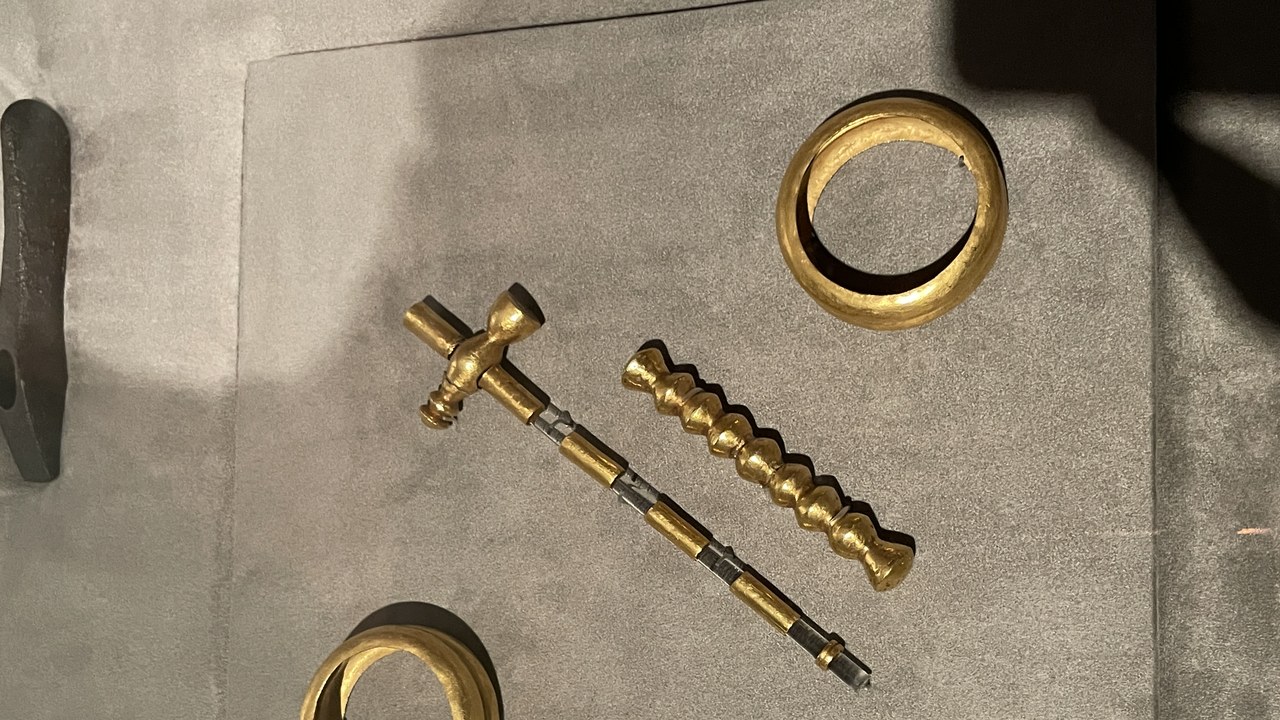
An excavator operator found Bulgaria’s Varna graves in 1972. Dated to between 4569 and 4340 B.C., they held 3,000 gold artifacts weighing about six kilograms, according to the entry on the Varna Necropolis.
That makes the Varna hoard the oldest worked gold treasure yet found anywhere in the world. Its wealth suggests a surprisingly early social hierarchy, with a few individuals buried with far more riches than everyone else. The finds are displayed at the Varna Archaeological Museum. The city sits on the Black Sea coast.
8. Lord of Sipán: A Moche Lord Untouched by Thieves
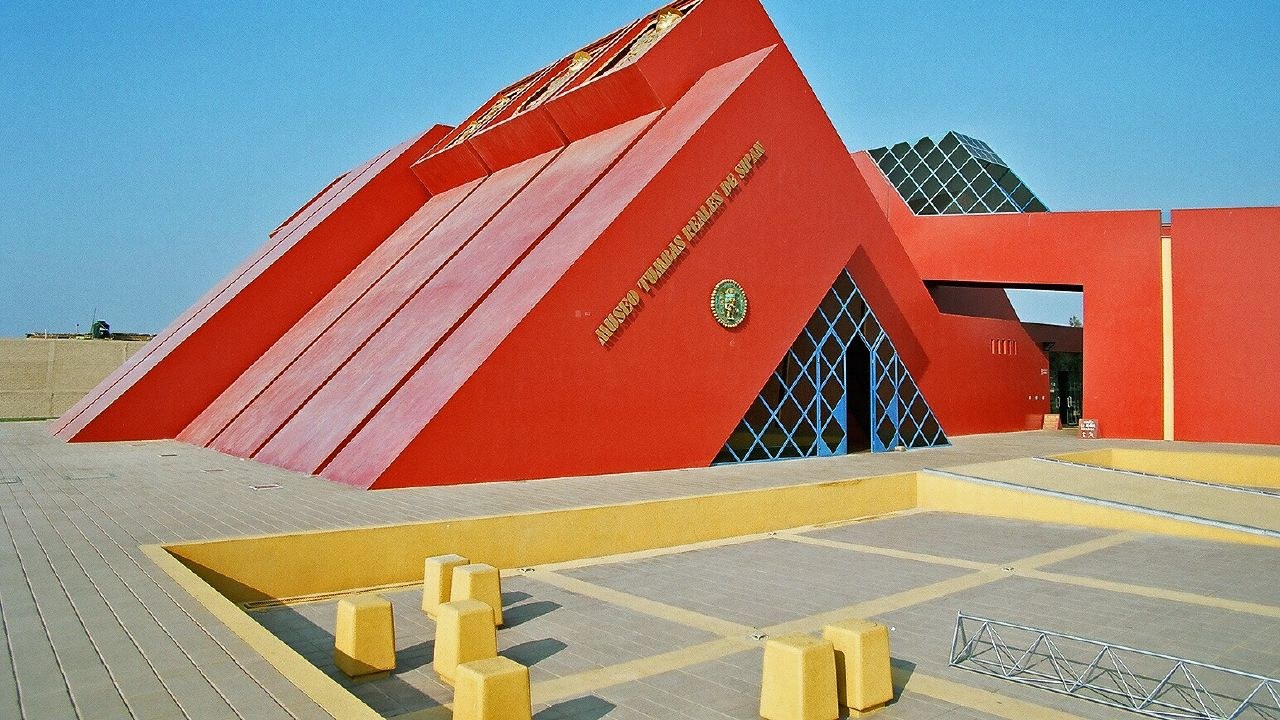
Peru’s Moche tomb of the Lord of Sipán, found in 1987, was intact and untouched by thieves, with 451 ceremonial items including gold headdresses and a face mask, according to the entry on the Lord of Sipán.
Police first learned of the site when looted artifacts began appearing on the market, and archaeologists raced to reach the untouched royal tomb. The finds are now displayed at the Royal Tombs of Sipán Museum in Lambayeque. The site continues to yield finds.
9. Tomb of Marquis Yi of Zeng: A Set of 64 Bronze Bells
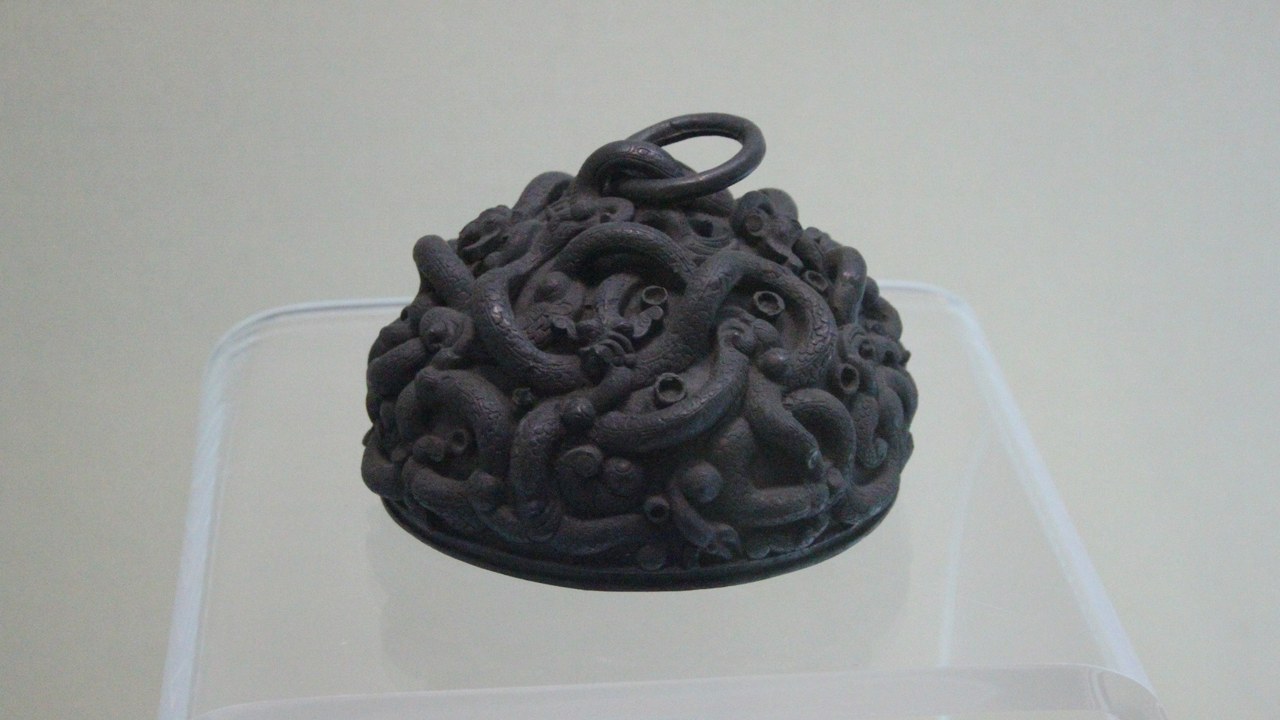
Soldiers leveling a hill in 1977 found the tomb of Marquis Yi of Zeng, dating to 433 B.C., which held a set of 64 bronze bianzhong bells, according to the entry on Marquis Yi.
The bells can still be played, and each one produces two different notes depending on where it is struck. The discovery showed how advanced Chinese music and metalworking were more than 2,400 years ago. They are displayed at the Hubei Provincial Museum in Wuhan. Few sets survive.
10. Queen Puabi’s tomb at Ur: A Queen’s Headdress of Gold Leaves
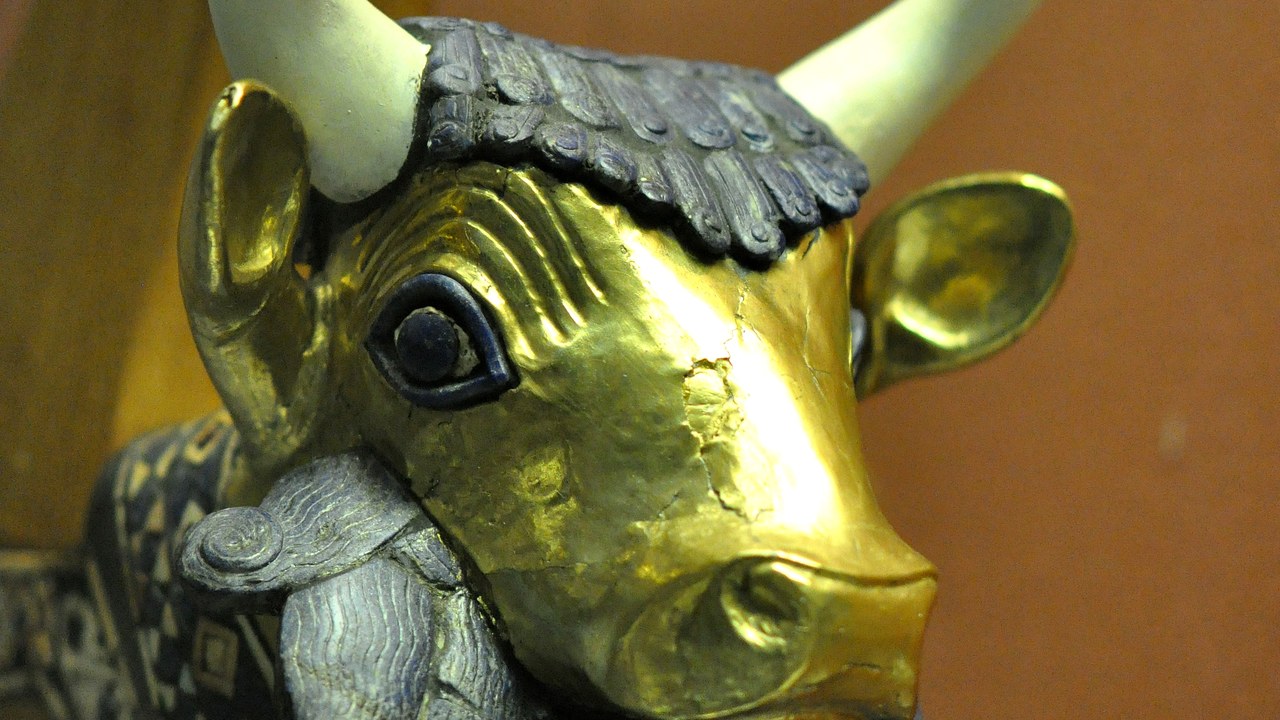
Leonard Woolley found Queen Puabi’s intact tomb in the Royal Cemetery of Ur, dating to 2600 to 2500 B.C., and it held a headdress of 20 gold leaves, according to the Penn Museum.
The tomb’s riches, which also included jewelry and fine vessels, are now divided among museums in Philadelphia, London and Baghdad. They offer one of the clearest windows into the wealth of ancient Mesopotamian royalty. Her headdress is a star attraction. Visitors still marvel at it. It is a highlight.
More from Morning Overview
- Over 20 trillion gallons of rain fell on the Four Corners states and Nevada in two weeks
- 11 engines built to run well past 200,000 miles
- Two Kentucky residents died when a small plane crashed at Missouri’s Lake of the Ozarks, and the NTSB is investigating
- A handful of car transmissions are so tough that mechanics say they almost never die
