
Egypt’s Great Pyramid gets most of the attention, but ancient builders on several continents raised pyramids of their own. Some served as temples, others as royal tombs, and a few still hold secrets about how and why they were built. Here are eleven ancient pyramids built far beyond Giza.
Read next on Morning Overview: A handful of car transmissions are so tough that mechanics say they almost never die
1. Pyramid of the Sun: Mexico’s Giant at Teotihuacan
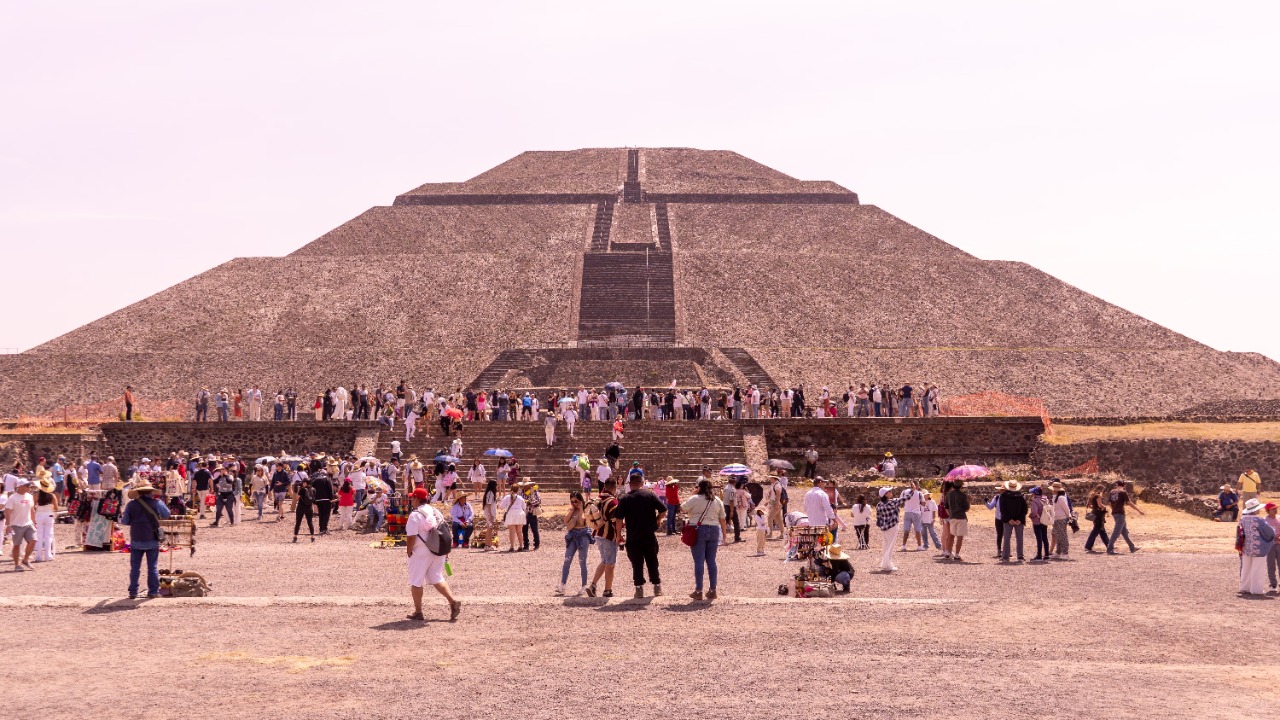
The Pyramid of the Sun at Teotihuacan measures 225 by 222 meters at its base and stands 75 meters high, according to UNESCO’s listing for the ancient city. Teotihuacan was abandoned around A.D. 650.
The city was one of the largest in the world at its peak, yet its builders left no written record of their own name for it. The Aztecs found the ruins centuries later and gave the site the name still used today, meaning the place where the gods were created.
2. El Castillo at Chichen Itza: The Temple of Kukulkan
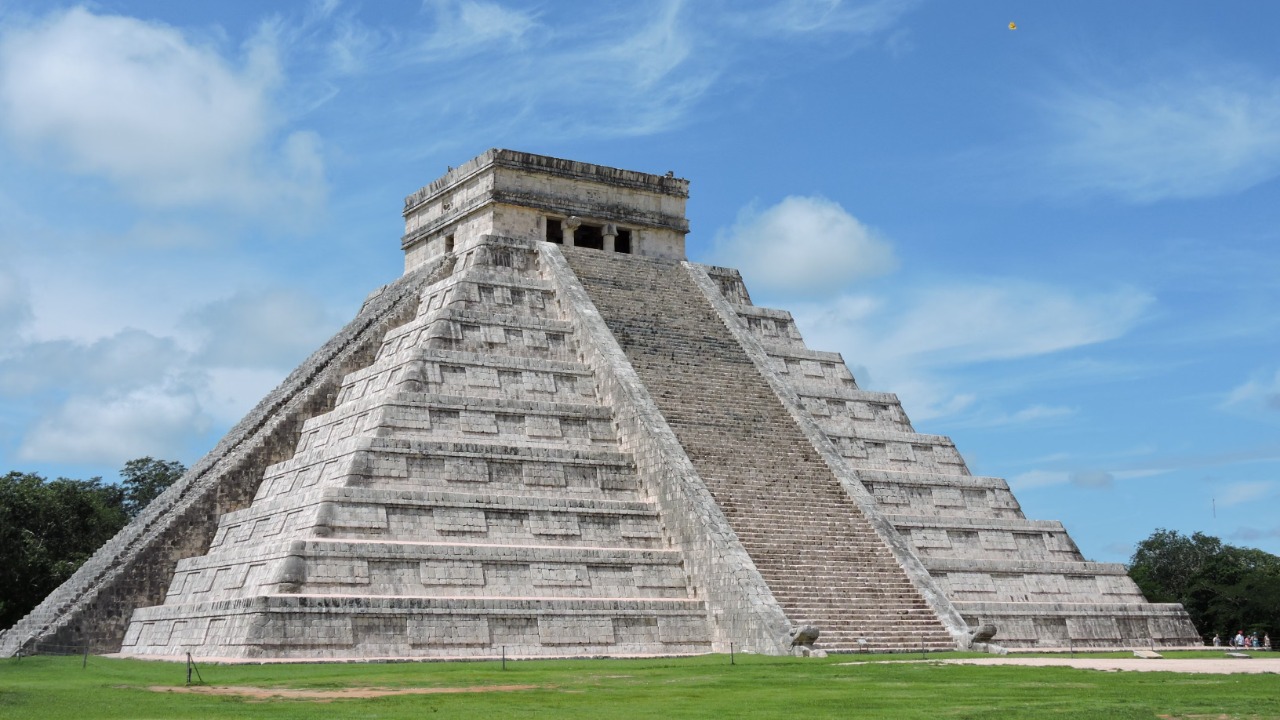
El Castillo, also called the Temple of Kukulkan, anchors Chichen Itza, a Maya city whose ruins were not excavated until 1841, according to UNESCO.
Around the spring and fall equinoxes, the setting sun casts shadows on the pyramid’s steps that look like a serpent sliding down the stairway. That effect draws large crowds each year and shows how carefully the Maya aligned their buildings with the sky. It is one of the New Seven Wonders.
3. Tikal: Temples Rising Above the Jungle
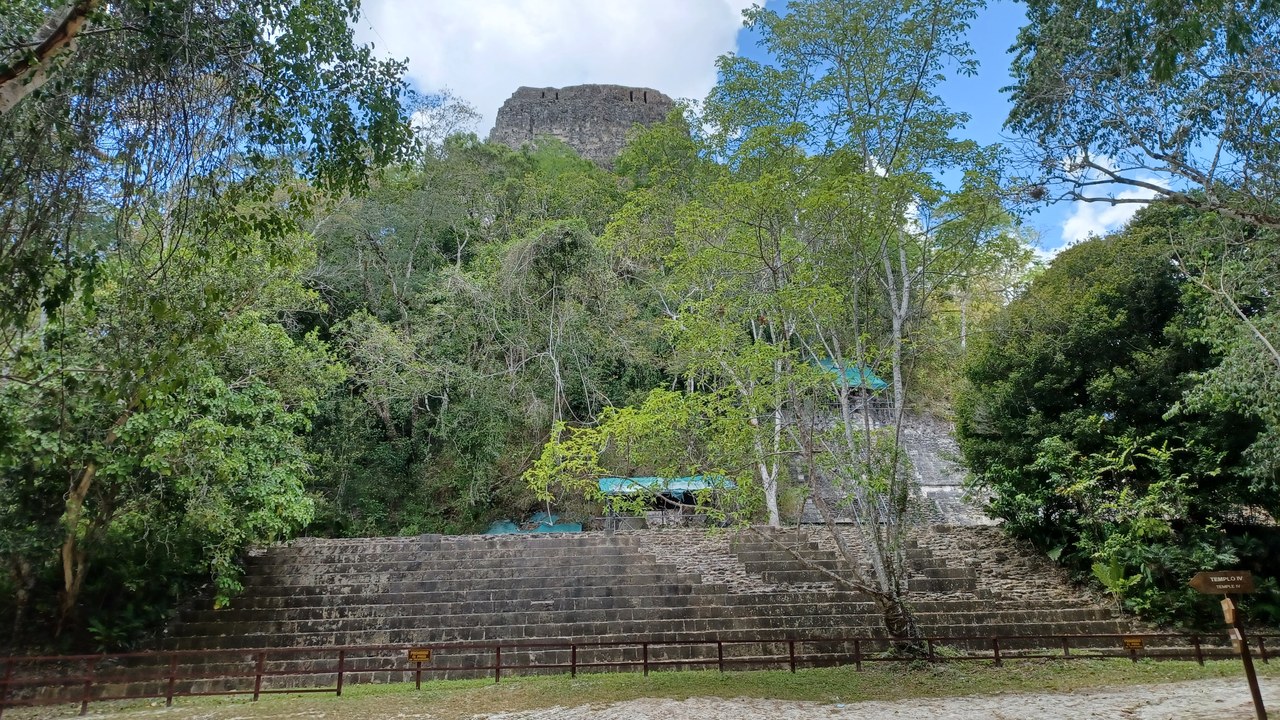
Tikal’s ceremonial center of temple-pyramids and palaces was inhabited from the sixth century B.C. to the 10th century A.D., and one of its pyramids rises about 65 meters, according to UNESCO’s Tikal listing.
The site sits deep in the rainforest of northern Guatemala, and its tallest temples poke above the tree canopy. Many of its structures remain buried under jungle growth, and new research continues to reveal how large the city once was.
4. Pyramid of the Magician: The Pyramid of the Soothsayer
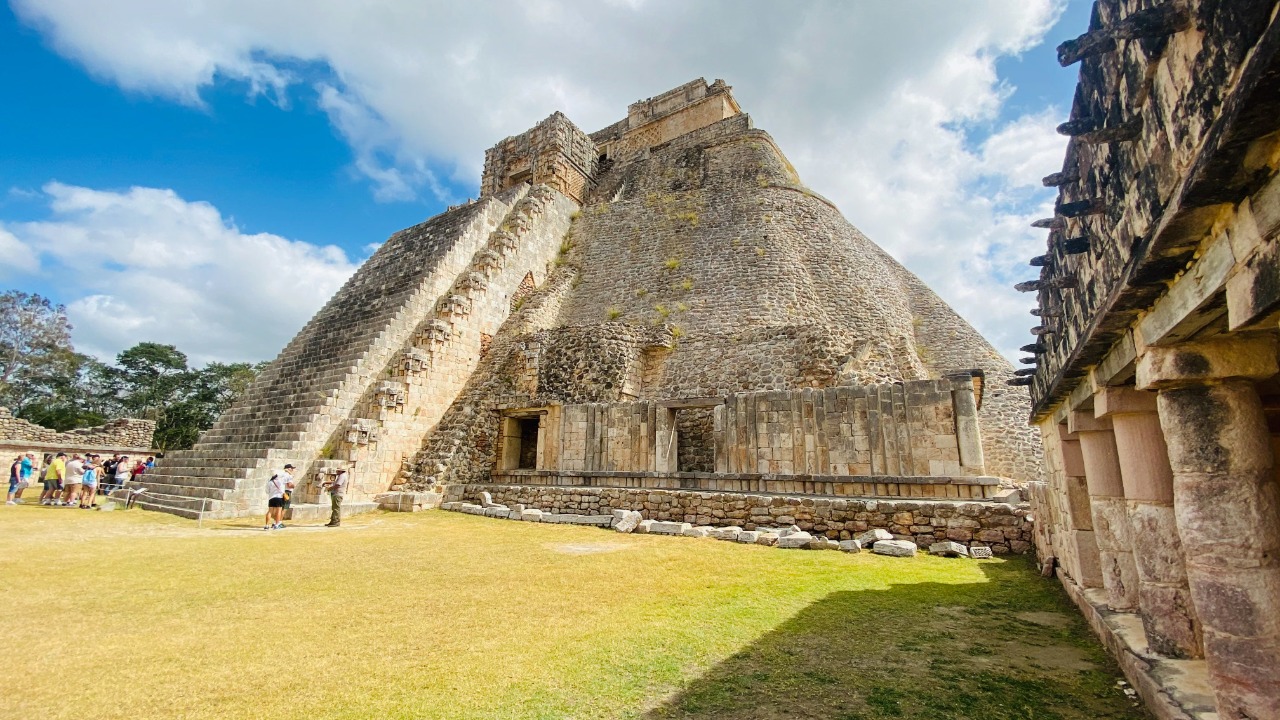
The Pyramid of the Magician, also called the Pyramid of the Soothsayer, dominates Uxmal, a Maya town founded around A.D. 700 that had some 25,000 inhabitants, according to UNESCO.
Its unusual rounded sides set it apart from the stepped pyramids at other Maya sites. A local legend says a dwarf magician built it in a single night, a story that gave the pyramid its name. It is a UNESCO World Heritage site.
5. Monks Mound: America’s Largest Earthwork
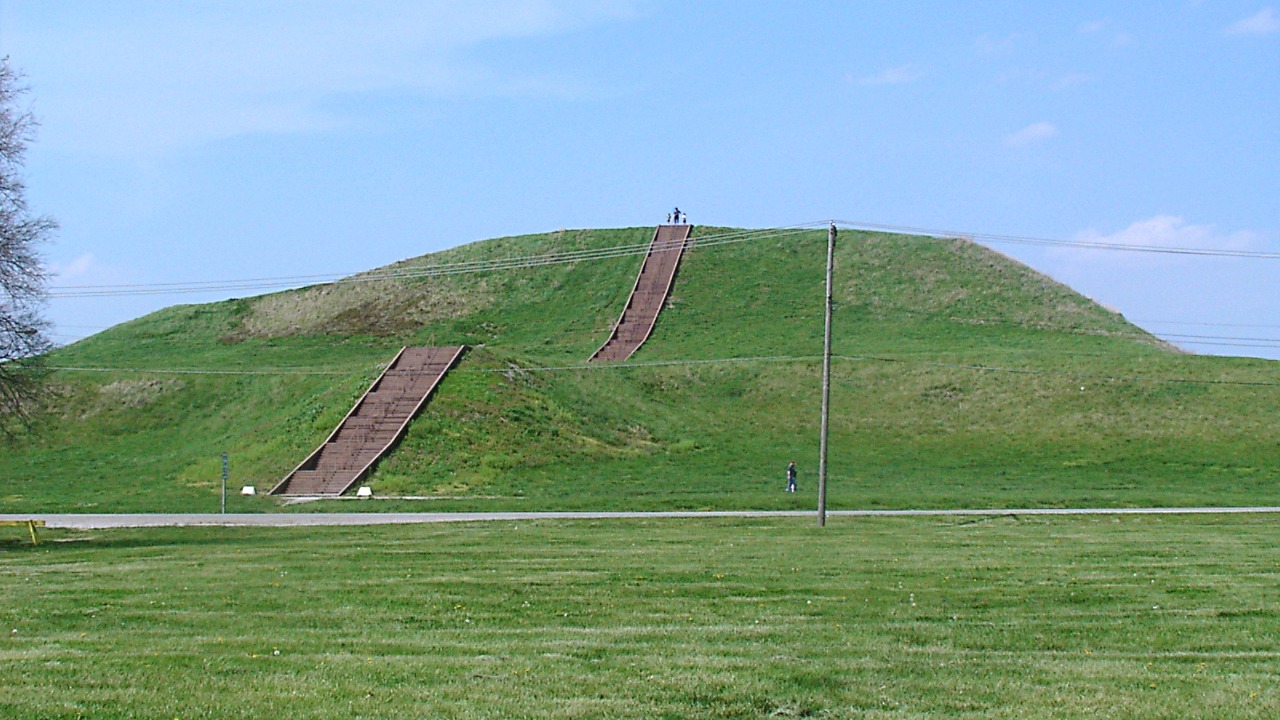
Monks Mound at Cahokia, Illinois, is the largest prehistoric earthwork in the Americas, covering more than 5 hectares and standing 30 meters high, according to UNESCO’s Cahokia listing.
The mound was built from millions of baskets of earth carried by hand. Cahokia was once a city of thousands of people, larger than London at the time, and its ruins sit just across the Mississippi River from St. Louis. Visitors can climb it today.
6. Pyramids of Meroë: Steep Tombs in the Sudan Desert
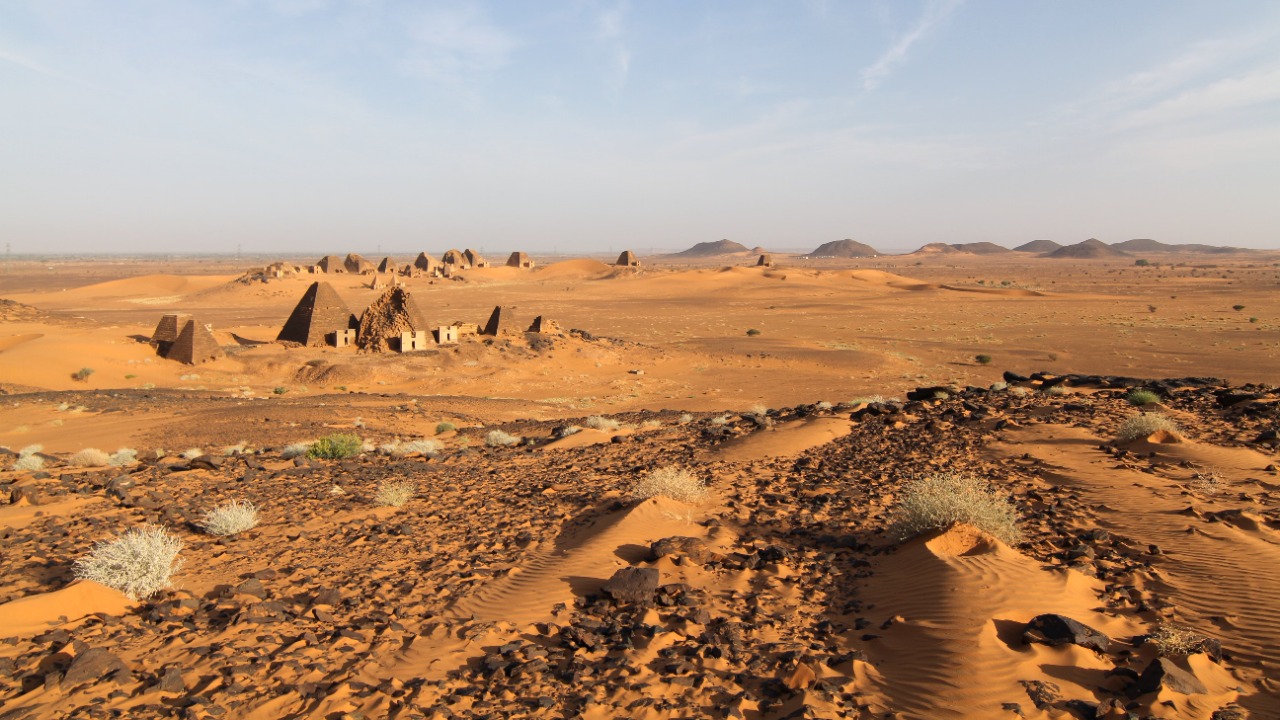
Sudan’s Meroë pyramids are royal tombs of the Kingdom of Kush, a major power from the eighth century B.C. to the fourth century A.D., according to UNESCO’s listing for the island of Meroë.
Sudan has more pyramids than Egypt, though they are smaller and steeper. Many at Meroë lost their tops in the 1800s when a treasure hunter blasted them open looking for gold, damage still visible today. They are a UNESCO World Heritage site.
7. Pyramid of Djoser: The First Pyramid Ever Built
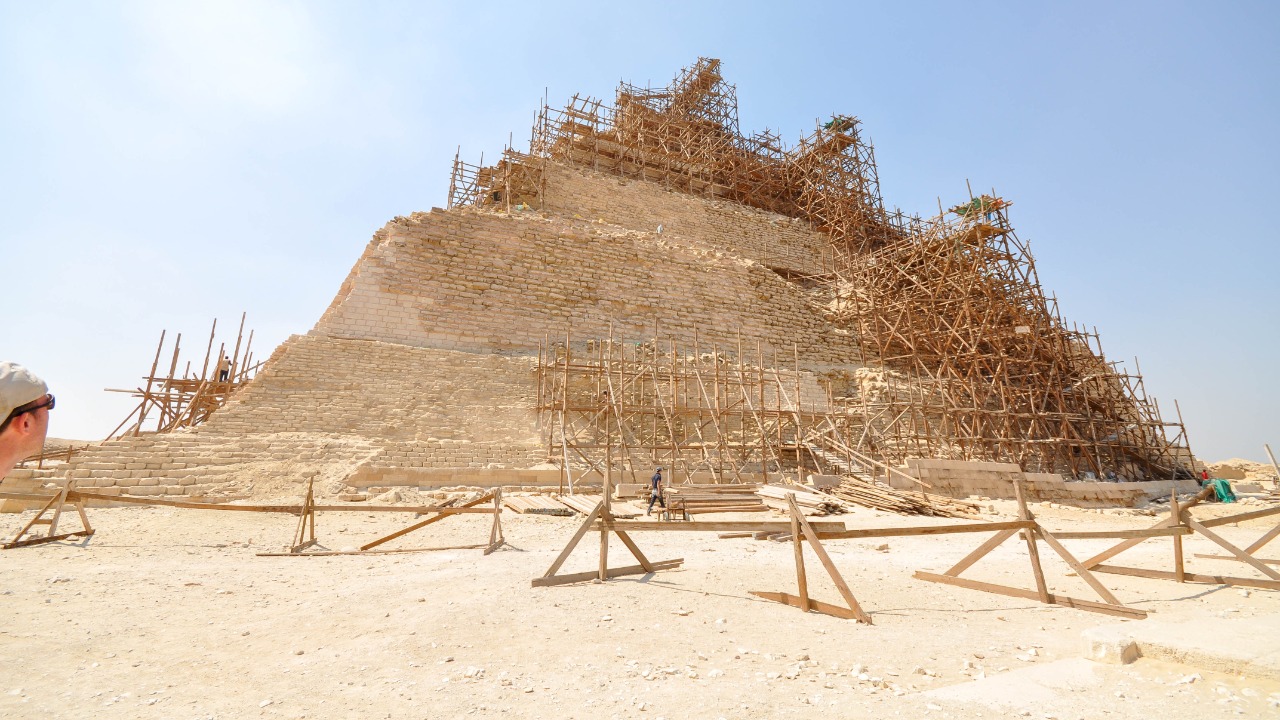
UNESCO describes Djoser’s limestone Step Pyramid at Saqqara as the first pyramid ever built, in its listing for Memphis and its necropolis.
The architect Imhotep stacked six layers of stone to create the stepped shape, a design that led to the smooth-sided pyramids at Giza. The pyramid reopened to visitors in 2020 after a long restoration. It is around 4,600 years old and stands about 62 meters tall in the desert south of Cairo.
8. Bent Pyramid: A Kink No One Can Fully Explain
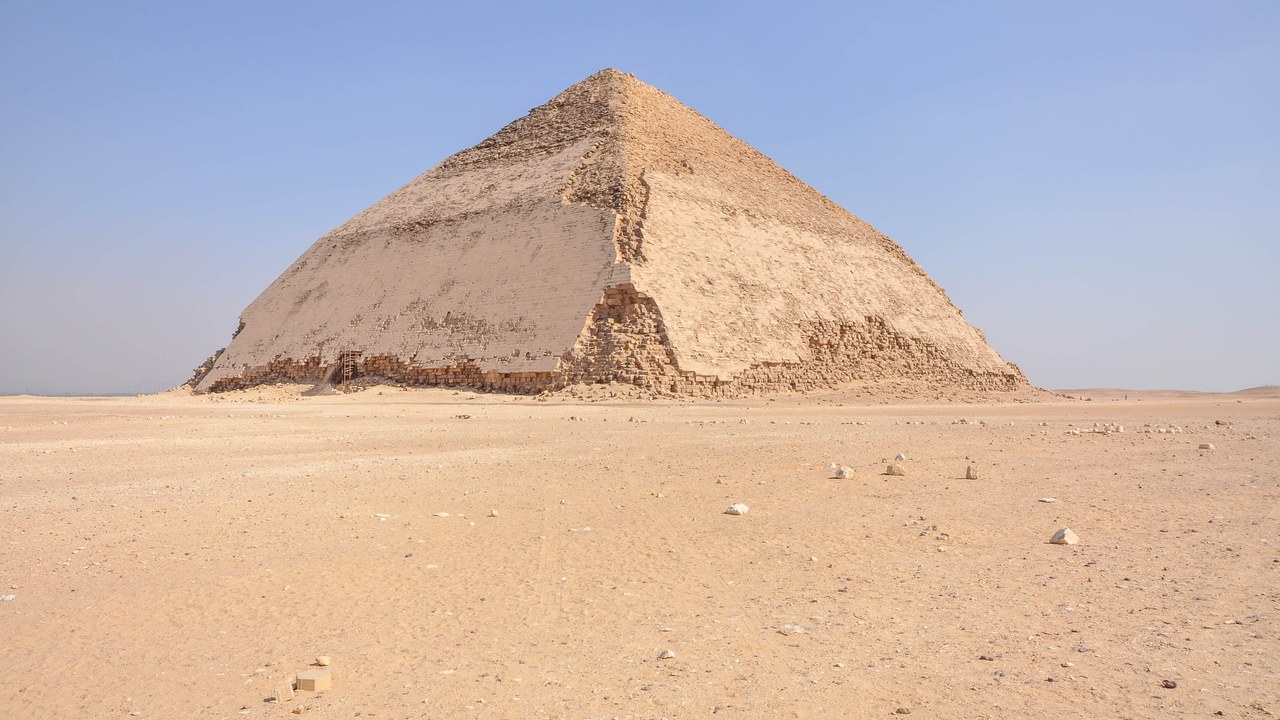
Sneferu’s Bent Pyramid at Dahshur, built around 2600 B.C., rises at about 54 degrees before changing to about 43 degrees, a kink found in no other pyramid, according to its Wikipedia entry. Why the angle changed remains unsettled.
One theory says the builders noticed cracks and lowered the angle to reduce the load. The pyramid still keeps much of its original smooth limestone casing, which makes it one of the best-preserved pyramids in Egypt.
9. Pyramid of Cestius: Rome’s Own Pyramid
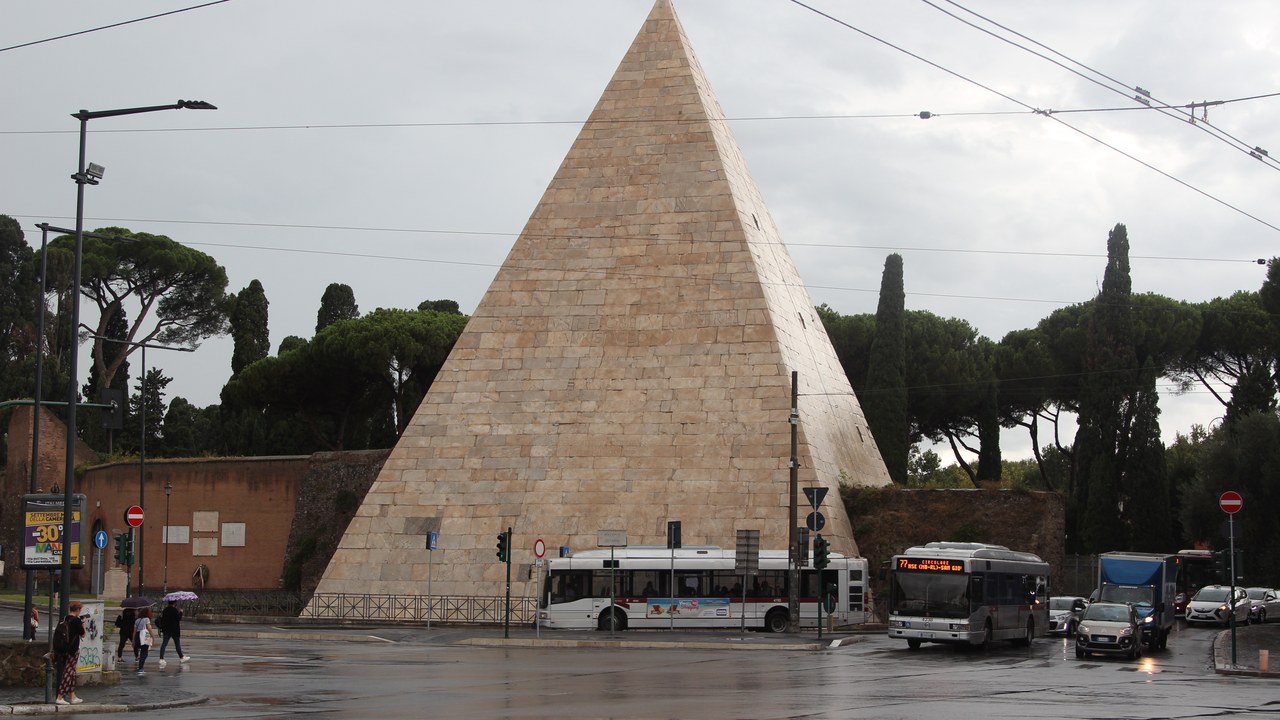
Rome has its own pyramid: the 37-meter tomb of the magistrate Gaius Cestius, completed in 330 days around 18 to 12 B.C., according to the Pyramid of Cestius entry.
The pyramid reflects the fashion for all things Egyptian in Rome after the conquest of Egypt. It was later built into the city’s defensive walls, which helped it survive when many other ancient tombs were taken apart for stone. It is a well-known landmark.
10. Candi Sukuh: A Pyramid Temple in Java
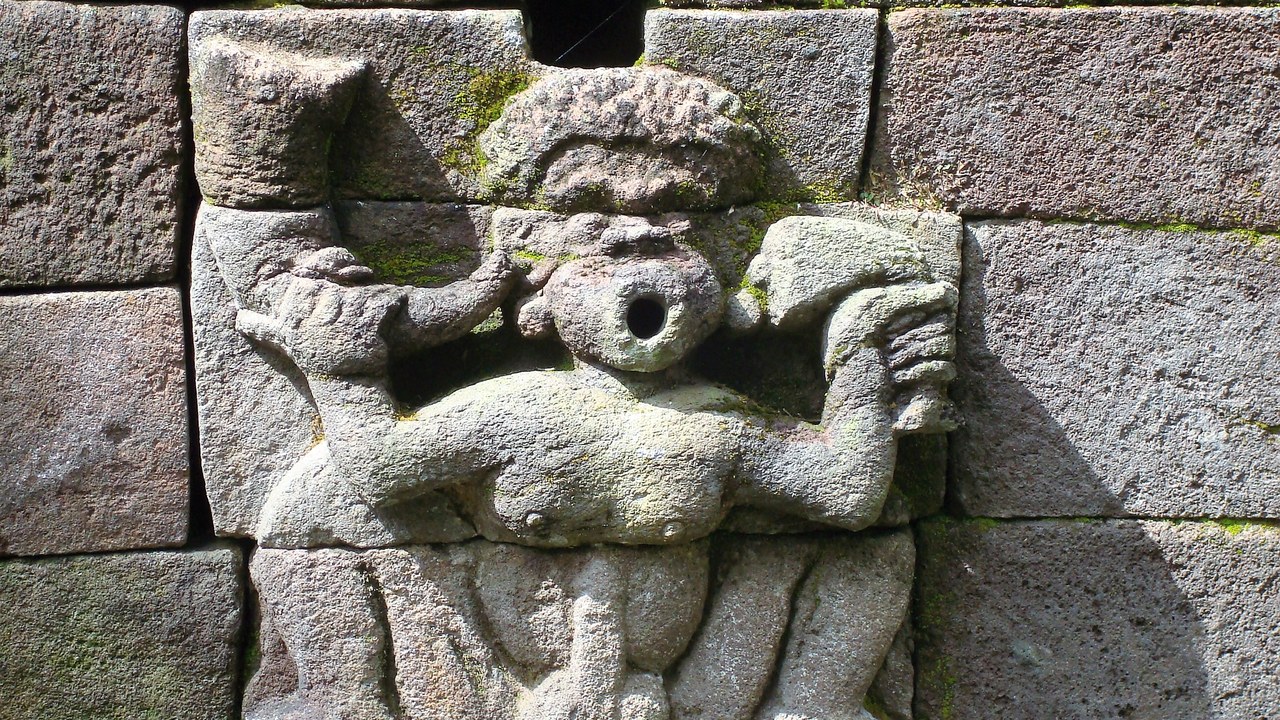
On the slope of Java’s Mount Lawu, the truncated-pyramid temple of Candi Sukuh dates to around 1437, according to the Candi Sukuh entry.
Its shape surprises visitors because it looks more like a Maya temple than the Hindu temples common elsewhere in Java. Carvings at the site depict scenes from legends, and the temple’s purpose is linked to fertility and ancestor worship. The temple remains an active place of worship for some local Hindus today.
11. Templo Mayor: Rebuilt Seven Times
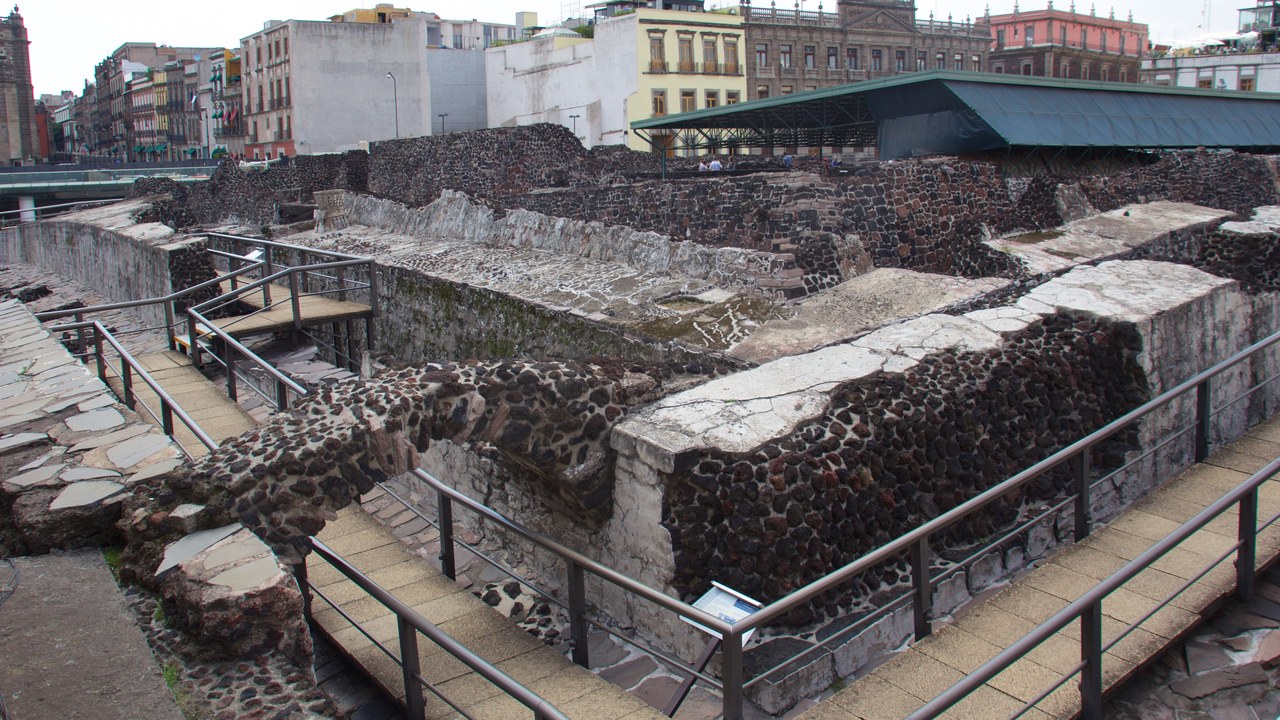
The Aztec Templo Mayor of Tenochtitlan was rebuilt seven times, destroyed by the Spanish in 1521 and rediscovered by electrical workers in 1978, according to the Templo Mayor entry.
Each rebuilding encased the earlier temple inside a larger one, like layers of an onion. Today the excavated ruins sit in the heart of Mexico City next to the cathedral, with a museum displaying the offerings found inside. It is a popular stop.
More from Morning Overview
- The Justice Department asked courts to undo approvals for three offshore wind farms, one already making power
- Over 20 trillion gallons of rain fell on the Four Corners states and Nevada in two weeks
- 11 engines built to run well past 200,000 miles
- Two Kentucky residents died when a small plane crashed at Missouri’s Lake of the Ozarks, and the NTSB is investigating
