
The National Highway Traffic Safety Administration opens investigations when owner complaints suggest a vehicle may have a safety defect. In 2026 the agency turned its attention to pickups, electric vehicles, family SUVs and even a driverless robotaxi. Here are 10 vehicles that landed on the regulator’s radar this year.
Read next on Morning Overview: A handful of car transmissions are so tough that mechanics say they almost never die
1. Ford F-150: Sudden Downshifts
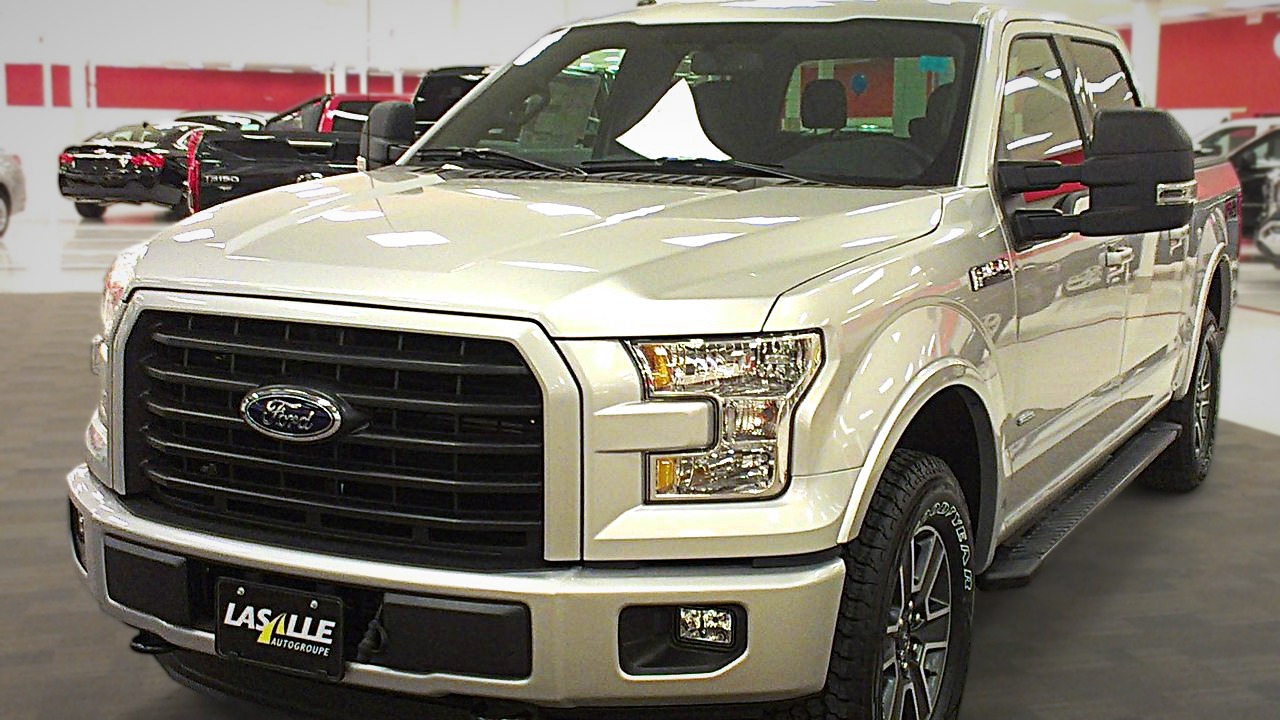
In February 2026, NHTSA expanded its probe into 1.27 million 2015-2017 Ford F-150 pickups after reports of sudden downshifts that can briefly lock the rear wheels, according to Insurance Journal.
An unexpected downshift at speed can cause a driver to lose control, especially on wet or icy roads. The F-150 is America’s best-selling vehicle line, which is why a probe of this size gets wide attention. An expanded investigation is a step that can lead to a recall if the agency finds a safety defect.
2. Rivian R1T: A Suspension Link That Separates
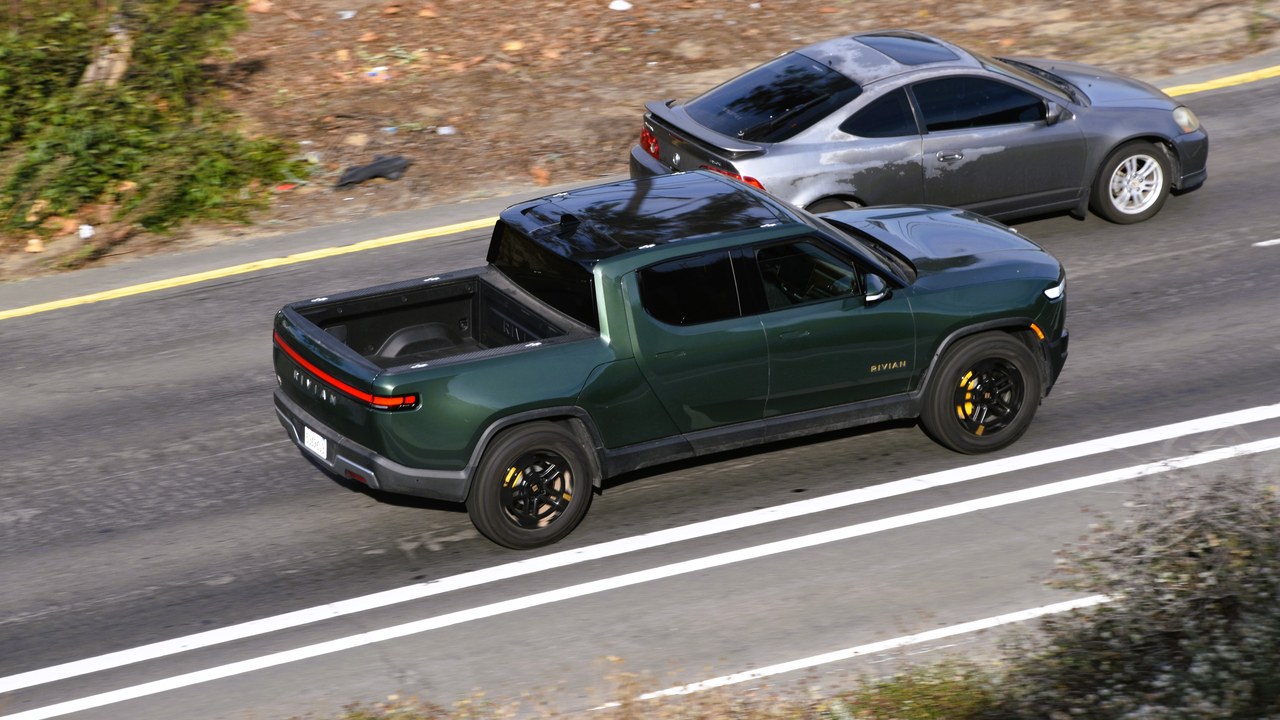
NHTSA opened a preliminary probe in May 2026 into 114,922 Rivian R1S and R1T electric vehicles after reports that the left rear toe link separated while driving, according to Insurance Journal’s report. Owners said vehicles swerved across lanes.
The toe link helps keep the rear wheels aligned. If it separates, the wheel can change angle suddenly and make the vehicle hard to control. A preliminary evaluation is the first stage of an NHTSA investigation, used to gather information from the automaker and owners.
3. Tesla Cybercab: A Car With No Steering Wheel

NHTSA opened an audit in September 2026 of about 1,000 Tesla Cybercabs, which lack a steering wheel, brake pedal, accelerator and mirrors, to examine how Tesla certified them, according to Insurance Journal.
Federal safety standards were written for vehicles with human drivers and traditional controls. A two-seat robotaxi with none of those parts raises new questions about how it meets the rules. The audit focuses on Tesla’s certification process rather than a specific crash or defect report. Its findings could shape how future driverless vehicles are approved.
4. Tesla Model 3: A Link That Detaches
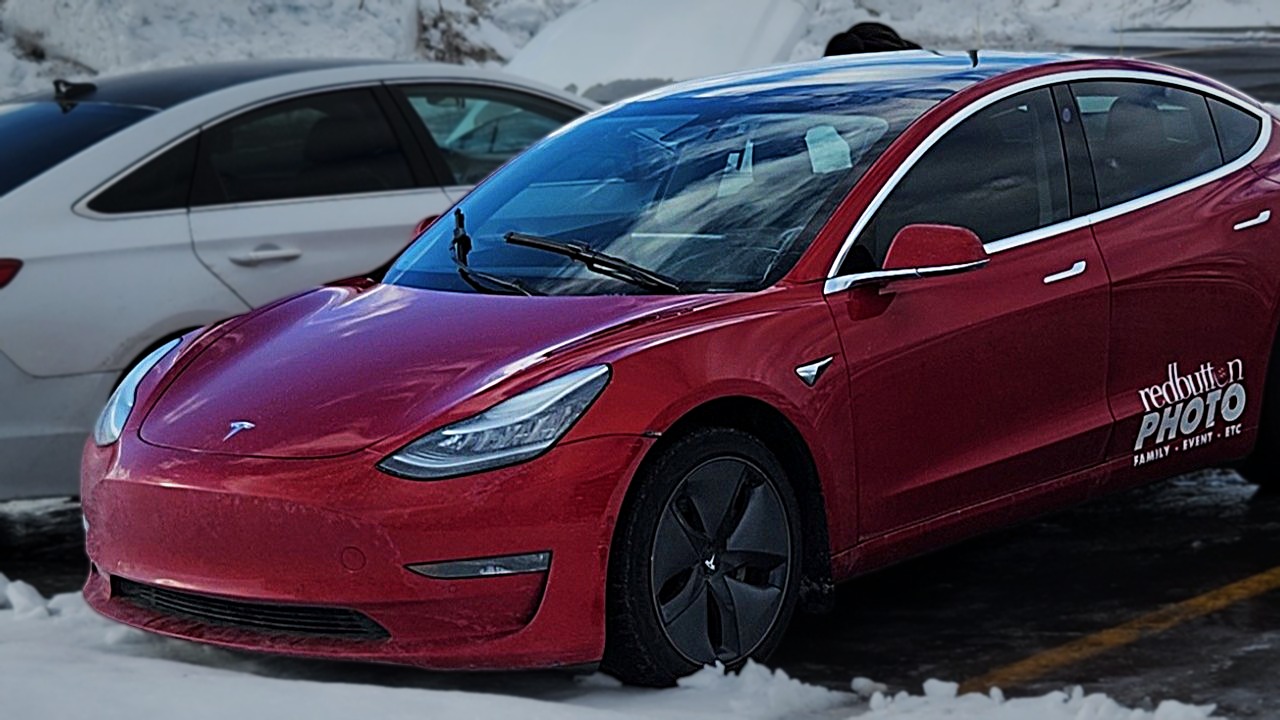
NHTSA’s July 2026 probe covers 2018-2020 Tesla Model 3 sedans after 156 complaints that the front lower lateral link detached, which can leave the car undriveable, according to the Star-Advertiser.
The front lateral link is a suspension part that helps hold the wheel in position. A detached link can make the car impossible to steer properly. Owners of affected Model 3s can check for open recalls or service bulletins using the vehicle identification number on NHTSA’s website or through Tesla’s app.
5. Tesla Model Y: No Warning Before Failure
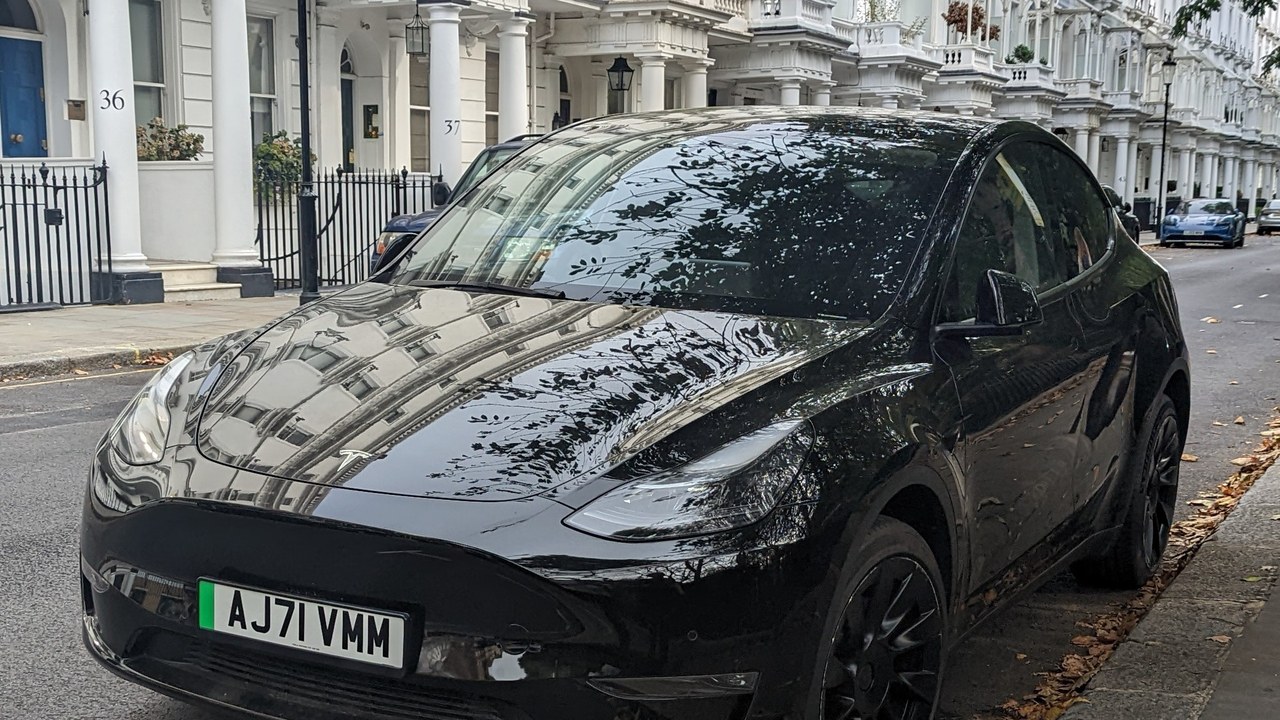
The same July 2026 suspension probe of about 1.2 million Teslas also covers 2021-2023 Model Y SUVs, with most complainants reporting no warning before the failure, according to the Star-Advertiser’s report.
The Model Y has been one of the best-selling vehicles in the world in recent years, so a probe of this scope affects a large number of owners. A failure with no warning signs leaves drivers little chance to react. Tesla owners can watch for updates on any recall that follows.
6. Chevrolet Silverado 1500: Engine Failures After a Recall
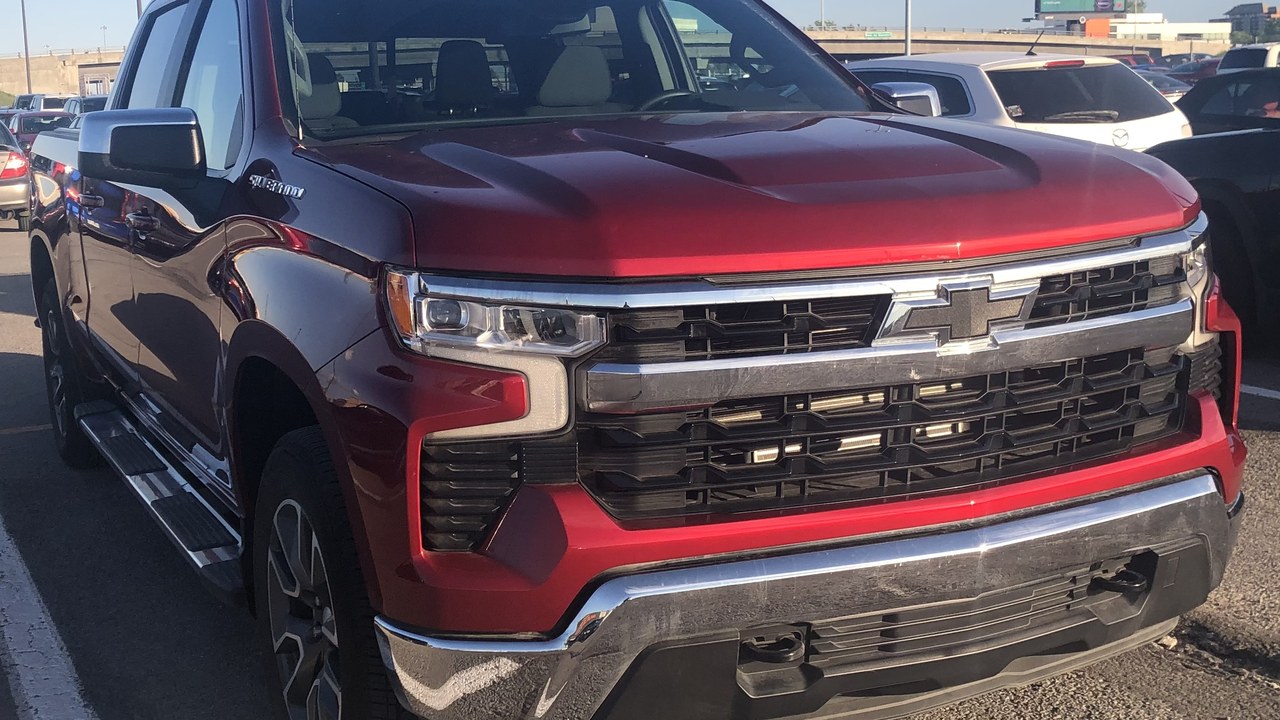
In August 2026, NHTSA opened an engineering analysis of 997,743 GM trucks and SUVs, including the Chevrolet Silverado 1500, over engine failures in 6.2-liter L87 V8 engines after GM’s recall fix, according to ARY News.
An engineering analysis is the more advanced stage of an NHTSA investigation. The probe will assess whether GM’s earlier remedy for the engine problem actually works. Owners of affected trucks should make sure the recall repair has been completed and watch for any new notices.
7. Cadillac Escalade: A Luxury SUV in the Probe
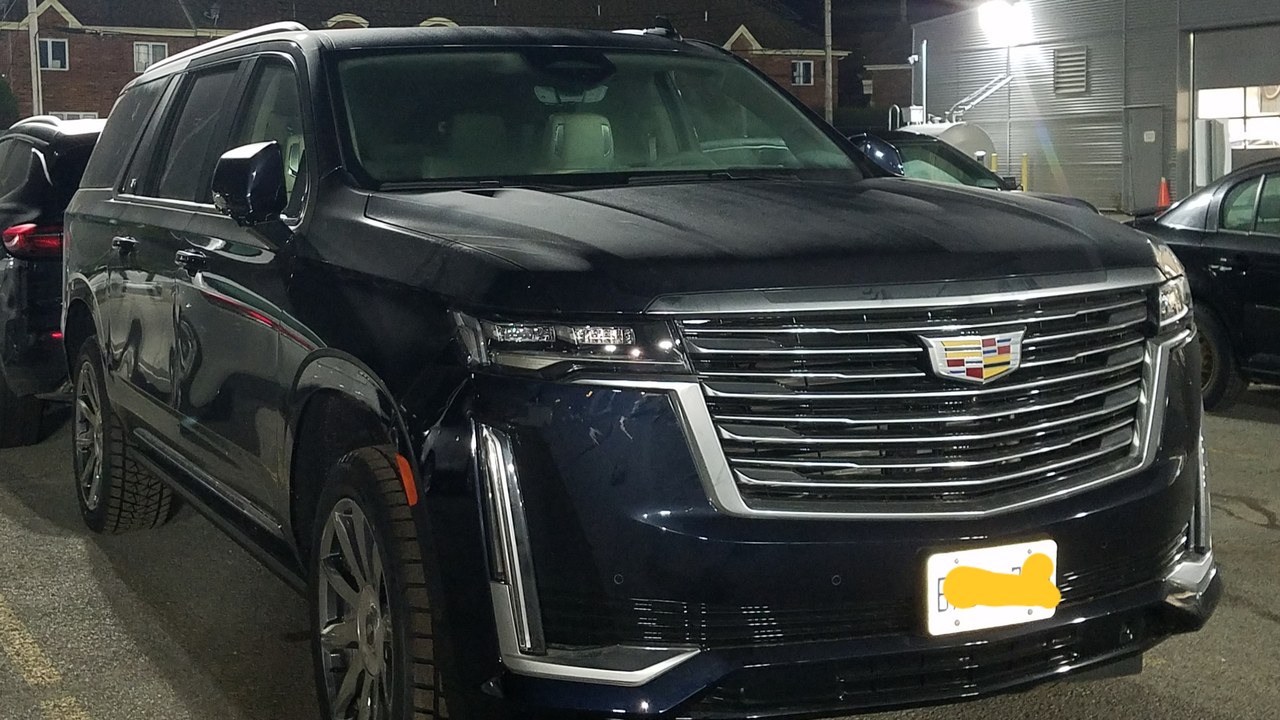
The Cadillac Escalade is among the 2021-2026 GM models with the L87 engine covered by NHTSA’s August 2026 engine-failure probe, according to ARY News.
The Escalade is Cadillac’s flagship full-size SUV and uses the same 6.2-liter V8 found in GM’s big pickups and SUVs. An engine failure on the road can mean a sudden loss of power at highway speed. Escalade owners should confirm the earlier recall work has been done and stay alert for updates from GM and NHTSA.
8. GMC Yukon: The Yukon Is Covered Too
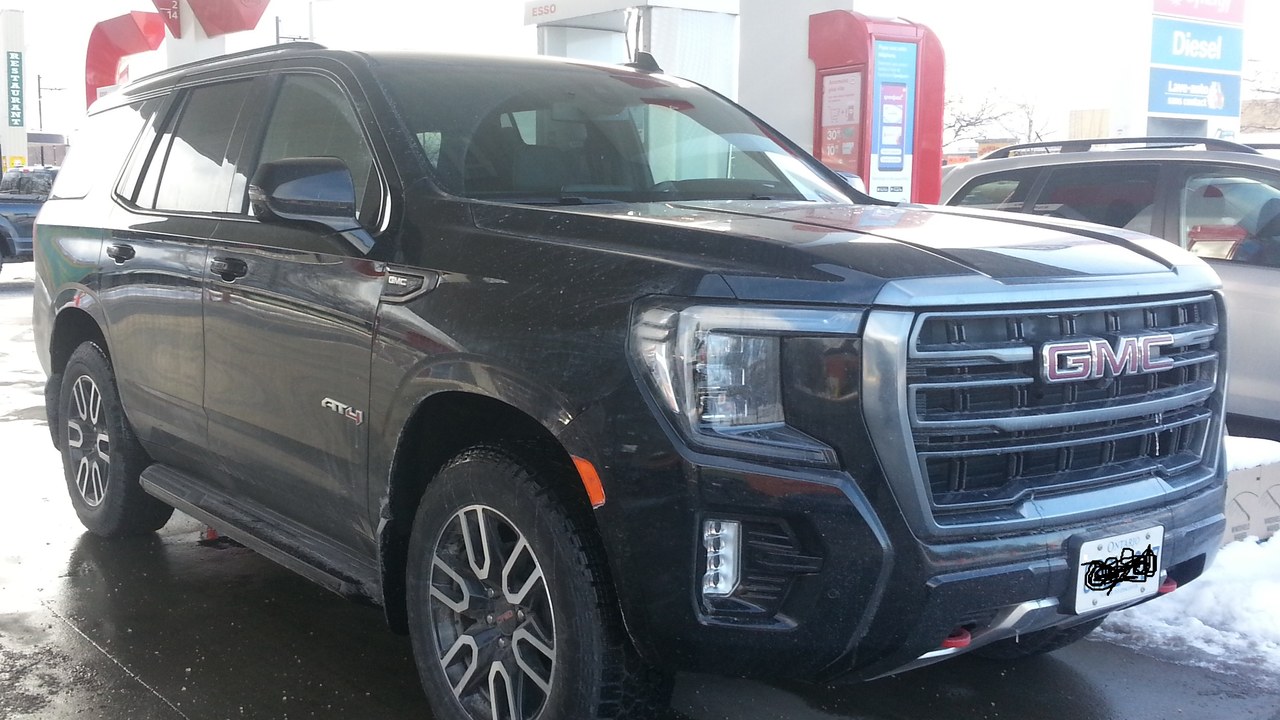
The GMC Yukon is also covered by the August 2026 probe, which will assess whether GM’s recall fix for the L87 engine works, according to ARY News.
The Yukon shares much of its engineering with the Chevrolet Tahoe and Cadillac Escalade. Because these SUVs often tow trailers and carry large families, engine reliability is a serious concern. If NHTSA finds the remedy inadequate, GM could be asked to provide a new fix for owners. Yukon owners should keep their recall paperwork.
9. Ford Explorer: Side Airbags and Burns
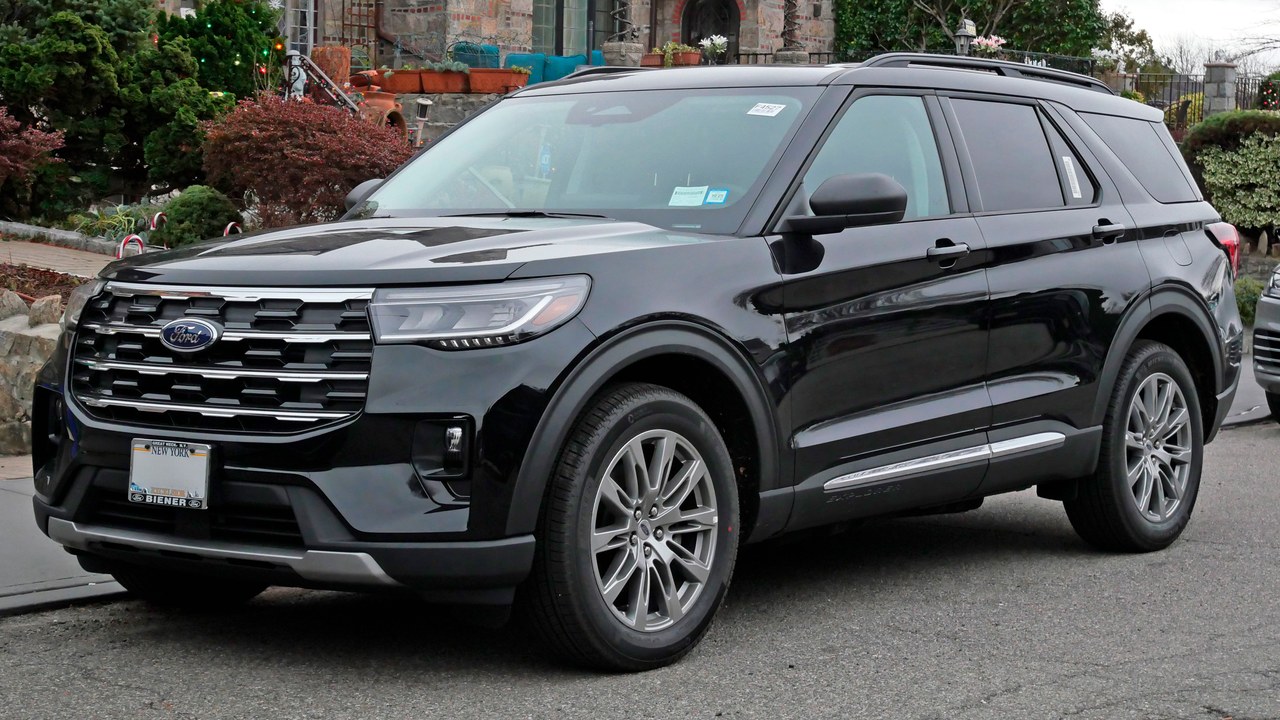
NHTSA opened a preliminary evaluation in November 2026 of about 1.2 million 2021-2026 Ford Explorers after side-airbag deployments left front passengers and police officers with second- and third-degree burns, according to Dealership Guy News.
The Explorer is widely used by police departments in its Police Interceptor Utility form, which is why officers are among those reporting injuries. Airbags are meant to protect occupants in a crash, so burn injuries raise serious questions. The evaluation will examine how and why the injuries occurred.
10. Honda Odyssey: A Petition Over Airbags
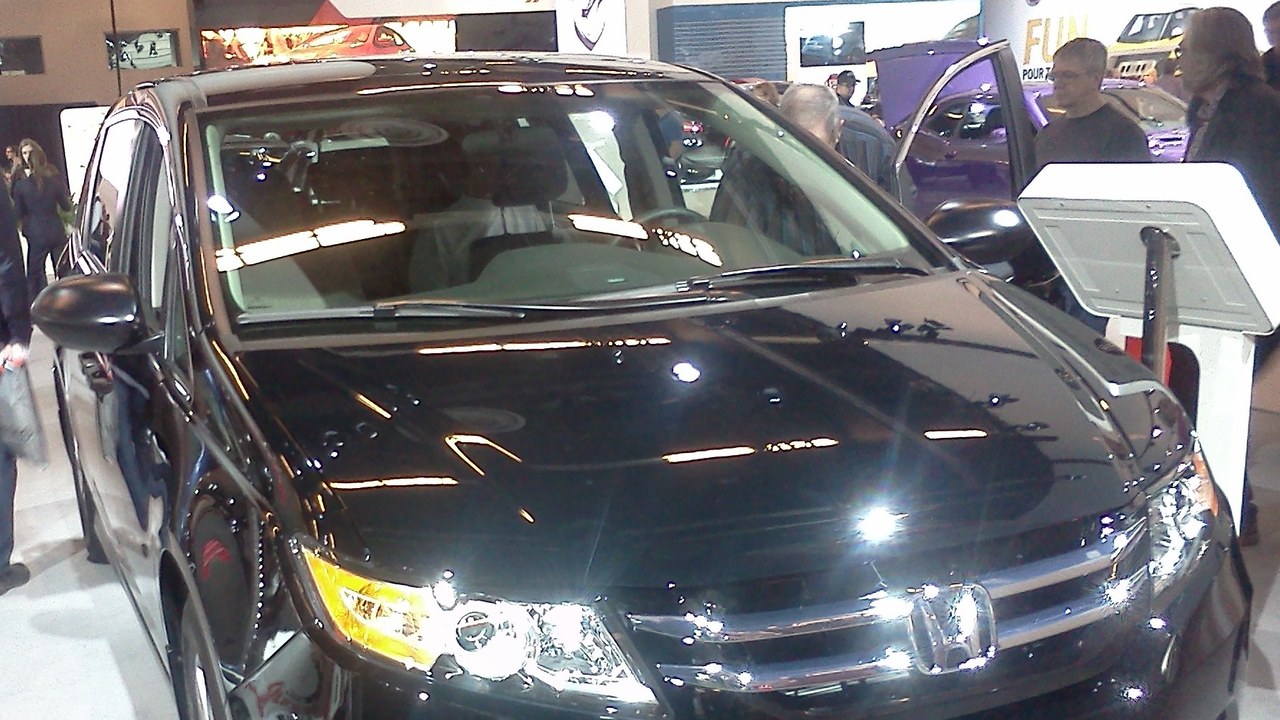
NHTSA said in July 2026 that it received a petition asking it to open a probe into 806,963 Honda Odyssey minivans from the 2011-2017 model years over airbags deploying while the vehicle is moving, according to Claims Journal.
A petition is a formal request for the agency to investigate, and NHTSA reviews it before deciding whether to open a probe. Unexpected airbag deployment can startle a driver and cause injuries. Odyssey owners can check for open recalls on NHTSA’s website using their vehicle identification number.
More from Morning Overview
- The Justice Department asked courts to undo approvals for three offshore wind farms, one already making power
- Over 20 trillion gallons of rain fell on the Four Corners states and Nevada in two weeks
- 11 engines built to run well past 200,000 miles
- Two Kentucky residents died when a small plane crashed at Missouri’s Lake of the Ozarks, and the NTSB is investigating
