
Every one of these places was once a center of power, trade or faith, home to rulers whose names still echo through history. Volcanoes, wars, shifting trade routes and time itself brought them down, leaving ruins that draw visitors from around the world. Here are twelve great ancient cities that fell to ruin.
Read next on Morning Overview: The FAA wants $2.39 million from a flight school it says flew a Cessna about 280 times with an unapproved part
1. Pompeii: Frozen in Ash
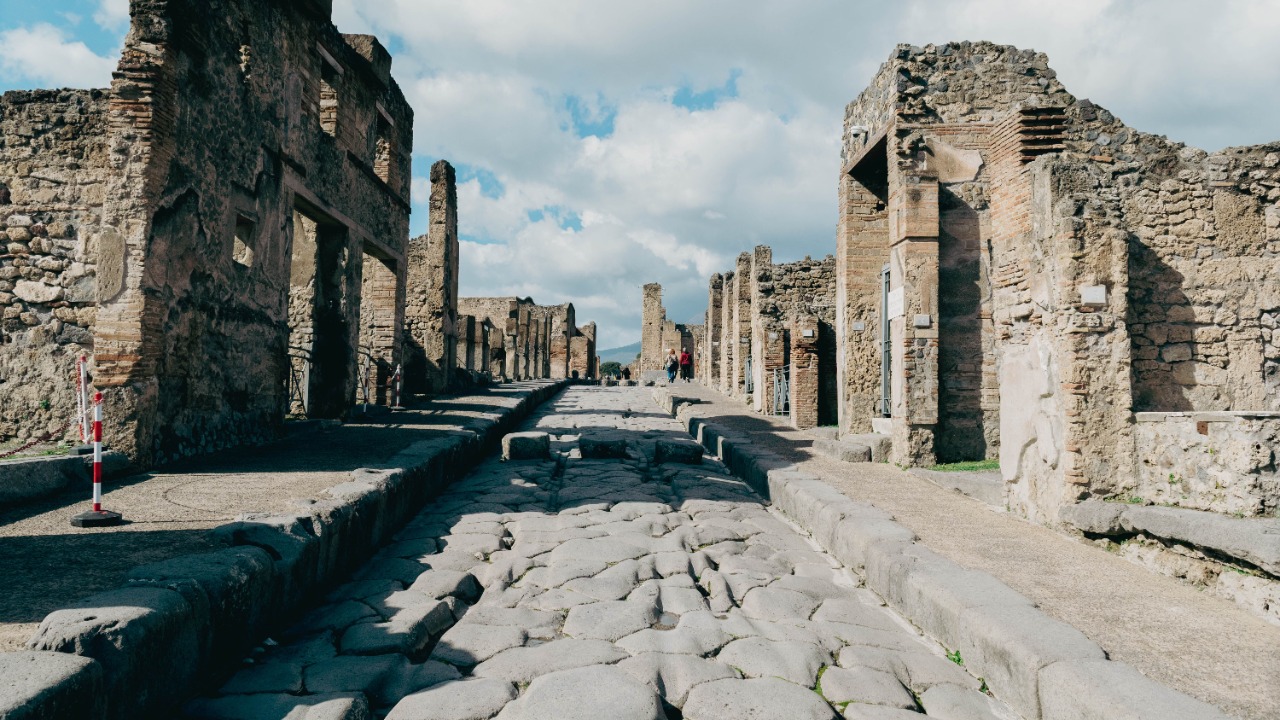
When Vesuvius erupted in 79 AD, it engulfed the flourishing Roman towns of Pompeii and Herculaneum. According to UNESCO’s listing, Pompeii was buried largely under a thick layer of volcanic ash and lapilli, while Herculaneum disappeared under pyroclastic surges.
The towns have been excavated and opened to the public since the mid-18th century. Pompeii’s well-preserved buildings, spread over an excavated area of 44 hectares, make it the only archaeological site in the world that offers a complete picture of an ancient Roman city, from its forum to its homes.
2. Petra: A City Carved From Red Rock
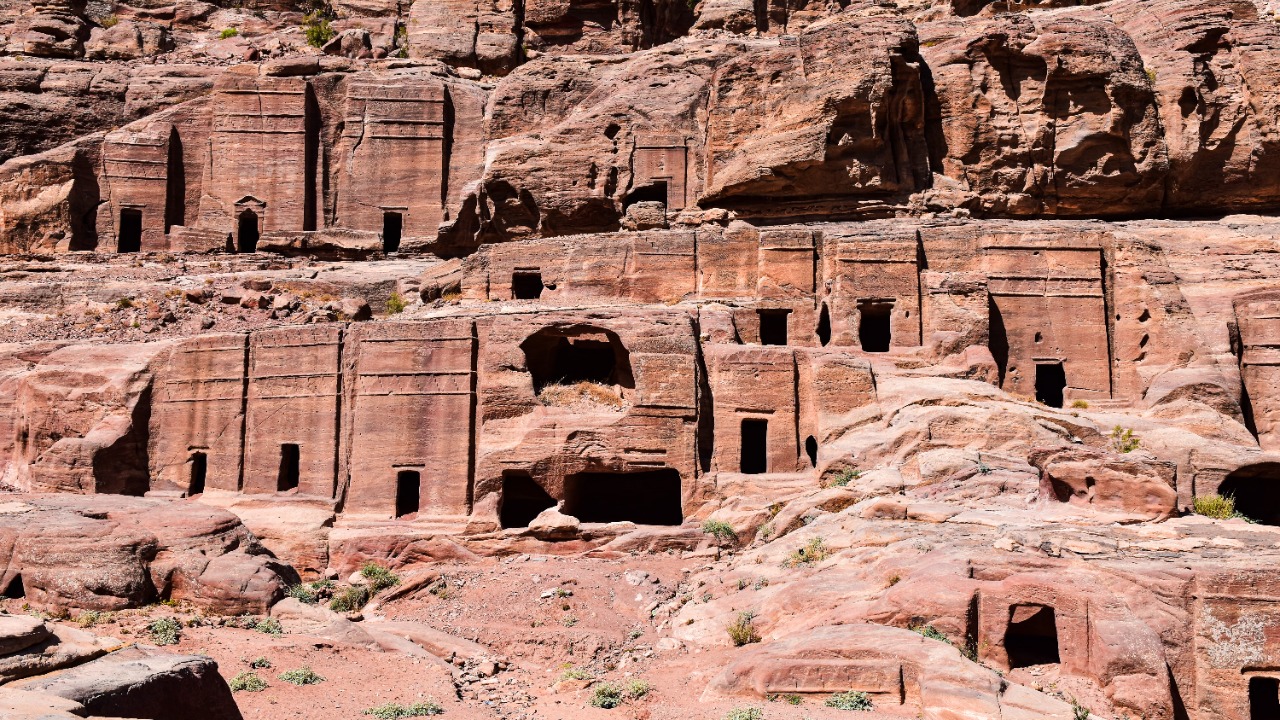
Petra is half-built and half-carved into red sandstone, surrounded by mountains riddled with passages and gorges. According to UNESCO, an ingenious water system allowed people to settle in this arid land during the Nabataean, Roman and Byzantine periods.
Located between the Red Sea and the Dead Sea, the Nabataean capital became a major caravan center for the incense of Arabia, the silks of China and the spices of India. It was a crossroads between Arabia, Egypt and Syria-Phoenicia, and today it is one of the world’s most famous archaeological sites.
3. Troy: The City of the Iliad
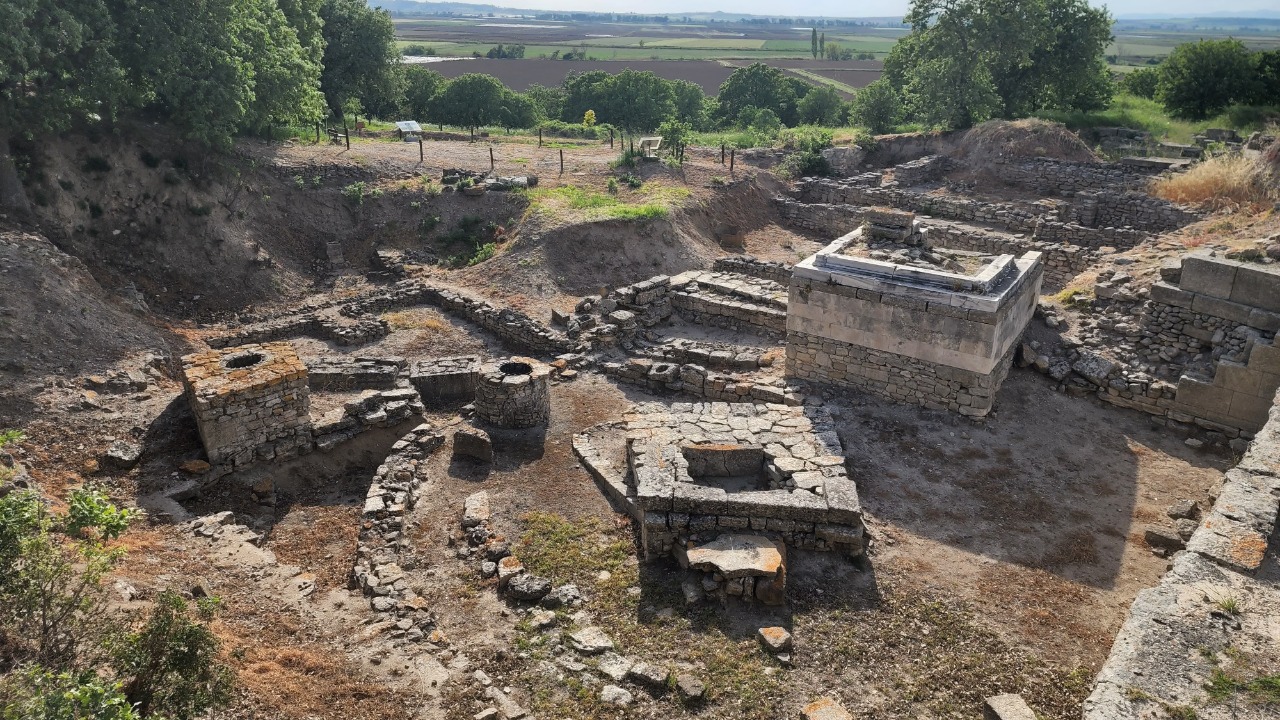
Excavations begun more than a century ago traced the city whose siege by Mycenaean warriors in the 13th century BC Homer immortalized in the Iliad. According to UNESCO’s description, Troy carries 4,000 years of history and is one of the most famous archaeological sites in the world.
The first excavations were carried out by the archaeologist Heinrich Schliemann in 1870. In scientific terms, the extensive remains are the most significant demonstration of the first contact between the civilizations of Anatolia and the Mediterranean world. The layered ruins record city after city built on the same mound.
4. Mohenjo-daro: A Planned Bronze Age Metropolis
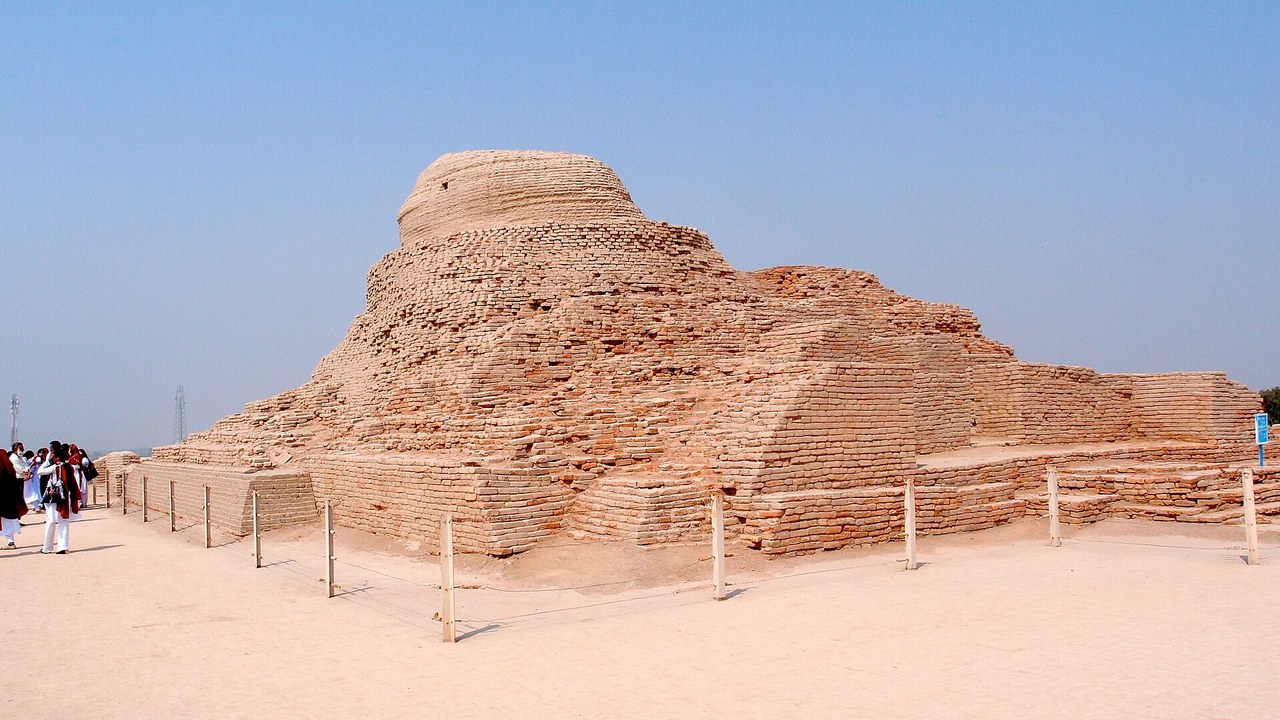
Mohenjo-daro was a metropolis of the Indus civilization that flourished between 2,500 and 1,500 BC. Its discovery in 1922 revealed the customs, art and religion of its people, according to UNESCO.
The huge city was built entirely of unbaked brick in the 3rd millennium BC. Its acropolis, set on high embankments, its ramparts and its lower town laid out according to strict rules show evidence of an early system of town planning. It remains one of the best-preserved urban sites from that era.
5. Great Zimbabwe: Africa’s Great Stone City
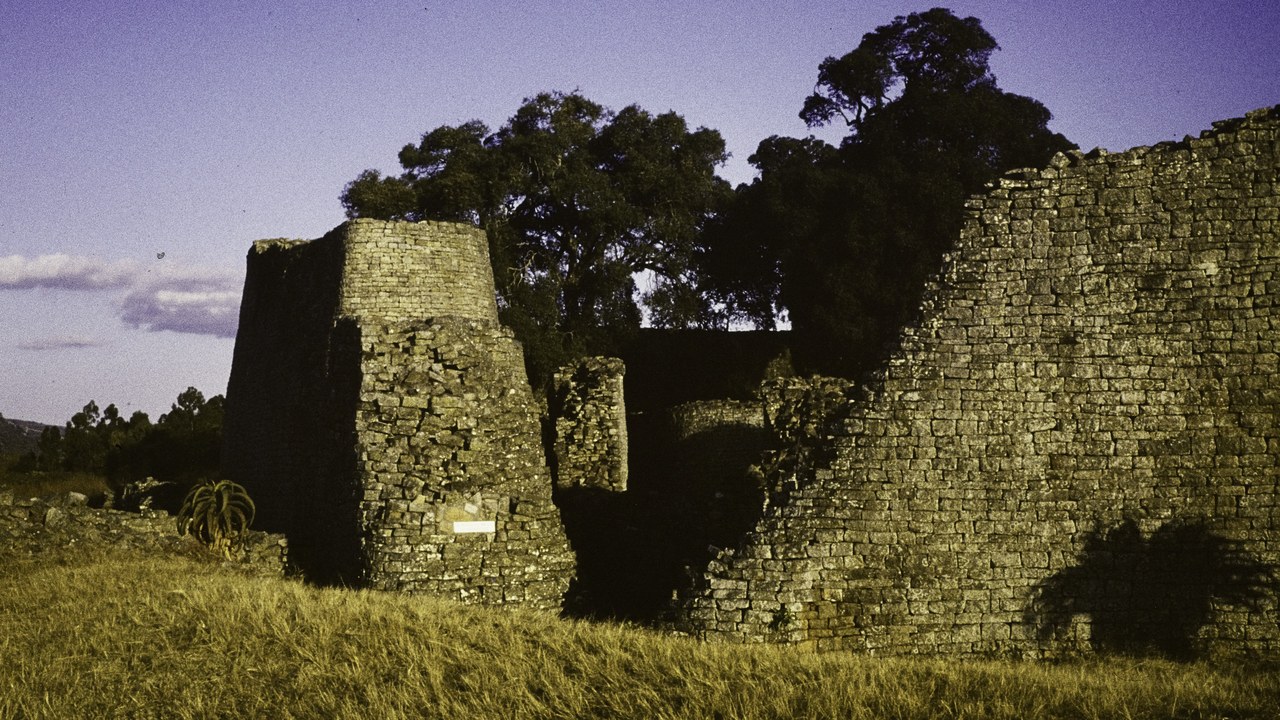
Built between 1100 and 1450 AD, Great Zimbabwe spreads over almost 800 hectares of granite enclosures, from the Hill Ruins to the Great Enclosure, according to UNESCO’s listing. It is a unique testimony to the Bantu civilization of the Shona.
The city was an important trading center renowned from the Middle Ages onward. An age-old legend even called it the capital of the Queen of Sheba. Its massive dry-stone walls, built without mortar, are among the most impressive ancient structures south of the Sahara.
6. Persepolis: The Capital of the Persian Kings
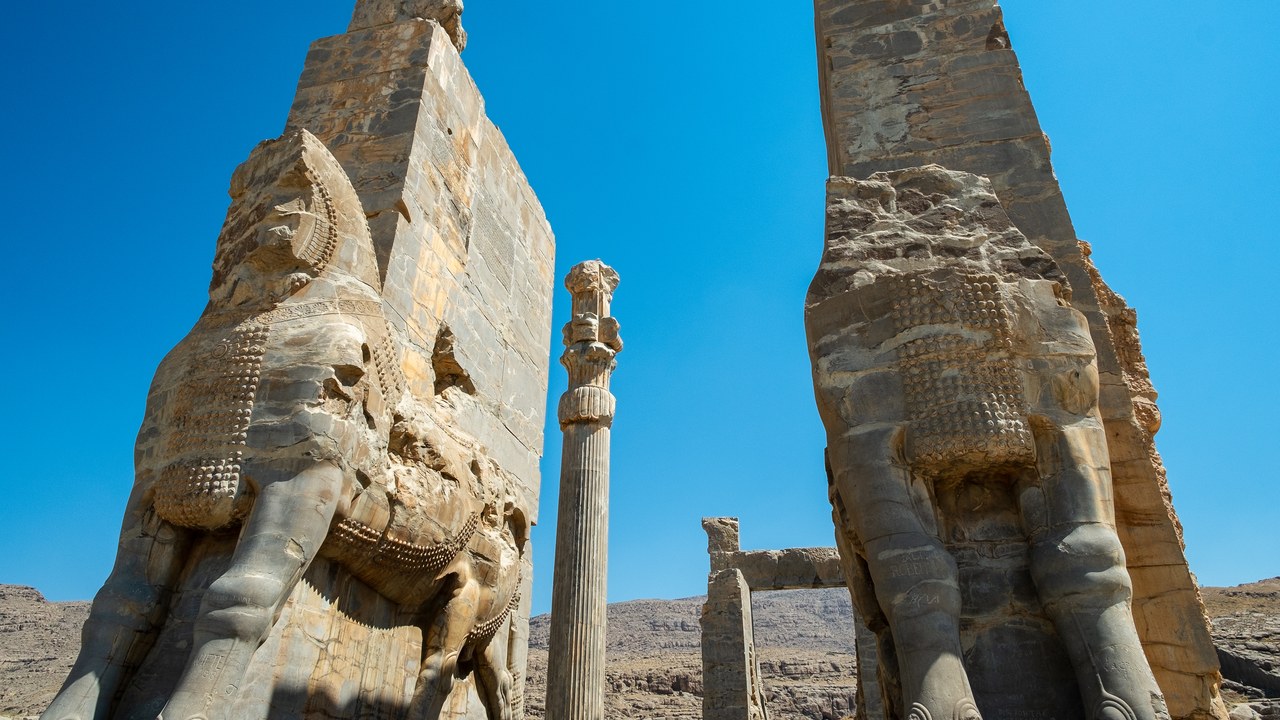
Persepolis was founded by Darius I in 518 BC as the capital of the Achaemenid Empire. According to UNESCO, it was built on an immense half-artificial, half-natural terrace, where successive kings raised a palace complex inspired by Mesopotamian models, including the massive Apadana.
The quality of the monumental ruins makes it a unique archaeological site. Its gateways, staircases and relief carvings depict delegations from across the empire bringing tribute. The city was ultimately sacked and burned by Alexander the Great, leaving behind the columns and stone figures that still stand today.
7. Babylon: The Seat of Hammurabi and Nebuchadnezzar
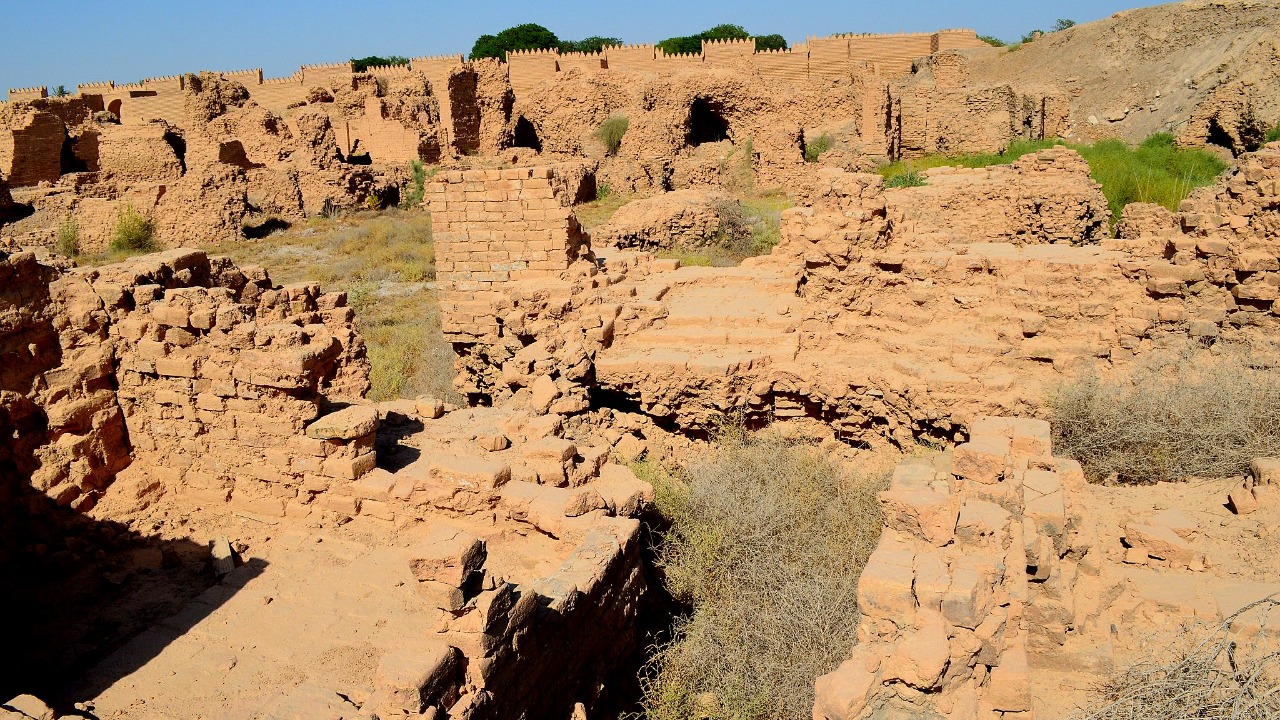
Babylon was one of the largest and oldest settlements in Mesopotamia. According to UNESCO’s description, it was the seat of empires under famous rulers such as Hammurabi and Nebuchadnezzar and served as capital of the Neo-Babylonian Empire from 626 to 539 BCE.
The site lies about 85 kilometers south of Baghdad and includes the remains of outer and inner city walls, gates, palaces and temples. Those ruins are a unique testimony to one of the most influential empires of the ancient world, whose fame still shapes how people imagine the ancient Near East.
8. Palmyra: A Caravan Oasis in the Desert
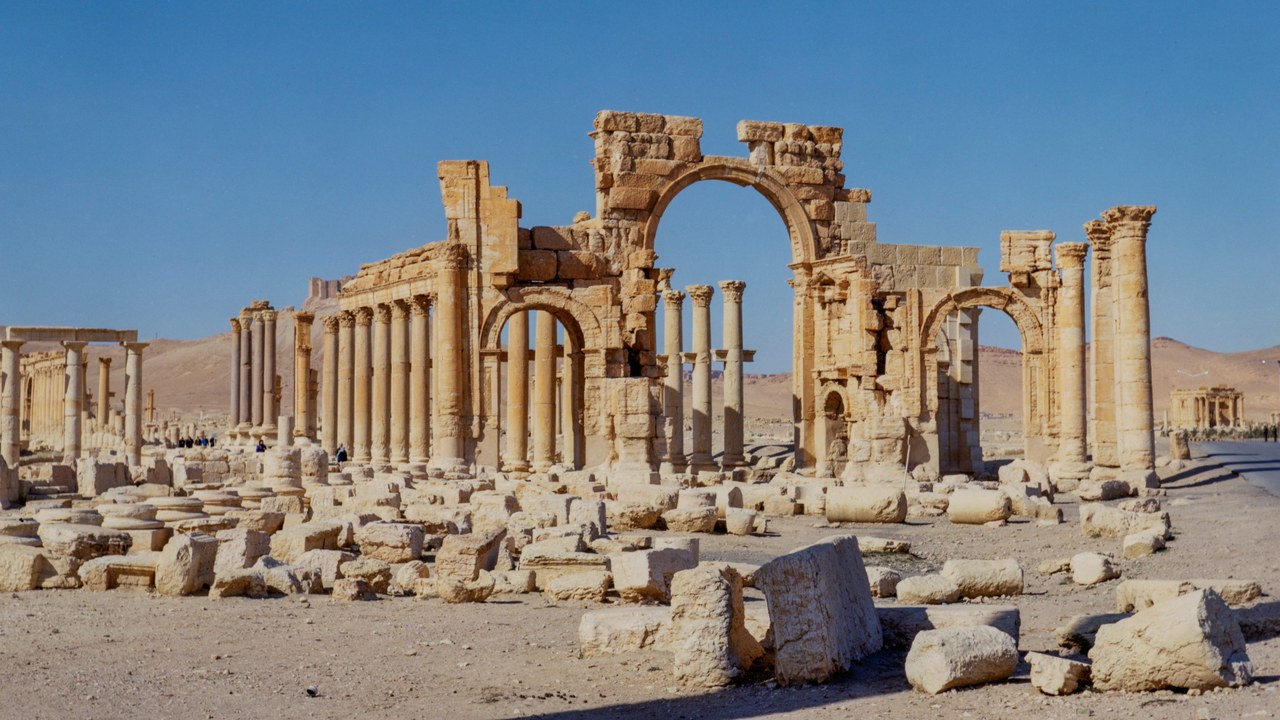
Palmyra grew rich as a caravan oasis on the trade route linking Persia, India and China with the Roman Empire. According to UNESCO, its art and architecture blended Graeco-Roman techniques with local traditions and Persian influences.
The oasis in the Syrian desert, north-east of Damascus, contains the monumental ruins of a city that was one of the most important cultural centers of the ancient world. Its grand colonnaded street is a characteristic example of the city’s monumental style. Its ruins rise dramatically out of the surrounding desert.
9. Hattusa: The Walled Hittite Capital

Hattusa, the former capital of the Hittite Empire, was ringed by a monumental wall more than 8 kilometers long, enclosing a lower city and an upper city, according to UNESCO’s listing.
The site is known for its temples, royal residences and fortifications, as well as the rich ornamentation of the Lions’ Gate and the Royal Gate. The Great Temple in the lower city is the best-preserved ruin of a Hittite temple from the 13th century BC, while the upper city was largely a temple city for the gods.
10. Mycenae: The Kingdom of Agamemnon
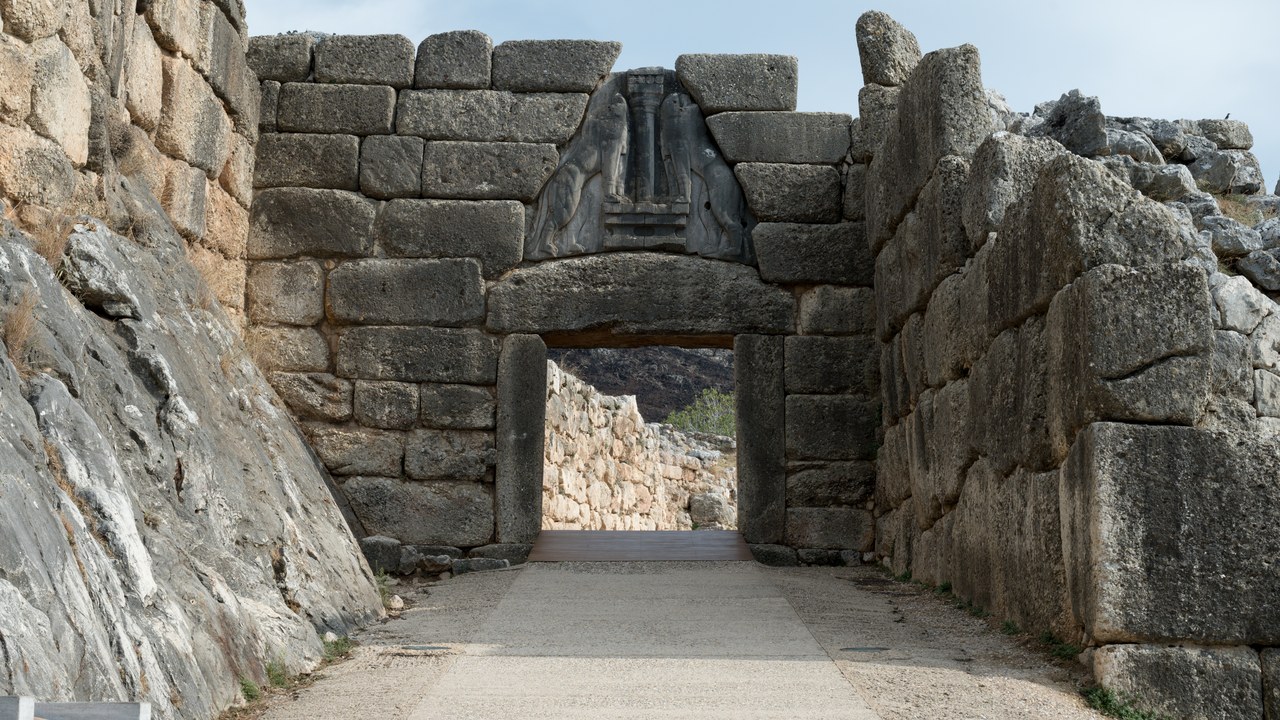
Mycenae, the kingdom of the mythical Agamemnon, was the most important and richest palace center of Late Bronze Age Greece, according to UNESCO. Its citadel held a strategic position controlling the Argolid Plain.
The city gave its name to one of the greatest civilizations of Greek prehistory, and it inspired Homer’s epics. UNESCO singles out its Lion Gate and the Treasury of Atreus as outstanding examples of human creative genius. The great stone gateway still marks the entrance to the citadel.
11. Carthage: Rome’s Great Rival
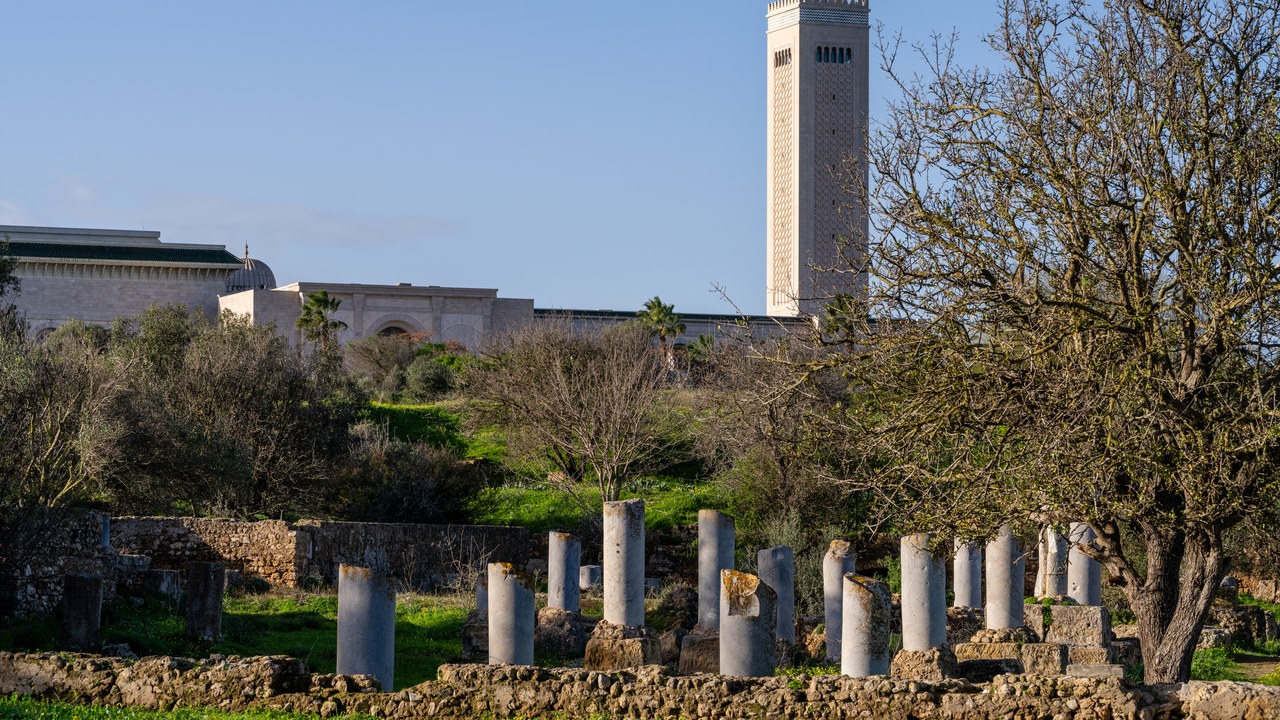
Carthage was the metropolis of Punic civilization in Africa and ruled a great commercial empire, until Rome destroyed its rival after the Punic Wars and rebuilt the town on its ruins, according to UNESCO’s listing.
Founded in the 9th century BC on the Gulf of Tunis, Carthage developed into a trading empire covering much of the Mediterranean from the 6th century onward. In Roman times it became the capital of the province of Africa. Its layered remains reflect Phoenician-Punic, Roman, early Christian and Arab cultures.
12. Leptis Magna: Rome’s Splendor in Africa
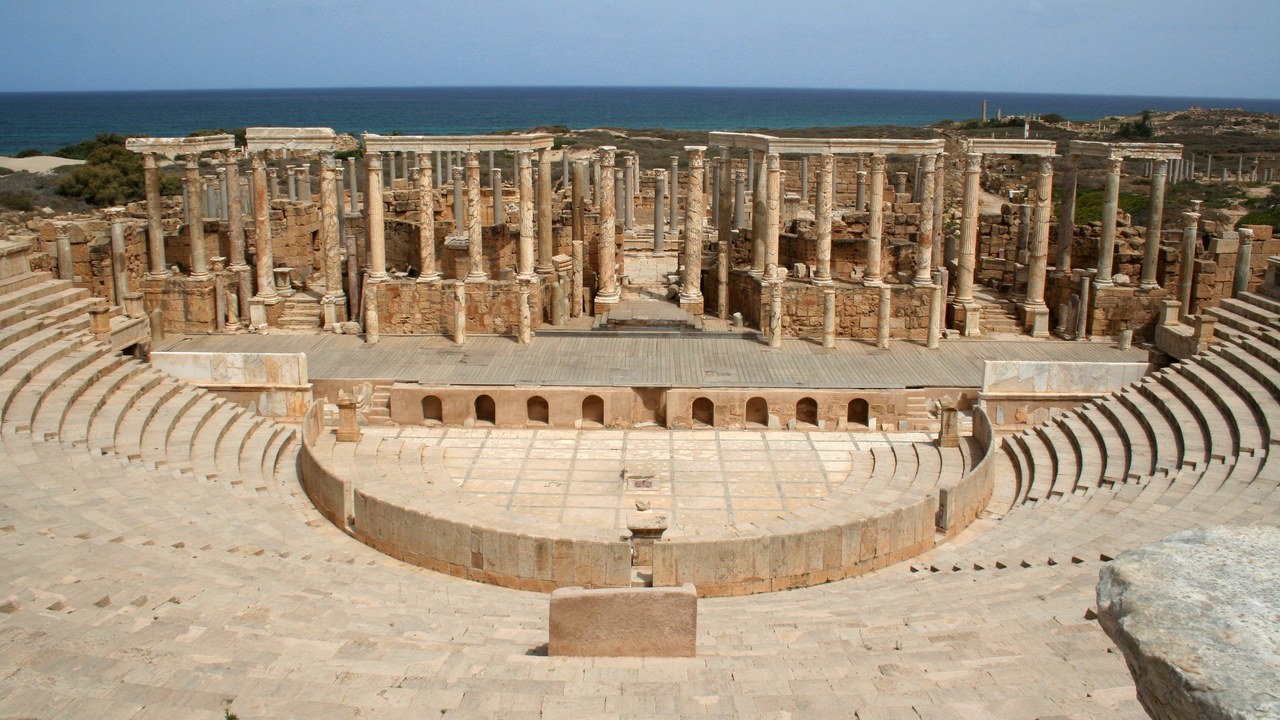
Embellished by the Severan emperors in the 3rd century CE, Leptis Magna became one of the most splendid cities of Roman North Africa. According to UNESCO, it was enlarged by Septimius Severus, who was born there and later became emperor.
It was one of the most beautiful cities of the Roman Empire, with imposing public monuments, a harbor, a marketplace, storehouses, shops and residential districts. UNESCO says the city provides a vivid picture of life in a Roman provincial city. Its theater and arches still overlook the Mediterranean coast of Libya.
More from Morning Overview
- Arizona’s governor declared a statewide emergency after Flagstaff logged its wettest Nov. 1 on record
- Zero Motorcycles unveiled an electric motorcycle targeted at under $8K and a street-legal dirt bike at EICMA
- New FCC rules on how people can stop robocalls and texts take effect Nov. 25
- Neanderthals in Spain carved a wooden object that matches nothing archaeologists have ever found
