
Conservation rarely produces clean victories, yet several native species have climbed away from collapse after hunting, poisoning and habitat loss. Federal agencies and wildlife writers track these rebounds through delisting dates, nesting-pair tallies and population estimates. Here are ten of the best-documented comebacks, each with the figures its source reports.
Read next on Morning Overview: 11 engines built to run well past 200,000 miles
1. Bald eagle: Flagship of the Endangered Species Act
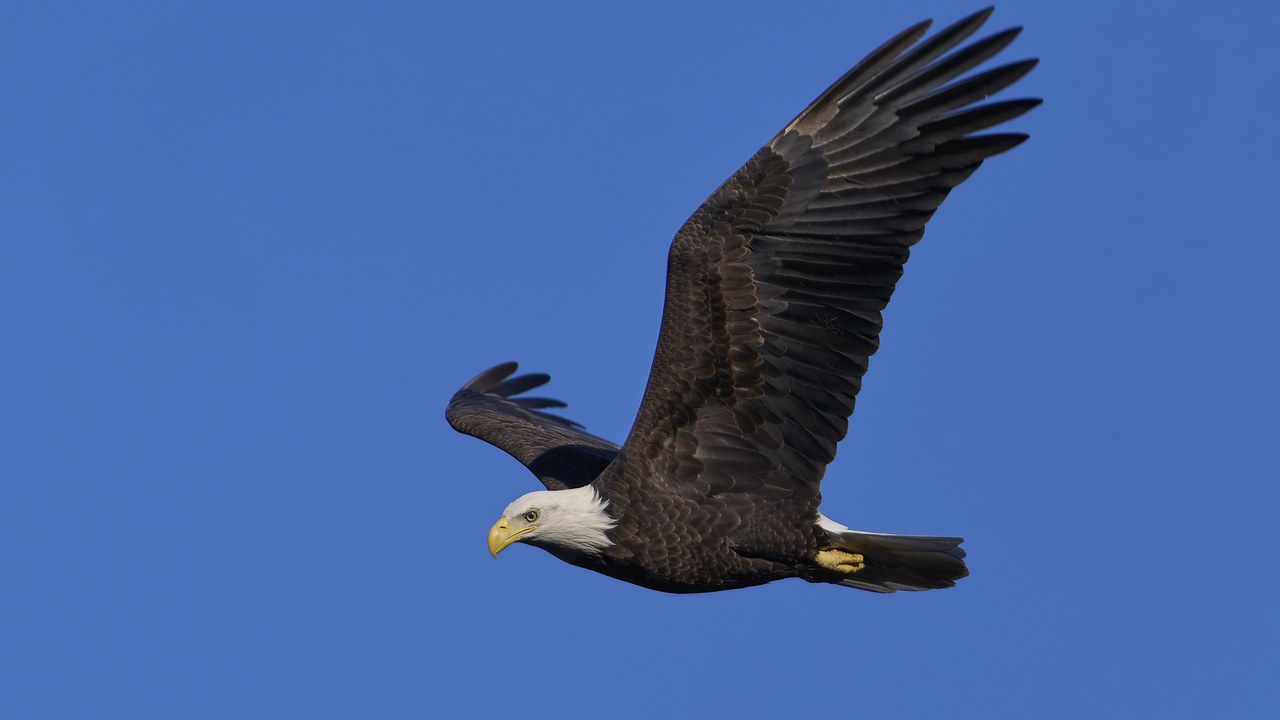
The Interior Department’s Interior Department anniversary review lists the bald eagle among its signature wins, noting that the bird was removed from the list of endangered species in 2007. The agency treats the eagle as a flagship recovery under the Endangered Species Act.
Delisting is the formal marker that protection worked well enough to be scaled back. The same page groups the eagle with the alligator and peregrine falcon, which suggests the three share one story: a species pulled from the endangered list rather than lost. The page names no figure for eagle numbers, so the delisting year is the only quantitative anchor offered here.
2. American alligator: From Hunted Low to Delisted
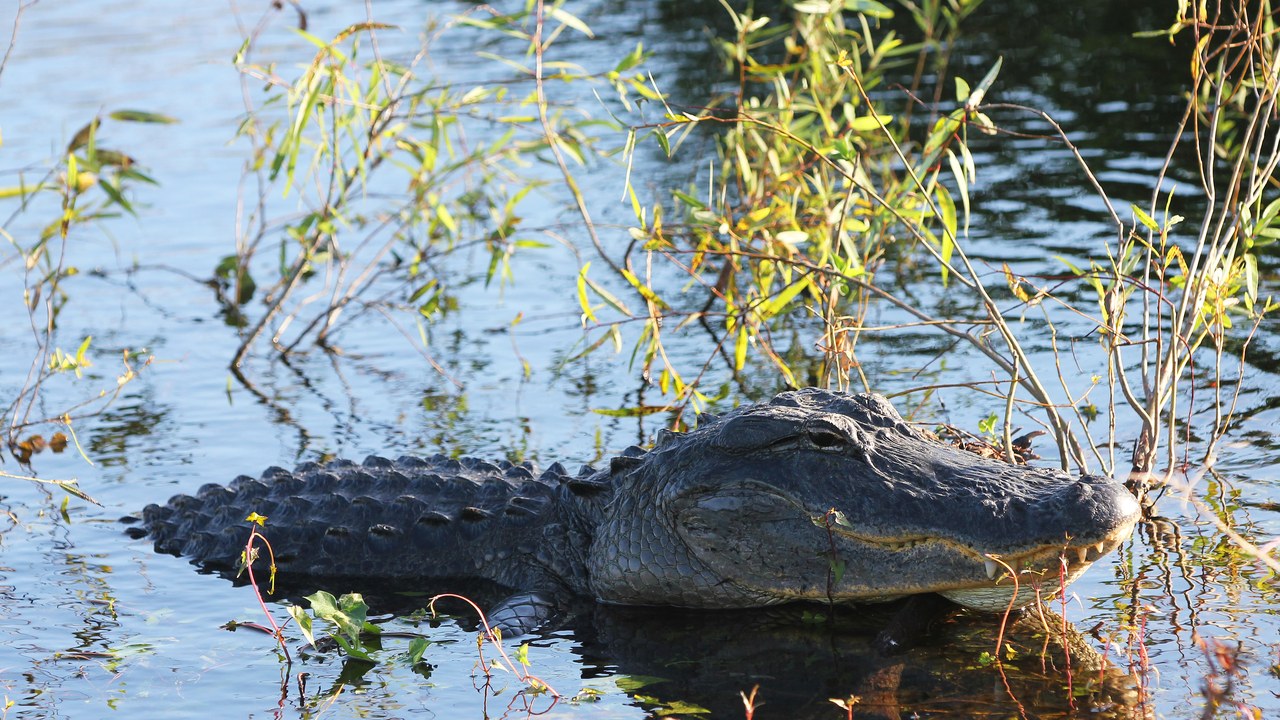
Market and sport hunting pushed the American alligator to an all-time low in the 1950s, and it was listed as endangered in 1967. The Interior Department’s alligator delisting timeline records that it was removed from the endangered list in 1987.
That sequence, a listing followed by delisting two decades later, is among the clearest before-and-after timelines in federal conservation. The source presents it as evidence that legal protection can reverse a decline, not merely slow one, within a single human working lifetime. The page names no figure for eagle numbers, so the delisting year is the only quantitative anchor offered here.
3. Peregrine falcon: Down to 324 Pairs
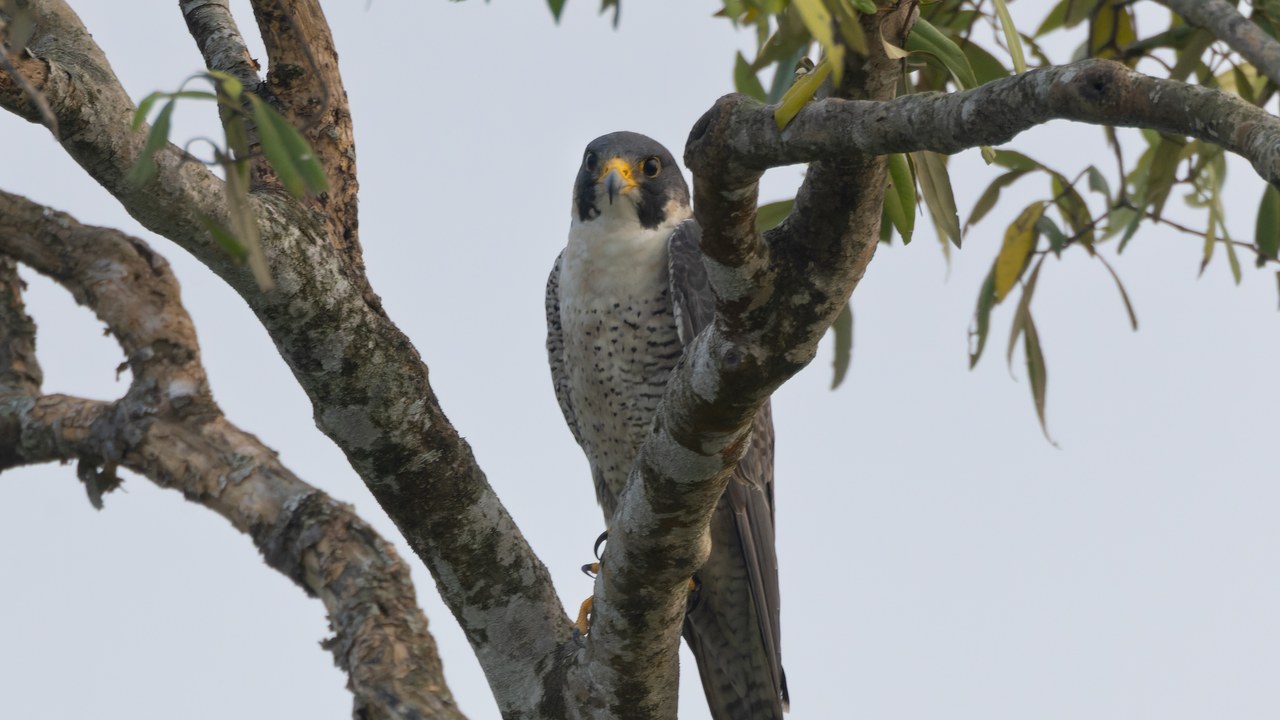
By 1975 only 324 known nesting pairs of American peregrine falcons remained in the United States, according to the Interior Department’s falcon nesting pair count. The bird was removed from the endangered list in 1999.
The count is a rare hard number for a wide-ranging raptor, which makes the recovery easy to appreciate. Twenty-four years separate that low point from delisting, and the same federal page counts the falcon alongside the eagle and alligator as proof the law delivers. Delisting in 1999 follows the 1975 low by a quarter century, less one year, which gives the entry unusual precision for a bird known mainly for speed.
4. Gray wolf: Back From Three Hundred
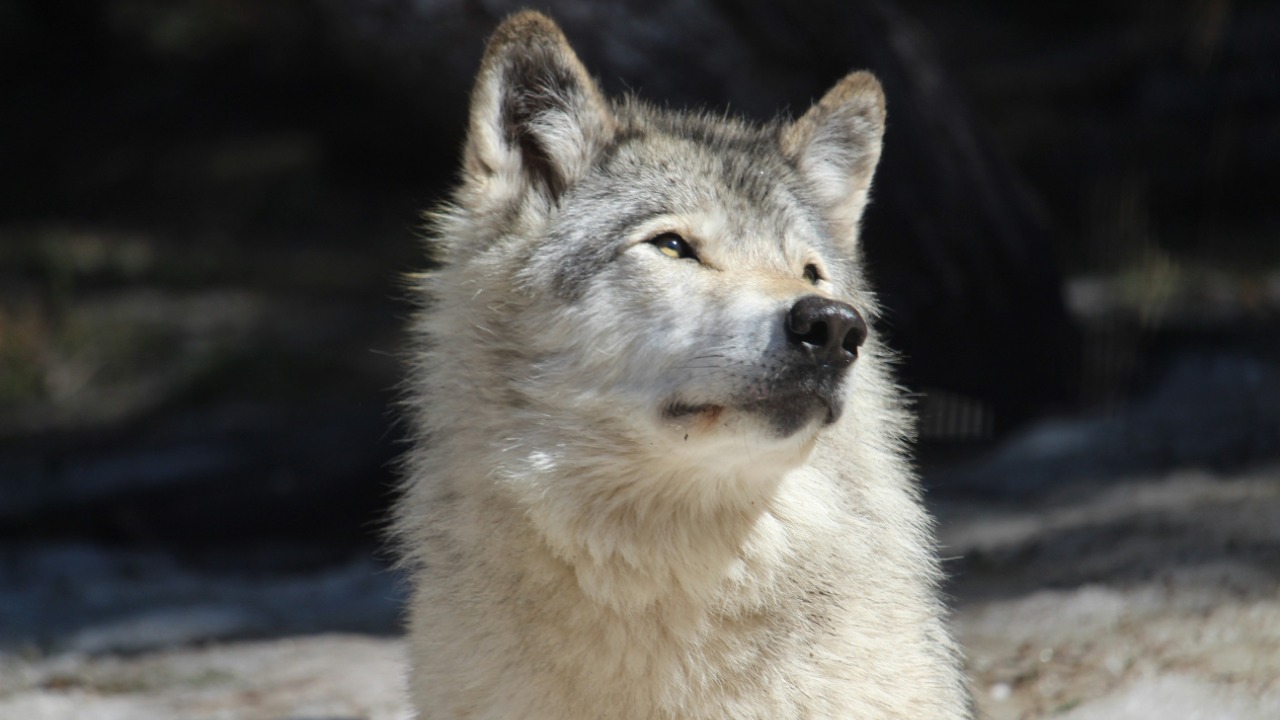
In the 1960s gray wolves had fallen to only 300 animals, living deep in the woods of Wisconsin and Minnesota. A WorldAtlas wolf recovery summary reports that approximately 6,000 now live across American states, based on figures WorldAtlas gave in 2020.
The jump from a few hundred to thousands is large, but the figure comes from a general-interest article and is dated 2020. Readers wanting current numbers should treat it as a rough scale, not a census, since wolf counts vary by state and survey year. The wolf entry therefore pairs a precise starting point with a rounded ending point, an imbalance worth noting when comparing the two.
5. Wild turkey: Two Percent to Seven Million
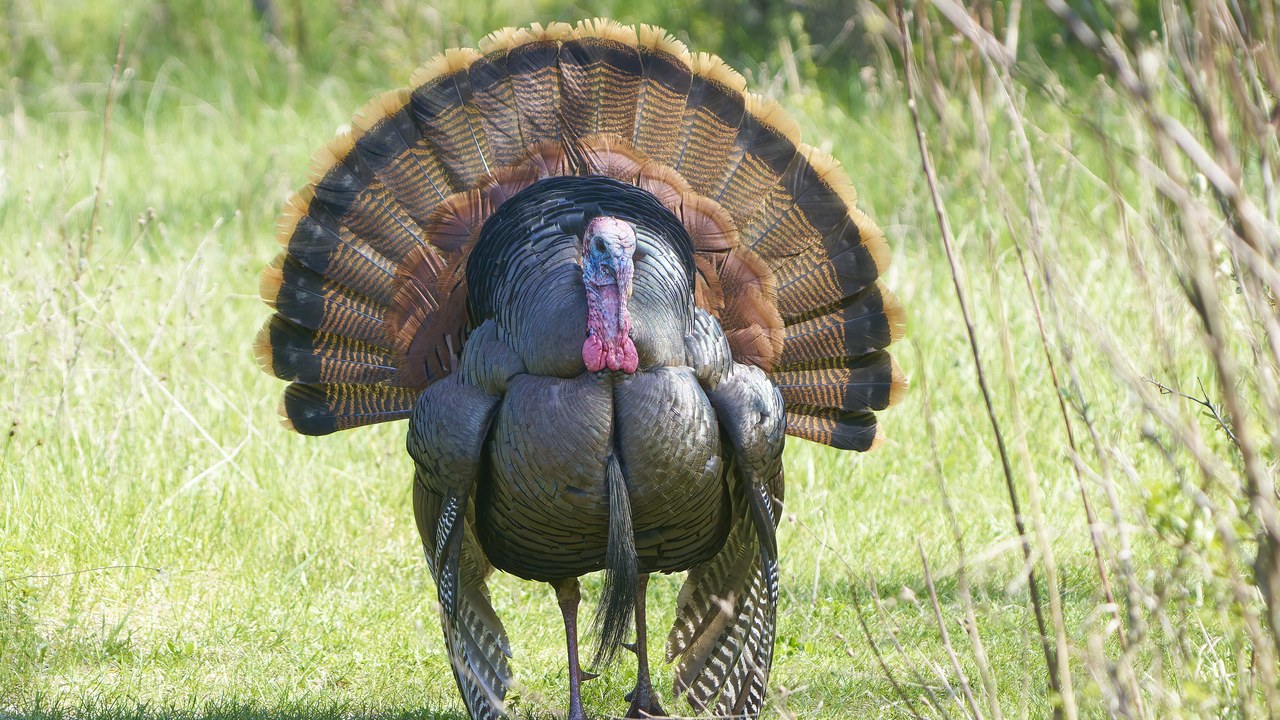
By 1940 only two percent of the wild turkey’s original population remained, according to a WorldAtlas conservation roundup of conservation successes. WorldAtlas says there are currently seven million of the birds.
The swing from a sliver of the historic flock to millions is one of the steepest rebounds on this list. As with the wolf figure, the seven million number is the article’s own 2020 statement, so it works best as an indicator of scale rather than a precise tally. Wild turkeys also differ from most entries in that the source gives a share of the historical flock, not a raw count at the low point.
6. American bison: Thirty Million to Under 1,000
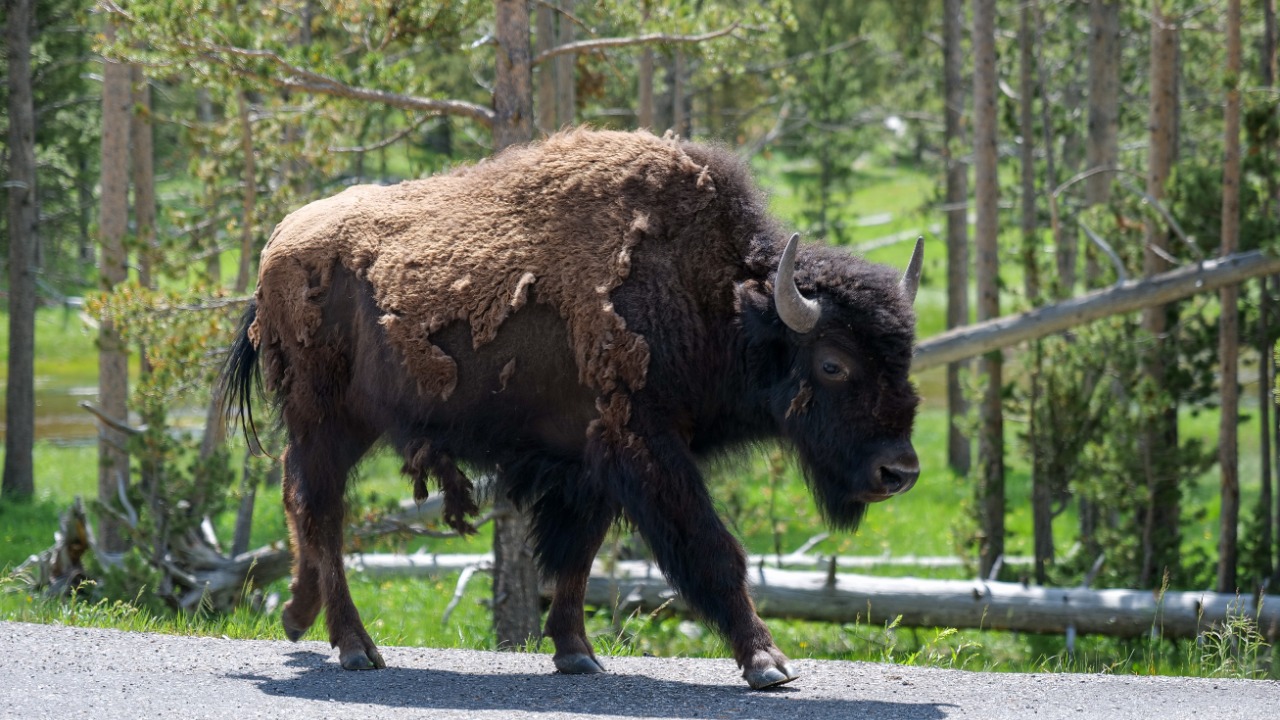
Bison once numbered about 30 million before being hunted to near extinction. The National Park Service’s National Park Service bison page says the animals are recovering from a low of fewer than 1,000 individuals.
The agency’s wording is careful: bison are recovering, not recovered. The drop from roughly thirty million to under a thousand is among the most severe collapses in North American wildlife history, which is why the partial rebound still counts as a meaningful turnaround for the species. Bison are managed in parks and on private land today, but the source quoted here concentrates on the low point and the direction of travel.
7. Humpback whale: Nine Clusters Cleared
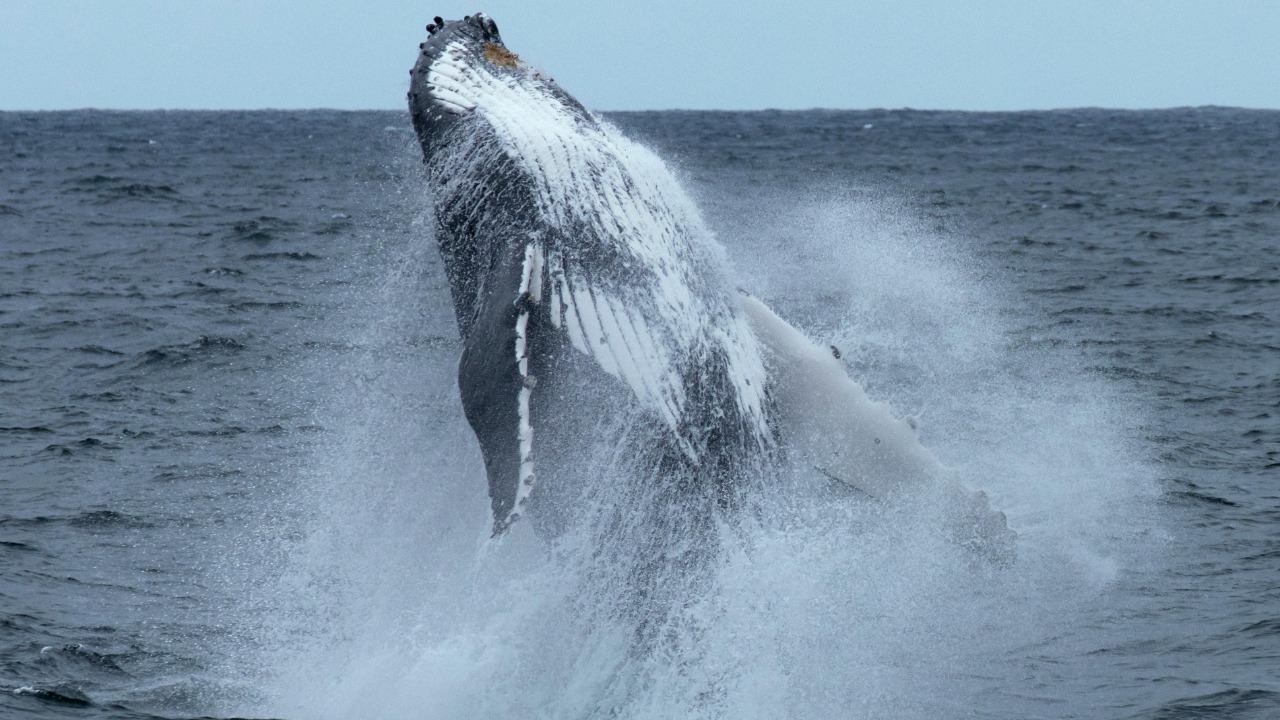
NOAA reported in 2016 that nine humpback whale population clusters were doing so well that they no longer required Endangered Species Act protection, as summarized in a Mental Floss comeback list of animal comebacks.
The decision applied to nine clusters, not to every humpback everywhere, because the whales are managed as distinct populations. That distinction explains why a globally familiar species can be both a success story and still partly protected, depending on which group is being discussed. The source does not give a population figure for the cleared clusters, so the claim rests on the agency’s finding in 2016 rather than on a head count.
8. Black-footed ferret: Written Off as Extinct
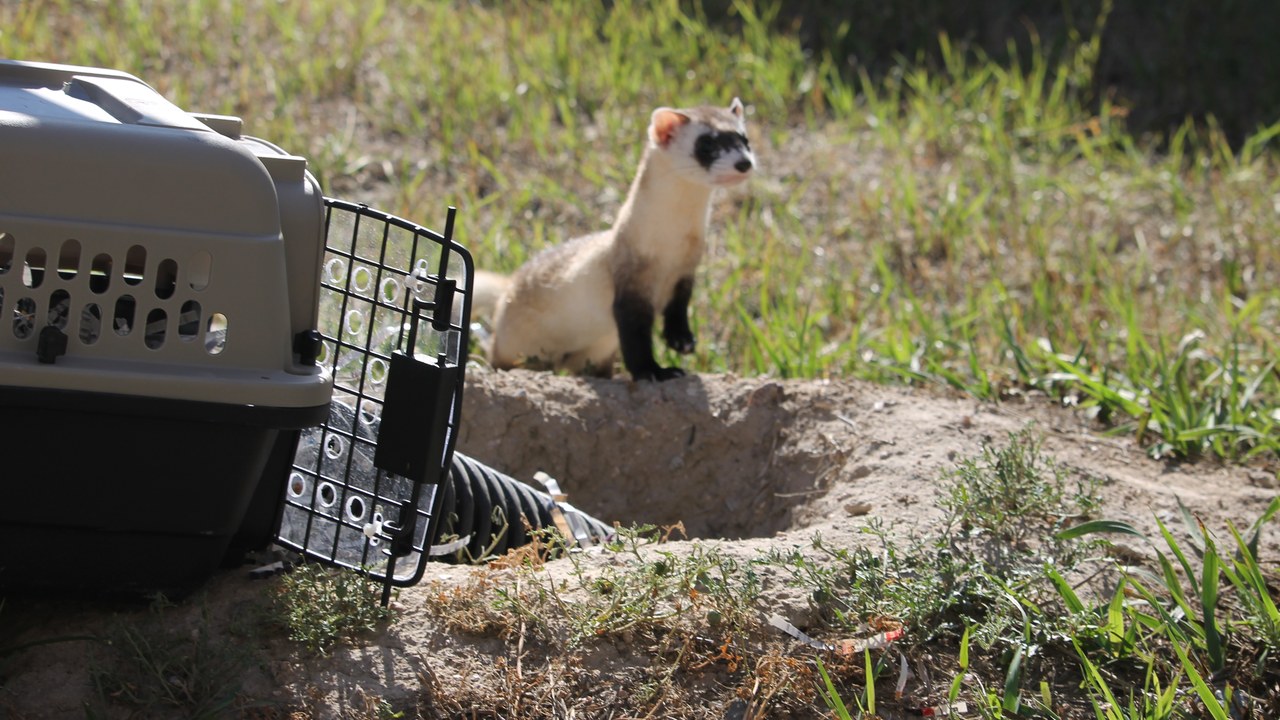
The black-footed ferret was written off as extinct in 1979. A breeding program then rebuilt the species to a total population of over 1,000, according to a Mental Floss recovery feature of remarkable recoveries.
Few entries here began from a lower rung, since the animal was presumed gone before a program revived it. The caveat is that the figure describes a managed population built through breeding, so the ferret’s future still leans on continued human effort. The ferret’s total of over 1,000 is the source’s own figure, and the page does not say how many live in the wild versus in breeding facilities.
9. Florida manatee: Tripled, Then Struggling
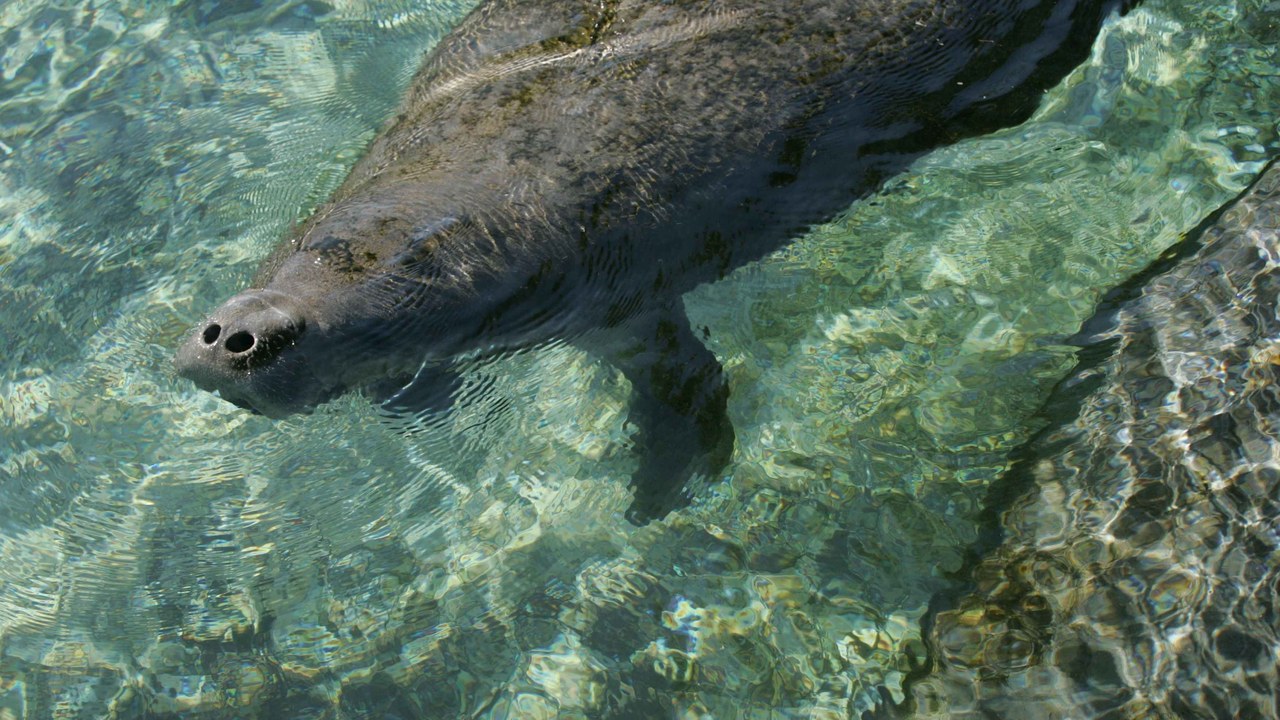
Florida’s manatee population has more than tripled since 1991, according to a manatee population summary of animal comebacks. The same source adds that numbers have declined sharply in recent years from starvation.
The manatee is the list’s cautionary entry: a long climb that has since faltered. The tripling is real, but the recent starvation losses show that a recovery can be reversed when food supplies fail, so the story remains open rather than settled. The tripling since 1991 is the only number offered, and the source does not quantify the recent drop.
10. Grizzly bear: From 136 to 1,063
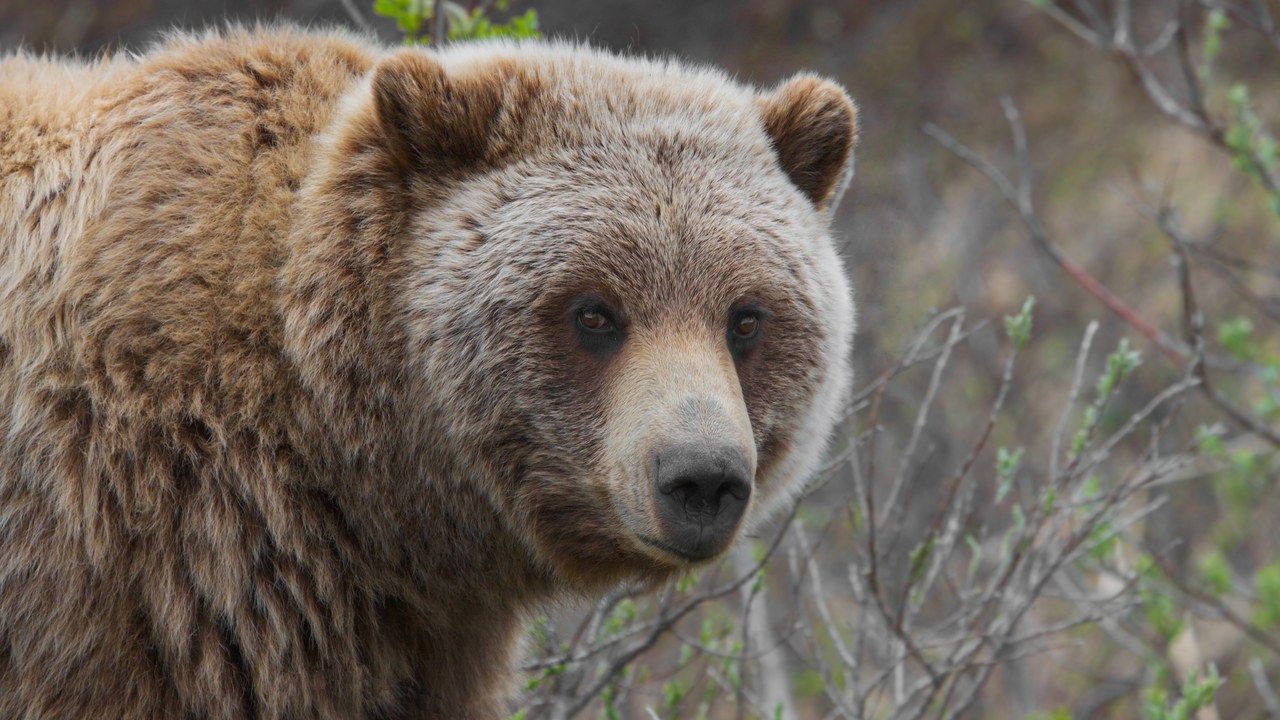
In 1975 only 136 grizzlies lived inside Yellowstone National Park. A grizzly count in Yellowstone says approximately 1,063 now call the area home.
That is roughly an eightfold increase across the Yellowstone area, using the article’s own figures. The comparison covers one region only, so it does not describe grizzlies as a whole, and the later number is the source’s approximation rather than an exact survey result. Grizzlies in Yellowstone appear on the list because the article contrasts those two park counts directly, which makes the comparison straightforward to follow.
More from Morning Overview
- A $1 billion gas plant planned for Superior, Wisconsin, has been abandoned
- Shaq spent $1.3 million on three Rolls-Royce Phantoms to prove a point to a salesman
- The Justice Department asked courts to undo approvals for three offshore wind farms, one already making power
- Over 20 trillion gallons of rain fell on the Four Corners states and Nevada in two weeks
