
Some American birds are defined by how close they came to disappearing, and others by what happens when they meet an aircraft. The figures behind each story come from federal agencies, the Park Service and the accident investigators who studied one famous landing. Here are eight birds where a single count or a single collision tells the story.
Tech news worth reading: Get Techpresso, the daily email with the most interesting tech news and insights, read by 400,000+ professionals from Google, Apple and OpenAI.
We may earn a commission if you sign up.
1. Whooping crane: Last Sixteen Cranes
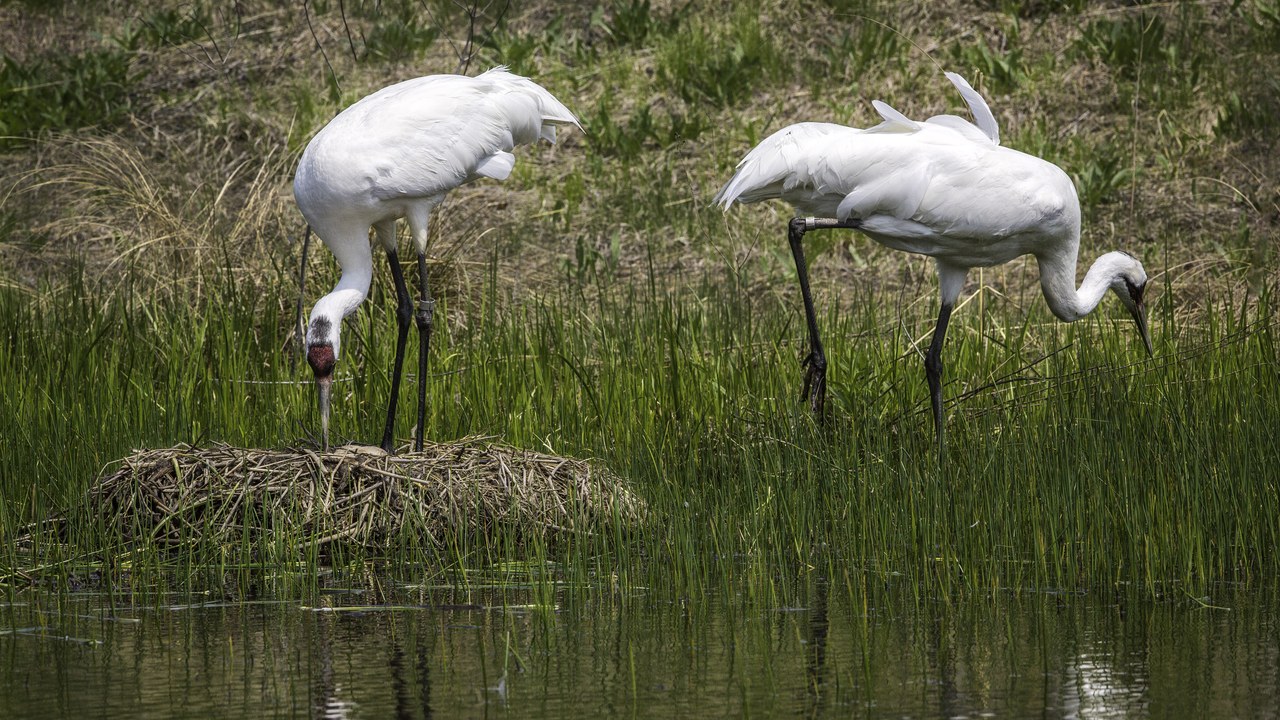
FWS refuge account reports that the world’s last 16 whooping cranes were found wintering on the Texas refuge. The combined North American count, captive and wild together, now tops 800.
Such a climb from a few birds to hundreds shows what sustained protection and breeding programs can do. Even so, the species remains a rare sight, and its winter refuge matters as much as ever. Wildlife agencies track the species closely because a small wild flock concentrated in one wintering area is vulnerable to a single storm or disease. Birders who visit the refuge are generally asked to stay in designated viewing areas.
2. Trumpeter swan: From Sixty-Nine to Thousands
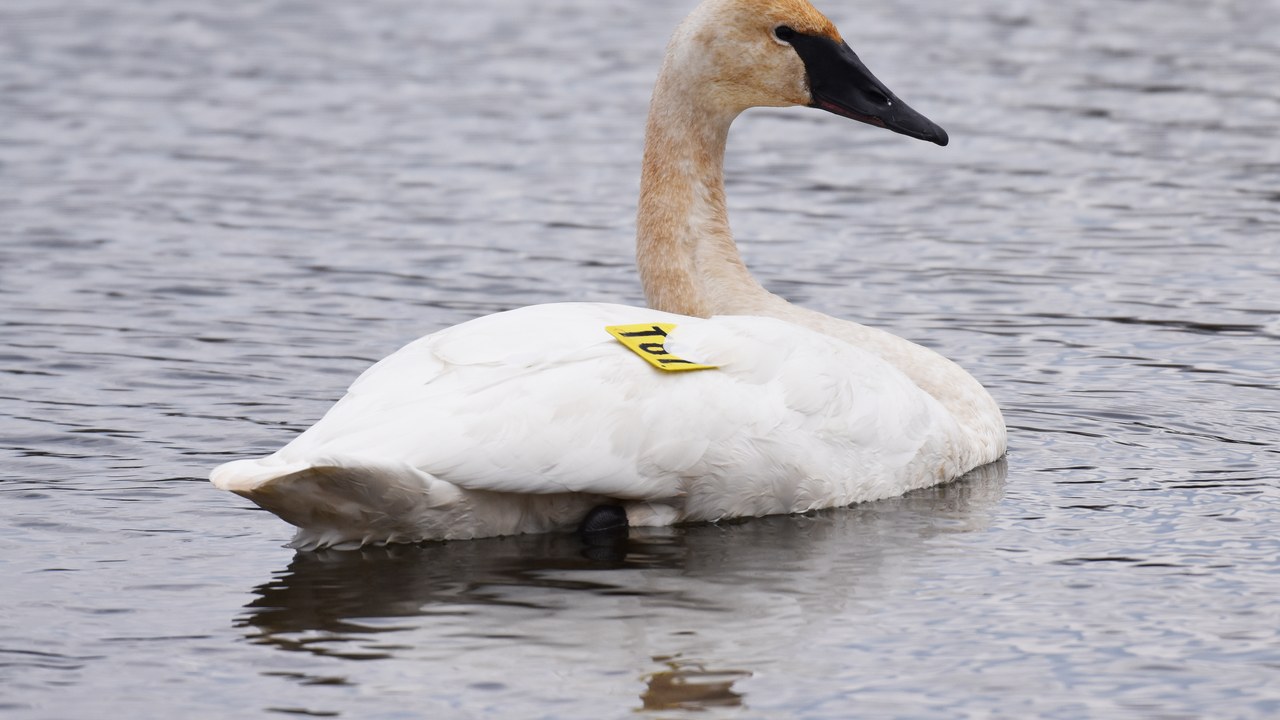
As of 1935, scientists knew of only 69 trumpeter swans in existence, according to Fish and Wildlife Service story. The agency says more than 20,000 now live in Alaska alone, though that figure covers a different area than the 1935 count.
The two numbers are not a strict before-and-after comparison, so the comparison is best read as a recovery trend. Anyone hoping to see these swans should keep distance, since nesting birds are easily disturbed. Trumpeters are among the largest of North American waterfowl, and their recovery has relied on protected wetlands. Anyone who encounters a family on a pond should stay well back, especially while young are present.
3. California condor: Condors at Six Hundred
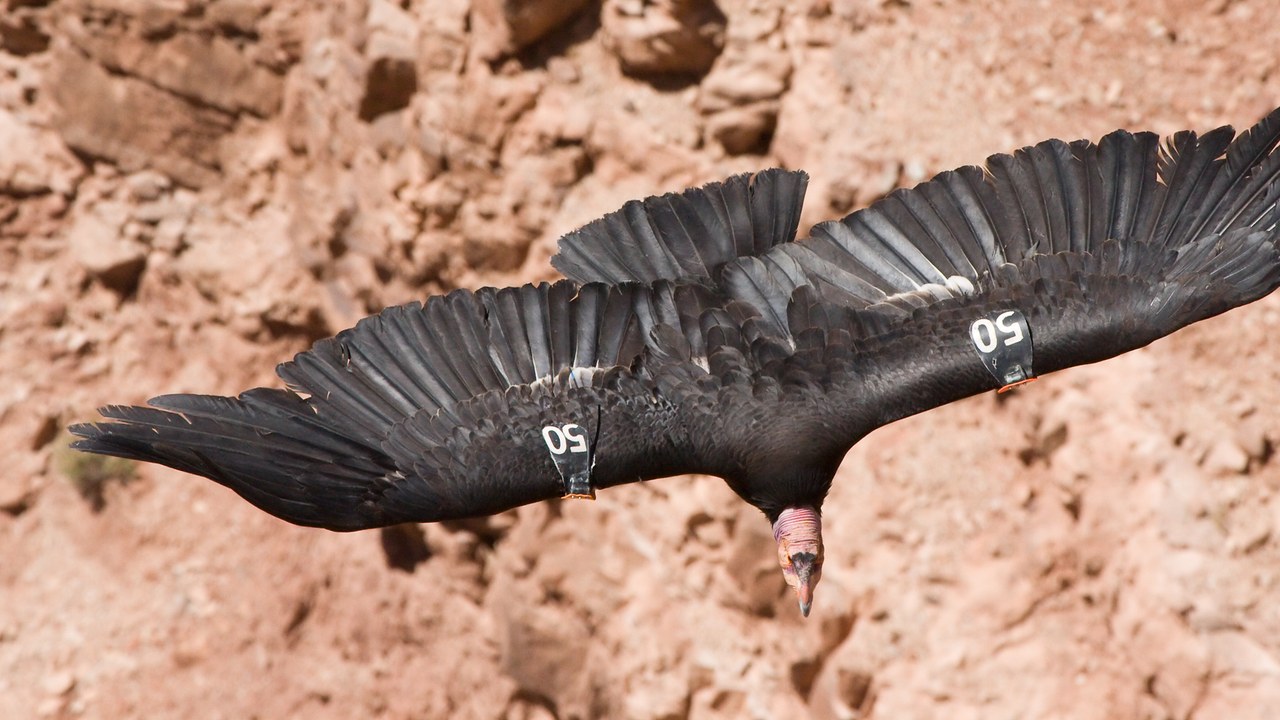
At the end of 2025, 2025 condor status report recorded 607 California condors worldwide, with 392 of them living in the wild.
Roughly two thirds of the population now flies free, which marks real progress for a species that was once reduced to a handful. The remaining captive birds still underpin the program, so the total is a count of careful management rather than a self-sustaining population. Lead poisoning has long been a concern for scavenging birds, so conservation groups often point to the choice of ammunition as one factor in their survival. Readers can consult the full status report for details on where the birds live.
4. Bald eagle: Eagles Rebound
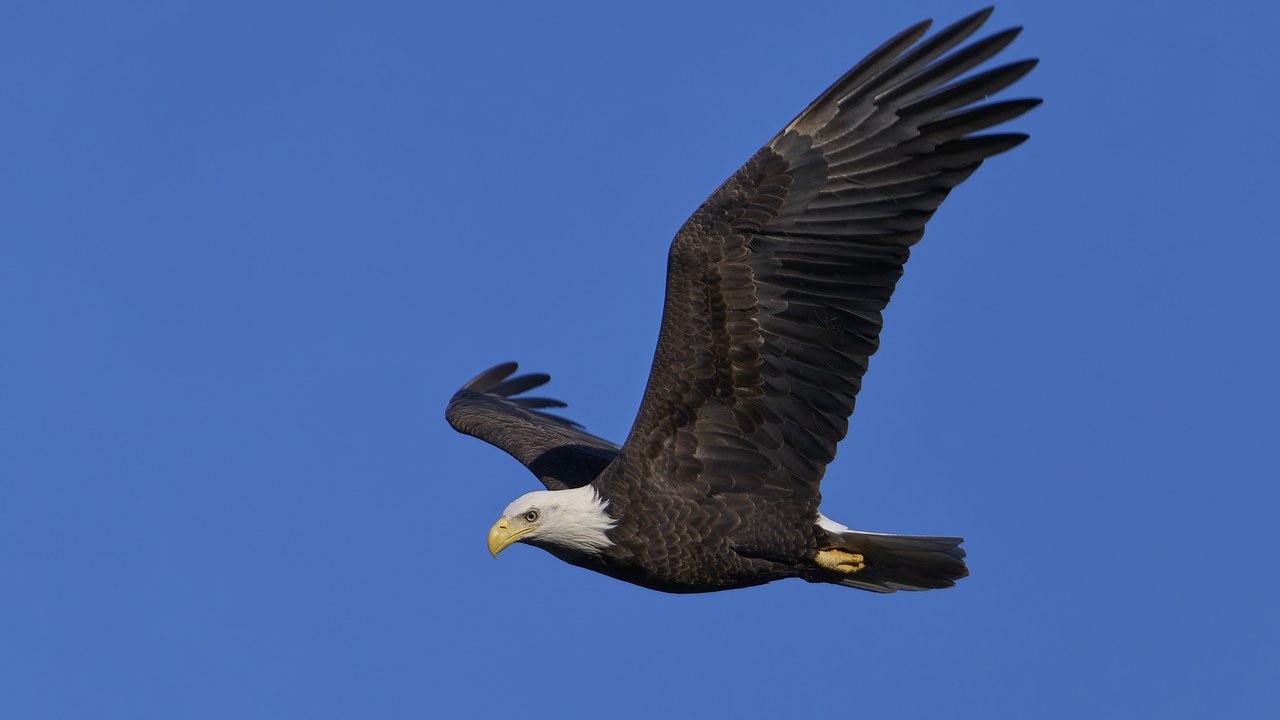
The Fish and Wildlife Service notes that only 417 nesting pairs of bald eagles remained in 1963. By 2018-19, FWS bald eagle profile put the count at 71,467 pairs.
That is the kind of change that lets a national symbol move from emergency lists to everyday sightings. Nest sites near lakes and rivers now draw more observers, and the standard advice is to watch from a respectful distance. Wildlife managers generally credit legal protection and cleaner waterways for the comeback. Winter gatherings at open water are a popular way to see several birds at once, with binoculars preferred to close approach.
5. Nene (Hawaiian goose): Down to Thirty
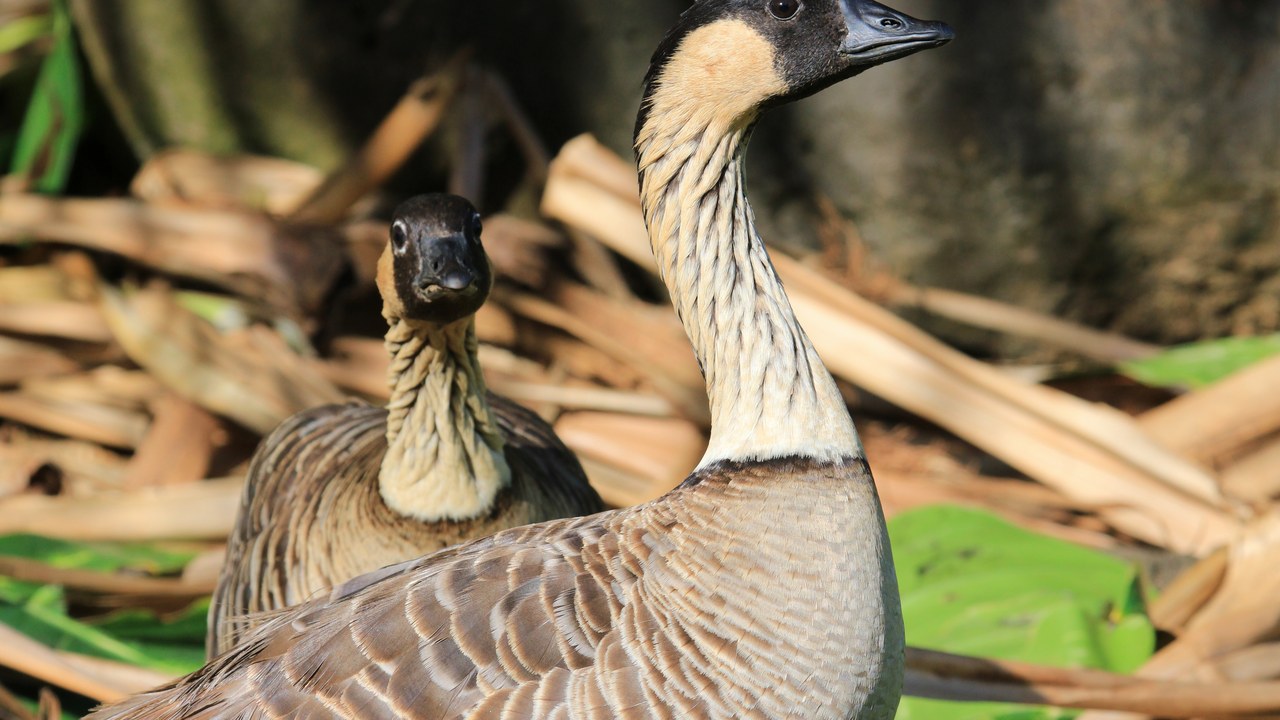
The Park Service says there were an estimated 25,000 nene in Hawaii before western contact. According to NPS nene page, the population had fallen to just 30 birds by 1952, and statewide numbers topped 2,000 by 2010.
The arc runs from abundance to near loss to a partial return, and it remains far below the original estimate. Visitors to Hawaiian parks are asked not to feed the birds, which helps keep them away from roads. Hawaiian parks use signs and road speed limits to protect the species where it crosses roads. Because the source gives no current total beyond 2010, readers should treat the numbers as a snapshot rather than the latest count.
6. Canada goose: Geese Meet Flight 1549
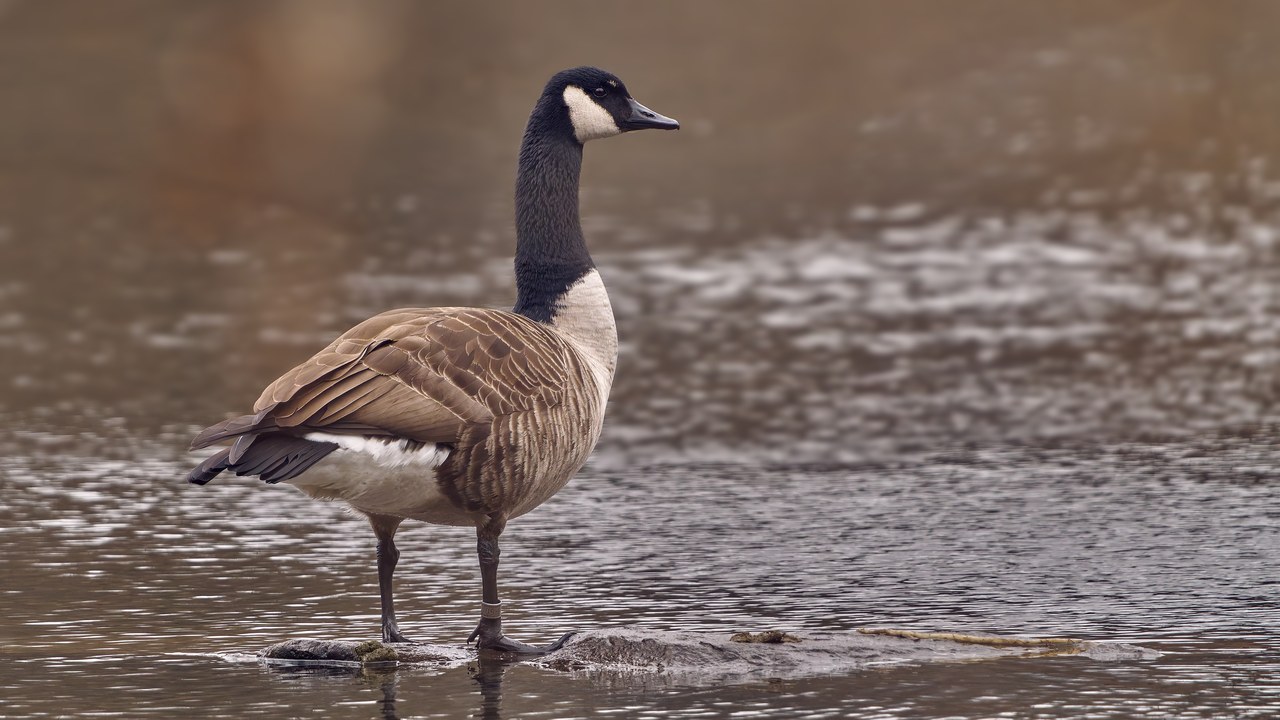
A flock of Canada geese struck Flight 1549 at 2,818 feet on Jan. 15, 2009, as described in Flight 1549 summary. The NTSB cited ingestion of large birds into each engine, and all 155 people aboard survived.
The episode remains the best-known example of how a bird strike can disable an airliner. It also shows that outcomes can hinge on crew decisions, which is why wildlife hazards stay a standing concern near airports. Wildlife strikes are a routine reporting category in aviation, and airports manage habitat to discourage large birds from gathering near runways. Travelers can take some reassurance from the fact that this incident ended with no deaths.
7. Brown pelican: Pelican Delisting
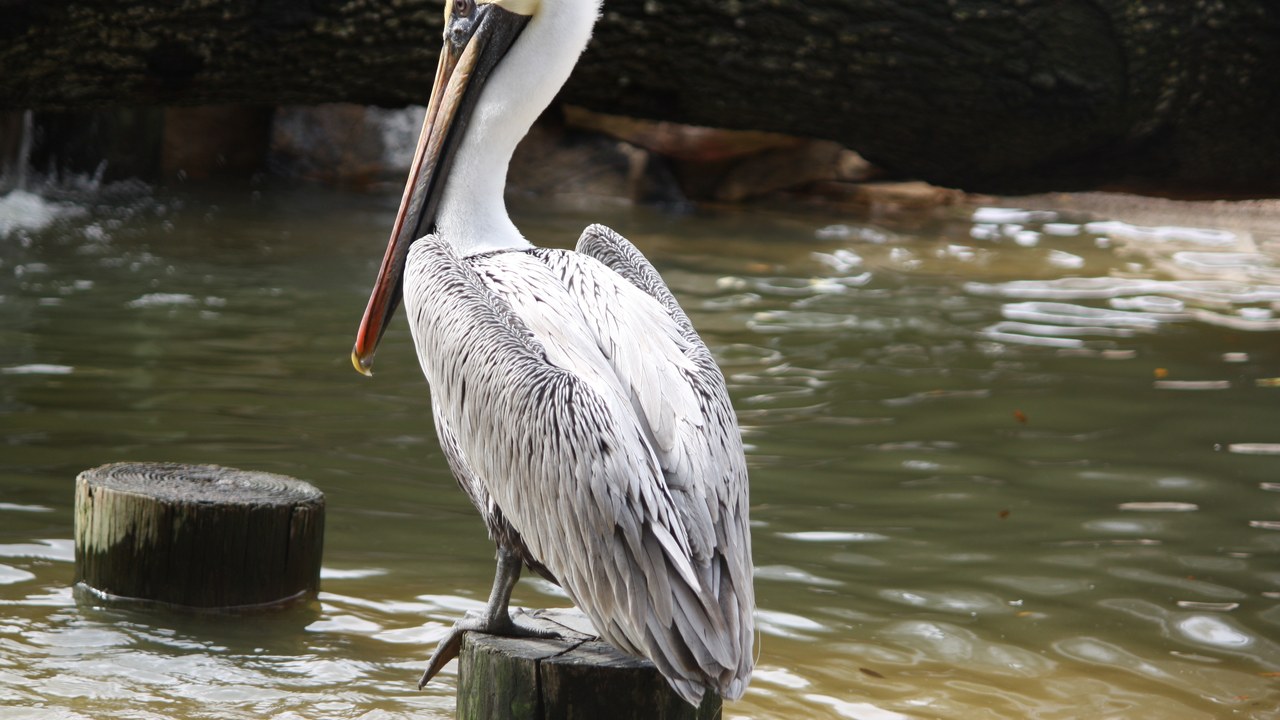
FWS endangered species history notes that the brown pelican was delisted after recovery in 2009, when more than 650,000 could be found. It had been the first species delisted for recovery, back in 1985.
The wording leaves some room for interpretation, since the two dates describe different milestones in the same story. Either way, the recovery is held up as a major conservation success for a coastal bird. Pelicans plunge-dive for fish along the coast, which makes them a familiar sight from piers and beaches. Boaters and anglers are asked to dispose of fishing line properly, since discarded tackle can injure seabirds.
8. Peregrine falcon: Fastest Bird Returns
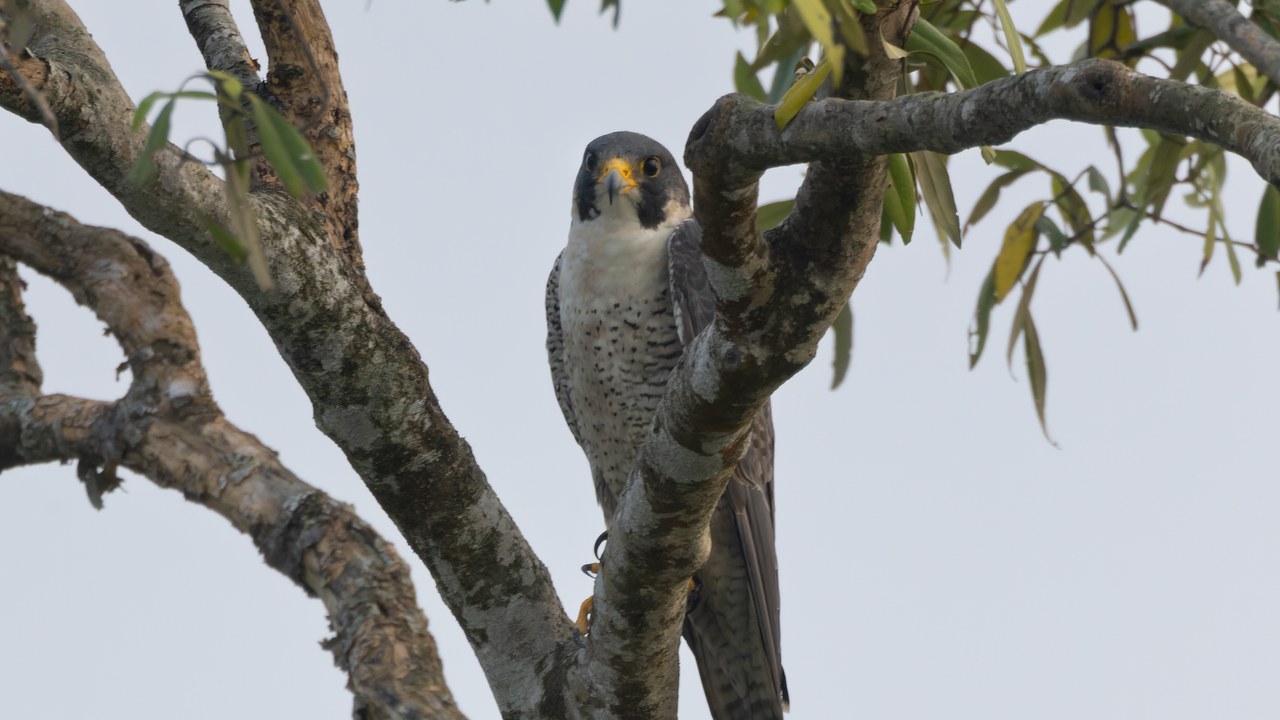
The American peregrine falcon fell to an all-time low of 324 nesting pairs in North America in 1975, according to 1999 delisting announcement. It was removed from the endangered list on Aug. 20, 1999.
A little under a quarter century separated the low point from delisting, a quick turnaround for a raptor. The announcement billed the peregrine as the world’s fastest bird, a detail that has become part of its public image. Peregrines now nest on cliffs and, in many cities, on tall buildings, where they hunt pigeons. Local birding groups can say where nest cameras or viewing events exist, which helps people watch without disturbing the birds.
Tech news worth reading: Get Techpresso →
We may earn a commission if you sign up.
More from Morning Overview
- 11 engines built to run well past 200,000 miles
- Two Kentucky residents died when a small plane crashed at Missouri’s Lake of the Ozarks, and the NTSB is investigating
- A handful of car transmissions are so tough that mechanics say they almost never die
- Melting permafrost is setting off a newly identified kind of catastrophic landslide, scientists say
