
Deserts in the American Southwest push animals to the edge of what heat and scarce water allow. Each of the species below has evolved a different workaround, from physical features to behavior to the shape of a nest. Here are ten desert animals whose strategies show that surviving the heat has many answers.
The tech news worth your time: 400,000+ professionals from Google, Apple and OpenAI read Techpresso, a daily email with the most interesting tech news and insights.
We may earn a commission if you sign up.
1. Kangaroo rat: Water From Seeds
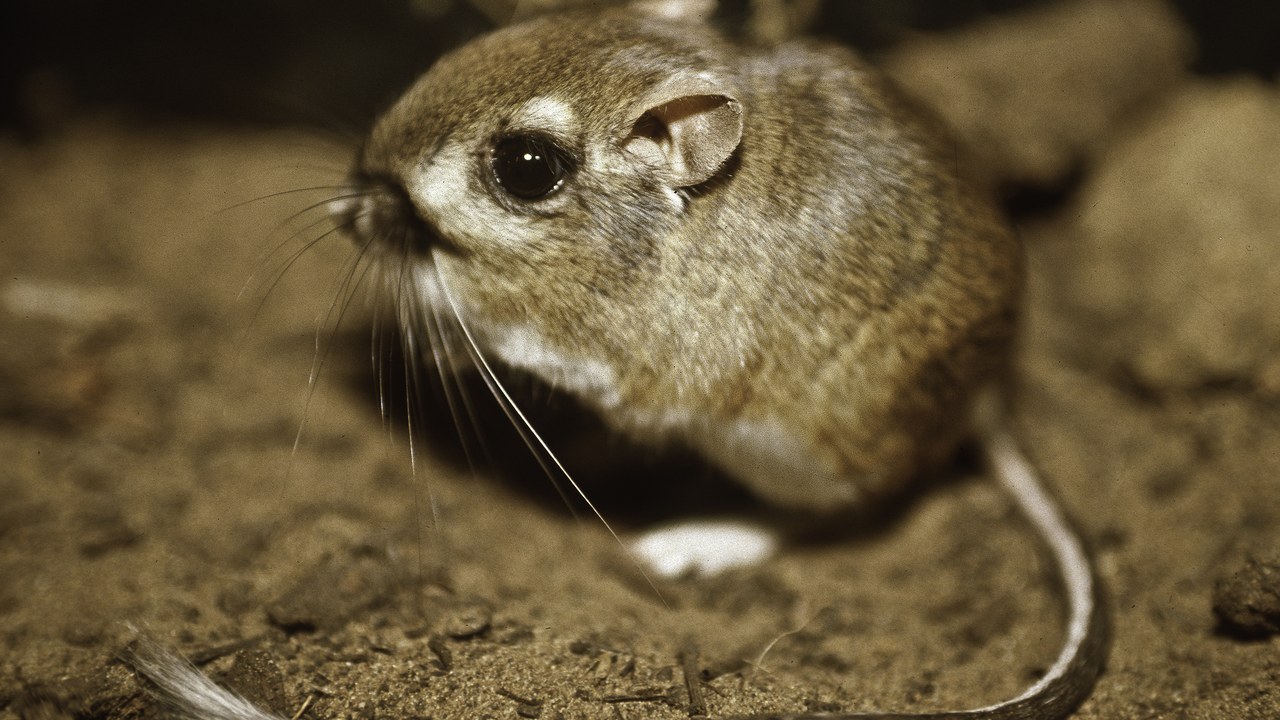
The Nevada Department of Wildlife profile says a desert kangaroo rat can survive without drinking any water. Instead, it gets what it needs from the moisture in its diet.
That trait is the reason the animal anchors any list of desert survivors. The profile does not claim it ignores water entirely, only that drinking is unnecessary, which makes food quality the key to its survival. Anyone curious about the species can check the agency’s own page for more background, and responsible viewing from a distance keeps desert wildlife undisturbed.
2. Desert bighorn sheep: Days Without a Drink
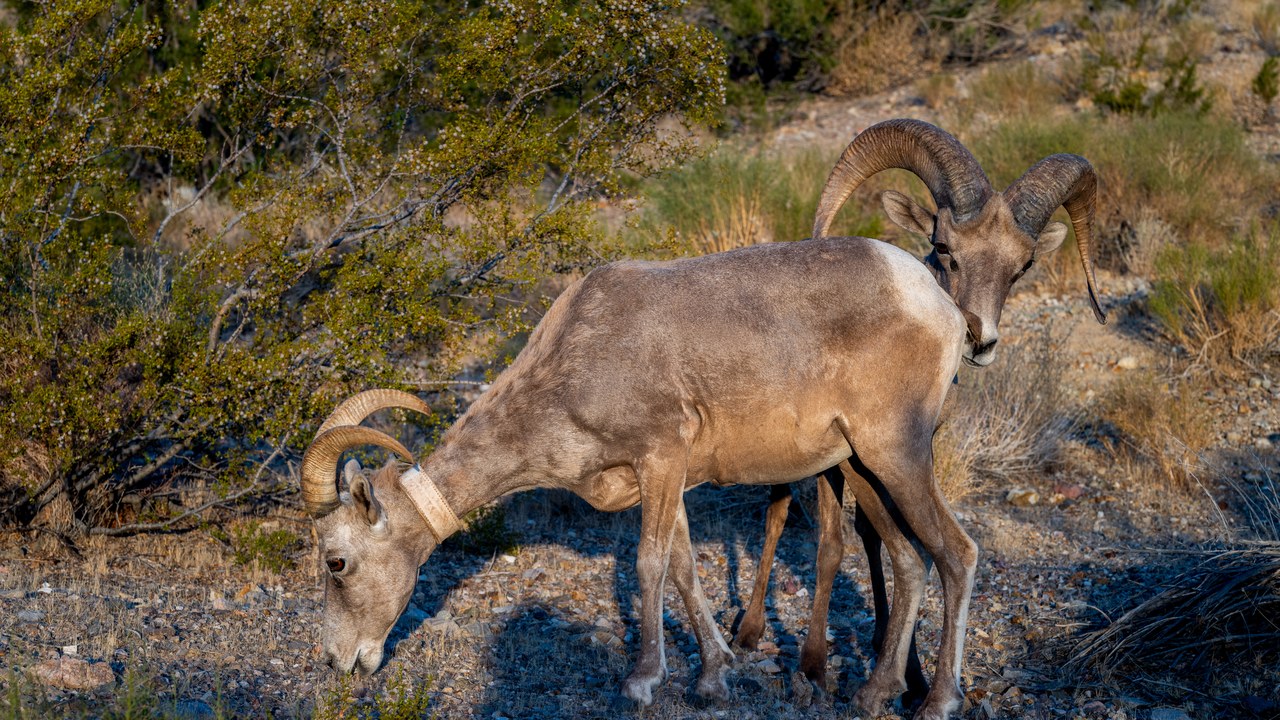
According to the Death Valley animal page, desert bighorn sheep can go several days without drinking water. They can also lose up to a third of their body weight to dehydration.
That tolerance is a coping tool, not a license to skip water entirely. Hikers and wildlife watchers should leave water sources undisturbed, since sheep still rely on them when conditions force a drink. Carrying plenty of water for personal use remains essential in desert parks, because human visitors lack the specialized adaptations that wildlife has developed over many generations.
3. Desert tortoise: Life Below Ground
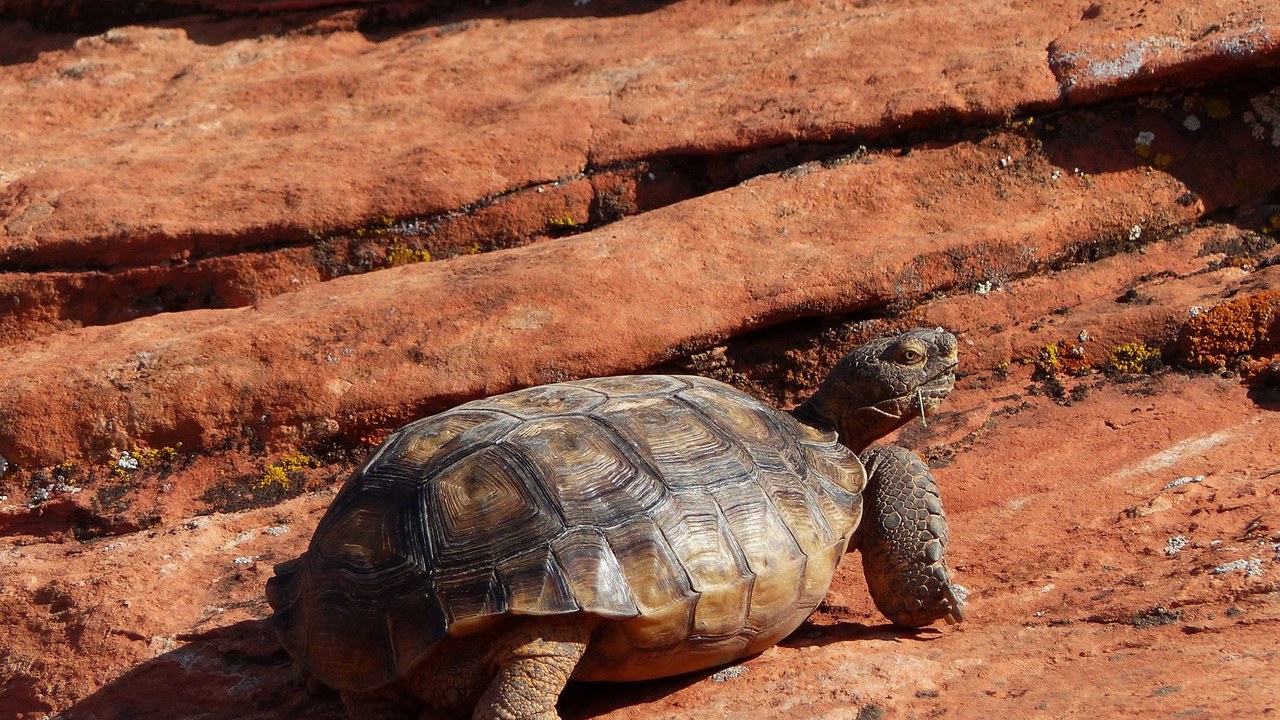
The Fish and Wildlife Service species page reports that the desert tortoise spends up to 95% of its life underground. Burrows shield it from the surface conditions that make the desert so demanding.
Because so much time is spent hidden, a tortoise above ground is a rare sight. Anyone who encounters one should observe from a distance and never pick it up, since handling can stress the animal. Park rules about staying on marked trails and roads help protect burrows, which are easy to collapse and hard for animals to rebuild in dry ground.
4. Greater roadrunner: Running Hot on Purpose
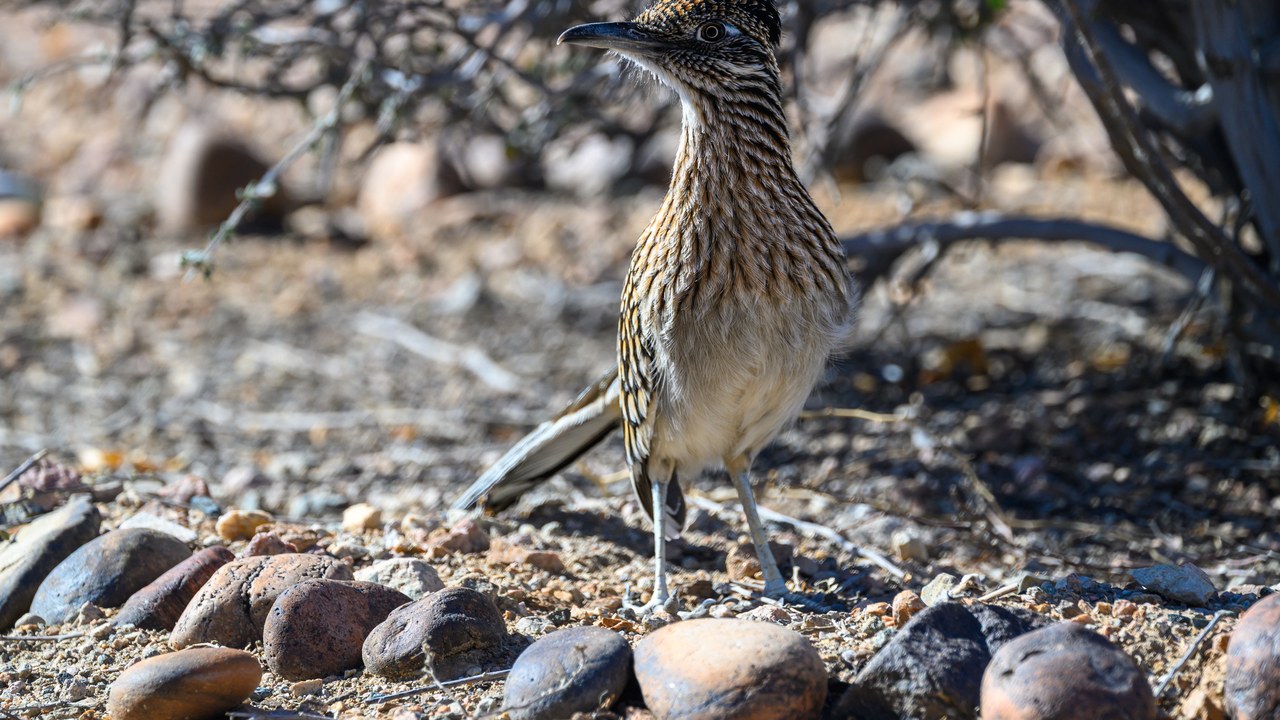
The NPS Death Valley page explains that roadrunners can operate in the heat of the day because their body temperature runs naturally high, at 104 degrees F. That head start narrows the gap between the bird and the air around it.
Midday activity is therefore normal for the species rather than a sign of trouble. Watchers hoping for a sighting may do well to scan open ground during the warm part of the day. Desert visitors can learn a useful lesson here, since planning activity around the temperature of the day is the same principle that keeps wildlife comfortable.
5. Black-tailed jackrabbit: Ears as Radiators
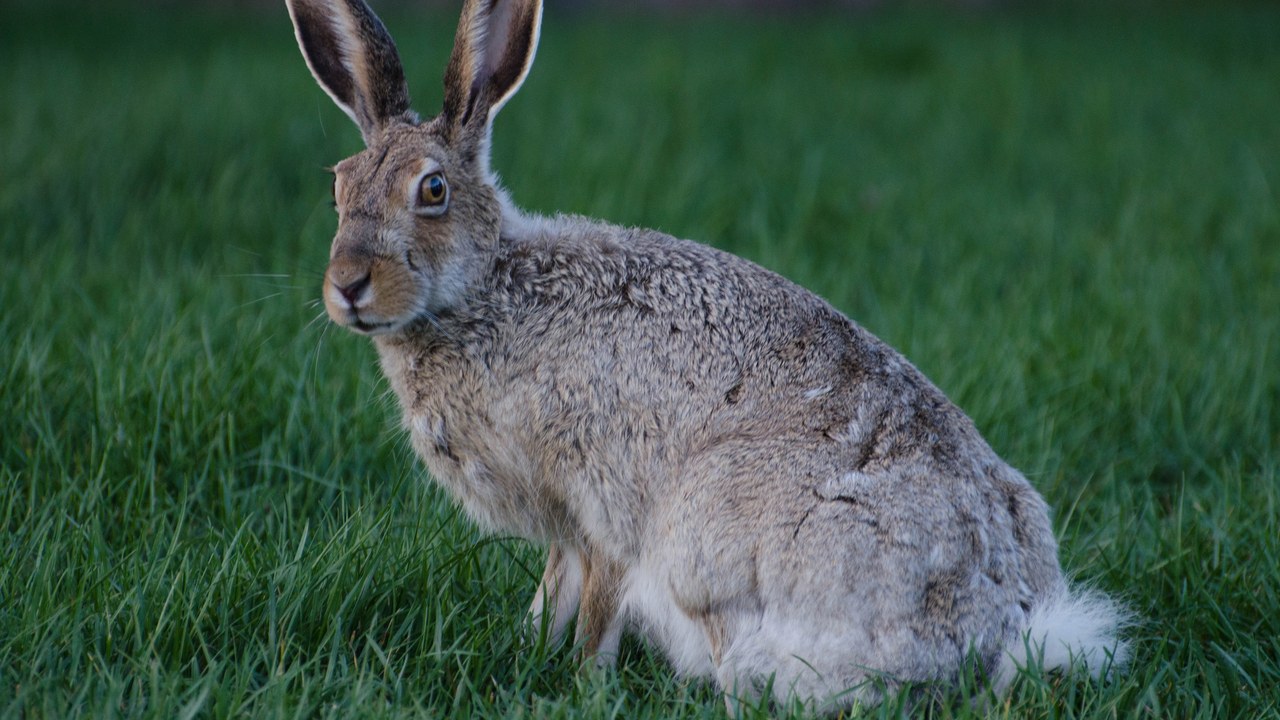
According to the park’s animal listing, the jackrabbit stays cool by releasing heat from its over-sized ears. The large surface area acts as a built-in cooling system for the animal.
The adaptation is easy to spot in the field, since those ears are hard to miss. It also offers a simple example of how an animal’s shape, and not only its behavior, can handle extreme heat. Noticing such adaptations makes a desert walk more engaging, and a short stop to watch an animal at rest can reveal how it manages the heat.
6. Coyote: Hunting After Dark
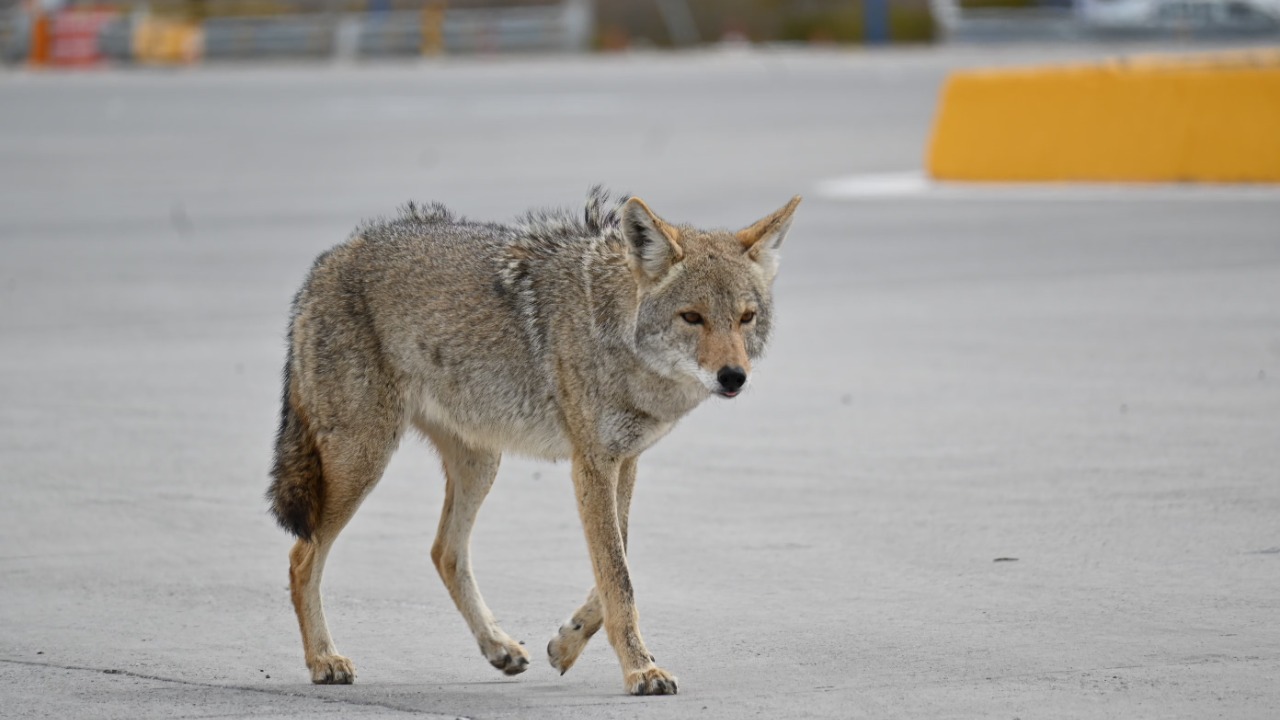
The Death Valley animal page notes that hunting during the cool nights and early mornings allows the coyote to spend more energy catching prey. Shifting the work to cooler hours spares the animal from chasing meals in peak heat.
Dawn and dusk are therefore the best odds for a sighting. Campers in desert parks should still store food securely, as coyotes active at night may investigate anything edible left out. Visitors who want to see how desert wildlife is active at dawn should check park hours and ranger recommendations before heading out in the dark.
7. Round-tailed ground squirrel: Sleeping Out the Summer
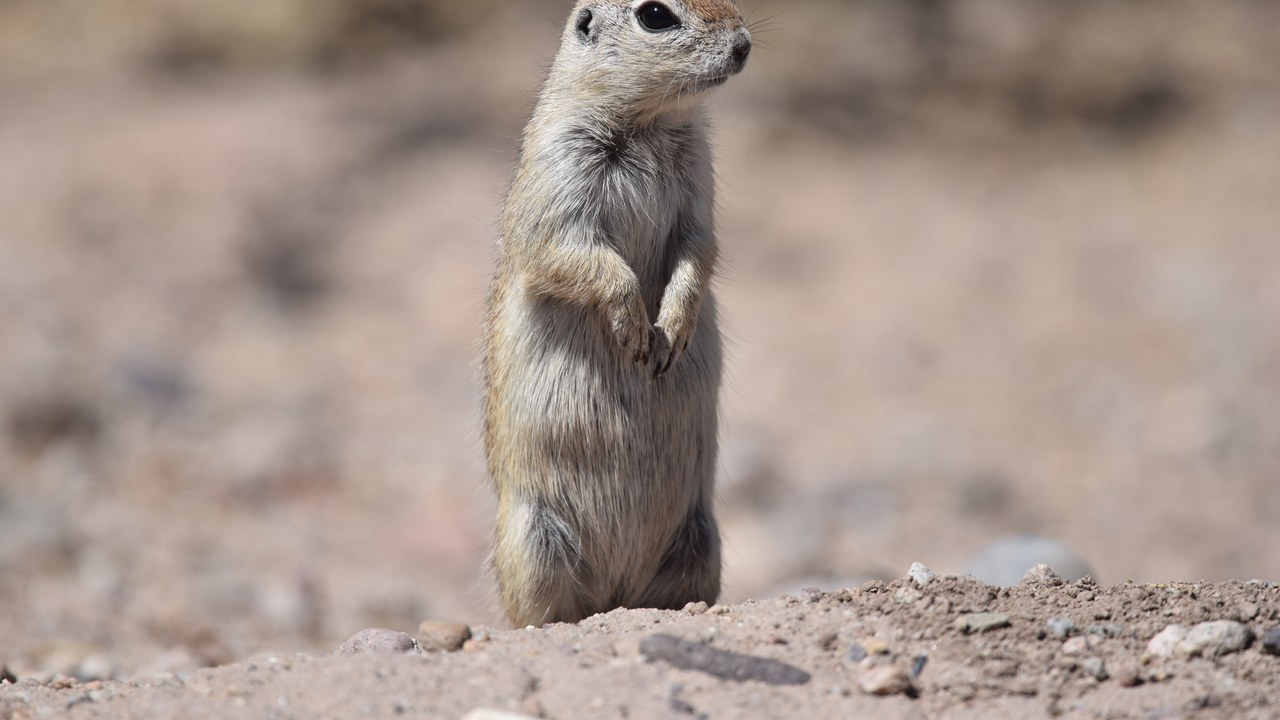
Round-tailed ground squirrels enter a state of aestivation when the days become too hot and the vegetation too dry, as the Joshua Tree mammal page describes. They sleep away the hottest part of the summer.
The strategy means the squirrels vanish from view just when conditions are harshest. Visitors looking for them should favor milder seasons, when the animals are more likely to be above ground. Park staff or the visitor center can often say which months animals are most active, which helps in planning a trip around the habits described here.
8. Mule deer: A Daily Drinker
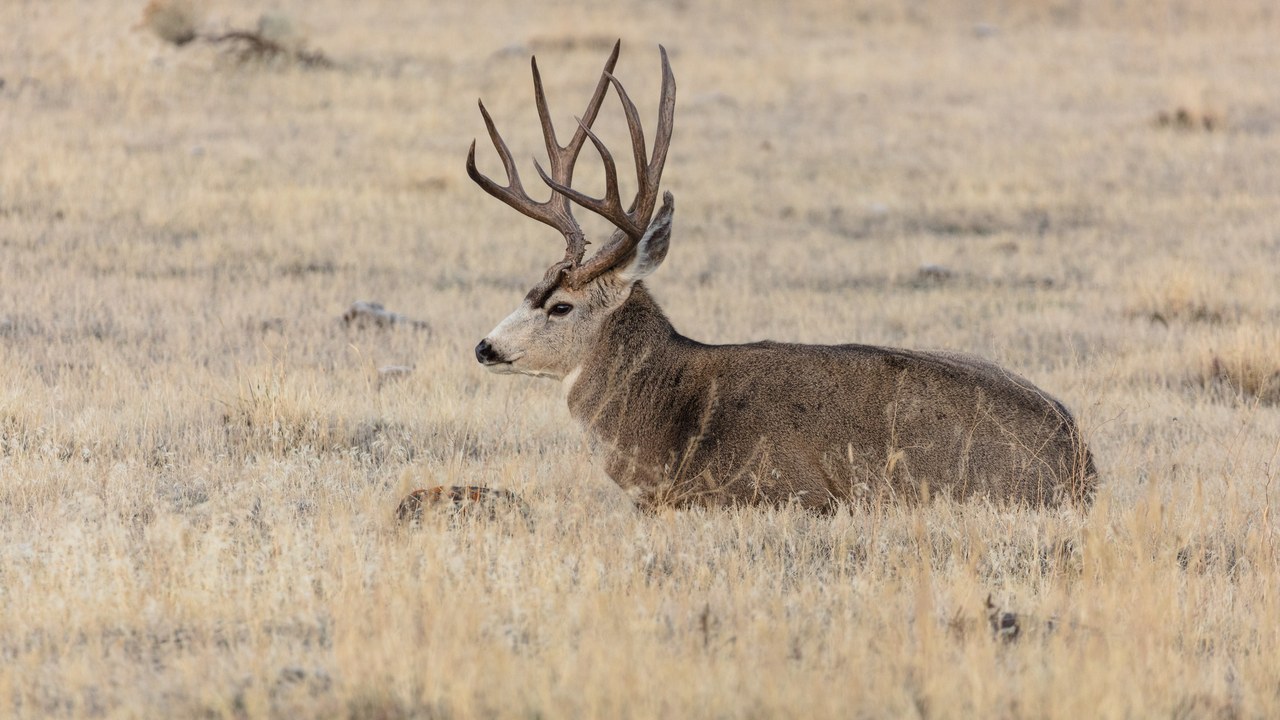
The Joshua Tree mammal page contrasts mule deer with kangaroo rats, noting that deer and mountain sheep stay close enough to springs to drink daily. Their strategy depends on staying near reliable water.
The comparison shows that desert life does not follow a single formula. Springs matter greatly to such animals, so keeping a respectful distance from water sources helps avoid scaring them away. Reading the park’s wildlife material before a trip helps set realistic expectations about which animals are likely to be seen around water.
9. Turkey vulture: Cooling by Urine
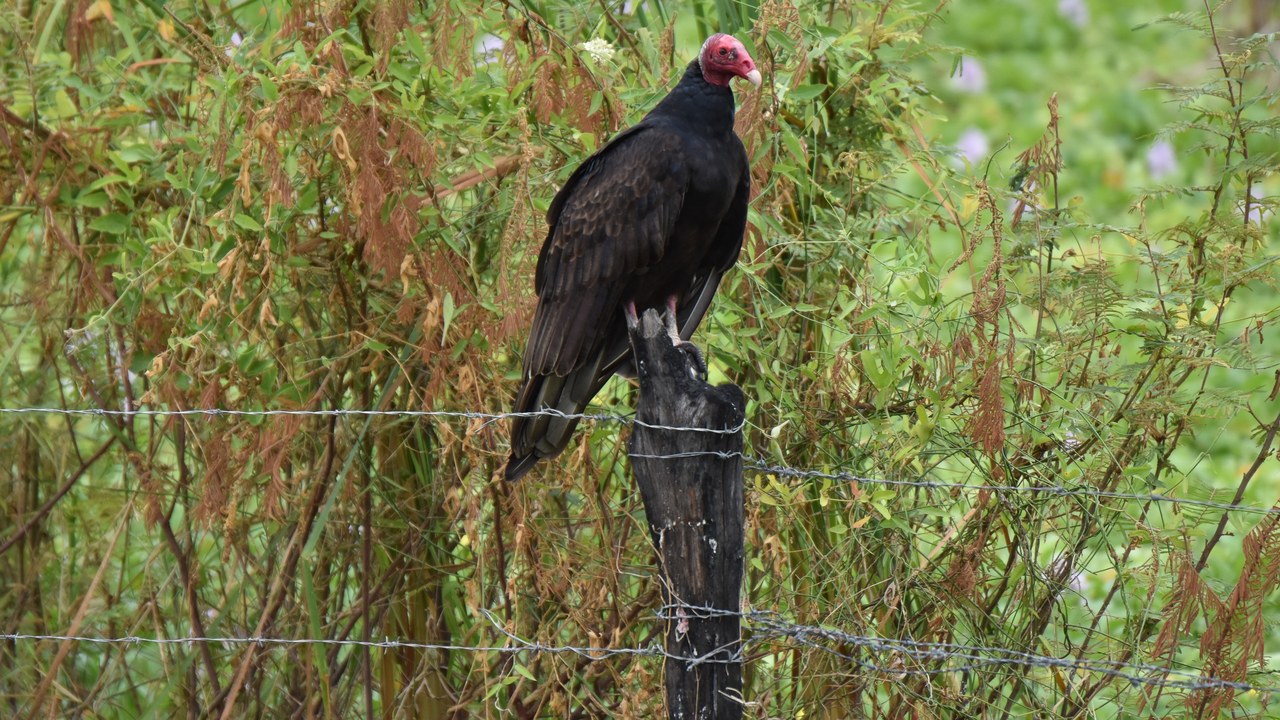
According to the Saguaro park’s animal page, vultures urinate on themselves to dissipate heat. The behavior sounds unpleasant but serves as a practical cooling method for the bird.
Anyone who sees a vulture perched in the sun should not assume it is in distress. The park page presents the habit as a normal response to heat rather than a warning sign. Keeping a respectful distance from any wildlife, including birds that gather in groups, is the best approach and reduces stress on the animals.
10. Desert pack rat: Home as a Shield
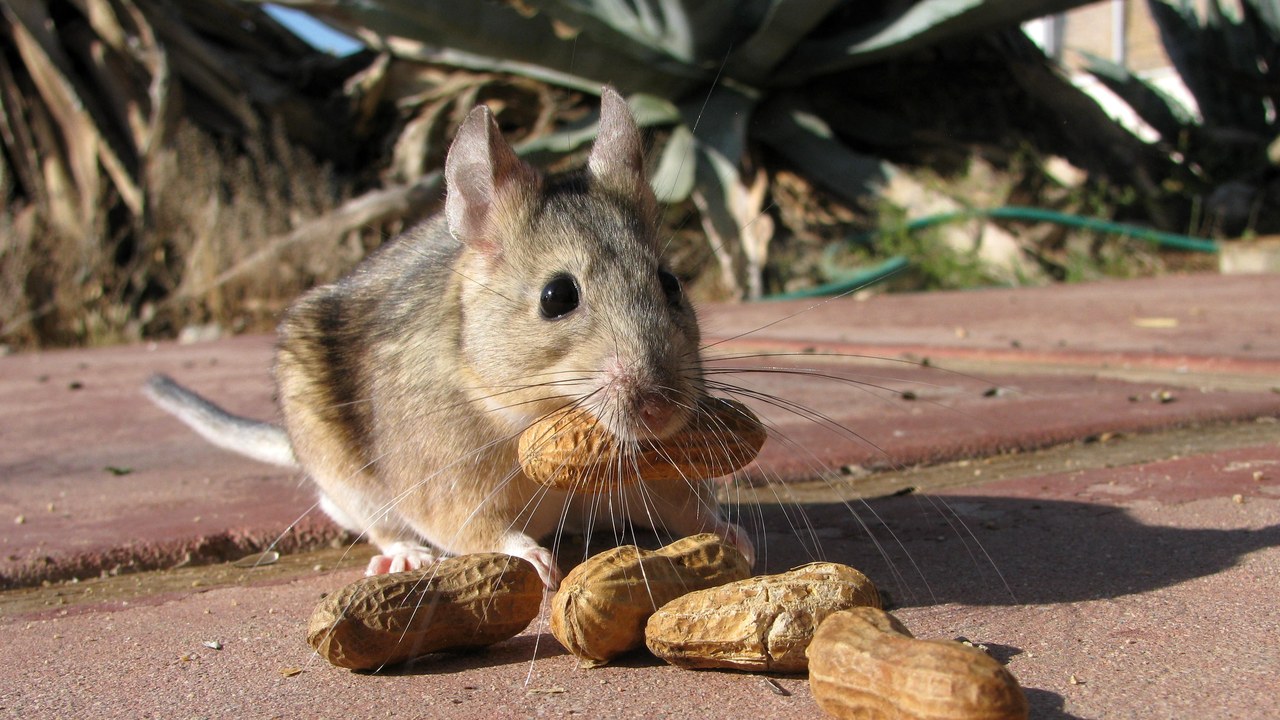
A pack rat’s nest protects it from harsh desert temperatures and predators, according to the Saguaro park’s animal page. The structure serves as the home of a desert pack rat.
The source offers no figures on how much cooler the nest stays, so the claim should be read as general. Visitors who find one are best off leaving it undisturbed, since it doubles as shelter and defense. Learning to read signs such as piles of sticks and debris near cacti and rocks can turn an ordinary walk into a small wildlife investigation.
The tech news worth your time: Subscribe to Techpresso →
We may earn a commission if you sign up.
More from Morning Overview
- Shaq spent $1.3 million on three Rolls-Royce Phantoms to prove a point to a salesman
- Over 20 trillion gallons of rain fell on the Four Corners states and Nevada in two weeks
- A handful of car transmissions are so tough that mechanics say they almost never die
- Two Kentucky residents died when a small plane crashed at Missouri’s Lake of the Ozarks, and the NTSB is investigating
