
Some of the most striking ancient places spent long stretches out of view, buried, overgrown or simply unknown to outsiders. Their returns to attention came at different times, from the 1700s to the 1900s, and some are still being excavated. Here are eight of them, each with what its source says about when it faded and when it came back.
Read next on Morning Overview: Over 20 trillion gallons of rain fell on the Four Corners states and Nevada in two weeks
1. Machu Picchu: Hidden From the Outside
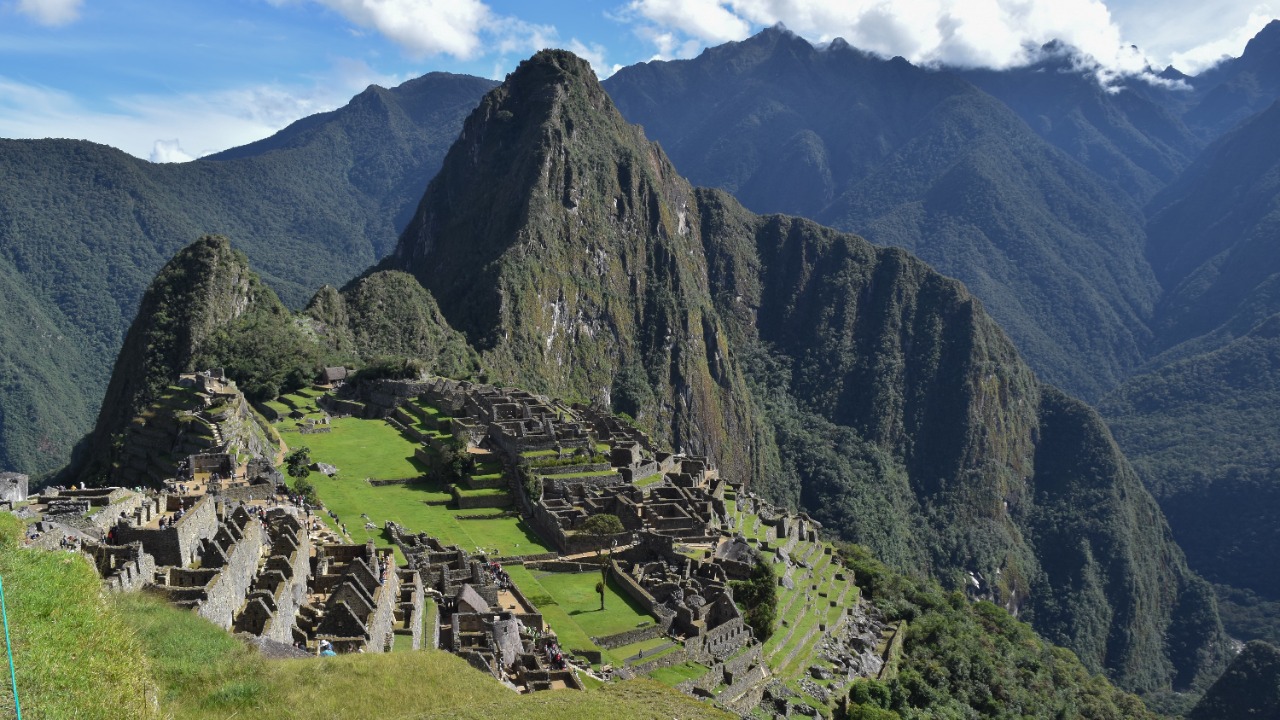
Machu Picchu was built in the fifteenth century and stands 2,430 m above sea level, yet UNESCO’s World Heritage listing says the archaeological complex was not made known to the outside world until 1911.
The wording matters: the citadel was absent from outside knowledge, not necessarily from every memory, until the early twentieth century. Its elevation of 2,430 m is part of the setting that makes the 1911 announcement so striking, and it remains one of the most recognizable ancient sites anywhere. Few sites show so clearly how a place can be well known in one sense and invisible in another, and the UNESCO page treats 1911 as the date the world at large learned of it.
2. Tikal: A Long Silence
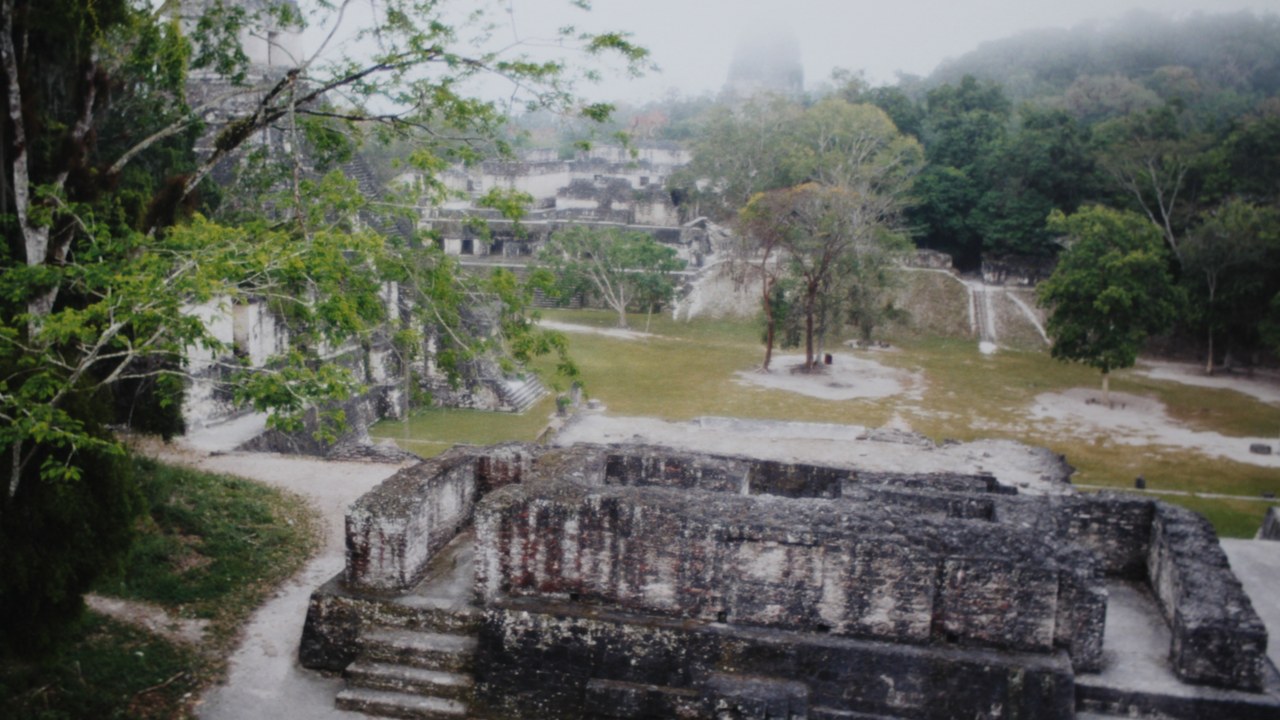
Tikal was inhabited from the 6th century B.C. to the 10th century A.D., according to UNESCO’s Tikal entry, before the urban centre declined and collapsed around 900 AD.
Its temples now sit in a 57,600-hectare park. The span of occupation is long, well over fifteen centuries by those dates, so the silence after the collapse is the story: a city that thrived for so long emptied out, while the site itself endured as a protected landscape. The 57,600 hectares of protected land around the temples add context: the ruins are not a single monument but part of a large preserved area.
3. Mohenjo-daro: A City Only One Third Dug
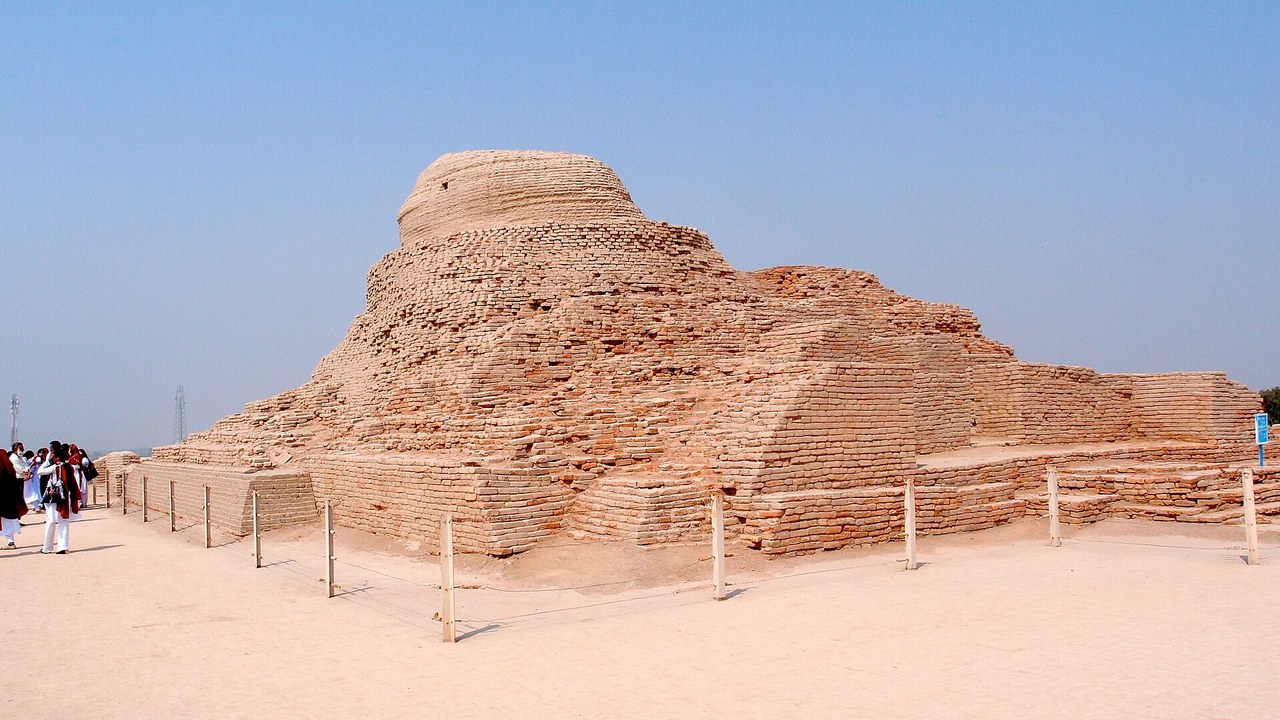
Mohenjo-daro was built of unbaked brick in the 3rd millennium B.C. and was only discovered in 1922, UNESCO’s site description states.
UNESCO adds that only about one third has been excavated since 1922. That leaves most of the city still in the ground, so what researchers and visitors know comes from a minority of the site, and future digs may change the picture considerably. The figure also shows how much remains unknown, since a site found in 1922 is still being understood a century later, and the source treats the unexcavated majority as part of its significance.
4. Palenque: Centuries of Visitors
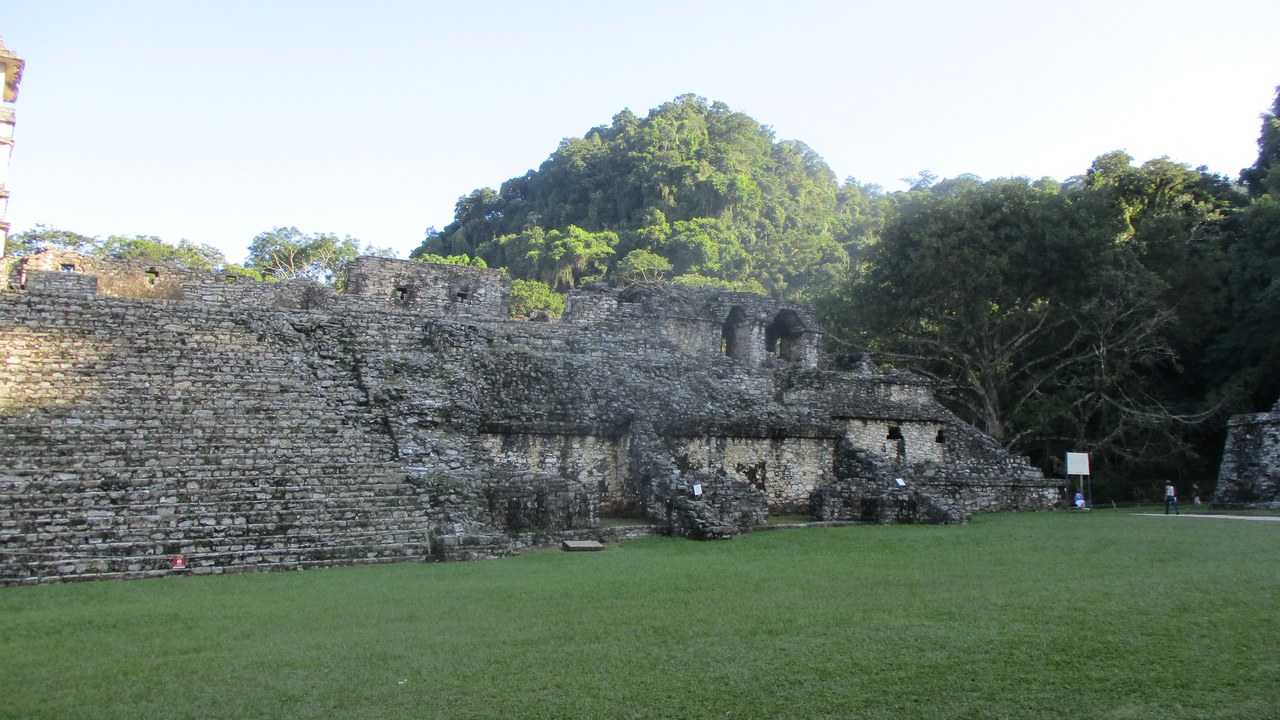
Palenque was at its height between AD 500 and 700, and UNESCO’s Palenque entry notes that travelers, explorers and researchers have studied the Maya city since the 18th century.
That makes its return gradual rather than a single dramatic moment, with attention building over centuries of visits and study. The source gives the peak years but no single date of rediscovery, so this entry is best read as a long process of renewed attention. Even so, the 200-year span of AD 500 to 700 gives the city’s height a clear window, which helps place the visits of later explorers against the long history of the site itself.
5. Mesa Verde: Cliffs Full of Homes
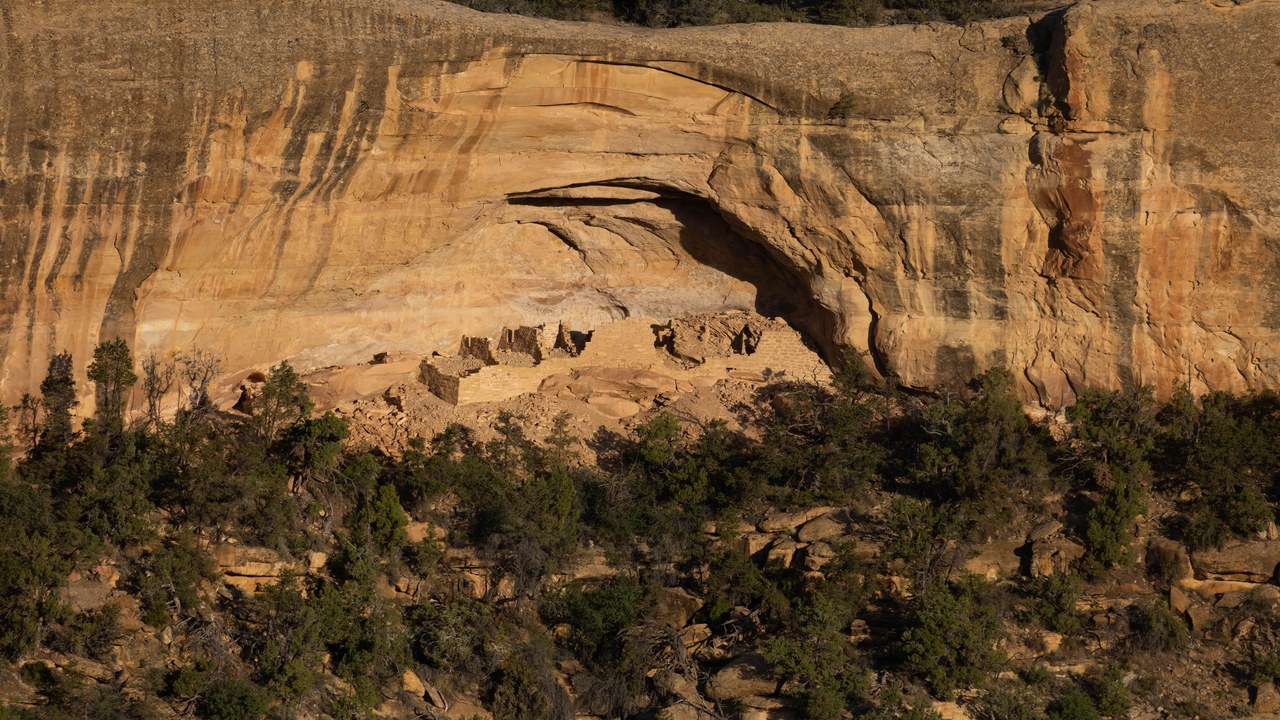
Mesa Verde’s cliff dwellings were built from the 6th to the 12th century, and UNESCO’s Mesa Verde listing says some 600 have been recorded, built of sandstone and mud mortar.
They belong to a culture lasting almost nine hundred years. The UNESCO page describes the dwellings and their builders rather than a moment of rediscovery, so this entry is the loosest fit on the list, included for how thoroughly the site has since been recorded. With some 600 dwellings on record, the scale of the cliff settlements is clear even without a single dramatic discovery story, and the nine-century timeline adds depth.
6. Petra: The Rose-Red City
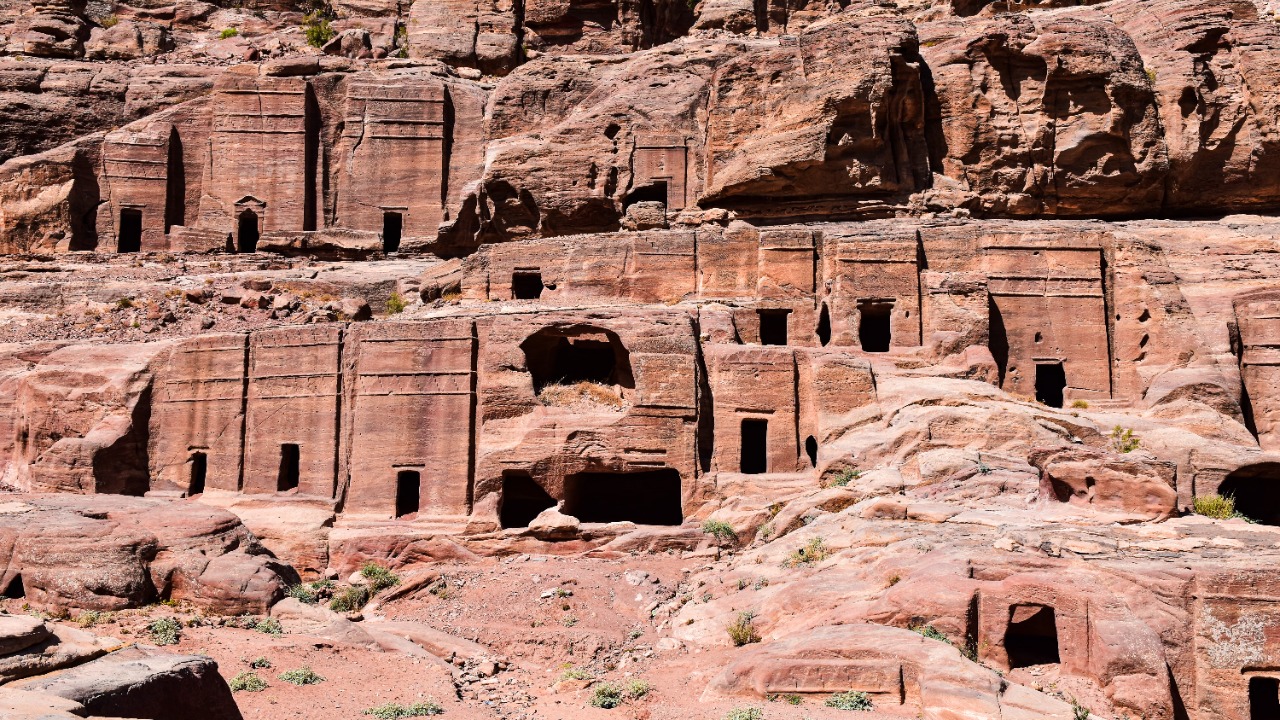
The rose-red city of Petra was lost to the outside world until Johann Ludwig Burckhardt rediscovered it in 1812, according to Wikipedia’s lost city overview.
The date is specific, and the name attached to it is the point: one traveler’s arrival in 1812 brought a famous city back into outside knowledge. The account is brief, as it draws on a general overview, so archaeological detail lies in site-specific research. Petra’s place on the list rests on that single dated event, and the phrase rose-red city in the source captures why the rediscovery has remained a popular story.
7. Troy: From Legend to Dig
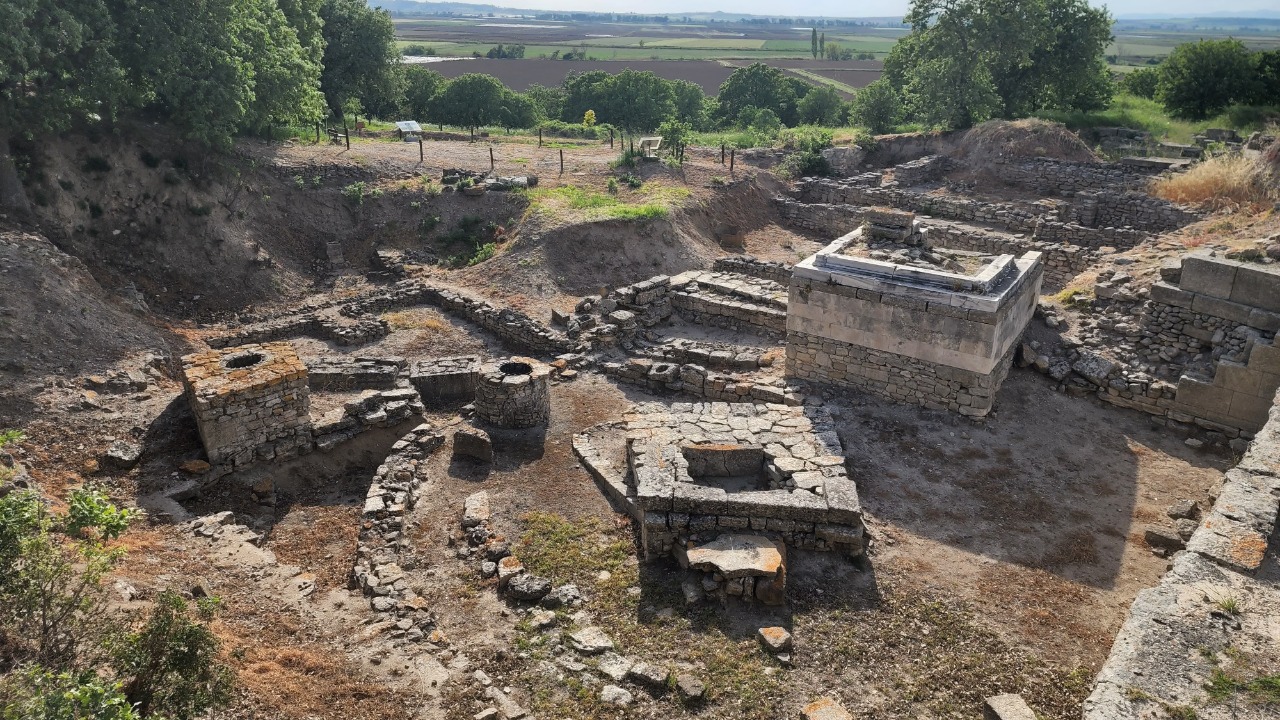
The legendary city of Troy had to be found again, and Wikipedia’s article on lost cities says its location was first excavated in the 1860s.
Troy is the entry here that began as a story before it was a site, since the source calls it legendary. The 1860s excavation turned a place known through legend into a location that could be dug and studied, which is why it belongs on any list of cities found again. The source does not name the excavator or describe what was found, so the claim is limited to timing, but the 1860s date is firm enough to anchor the entry.
8. Pompeii: Buried by the Volcano
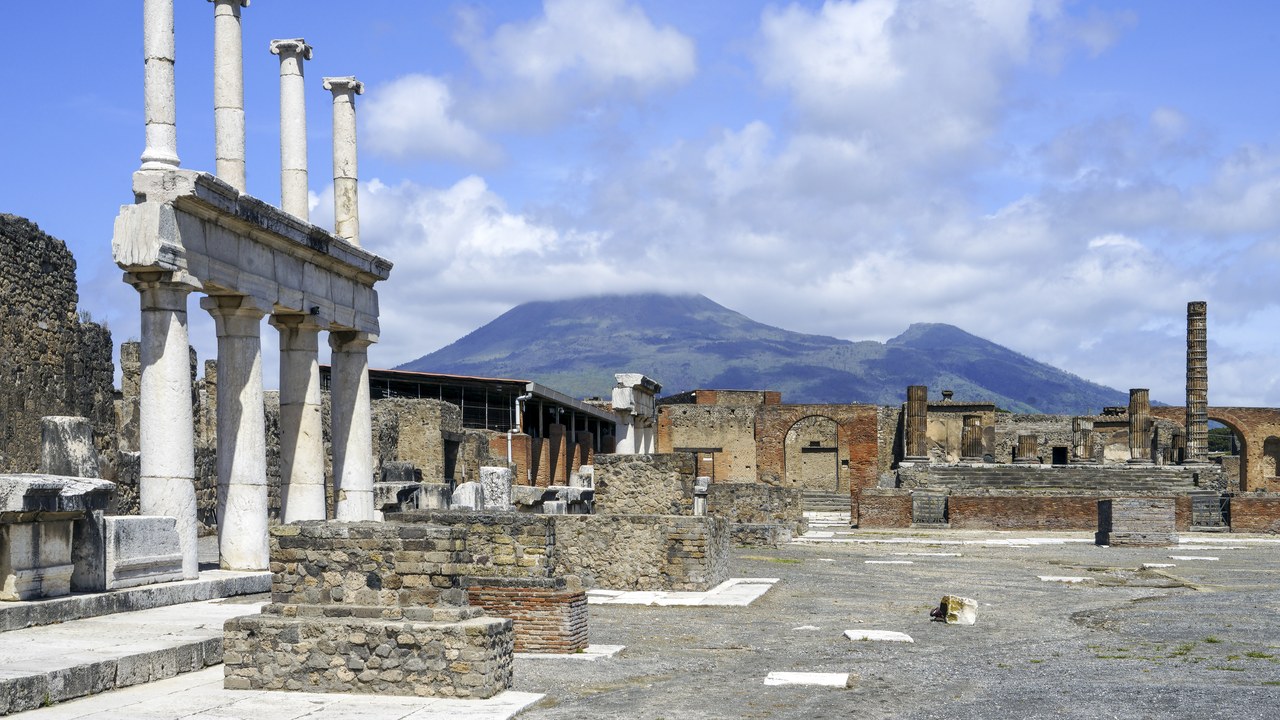
Buried by volcanic eruption, Pompeii lay hidden until it was rediscovered in the 18th century, together with Herculaneum and Stabiae, a Wikipedia overview says.
Burial explains the long silence, since the eruption covered the town and kept it hidden until the 1700s. Herculaneum and Stabiae reappeared in the same period, so Pompeii’s return was part of a wider reappearance of towns the volcano had covered. Neither the eruption’s date nor the number of buildings is given in the source, so the entry stays with the 18th-century rediscovery, which is the part the overview supports.
More from Morning Overview
- The FAA wants $2.39 million from a flight school it says flew a Cessna about 280 times with an unapproved part
- A $1 billion gas plant planned for Superior, Wisconsin, has been abandoned
- Shaq spent $1.3 million on three Rolls-Royce Phantoms to prove a point to a salesman
- The Justice Department asked courts to undo approvals for three offshore wind farms, one already making power
