
Insects rarely get credit for their influence, yet some of them threaten lives and others threaten forests and crops across the country. Public health agencies, agriculture officials and wildlife managers supply the numbers behind these stories. Here are eight insects, from familiar stingers to invaders and a famous traveler.
The day in tech, in one email: TLDR is the daily newsletter with links and TLDRs of the most interesting stories in startups, tech and programming.
We may earn a commission if you sign up.
1. Mosquito: World’s Deadliest Animal
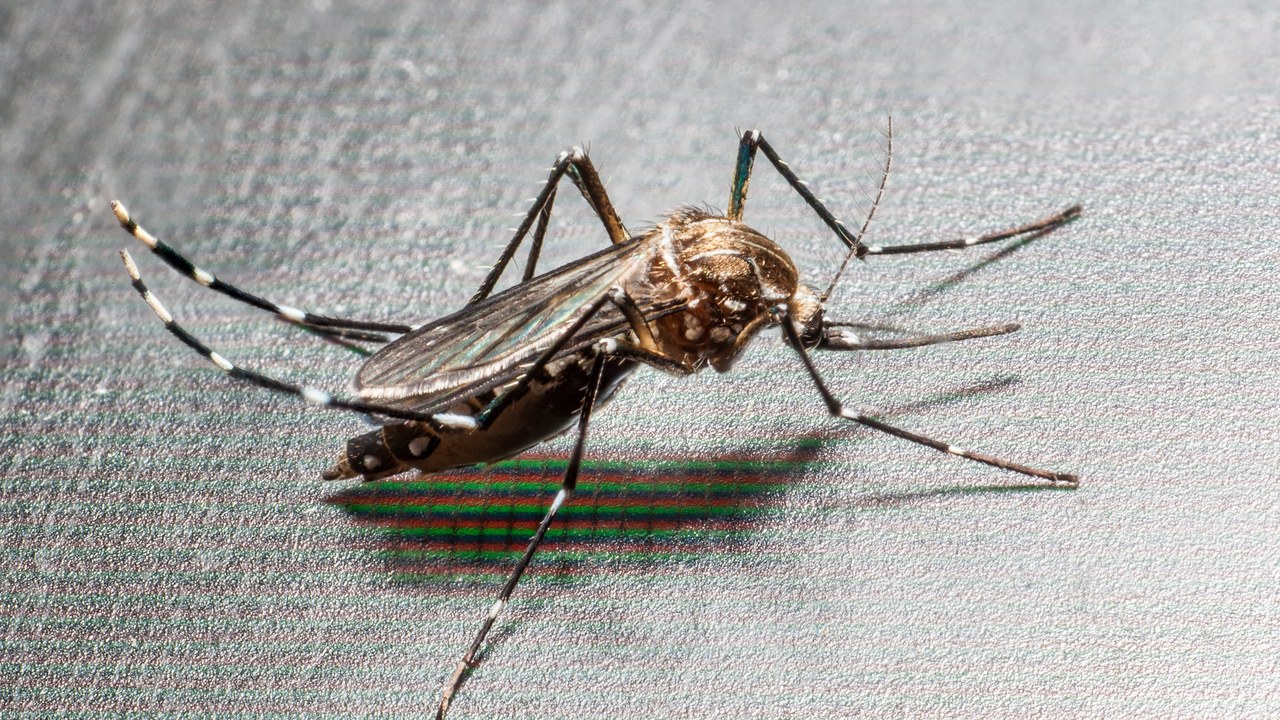
The CDC says the mosquito kills more people than any other creature in the world. In its account at CDC deadliest animal page, malaria alone caused 610,000 deaths across 80 countries in 2023.
Those figures mostly describe places far from the United States, yet the same insect carries diseases elsewhere in the world that travelers can encounter. Standard advice is to use repellent and check health guidance before an overseas trip. Local mosquito control programs and bed nets, where used, are the main tools that public health agencies cite. The source frames the insect as a global health problem rather than a household nuisance, so context matters when reading the headline claim.
2. Northern giant hornet: Hornet Declared Eradicated
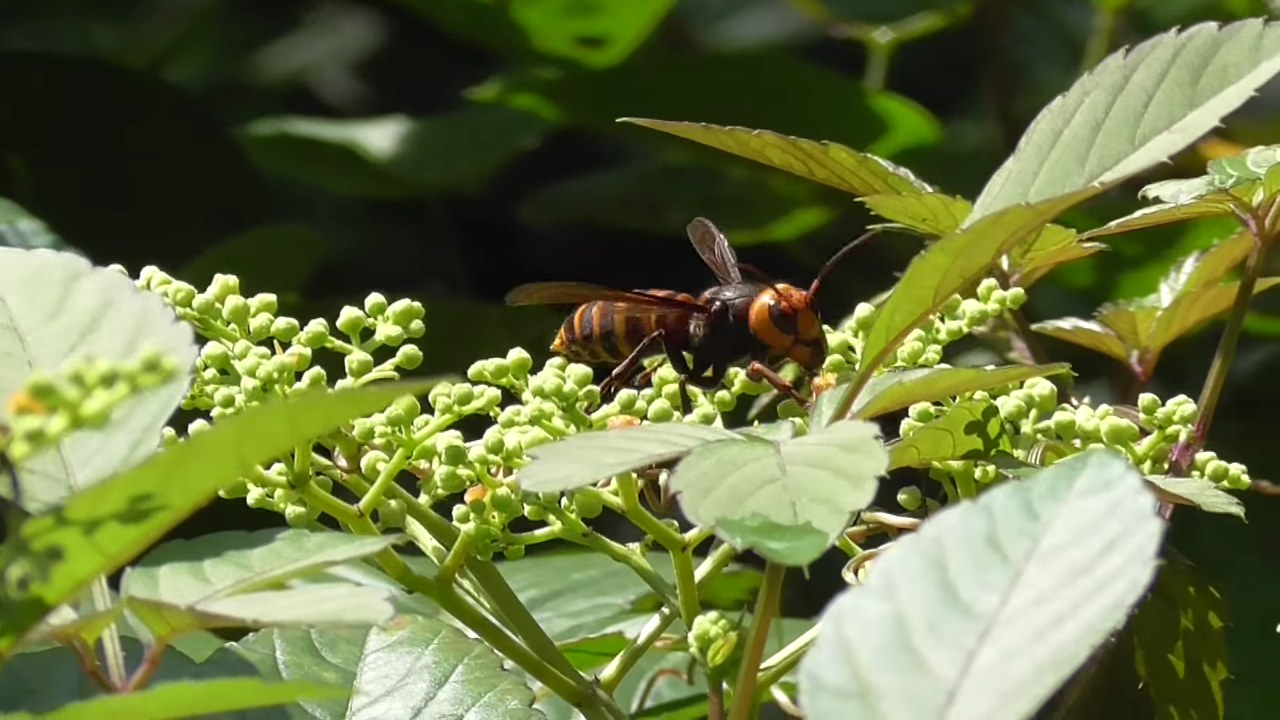
WSDA and USDA declared the northern giant hornet eradicated from Washington and the United States, as APHIS eradication announcement explains. It was detected near Blaine, Washington, in late 2019, and four nests were eradicated in 2020 and 2021.
An eradication announcement is rare for an invasive insect, which makes this one notable. Anyone who spots an unusual large hornet in future can report it to the state agriculture department rather than approaching a nest. The hornet drew attention because it preys on honey bee colonies and is the largest hornet species in the world, as the announcement’s own title says. Beekeepers and the public were asked to watch for it during the response.
3. Honey bee: Bees and Allergic Reactions
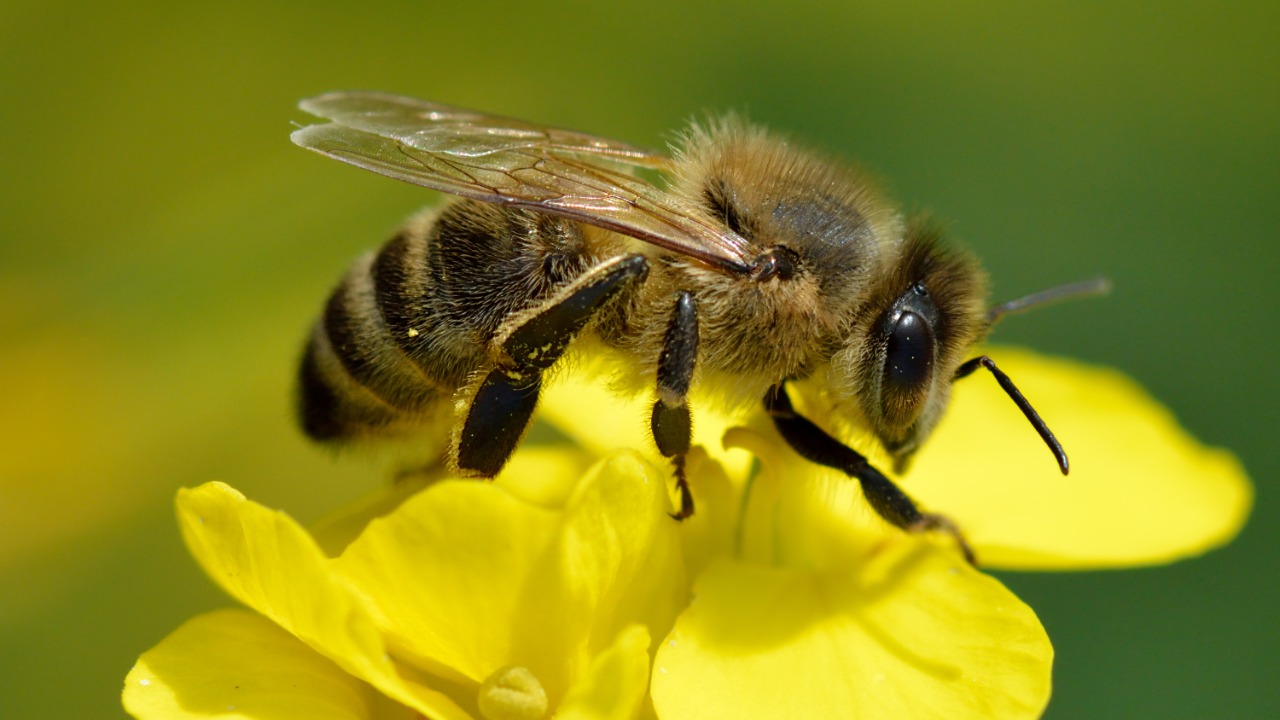
An estimated 40 to 100 people die each year from anaphylaxis after stings from bees, wasps and relatives, according to American Family Physician review.
The estimate is a range rather than an exact count, and it covers a group of insects rather than honey bees alone. People with a known sting allergy are generally advised to discuss emergency medication with a doctor. Honey bees are generally gentle when foraging, and most stings happen when a hive or a trapped insect is disturbed. Anyone stung should leave the area calmly and seek urgent care if swelling or breathing trouble develops.
4. Red imported fire ant: Fire Ants at Work
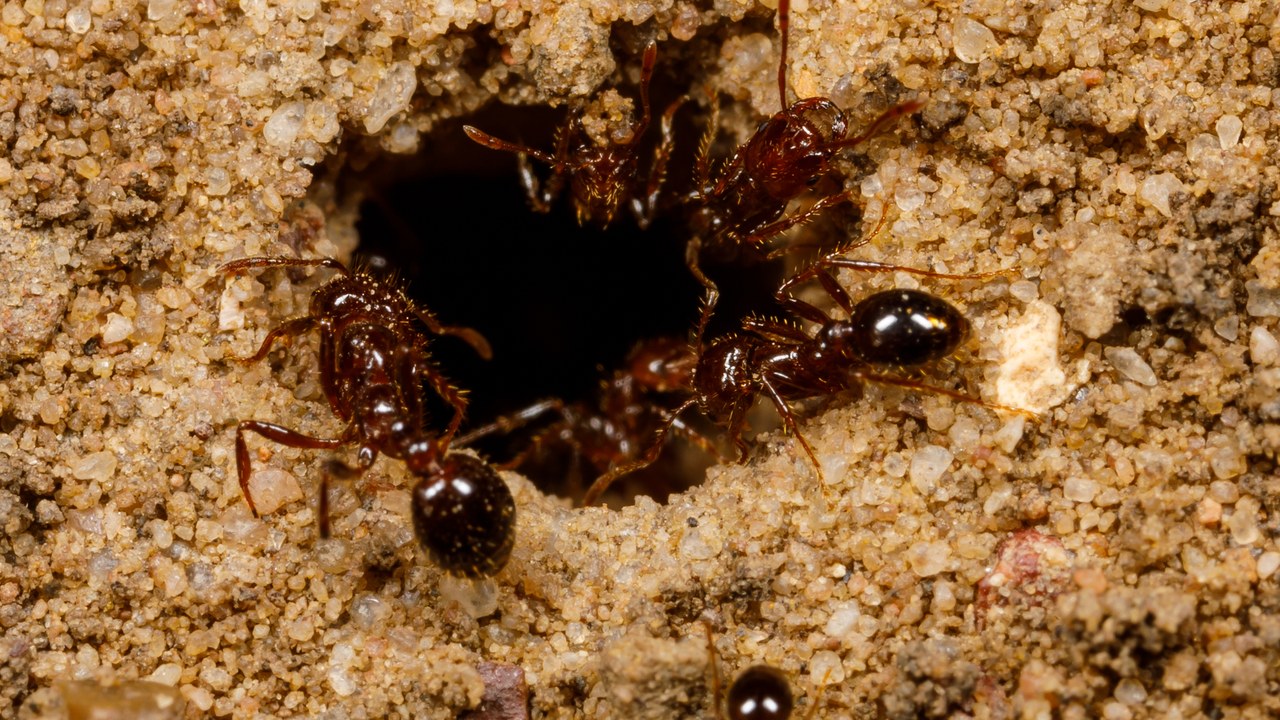
CDC NIOSH lists fire ants as a sting hazard for outdoor workers across the Southeast, as laid out in NIOSH insect hazard page. The agency groups them with other insects and scorpions that workers may meet on the job.
The source gives no casualty figure, so the listing is best read as an occupational warning. Landscapers, farm crews and utility workers can protect themselves with boots and awareness of mound locations. Fire ants build mounds that are easy to disturb with a mower or shovel, and workers can be stung many times at once. Employers commonly provide training, protective footwear and first aid guidance for crews in affected regions.
5. Yellowjackets, hornets and wasps: Stings Kill Dozens
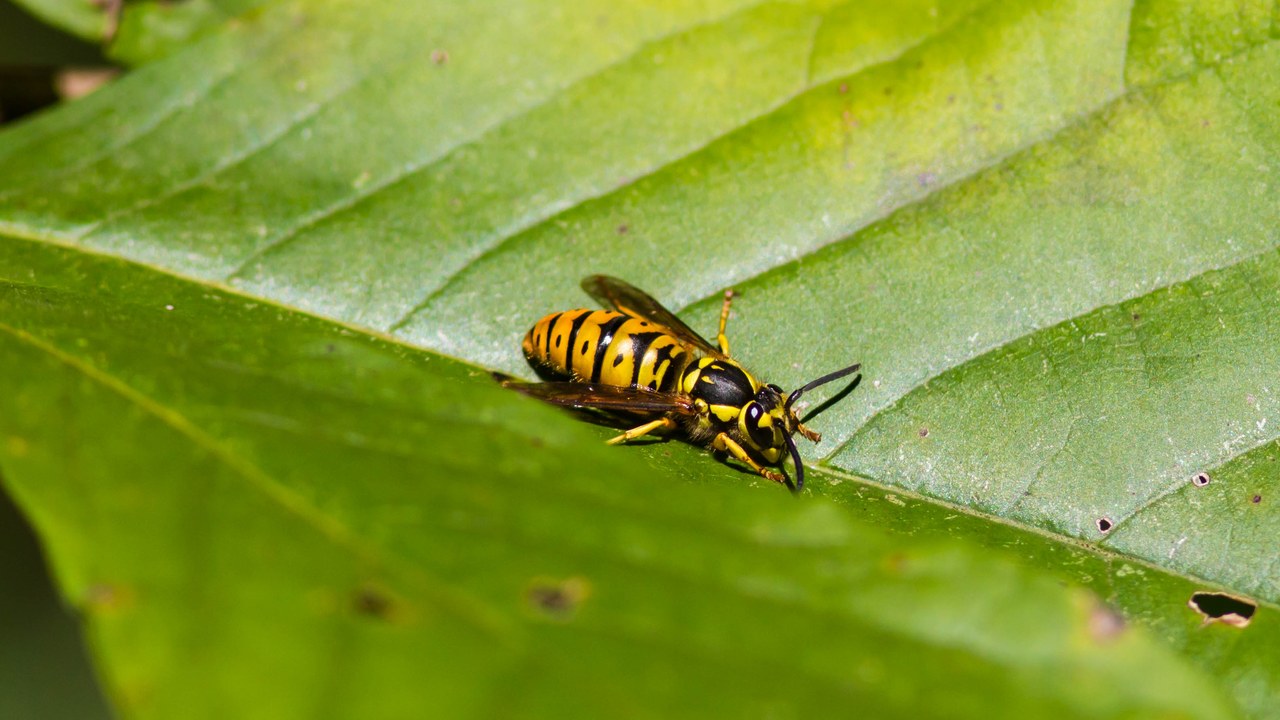
Stinging insects kill about 60 Americans a year, according to Outside magazine analysis, which cites CDC data from a 2008-2015 study in Wilderness & Environmental Medicine.
That total covers yellowjackets, hornets and wasps together rather than one species. Because the figure rests on an older study period, it works as a general scale rather than a current tally. Nests in wall voids, shrubs or the ground are a common trigger when people mow or trim without noticing them. Professional removal is the safer course for large nests, and allergic people should carry prescribed medication.
6. Spotted lanternfly: Lanternfly Spread
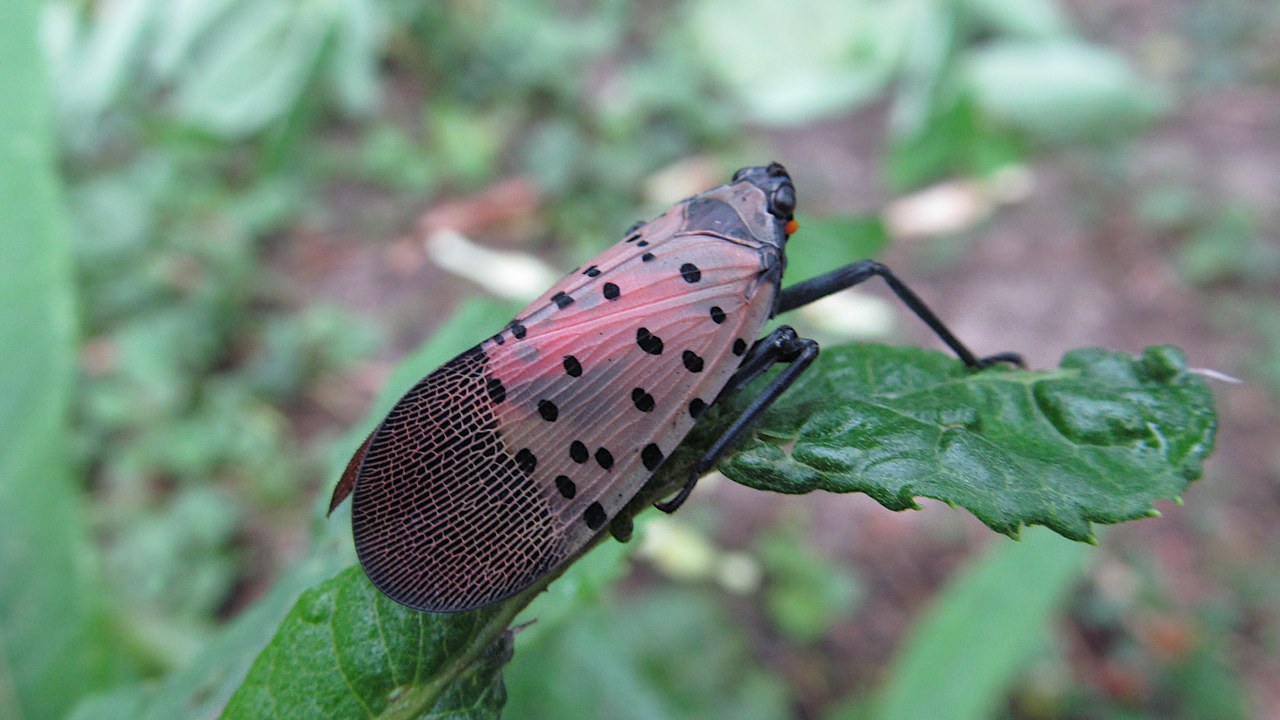
The spotted lanternfly was first detected in Berks County, Pennsylvania, in 2014, and North Carolina lanternfly page says it has been detected in over 18 states. It feeds on over 70 plant species.
A pest with that range of hosts can worry growers as well as homeowners. State agriculture departments generally ask residents to report sightings in new areas and to check vehicles for hitchhikers. The insect is a strong hitchhiker, which helps explain how it moves between states on vehicles and shipments. Farmers and nurseries in affected regions face inspection requirements, and residents are often asked to scrape egg masses.
7. Emerald ash borer: Ash Trees in Decline
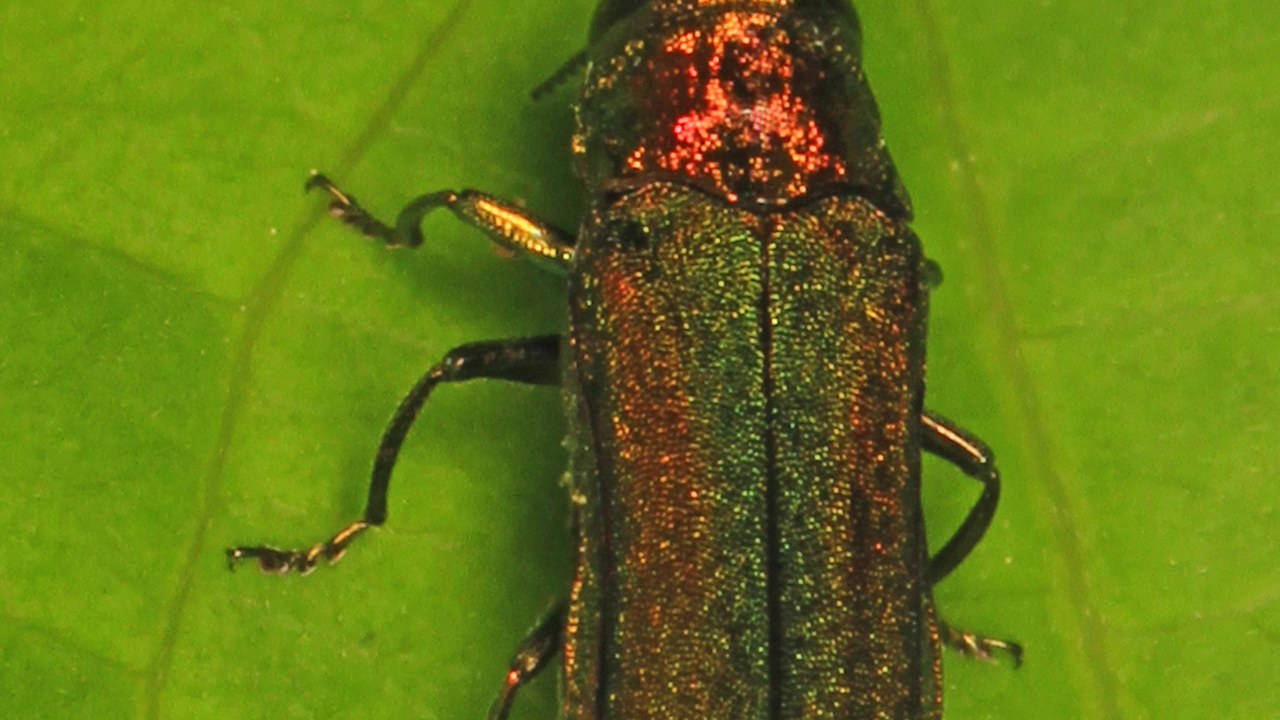
The emerald ash borer has been detected in 38 states plus the District of Columbia, according to USDA ash borer overview. The agency blames it for the death or decline of tens of millions of ash trees.
For property owners, the practical question is whether nearby ash trees show signs of decline. A local forestry office or certified arborist can advise on treatment options for valuable trees. The beetle spends its larval stage under bark, so damage is often noticed late, after the canopy thins. Communities have faced removal costs for dead trees along streets and in parks, and replanting with other species is common.
8. Monarch butterfly: Monarch Migration
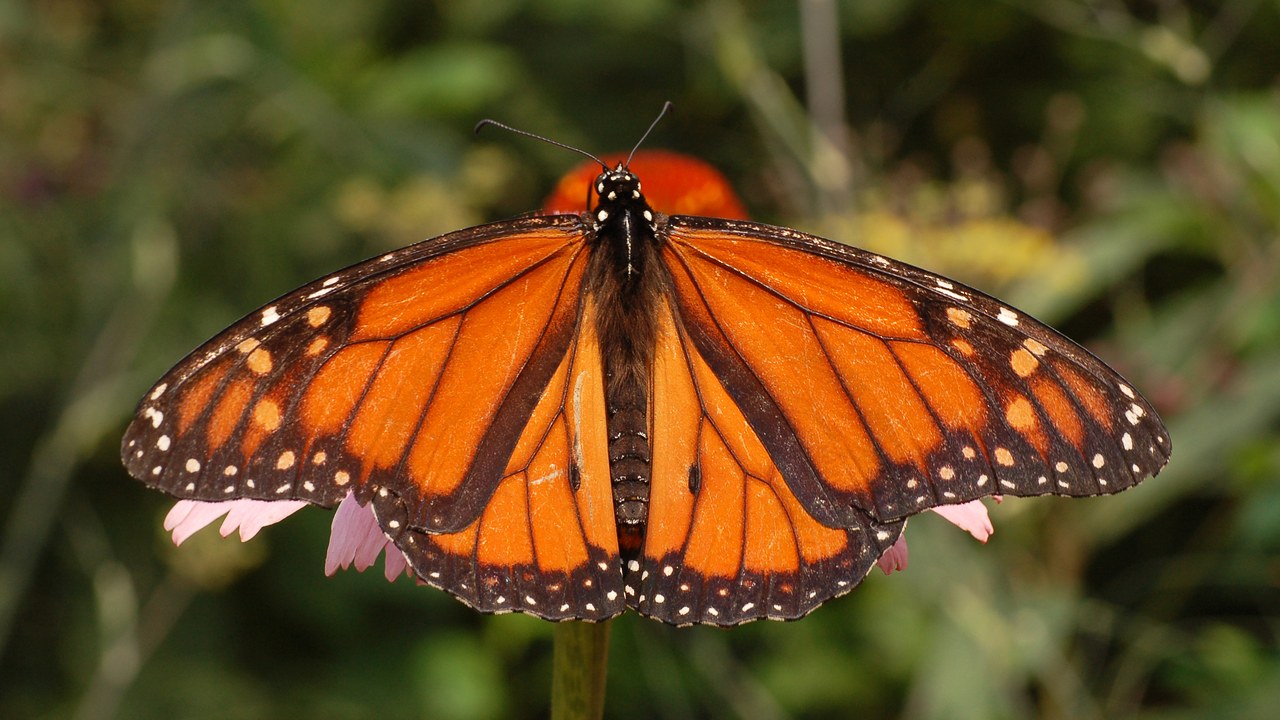
Eastern monarchs travel up to 3,000 miles on migration, according to Fish and Wildlife monarch profile. The same agency page also says more than 2,000 miles, so the exact distance depends on the wording.
Either figure marks an extraordinary journey for an insect this light. Planting native milkweed and nectar flowers is the commonly cited way for gardeners to support the species along the route. Monarchs depend on milkweed for their caterpillars, and the long flight south ties together habitats across several countries. Counting the miles is only one way to appreciate a trip made by such a delicate insect.
The day in tech, in one email: Get TLDR →
We may earn a commission if you sign up.
More from Morning Overview
- Two Kentucky residents died when a small plane crashed at Missouri’s Lake of the Ozarks, and the NTSB is investigating
- A handful of car transmissions are so tough that mechanics say they almost never die
- Melting permafrost is setting off a newly identified kind of catastrophic landslide, scientists say
- Cadillac cut the price of its cheapest EV, which goes up to 317 miles on a charge
