
Navies measure power in many ways, and sheer displacement is one of the simplest to compare. The vessels below are among the biggest carriers and amphibious ships operated by the United States, Britain, China and France, plus one unusually large destroyer, with figures drawn from fact files and rankings. Here are eight ships and classes that show the scale.
Read next on Morning Overview: Shaq spent $1.3 million on three Rolls-Royce Phantoms to prove a point to a salesman
1. USS Gerald R. Ford: Largest of All
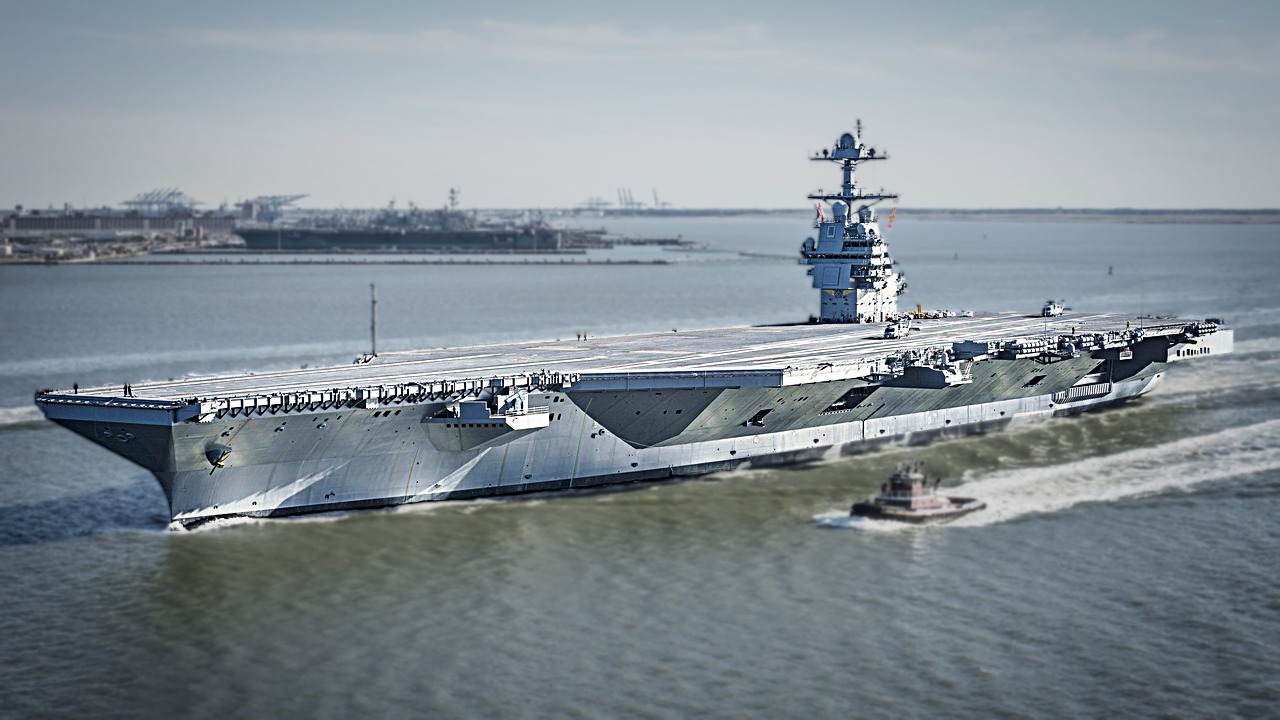
The U.S. Navy’s carrier fact file lists the Gerald R. Ford class at about 100,000 long tons full load and 1,092 feet in length, with a crew of 4,539 including the air wing. That makes the lead ship of the class a natural opener for any size comparison.
For a reader, the useful point is how those numbers describe a floating airfield and a small town at once. The displacement is the Navy’s own full-load estimate for the class, which may differ slightly between individual hulls. Readers should compare carriers by class, since individual ships within a class can differ slightly in weight depending on equipment and loadout.
2. Nimitz-class aircraft carrier: The Long-Serving Workhorse
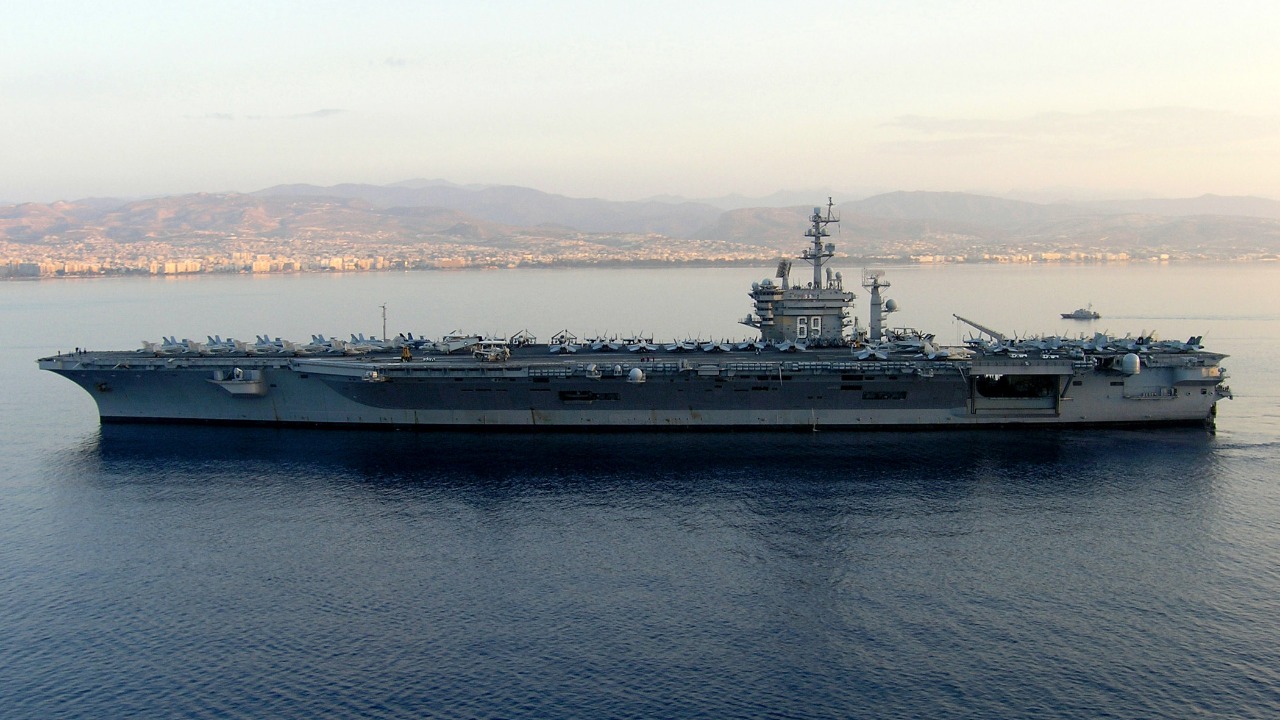
The Navy’s Nimitz-class carrier summary lists the class at about 97,000 tons full load and 1,092 feet long, with ten ships running from USS Nimitz to George H.W. Bush.
The Nimitz class sits only a few thousand tons below the newer Ford class, so the difference in size is modest. What separates the classes is design and technology rather than raw dimensions, a point the displacement figures alone do not capture. The gap between this class and the one above it is small, which is why both often appear at the top of ranking lists.
3. USS America: Biggest Amphibious Ship
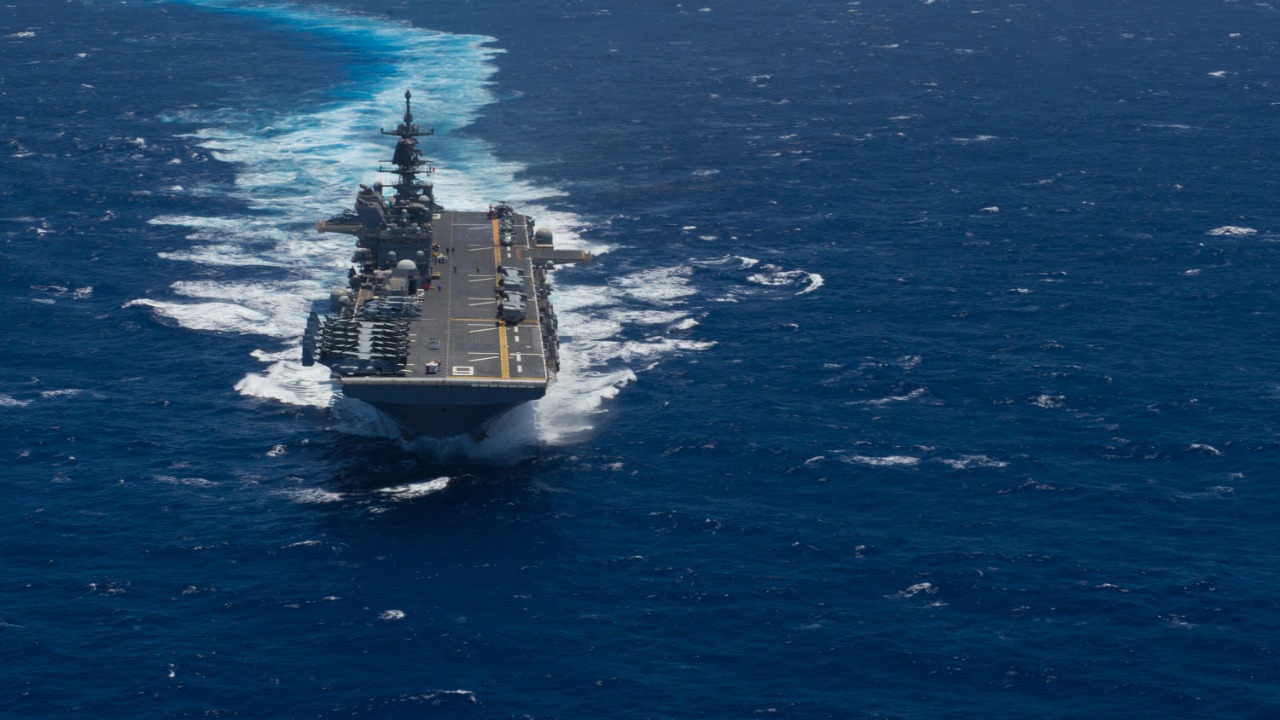
AeroCorner’s 2026 ranking, in its review of the largest warships, gives the America-class assault ship a displacement of about 43,745 long tons fully loaded and a length of 855 feet. That is roughly half the displacement of a Ford-class carrier.
Amphibious assault ships operate on a different scale from the big carriers, yet still dwarf most surface combatants. The tonnage is as stated by the cited source, and the ranking among warships afloat is by size. Smaller than a carrier, such a ship still carries a large air and landing capability that few navies can match in size.
4. Wasp-class amphibious assault ship: A Class Built in Numbers
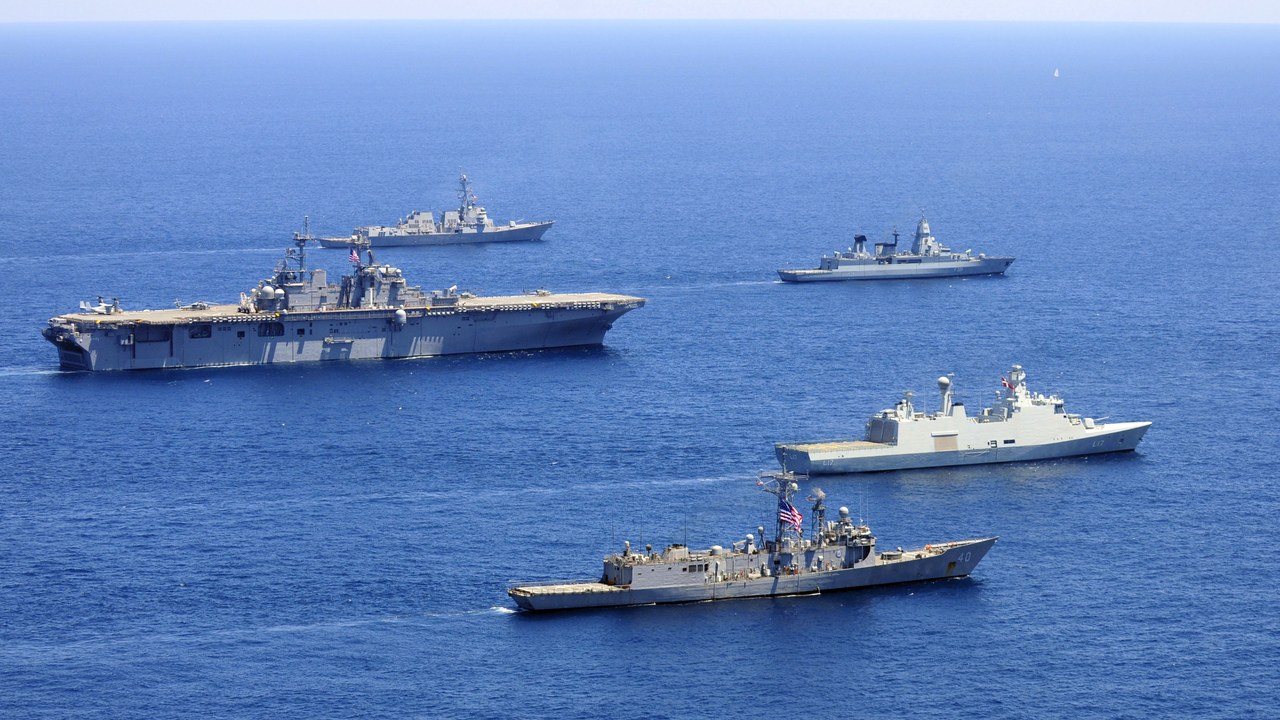
AeroCorner says Wasp-class ships displace up to 41,772 long tons for the last ship in the class, with a length of about 844 feet, in the same ranking of warship sizes.
The wording up to matters, because displacement varies from ship to ship within a class and the cited figure belongs to the last one built. As elsewhere in this gallery, the number is the source’s and the ranking is by size. Ranking by displacement is a convenient shorthand, though it ignores range, aircraft capacity and combat systems that also matter.
5. HMS Queen Elizabeth: Britain’s Biggest Carrier
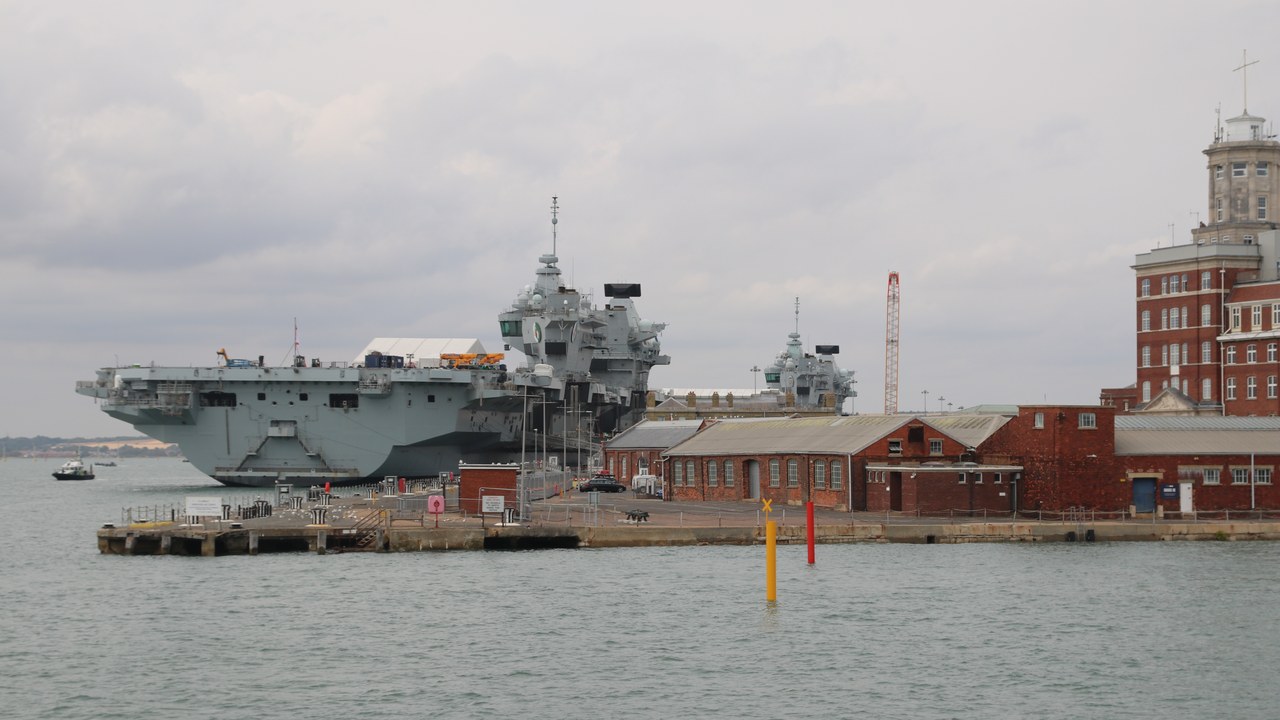
Naval Technology says the Royal Navy’s Queen Elizabeth class displaces 65,000t, according to its feature on the biggest aircraft carriers. That places the British ships well below the American supercarriers but far above any amphibious vessel on this list.
The figure is as stated by the cited source, and the ranking among warships afloat is by size. It shows that a navy outside the United States can field a carrier in this weight range. Differences in how sources measure displacement, such as standard or full load, can shift the order of ships in similar lists.
6. Liaoning: China’s First Carrier
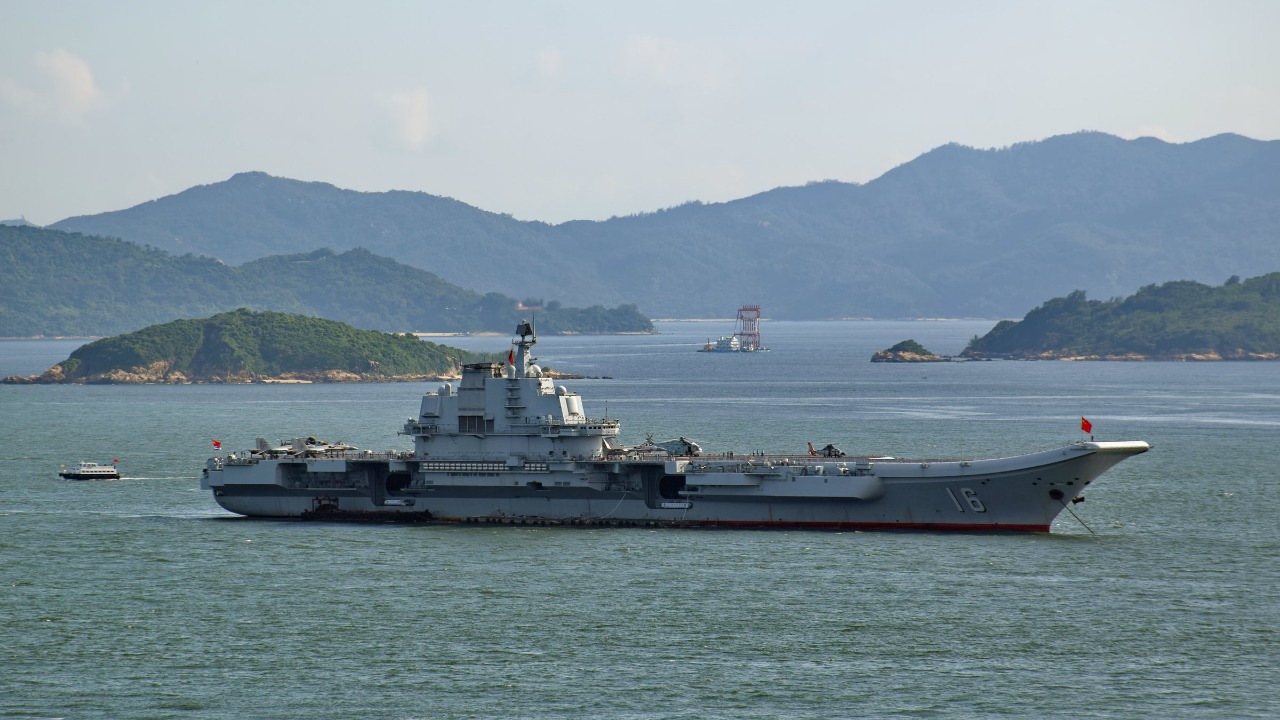
Naval Technology says Liaoning displaces more than 58,000t with a full load, in its list of large aircraft carriers. The ship is the Chinese carrier included here, and the source frames the figure as a full-load measurement.
The phrase more than 58,000t signals a floor rather than an exact weight, so the published number is best treated as approximate. As with the rest of the list, ranking among warships afloat is by size. Anyone reading such rankings should check whether each figure is stated at full load, since that changes comparisons across navies.
7. Charles de Gaulle: France’s Carrier Entry
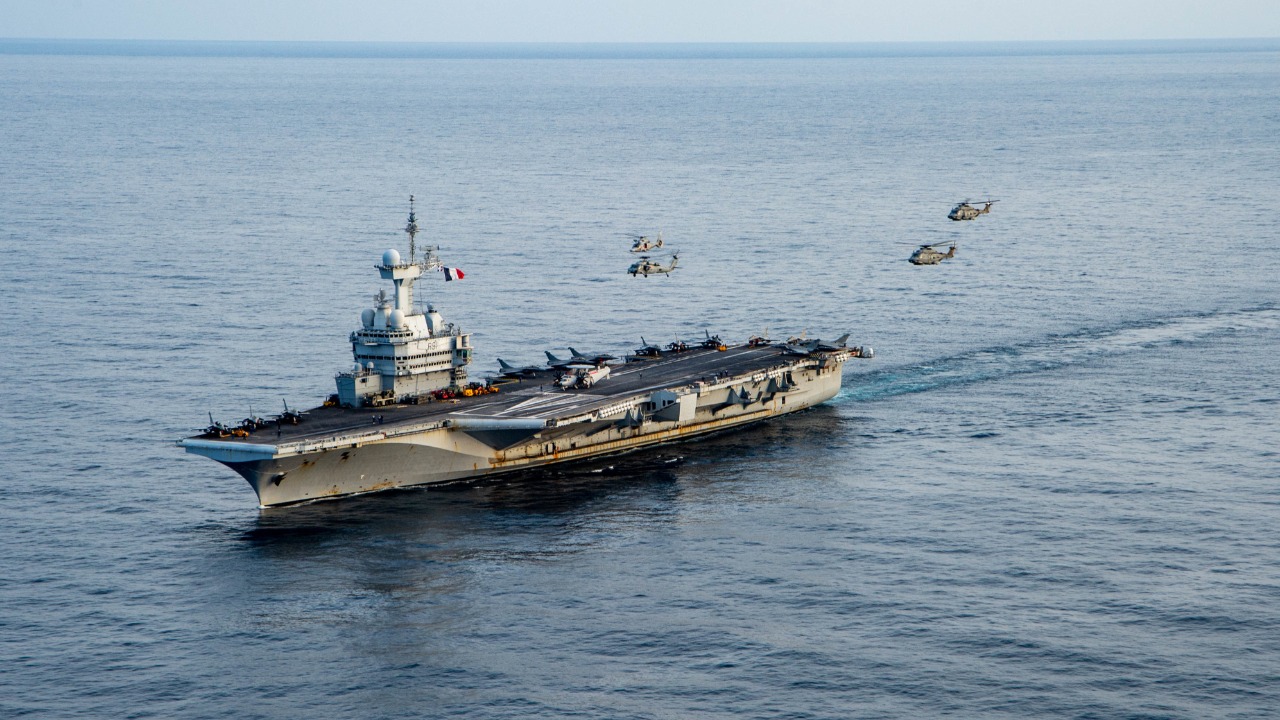
Naval Technology gives the French carrier Charles de Gaulle a full load displacement of 42,000t in its ranking of the largest carriers. That is close to the biggest American amphibious ships despite the carrier role.
Comparing a carrier with an assault ship by tonnage alone, as this list does, hides how differently the two are built and used. The figure is the cited source’s, and the ranking among warships afloat is by size. Because carriers of different countries are built for different missions, tonnage gives only part of the picture of capability, and the ranking should be read with that limit in mind.
8. USS Zumwalt: The Outlier Destroyer
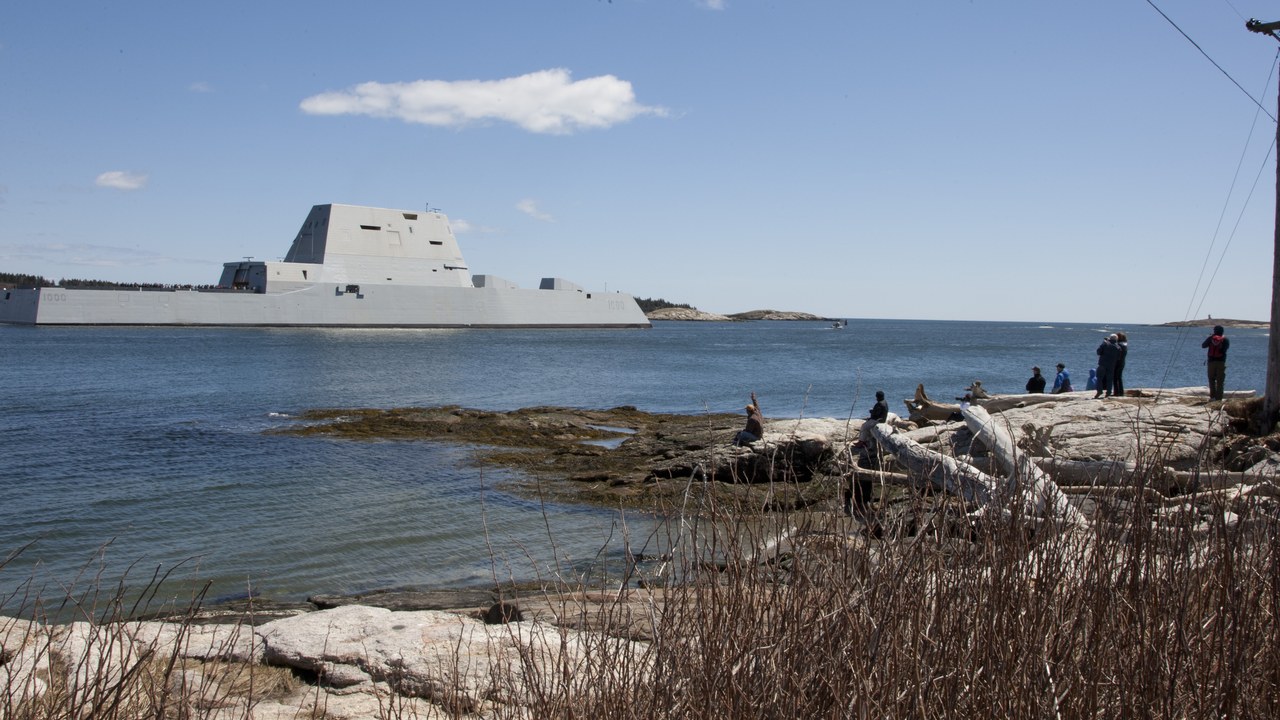
The Navy’s destroyer fact file lists the Zumwalt-class stealth destroyer at 15,995 metric tons and 610 feet long, with 80 vertical launch cells for Tomahawk missiles and a crew of just 197.
The Zumwalt is far smaller than the carriers above it, yet it is huge for a destroyer. The page was last updated in January 2023, so the figures reflect the Navy’s published specification rather than any later change. Its inclusion shows that size alone does not decide a ship’s influence, since few vessels combine this much stealth shaping with such a small crew.
More from Morning Overview
- New FCC rules on how people can stop robocalls and texts take effect Nov. 25
- Neanderthals in Spain carved a wooden object that matches nothing archaeologists have ever found
- The FAA wants $2.39 million from a flight school it says flew a Cessna about 280 times with an unapproved part
- A $1 billion gas plant planned for Superior, Wisconsin, has been abandoned
