
National parks protect wildlife, and wildlife does not read the signs. The National Park Service publishes safety guidance because visitors keep getting hurt, often by animals that look calm or small. These nine show how varied the risk is, from giants to ticks, and the first is the one the park names as the worst offender.
Read next on Morning Overview: Winter weather advisories cover I-80, I-70 and the Bighorns with up to 15 inches of snow
1. American bison: Bison Lead the Injuries
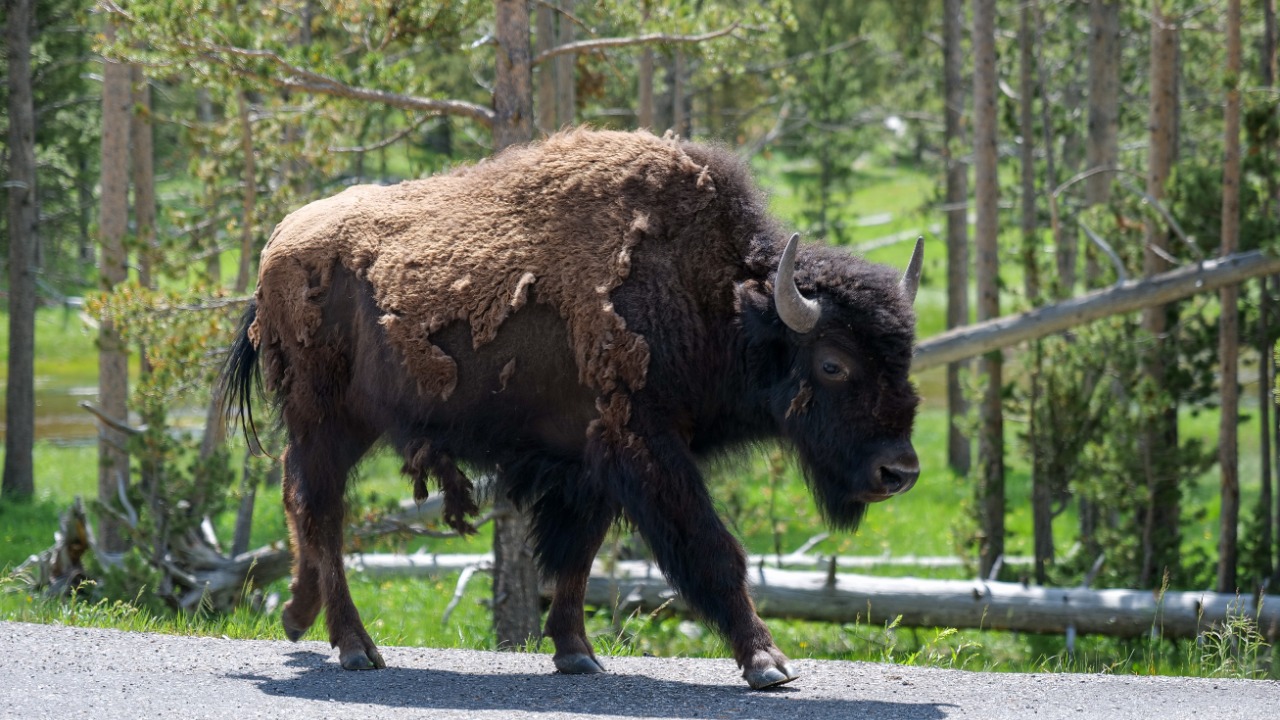
a Yellowstone safety page. Yellowstone says bison have injured more people there than any other animal. The park asks visitors to stay at least 25 yards away.
Their size and calm appearance can be misleading, which is a likely reason so many people get too close for a photograph. The distance rule is the park’s main defense, and following it is entirely in the visitor’s hands, whatever the animal appears to be doing at the moment. Calm behavior is not a guarantee of safety, and the park gives no exception for animals that seem relaxed, so visitors are expected to keep the full distance every time.
2. Elk: Cows Guarding Calves
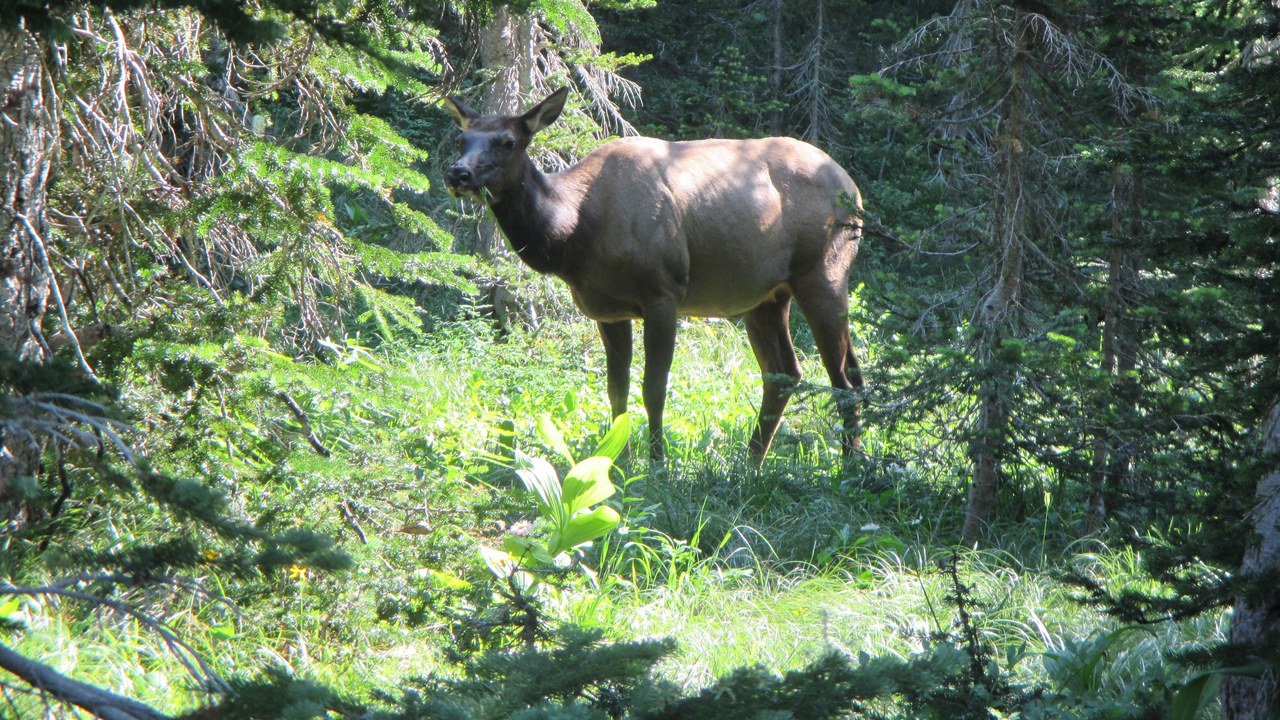
Yellowstone elk warning. Yellowstone warns that cow elk are just as dangerous as bulls when they are protecting their calves in the spring. The same 25-yard buffer applies, and the park makes no distinction by the sex of the animal when it sets the safe distance.
Spring is the time to be especially careful, since mothers defend newborns and may react quickly to anyone who comes near. A visitor who assumes only antlered males are a threat has misread the guidance, and the park wants that assumption corrected.
3. Grizzly bear: A Football Field Away
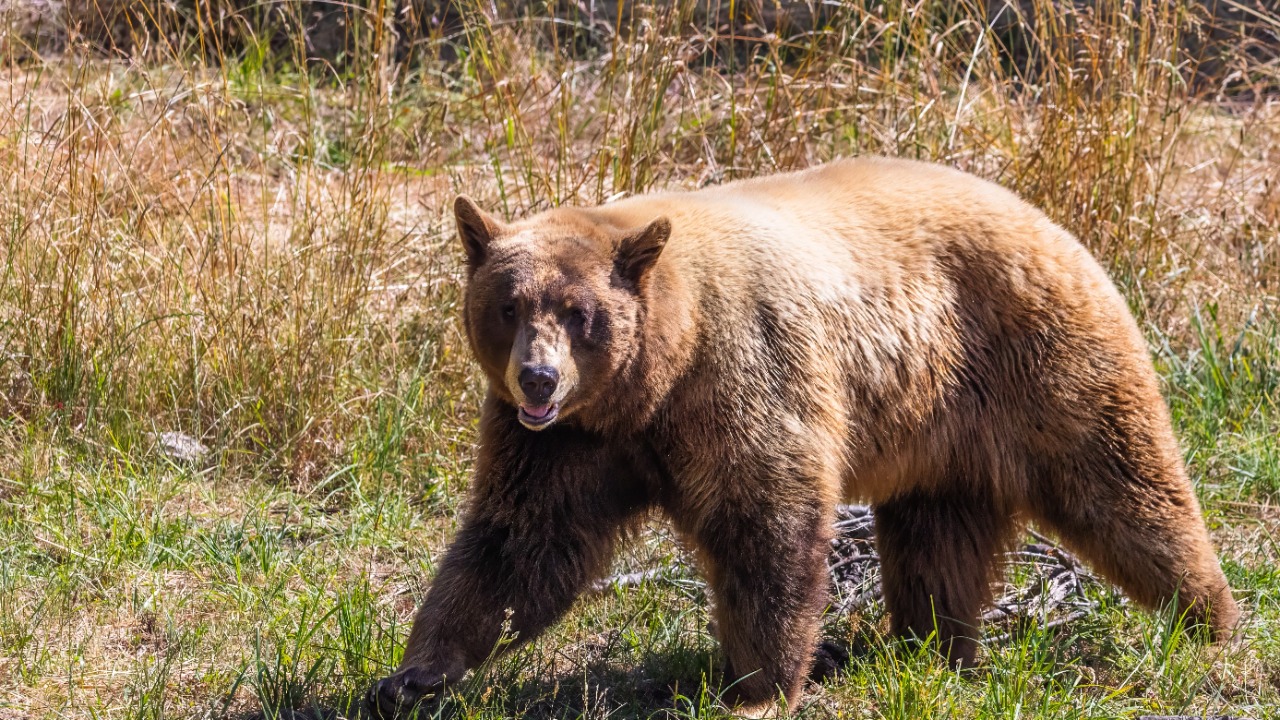
Yellowstone bear guidance. Yellowstone tells visitors to stay at least 100 yards away from bears, a far larger buffer than the one it sets for bison or elk. That is roughly the length of a football field, and the guidance appears in the park’s general safety information.
Grizzlies are the species most associated with that long distance, which reflects how much more serious a close encounter with a bear can be. Visitors who want a view are better served by binoculars or a long lens than by walking closer.
4. Moose: More Than Bears
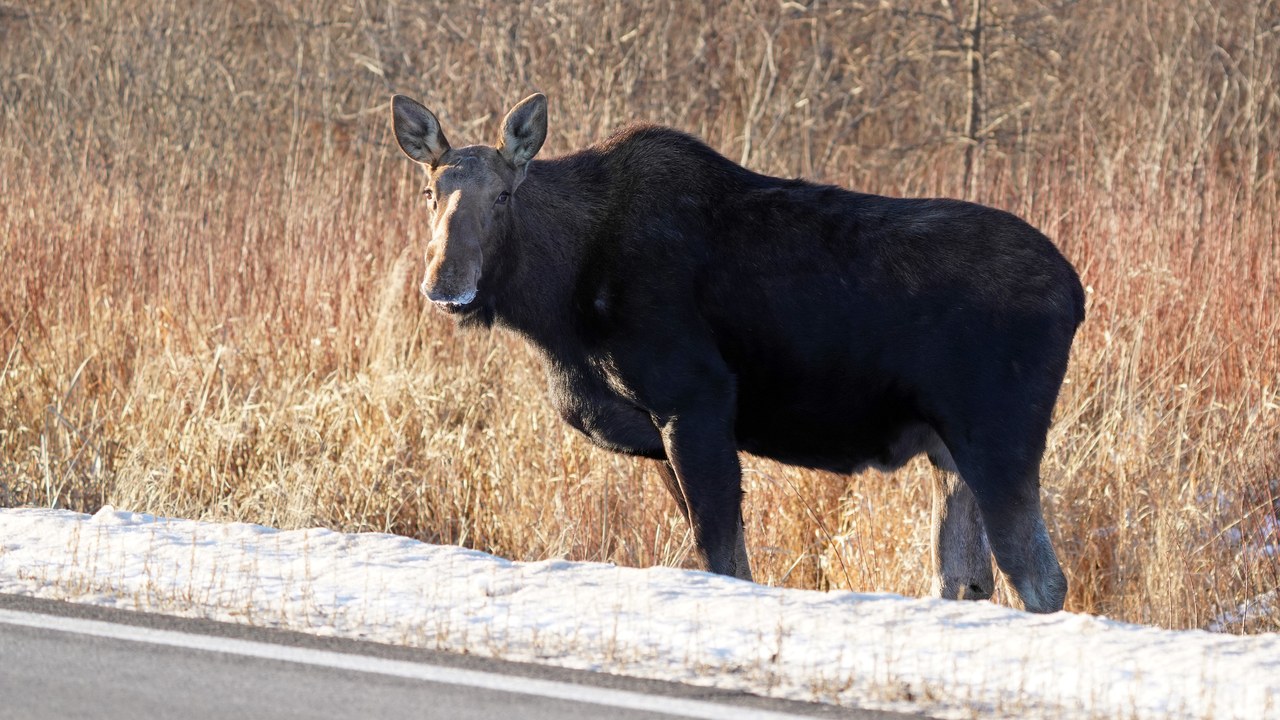
a Denali moose notice. Denali park reported a defensive cow moose injuring at least three people at one campground, one of them severely. NPS also notes that each year in Alaska more people are injured by moose than by bears, a comparison that surprises many visitors.
Most people expect bears to top any list of dangerous animals, but a moose protecting its calf can be a serious threat on its own. The park’s notice is a reminder that size and defensive behavior matter more than a species’ fearsome reputation.
5. American alligator: Fast and Fed
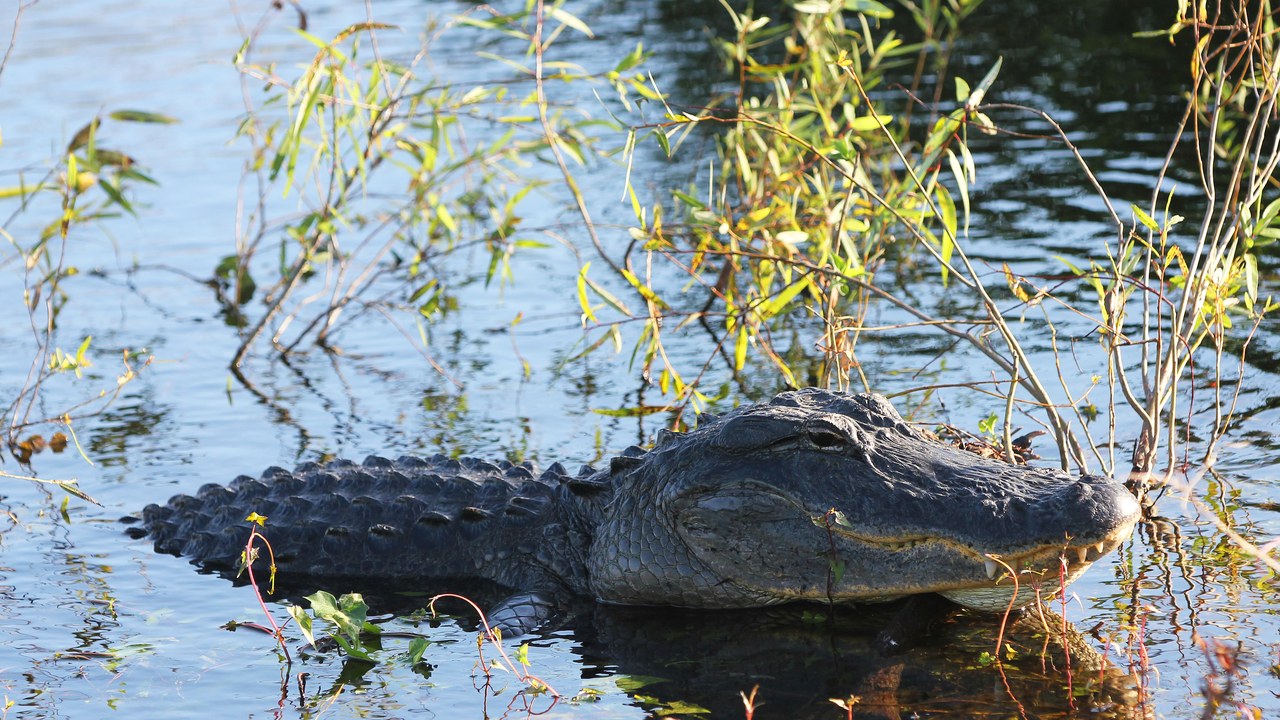
the Everglades safety page. The Everglades safety page says alligators and crocodiles are wild animals that can be dangerous to humans. They react lightning fast, and the park says they become aggressive if they are fed by visitors who ignore the rules, a warning it repeats.
Feeding is the avoidable part of the risk, since it teaches the animals to associate people with food and weakens their natural wariness. Keeping a respectful distance and never feeding them is the park’s plain guidance for anyone near the water.
6. American black bear: Hundreds of Encounters
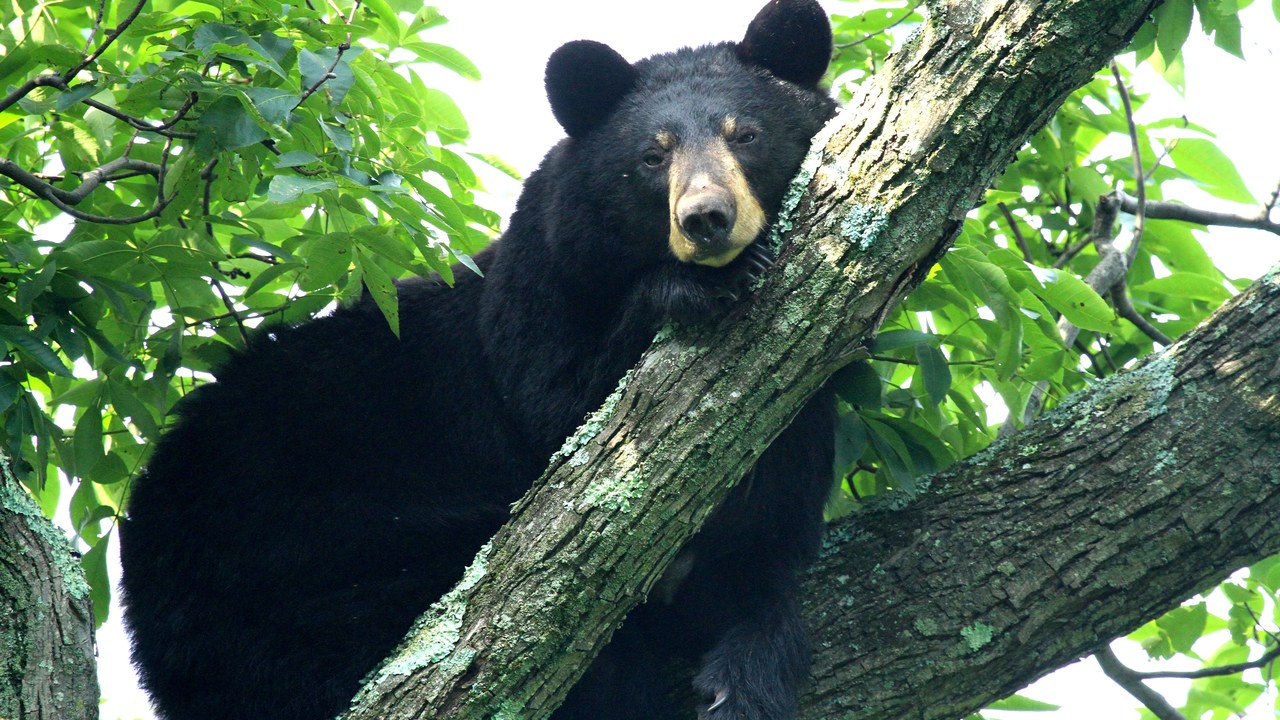
a Great Smoky bear page. Great Smoky Mountains National Park reports an average of 339 negative human-bear encounters reported annually, with many more going unreported. Bears that become food-conditioned grow dangerous, according to the park’s description of the problem, which is why food handling gets so much emphasis.
The figure covers encounters, not injuries, so it should not be read as an injury count. It does show how often people and bears cross paths in a busy park, and secure food storage is the lever that visitors themselves control most directly.
7. Rattlesnake: Strikes Without Warning
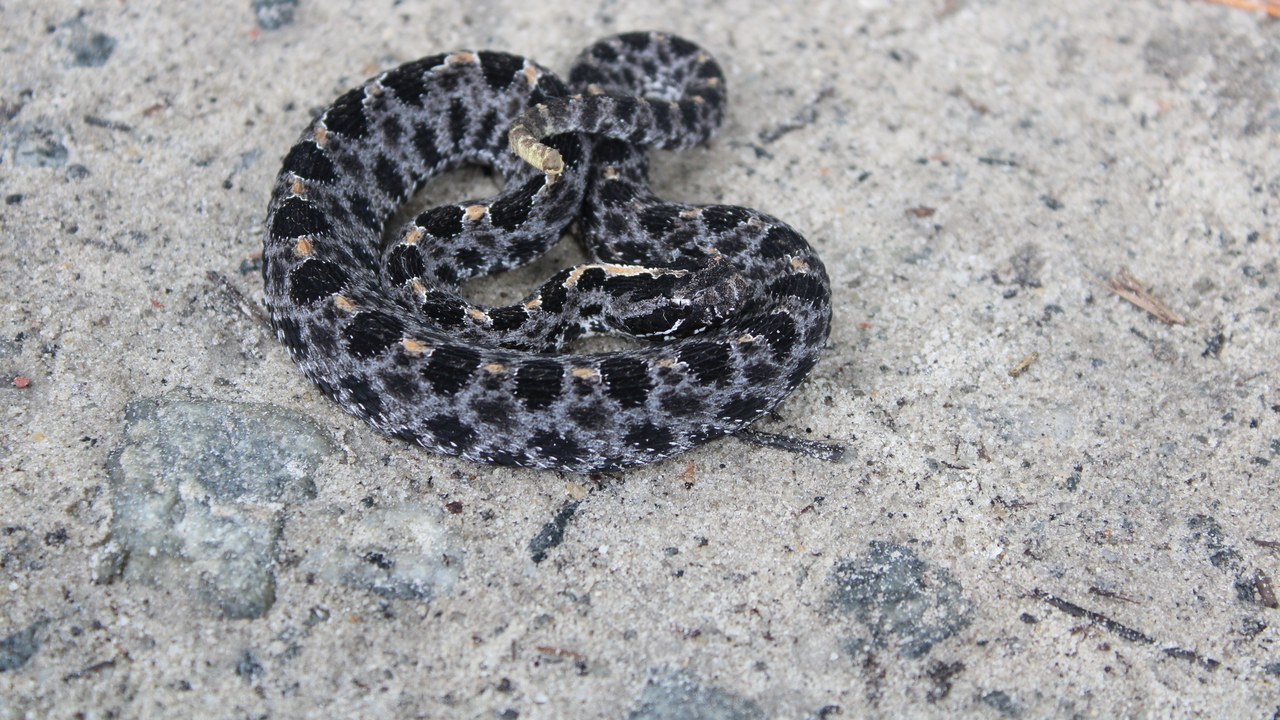
NPS wildlife safety guidance. NPS lists snakes among the wildlife risks to park visitors, noting that snakes can strike and bears can maul. Rattlesnakes are the snake most often brought to mind by that warning, though the page speaks of snakes in general terms.
The source treats the line as a general reminder rather than a count of injuries or a species ranking. The practical lesson is to watch where hands and feet go on trails and rocks, and to keep a respectful distance whenever a snake is seen.
8. Squirrel: Small Animals, Real Bites
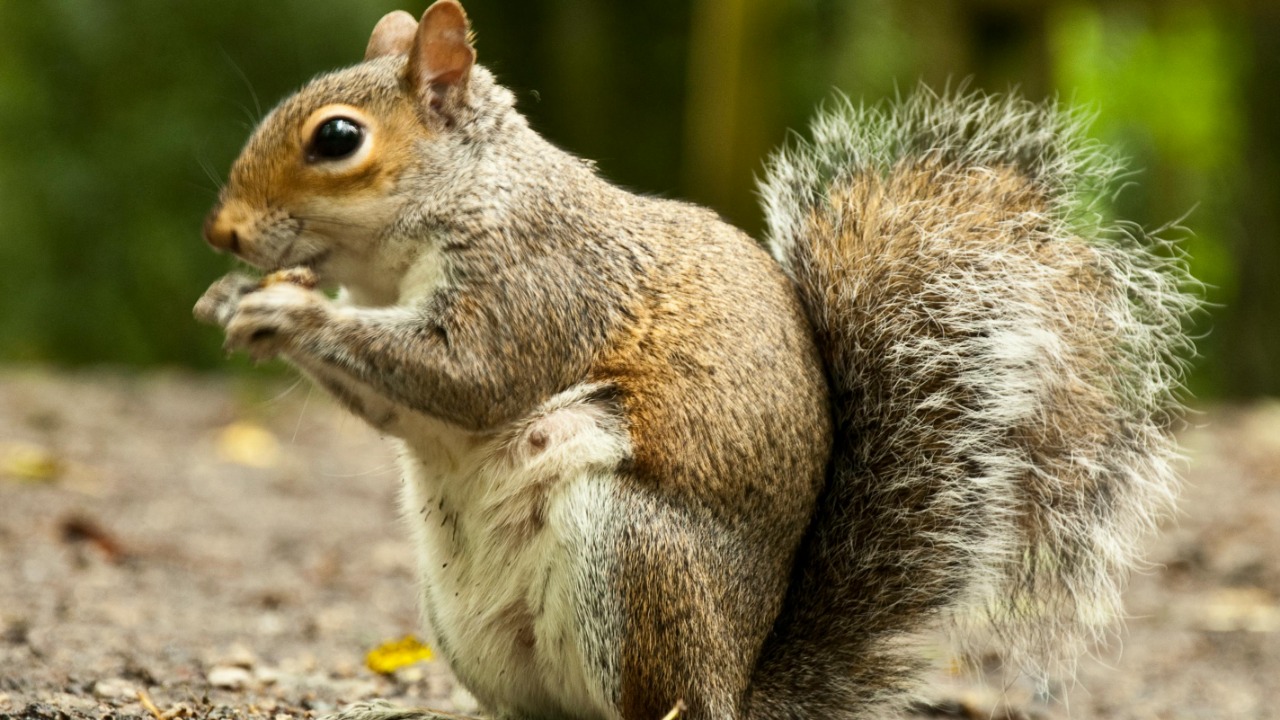
NPS wildlife viewing guidance. NPS notes that smaller wildlife such as squirrels and fox can bite. The same guidance says such animals can also carry ticks, fleas or rabies, which turns a seemingly cute encounter into a potential health concern for visitors.
A squirrel looks harmless and often approaches people for food, which is exactly why the warning is worth stating. Not feeding or touching wildlife applies at every size, and the guidance is the same for a tiny animal as for a very large one.
9. Blacklegged tick: The Tiny Threat
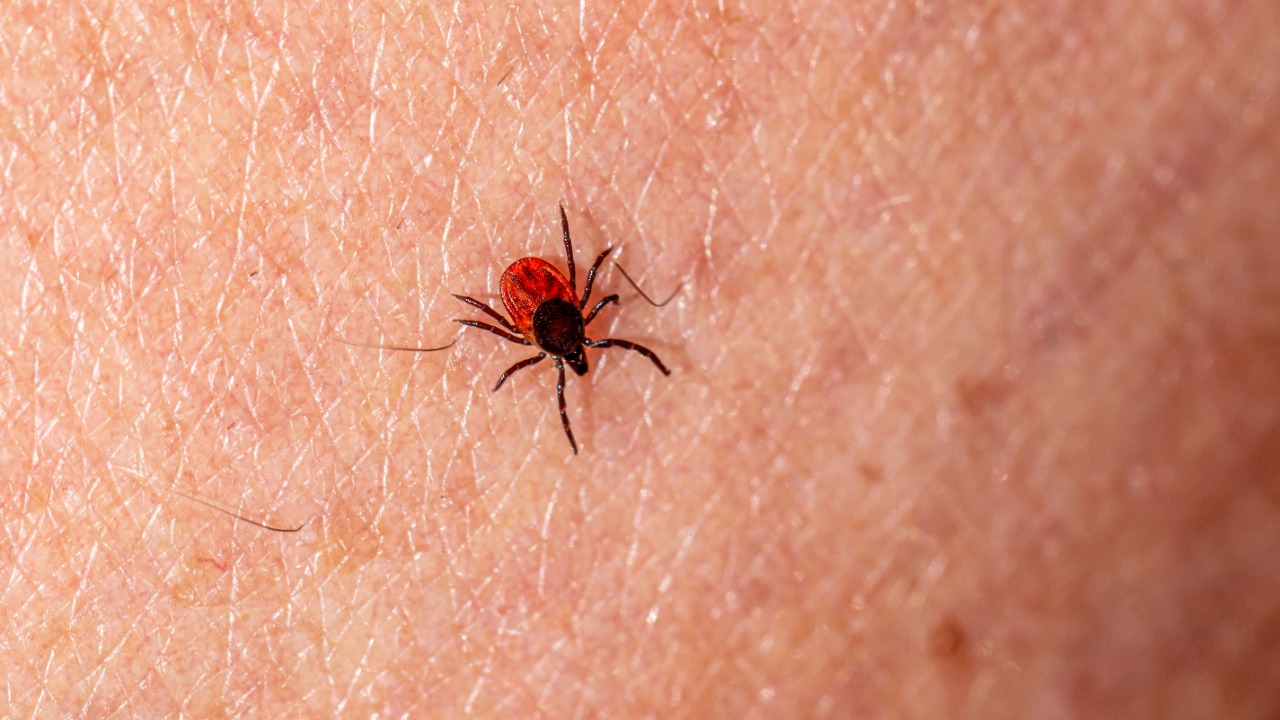
a WorldAtlas danger report. WorldAtlas reports that the blacklegged tick is a greater health risk to visitors of Acadia, Shenandoah and Great Smoky Mountains national parks than any bear or mountain lion, a claim that flips the usual ranking of park dangers.
This comes from WorldAtlas rather than the park service itself, so it is best read as a secondary source making a comparison. Even so, it points to the quiet risks that large animals overshadow, and checking for ticks after a hike is a modest habit.
More from Morning Overview
- Two Kentucky residents died when a small plane crashed at Missouri’s Lake of the Ozarks, and the NTSB is investigating
- A handful of car transmissions are so tough that mechanics say they almost never die
- Melting permafrost is setting off a newly identified kind of catastrophic landslide, scientists say
- Cadillac cut the price of its cheapest EV, which goes up to 317 miles on a charge
