
Glacier National Park holds alpine specialists, large carnivores, and long-distance migrants within a single rugged landscape. The National Park Service documents measurable extremes for many of them, from deep cold to steep rock to seasonal journeys. Here are eight residents that show how wildlife copes with the park’s terrain and seasons.
Stay ahead on AI: Join 600,000+ professionals who read The Deep View, the daily newsletter that keeps you up to date with artificial intelligence.
We may earn a commission if you sign up.
1. Mountain goat: Built for Brutal Cold
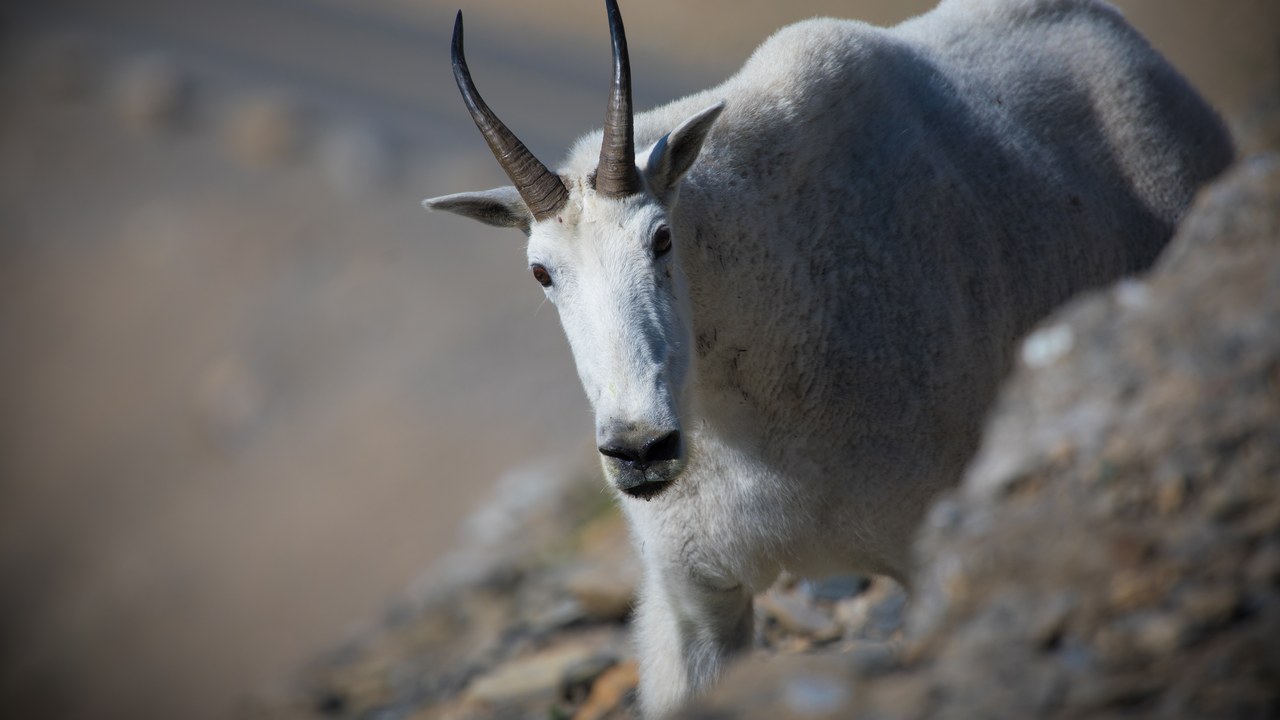
According to the National Park Service mammal guide, Glacier’s mountain goats can survive temperatures as low as minus 50 degrees Fahrenheit. The same account says these animals move across steep slopes of up to 60 degrees, terrain where most large mammals would not attempt a foothold.
Anyone hiking alpine basins and ridgelines in the park should expect these goats to treat the cliffs as home ground. Keeping a respectful distance and letting them travel their own routes helps protect both the animals and the people watching them. Binoculars or a long lens make the best way to appreciate them, and trail signs and ranger advice about wildlife encounters are worth checking before heading out.
2. Wolverine: Climbing Without Limits
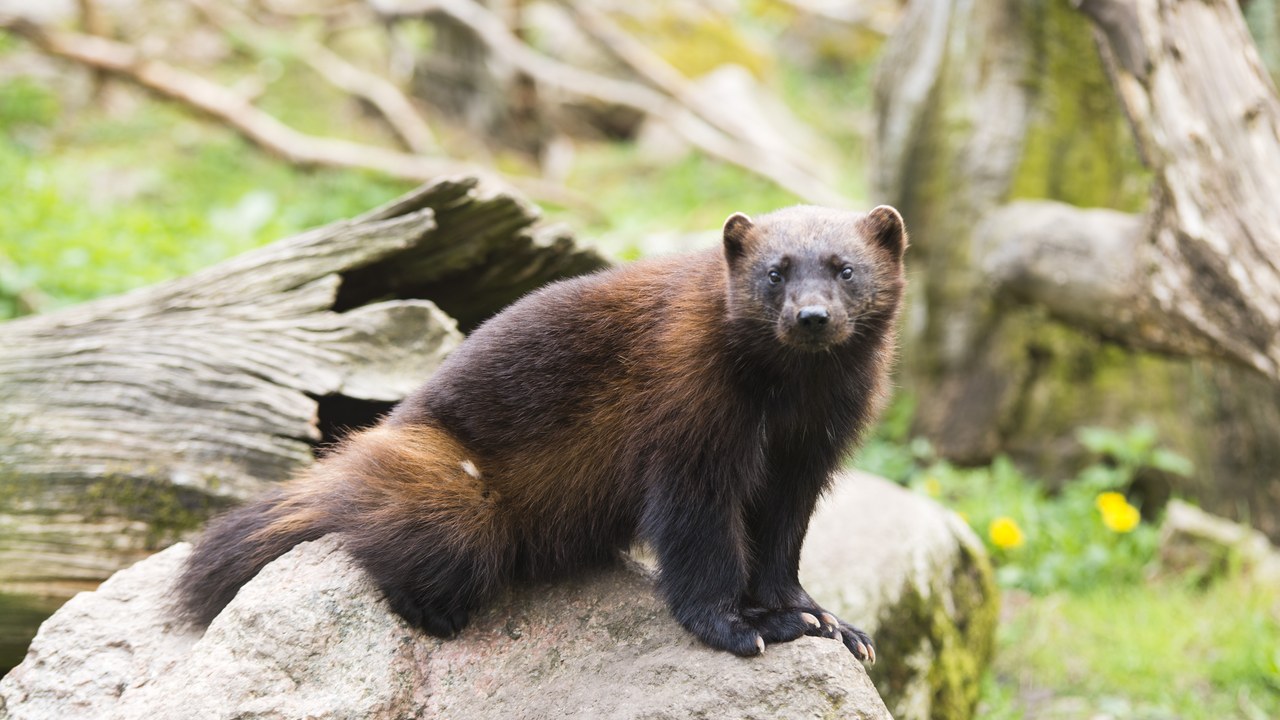
One male wolverine described in an NPS exhibit account climbed 5,000 feet in 90 minutes on his way up and over the summer. That single ascent illustrates the stamina of an animal that rarely stays in one place for long.
Wolverines are seldom seen, so a sighting is unusual. The account describes a single animal, and it should be read as an example of what one individual did rather than as a rule for the whole species. Rangers and park staff remain the best source for current information on where wildlife has been reported, so questions about sightings are worth asking at a visitor center.
3. Grizzly bear: Size, Speed, and Claws
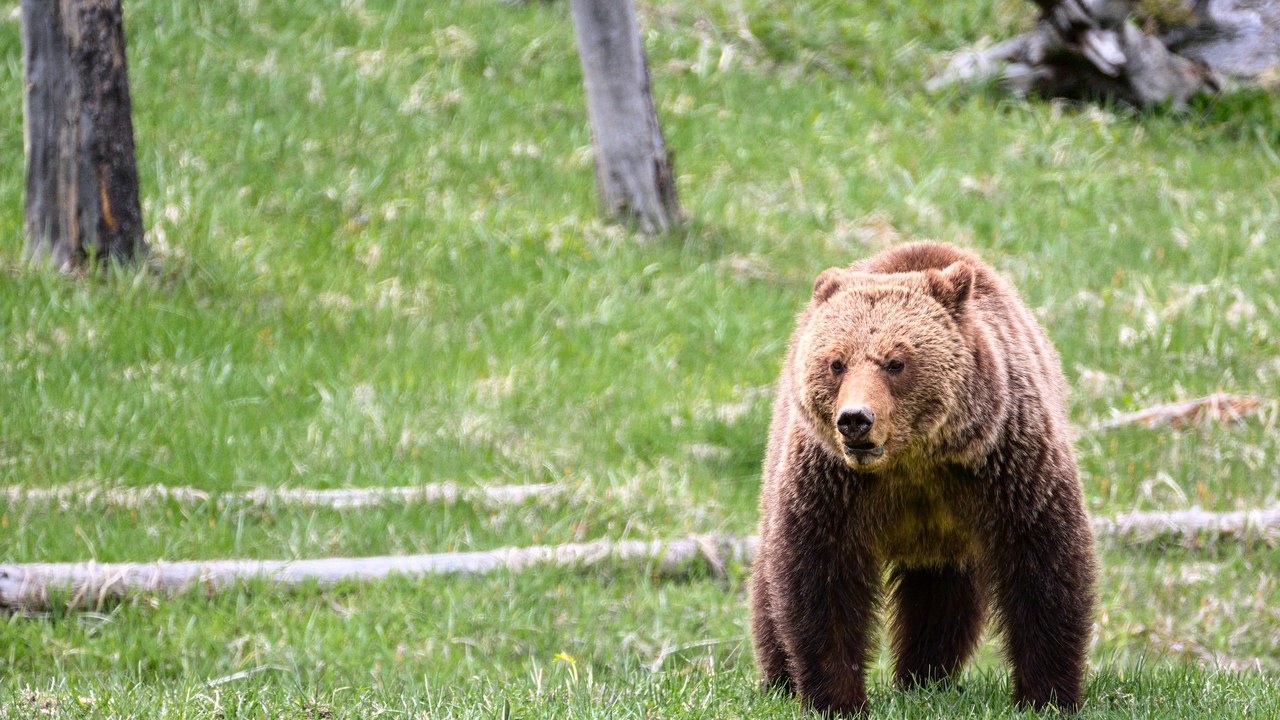
The park’s bear safety page lists adult male grizzlies at 300 to 440 pounds, with a top speed of 35 mph. Their claws measure about 4 inches long, tools suited to digging and tearing as much as to defense.
A top speed of 35 mph means no hiker can outrun one, so prevention matters more than escape. Standard bear-country habits apply: make noise on trails, carry bear spray where recommended, and store food properly. Checking the park’s current bear-related notices before a hike is a sensible habit, since conditions and closures can change from one week to the next.
4. American black bear: Smaller, Just as Fast
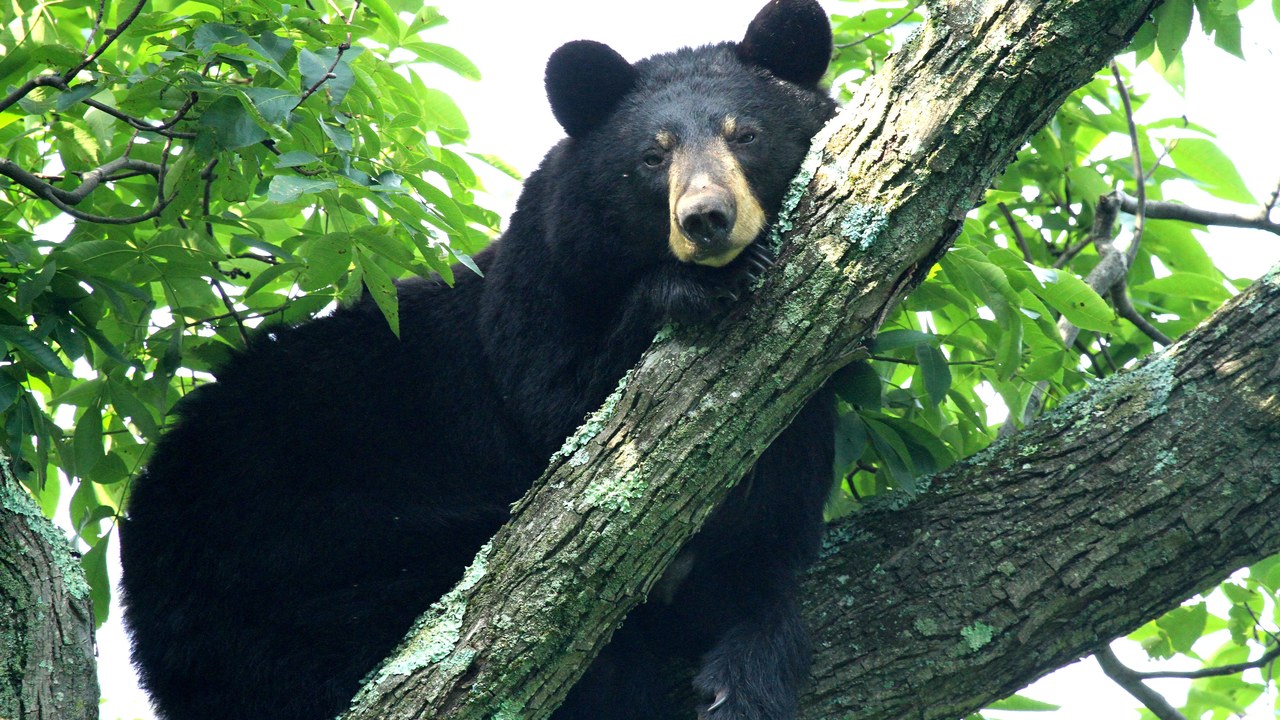
The same NPS bear guidance puts adult male black bears at 180 to 250 pounds, though some reach up to 400. Their top speed is listed at 35 mph, matching the much heavier grizzly.
Because color alone does not reliably tell the two species apart, visitors are better served by treating every bear with the same caution. Giving distance, never feeding, and keeping food secured apply equally to both. Reading the park’s guidance on bears before a trip, and again at trailheads, is a simple step that helps keep visitors and animals safe in shared habitat.
5. Canada lynx: A Cat Built Around Hares
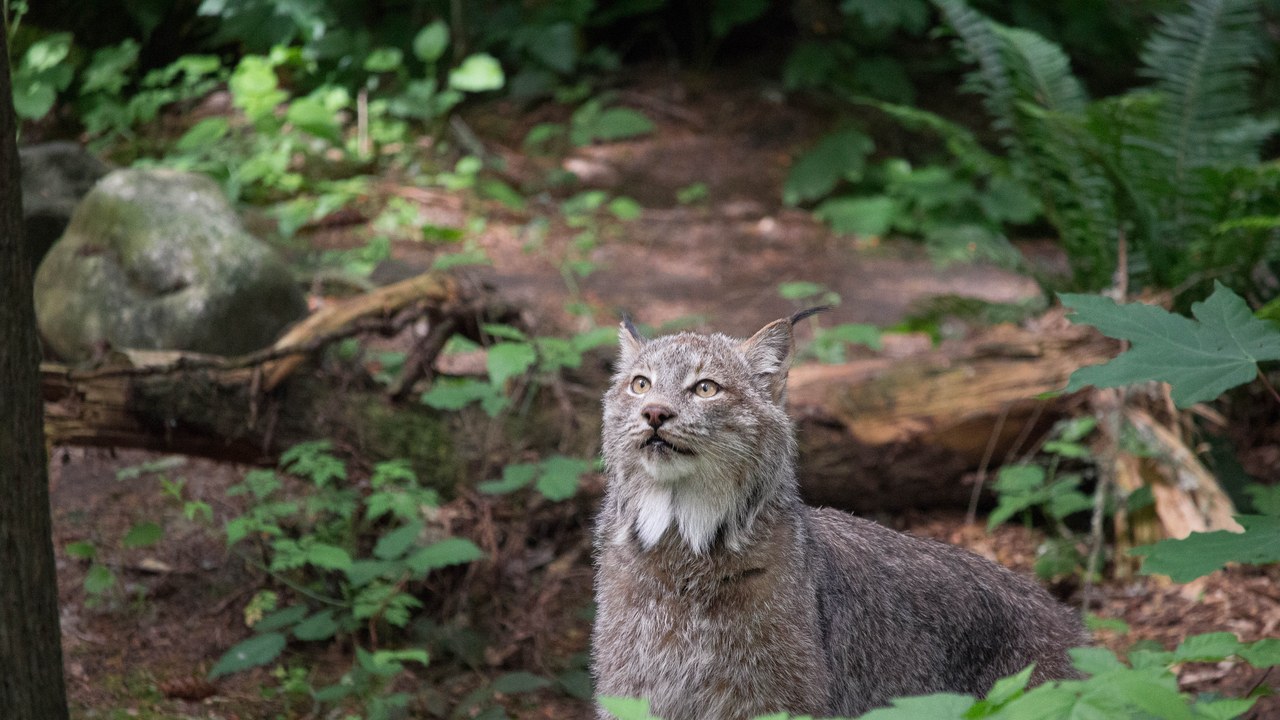
According to the park’s mammal listing, Glacier’s lynx are more than twice the size of a domestic cat. Snowshoe hares make up between 60% and 97% of their diet, tying the cat’s fortunes closely to a single prey species.
That reliance shows how tightly some predators are linked to one food source. Lynx are elusive, so most visitors will never see one, but the wide range in the diet figure hints at how much it can vary. Learning to recognize tracks and habitat, such as dense forest with plenty of hares, can make the difference between a rare glimpse and a missed chance.
6. Bighorn sheep: Headgear Worth Carrying
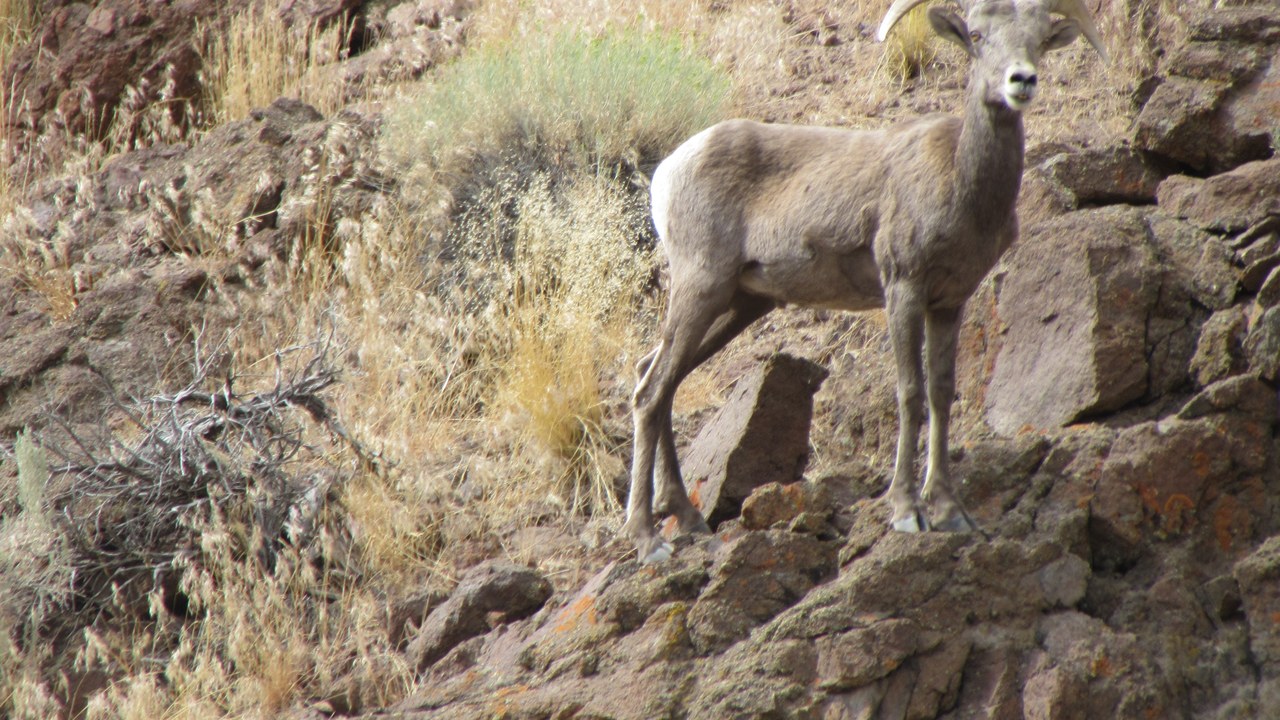
Male bighorns carry horns that can weigh up to 30 pounds, according to the NPS mammal page. That load sits on the head and neck of an animal that still has to navigate rocky terrain.
The figure applies to males, so the horns seen on a ewe will look far lighter. Spotting a mature ram with a full set is a good reminder to watch from a distance and avoid crowding animals on trails. Early morning and evening hours tend to be good times for wildlife viewing in mountain parks, and a spotting scope helps keep a comfortable distance.
7. Hoary marmot: Sleeping Through Winter
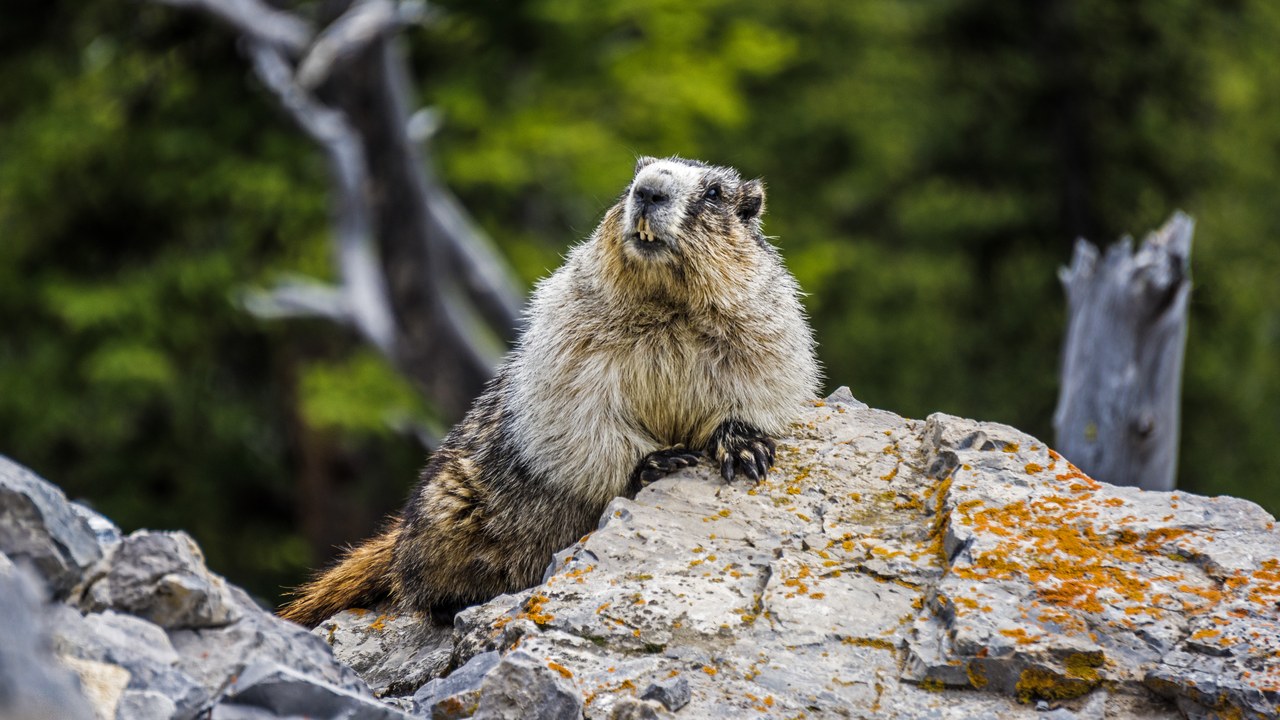
Hoary marmots can sleep through winter for up to eight months after a summer of feeding, according to the park’s plants and animals page. The long dormancy means a short season of intense foraging must fund most of the year.
Summer is therefore the only window to watch marmots active in alpine meadows. Visitors who see one feeding should avoid offering snacks, since the animal depends on natural food to build the reserves it needs. Learning when animals are active in a given habitat is half the fun of wildlife watching, and the park’s educational pages are a good place to start.
8. Western tanager: A Long Flight South
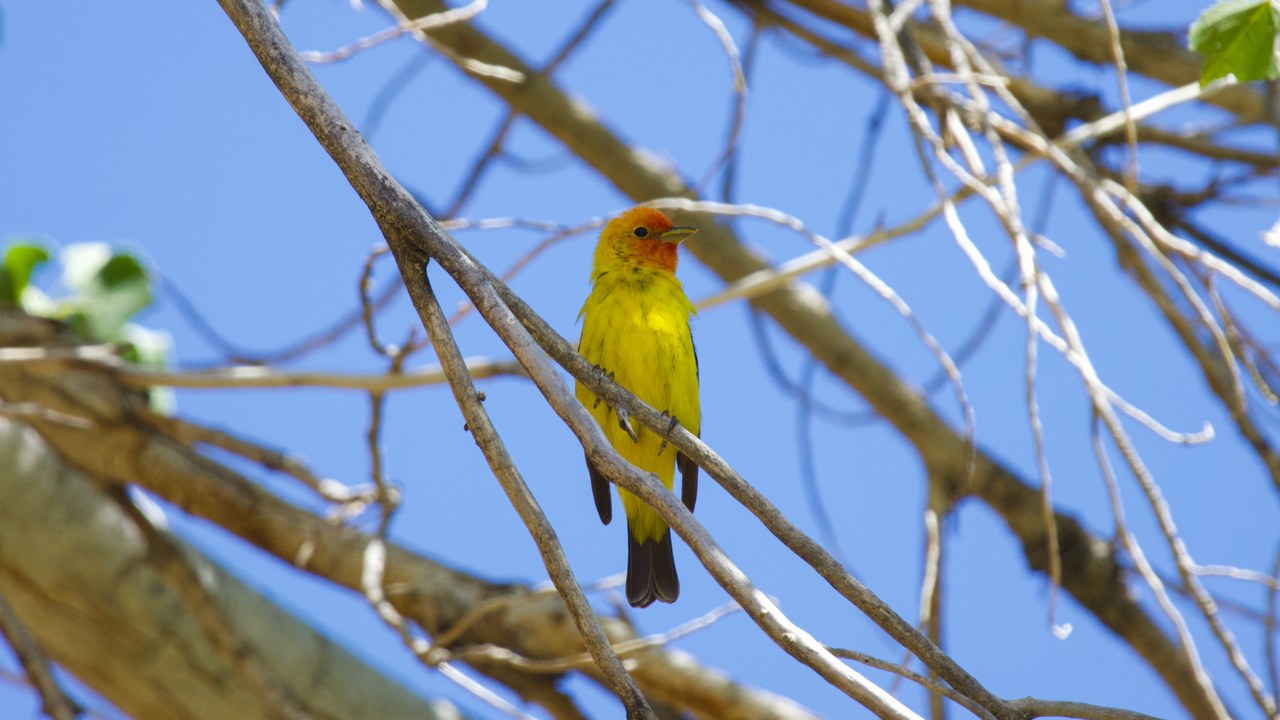
The NPS plants and animals page says the western tanager migrates around 3,000 miles to South America in the fall. That journey takes a small, brightly colored songbird well beyond the park’s borders each year.
By late autumn the bird is no longer around, so sightings belong to the warmer months. Birdwatchers hoping to catch one should plan summer visits and keep in mind that its range stretches across continents. Field guides and park checklists can help in identifying birds by color and song, and keeping a simple log of sightings makes a trip more rewarding.
Stay ahead on AI: Subscribe to The Deep View →
We may earn a commission if you sign up.
More from Morning Overview
- The FAA wants $2.39 million from a flight school it says flew a Cessna about 280 times with an unapproved part
- Shaq spent $1.3 million on three Rolls-Royce Phantoms to prove a point to a salesman
- Over 20 trillion gallons of rain fell on the Four Corners states and Nevada in two weeks
- A handful of car transmissions are so tough that mechanics say they almost never die
