
Some of the most damaging animals in the United States arrived from somewhere else. Government wildlife agencies have documented how these species prey on native wildlife, chew up marshes, and clog water intakes. Nine of them stand out in the official record, each tied to a specific harm.
Read next on Morning Overview: Arizona’s governor declared a statewide emergency after Flagstaff logged its wettest Nov. 1 on record
1. Burmese python: Rabbit Killer of the Glades
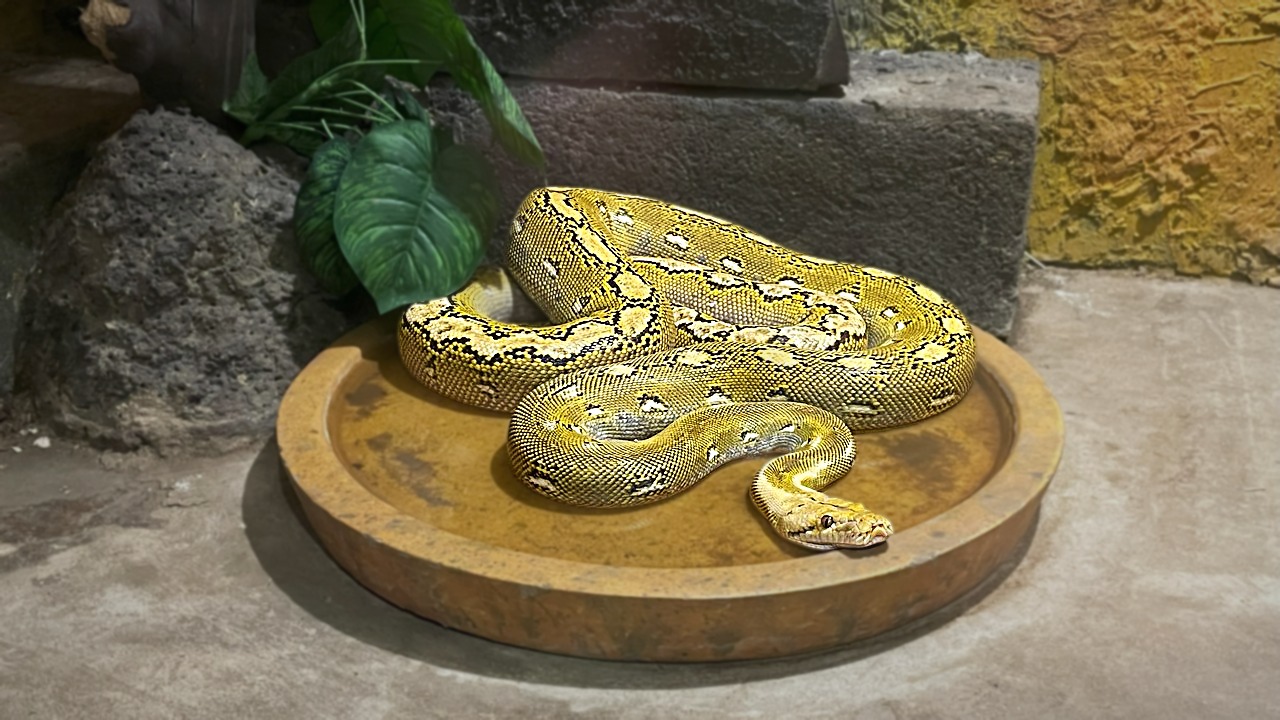
In a recent study in Everglades National Park, USGS news release reports that nearly 80 percent of radio-tracked marsh rabbits that died were eaten by Burmese pythons. That makes the snake the leading documented cause of death among the tracked animals, a striking result for a small native mammal.
The number describes deaths among the radio-tracked rabbits in one study, not every rabbit in the park. Even so, the release presents the work as evidence on mammal declines in the Everglades, and the python’s appetite for small native mammals is the central finding.
2. Red lionfish: Reef Fish Recruitment Cut
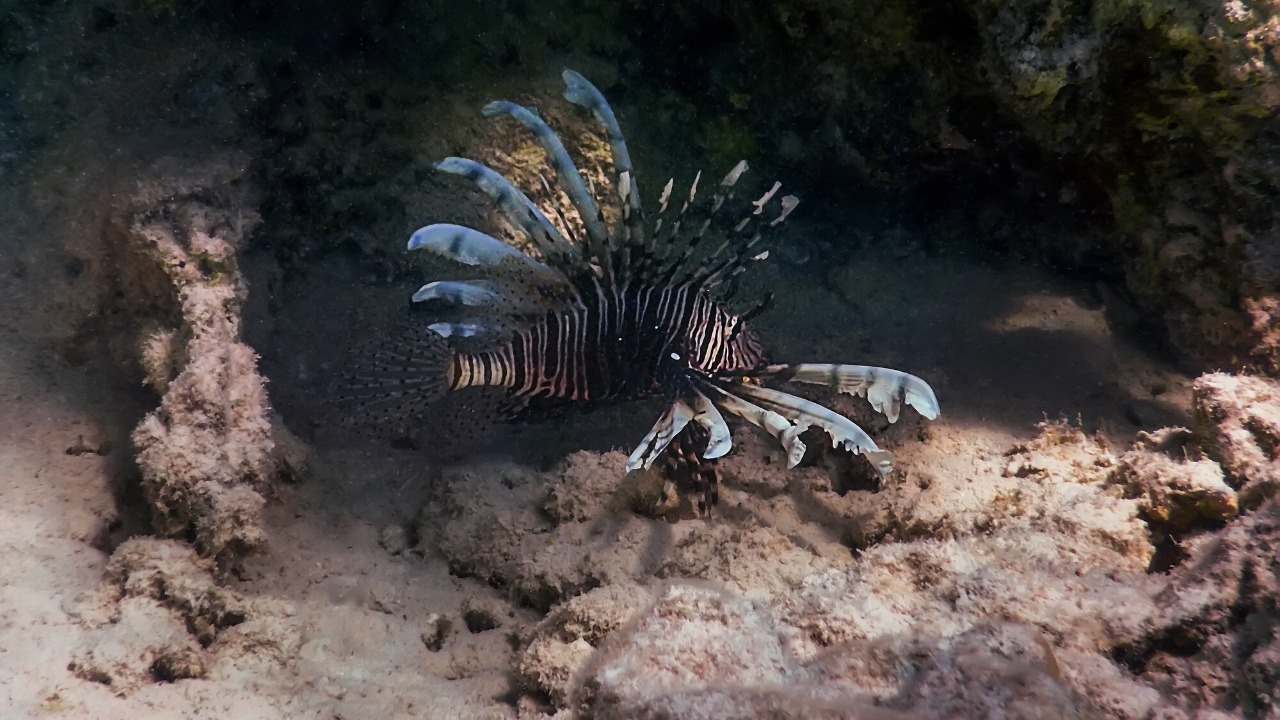
According to NOAA Fisheries lionfish page, a single lionfish living on a coral reef can reduce recruitment of native reef fish by 79 percent. Recruitment means young fish settling onto a reef, so the effect lands on the next generation of native species rather than only on the adults the predator eats directly.
The 79 percent figure applies to one lionfish on a reef, which shows how much damage a lone predator can do. The page treats the red lionfish as a serious threat to native reef communities.
3. Feral hog: A Multibillion-Dollar Nuisance
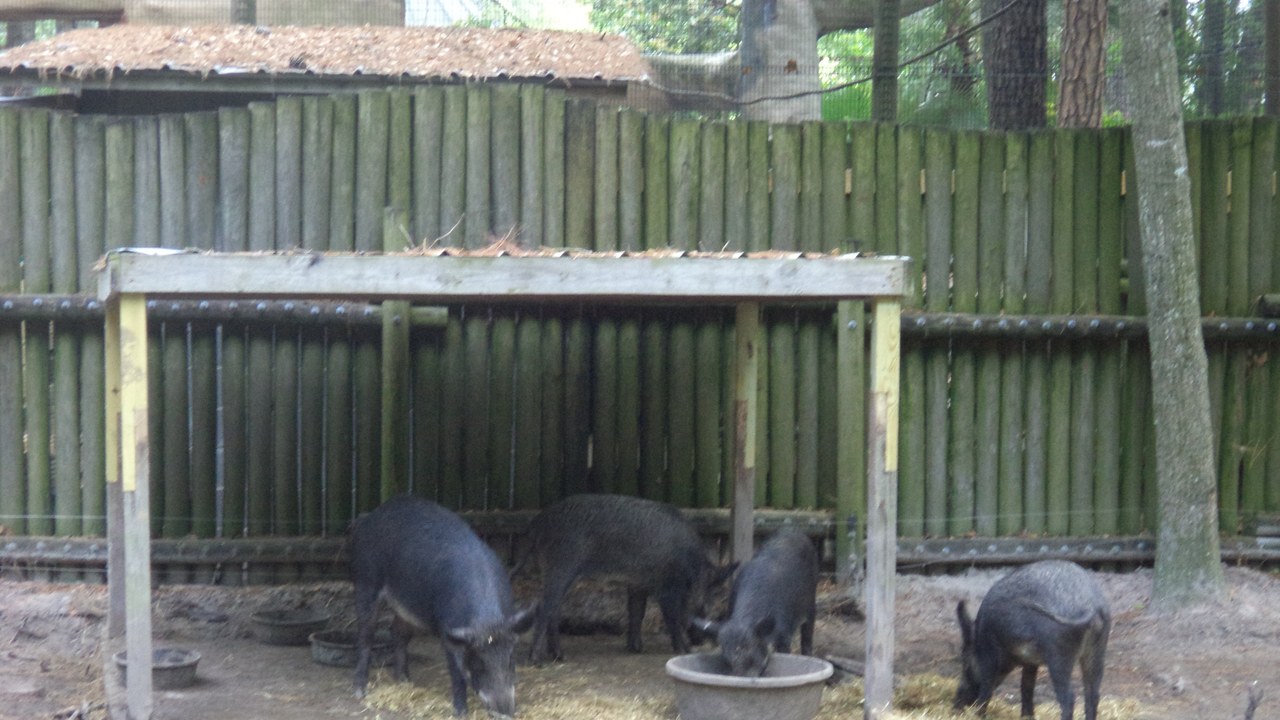
USDA’s APHIS feral swine program calls feral swine a dangerous and destructive invasive species and says their populations have expanded across the country. The agency cites at least $3.4 billion a year in damage, a figure that puts the animals among the costliest wildlife problems it tracks.
The estimate is stated as a minimum, so the real annual cost may be higher than the number printed. The page frames feral hogs as an ongoing management challenge in many places, and the agency’s wildlife operations page is devoted to them.
4. Zebra mussel: Dense Colonies, Clogged Pipes
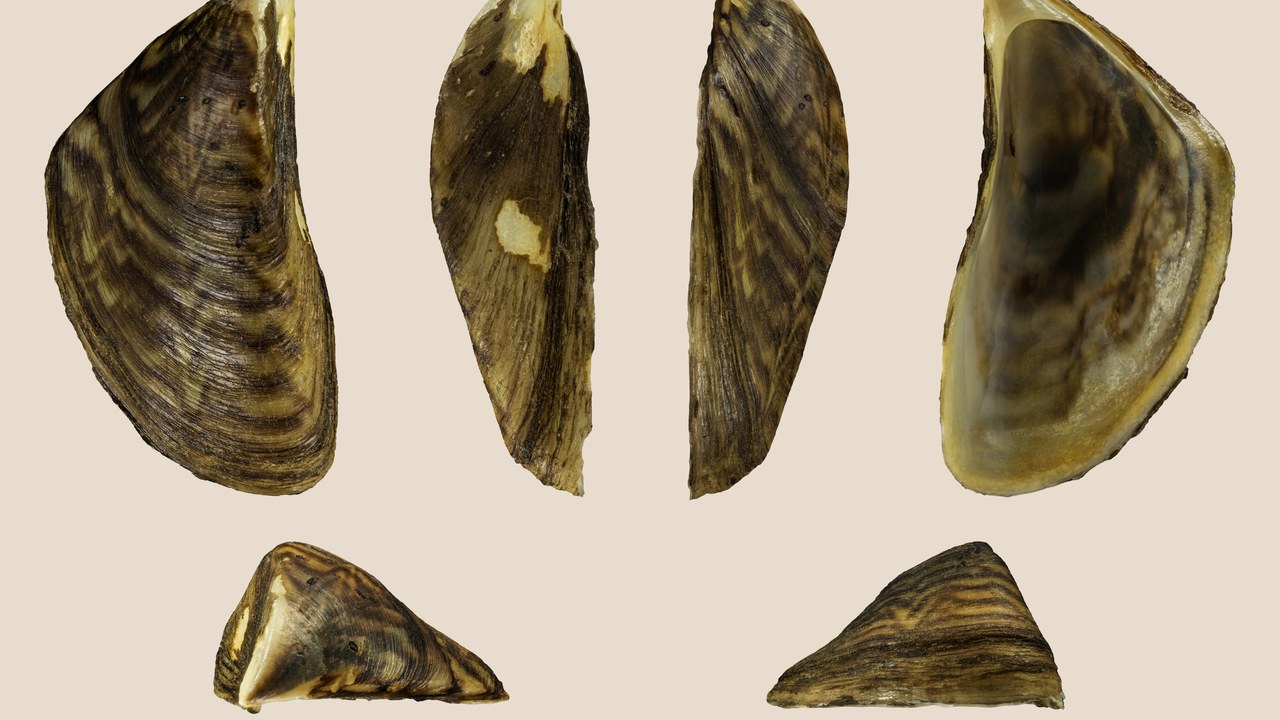
The U.S. Fish and Wildlife Service species profile notes that zebra mussels can form dense colonies of tens of thousands per square meter. Those crowds do more than coat rocks and docks: they can block water intake lines, turning a small shellfish into an infrastructure problem.
The agency’s description focuses on the sheer packing density of the colonies, which explains why the same animal shows up in both ecological and engineering concerns. Intake lines serve water systems and industry, so clogging is the practical side of an invasion that starts in the water.
5. Asian carp: Carp Crowding Out Natives
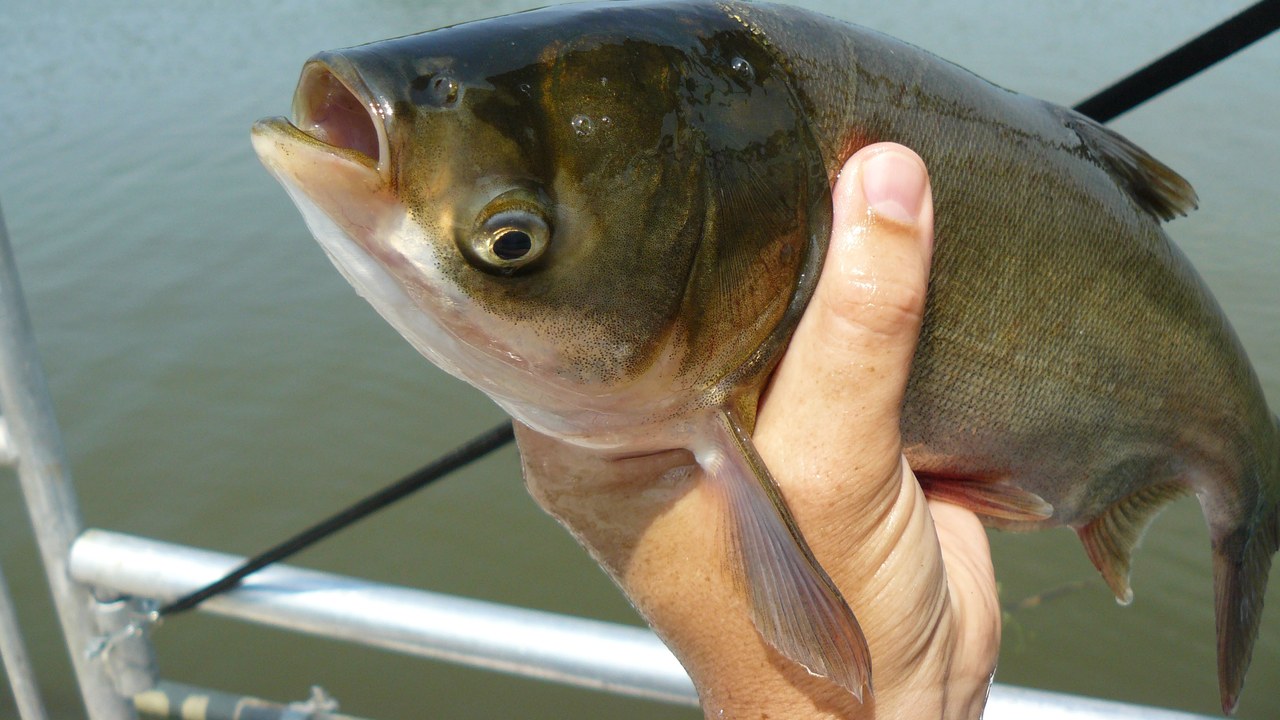
A page from the Invasive Carp Regional Coordinating Committee says invasive carp out-compete native fish and are established across much of the Mississippi River system. The coordinating committee, which includes the U.S. Fish and Wildlife Service, describes the carp as leaving a trail of environmental destruction in their wake.
The wording is strong, but the underlying point is competition: when carp take food and space, native fish lose ground. The page presents the problem as a river-system-wide challenge rather than a local one, which is why a regional coordinating body exists at all.
6. Brown tree snake: Guam’s Silenced Forests
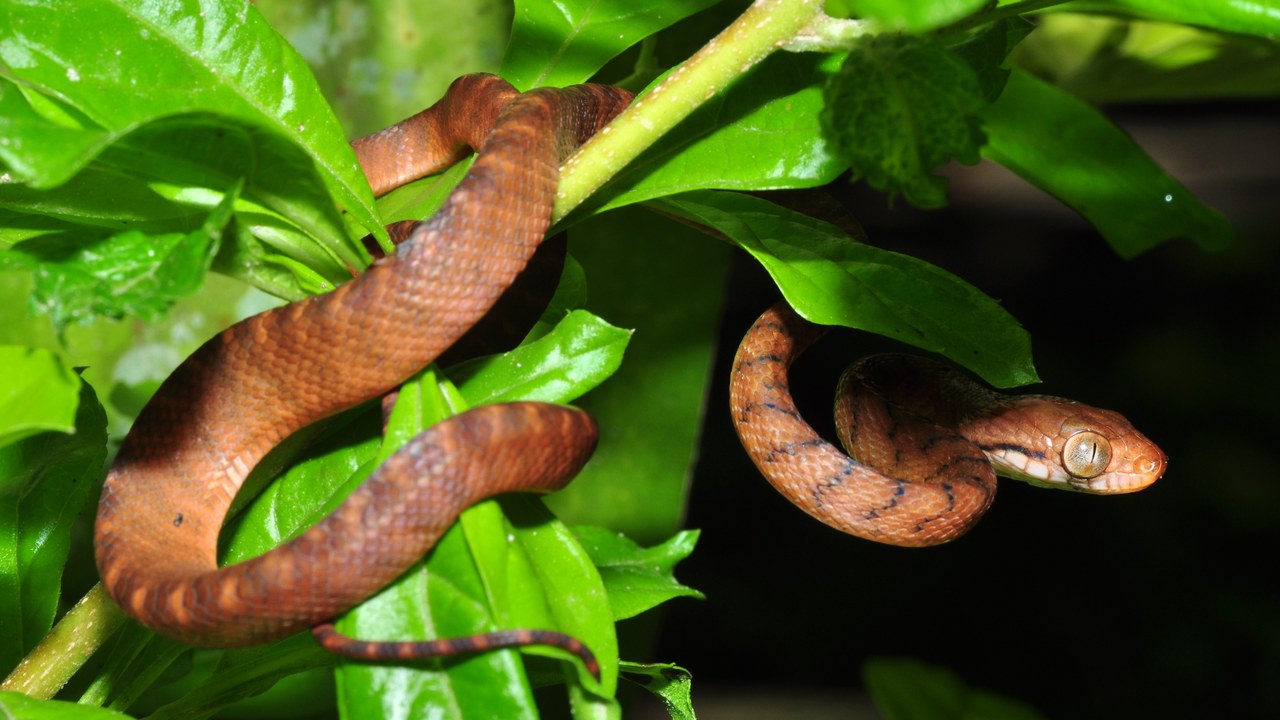
USGS says in its brown treesnake FAQ that the brown tree snake devastated Guam’s native forest birds. The same page adds that the snake causes expensive power outages, so the damage reaches people as well as wildlife on the island.
Guam is the setting the agency highlights, a reminder that an island ecosystem can lose native species quickly after a predator arrives. The power outages are a second, less obvious cost, and the page ties both problems to one snake, which is a rare pairing of wildlife loss and utility trouble.
7. Nutria: A Marsh-Eating Rodent
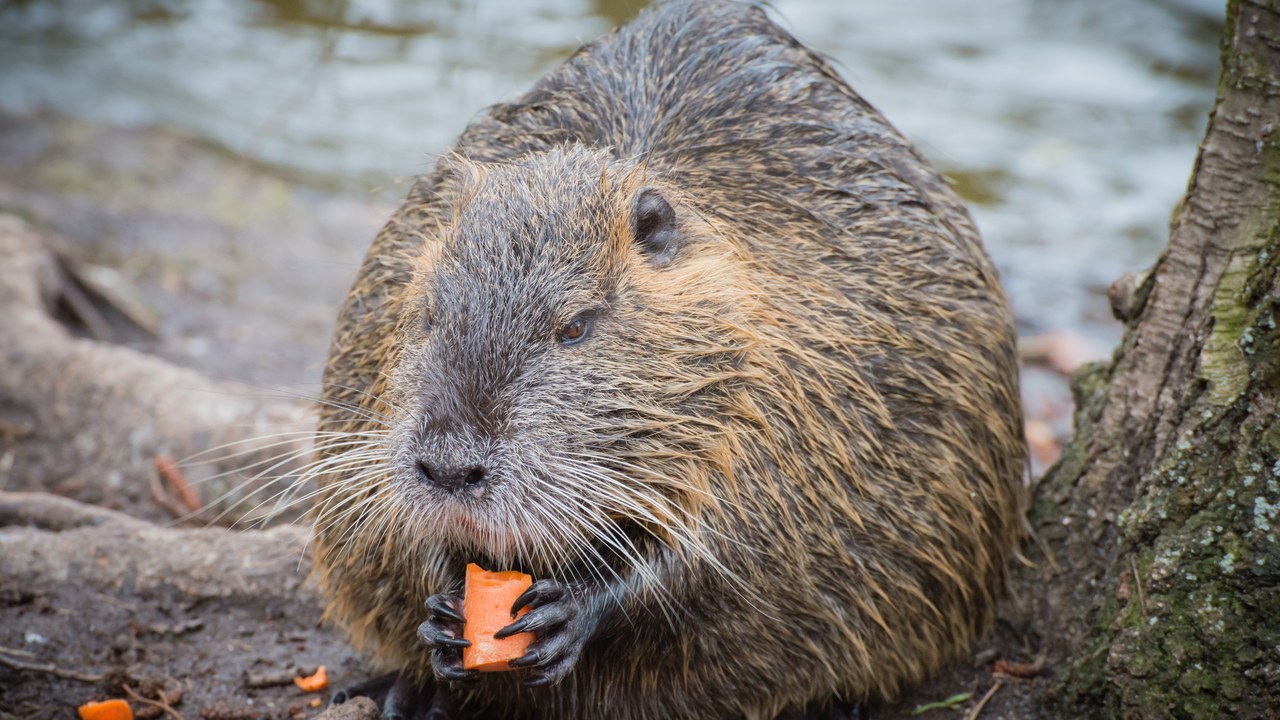
A USDA nutria fact sheet from USDA says nutria weigh about 15 to 20 pounds and have been found in at least 20 states. Their diet is the trouble: they eat the marsh plants that hold soil together, and the agency refers to permanent damage to marshes and other wetlands.
The sheet frames the loss as lasting, which matters because marsh soil depends on those plants to stay in place. A rodent of this size reported across that many states is the kind of invasive animal federal guidance is written to address.
8. Northern snakehead: The Fish That Breathes Air
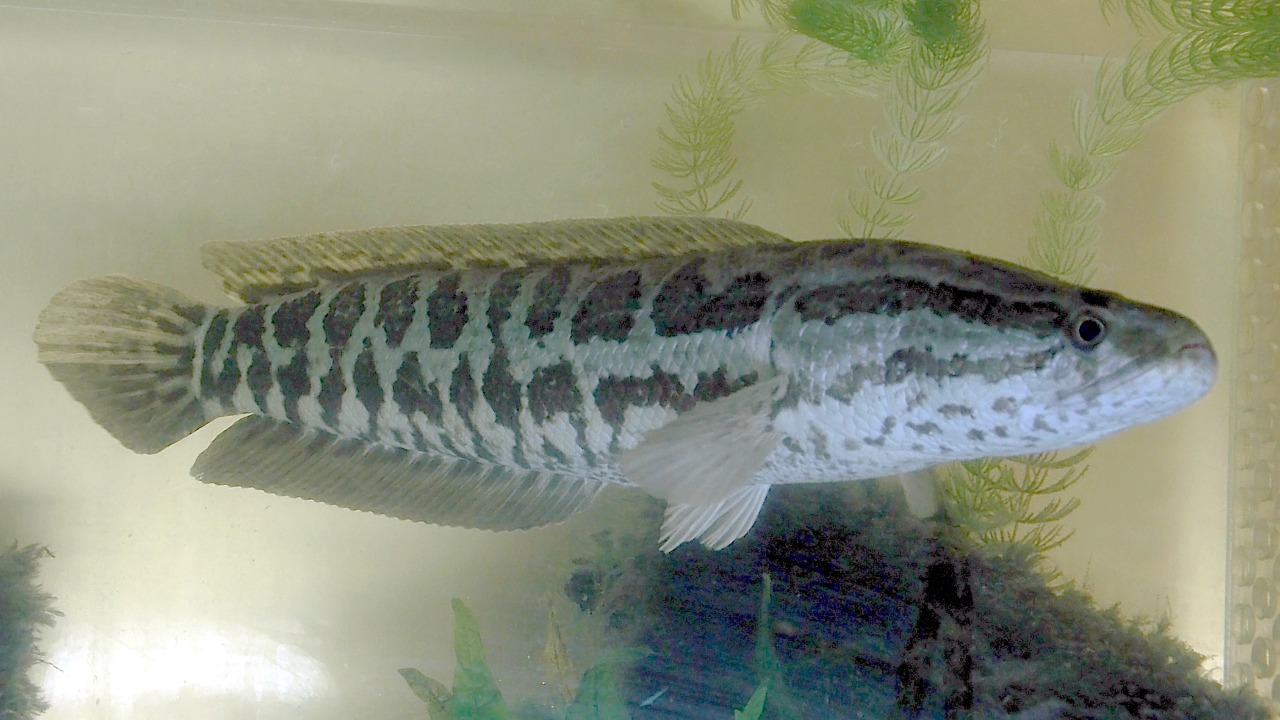
The Interior Department’s account of the northern snakehead profile describes an air-breathing fish that can survive for up to four days out of water. It also preys on native fish such as largemouth bass, so the species is a threat in the water as well as a curiosity on land.
Survival out of water is the detail that makes the fish memorable, but the page’s concern is the predation on native species. Both traits make the snakehead a fish the agency takes seriously, and neither is a detail one would expect from a freshwater predator.
9. Cane toad: Toxic Enough to Kill Pets
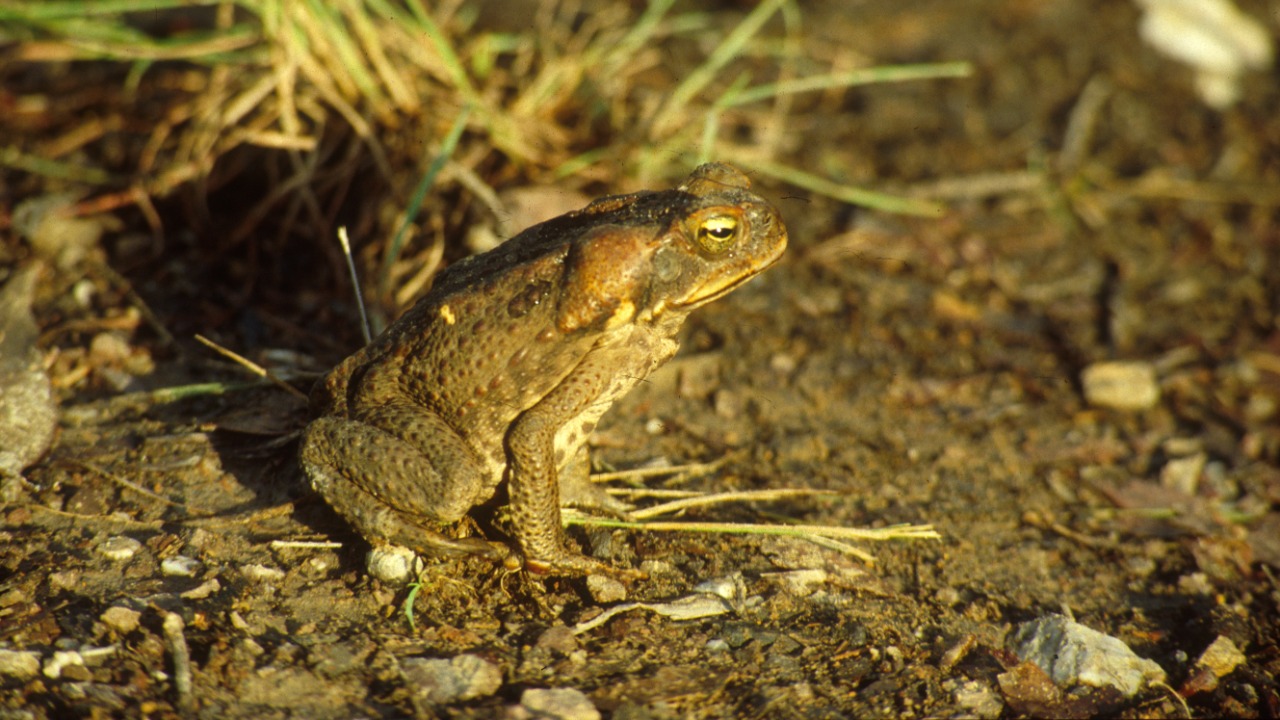
Florida’s wildlife commission warns in its FWC cane toad profile that cane toads are toxic enough that pets can become sick and die in as little as 15 minutes without proper treatment. The warning is aimed at keeping animals safe from the toad.
The state’s caution is tied to speed, so pet owners are the natural audience for the warning. The source is a Florida agency, and the claim is about the toad’s toxicity to pets rather than a national count of poisonings, and the page itself stresses that treatment matters.
More from Morning Overview
- A handful of car transmissions are so tough that mechanics say they almost never die
- Melting permafrost is setting off a newly identified kind of catastrophic landslide, scientists say
- Cadillac cut the price of its cheapest EV, which goes up to 317 miles on a charge
- Winter weather advisories cover I-80, I-70 and the Bighorns with up to 15 inches of snow
