
Some ships are remembered long after their hulls settled on the seabed. Their stories span Tudor warfare, polar exploration, two world wars and a Great Lakes gale, and several wrecks were only located decades later. Here are eleven of them, with what is known about how each was lost and found.
Read next on Morning Overview: The Justice Department asked courts to undo approvals for three offshore wind farms, one already making power
1. RMS Titanic: The Benchmark Disaster
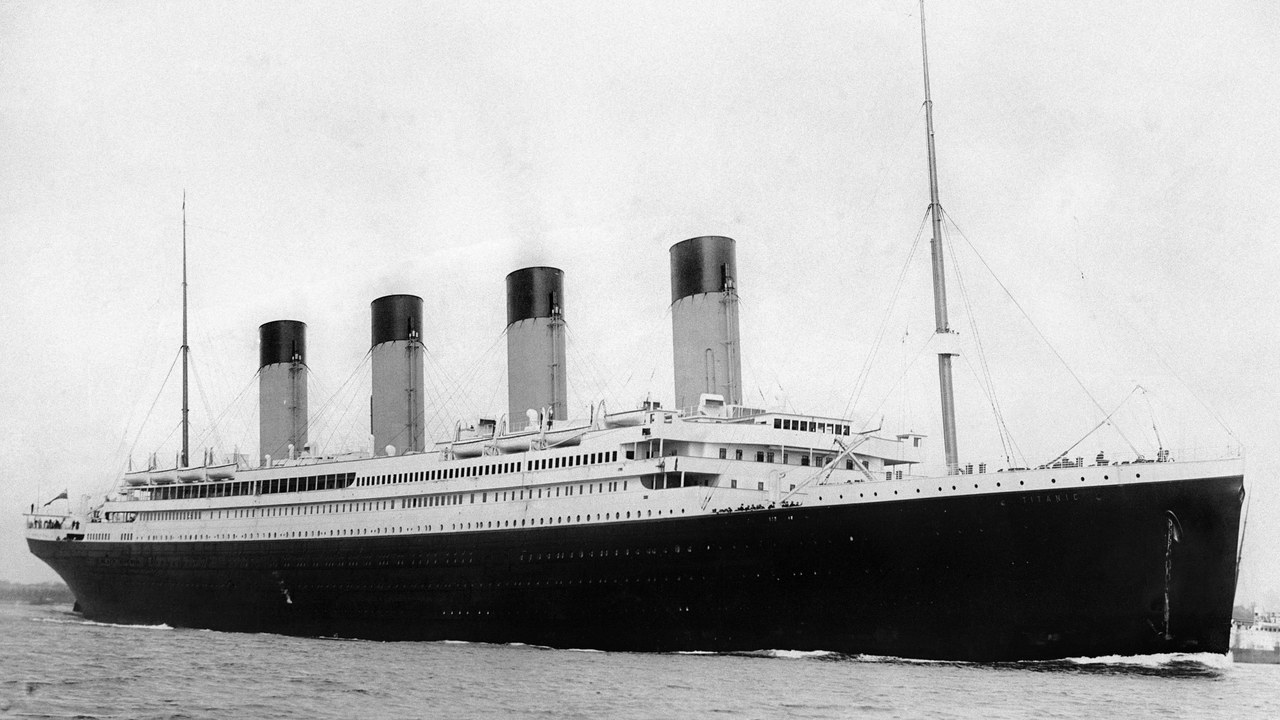
RMS Titanic sank on April 15, 1912, and more than 1,500 passengers and crew died, according to a NOAA history of the liner. The wreck stayed lost until September 1, 1985, when a joint American-French expedition led by Dr. Robert Ballard found it at 12,500 feet, about 3,800 meters down.
The discovery turned a famous loss into a site that could be located, studied and eventually protected. At that depth the hull lies far beyond the reach of ordinary divers, so what is known about it comes from expeditions that have gone to the bottom.
2. USS Monitor: The Ironclad Rediscovered
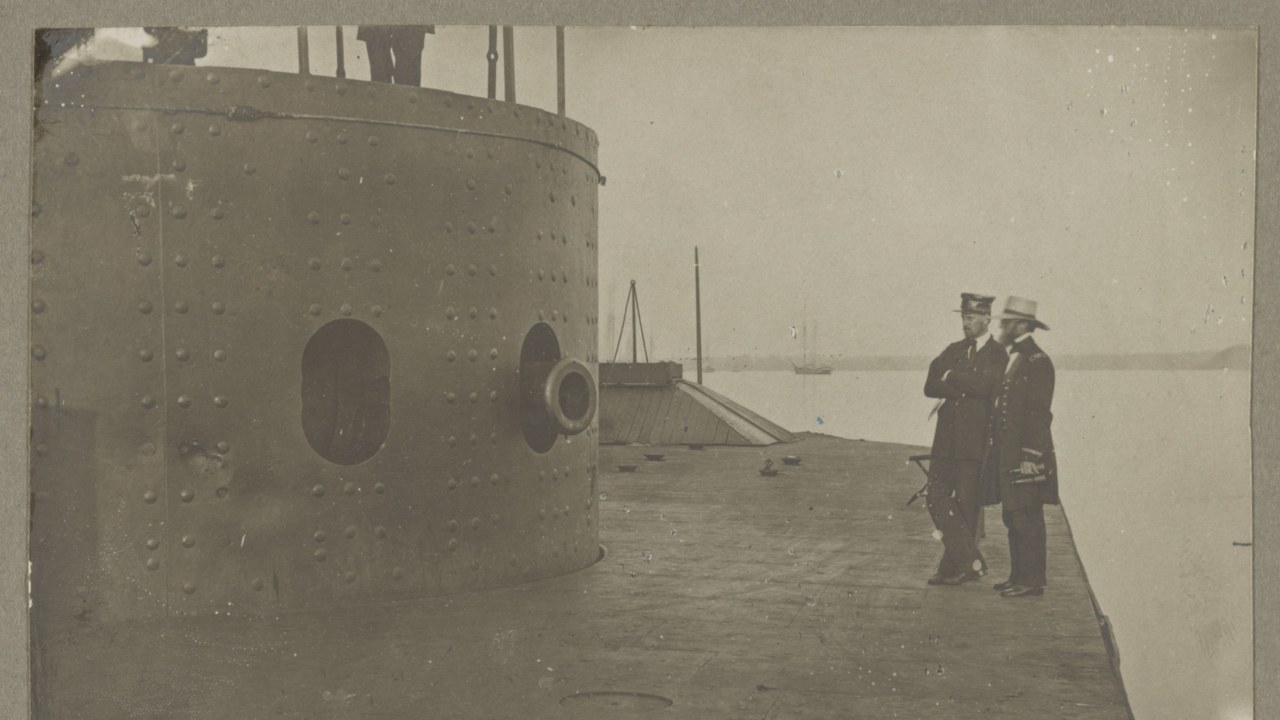
The Civil War ironclad USS Monitor was found in 1973 off Cape Hatteras, North Carolina, and NOAA’s maritime heritage overview credits that discovery with starting its work protecting America’s shipwrecks.
That makes the wreck notable less for a single dramatic loss than for what followed: an effort to treat underwater sites as heritage worth safeguarding. The 1973 find therefore marks a turning point in how shipwrecks are managed, as well as a moment of rediscovery.
3. SS Edmund Fitzgerald: Gale on Superior
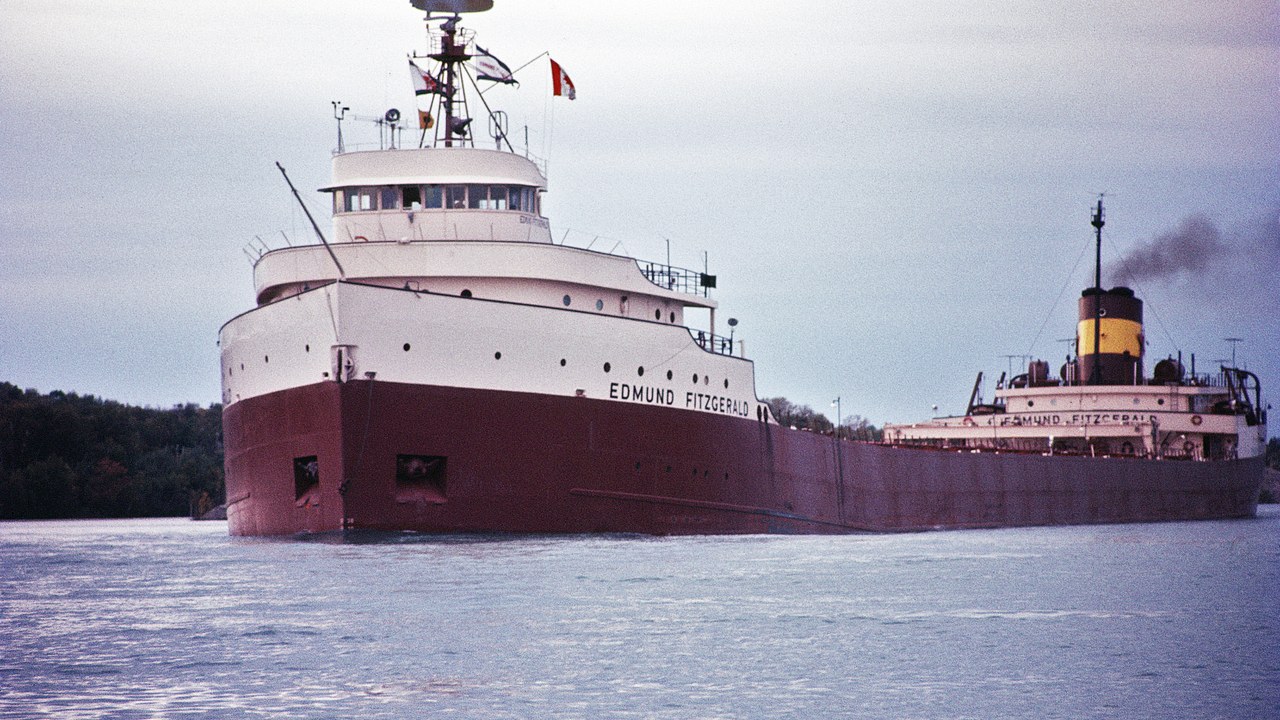
The Edmund Fitzgerald sank on November 10, 1975, in a storm, killing all 29 men aboard, as a Mental Floss shipwreck roundup recounts.
The wreck lies in two pieces 535 feet below the surface of Lake Superior. That an inland lake holds one of the most remembered wrecks shows that freshwater storms can be as unforgiving as ocean ones, and the loss of the entire crew explains why the ship is still recalled.
4. Endurance: Crushed by the Ice
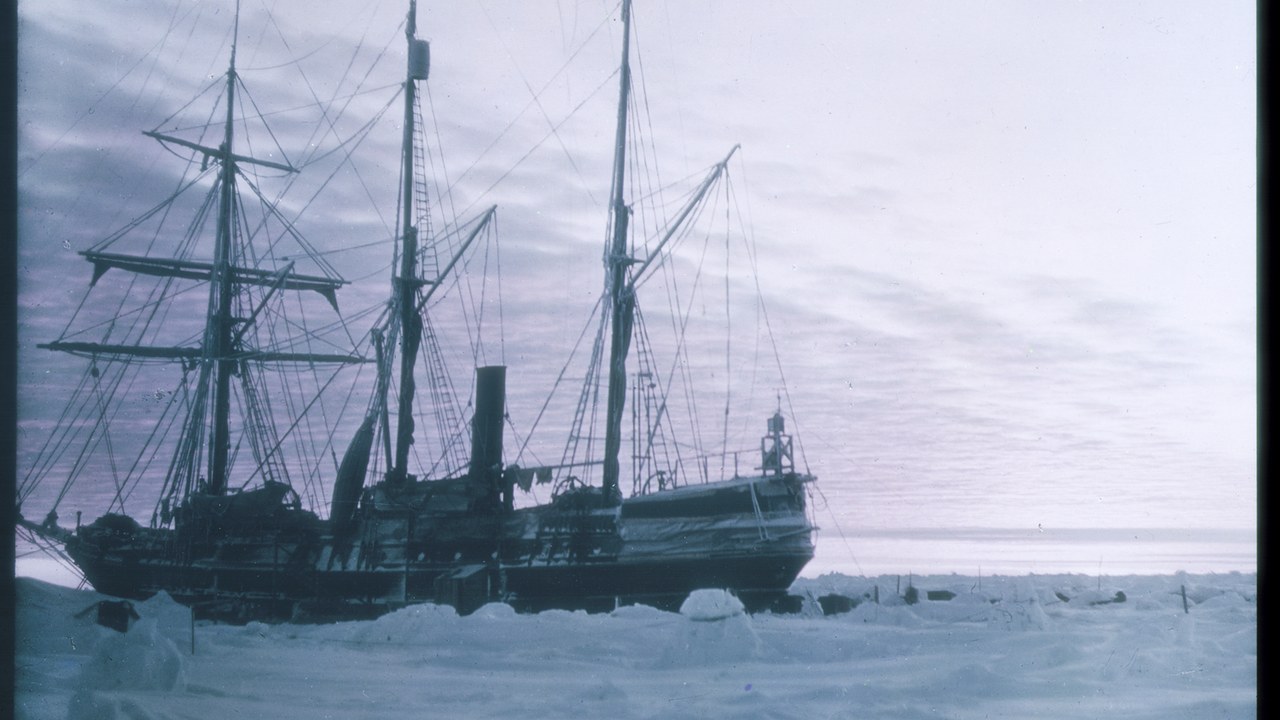
Shackleton’s Endurance was crushed by pack ice and sank in 1915 in the Weddell Sea off Antarctica, according to Mental Floss’s wreck list.
A position was recorded at the time, yet searchers finally found the ship around four miles south of that original location. The gap is a reminder that even a carefully logged position can mislead when a vessel is lost amid shifting ice, and that finding it took far longer than the sinking.
5. RMS Lusitania: A Torpedo off Ireland
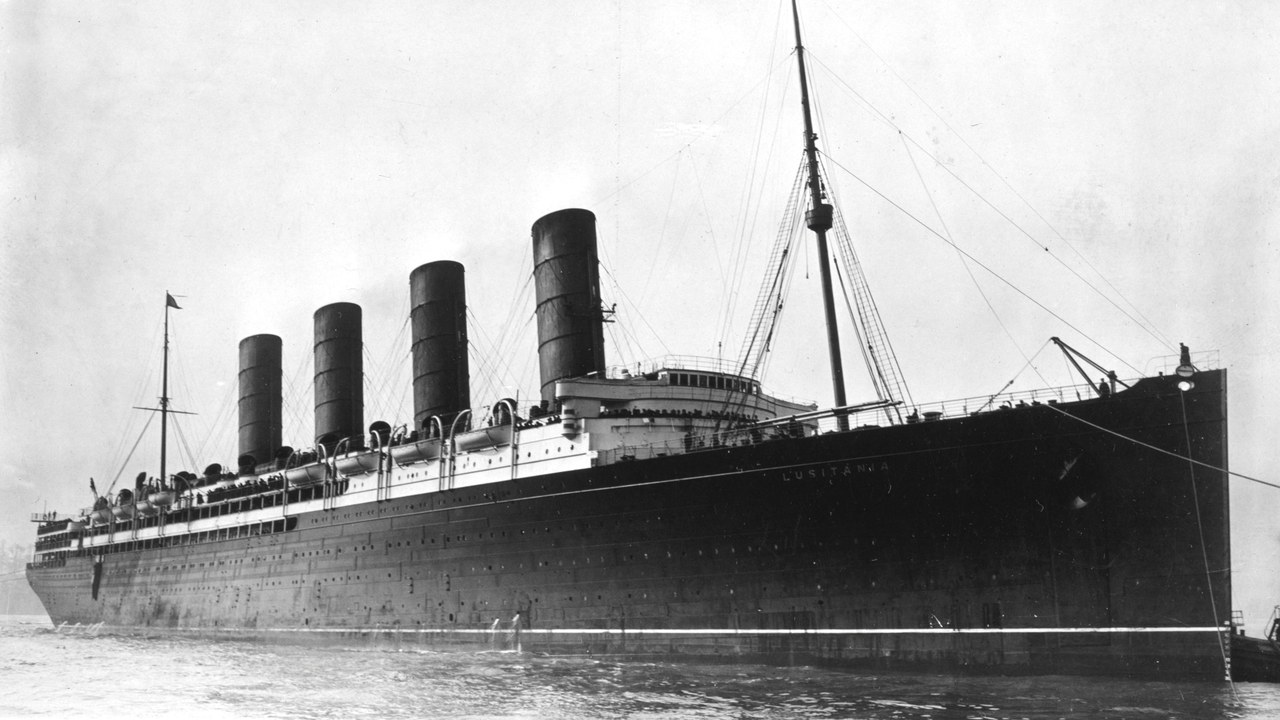
On May 7, 1915, a German U-boat sank the liner Lusitania as it passed southern Ireland, a loss that a Mental Floss entry counts among the best-known wrecks of the First World War.
The ship went down off the Irish coast rather than in mid-ocean, which is part of why it is so closely tied to wartime memory. Details such as casualty counts are best checked against dedicated histories, since the source gives only the date, cause and place.
6. USS Arizona: A Harbor Memorial
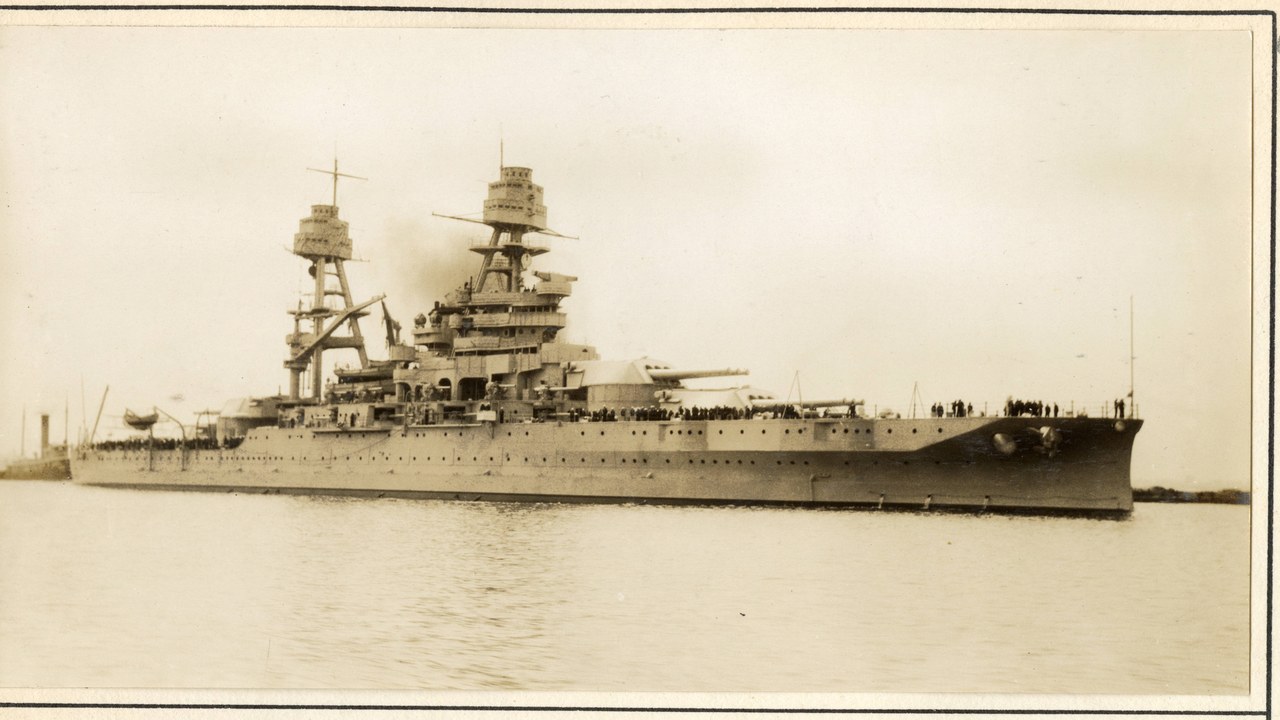
The battleship USS Arizona sank on December 7, 1941, during the Pearl Harbor attack, taking about 1,177 naval officers and crew with it, according to Marine Insight’s shipwreck guide.
The ship remains on the harbor bottom, which sets it apart from wrecks lost far at sea. It lies in the place where the attack happened, and that makes it a grave and a memorial as much as a wreck. The figure of about 1,177 reflects the scale of the loss in a single ship on a single morning, and it is why the site draws such solemn attention.
7. SS Andrea Doria: Collision in the Atlantic
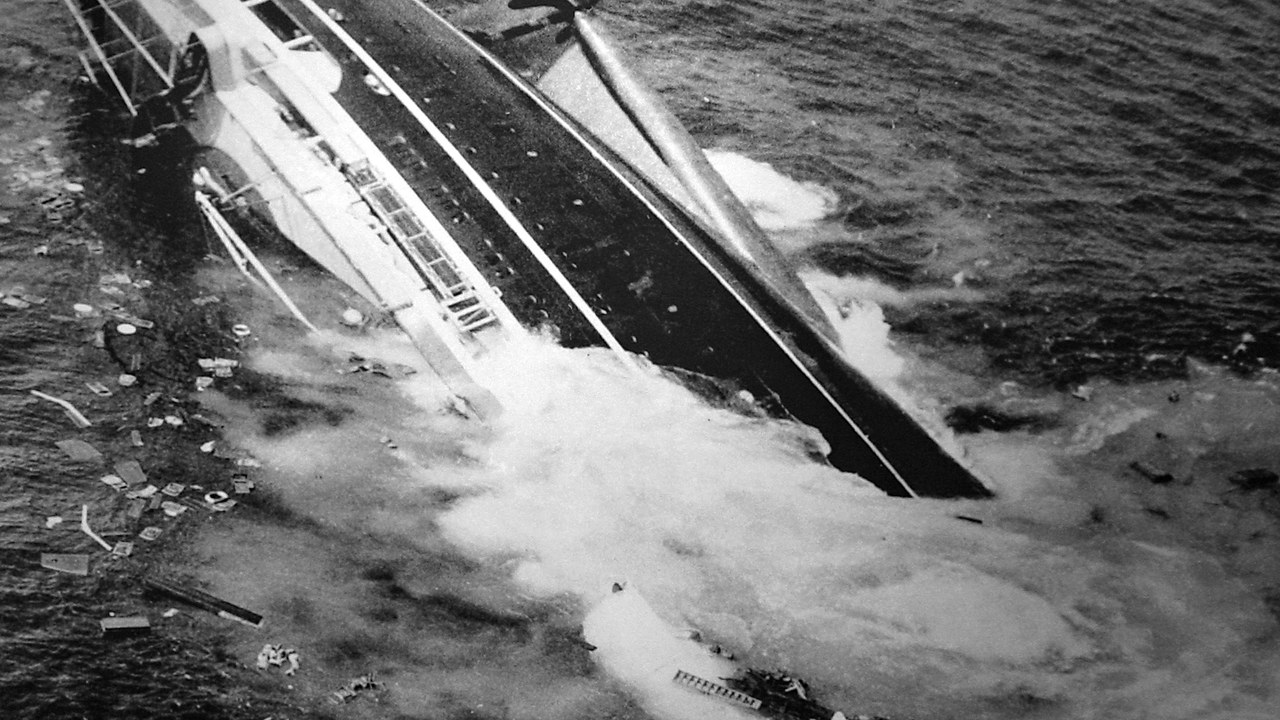
After colliding with the MS Stockholm in July 1956, the liner Andrea Doria sank, killing 46 people, as Marine Insight’s account describes.
The wreck rests in about 240 feet of North Atlantic water, where divers still visit it. That is far shallower than many famous wrecks, so this one remains within reach of people while deeper ships lie well beyond ordinary diving. The 46 deaths came from a collision between two ships rather than a storm or an attack, which gives this wreck a different character from many on the list.
8. USS Indianapolis: Found After Seven Decades
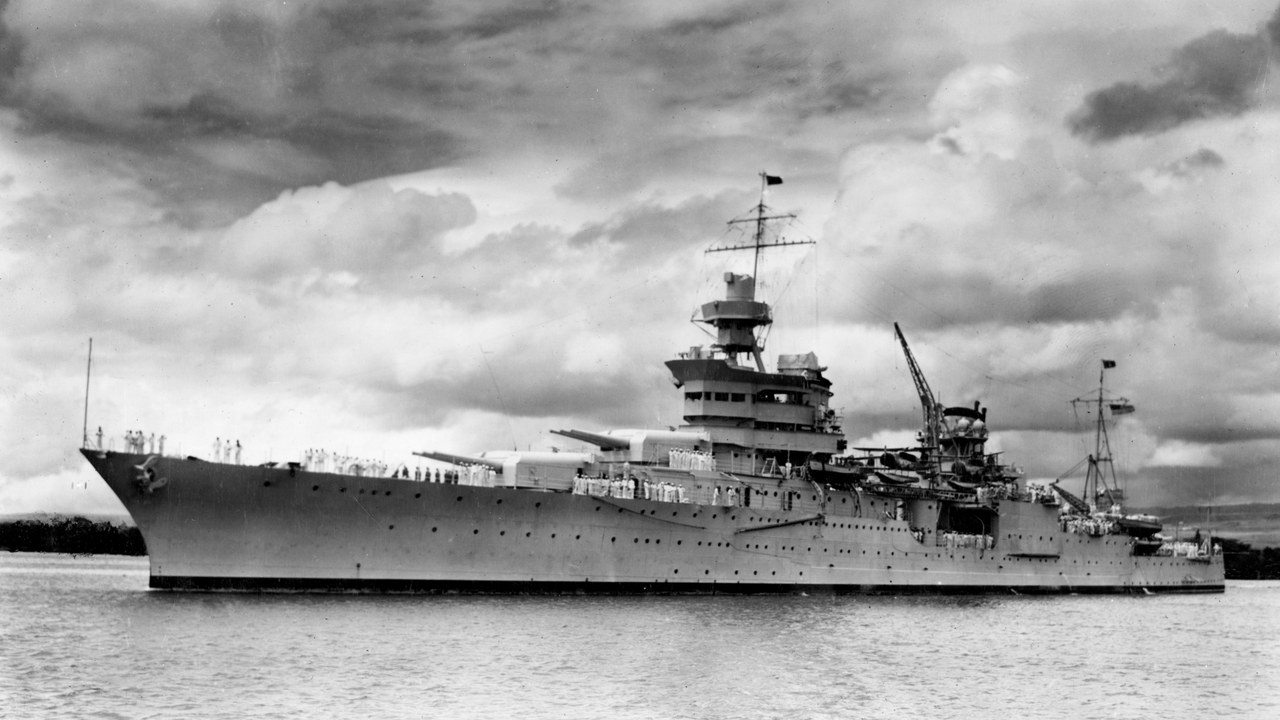
The cruiser USS Indianapolis sank on July 30, 1945, with 1,196 crew aboard, of whom only 316 survived, a Marine Insight entry reports.
Its wreck was found in 2017 at a depth of around 18,000 feet, more than seven decades after the sinking. That is deeper than the Titanic site, which shows how long a well-documented loss can stay out of reach. Only 316 of the 1,196 aboard survived, a toll that gives the later discovery of the wreck a weight beyond its technical achievement.
9. HMHS Britannic: Titanic’s Sister Ship
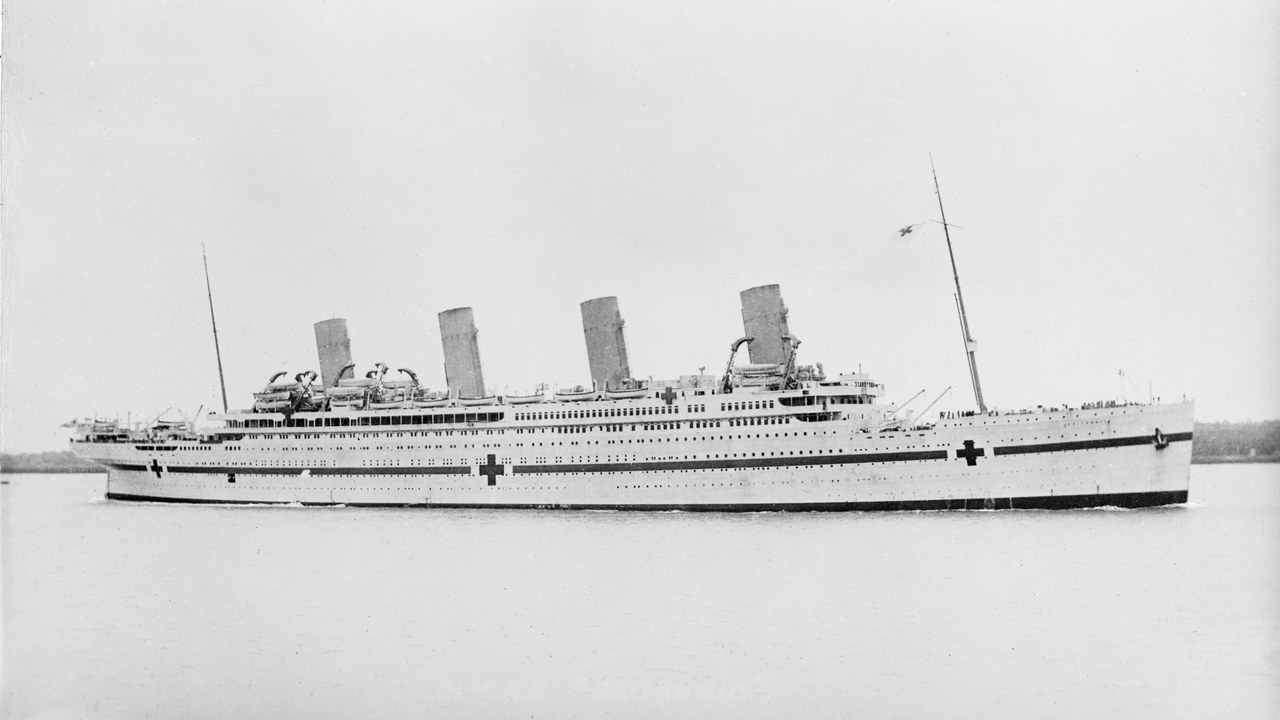
Titanic’s sister ship Britannic, serving as a hospital ship, sank on November 21, 1916, after a blast that killed 30 people, per Marine Insight’s rundown.
Its wreck was located in 1975. The ship is a reminder that Titanic was not the only liner of its class to be lost, and that Britannic went down in wartime service rather than on a peacetime crossing. The ship went down after only a few years as a vessel of its type, and its discovery in 1975 gave historians a physical record to set beside the written one.
10. Mary Rose: A Tudor Warship Raised
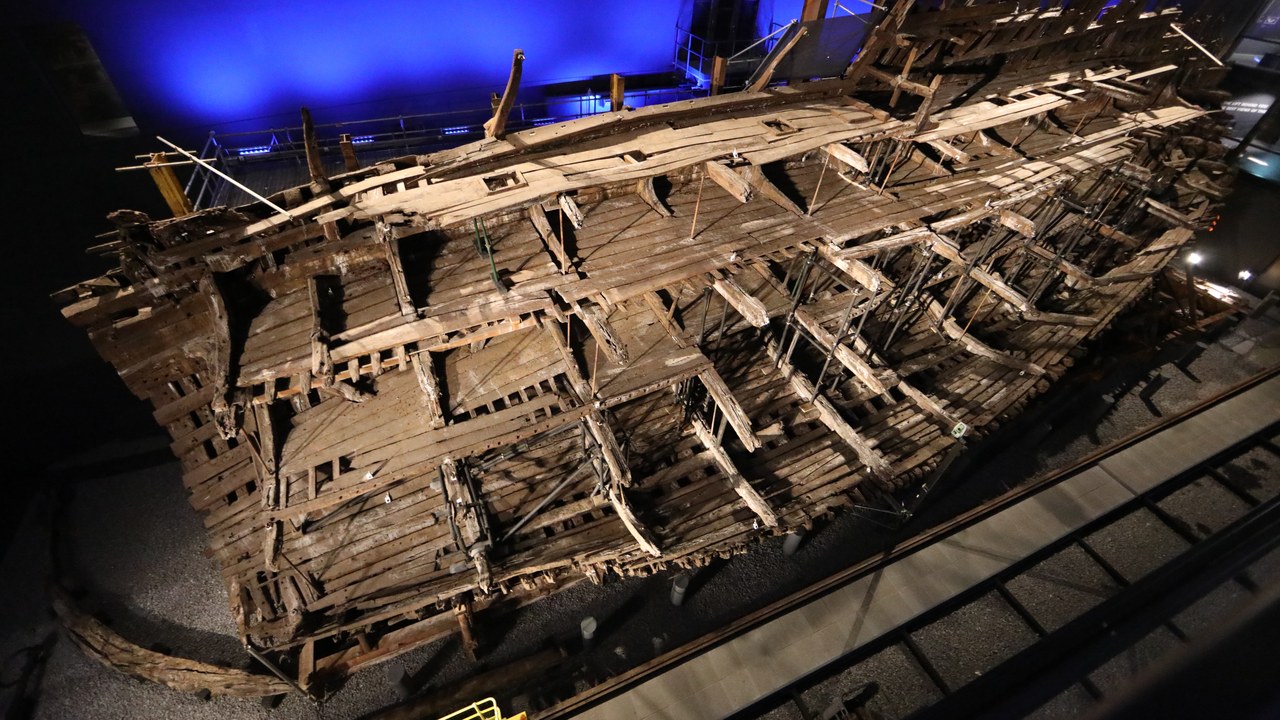
Henry VIII’s warship Mary Rose sank on 19 July 1545 in the Solent, and out of a crew of at least 400, fewer than 35 escaped, according to Wikipedia’s Mary Rose entry.
The wreck was found in 1971 and raised on 11 October 1982, so the ship spent more than four centuries underwater before recovery. That makes it a rare case of a Tudor warship returning to the surface rather than being studied only where it lay.
11. Vasa: Lost on Her Maiden Voyage
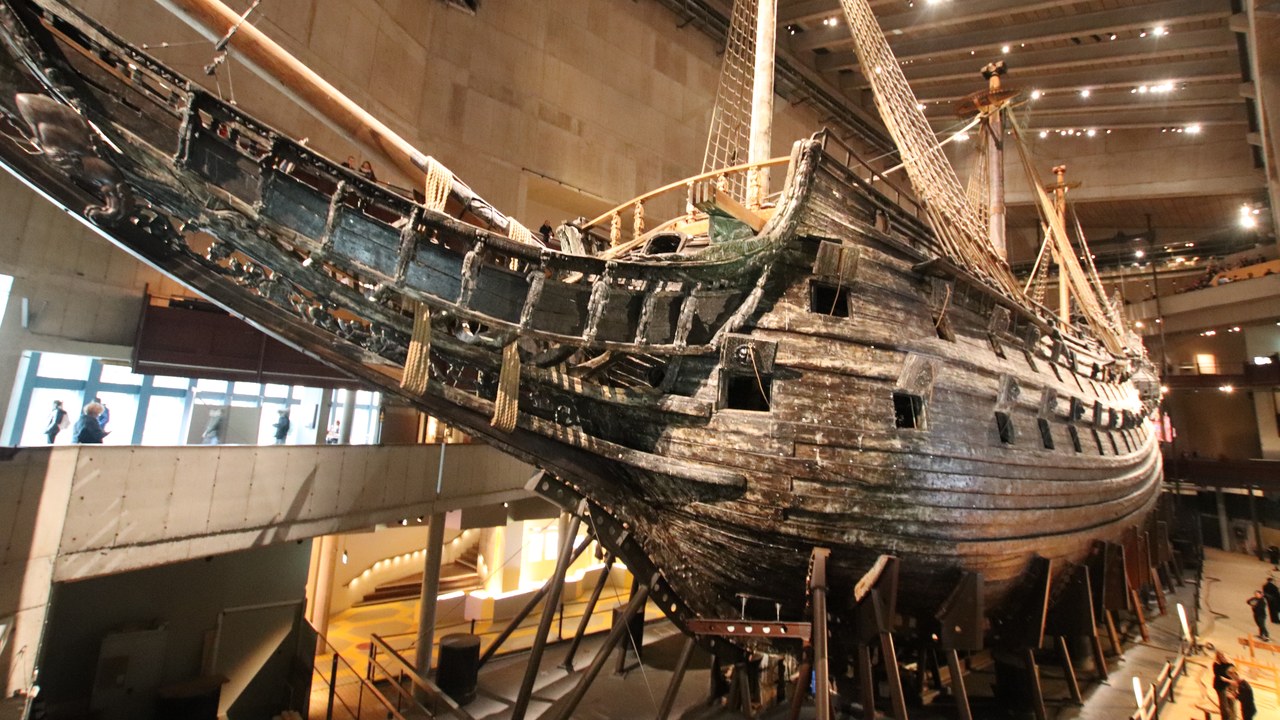
The Swedish warship Vasa sank on 10 August 1628 after sailing roughly 1,300 m (1,400 yd) on her maiden voyage, Wikipedia’s Vasa article says.
She was salvaged largely intact in 1961 and has drawn over 45 million museum visitors. A ship that failed almost at once after setting out has become one of the most visited vessels in a museum, a striking reversal of her brief career. The figures are striking in both directions: a voyage of about 1,400 yards ended in failure, while the salvaged ship has since attracted more than 45 million visitors.
More from Morning Overview
- Neanderthals in Spain carved a wooden object that matches nothing archaeologists have ever found
- The FAA wants $2.39 million from a flight school it says flew a Cessna about 280 times with an unapproved part
- A $1 billion gas plant planned for Superior, Wisconsin, has been abandoned
- Shaq spent $1.3 million on three Rolls-Royce Phantoms to prove a point to a salesman
