
Horns and antlers come with real consequences, from a fatal goat encounter to a billion-dollar insurance tally on roads. Park Service safety pages, wildlife counts and an insurer’s claims data supply the facts behind these animals. Here are eleven hoofed animals of North America, each with a danger, a speed or a size at stake.
Read next on Morning Overview: Arizona’s governor declared a statewide emergency after Flagstaff logged its wettest Nov. 1 on record
1. Moose: Cow With Calves
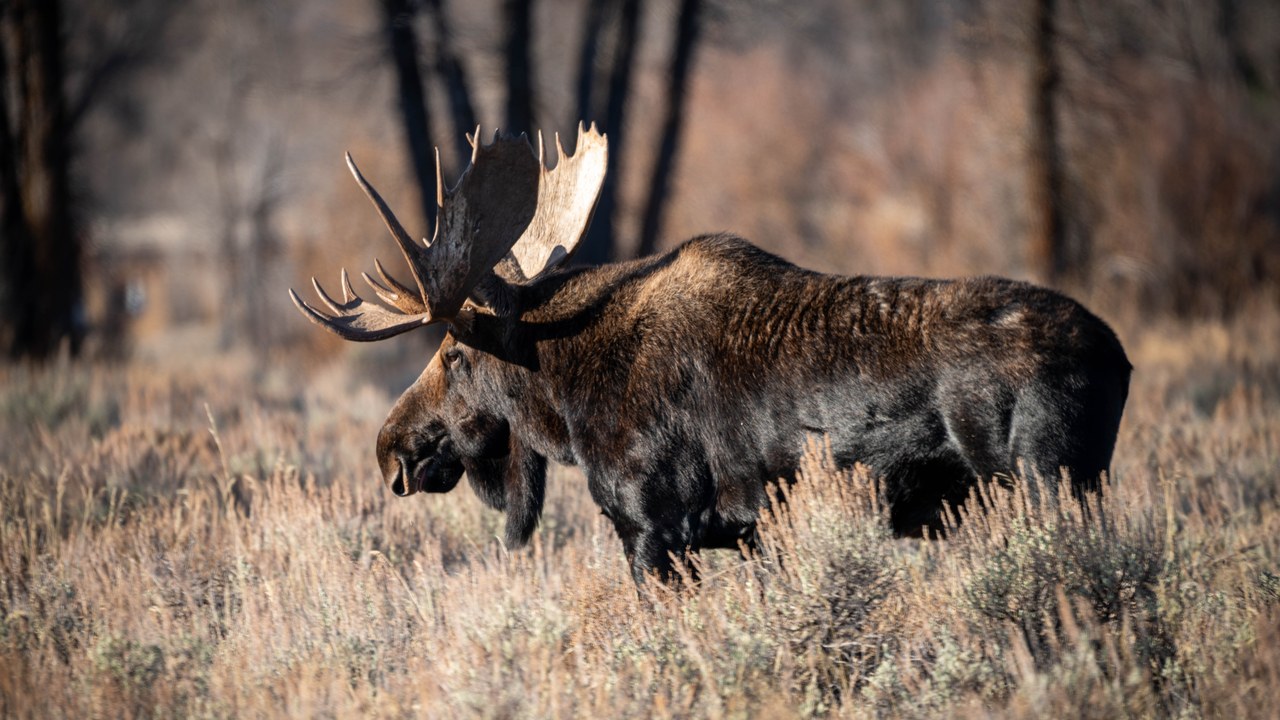
In June 2015 at Denali, a cow moose with two calves charged and injured at least three people at Riley Creek Campground, according to Denali moose notice. The Park Service adds that in Alaska more people are injured by moose than by bears each year.
Moose are large and can seem calm until a calf is nearby. Giving them generous space and retreating behind a tree or building is the usual guidance. Moose can weigh more than most visitors expect, and a stressed animal may stamp or lay its ears back before charging. Campgrounds in moose country often post warnings for that reason.
2. Elk: Cows Count Too
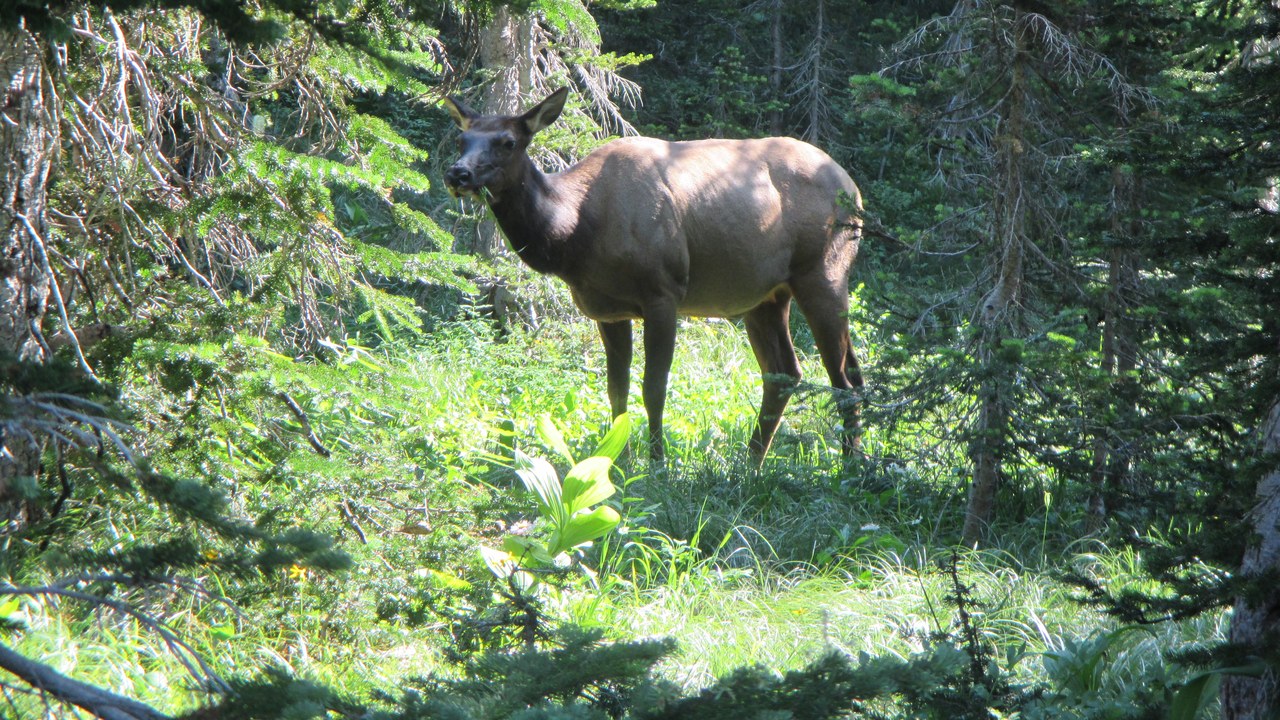
At Yellowstone, Yellowstone safety page tells visitors to stay 25 yards away from elk. Cow elk are as dangerous as bulls when protecting calves in spring.
Antlers draw the attention, but the warning is that the antlerless animals deserve equal caution. Spring calving season calls for extra distance. Autumn rutting bulls draw crowds along park roads, which raises the odds of close encounters. Rangers repeat the distance rule because visitors frequently misjudge how quickly an elk can close a gap.
3. Mountain goat: Fatal Goat Encounter
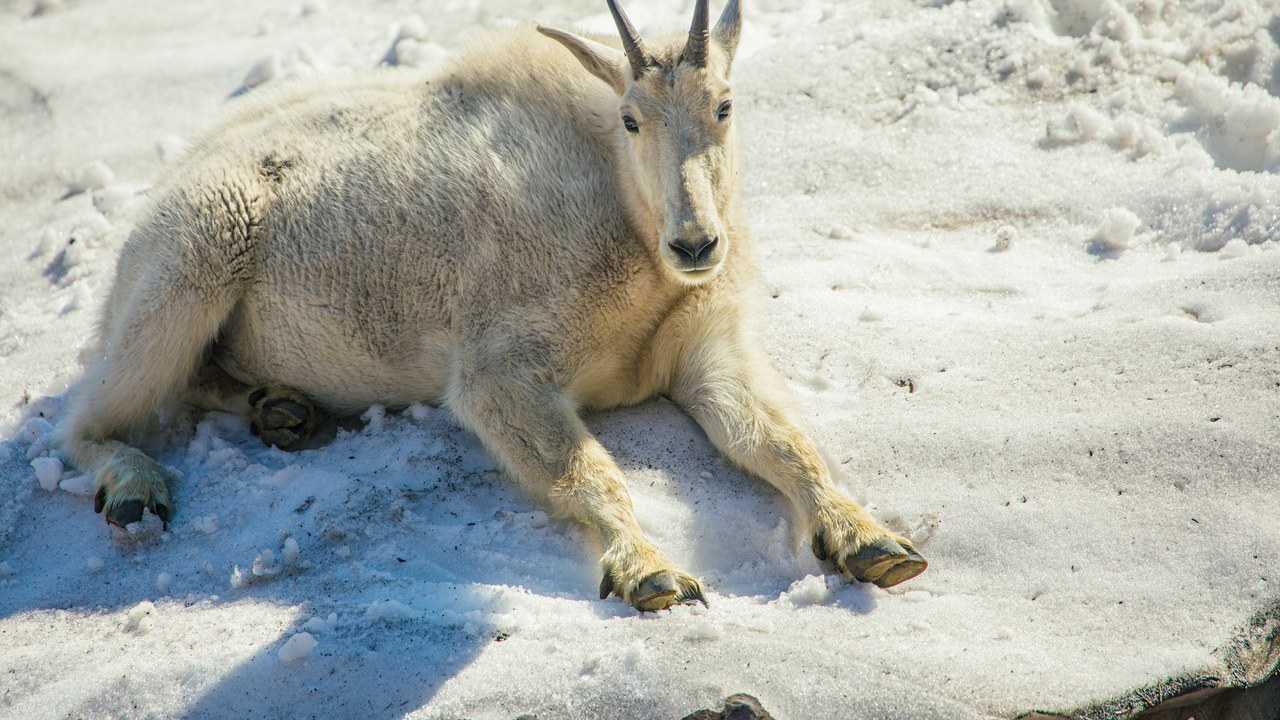
In 2010 at Olympic National Park, a mountain goat fatally gored a hiker in the Hurricane Ridge area, according to Olympic goat notice. NPS requires 50 yards of distance.
The incident shows that a goat’s horns can be lethal even at a scenic trailside. Hikers should back away when a goat approaches rather than hold their ground. The date and place come from the Park Service’s own notice about goat hazards. Goats may approach hikers seeking salt from sweat or urine, so keeping pack items secure and moving away calmly is the standard response.
4. White-tailed deer: Deer and Claims
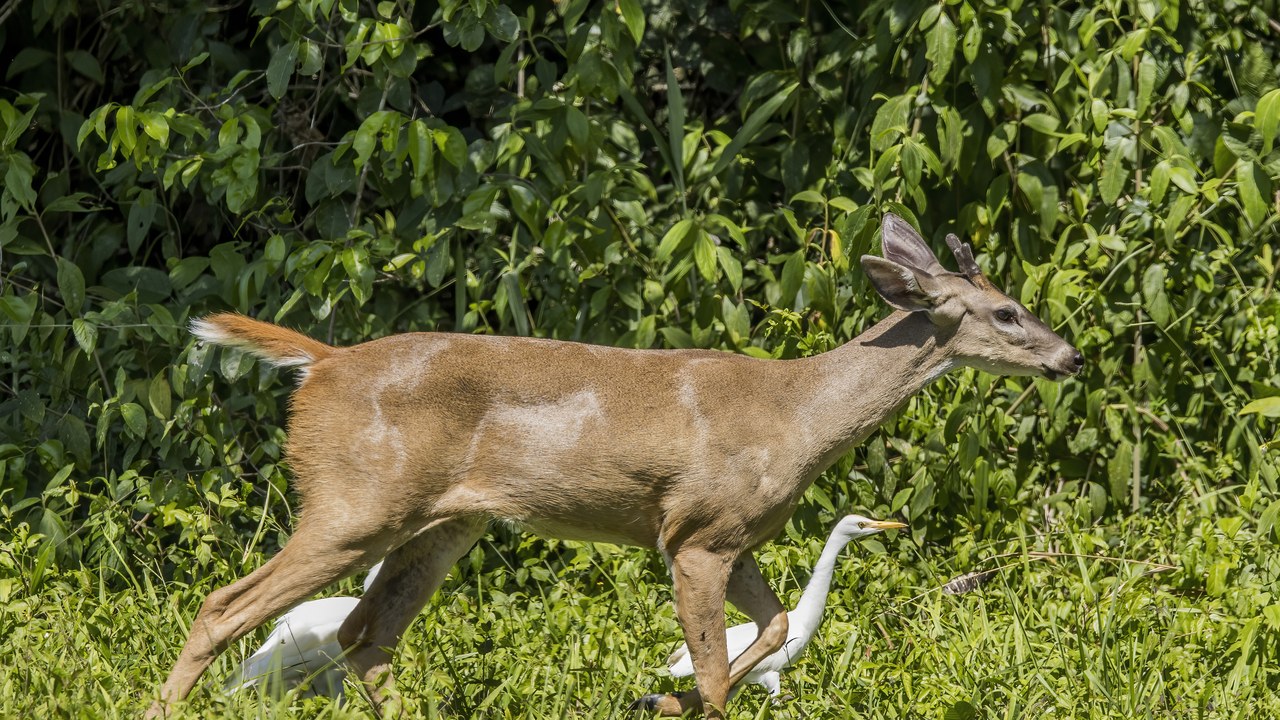
Deer are by far the most frequently struck animal in more than 1.6 million animal-vehicle claims costing $1.9 billion, based on State Farm claims data covering July 2025 to June 2026.
The figure counts insurance claims, so collisions that never reached an insurer are not included. Slowing down at dusk and dawn is the widely repeated advice. Anyone driving through deer country can lower the risk by watching the shoulders of the road and using high beams when no traffic is ahead. If a collision is unavoidable, braking firmly beats swerving into oncoming lanes.
5. Pronghorn: Built for Speed
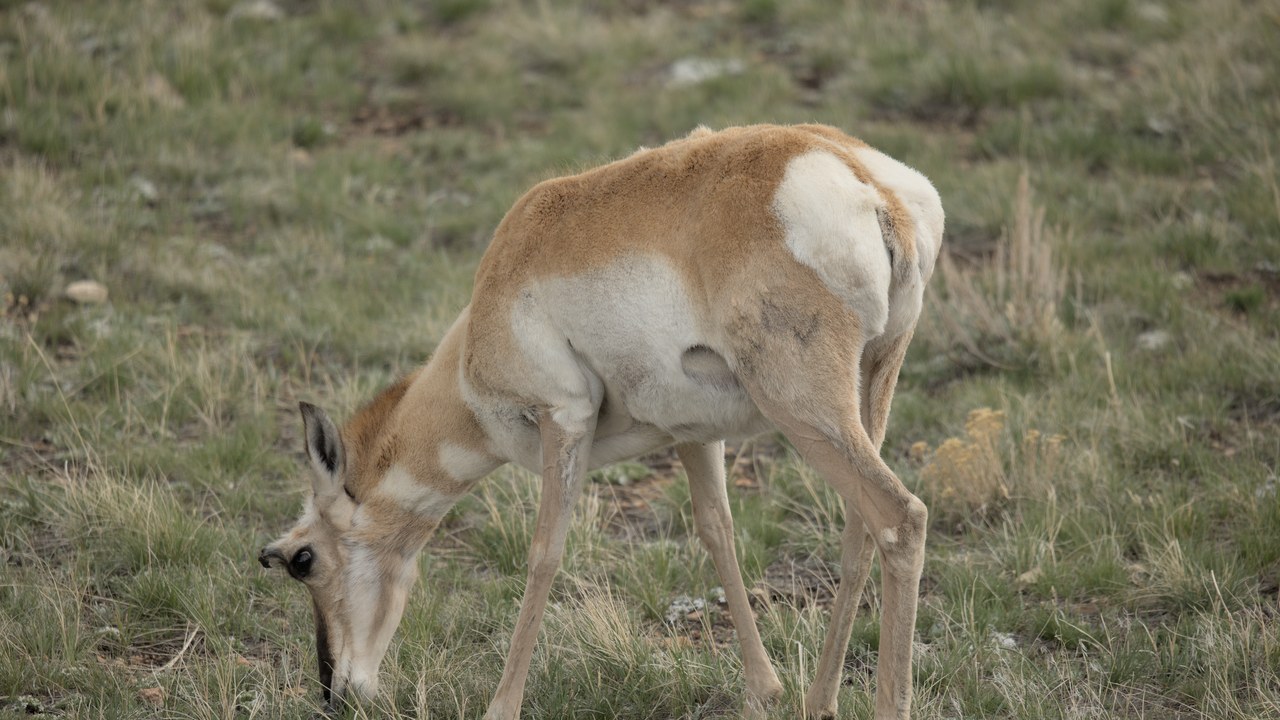
The Park Service says pronghorn can sprint 60 mph and sustain over 40 mph for one mile, as noted in NPS pronghorn page.
Those speeds help explain why the animal ranks among the fastest in North America. Fences and roads can still block the routes that pronghorn use. Speed is the pronghorn’s main defense on open plains. Because a fence can stop an animal built to run, wildlife groups sometimes modify wires or provide crossings, though the source describes only the speed figures.
6. Caribou: Long Round Trips
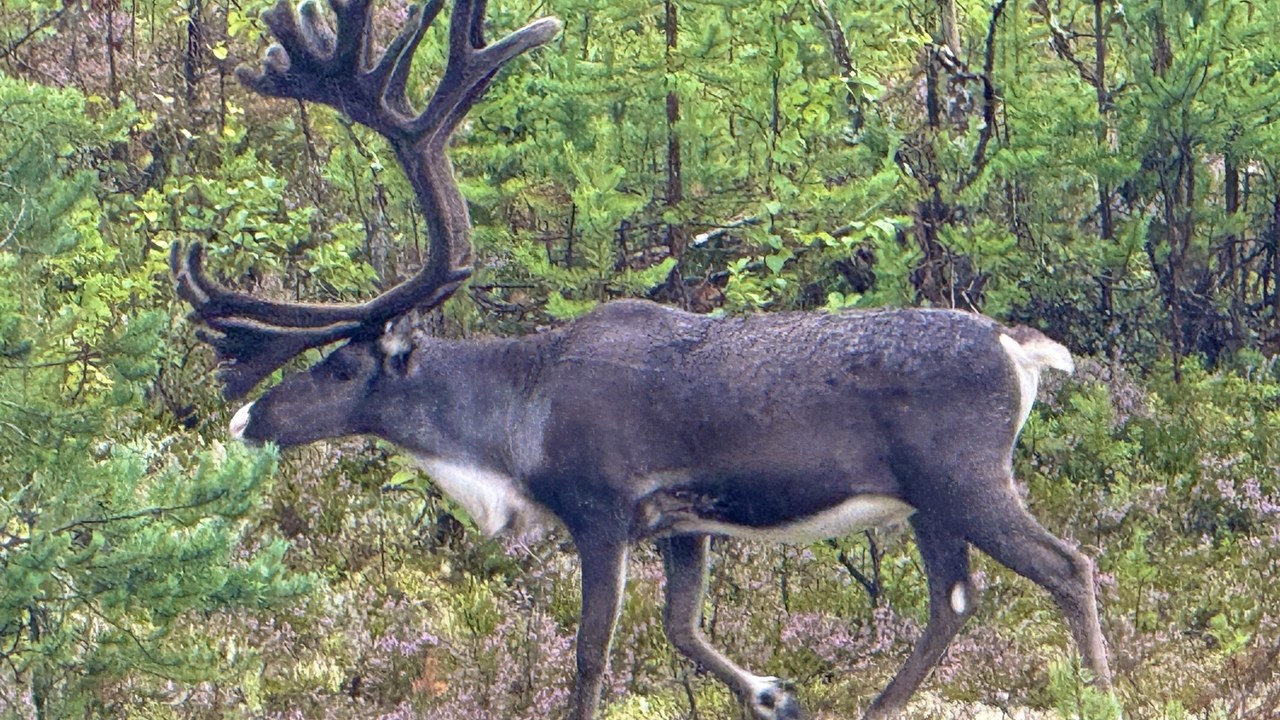
Caribou herds make round-trip migrations exceeding 745 miles (1,200 km), according to NPS migration article.
The distance covers a full loop rather than a single direction. Such journeys depend on open country, which makes habitat and access along the route a lasting concern. Migration lets the herds follow food through the seasons. The distance is a round trip, so the figure should not be doubled or halved when comparing with other animals that travel in one direction.
7. Bighorn sheep: Heavy Horns
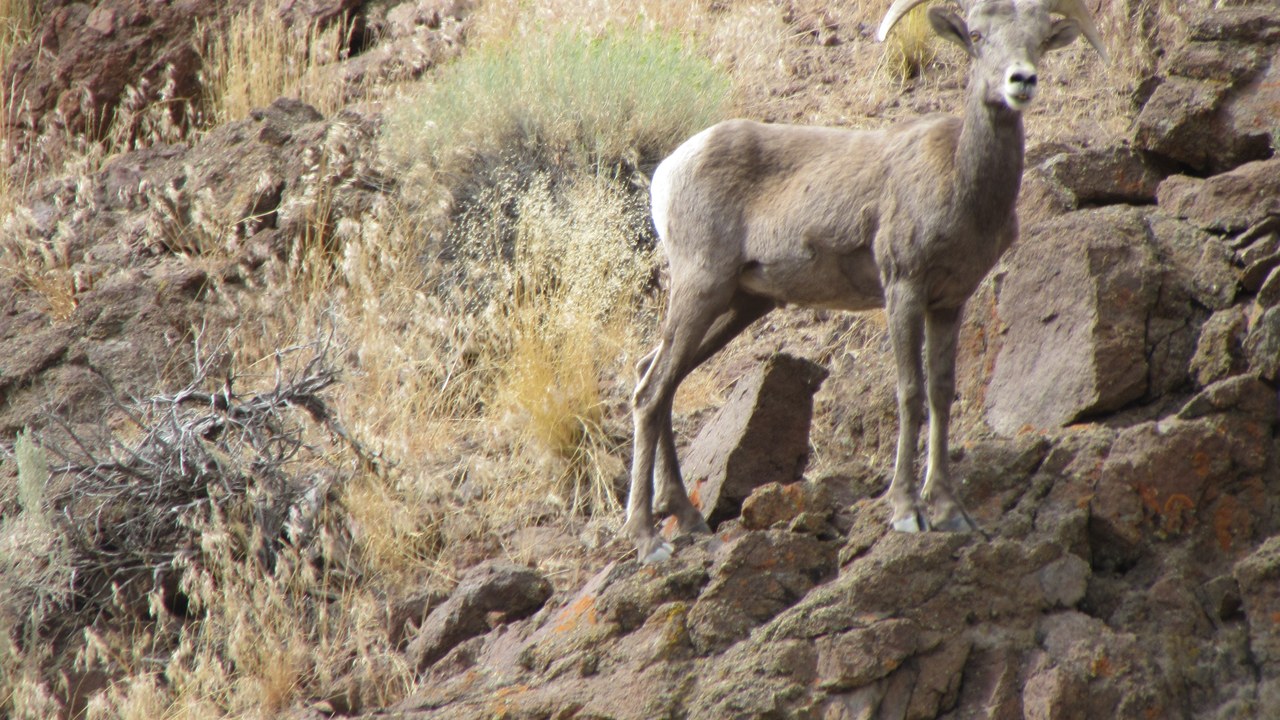
Adult bighorn rams weigh 174 to 319 pounds, including horns that can weigh 40 pounds, per Yellowstone bighorn page.
That much weight on the head helps explain the force of a ram’s clashes. Visitors are best served by watching from a distance, particularly during autumn. The sheep’s horn size is part of how rams establish rank during the autumn breeding season. Roadside herds in some parks attract crowds, so staying inside a vehicle when animals are close is often the safest choice.
8. American bison: Largest on Land
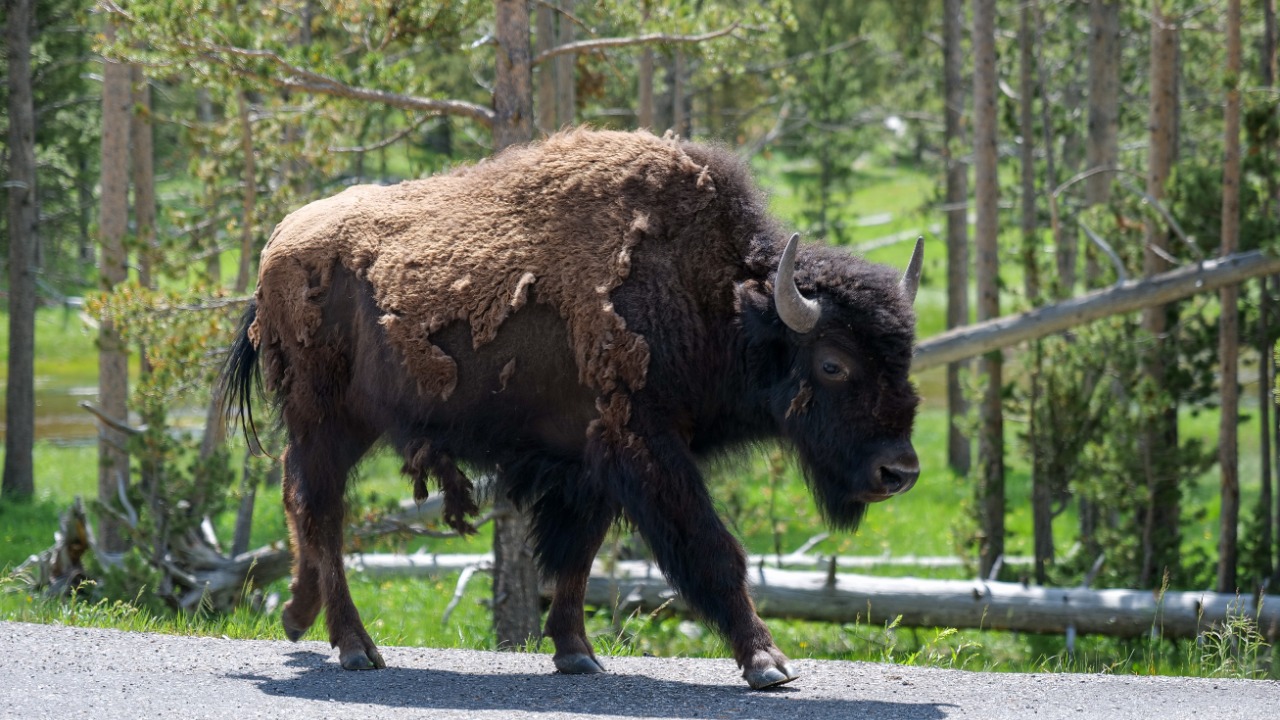
The Park Service calls bison the largest land mammal in North America, with bulls up to 2,000 pounds, as Yellowstone bison page puts it.
Size alone is reason for caution near any bull. Yellowstone visitors are routinely told to keep well back from bison on trails and boardwalks. Yellowstone bison can look slow and sleepy, yet they can move quickly when startled. Visitors who step off a boardwalk to take a photo have been injured in past seasons, which is why rangers repeat the warning often.
9. Muskox: Coat Against the Wind
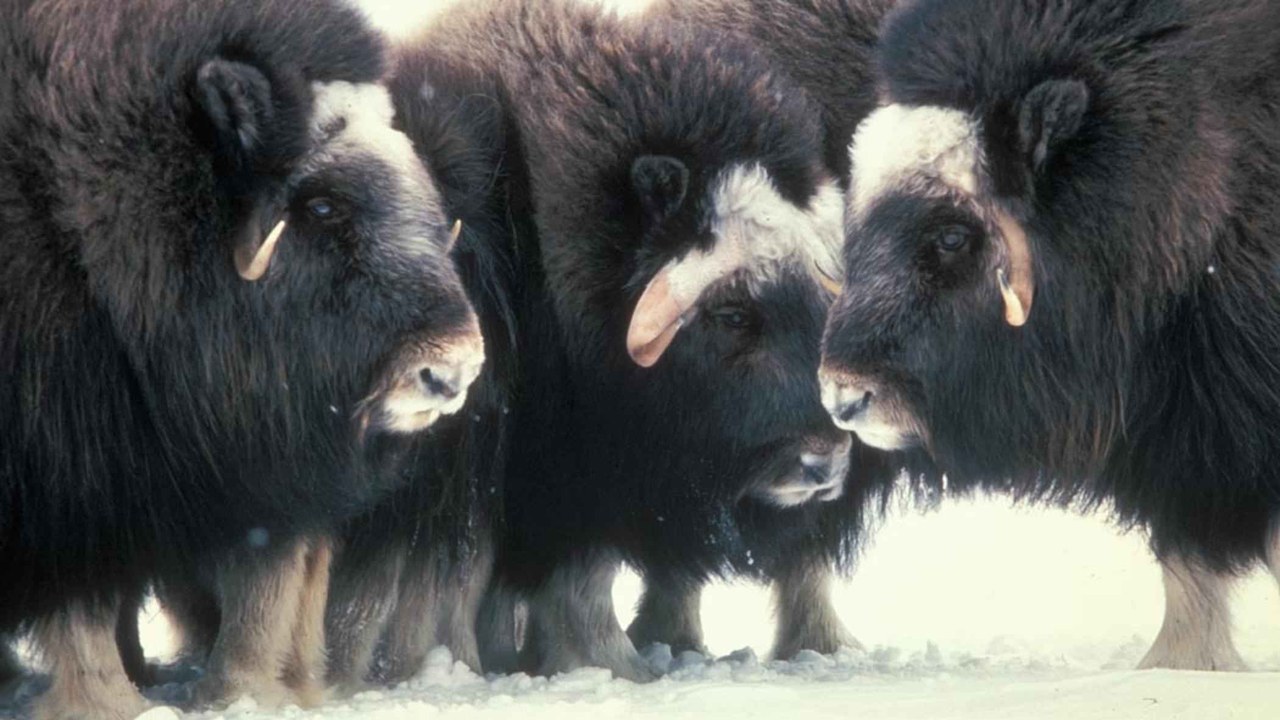
A thick woolly undercoat called qiviut lets muskoxen winter on windy hilltops where the wind chill is extreme, according to NPS adaptations page.
The adaptation explains how a large grazer survives conditions that would drive most animals to shelter. The source describes the coat rather than giving a population figure. The qiviut is the soft layer under the longer outer hair, and it works like insulation. Muskoxen also gather in tight groups when threatened, a habit that helps protect calves.
10. Dall sheep: Counting Dall Sheep
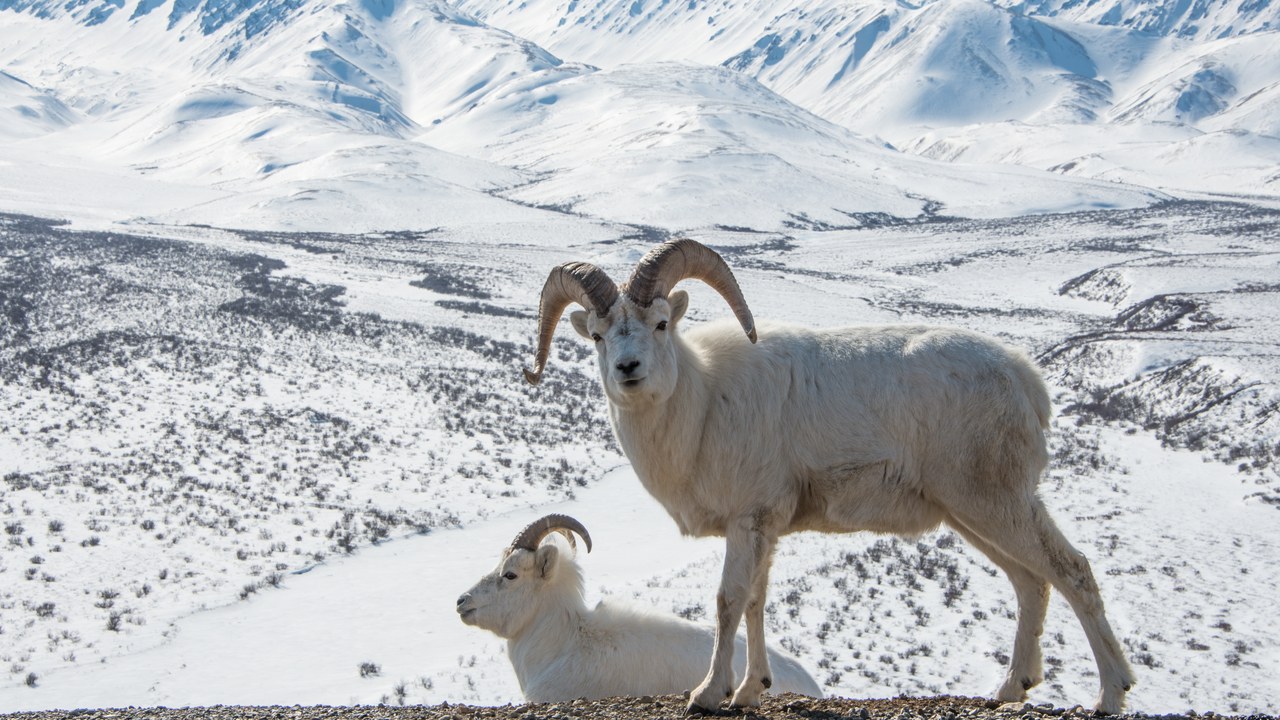
North-side Dall sheep estimates ranged from about 1,100 to 2,000 between 2011 and 2020, according to Denali animal count.
The wide range reflects estimates from different years rather than a single census. Such counts help managers watch how the herd changes over time. Park managers use surveys to watch for decline, since a harsh winter or a late spring can change lamb survival. Visitors hoping to see sheep on high slopes will usually need binoculars or a spotting scope.
11. Mule deer: Common Park Resident
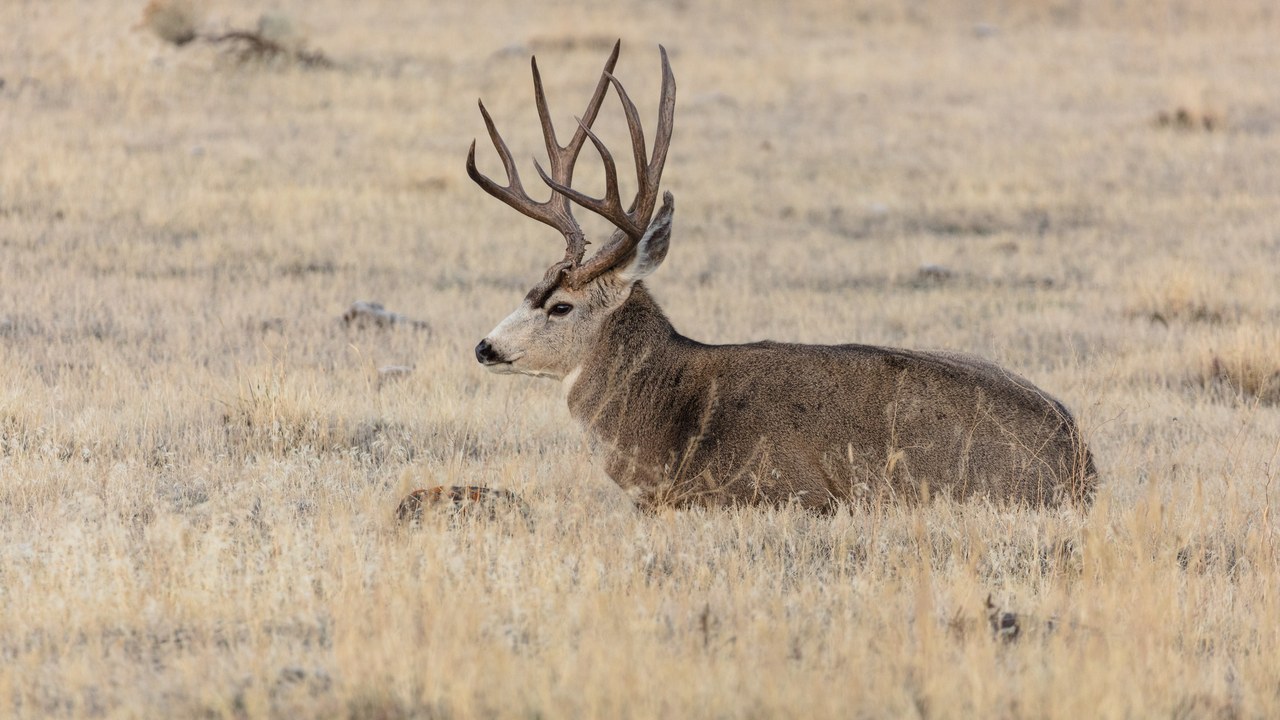
Mule deer are one of the most commonly seen animals in the park, standing 31-42 inches at the shoulder, according to Grand Canyon mule deer page from Grand Canyon.
Frequent sightings can tempt close approaches, but wildlife should be watched from a distance. Feeding is discouraged in national parks. The species is named for its large ears, and it shows up along canyon rims and trails. Rangers advise against feeding, because food habits can make animals bolder and bring them closer to people and cars.
More from Morning Overview
- A handful of car transmissions are so tough that mechanics say they almost never die
- Melting permafrost is setting off a newly identified kind of catastrophic landslide, scientists say
- Cadillac cut the price of its cheapest EV, which goes up to 317 miles on a charge
- Winter weather advisories cover I-80, I-70 and the Bighorns with up to 15 inches of snow
