
Sticker price and cabin feel do not always move together, and a handful of affordable cars manage to feel far pricier than they cost. Some borrow styling cues from luxury segments, others quietly upgrade materials and standard equipment without raising the price much at all. Here are ten affordable cars that consistently feel far more expensive than their price tags suggest.
1. Mazda3: A Compact That Feels Premium
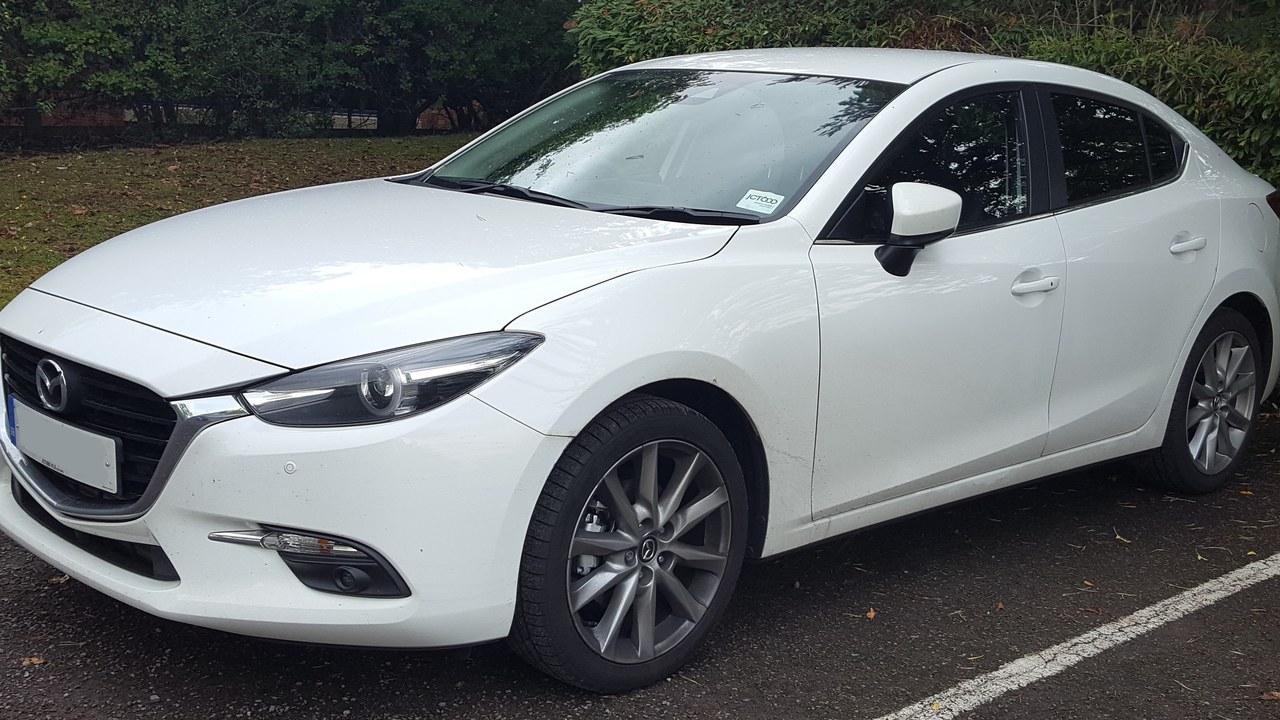
Mazda’s smallest sedan and hatchback pair a low starting price with an interior that draws comparisons to cars costing far more, thanks to soft-touch surfaces, tight fit and finish, and a clean, minimalist dashboard layout. Automotive reviewers have repeatedly singled out the cabin’s design and material quality as unusual for a compact car built to hit an affordable price point.
A composed, quiet ride reinforces that impression on the road, giving buyers on a modest budget a sedan that feels considerably more expensive than the number on the window sticker.
2. Mazda CX-30: Entry Crossover, Premium Feel
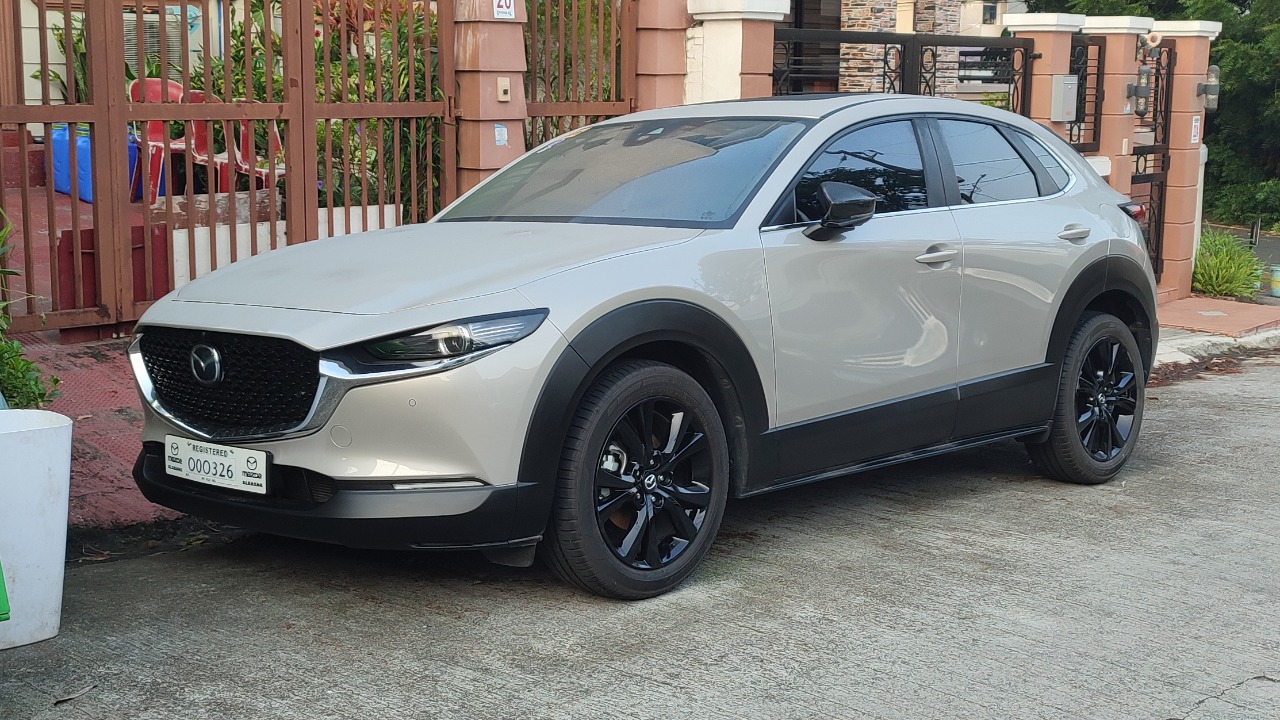
The CX-30 slots beneath Mazda’s larger SUVs yet carries much of the same upscale cabin treatment, including padded surfaces, a crisp digital display, and switchgear that feels more substantial than its price class typically allows. Kelley Blue Book has repeatedly named the CX-30 among its best value picks, citing how much refinement it delivers for an entry-level crossover.
Buyers cross-shopping compact SUVs often come away surprised that a vehicle priced near the segment’s floor drives and feels like something from a class above.
3. Kia K5: Sedan Styling That Overdelivers
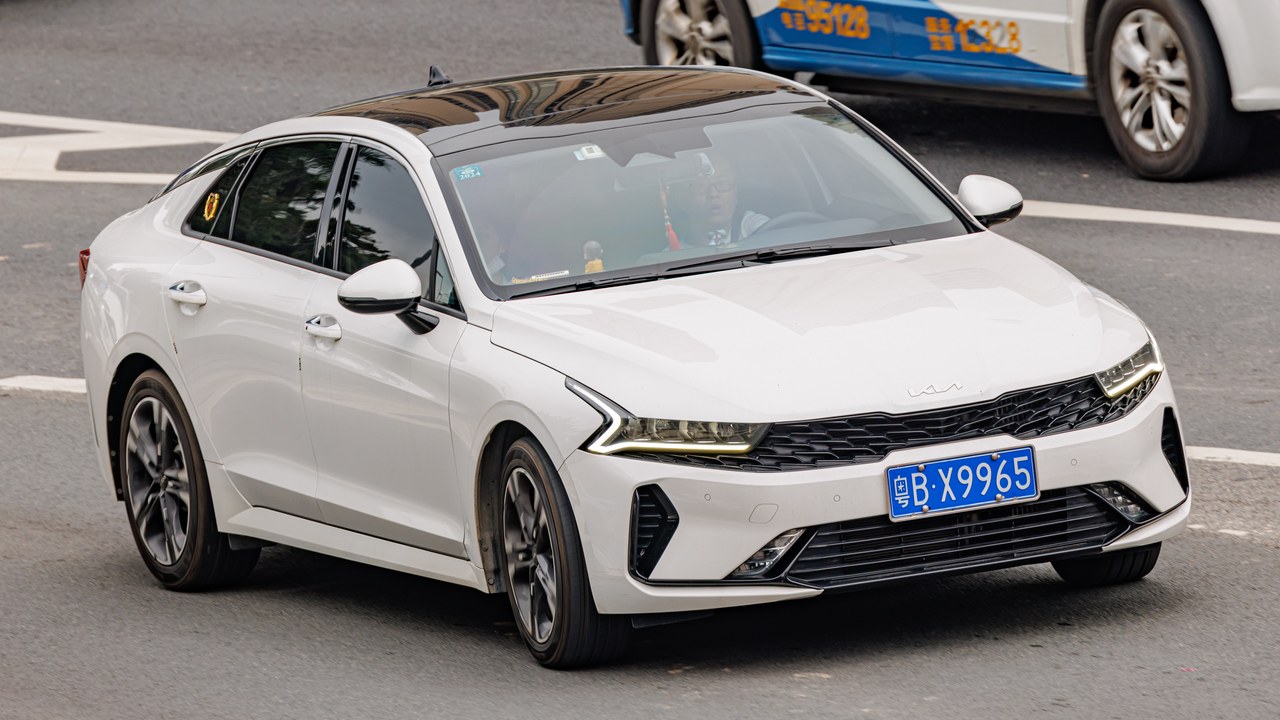
The K5 trades the generic sedan silhouette for a swept-back, fastback-style profile more often associated with pricier performance sedans, and pairs it with a features list that undercuts rivals costing several thousand dollars more. Kia’s own product history for the model, detailed on its K5 overview, shows a car built specifically to close the gap with near-luxury midsize sedans.
Standard driver-assistance tech and a well-appointed cabin round out a package that routinely outshines its modest starting price, especially next to sedans that charge far more for a similar features list.
4. Kia Forte: Compact Car, Near-Luxury Extras
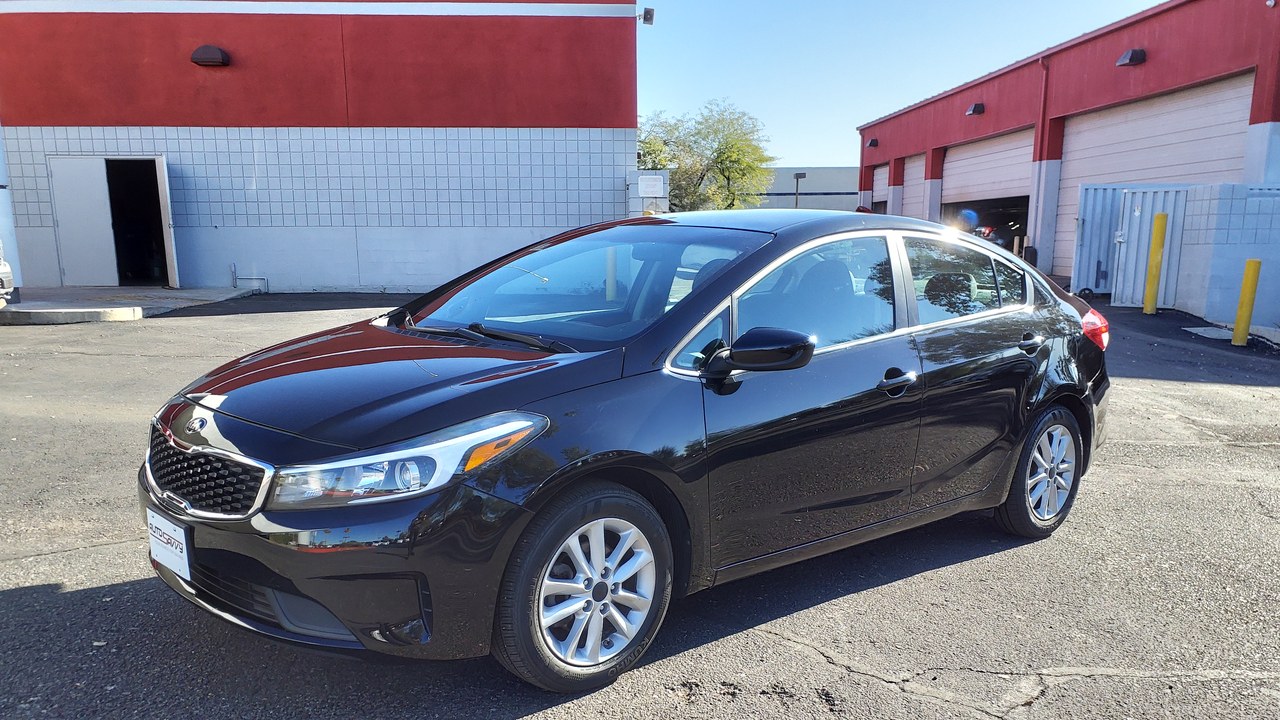
Kia’s compact Forte includes standard equipment, such as driver-assistance features and a modern infotainment setup, that many competitors reserve for higher trims or optional packages, narrowing the gap between an economy car and something more upscale. The model’s development, outlined on its Wikipedia entry, reflects Kia’s broader push to load entry-level cars with content once reserved for pricier segments.
The result is a small sedan that reads as considerably more expensive than its price tag suggests, especially to shoppers used to stripped-down economy cars.
5. Hyundai Elantra: Bold Design, Budget Sticker
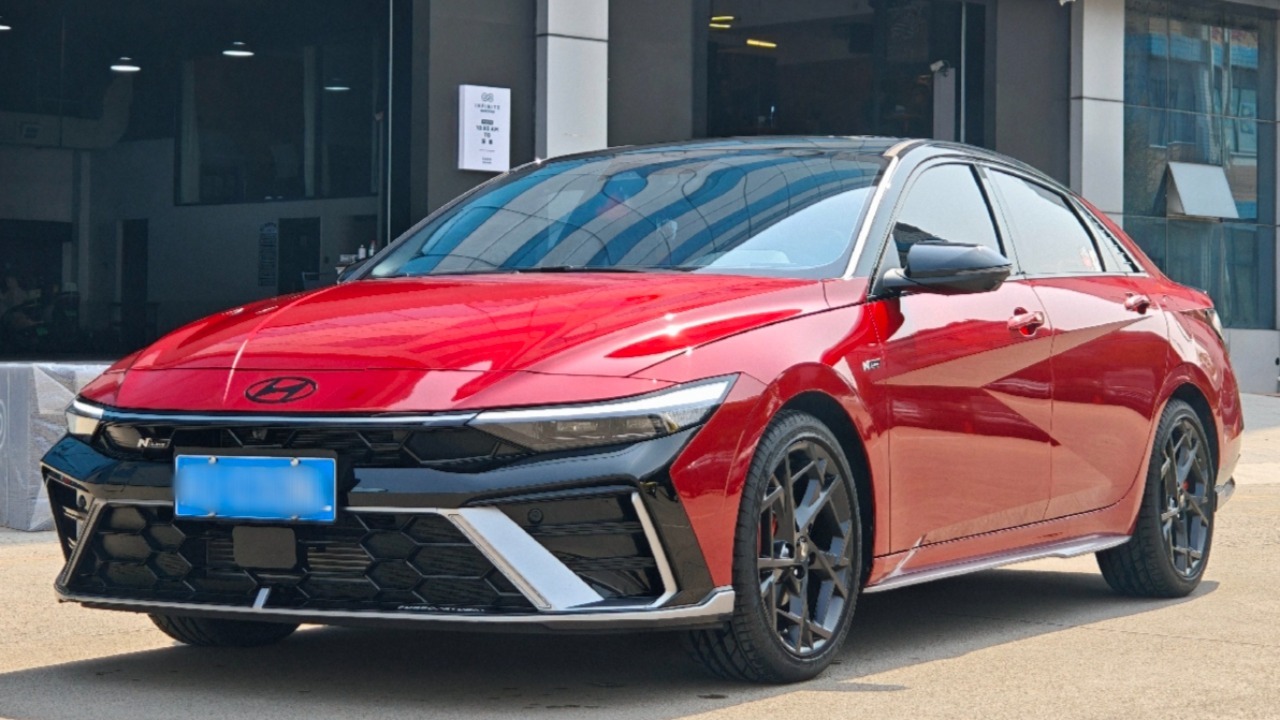
The Elantra’s sharp, angular styling and available high-tech cabin features stand out in a segment where affordable sedans often look and feel interchangeable. Hyundai’s redesign history for the model, documented on its Elantra page, shows a car intentionally styled to draw attention well beyond its price class, with a dashboard layout that echoes pricier Hyundai and Genesis models.
That styling and tech carry over into showrooms, where the Elantra frequently reads as a far pricier car than its window sticker indicates.
6. Volkswagen Jetta: German Feel Without German Price
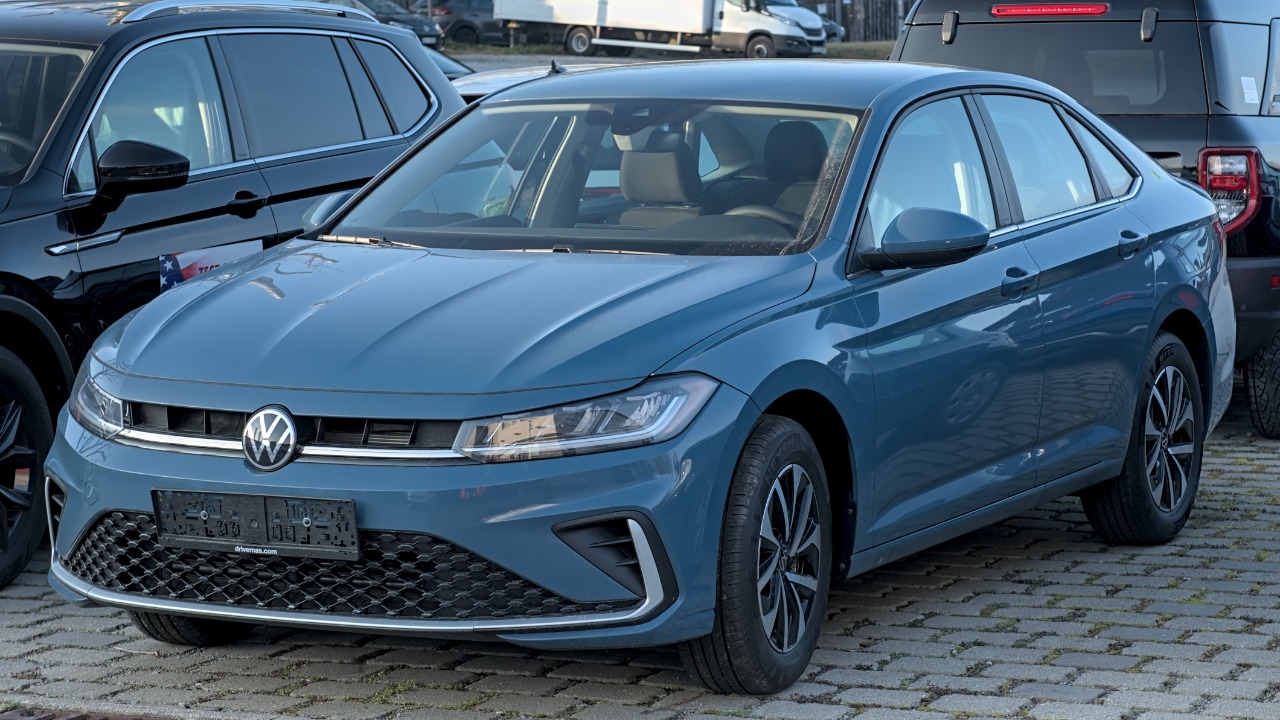
The Jetta carries a ride quality and material feel long associated with German engineering, without the price premium typically attached to that reputation. Consumer Reports’ ongoing reliability and satisfaction data, tracked in its owner satisfaction surveys, has repeatedly placed the Jetta among compact sedans that punch above their price in day-to-day driving feel.
A planted highway ride and solidly built cabin give the Jetta a substantial feel that budget-focused shoppers rarely expect at this price point, reinforcing the impression of a much costlier compact sedan.
7. Honda Civic: Refinement That Shames Rivals
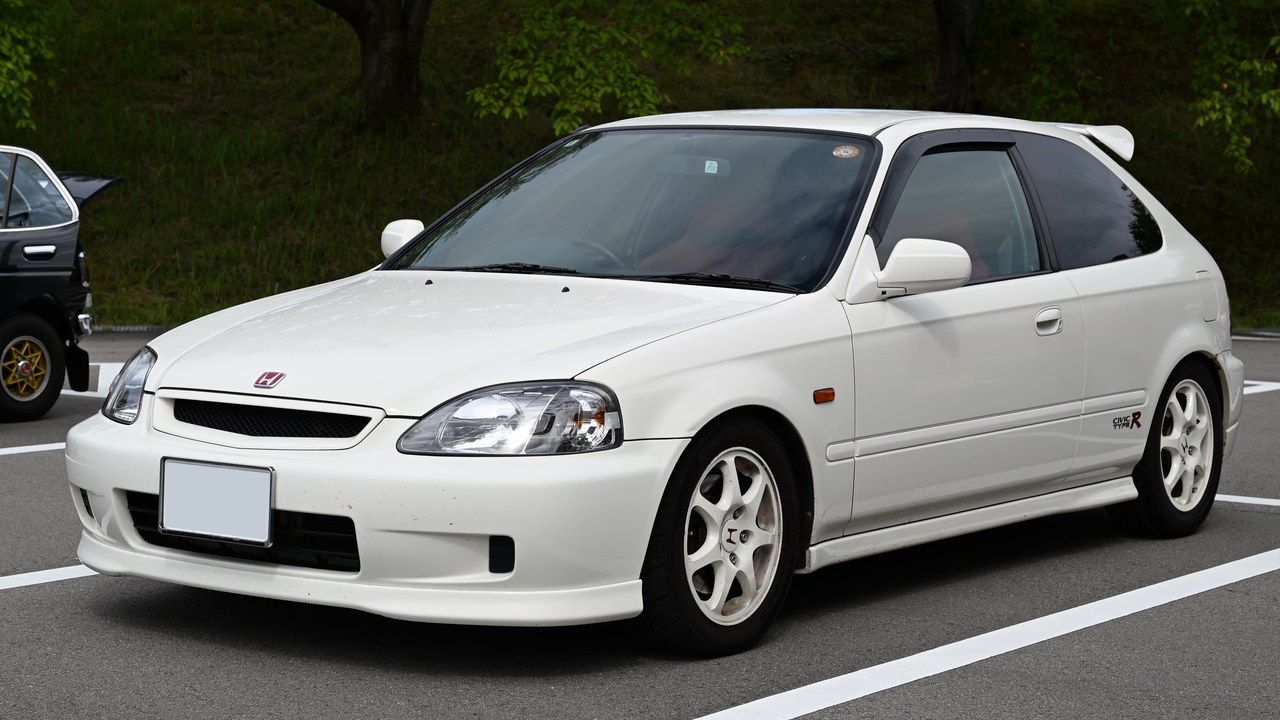
The Civic has long been praised for a level of refinement, from cabin quietness to precise steering feel, that rivals pricier compact and even midsize sedans. Honda’s engineering approach to the model, chronicled on its Civic history page, has consistently prioritized driving dynamics and build quality over cost-cutting shortcuts common to the segment.
That focus shows up behind the wheel, where the Civic’s composed ride and tight construction routinely outclass cars sitting well above it on price, a gap longtime owners frequently point out to friends.
8. Kia Soul: Boxy Shape, Clever Cabin
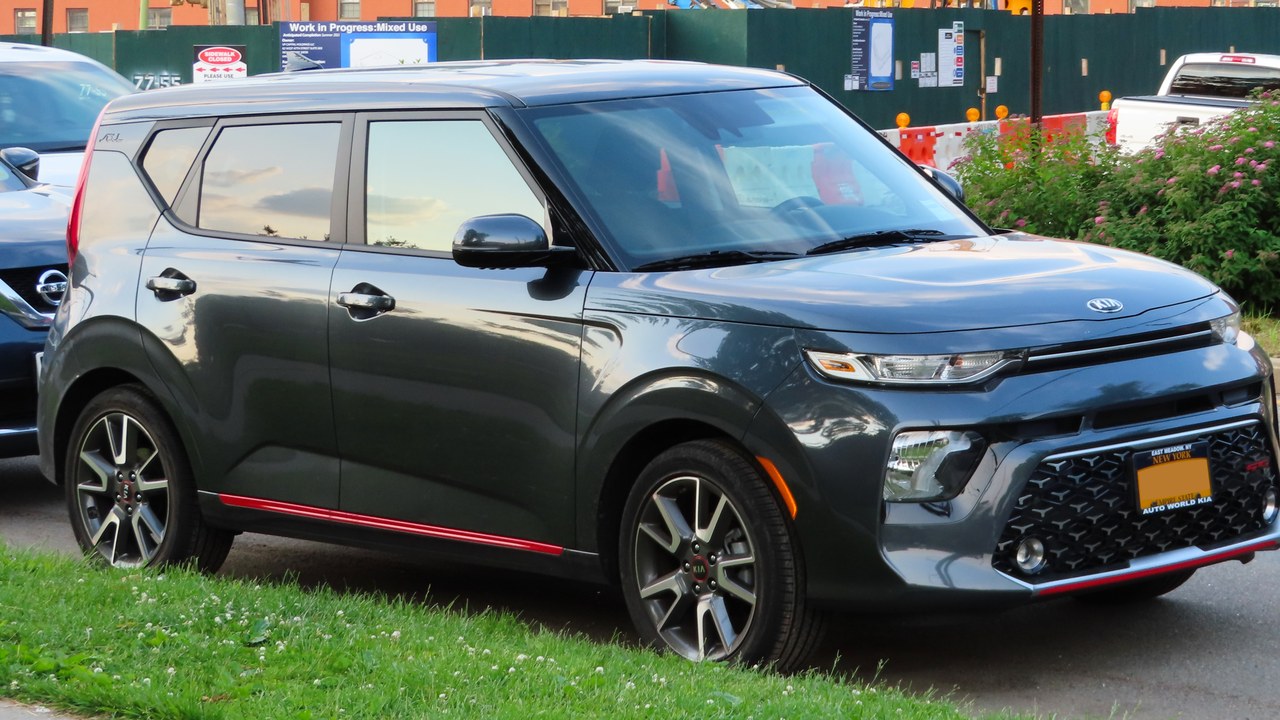
The Soul’s upright, boxy shape hides a cleverly packaged interior with more usable cargo and passenger space than its footprint suggests, along with a finish quality that outpaces its budget-friendly positioning. The model’s design lineage, described on its Wikipedia page, has always leaned on distinctive styling and smart interior layout rather than a low price alone to stand out.
Buyers who expect a bare-bones budget hatchback often find a cabin that feels noticeably more thought-out and finished than the price would predict.
9. Nissan Sentra: Redesign That Raised The Bar
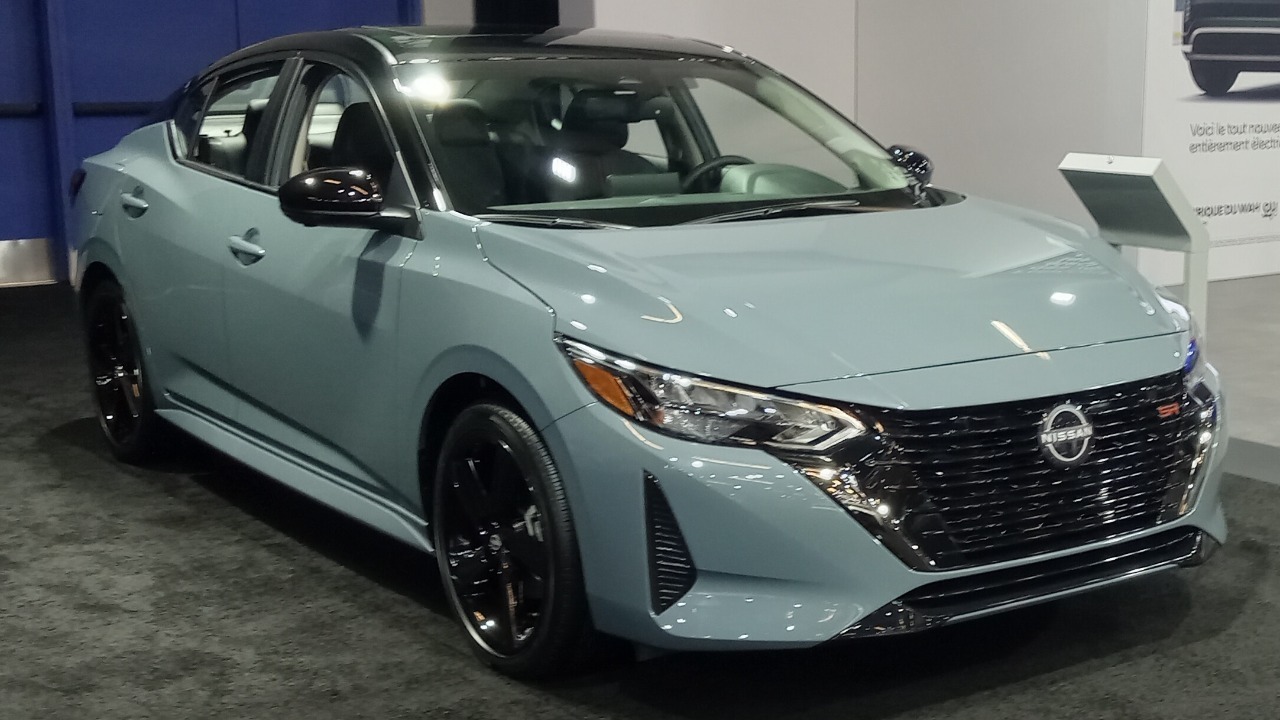
A generational redesign gave the Sentra a noticeably more upscale dashboard, better sound insulation, and richer materials than the compact sedan carried in years prior, closing much of the perceived-quality gap with pricier rivals. The model’s evolution, tracked on its Sentra page, shows Nissan deliberately repositioning the car toward a more premium feel.
Shoppers who last considered a Sentra years ago frequently notice the biggest jump in perceived quality among affordable compact sedans, from softer cabin materials to a noticeably quieter ride at highway speed.
10. Mazda CX-5: Compact SUV, Near-Luxury Feel
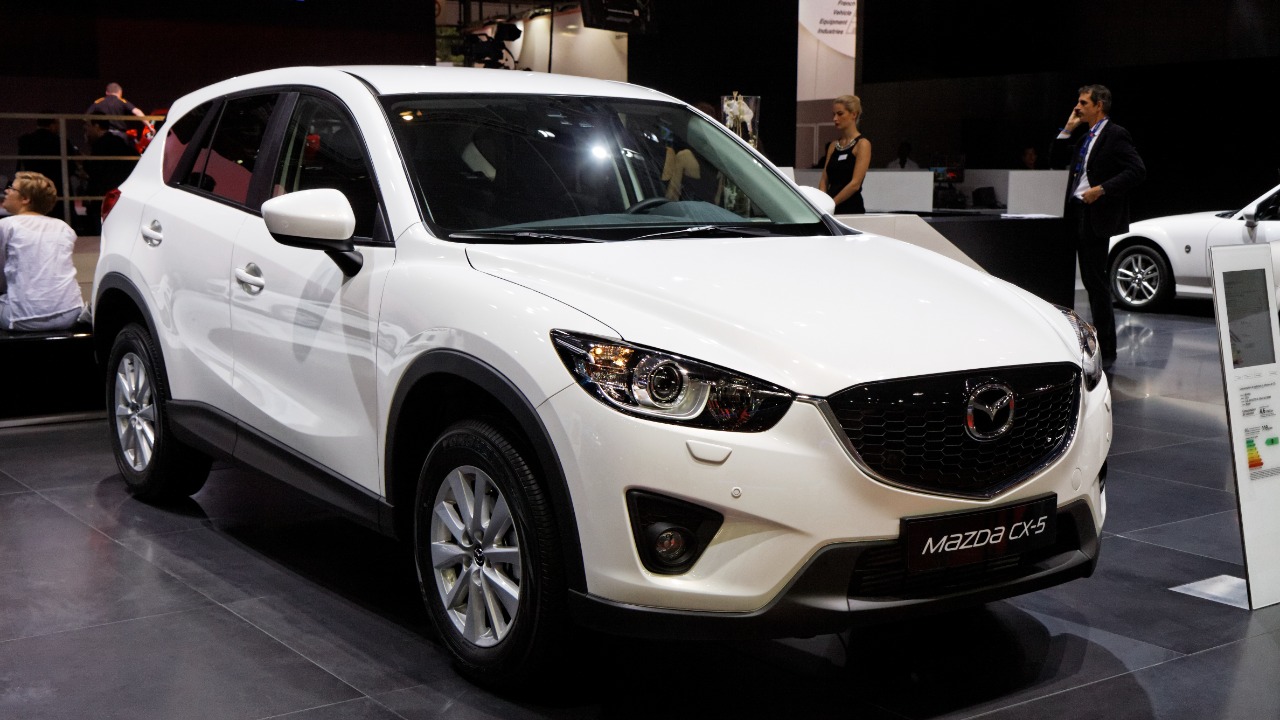
The CX-5 is widely regarded as the closest a mainstream compact SUV comes to a genuine near-luxury experience, with a cabin featuring stitched surfaces, a substantial-feeling console, and quiet, composed handling. The model’s design and trim progression, detailed on its Wikipedia entry, shows Mazda steadily pushing the SUV’s interior upmarket while keeping its price within reach of mainstream buyers.
That combination has made the CX-5 a frequent recommendation for buyers who want the feel of a luxury SUV without the accompanying luxury payment.
More from Morning Overview
