
Air & Space Forces published a rare first-person account on November 18, 2026, in which B-2 pilots describe the Midnight Hammer strike. Seven B-2s took off, dropped 14 bombs weighing a combined 210 tons, and flew a 37-hour mission supported by tankers and fighters. This gallery names the aircraft, weapons and places that surrounded the bombers.
Read next on Morning Overview: 11 engines built to run well past 200,000 miles
B-2 Spirit: The Stealth Bomber at the Center
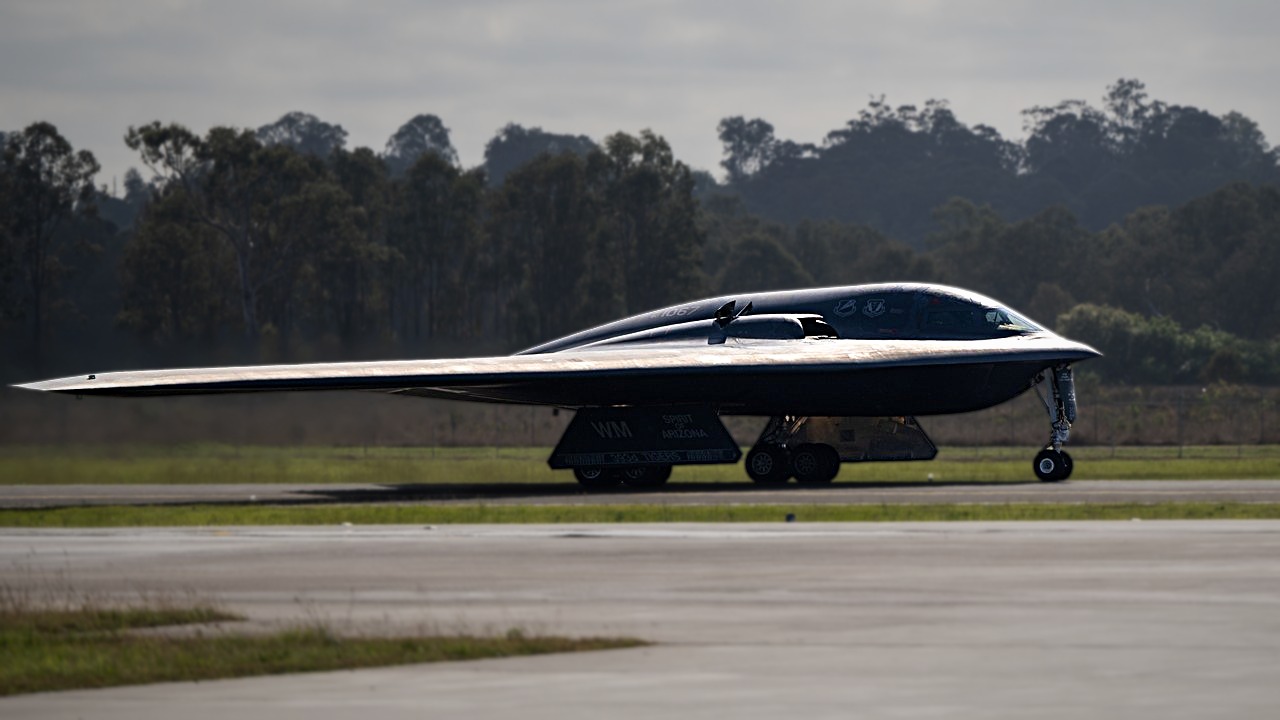
Seven B-2s checked in as fragged, according to the Air & Space Forces account published on November 18, 2026, and the stealth bomber sits at the center of the pilots’ telling. The same account calls the mission a 37-hour human endurance test, a reminder that the aircraft was only part of the story.
The B-2 Spirit is a flying-wing bomber built by Northrop Grumman and flown by the US Air Force from Whiteman. For readers sizing up the operation, the key point is that the pilots, not the airframe alone, carried the strain of the long flight. Everything else in this package existed to get these seven aircraft to their targets and home again.
Whiteman Air Force Base: Where the Mission Began
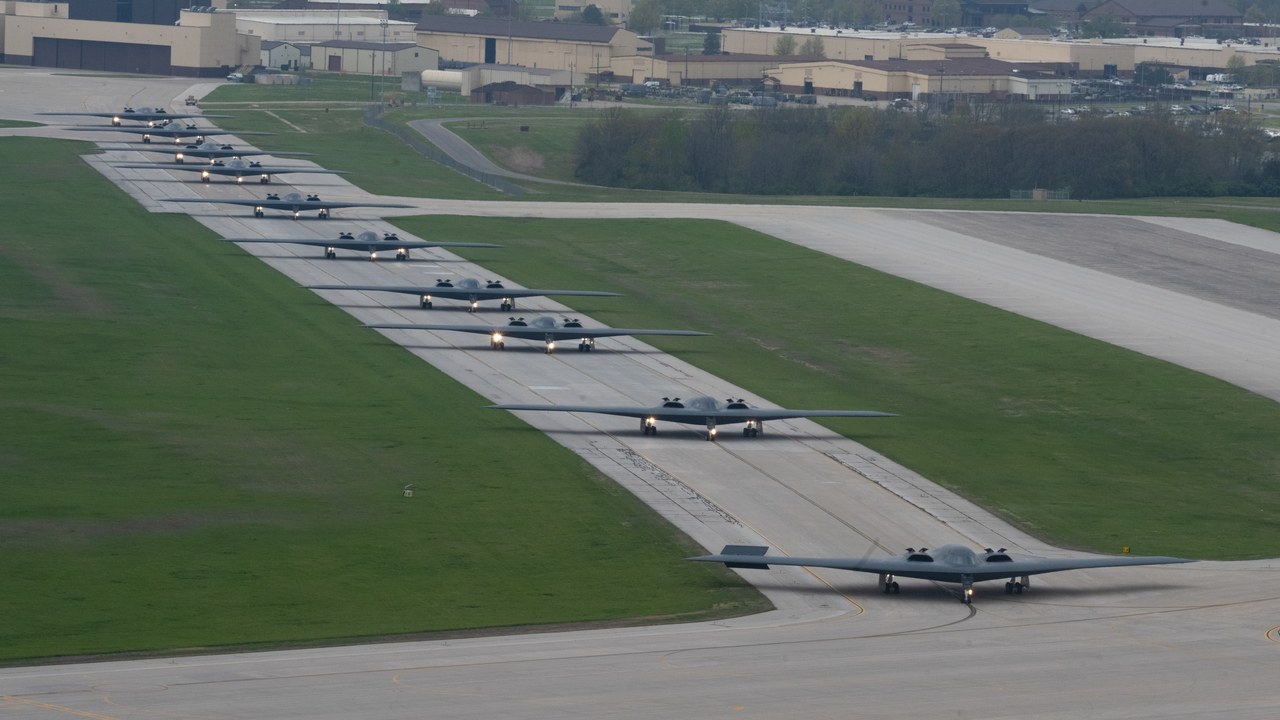
Whiteman Air Force Base in Missouri is the home of the B-2 fleet and the place where the mission began, as laid out in the Whiteman base overview on Wikipedia. Every one of the seven bombers that took off in the strike started its journey from this single installation.
The base matters because it explains the shape of the operation. Flying from the American Midwest to the target area and back is what stretched the sortie to 37 hours, according to Air & Space Forces. Staging from the bombers’ own home base, rather than a forward airfield, put the weight on tankers and crew endurance rather than on local infrastructure abroad.
GBU-57A/B MOP: Fourteen Bombs, 210 Tons
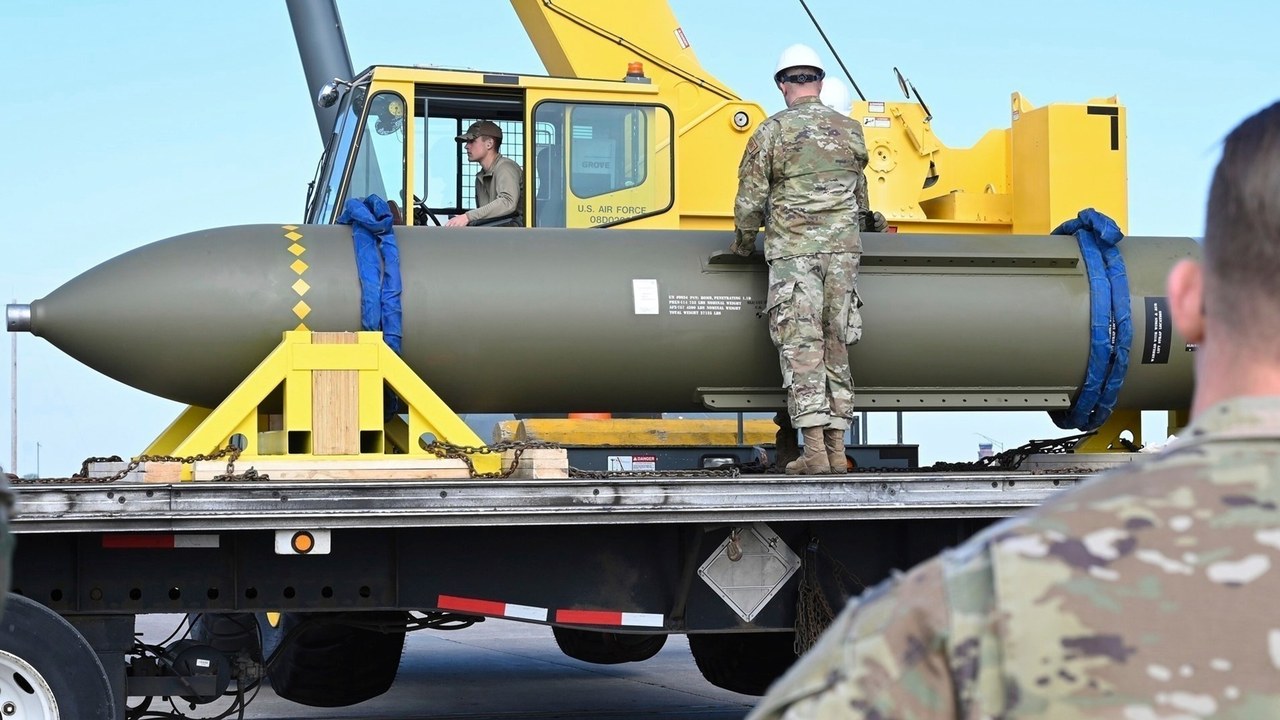
The strike dropped 14 of the 30,000-pound-class bunker busters, a total of 14 bombs weighing a combined 210 tons, per the pilots account in Air & Space Forces. The weapon is the GBU-57A/B Massive Ordnance Penetrator, a conventional bomb designed to burrow deep before it detonates.
The B-2 is the aircraft in the US inventory that carries this weapon, which helps explain why the bomber was chosen for the mission at all. For an observer, the figure worth keeping is the combined weight: 210 tons of ordnance carried across the long flight by a handful of aircraft, each loaded with bombs far larger than conventional munitions.
KC-135 Stratotanker: The Older Tanker Workhorse
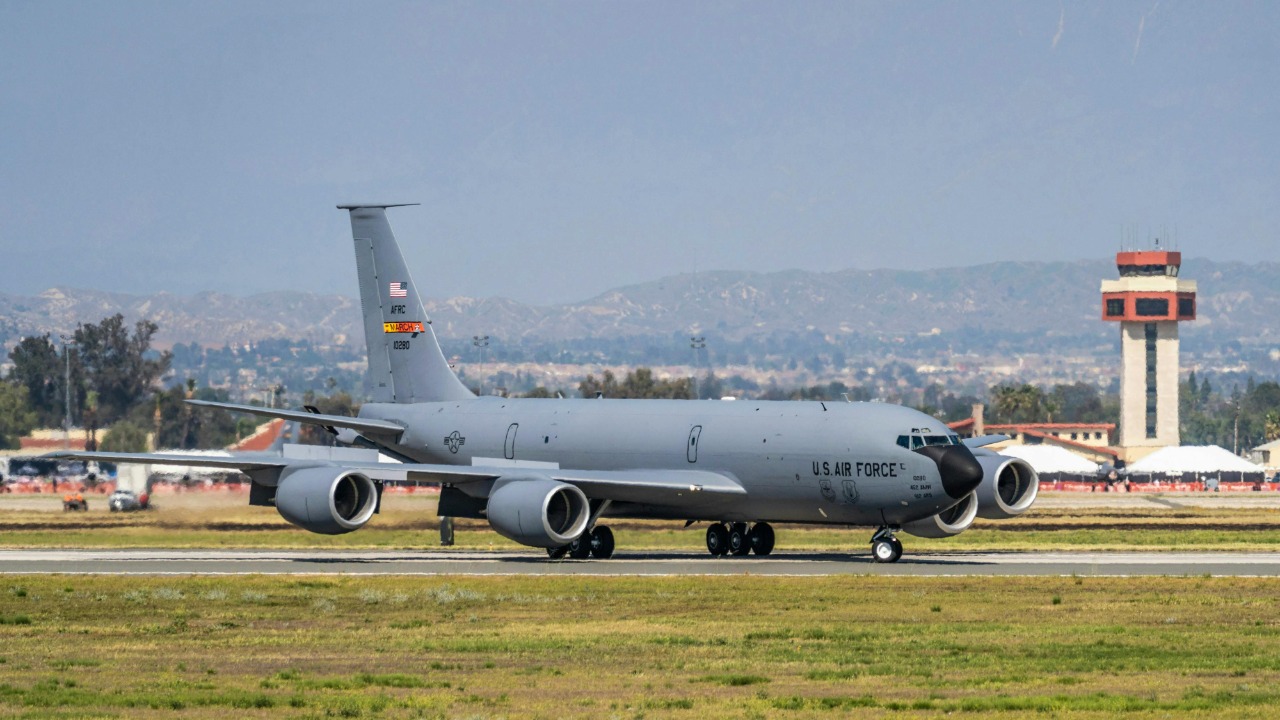
Dozens of KC-135 and KC-46 tankers supported the flights, Air & Space Forces reported in its inside look at the pilots’ experience. The KC-135 Stratotanker is the older of the two types, a Boeing aircraft that has been the backbone of Air Force aerial refueling for decades.
Tankers are what make a 37-hour sortie possible, because the bombers cannot carry enough fuel to cover the distance in a single load. The pilots’ account counts them in dozens, a scale that shows the refueling effort was a mission in its own right. Without the Stratotankers topping off the bombers in flight, the rest of the package could not have reached its targets.
KC-46 Pegasus: The Newer Tanker
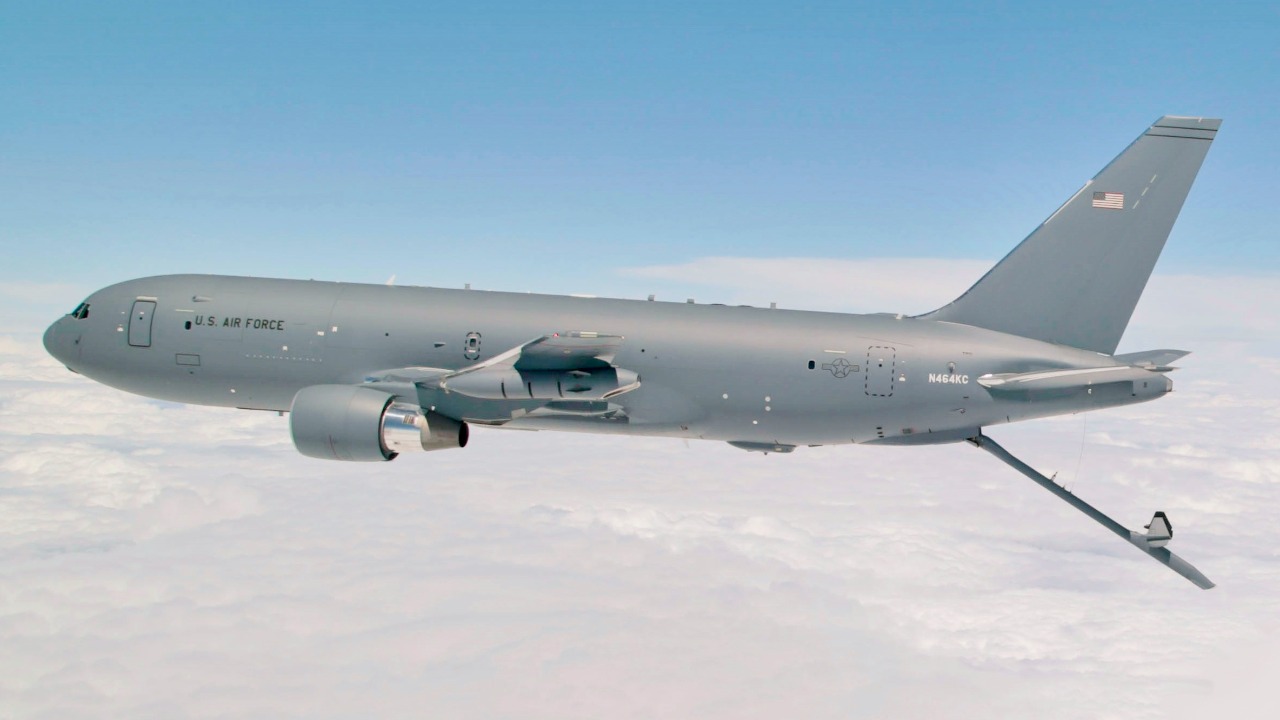
The newer tanker flew alongside the older KC-135s, according to the tanker aircraft list on Wikipedia, and the Air & Space Forces account names KC-46 tankers among the dozens that supported the flights. The KC-46 Pegasus is Boeing’s 767-based refueler, the type the Air Force has been fielding to replace aging tankers.
Seeing both types in the same operation shows a fleet in transition: new aircraft working next to airframes that entered service long ago. For the mission, the practical result was more fuel available at more points along the route. The Pegasus is a modern addition, but this account treats it as one part of a shared tanker effort, not a standalone feature.
F-22 Raptor: Stealth Fighter Escort
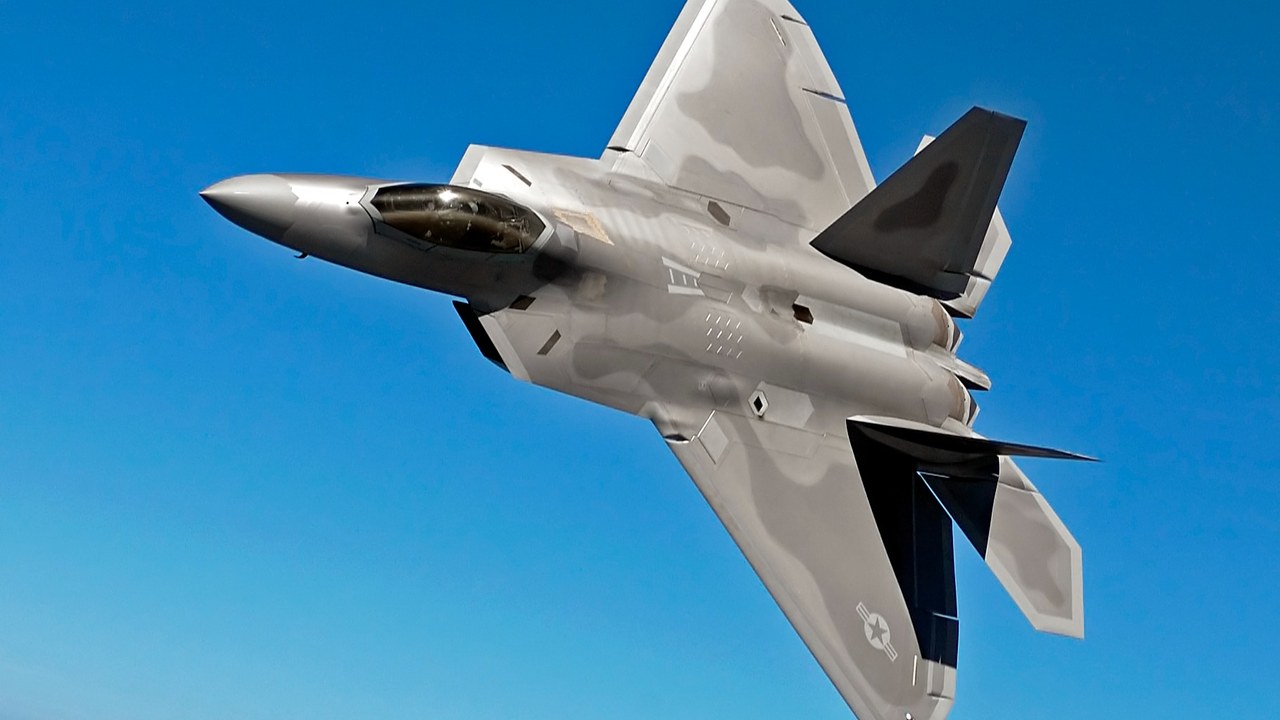
The F-22 Raptor is listed among the escort and support jets in the pilots’ account, and the Wikipedia active Air Force aircraft list confirms the type is part of the current US Air Force inventory. Lockheed Martin’s fifth-generation stealth fighter is built for air-to-air combat.
A fighter like the Raptor matters to a bomber mission because it can protect slow, high-value aircraft from airborne threats. Air & Space Forces reports, however, that the Iranians never fired a shot at the B-2s, so the escort’s defensive role was never tested in this operation. The presence of the type still shows how much cover the planners were prepared to provide.
F-35 Lightning II: Second Stealth Fighter
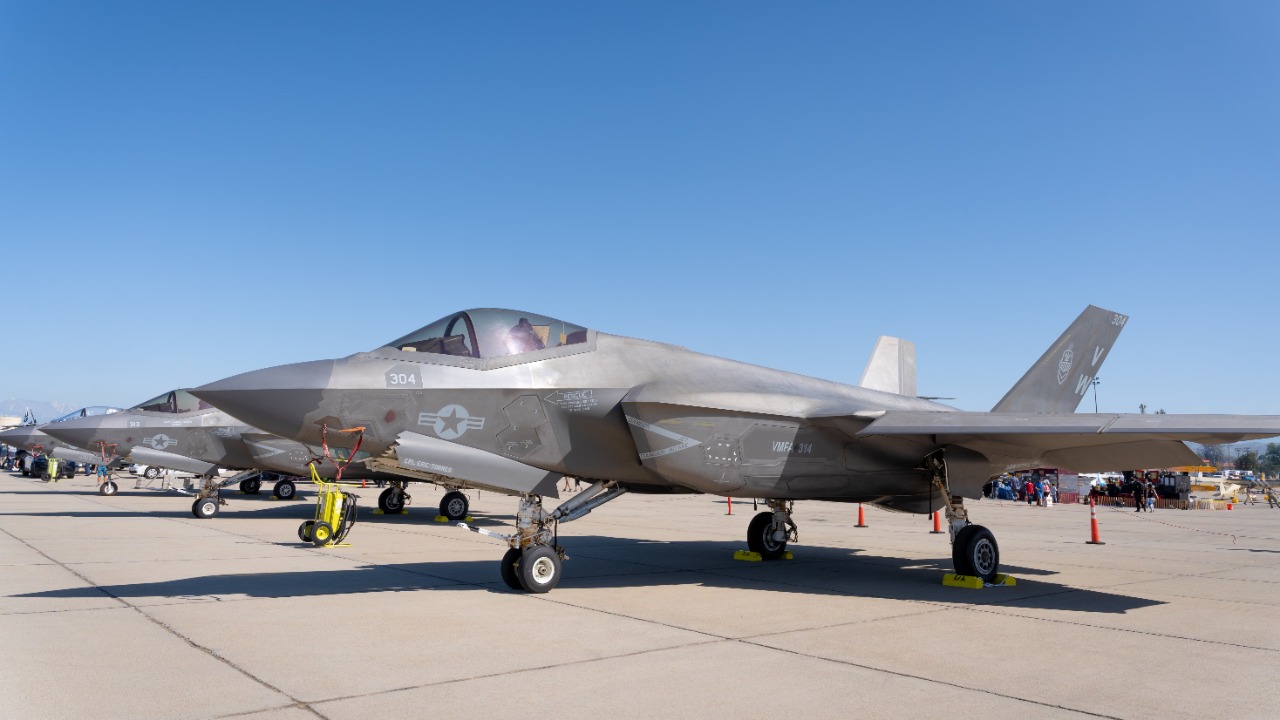
Another stealth fighter named in the support package is the F-35 Lightning II, which appears in the Wikipedia list of USAF aircraft as an active type. Lockheed Martin builds the jet in several variants, and the Air Force flies the conventional-takeoff version.
Pairing the F-35 with the F-22 gives a mixed escort: one type focused on air superiority, the other a multirole aircraft with strong sensors. The pilots’ account does not break down who flew where, so the exact roles are not spelled out here. What the listing does show is that the bombers were surrounded by more than one kind of modern fighter.
F-16 Fighting Falcon: The Fighting Falcon

The F-16 Fighting Falcon is part of the supporting fighter force named in the account, and it appears on the Wikipedia active aircraft roster for the US Air Force. The single-engine jet, originally designed by General Dynamics, has been a staple of American air power for decades.
Unlike the F-22 and F-35, the Falcon is not a stealth aircraft, which makes it a useful reminder that a large strike package mixes old and new. Its role in this operation is not detailed in the pilots’ account. The practical takeaway is that the support force drew on proven, widely available fighters as well as the newest stealth designs.
A-10 Thunderbolt II: The Warthog

The A-10 Thunderbolt II, known as the Warthog, is also named among the support aircraft, and the Wikipedia USAF aircraft inventory page lists it as an active Air Force type. Built by Fairchild Republic, the jet is best known for close air support and its heavy nose-mounted cannon.
Its appearance in the package is the least intuitive of the list, since the A-10 is a low-speed attack aircraft rather than an escort for stealth bombers. The pilots’ account does not explain its specific job here, so no role should be assumed. Even so, its inclusion shows how varied the aircraft were that supported the B-2s on the long flight.
Tomahawk cruise missile: Missiles From Beneath the Sea
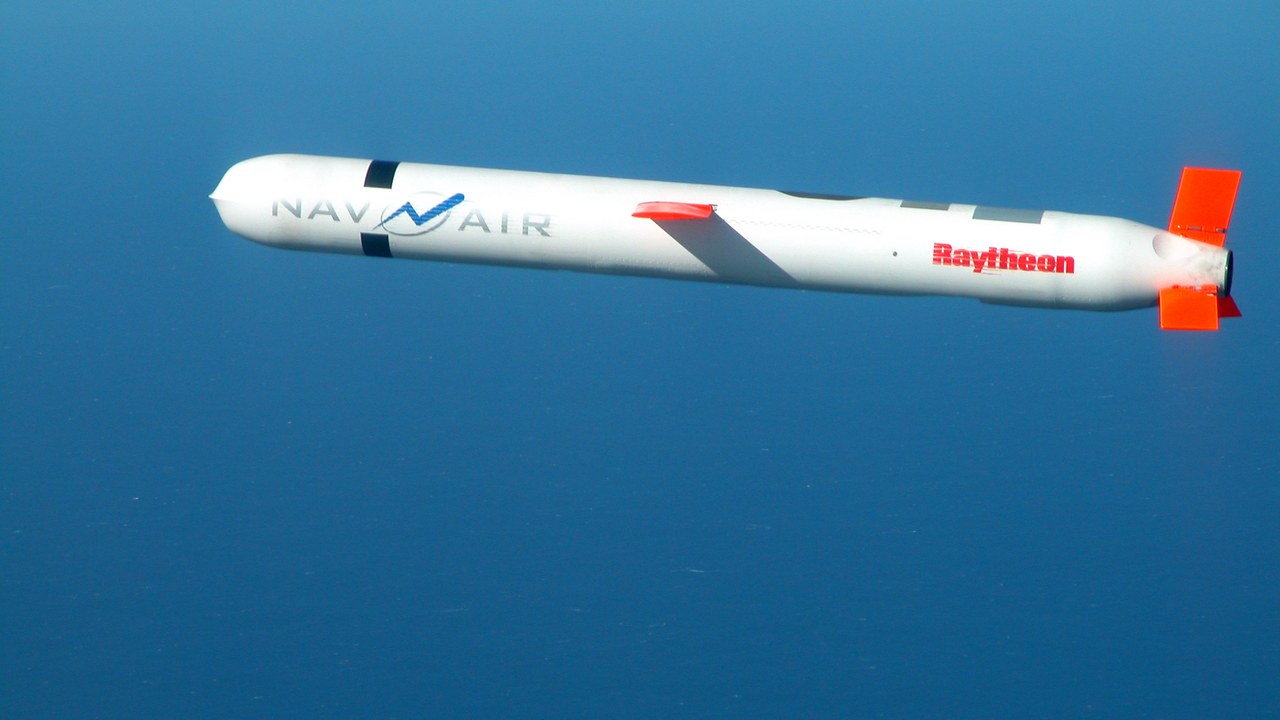
At about 5 p.m. Eastern time on June 21, a US Navy nuclear-powered submarine launched over two dozen Tomahawk land attack cruise missiles into Iran, striking infrastructure sites in Isfahan, according to Defense News. Shortly after the Tomahawks were fired, fighter aircraft and the B-2 bombers swept over Iran.
Navy Secretary John Phelan confirmed to a Senate panel that the launch platform was an Ohio-class guided-missile submarine, one of four boats converted from ballistic-missile duty. Each can carry up to 154 Tomahawks. Defense News notes that stealth, more than raw firepower, made the submarine a fit for a strike built on complete surprise.
Natanz: The Second Target
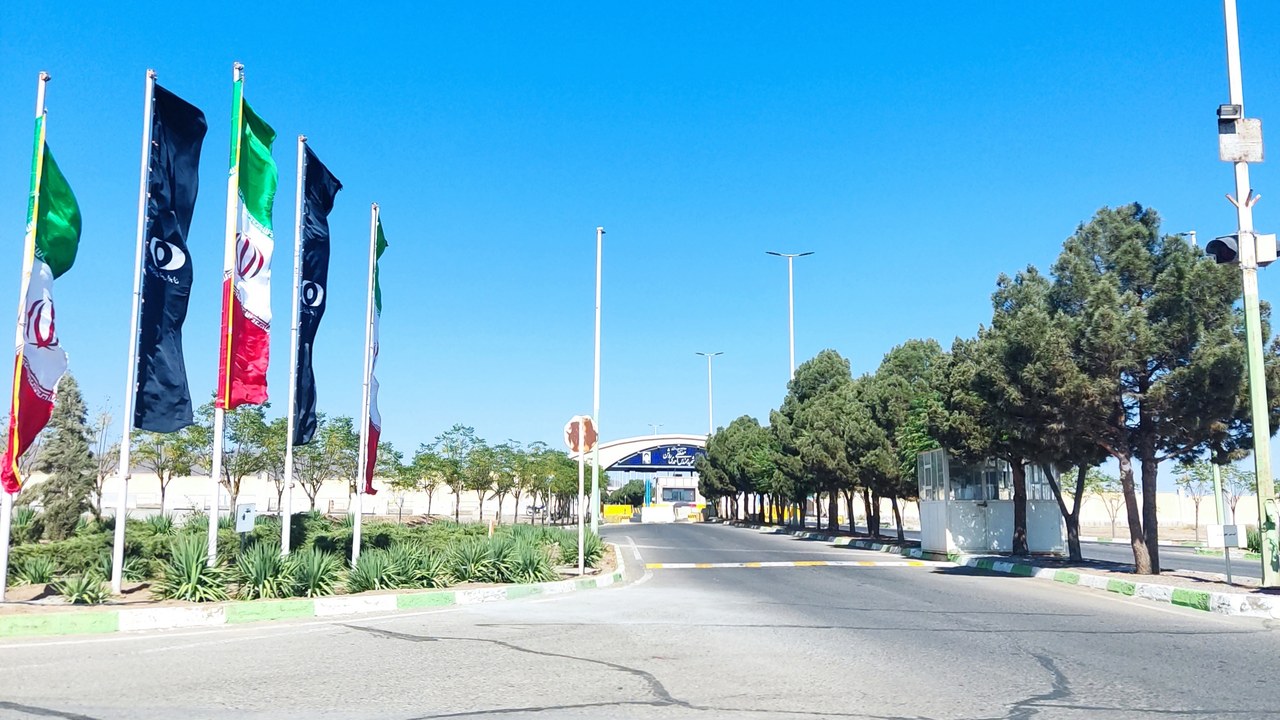
One B-2 went to Natanz, another Iranian nuclear site, and the pilots account in Air & Space Forces says the Iranians never fired a shot at the B-2s. That detail comes from the account published on November 18, 2026, and it describes the strike as an unopposed flight over hostile airspace.
The lack of fire is a notable data point for anyone assessing stealth bombers, since the pilots describe a 37-hour endurance test rather than a running fight. It does not mean the mission was easy; the strain came from distance and duration. Natanz, with a single bomber assigned, shows how the seven aircraft were split between the two sites.
More from Morning Overview
- Refiners are making less gasoline and more diesel, and here’s why
- The NSA warns phone owners to switch off Bluetooth whenever they aren’t using it
- A flight school faces a $2,388,500 FAA fine for flying an unairworthy plane
- Ocean mud suggests Cascadia and the San Andreas fault have broken within hours of each other
