
The B-52 first flew in 1952, and the Air Force plans to keep it flying for decades more. New engines, a new radar and new weapons are meant to carry the bomber through the 2050s. Here is how the Stratofortress got here, from its first flight to the upgrades now underway.
Read next on Morning Overview: Cadillac cut the price of its cheapest EV, which goes up to 317 miles on a charge
Boeing B-52 Stratofortress: Still the Backbone
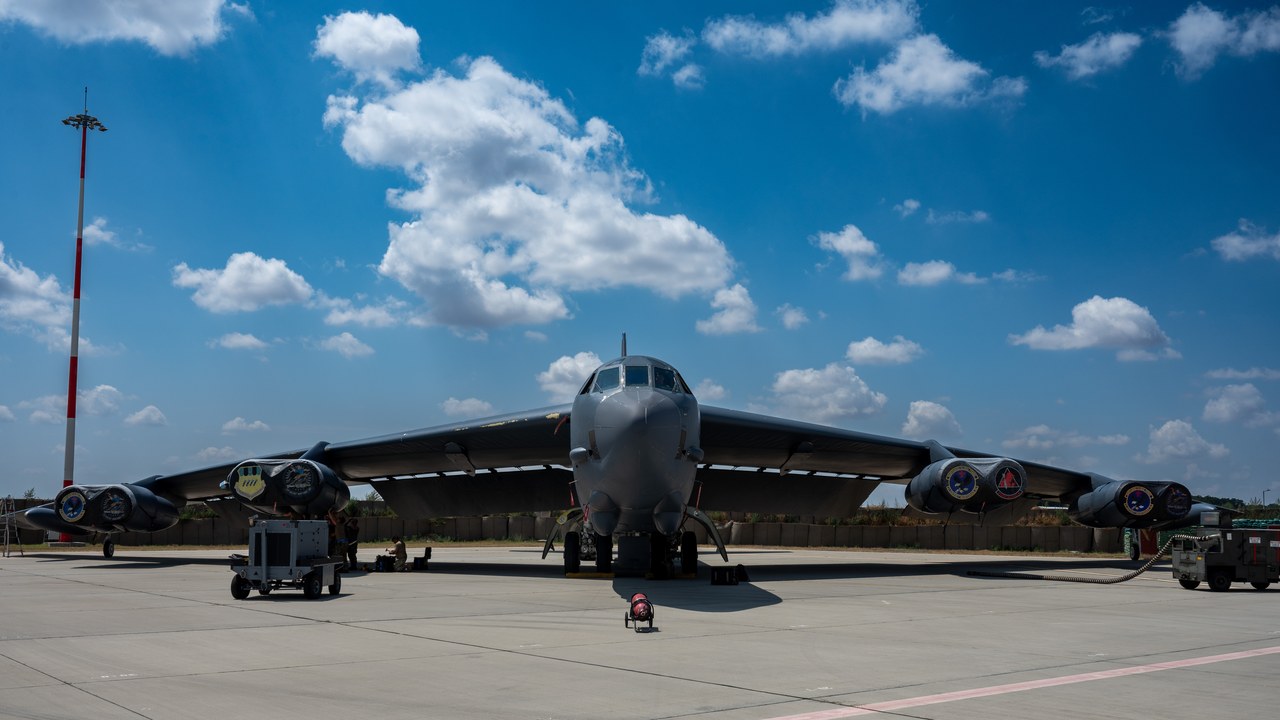
The B-52H is a long-range nuclear and conventional bomber and the Air Force’s primary standoff cruise missile carrier, according to Air & Space Forces Magazine. Boeing built 744 B-52s in all, ending with the H model, and 76 remain in the inventory.
Those bombers fly from Barksdale Air Force Base in Louisiana, Edwards Air Force Base in California and Minot Air Force Base in North Dakota. The aircraft is now undergoing major upgrades to replace aging engines, radar, communications and weapons interfaces, with the goal of extending the fleet through the 2050s.
YB-52: The First Flight
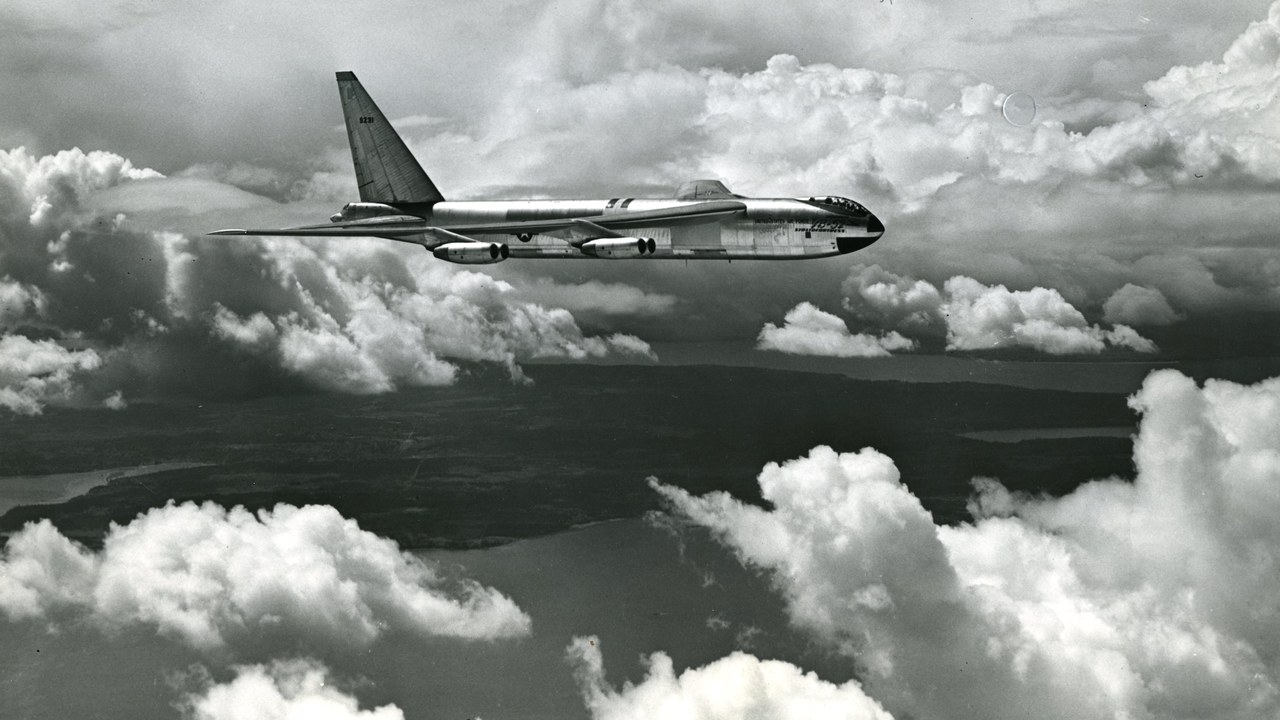
The story began on April 15, 1952, when the YB-52 prototype made its first flight with “Tex” Johnston as the pilot. The design had evolved from a straight-wing aircraft with six turboprop engines into a swept-wing bomber with eight jet engines.
That first trip was a 2-hour, 21-minute proving flight from Boeing Field, near Seattle, to Larson Air Force Base, with Boeing test pilot Johnston and Air Force Lieutenant Colonel Guy M. Townsend aboard. The testing went smoothly enough that the Air Force increased its order to 282 B-52s.
Moses Lake, Washington: The Test Field in the Desert

Larson Air Force Base, near Moses Lake in central Washington, became the bomber’s proving ground. Jet noise led to curfews for engine tests in Seattle, so new aircraft were ferried 150 miles east on their maiden flights to Larson, where they were fully tested.
In 1957, Boeing moved all production to its Wichita plant, freeing Seattle to build airliners, and the line ended in 1962 with the B-52H. In all, Boeing built 742 production aircraft plus the two original prototypes.
Andersen Air Force Base: Christmas Over Hanoi
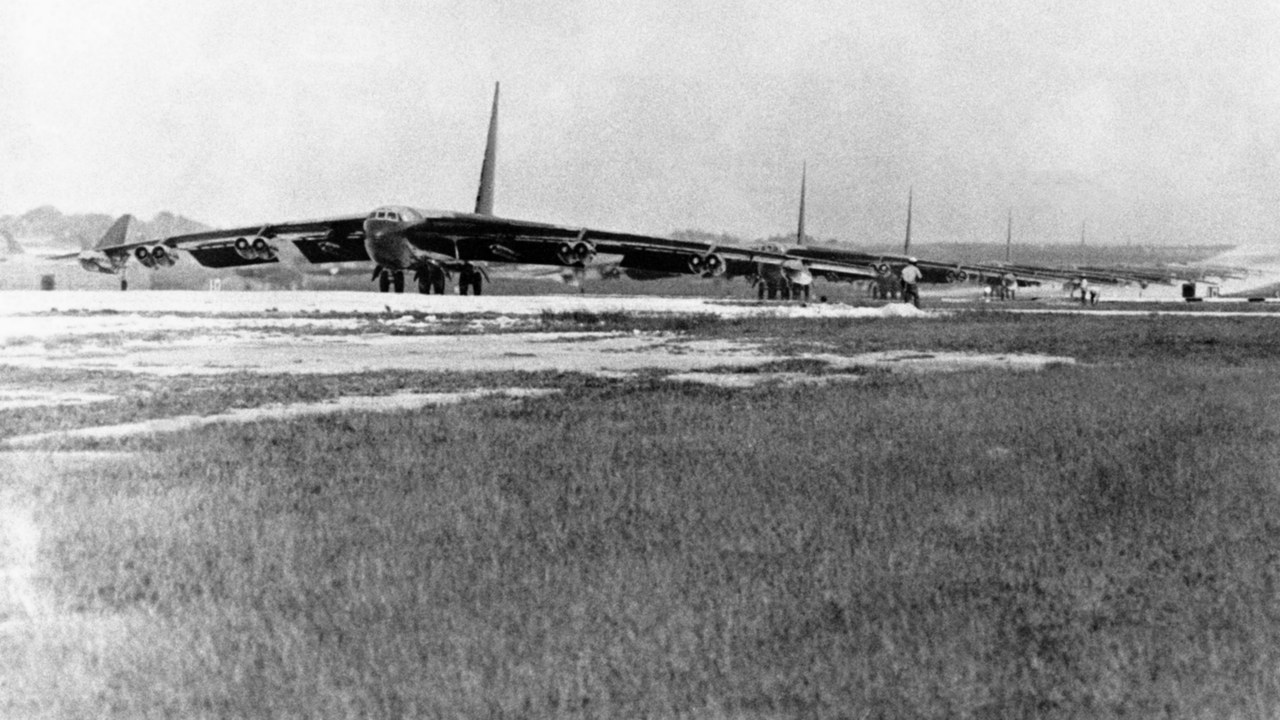
Vietnam made the B-52 a household name. Its biggest effort was Operation Linebacker II, from December 18 to 29, 1972, when B-52s flew 729 sorties and dropped 15,237 tons of bombs on Hanoi, Haiphong and other targets in North Vietnam.
The cost was high. Fifteen B-52s were shot down in those 12 days and 25 crewmen were killed. Over the whole war, 31 B-52s were lost, including ten shot down over North Vietnam. Guam’s Andersen Air Force Base was central from the start: the first B-52 combat mission, on June 18, 1965, returned there, and modified B-52Ds flew 10- to 12-hour missions from it beginning in 1966.
Barksdale Air Force Base: The Longest Raid
On January 16, 1991, a flight of B-52Gs took off from Barksdale Air Force Base in Louisiana, refueled in the air, struck targets in Iraq and flew home, a round trip of 35 hours and 14,000 miles.
It set a record at the time for the longest-distance combat mission. Those seven bombers flew the first combat sorties of Operation Desert Storm, firing 35 AGM-86C conventional cruise missiles and destroying 85 to 95 percent of their targets. Barksdale remains one of the bomber’s homes today, along with Minot in North Dakota.
Minot Air Force Base: Bomber Base on the Prairie
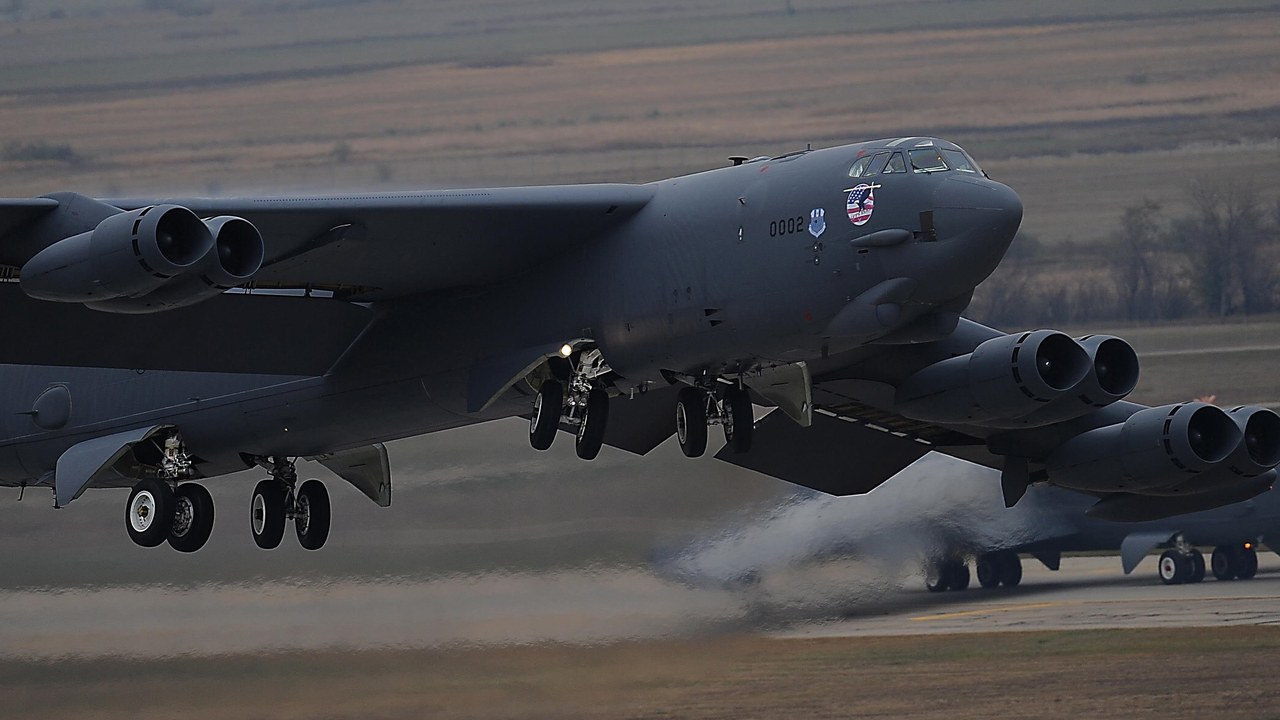
Thirteen miles north of the city of Minot, North Dakota, Minot Air Force Base is home to the 5th Bomb Wing and the 91st Missile Wing, both part of Air Force Global Strike Command.
The base opened on January 10, 1957, and became a major Strategic Air Command base in the early 1960s, with both nuclear-armed missiles and bombers. When that command was inactivated in 1992, the missiles and bombers were split between other commands, before both moved to Air Force Global Strike Command in 2009 and 2010.
Pratt & Whitney TF33: The Old Engines
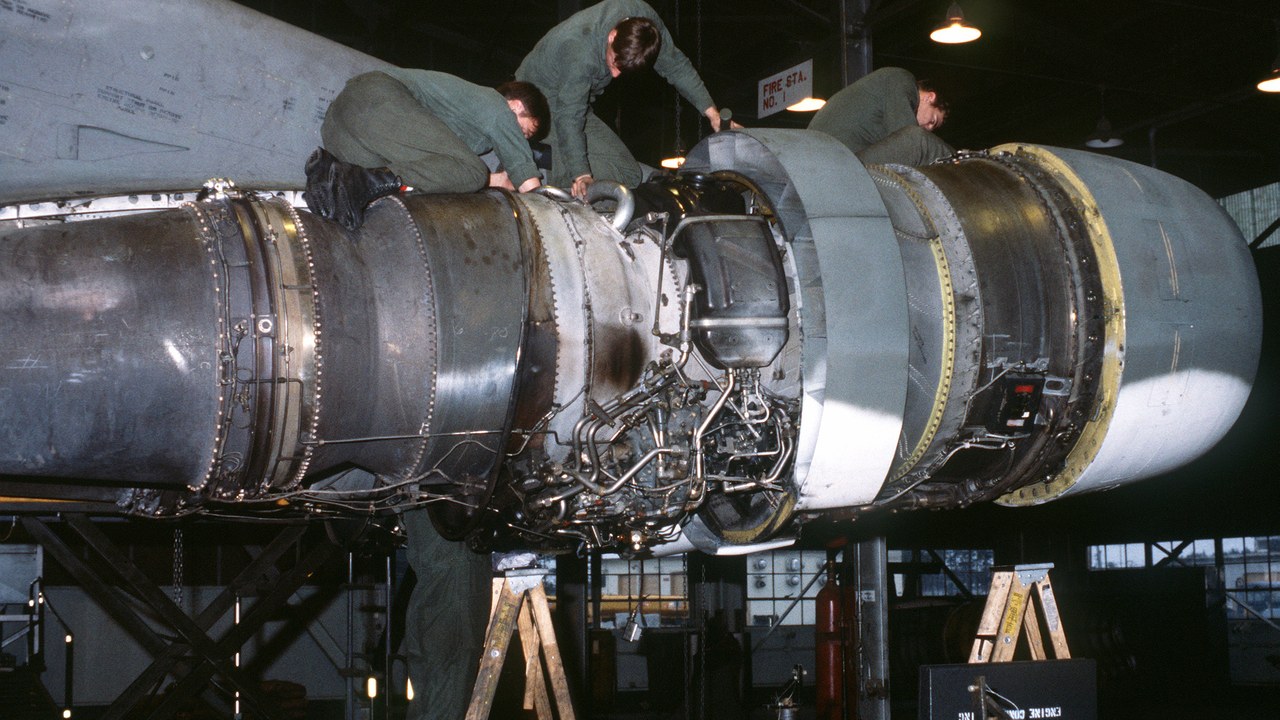
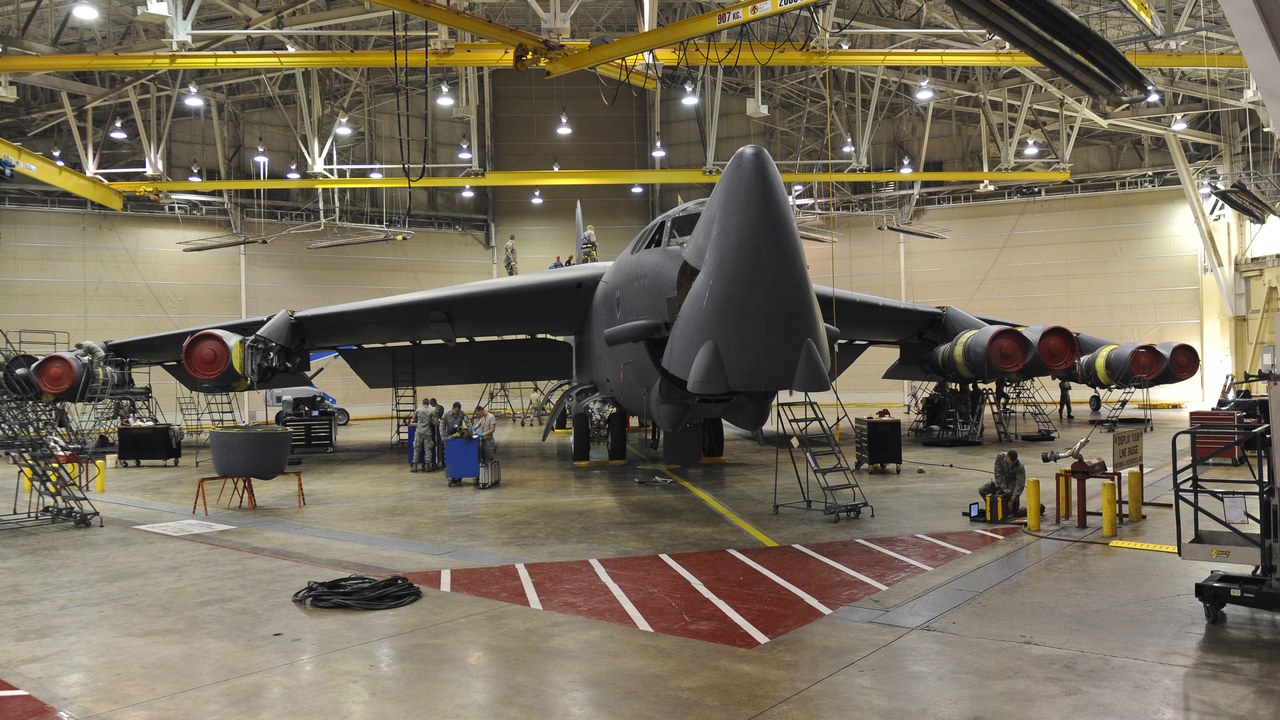
Every B-52H still flies on eight Pratt & Whitney TF33-P-3 turbofans, each producing 17,000 pounds of thrust. They give the bomber a speed of 650 mph, a range of 8,800 miles without refueling and a ceiling of 50,000 feet.
The airframe is big to match: a 185-foot wingspan, a length of 159.3 feet and a maximum takeoff weight of 488,000 pounds. The H model first flew on July 20, 1960, and its deliveries ran from 1961 to 1962. Those TF33s are the main thing the Air Force now wants to replace.
Rolls-Royce F130: The New Engines
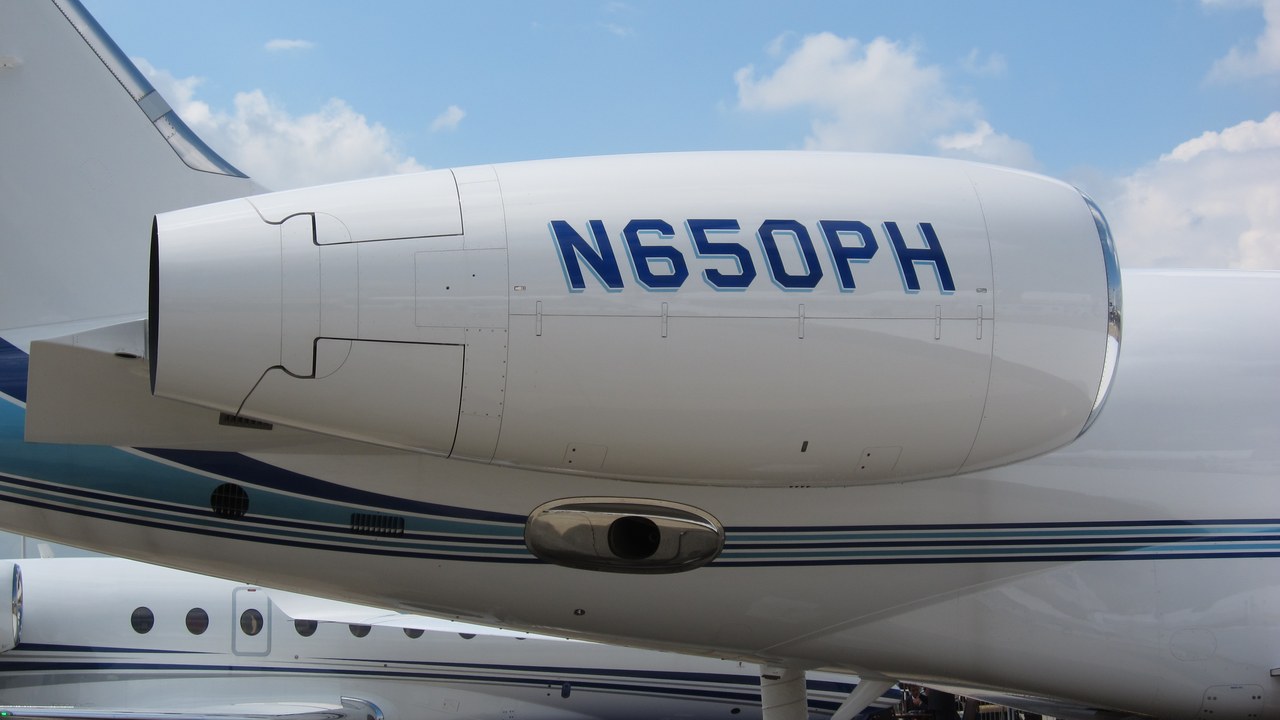
The replacement is the Rolls-Royce F130, a military version of the BR725 business-jet engine. The Air Force will purchase 650 engines, 608 direct replacements and 42 spares, for its fleet of 76 B-52Hs in a $2.6 billion deal, and upgraded aircraft will be called B-52J.
The engines will be built at Rolls-Royce North America’s plant in Indianapolis. The F130 passed its critical design review in December 2024. Wind tunnel testing then exposed a problem with the engine pod inlet design, and Boeing completed a digital redesign that solved the problem in computer simulations.
AGM-158 JASSM: Twice the Missiles
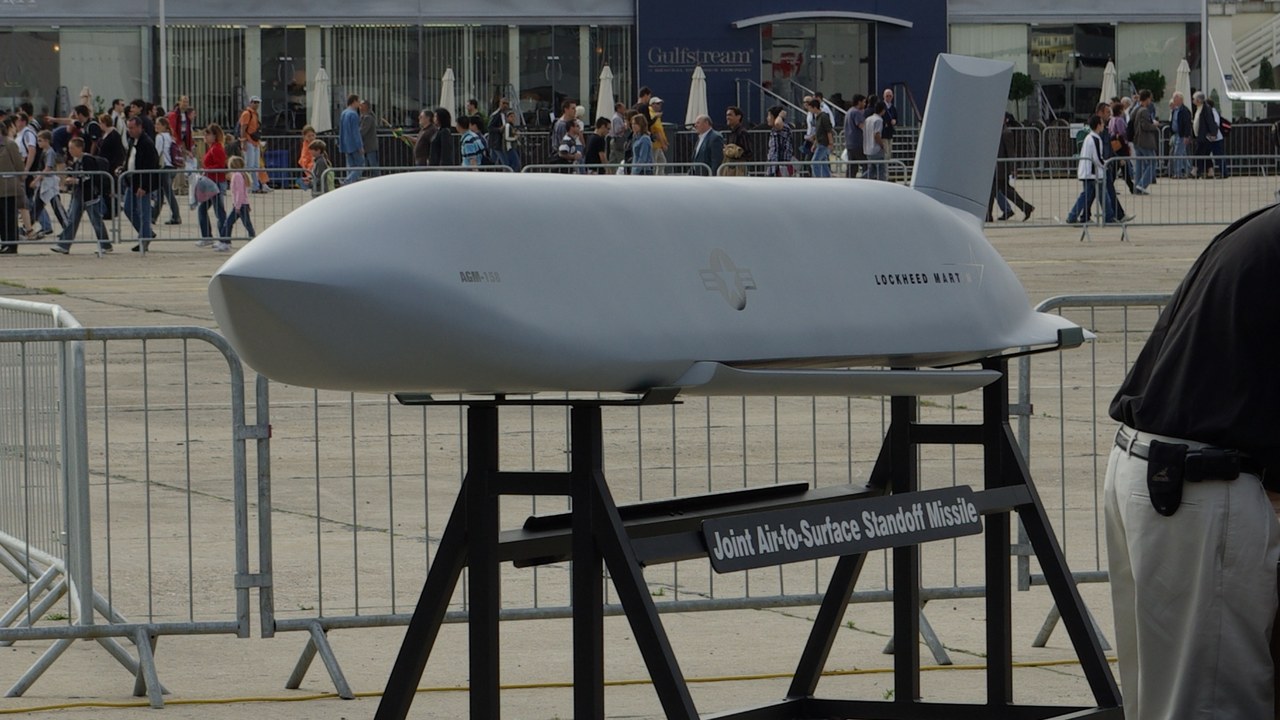
Inside the bomb bay, the Internal Weapons Bay Upgrade converts launchers designed for an older cruise missile to carry the modern AGM-158B JASSM-ER. Air & Space Forces Magazine says this nearly doubles the B-52’s payload of JASSM, JDAM and MALD weapons and reduces drag for longer range.
The bomber is also getting a new AESA radar, though the B-52J’s initial operational capability has slipped three years, to 2033, because of the cost and complexity of integrating the engines and radar. Fleetwide retrofits are expected to be finished by 2038, with two B-52s retrofitted first for flight testing.
AGM-86 ALCM: The Nuclear Mission
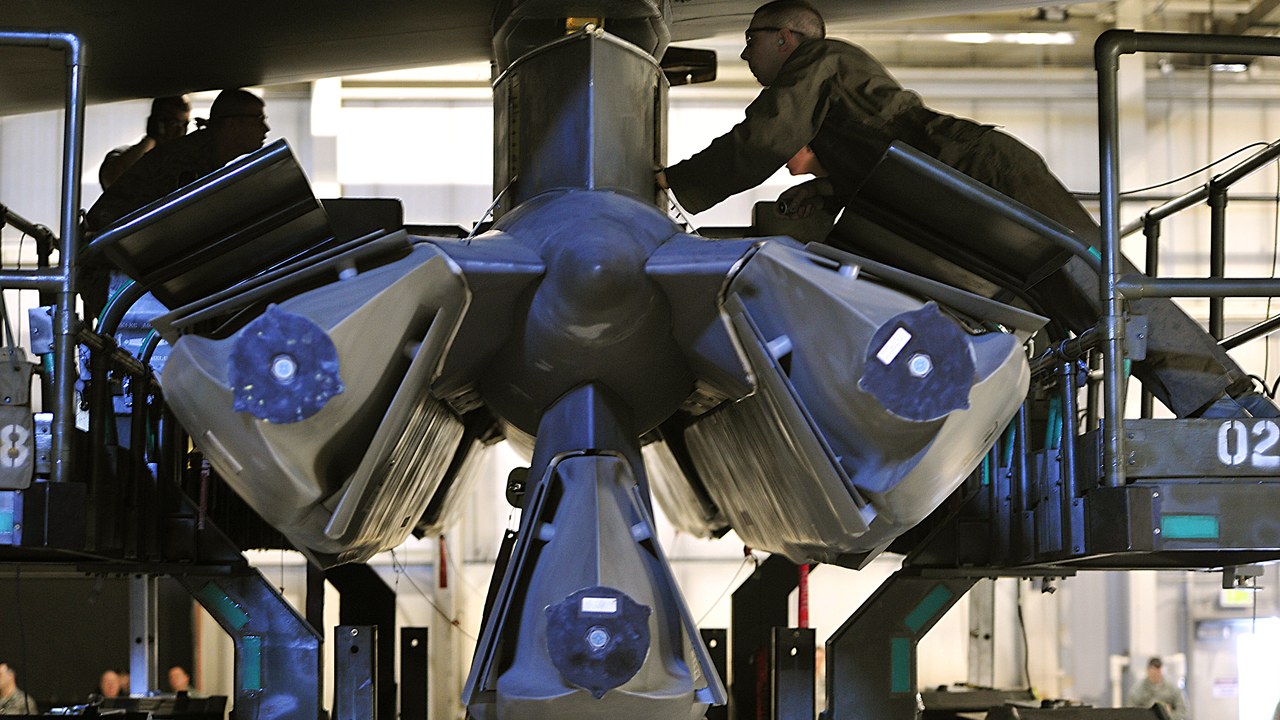
The B-52 still carries the nuclear deterrent. Its nuclear load is 12 AGM-86B air-launched cruise missiles externally and eight cruise missiles or gravity weapons internally, according to Air & Space Forces Magazine.
Its replacement for that missile is already in testing. Ongoing flight tests of the Long-Range Standoff cruise missile will cement the B-52’s nuclear role, potentially through the 2050s. The crew of five includes two pilots, a navigator, a radar navigator and an electronic warfare officer, though the radar navigator position will be eliminated on the B-52J.
Northrop Grumman B-21 Raider: The Stealthy Partner
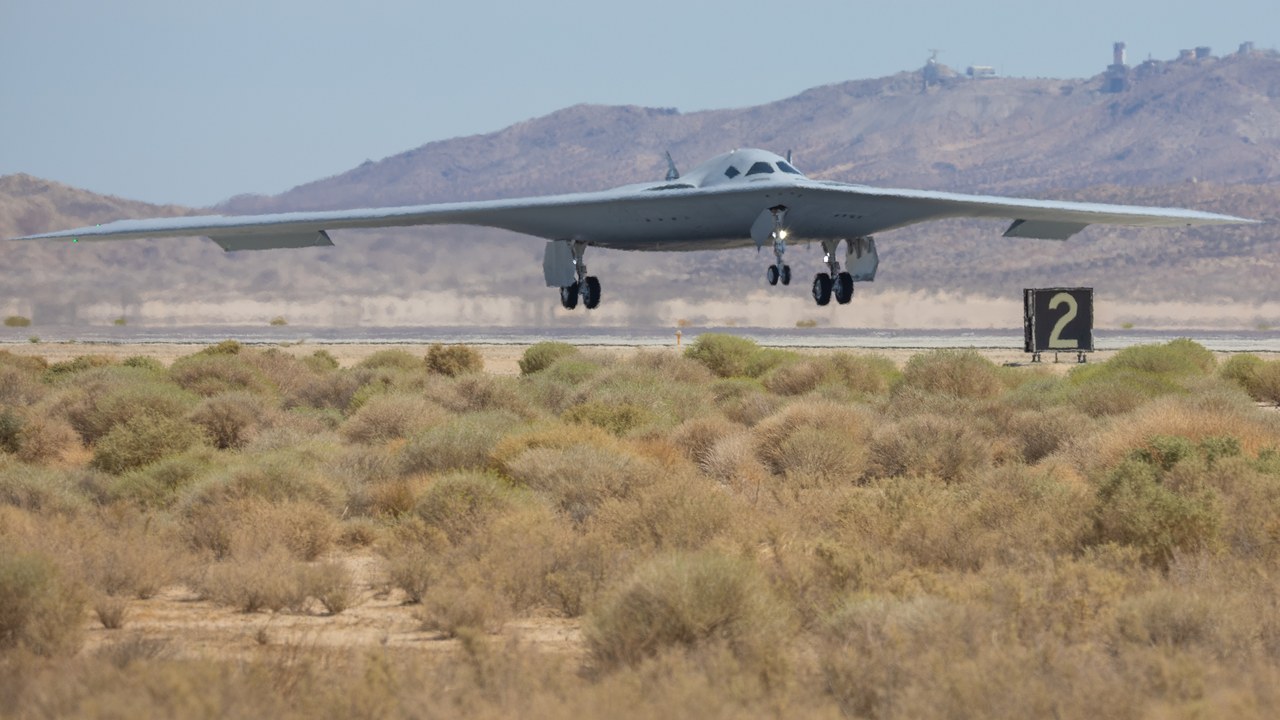
The B-52 will not fly alone. The Northrop Grumman B-21 Raider, which first flew on November 10, 2023, is a stealth bomber being developed to complement the B-1 Lancer and B-2 Spirit and replace them by 2040.
After that, it could possibly replace the 1950s B-52 as well. The B-21 is named after the Doolittle Raiders of World War II and is a flying wing, similar to the B-2 but smaller and lighter. It is designed primarily for operations in the Indo-Pacific and will carry the same Long-Range Standoff nuclear cruise missile.
More from Morning Overview
- 11 engines built to run well past 200,000 miles
- Two Kentucky residents died when a small plane crashed at Missouri’s Lake of the Ozarks, and the NTSB is investigating
- A handful of car transmissions are so tough that mechanics say they almost never die
- Melting permafrost is setting off a newly identified kind of catastrophic landslide, scientists say
