
For more than four decades, the United States and the Soviet Union raced to build faster, higher-flying and deadlier fighters. Many of those jets fought in Korea, Vietnam and the Middle East, and some are still flying. Here are seventeen fighter jets that flew the Cold War’s front lines, from the swept-wing MiG-15 to the agile Su-27.
Read next on Morning Overview: Over 20 trillion gallons of rain fell on the Four Corners states and Nevada in two weeks
1. Mikoyan-Gurevich MiG-15: The Shock of MiG Alley

The MiG-15 was the first Soviet fighter with swept wings, letting the improved MiG-15bis reach high transonic speeds of 611 mph. It first flew in 1947 and by 1950 was fighting U.S. aircraft over Korea.
Dogfights clustered near the Yalu River in an area known as “MiG Alley.” The MiG showed superior maneuverability over the U.S. fighters sent early in the war, though it ultimately proved inferior to the F-86 Sabre.
2. North American F-86 Sabre: The 8-to-1 Sabre

The F-86 Sabre was the first U.S. fighter jet to employ the swept-wing design, borrowed from German engineering after World War II. Its 685 mph top speed was a world record in 1948.
More than 5,500 were built and flown by over 20 nations. In Korea, SlashGear reports, Sabres shot down 792 MiG-15s while losing about 100, an 8-to-1 ratio.
3. North American F-100 Super Sabre: Supersonic in Level Flight

The North American F-100 Super Sabre was the first of the Century Series fighters and the first USAF fighter capable of supersonic speed in level flight. It was conceived in the late 1940s as a successor to the F-86.
Many F-100s saw combat in Vietnam, where the type served as the Air Force’s primary close air support aircraft over South Vietnam. It was later replaced by the A-7 Corsair II, F-111 and F-4 Phantom II.
4. Vought F-8 Crusader: The Last of the Gunfighters
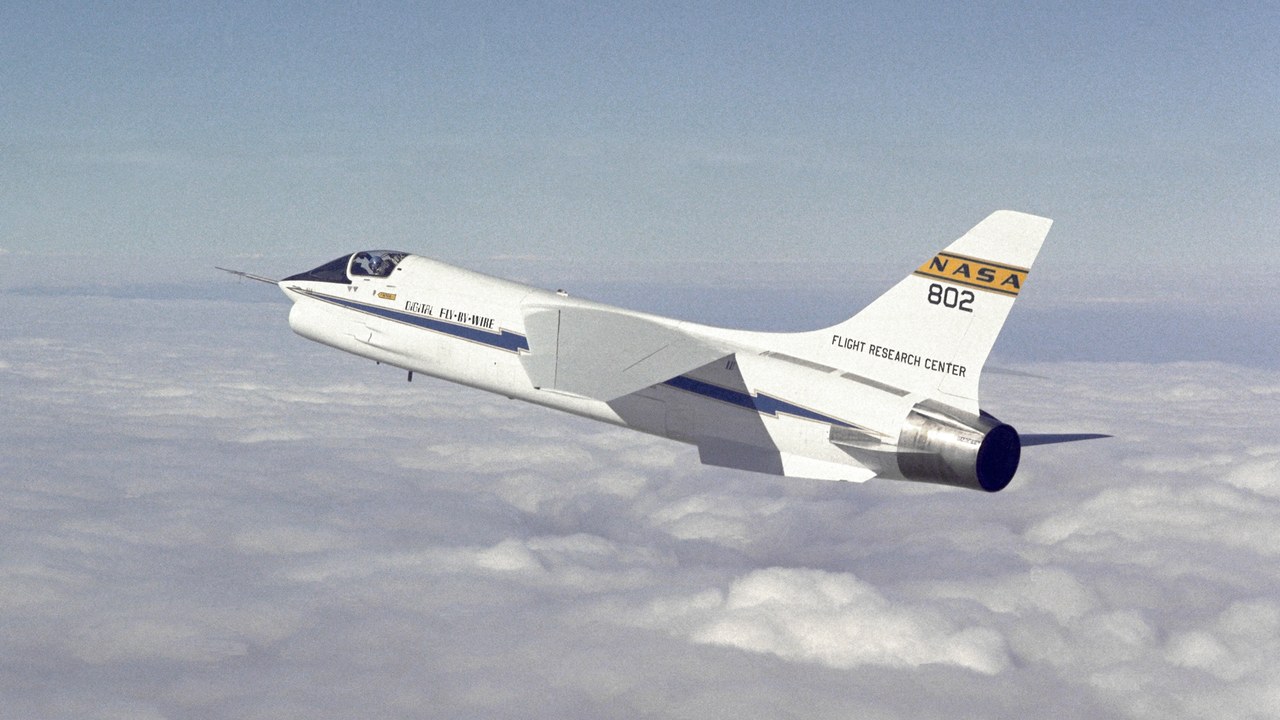
The Vought F-8 Crusader was a supersonic carrier-based fighter for the U.S. Navy. It was the last American fighter with guns as the primary weapon, earning it the title “The Last of the Gunfighters.”
Development began after the Navy issued a requirement for a new fighter in September 1952. Vought’s design team, led by John Russell Clark, answered with the V-383, a relatively unorthodox fighter for its day.
5. Lockheed F-104 Starfighter: The Record Breaker

The Lockheed F-104 Starfighter, designed by Kelly Johnson, established world records for airspeed, altitude and time-to-climb in 1958, the first aircraft to hold all three at once.
It had a poor safety record, especially in West German service. The Luftwaffe lost 292 of 916 aircraft and 116 pilots between 1961 and 1989, and the German public dubbed it the “widowmaker.”
6. Republic F-105 Thunderchief: The Thud
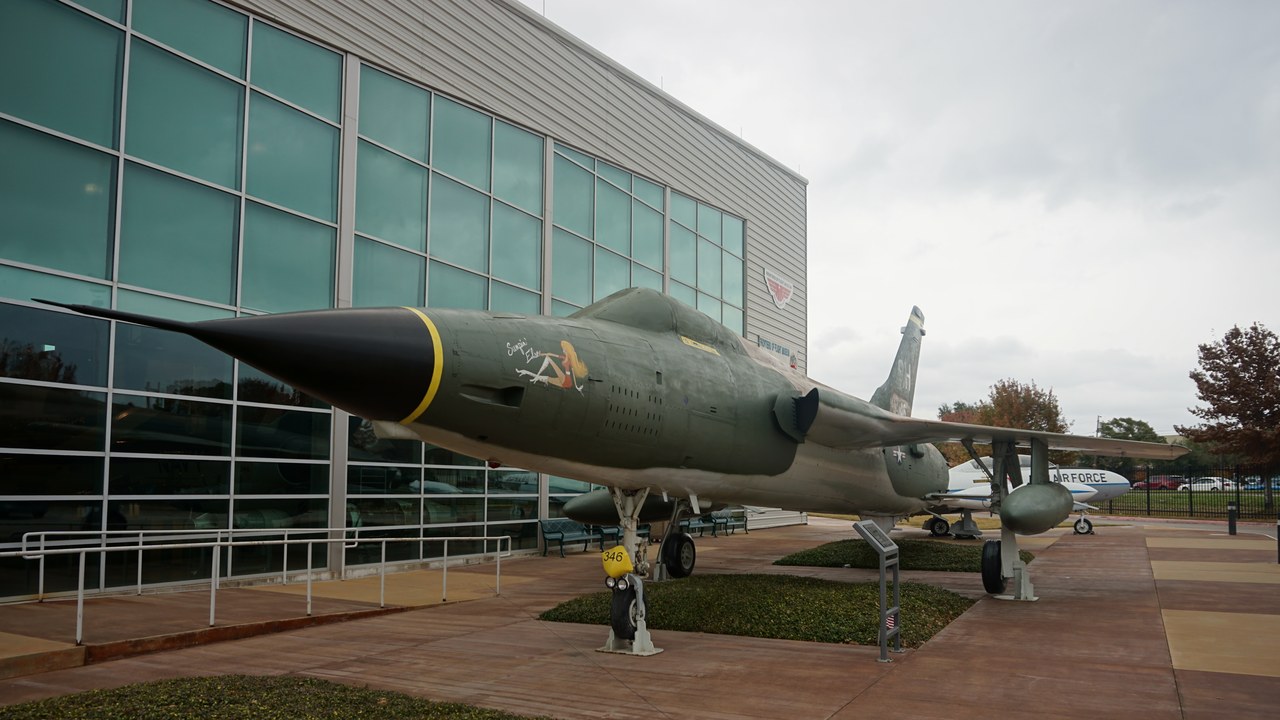
The Republic F-105 Thunderchief, known to its crews as the “Thud,” was capable of Mach 2 and conducted most strike bombing missions in the early years of the Vietnam War.
Originally designed as a single-seat nuclear attack aircraft, it later gained a two-seat Wild Weasel version for hunting surface-to-air missile sites. It served with the U.S. Air Force from 1958 to 1984.
7. Convair F-106 Delta Dart: The Ultimate Interceptor
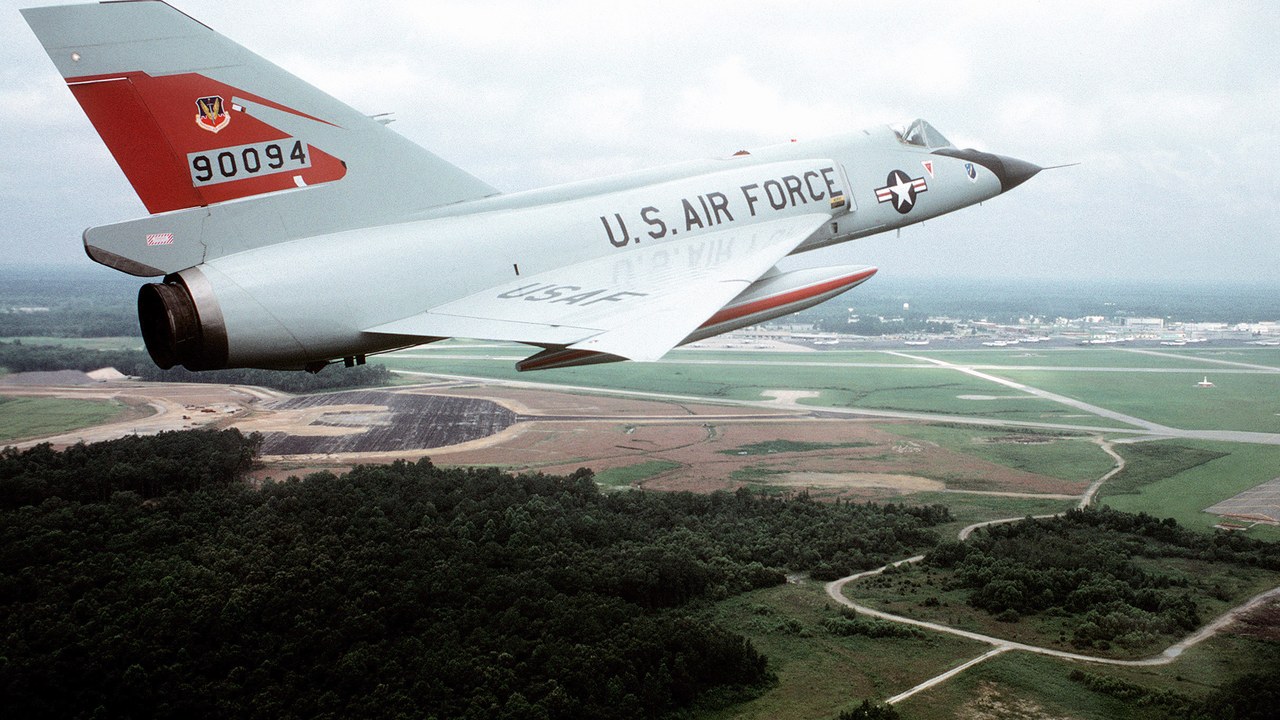
Developed from the F-102 Delta Dagger, the F-106 Delta Dart became operational in June 1959. It was the U.S. Air Force’s primary all-weather interceptor through much of the Cold War.
It also turned out to be the last specialist interceptor the service has used to date. Its top speed was about 1,525 mph at 40,000 feet, and 342 were built, including prototypes.
8. Dassault Mirage III: Europe’s First Mach 2 Jet

France’s Dassault Mirage III was the first Western European combat aircraft to exceed Mach 2 in level flight, achieving it on 24 October 1958. It answered a 1952 French call for a lightweight all-weather interceptor.
Testing of the earlier Mirage I in 1954 reached Mach 1.6, but a larger aircraft was needed to carry the equipment and weapons. The bigger Mirage III became the result.
9. English Electric Lightning: Saddled to a Skyrocket
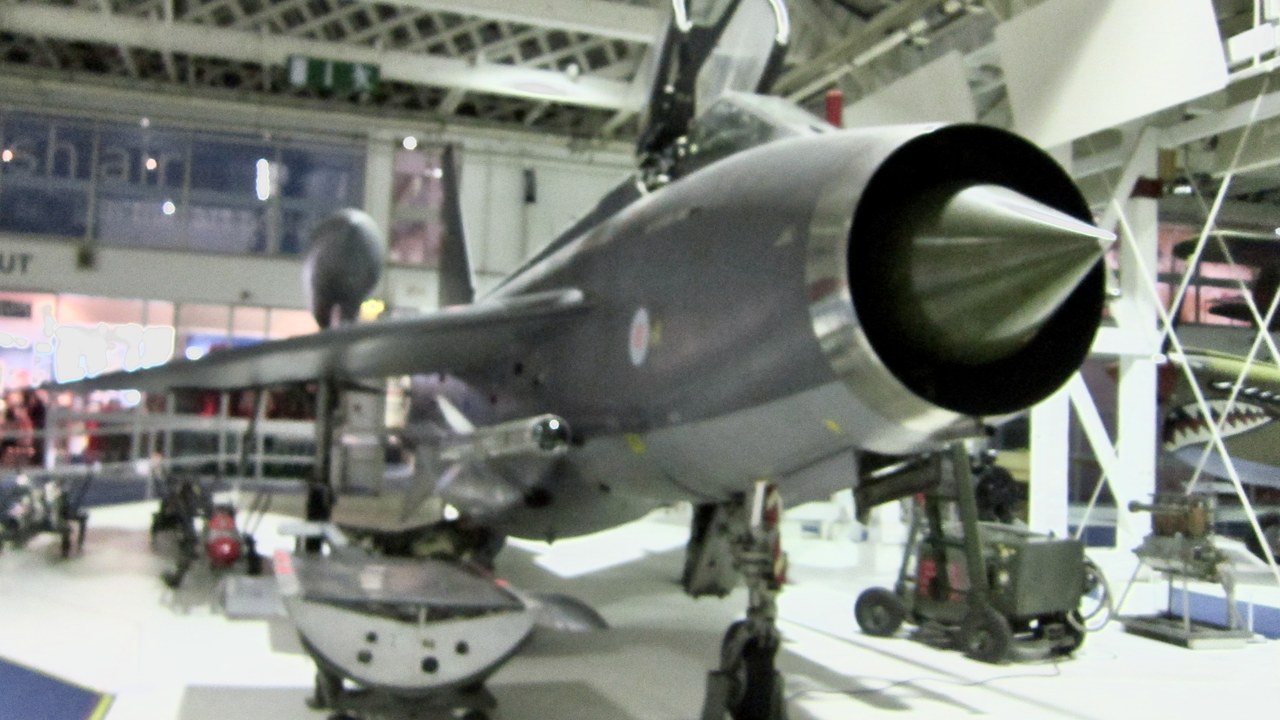
The English Electric Lightning was a British interceptor capable of a top speed above Mach 2, serving from 1960 to 1988. Its two Rolls-Royce Avon engines were stacked one above the other inside the fuselage.
The jet had an exceptional rate of climb, ceiling and speed, and pilots described flying it as “being saddled to a skyrocket.” It flew with the RAF and the air forces of Kuwait and Saudi Arabia.
10. Mikoyan-Gurevich MiG-21: The Most-Built Fighter

Production of the MiG-21 began in 1959, and it remains the most-produced fighter jet of all time, with 10,645 units, according to SlashGear. Easy to build and extremely maneuverable, it carried the NATO codename “Fishbed.”
Its delta wings gave room for weapons under the wing, and it carried a twin-barrel 23 mm cannon. In Vietnam it was often more agile than the American F-4s and F-105s it fought, and variants still fly today.
11. Saab 35 Draken: The Swedish Dragon

Sweden’s Saab 35 Draken entered service with frontline squadrons of the Swedish Air Force on 8 March 1960. It featured an innovative double-delta wing, first tested on a sub-scale aircraft, the Saab 210.
Though designed as an interceptor, it was considered a very capable dogfighter for its era. The Draken was an effective supersonic fighter of the Cold War, but it never saw combat.
12. McDonnell Douglas F-4 Phantom II: The Do-Everything Phantom

The F-4 Phantom II entered service in 1961 and could top twice the speed of sound. As a prototype in 1959, it broke 16 records, including climbing past 98,000 feet.
It handled both air-to-air and ground attack missions in Vietnam and later in Desert Storm, and the Blue Angels and Thunderbirds flew it in air shows. It could carry up to 16,000 pounds of external ordnance.
13. Mikoyan-Gurevich MiG-25: The Myth of the Foxbat
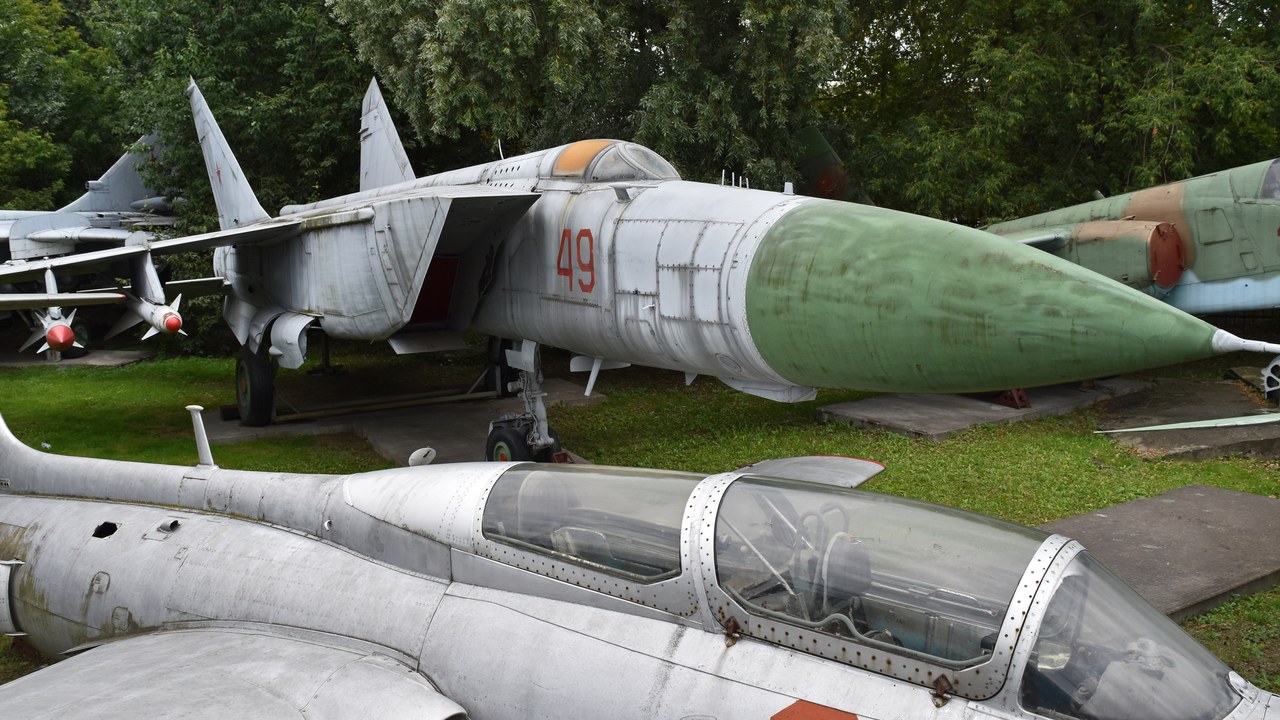
When Moscow revealed the MiG-25 in 1967, it appeared to beat every American fighter in speed, ceiling and endurance. The West worried for years about what it could do.
The truth arrived on September 6, 1976, when Lt. Viktor Belenko defected and landed one in Japan. Analysts found a hand-welded, mostly nickel-steel interceptor with vacuum-tube electronics, limited to Mach 2.83.
14. Grumman F-14 Tomcat: The Swing-Wing Tomcat
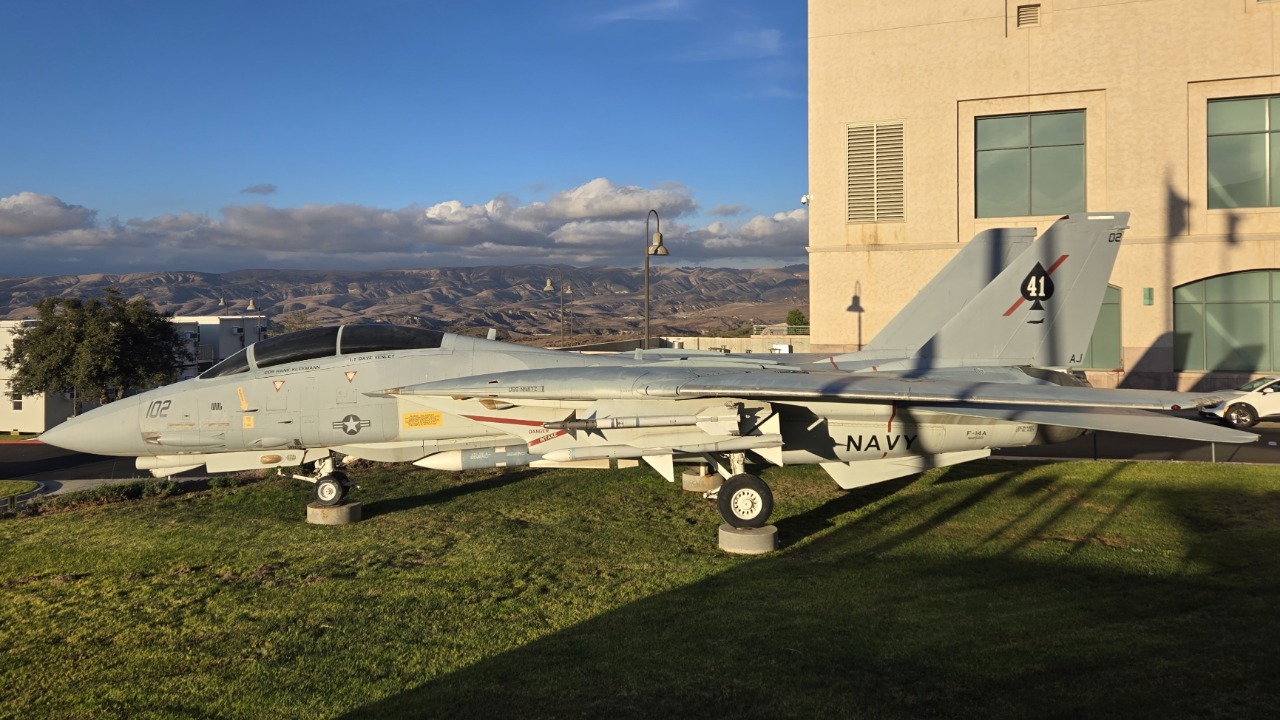
The Grumman F-14 Tomcat is a carrier-capable, twin-engine, variable-sweep wing fighter built for the U.S. Navy. It was the first of the American “Teen Series” fighters shaped by combat lessons against nimble MiGs over Vietnam.
It grew out of the Navy’s fighter program after the F-111B collapsed. Iran received F-14s in 1976 under the Shah, and the U.S. Navy retired its Tomcats in 2006.
15. McDonnell Douglas F-15 Eagle: Undefeated in the Air
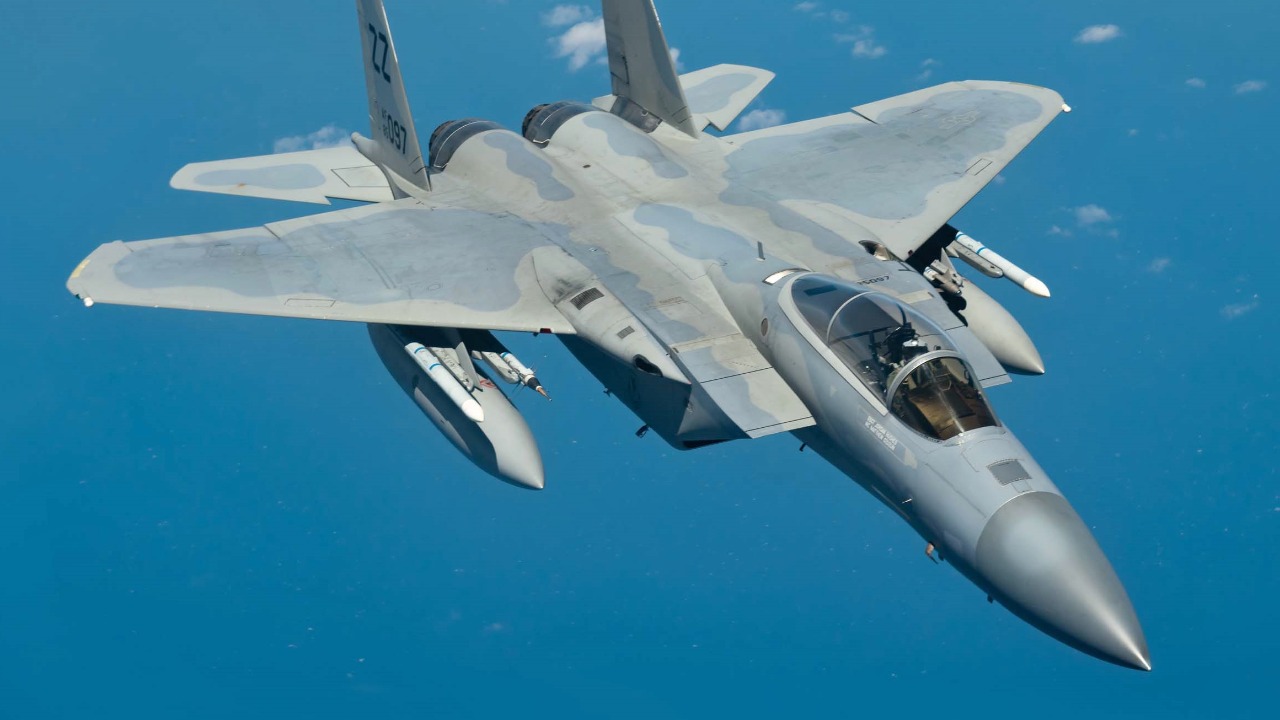
The MiG-25 scare pushed the U.S. Air Force to build the F-15 Eagle as a pure air-superiority fighter. It first flew on July 27, 1972, and entered service in January 1976.
AeroCorner credits the type with a combined record of 104 air-to-air kills and no losses through 2008, in conflicts such as the 1982 Lebanon War and the 1991 Gulf War.
16. Mikoyan MiG-29: The Fulcrum

Soon after the U.S. built the F-16 and F/A-18, the Mikoyan bureau developed the MiG-29 Fulcrum to counter them. It is an air-superiority fighter that can also strike ground targets.
It tops out at Mach 2.25, but its dogfighting ability made it most dangerous. A helmet-mounted aiming device let pilots lock onto a target simply by looking at it, a step beyond earlier Soviet fighters.
17. Sukhoi Su-27: The Flanker

The Soviet Sukhoi Su-27 was designed as a direct competitor for the large U.S. fighters like the F-14 and F-15. It combined a range of 3,530 kilometers with heavy weapons, sophisticated avionics and high maneuverability.
Built for air superiority, its later variants can perform almost every air combat role. It was designed to work alongside the smaller MiG-29 as its complement in the Soviet air force.
More from Morning Overview
- The FAA wants $2.39 million from a flight school it says flew a Cessna about 280 times with an unapproved part
- A $1 billion gas plant planned for Superior, Wisconsin, has been abandoned
- Shaq spent $1.3 million on three Rolls-Royce Phantoms to prove a point to a salesman
- The Justice Department asked courts to undo approvals for three offshore wind farms, one already making power
