
The Air Force retired its first stealth jet in 2008, but the angular black F-117 never fully left the sky. Reports this year say a handful will stay in limited flight operations through at least 2034, long after their combat days ended. This is the story of the Nighthawk, from a secret prototype to its strange second career.
Read next on Morning Overview: Over 20 trillion gallons of rain fell on the Four Corners states and Nevada in two weeks
Lockheed F-117 Nighthawk: Retired, but Still Flying
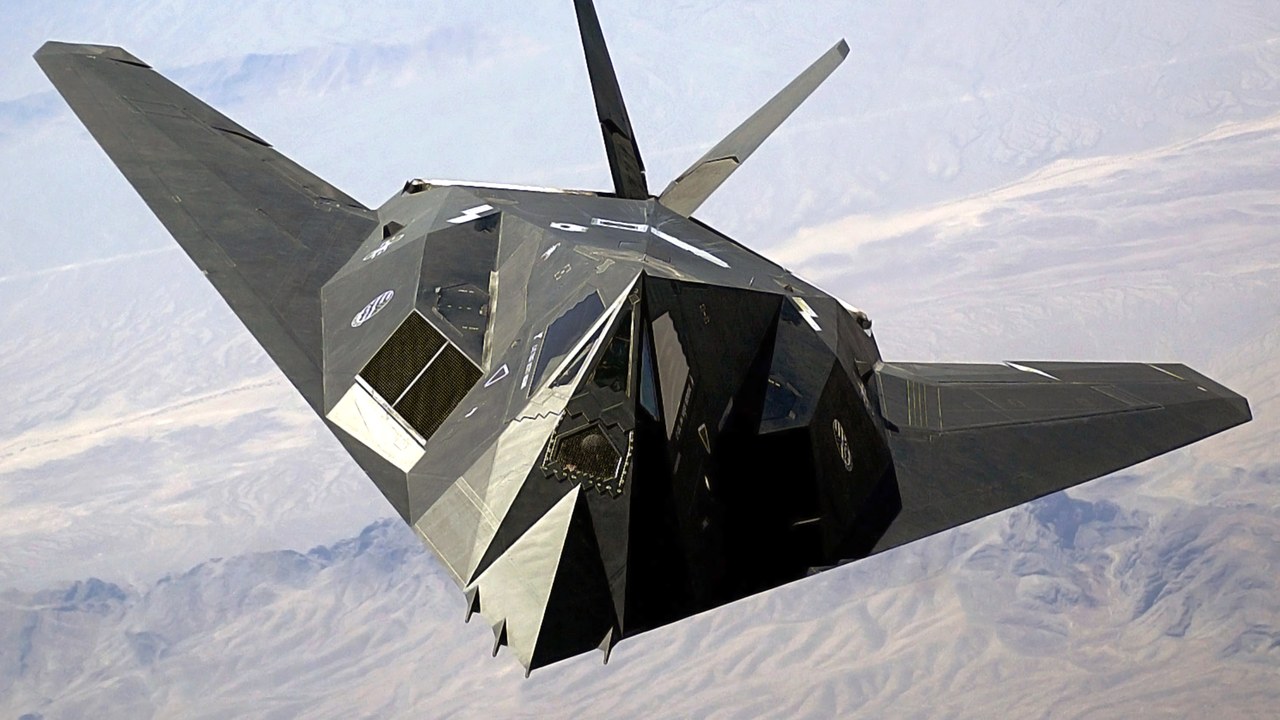
The F-117 was officially retired in 2008, yet a portion of the fleet remains airworthy. As reported by the defense site 19FortyFive on Jan. 14, 2026, and summarized by Army Recognition, the Air Force will continue operating a limited number of Nighthawks until at least 2034.
Production was small: 64 aircraft in all, 59 production F-117s and five YF-117A development jets, with about 45 airframes reported as remaining. Only a small subset is active. Several have been set aside for museums, and others are scheduled for disposal at a rate of roughly two to three a year, steadily shrinking the fleet.
Tonopah Test Range Airport: The Desert Base Where They Live
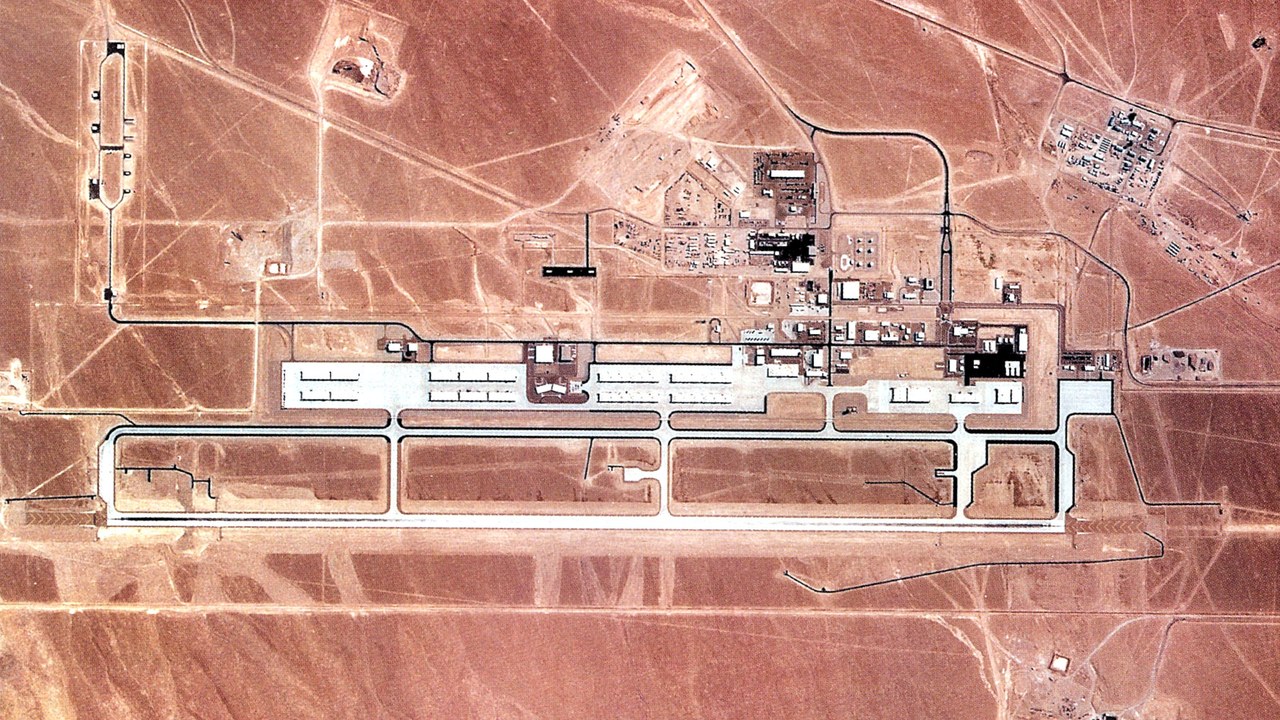
The flying jets operate from Tonopah Test Range Airport in Nevada, inside the Nevada Test and Training Range and near Nellis Air Force Base. After retirement, most airframes were placed in controlled storage at Tonopah with their wings removed and systems preserved, rather than being scrapped right away.
Tonopah is also where the F-117’s story began in secret. The aircraft entered service in 1983 and was not publicly acknowledged until 1988, after years of classified activity at the remote airfield. Its return to Tonopah in retirement brought the jet back to the place that hid it for most of the 1980s.
Groom Lake: Where the Hopeless Diamond Flew
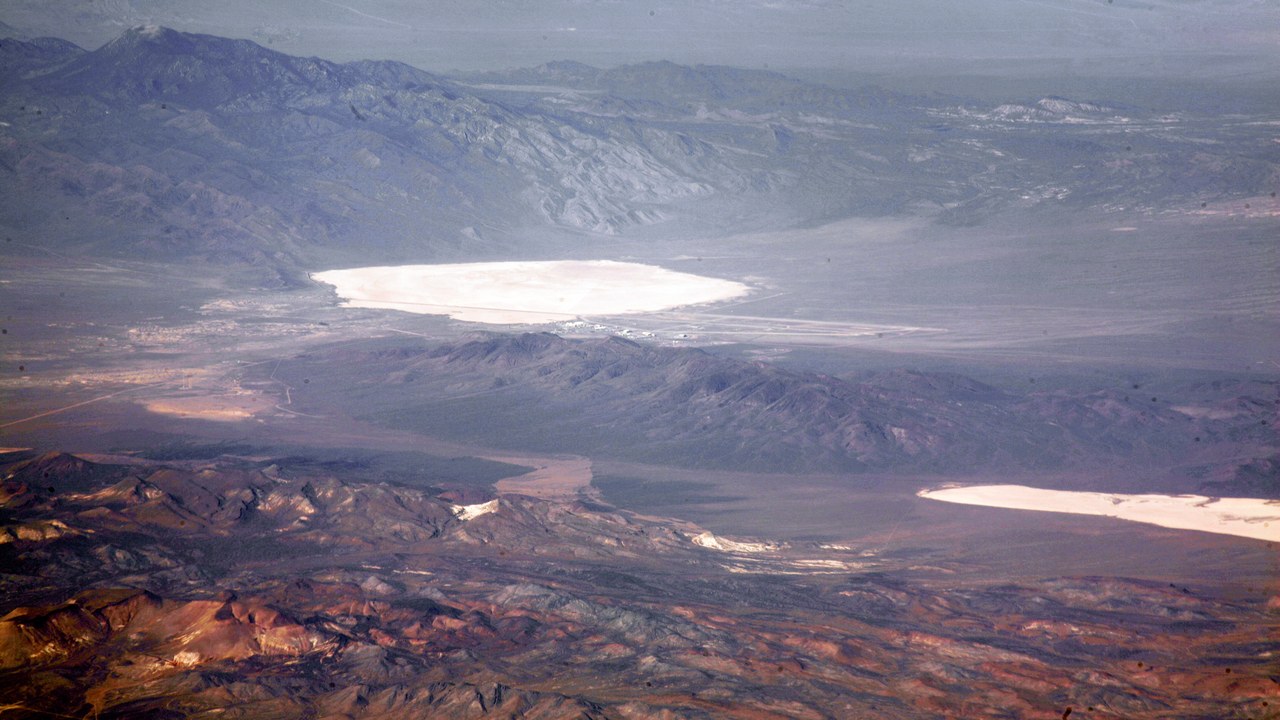
The F-117 grew out of Have Blue, Lockheed’s stealth demonstrator nicknamed “the Hopeless Diamond” for its odd faceted shape. The first demonstrator was flown from Burbank to Area 51 at Groom Lake, Nevada, reassembled and tested, and it made its first flight there on Dec. 1, 1977.
To build the demonstrators, Skunk Works chief Ben Rich had to raise $10.4 million from Lockheed management. Two flyable aircraft were constructed, and both were lost to mechanical problems. Even so, Have Blue was judged a success, paving the way for the first operational stealth aircraft, the program known as Senior Trend that became the F-117.
F-117A at the National Museum of the US Air Force: The Museum Jet in Ohio
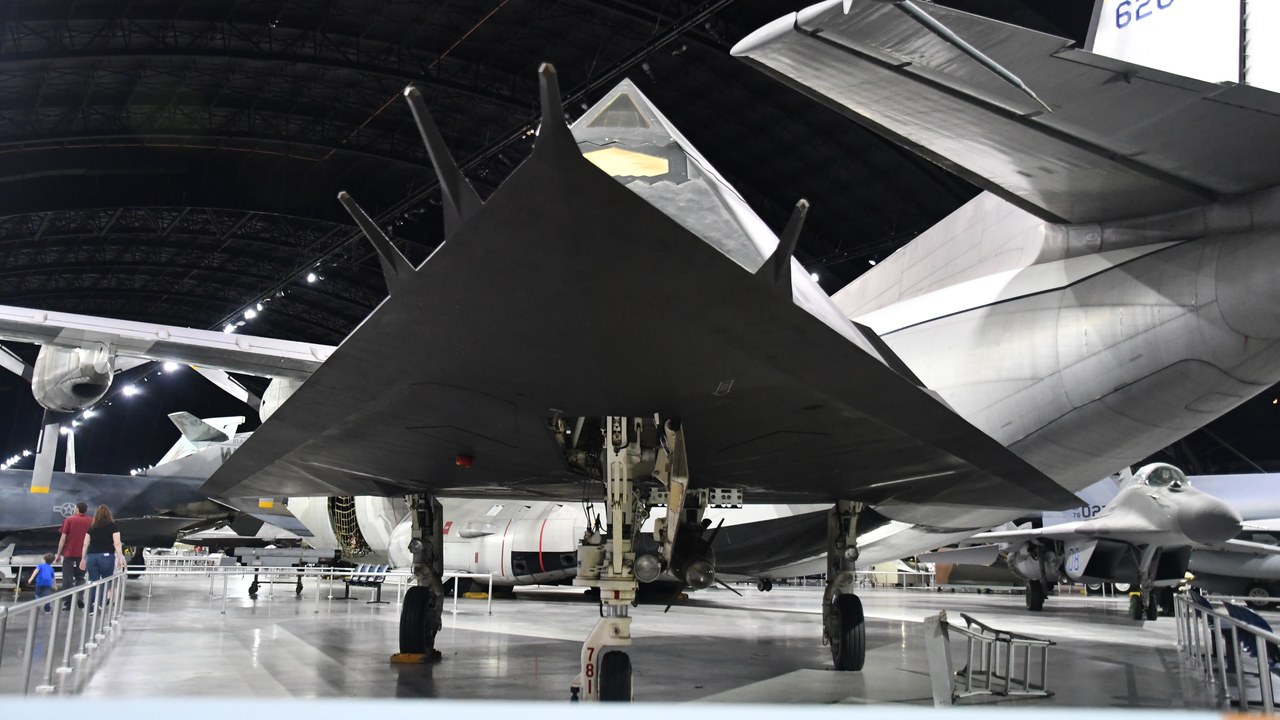
The first YF-117A made its maiden flight from Groom Lake, Nevada, on June 18, 1981, only 31 months after the full-scale development decision. Its sister development jet, serial number 79-10781 and nicknamed Scorpion 2, now sits at the National Museum of the United States Air Force near Dayton, Ohio.
That aircraft was delivered to the museum on July 17, 1991. Five retired Nighthawks were placed in museums in all, giving the public a close look at the faceted surfaces that once scattered more than 99% of a radar’s signal energy away from the aircraft.
Holloman Air Force Base: A Move to New Mexico
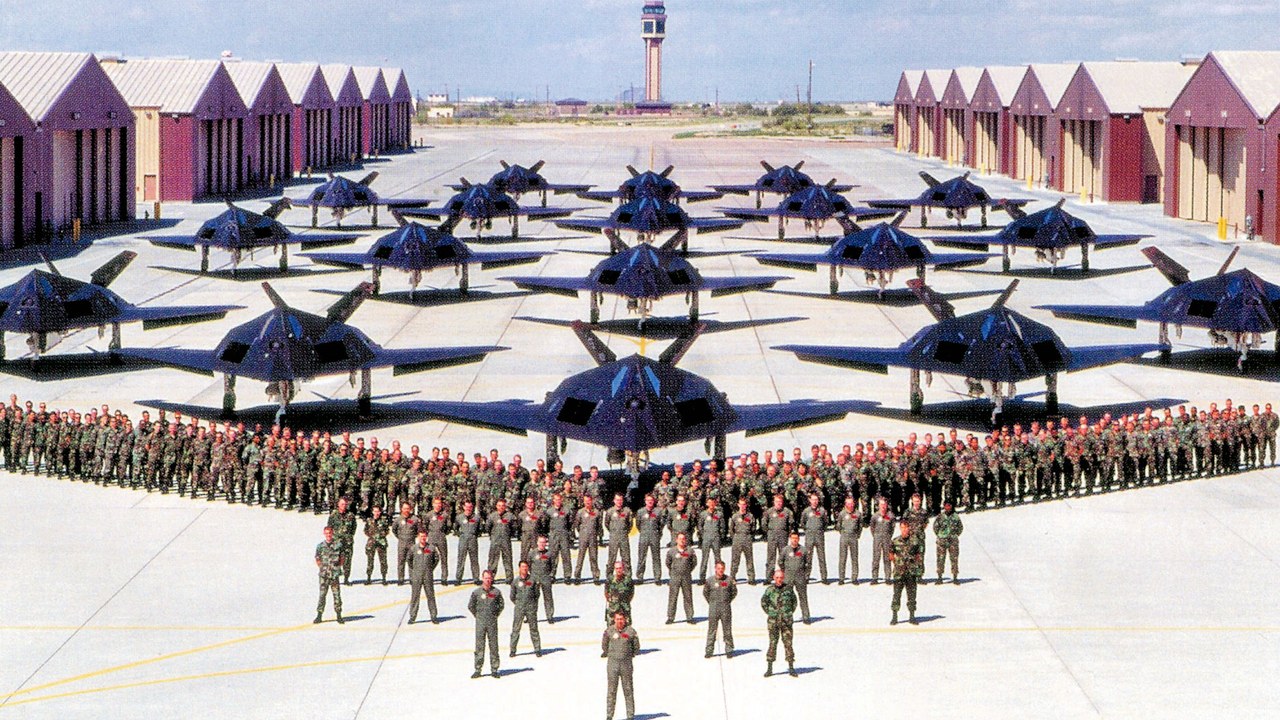
For almost a decade the F-117 was operated in secret from Tonopah. After the Gulf War, the entire fleet was transferred in 1992 to Holloman Air Force Base, New Mexico, under the command of the 49th Fighter Wing.
Its pilots called themselves “Bandits.” Each of the 558 Air Force pilots who flew the F-117 received a Bandit number marking the order of their first flight in the jet. The aircraft’s integration with the rest of the Air Force came slowly, and one senior pilot later said others saw it as a stand-alone system that was none of their business.
Lockheed Martin F-22 Raptor: The Fighter That Replaced It
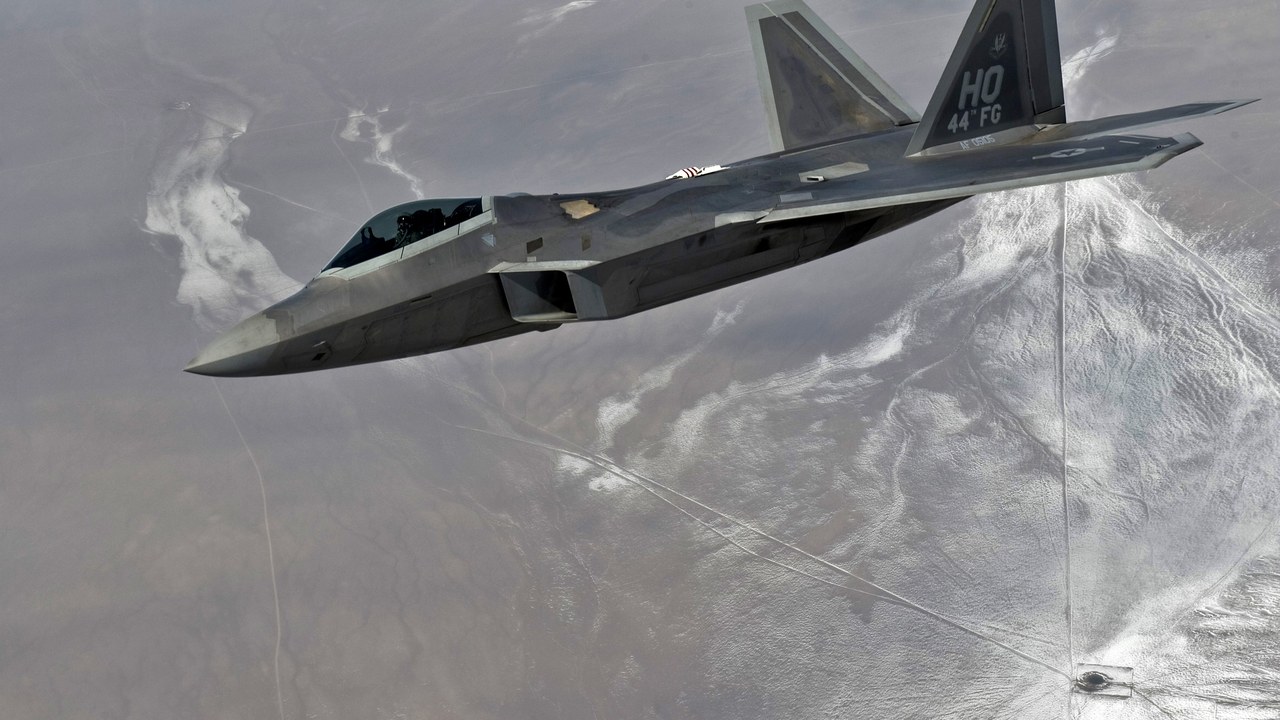
The F-22 Raptor entered service on Dec. 15, 2005, and production ran until 2011, with 195 built, including eight test aircraft. The fielding of the F-22 with its precision strike capability contributed to the F-117’s retirement from operational service in 2008.
The 49th Fighter Wing at Holloman briefly operated the F-22 after the Nighthawks left. The Raptor became the service’s most advanced air superiority fighter, while the last F-117 flew from Palmdale, California, to Tonopah on Aug. 11, 2008, closing out its frontline service.
Nevada Test and Training Range: Playing the Enemy in Nevada
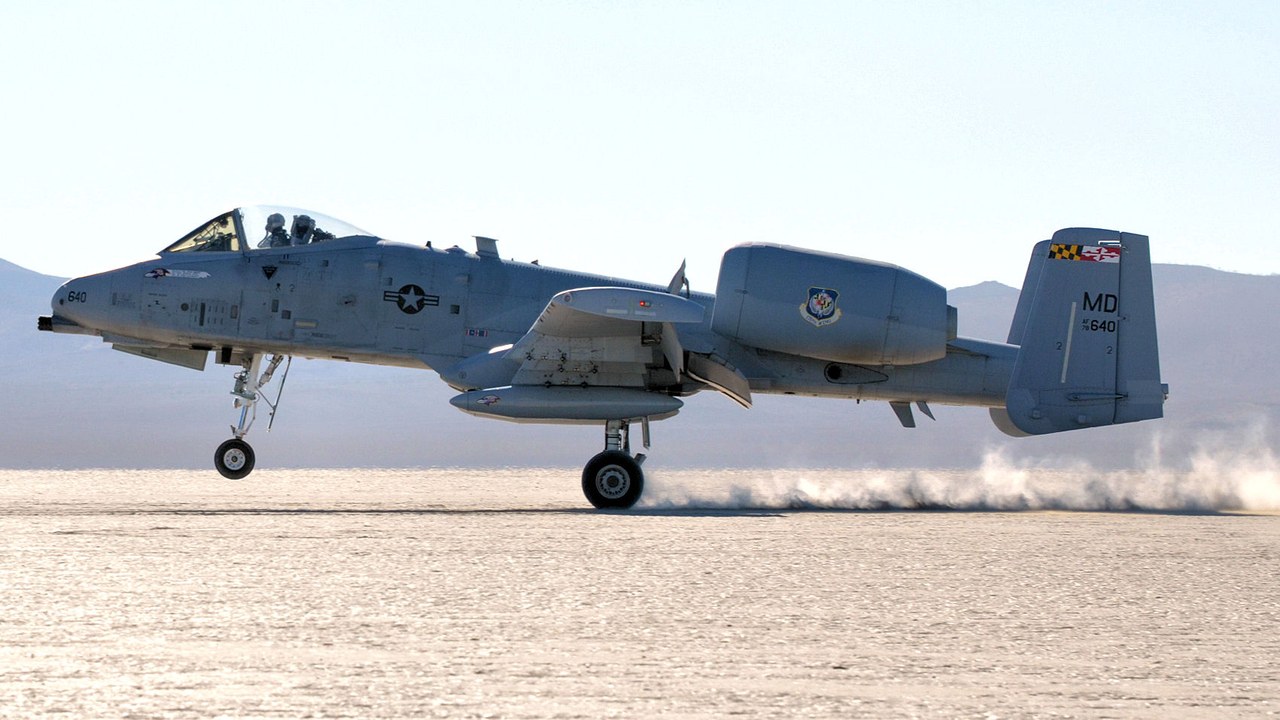
In their current role, the remaining jets are said to be used for training and experimentation. One job is to act as “red air,” a low-observable adversary aircraft that lets aircrews and air defense units practice detecting, tracking and engaging stealthy targets over the Nevada range.
Another is serving as a flying test asset for radar systems, infrared sensors and tracking methods. The jets can also simulate stealthy cruise missile profiles during large exercises. Using them for these tasks avoids tying up modern frontline aircraft while giving crews repeated exposure to a real, crewed stealth target.
Operation Desert Storm: The War That Made Its Name
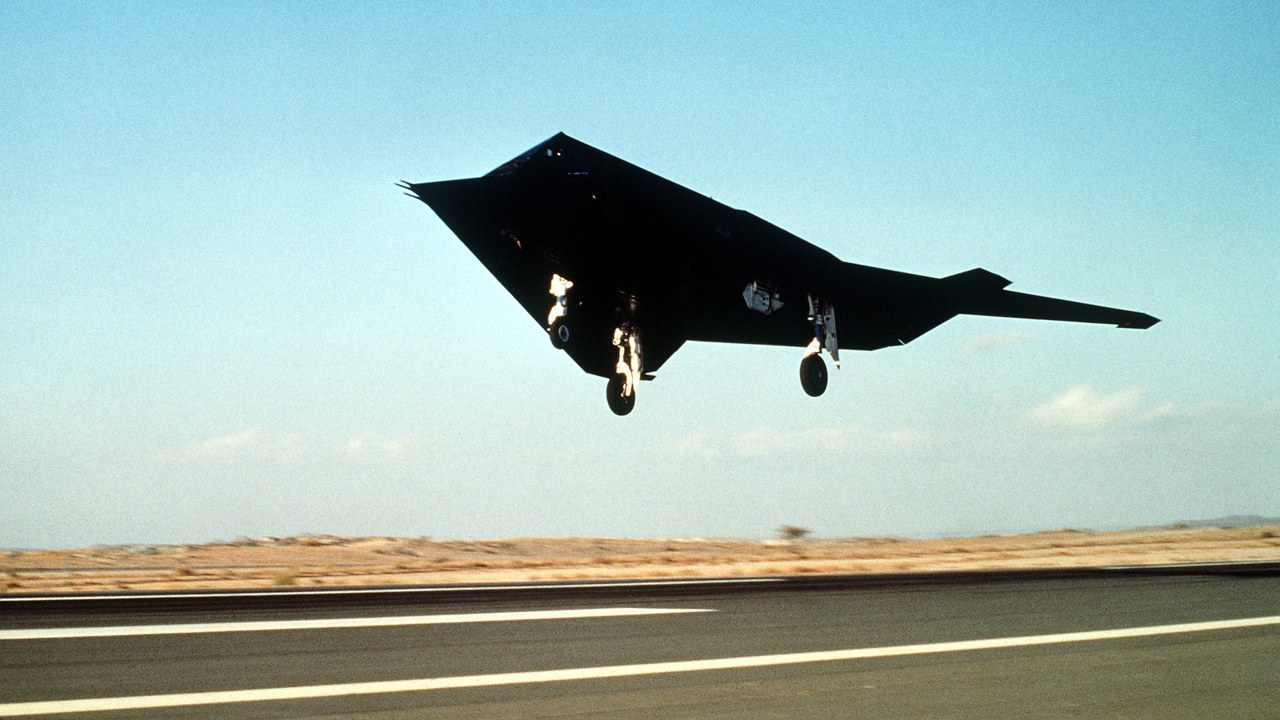
The F-117 became famous during the 1991 Gulf War. Overall, 42 F-117s dropped 2,077 bombs in Desert Storm, about a third of the Air Force’s guided bombing, and an Air Force white paper called it the only airplane planners dared risk over downtown Baghdad.
Early claims of its effectiveness were later found to be overstated. Initial reports of F-117s hitting 80% of their targets were scaled back to 41% to 60%, and on the first night they failed to hit 40% of their assigned air defense targets. One F-117 was later shot down over Serbia in 1999.
More from Morning Overview
- The FAA wants $2.39 million from a flight school it says flew a Cessna about 280 times with an unapproved part
- A $1 billion gas plant planned for Superior, Wisconsin, has been abandoned
- Shaq spent $1.3 million on three Rolls-Royce Phantoms to prove a point to a salesman
- The Justice Department asked courts to undo approvals for three offshore wind farms, one already making power
