
When World War I began, airplanes were fragile machines used mostly to spot the enemy. Within four years, both sides were flying fighters, heavy bombers and gun-armed scouts, and the first air aces became national heroes. Here are fifteen World War I planes that turned the sky into a battlefield, from Russia’s giant bomber to the trainer that taught America to fly.
Read next on Morning Overview: Melting permafrost is setting off a newly identified kind of catastrophic landslide, scientists say
1. Sikorsky Ilya Muromets: The First Giant Bomber
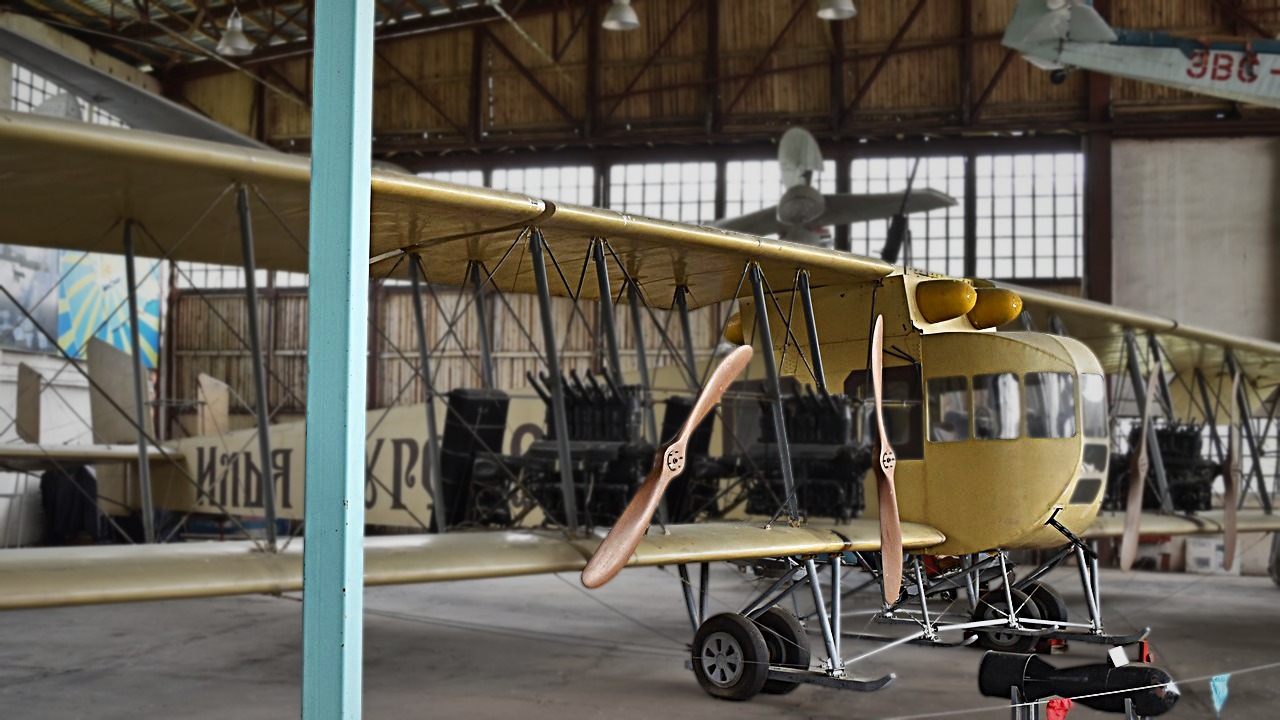
The Sikorsky Ilya Muromets was a series of Russian four-engine airliners and heavy bombers, based on Igor Sikorsky’s earlier Le Grand, the world’s first four-engine aircraft. It was named after a hero of Russian folklore.
Russia formed its first ten-bomber squadron in December 1914, and raids on German lines began in February 1915. A 1916 version became the first aircraft in history with a tail gunner position, and its engines were protected by armor.
2. Fokker Eindecker: The Fokker Scourge
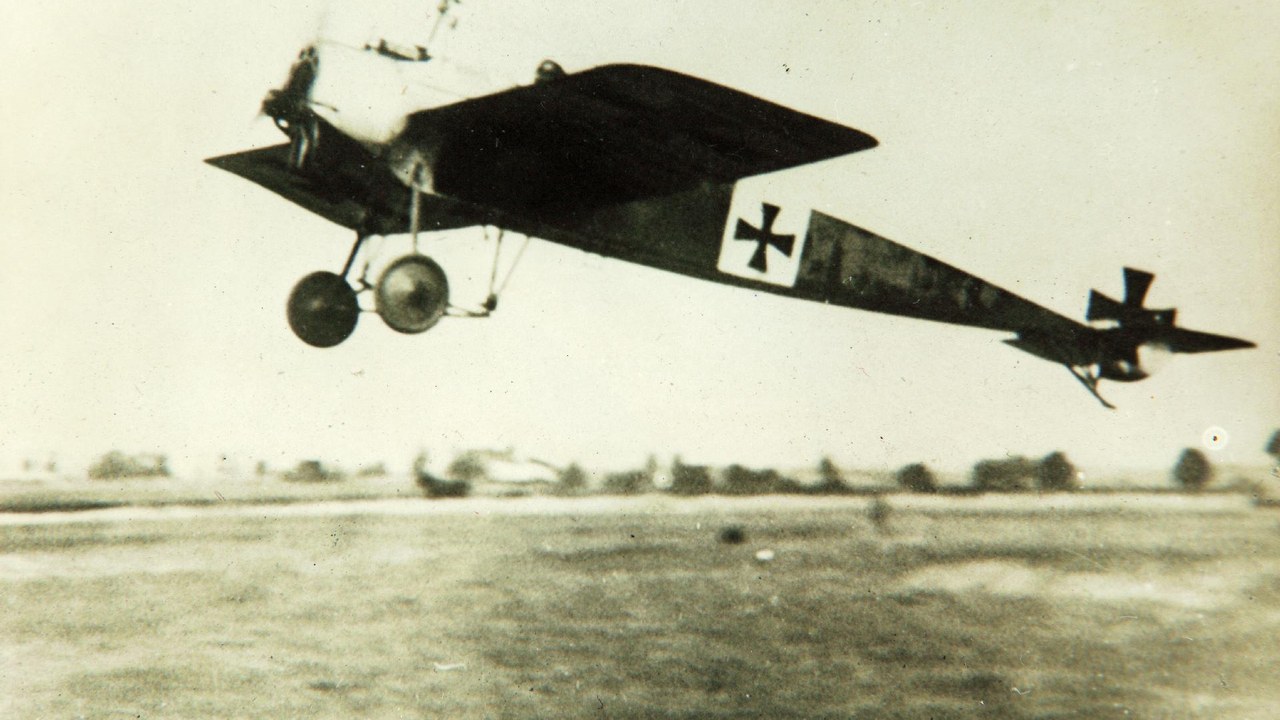
Designed by Dutch engineer Anthony Fokker in 1915, the Eindecker was the first purpose-built German fighter and the first aircraft with synchronization gear, letting the pilot fire a machine gun through the spinning propeller.
It gave Germany a degree of air superiority from July 1915 to early 1916. Allied fliers called their poorly armed planes “Fokker Fodder,” and the period became known as the “Fokker Scourge.”
3. Nieuport 17: The Plane Germany Copied
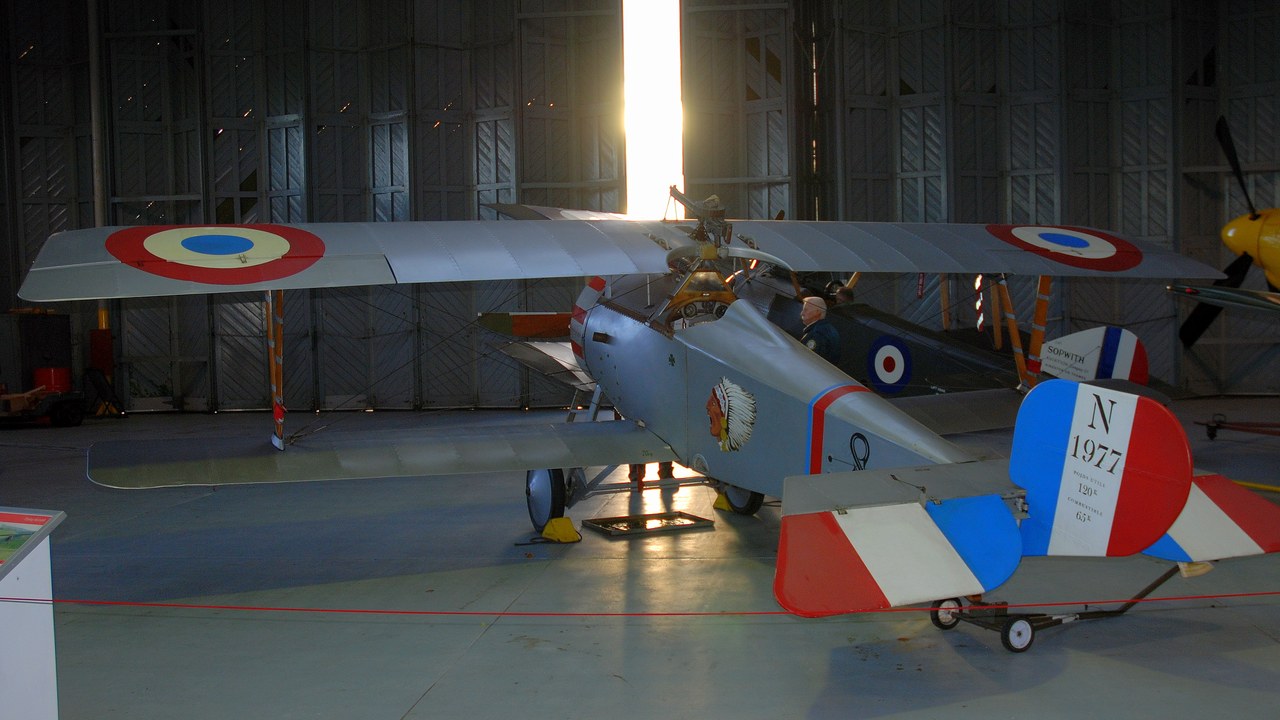
The Nieuport 17 was introduced in 1915 and by 1916 flew with French, British, Italian, Belgian and American squadrons. A 110-horsepower Le Rhone rotary engine gave it a balance of speed and agility.
It was a sesquiplane, with a full-size upper wing and a smaller lower one that cut drag and improved the pilot’s view. It was so successful that Germany captured one and tried to build a copy from the wreckage.
4. Sopwith Pup: The Pilot’s Favorite
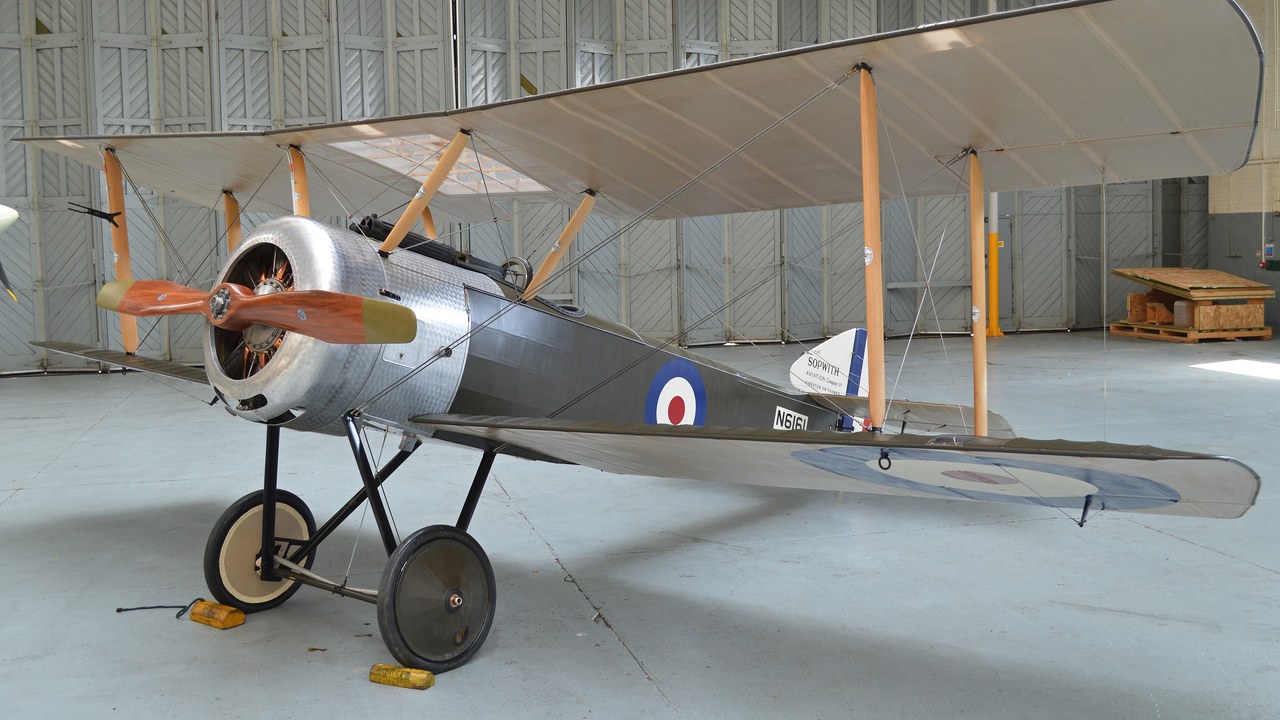
The Sopwith Pup entered service with Britain’s naval and army air arms in the autumn of 1916. With pleasant flying characteristics and good maneuverability, the single-seat biplane proved very successful.
Newer German fighters eventually outclassed it, though it stayed on the Western Front until late 1917. Its docile handling also made it ideal for early experiments in landing on and taking off from aircraft carriers.
5. Sopwith Triplane: Three Wings Up
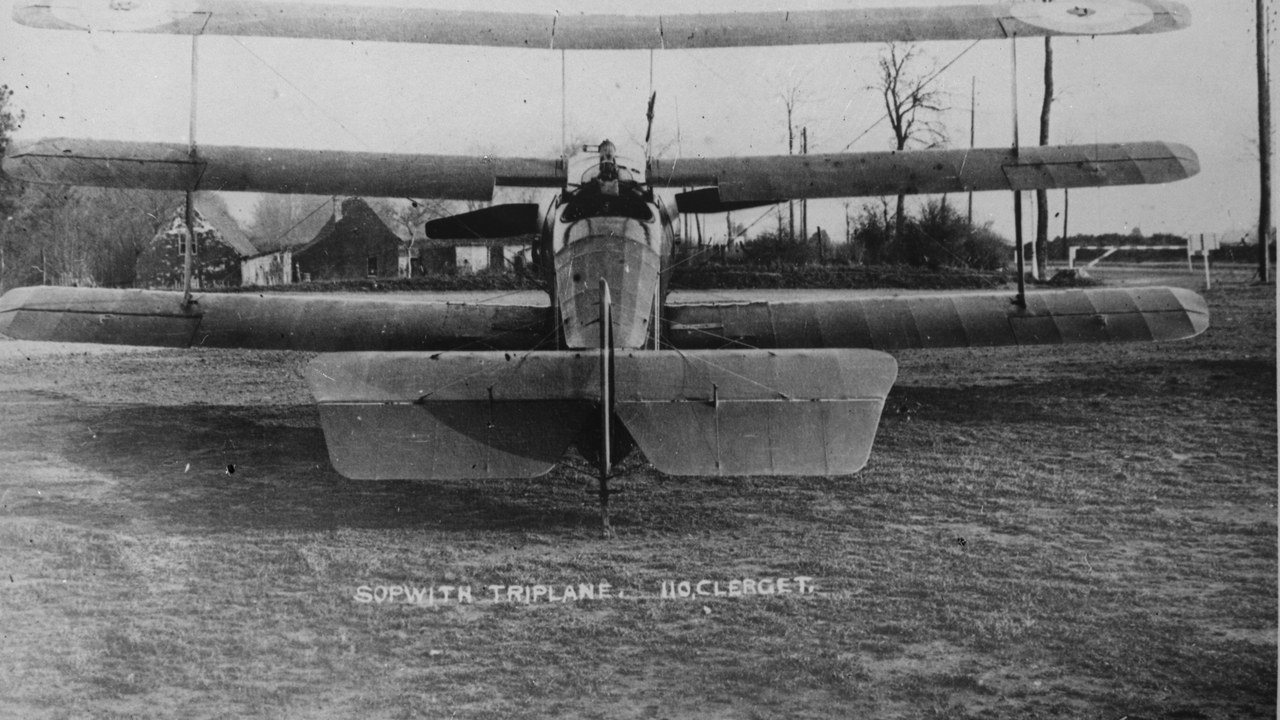
The Sopwith Triplane was the first military triplane to see operational service. Designed by Herbert Smith as a private venture, it first flew on 28 May 1916 and was sent to France two months later.
Apart from its three wings, it shared much with the Sopwith Pup. Pilots praised its exceptional rate of climb, and it entered service in December 1916.
6. Albatros D.III: The Red Baron’s Mount
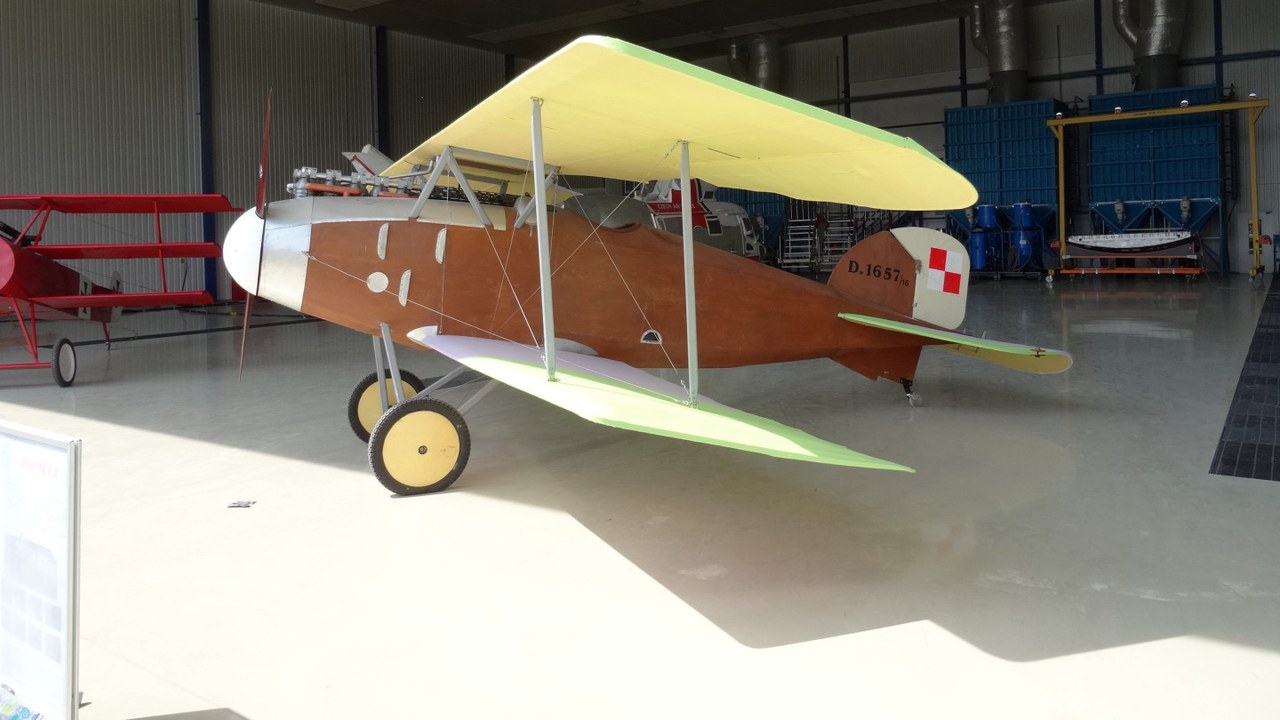
The Albatros D.III added V-shaped struts between its wings for stability and an engine tuned for high altitude, giving it an edge for a time. It carried two synchronized 7.92 mm guns that fired through the propeller.
For a while it was one of the best fighters in the sky, flown by aces such as Kurt Wolff and Manfred von Richthofen. Newer designs soon overtook it, yet it remained in use until the end of the war.
7. Airco DH.4: The Best Bomber of the War
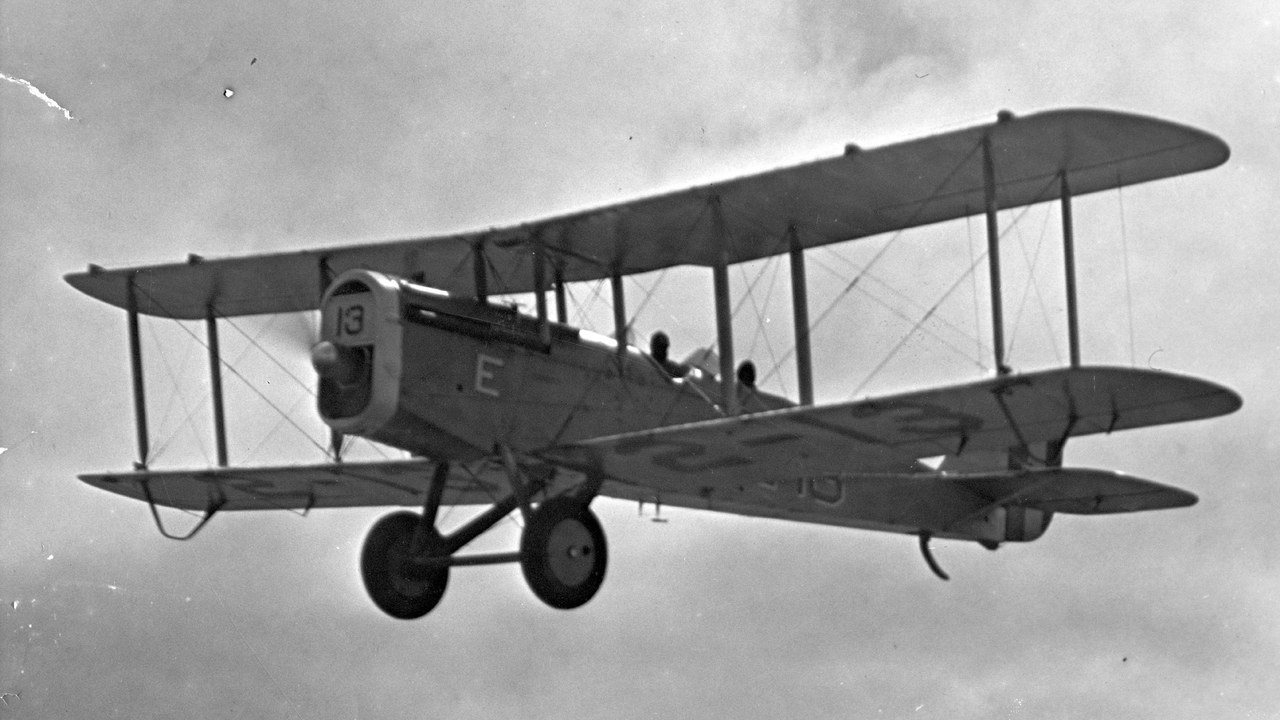
The Airco DH.4 entered service in January 1917 and is often considered the best single-engine bomber of the war. DH stood for de Havilland, its designer.
It was very reliable and popular with crews. Its speed and altitude performance made it hard for German fighters to intercept, and it carried a forward Vickers gun and two Lewis guns, an unusually heavy armament for a bomber of its day.
8. Bristol F.2 Fighter: A Disaster, Then a Terror
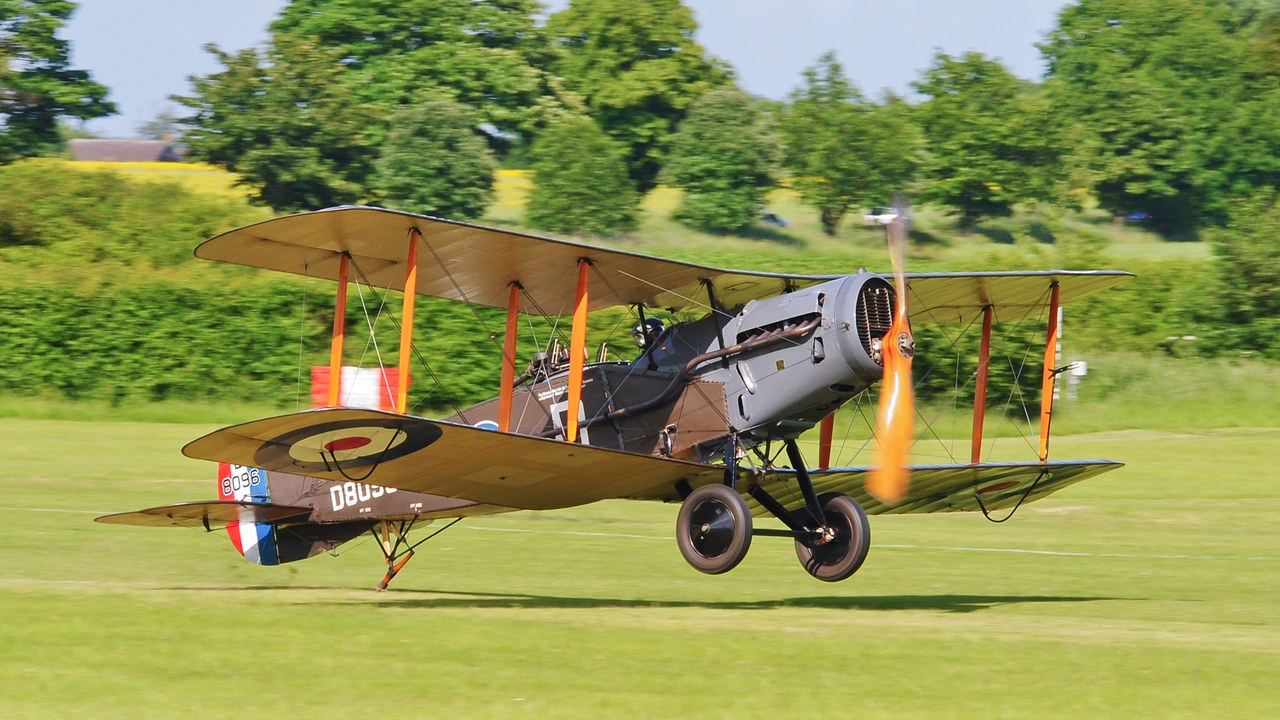
The Bristol F.2 was a British two-seat fighter and reconnaissance biplane. Its first deployment, at the Battle of Arras in 1917, was a tactical disaster: four of six planes were shot down.
Crews then adopted more flexible, aggressive tactics, and the Bristol became a formidable opponent for any German single-seater. It carried a forward-facing Vickers and a rear Lewis machine gun.
9. Gotha G.IV: Bombs Over London
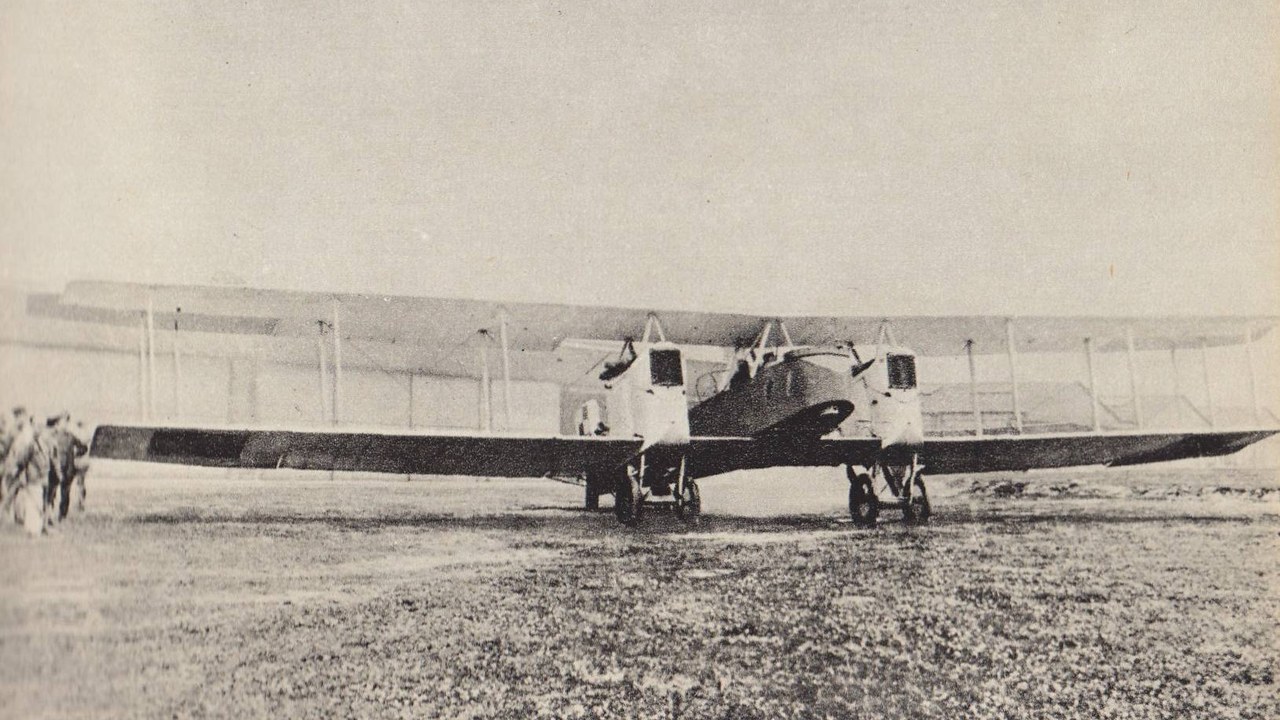
The Gotha G.IV was a German heavy bomber and the first relatively large airplane to be mass-produced. It entered service in March 1917.
The new machines were soon put to work in the strategic bombing of London. An innovation called the Gotha tunnel let the rear gunner fire down through the fuselage at fighters attacking from below and behind. Each G.IV carried a crew of three.
10. SPAD S.XIII: Rickenbacker’s Warhorse
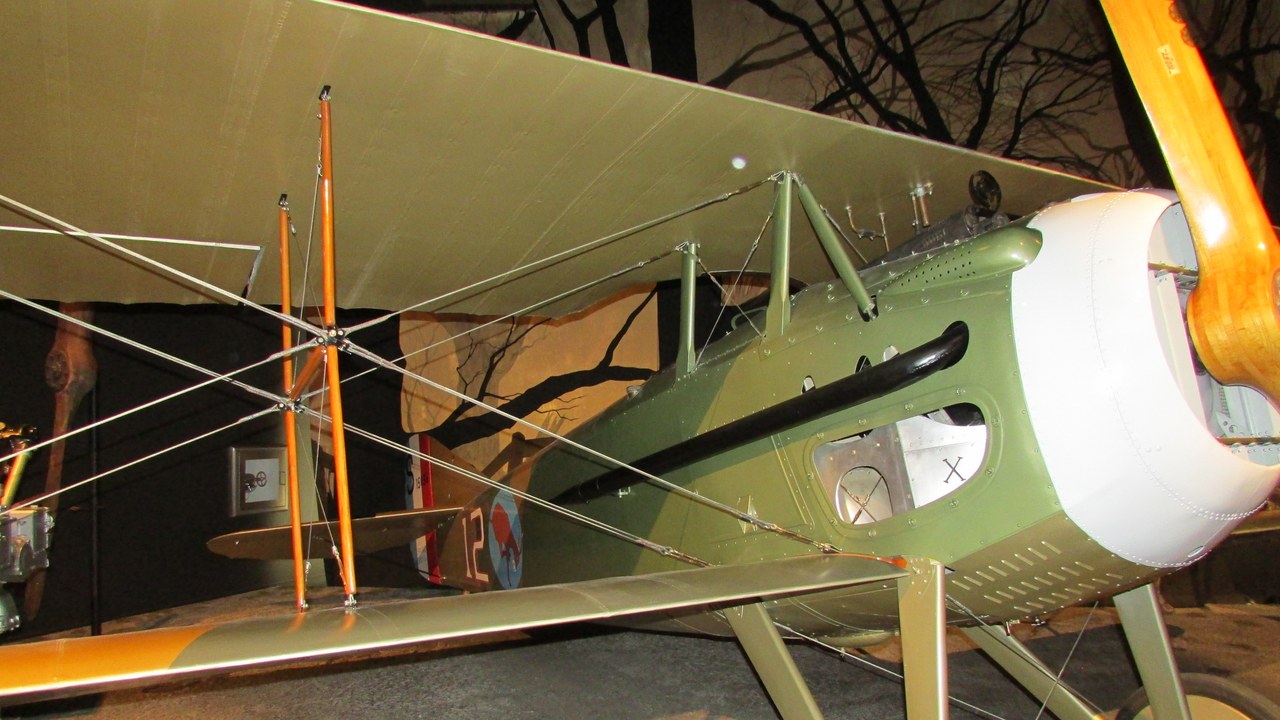
The SPAD S.XIII first flew in March 1917 and became one of France’s most reliable fighters, serving until the war’s end. A more powerful V-8 Hispano-Suiza engine helped it climb quickly.
It outpaced German rivals introduced that year and could take several machine gun hits before needing repairs. Many pilots loved it for that toughness, and American ace Eddie Rickenbacker was among those who flew it.
11. Royal Aircraft Factory S.E.5: Built for Beginners
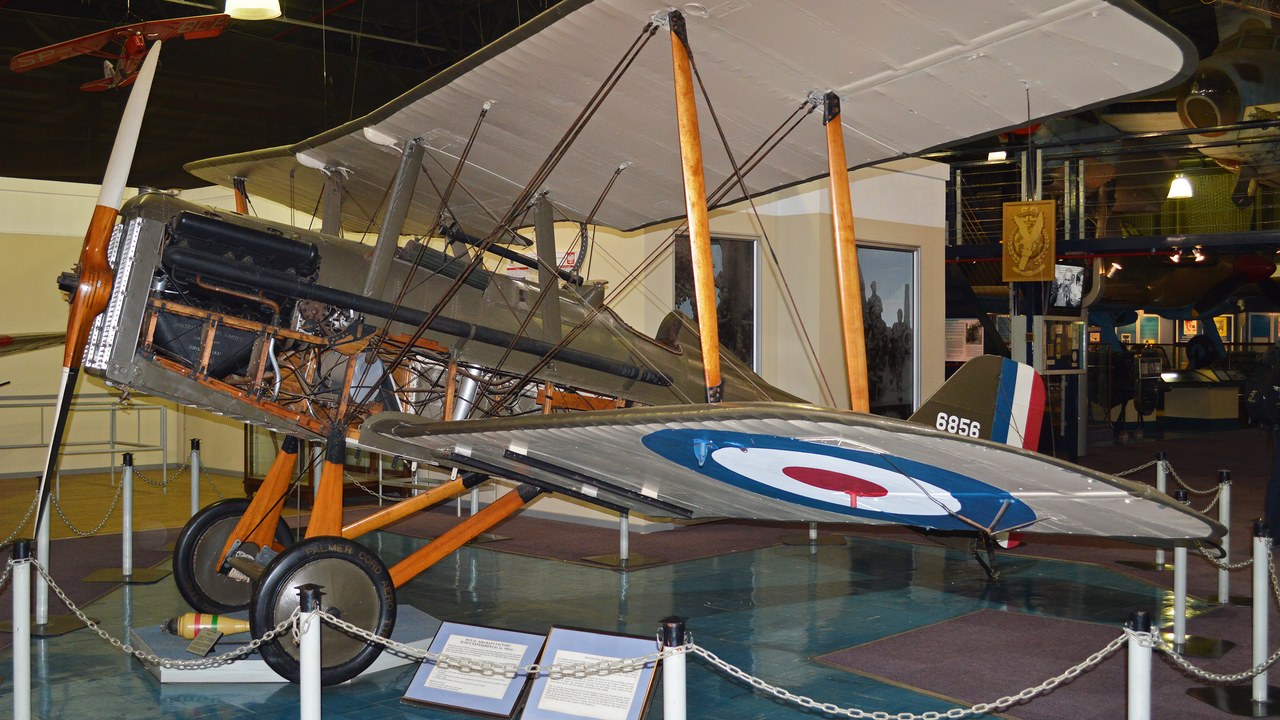
The S.E.5a was one of Britain’s best single-seat fighters, upgraded to a 200-horsepower Wolseley V-8. It was deliberately designed to be easy for novice pilots, whose life expectancy was tragically short.
In 1917 it helped shift air superiority away from Germany. It was not the fastest or most agile plane of the war, but it could carry small bombs as well as its guns. Production soared, with more than 5,000 serving in the war’s last two years.
12. Sopwith Camel: The Top-Scoring Fighter
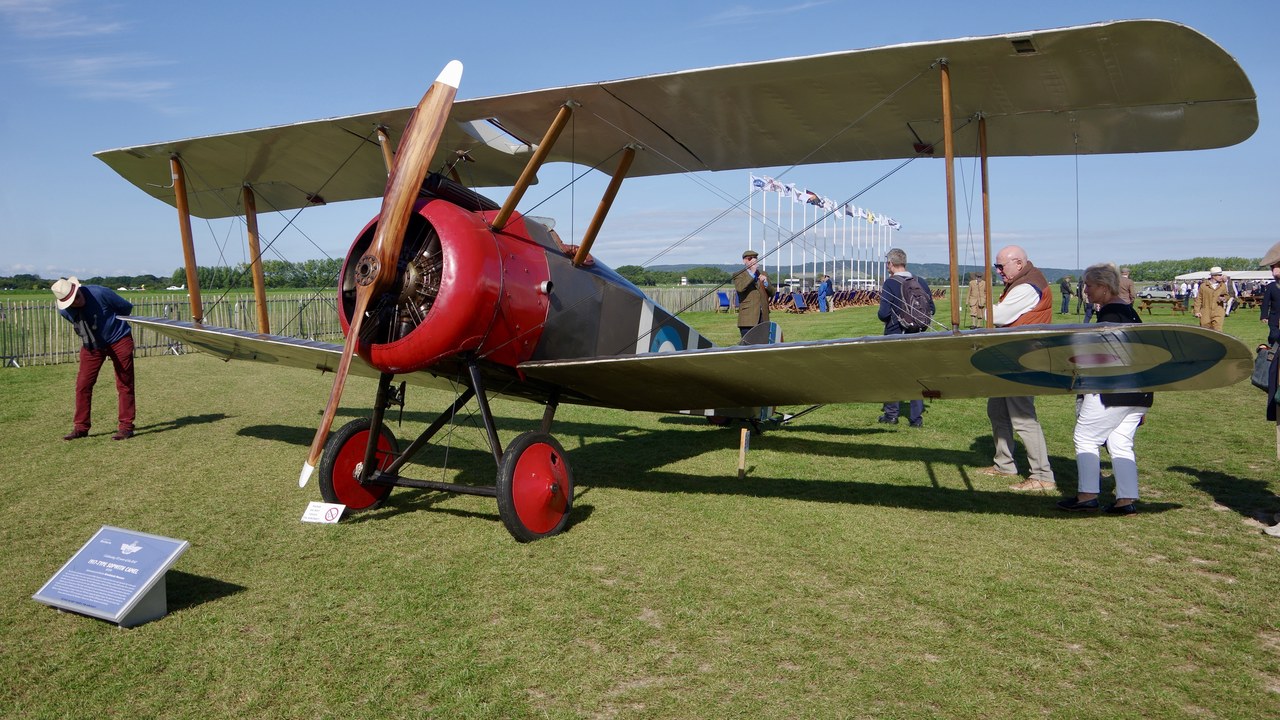
The Sopwith Camel was a single-seat biplane introduced on the Western Front in 1917. It was credited with shooting down 1,294 enemy aircraft, more than any other Allied fighter of the war.
Difficult to handle but unmatched in maneuverability for an experienced pilot, it helped establish Allied air superiority in 1918. Major William Barker shot down 46 aircraft and balloons in his Camel, the most successful fighter in RAF history.
13. Fokker Dr.I: The Red Baron’s Last Plane
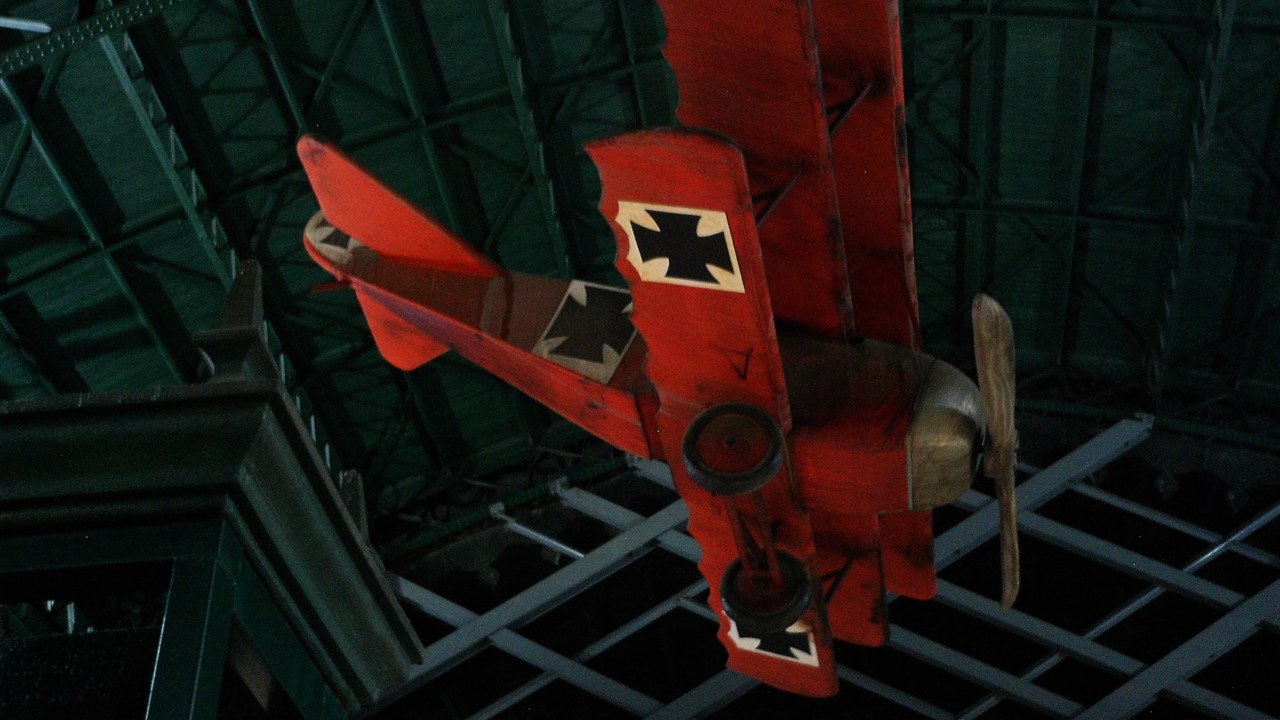
The Fokker Dr.I triplane offered exceptional maneuverability and was flown by the Red Baron for his last 19 kills. It grew less useful as the Allies fielded faster planes.
In popular culture it is best known as the aircraft in which Manfred von Richthofen died. It carried twin Spandau machine guns. Its three stacked wings gave it its agility, but as History Hit notes, the faster planes the Allies kept producing left it increasingly redundant.
14. Fokker D.VII: So Good It Was Banned
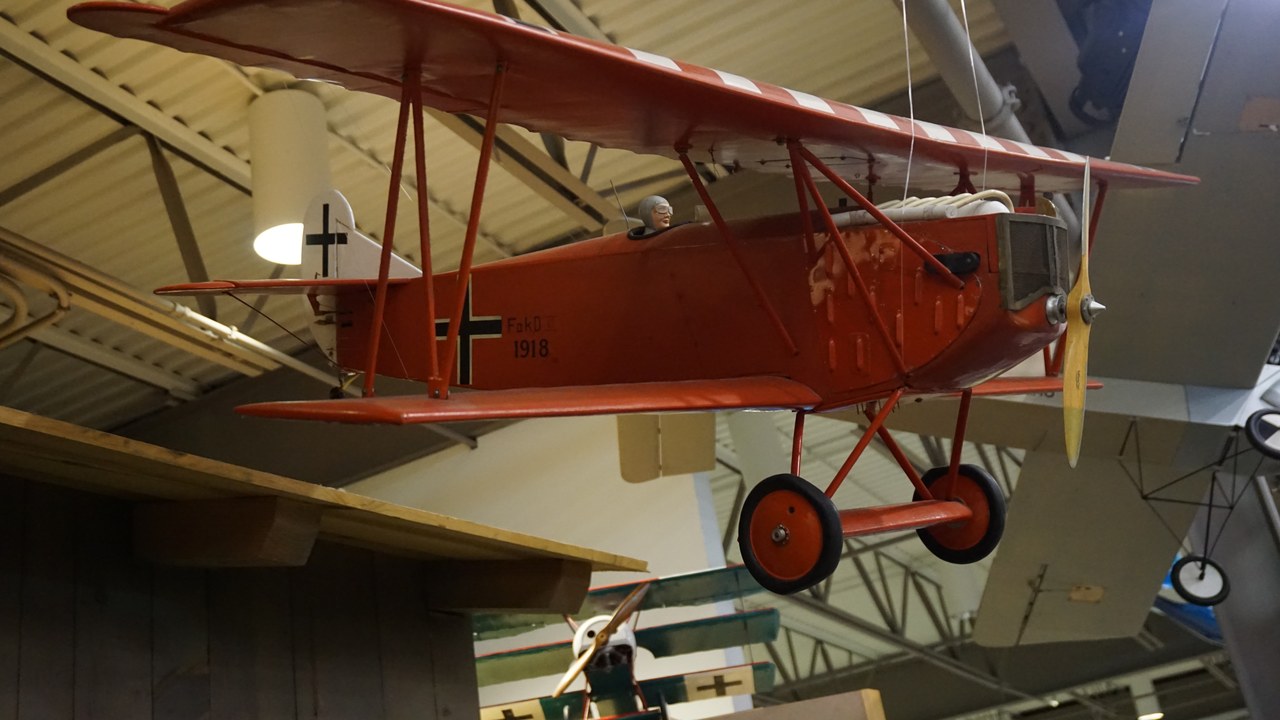
The Fokker D.VII appeared on the Western Front in 1918 and was highly maneuverable, exposing the weaknesses of the Camel and SPAD. It could briefly hang on its propeller without stalling and fire upward at enemy planes.
It was so feared that one condition of the German surrender was that the Allies seize every Fokker D.VII. History Hit calls it a formidable aircraft that appeared just in time for the war’s final year.
15. Curtiss JN-4: The Plane That Taught America to Fly
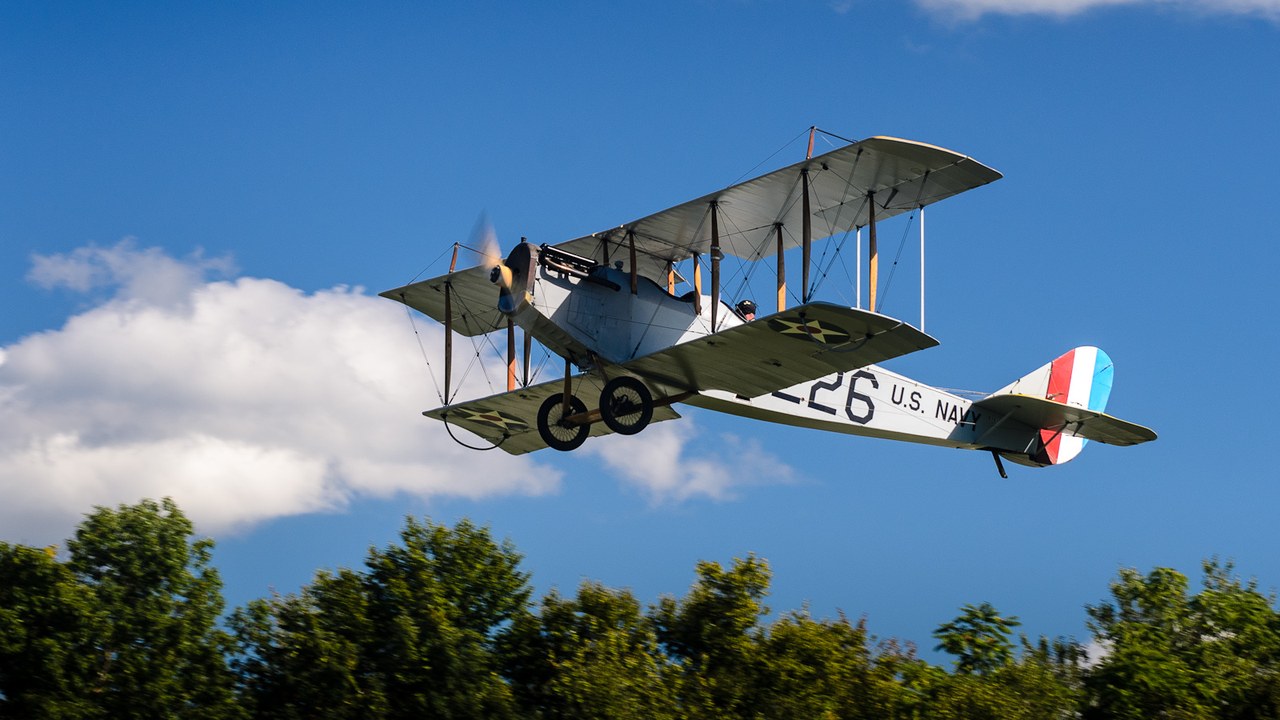
The Curtiss JN “Jenny” was built as a training aircraft for the U.S. Army starting in 1915, and 6,813 were produced. A Canadian-built version was called the Canuck.
After the war, thousands of surplus Jennys were sold cheaply to private owners. They became central to the barnstorming era of the 1920s, which helped awaken the United States to civil aviation.
More from Morning Overview
- Over 20 trillion gallons of rain fell on the Four Corners states and Nevada in two weeks
- 11 engines built to run well past 200,000 miles
- Two Kentucky residents died when a small plane crashed at Missouri’s Lake of the Ozarks, and the NTSB is investigating
- A handful of car transmissions are so tough that mechanics say they almost never die
