
Nearly half a century after an SR-71 Blackbird streaked down a straight course at 2,193 miles per hour, no air-breathing crewed jet has officially gone faster. The spy plane grew out of a secret CIA program and flew its last mission for NASA in 1999. These eight pictures trace the Blackbird family from its origins to a mystery at its last home.
Read next on Morning Overview: Arizona’s governor declared a statewide emergency after Flagstaff logged its wettest Nov. 1 on record
Lockheed SR-71 Blackbird: The Record That Still Stands
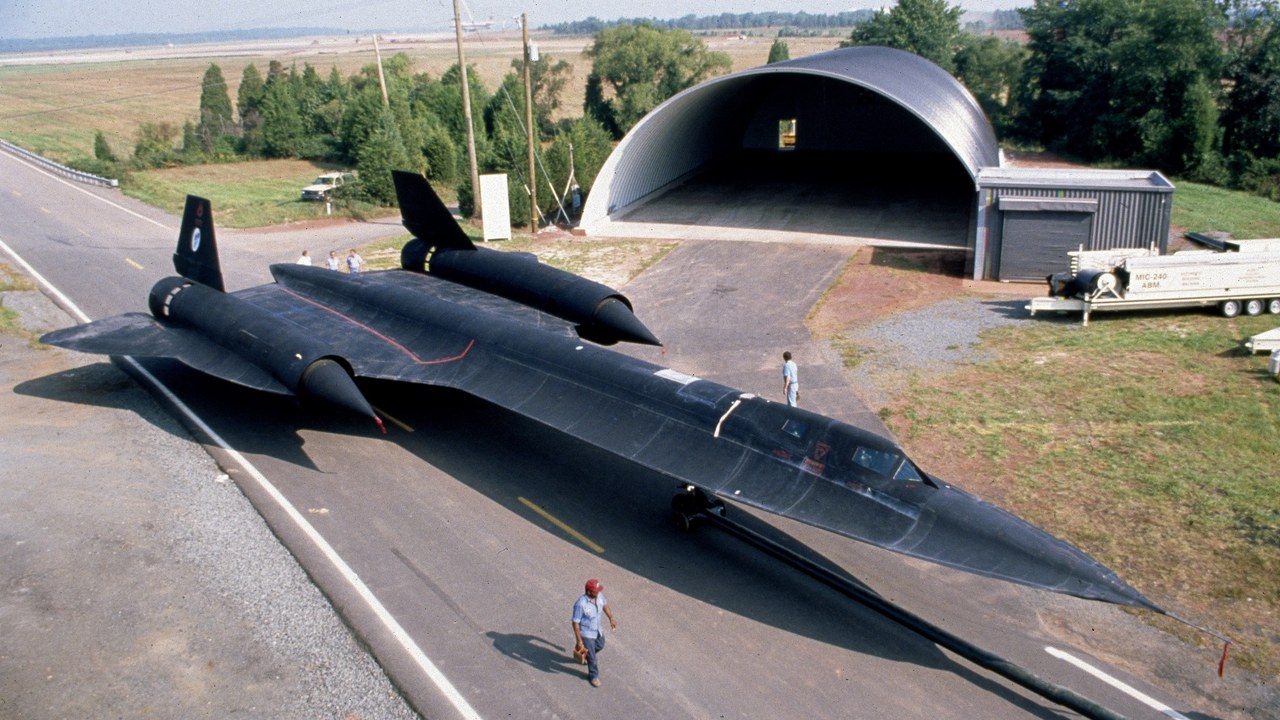
The SR-71 was a Mach 3-plus reconnaissance jet built in the 1960s as a secret project by Lockheed’s Skunk Works, where engineer Kelly Johnson shaped many of its ideas. On July 28, 1976, an SR-71A set a speed record of 2,193.167 miles per hour over a straight course, along with an altitude record in horizontal flight of about 85,069 feet.
As of 2026, the Blackbird still holds the speed record for an air-breathing crewed aircraft, as well as its 1974 London-to-New York record of 1 hour, 54 minutes and 56 seconds. On missions it cruised around Mach 3.2 at 85,000 feet, and if a missile launch was detected, the standard escape was simply to accelerate.
Lockheed A-12: The CIA Spy Plane That Came First
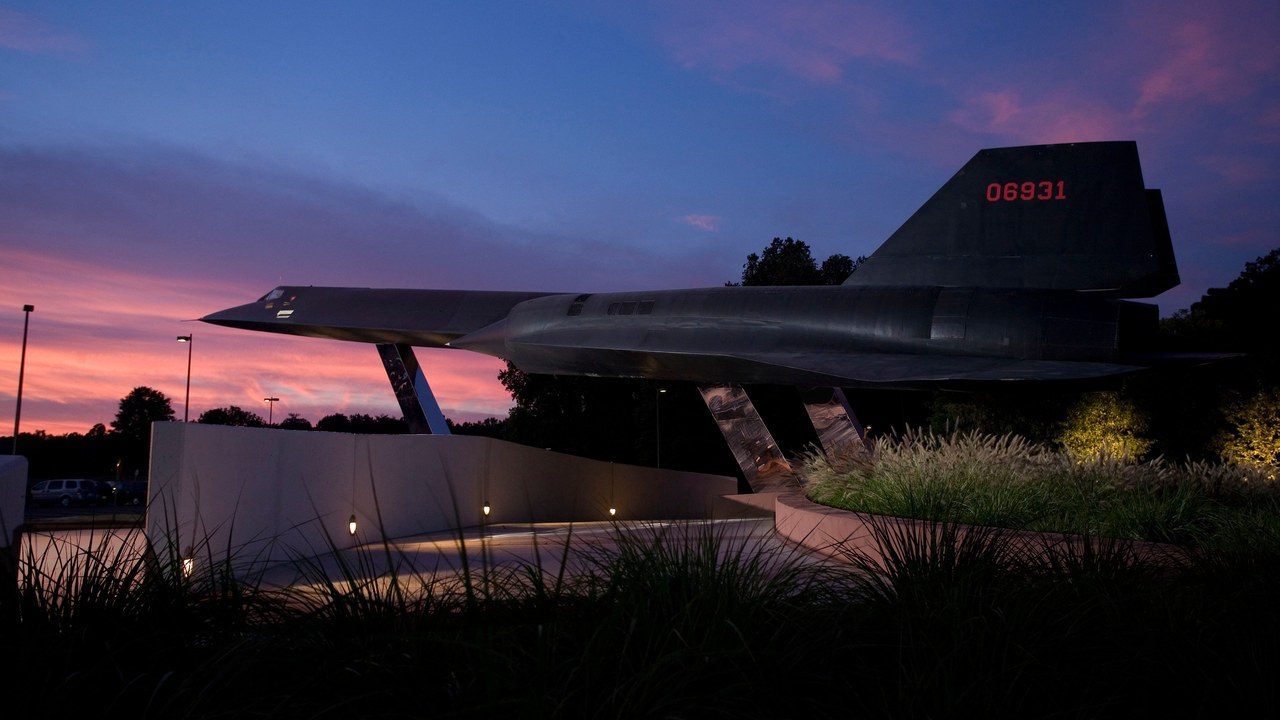
Before the Blackbird there was the A-12, built for the CIA by Lockheed’s Skunk Works to a design by Kelly Johnson. It first flew, unofficially, at Groom Lake, Nevada, better known as Area 51, on April 26, 1962, and the program produced 13 of them.
Building it required huge amounts of titanium, and Lockheed’s Ben Rich wrote that the CIA used third parties and dummy companies to buy the metal quietly abroad. The A-12 flew operational missions from Okinawa beginning in 1967 and was retired in June 1968, replaced by the twin-seat SR-71, which was heavier and flew slightly lower and slower.
Lockheed YF-12: The Interceptor That Never Entered Service

The YF-12 was a limited production variant of the A-12, pitched by Lockheed to the Air Force as a cheaper alternative to the canceled North American XF-108 interceptor. In 1960 the Air Force agreed to take three slots on the A-12 production line, which became the YF-12A prototypes.
The first YF-12A flew on August 7, 1963, with Lockheed test pilot James Eastham at the controls. Only three YF-12As were built, and on February 5, 1968, Lockheed was ordered to destroy the tooling for the A-12, YF-12 and SR-71, ending any chance of building more of the family.
Lockheed D-21: A Drone Launched at Mach 3

One A-12 offshoot carried something on its back. The two-seat M-21 carried and launched the D-21, an uncrewed reconnaissance drone that flew faster and higher still and was designed to fly over its target on its own, then head to a rendezvous point to eject its payload.
The program ended in tragedy in 1966, when a drone collided with its mothership at launch. Both crew ejected, but launch officer Ray Torrick drowned after landing in the ocean. The D-21 lived on as a B-52-launched version that flew missions over China from 1969 to 1971 without much success. An M-21 with a D-21 is displayed at Seattle’s Museum of Flight.
Pratt & Whitney J58: The Engine Built for Mach 3.2
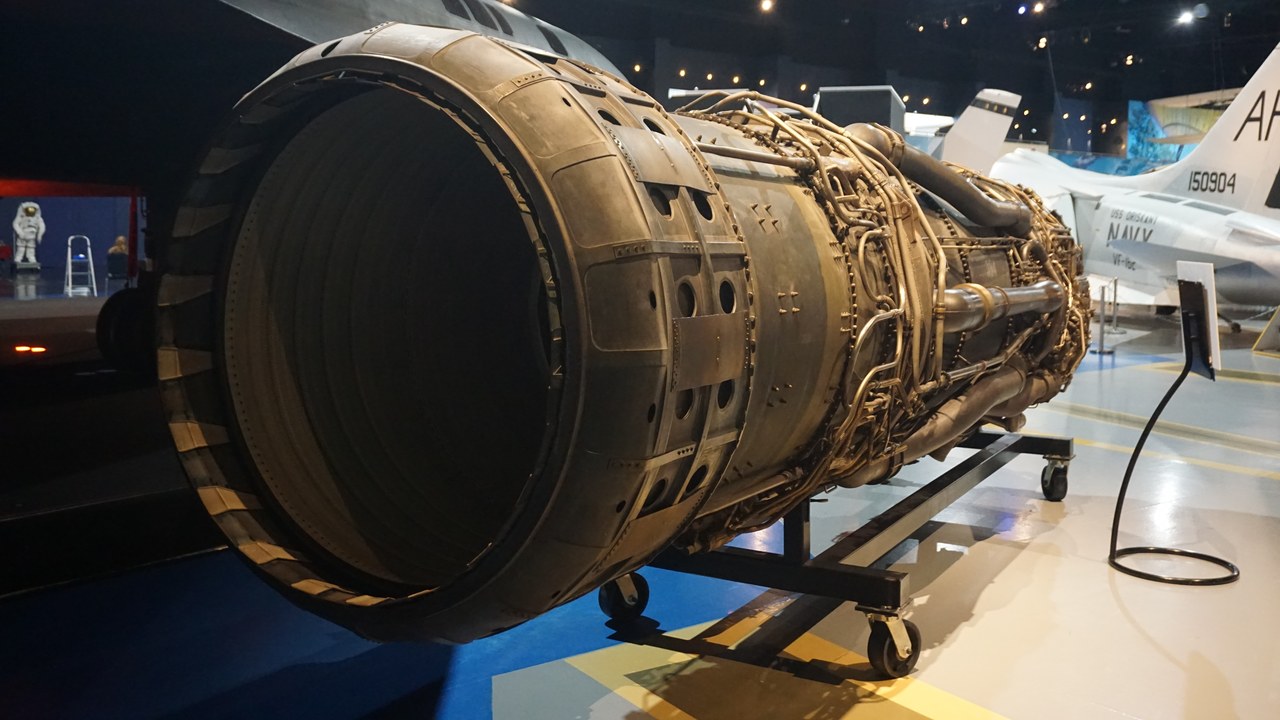
Every Blackbird flew on Pratt & Whitney J58s, an extensively redesigned version of an earlier supersonic engine, of which only the compressor and turbine aerodynamics were kept. Cruise at Mach 3.2 demanded titanium inlet guide vanes and compressor blades able to survive extreme heat.
The engine worked as one part of a system with the inlet and nozzle. Early analog inlet controls could struggle, causing violent “unstarts” that could flame out an engine, and from 1980 a digital system took over. The heat was so severe that panels were built to fit loosely and lined up only as the airframe heated and expanded, so the jets leaked fuel on the ground.
Beale Air Force Base: Home Base in California
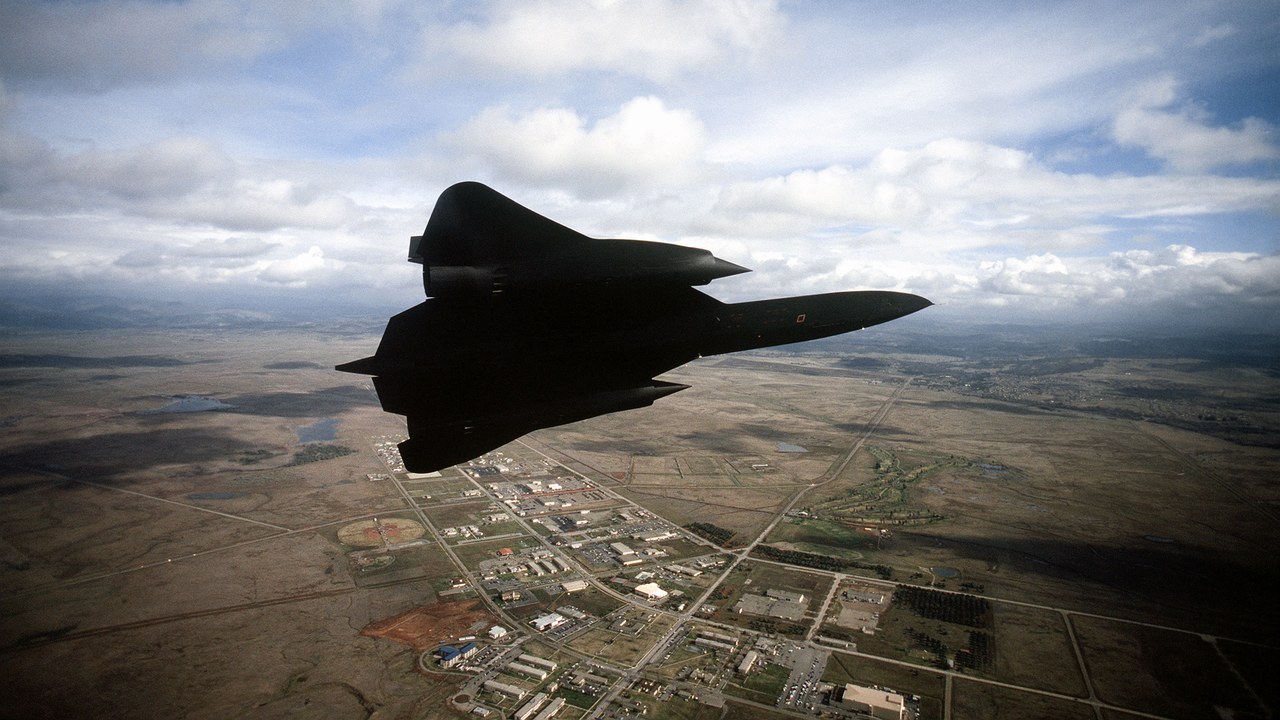
In December 1964, the Air Force named Beale Air Force Base in California as the home of the SR-71, and the 9th Strategic Reconnaissance Wing flew it from there. Detachments operated from Kadena Air Base in Okinawa starting in 1968 and from RAF Mildenhall in England from 1976.
Missions over North Vietnam and Laos began at about one sortie a week and by 1972 were happening nearly every day. Over its career, the program flew Cold War routes along the Soviet coast and over hot spots from Cuba to Libya. An SR-71A is now on display at Beale.
Edwards Air Force Base: NASA’s Flying Laboratory
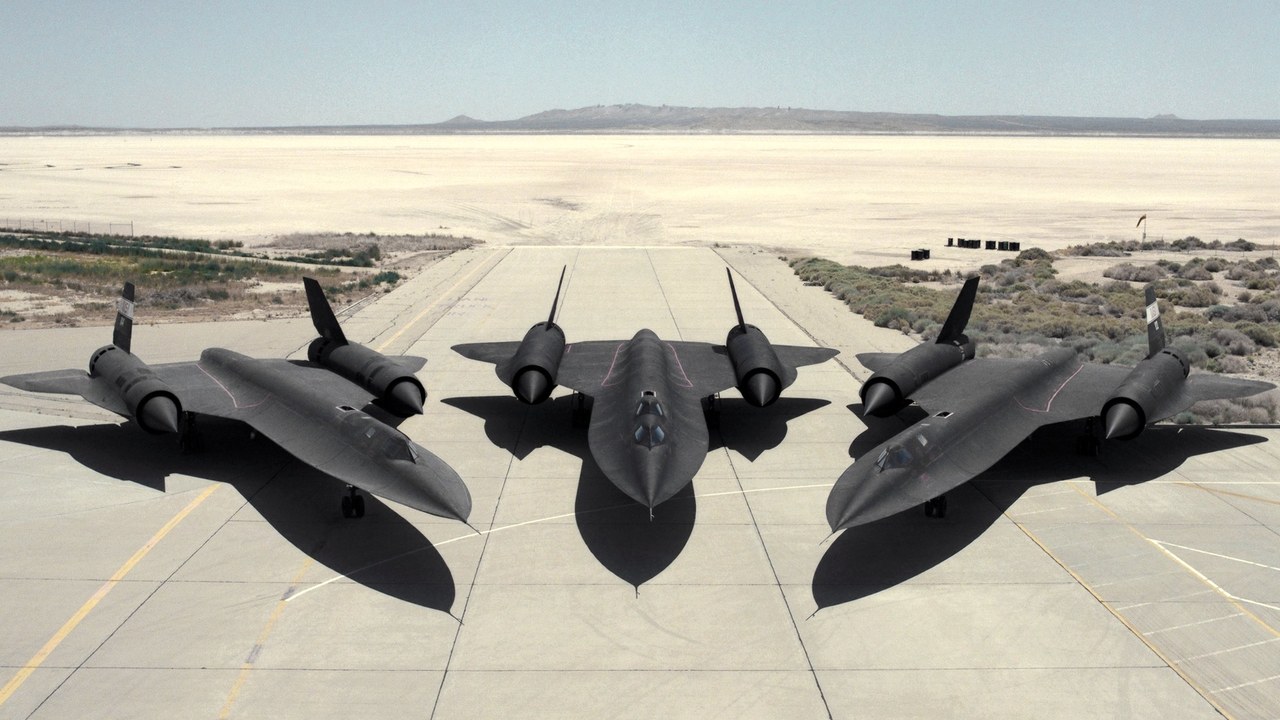
After the Air Force retired the jet, NASA borrowed it. This photo shows the original trio of SR-71s loaned to NASA for high-speed, high-altitude research at Edwards Air Force Base in California in 1992.
An October 2026 AIAA news summary, citing Aerospace Global News, noted that nearly 30 years after its retirement, the Blackbird remains the “world’s fastest operational jet aircraft” and has never had a “direct successor.” Reports that NASA has explored a possible return to flight, it said, have reignited questions about why modern aviation has yet to match what the SR-71 could do.
Armstrong Flight Research Center: The Blackbird That Left Its Pedestal
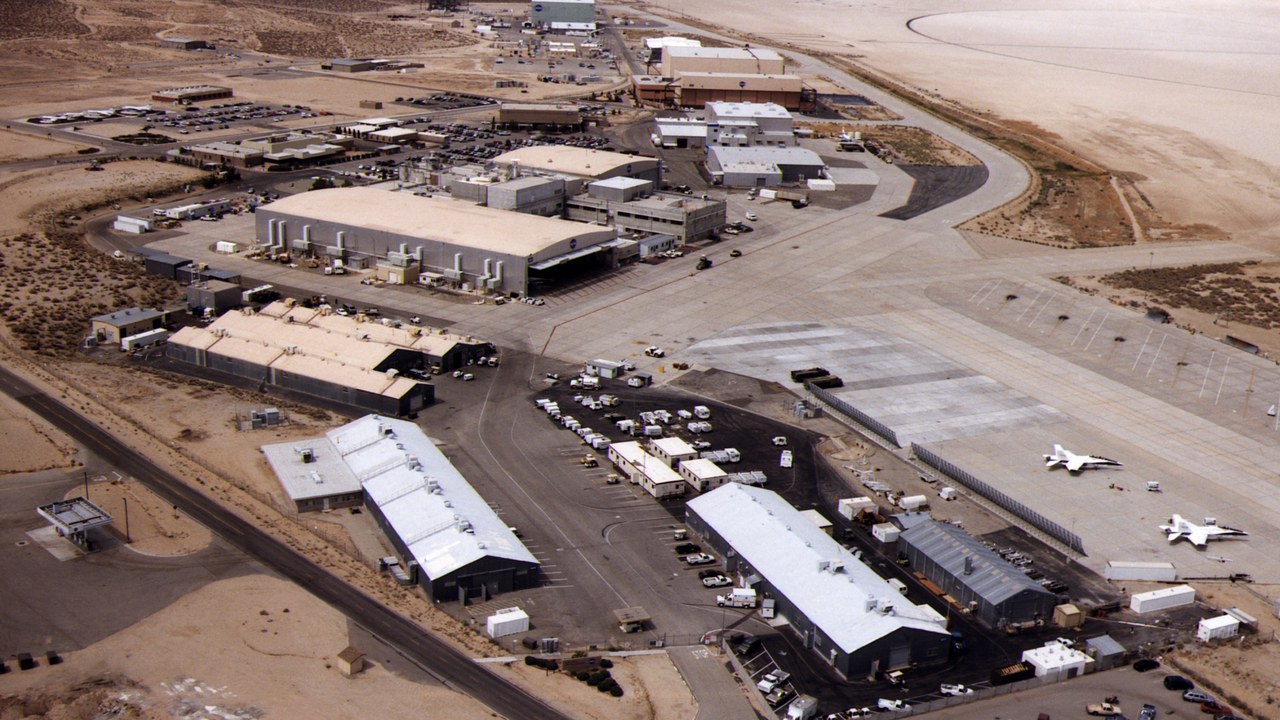
SR-71 No. 844, the last one built and the last to fly, sat on outdoor display at NASA’s Armstrong Flight Research Center after its final flight on October 9, 1999. Satellite imagery showed it gone from its usual spot since at least May 17, 2026, and Aviation Week reported it had been moved into a hangar for inspection.
Sources told the publication NASA had explored a return to flight and contacted former SR-71 program members, but NASA has not confirmed that and said it had nothing to share. The obstacles are steep: the jet’s special JP-7 fuel is no longer in regular production, and a reactivation study about two years after the final flight reportedly put costs at roughly $40 million to $45 million.
More from Morning Overview
- A handful of car transmissions are so tough that mechanics say they almost never die
- Melting permafrost is setting off a newly identified kind of catastrophic landslide, scientists say
- Cadillac cut the price of its cheapest EV, which goes up to 317 miles on a charge
- Winter weather advisories cover I-80, I-70 and the Bighorns with up to 15 inches of snow
