
A strategic bomber is built to fly thousands of miles, slip past defenses and deliver a payload that can change the course of a war. Some are still on duty decades after their first flights, while others became legends of past conflicts. Here are nine bombers built to strike deep behind enemy lines.
Read next on Morning Overview: Arizona’s governor declared a statewide emergency after Flagstaff logged its wettest Nov. 1 on record
1. B-52 Stratofortress: The Bomber That Never Retires
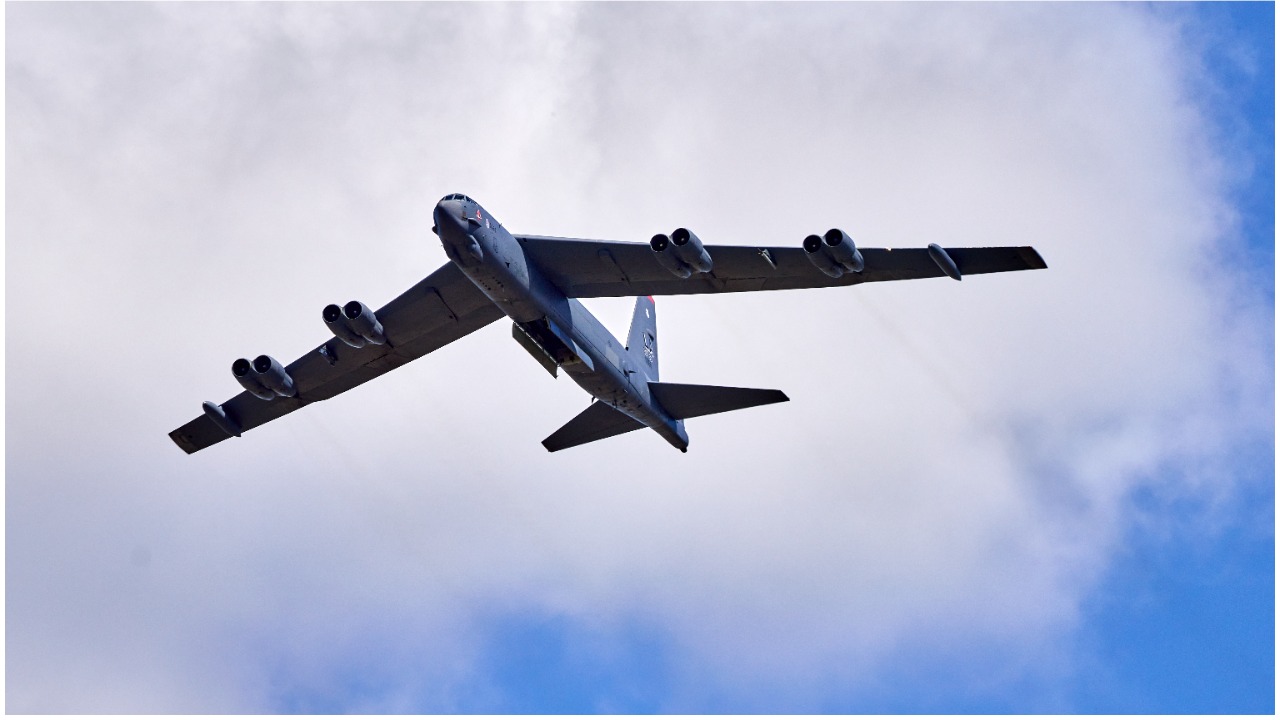
The B-52H Stratofortress remains the Air Force’s main bomber workhorse. According to ClearanceJobs, the US has 76 B-52s in its inventory, 58 in the active forces and 18 in the reserve fleet, and the last B-52H was delivered in October 1962.
Boeing built 744 B-52s during the Cold War at plants in Seattle and Wichita, with production running from the early 1950s until that final delivery. Another dozen or so are preserved at the Davis-Monthan Air Force Base boneyard and could be returned to service if needed. Active B-52s fly from Barksdale in Louisiana and Minot in North Dakota, more than six decades after the newest one was built.
2. B-1B Lancer: The Biggest Conventional Payload

The B-1B reached initial operational capability in 1986 and can carry a 75,000-pound payload, the largest conventional weapons load of any US bomber, according to a Congressional Research Service report. It is one of three heavy bombers the Air Force deploys alongside the B-52 and B-2.
The bomber, nicknamed the Bone, was designed to fly at supersonic speeds and strike targets wherever needed. It has remained in service for decades as a flexible conventional strike platform. Those bombers carry heavy loads over long distances for extended periods, and the Air Force is developing the new B-21 as the next generation to follow them.
3. B-2 Spirit: America’s First Stealth Bomber
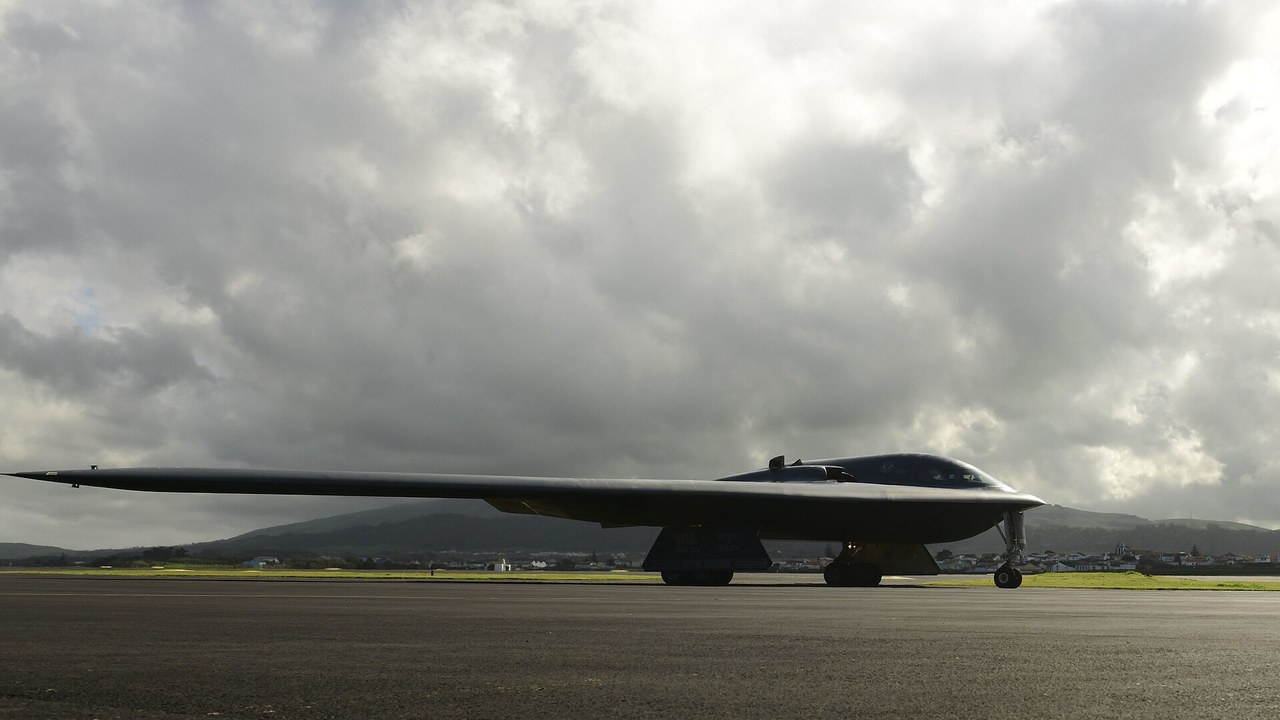
Northrop Grumman calls the B-2 Spirit a key component of the nation’s long-range strike arsenal and one of the most survivable aircraft in the world. According to the company’s B-2 page, it was the first operational nuclear stealth bomber, combining stealth, long range, a heavy payload and precision weapons.
With nearly four decades of service, the B-2 is regarded as one of the most advanced engineering achievements in aviation. Northrop Grumman leads an industry team working with the Air Force on upgrades to its communications, weapons and mission systems. Those upgrades are meant to keep the flying wing fully capable against evolving threats for years to come.
4. Tupolev Tu-160: Russia’s Supersonic Swing-Wing Giant
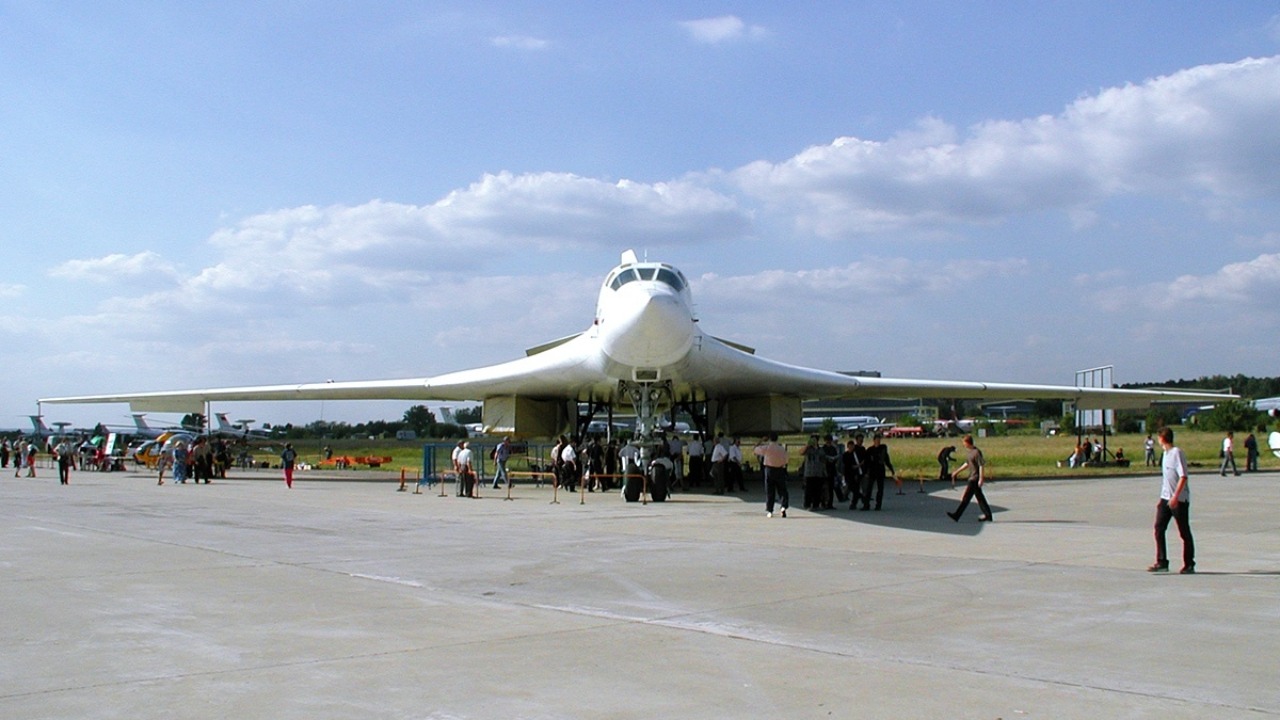
The Soviet Union developed the Tu-160, which first entered service in 1987, shortly before the collapse of the USSR, according to SlashGear’s guide. Russia inherited the fleet and continues to operate the nuclear-capable heavy bomber.
The Tu-160 uses a variable-sweep wing, letting it fly efficiently at lower speeds and sweep back for supersonic dashes. It is flown by the Long Range Aviation branch of Russia’s Aerospace Forces, which operates a modern upgraded version. It remains one of the largest and fastest combat aircraft ever built, a centerpiece of Russia’s strategic air power.
5. Tupolev Tu-95: The Propeller Bomber Still Flying
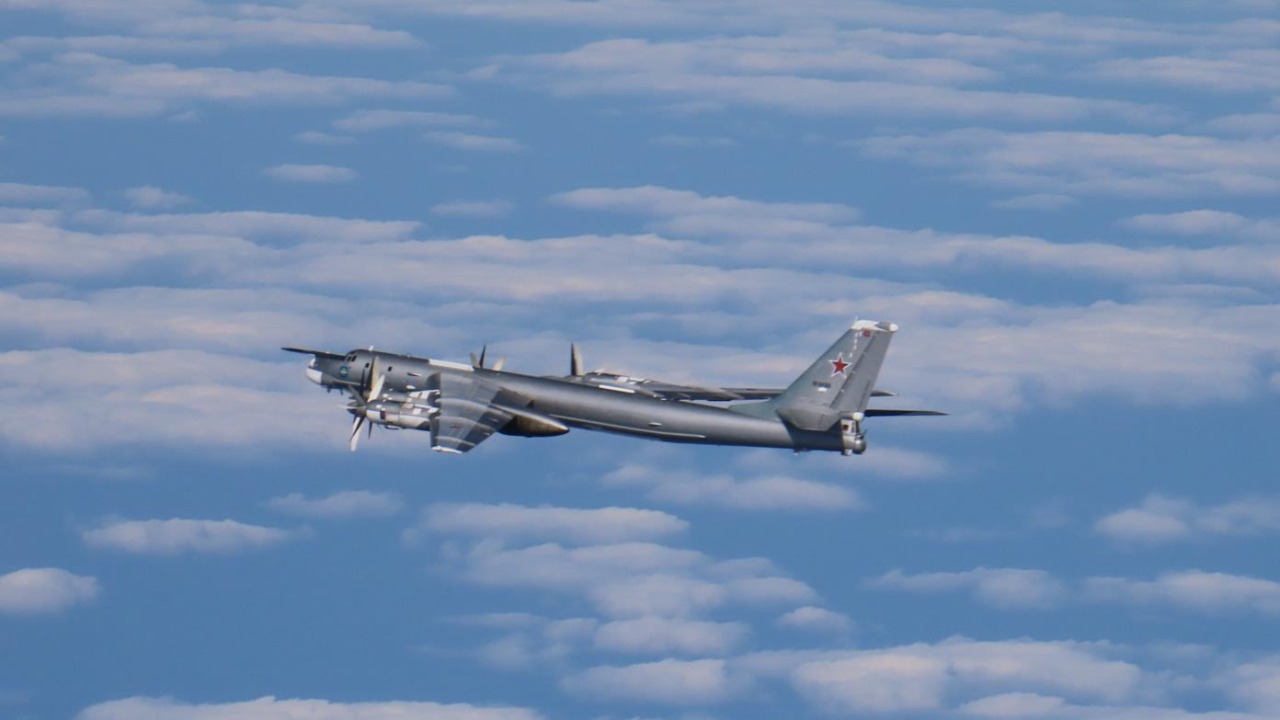
The Tu-95 is a Cold War design that still flies with Russia’s bomber force. Four NK-12 engines driving huge propellers push it to 575 mph with a range of 9,300 miles, according to AeroCorner’s bomber ranking, and the modern Tu-95MS carries eight Kh-101 or Kh-102 cruise missiles.
That cruise-missile role keeps the aging airframe relevant, because the bomber can launch weapons from far outside an enemy’s air defenses. AeroCorner lists roughly 50 of the Tu-95MS Bear in service. Its distinctive contra-rotating propellers make it one of the most recognizable military aircraft in the sky.
6. B-29 Superfortress: The Bomber That Ended a War
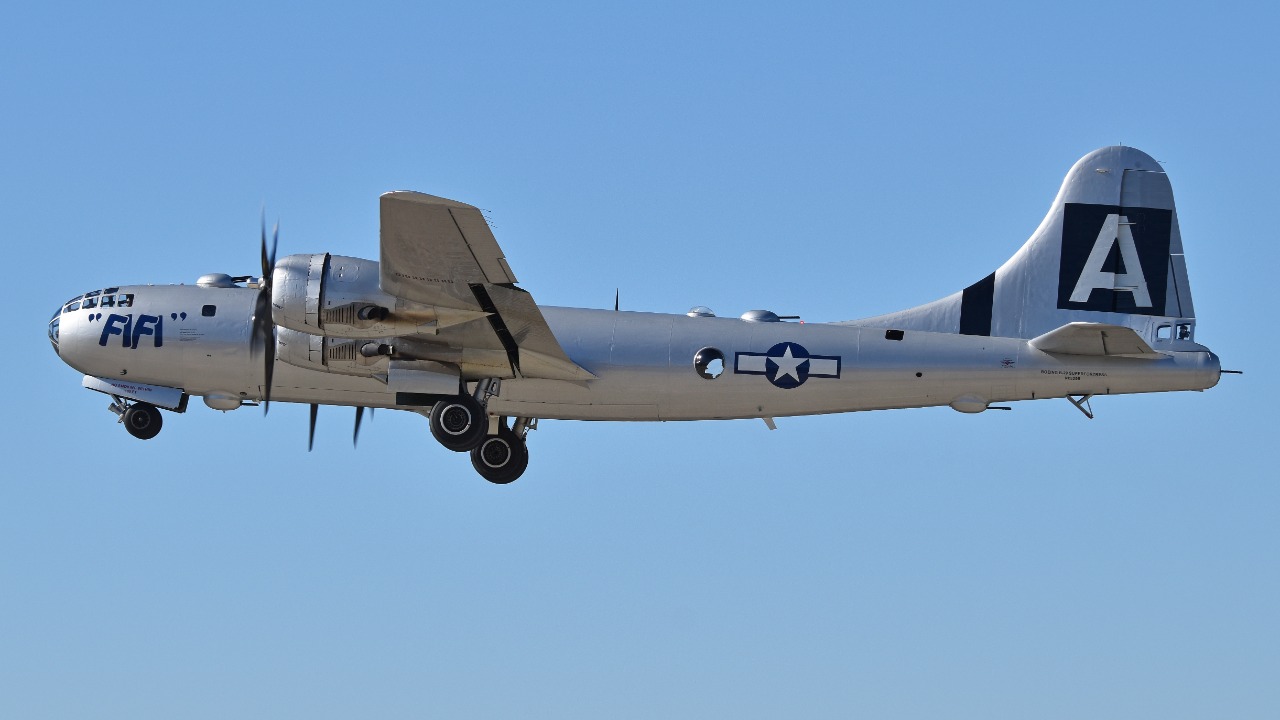
Judged in its own era, the B-29 Superfortress is the strongest candidate for the best bomber ever built, according to AeroCorner. It was pressurized, computer-aimed and intercontinental in reach, and it was decisive in ending World War II.
AeroCorner also notes that the B-29 would not survive against a modern air-defense network, which is why it does not appear in rankings of today’s bombers. A handful of restored examples still fly at air shows, giving modern crowds a look at the aircraft that redefined long-range bombing in the 1940s.
7. Avro Vulcan: Britain’s Last Strategic Bomber
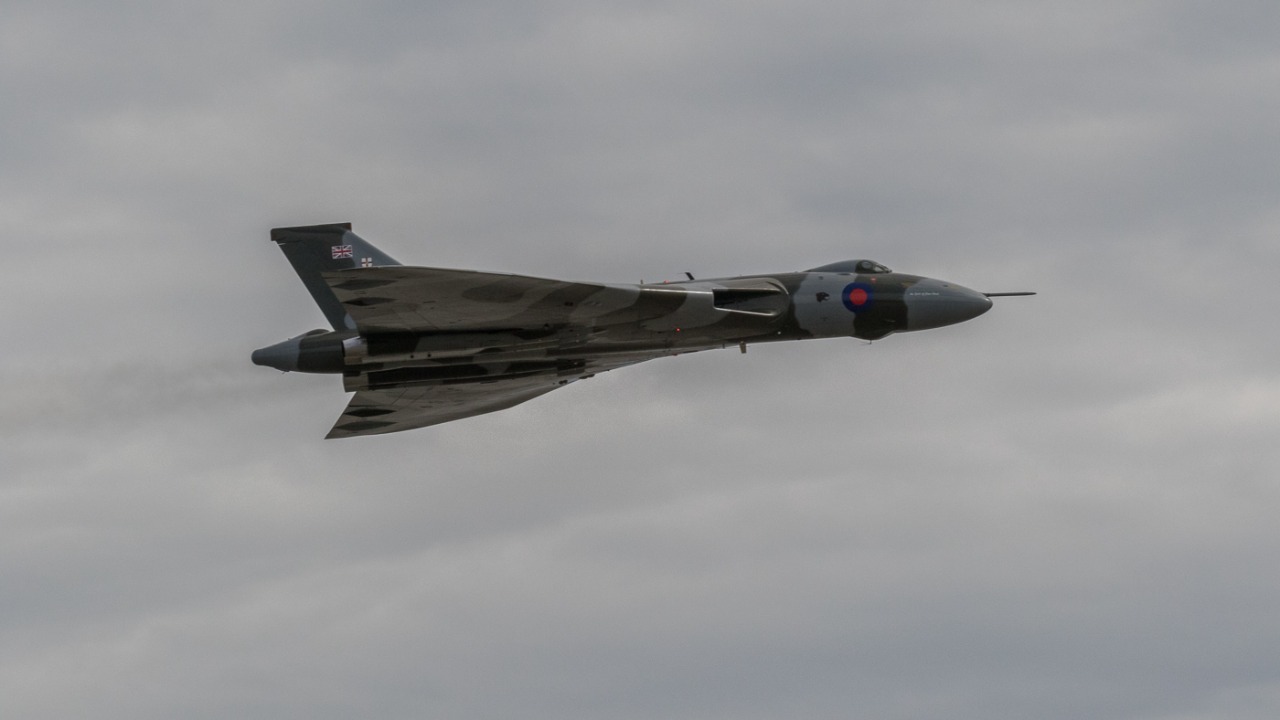
The delta-winged Avro Vulcan was Britain’s last strategic bomber. The UK retired it in 1984, and today no country other than the United States, Russia and China operates a strategic bomber, according to AeroCorner.
France relies instead on nuclear-armed Rafale strike fighters, while India and Israel use tactical aircraft for a different job entirely. The Vulcan’s striking delta shape made it one of the most memorable aircraft of the Cold War. Its retirement marked the end of an era for British long-range bombing, leaving the strategic bomber club to just three countries.
8. Avro Lancaster: The Heaviest Load in Europe
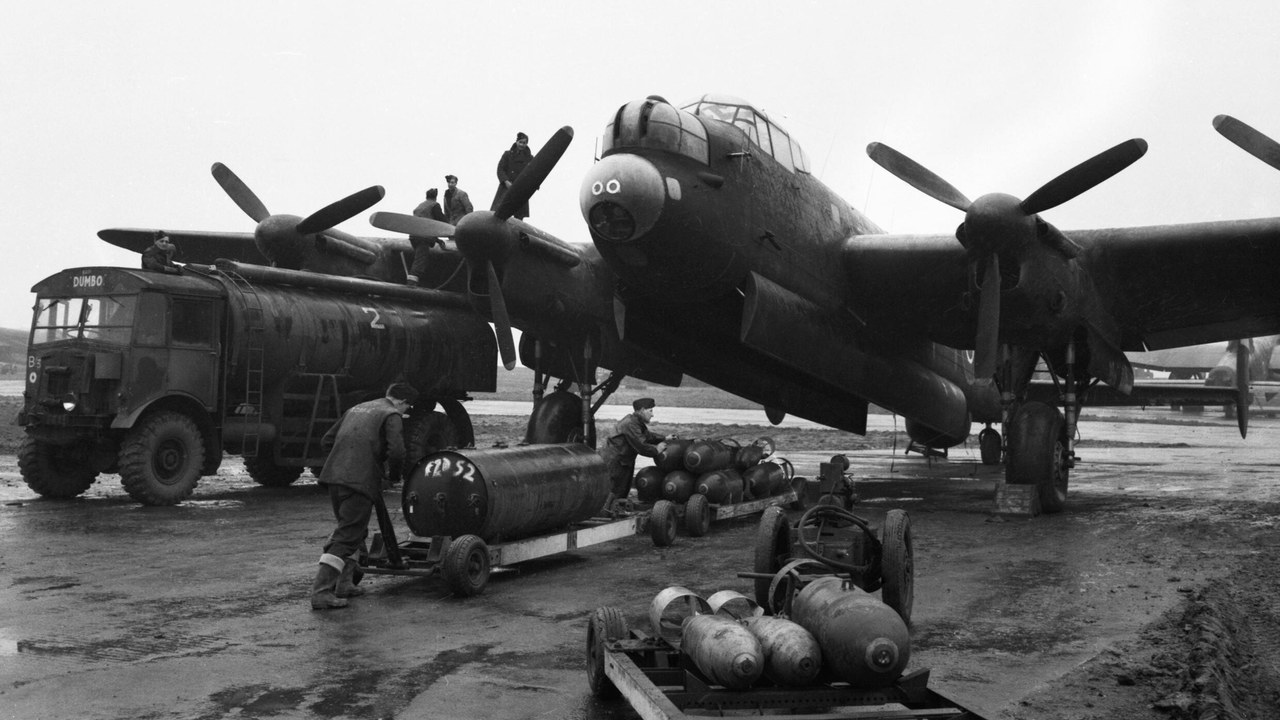
The Avro Lancaster could carry the heaviest bomb load in the European Theatre of Operations, according to the Imperial War Museums. With a 102-foot wingspan and four Rolls-Royce Merlin engines, it was one of the most famous heavy bombers of World War II.
That carrying capacity made possible one of the war’s most high-profile missions, the 1943 attack on dams in Germany’s Ruhr valley known as the Dam Busters Raid. Nineteen Lancasters were adapted to carry the bouncing bomb for that mission, which became a legend of British aviation history.
9. B-17 Flying Fortress: The Fortress That Dropped the Most
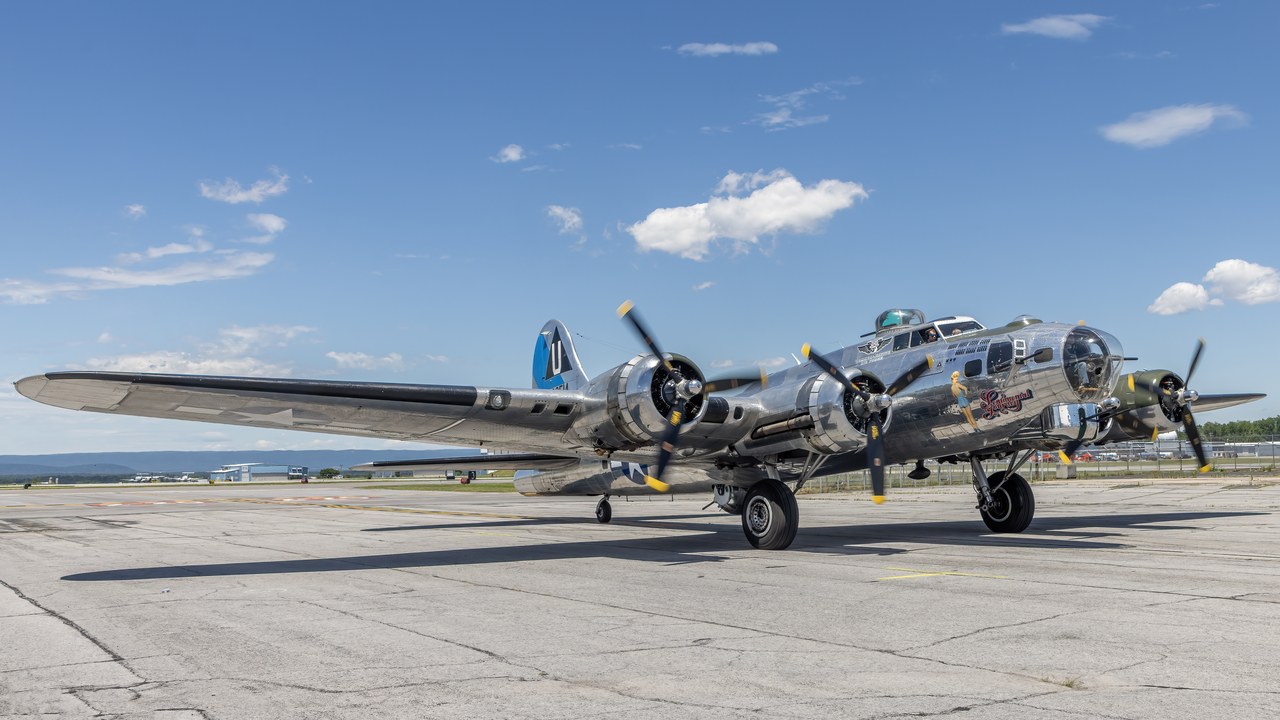
The B-17 Flying Fortress dropped more bombs than any other US aircraft in World War II, according to the Imperial War Museums. Many flew from bases in England as part of the daylight strategic bombing campaign, alongside the B-24.
The B-17 was known as a hardy, reliable aircraft, but the cost was severe. In the first year of the campaign over Germany, only 36% of crews completed their required tour of 25 missions. That grim statistic captures how dangerous deep strikes into defended territory were before long-range escort fighters arrived.
More from Morning Overview
- A handful of car transmissions are so tough that mechanics say they almost never die
- Melting permafrost is setting off a newly identified kind of catastrophic landslide, scientists say
- Cadillac cut the price of its cheapest EV, which goes up to 317 miles on a charge
- Winter weather advisories cover I-80, I-70 and the Bighorns with up to 15 inches of snow
