
Air power is often decided before a dogfight ever starts, by stealth, radar, missiles and the speed to get there first. The jets that rival air forces worry about most come from the United States, Europe, Russia, China and South Korea. These are nine of the most feared fighter jets flying today.
Read next on Morning Overview: Two Kentucky residents died when a small plane crashed at Missouri’s Lake of the Ozarks, and the NTSB is investigating
1. F-22 Raptor: Still the King of Air Combat
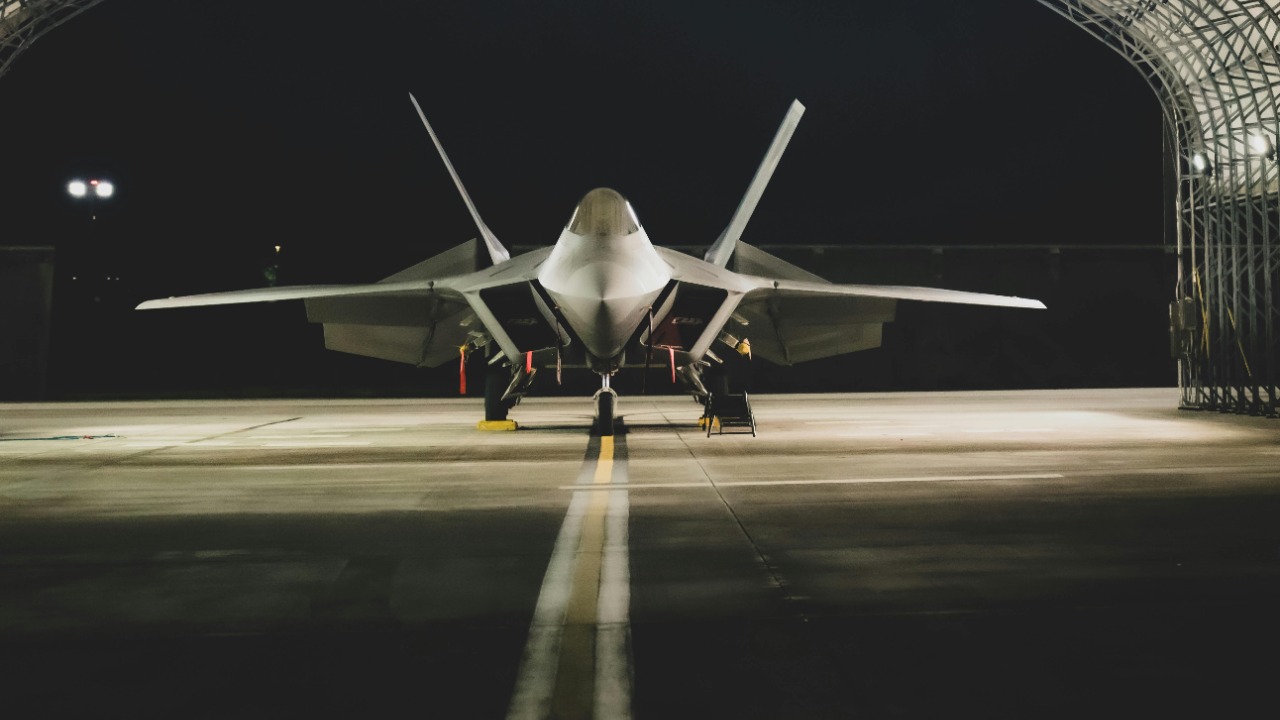
The F-22 Raptor remains widely regarded as the most dominant air-superiority fighter ever built. It was designed specifically to defeat enemy fighters in air-to-air combat, according to Aviation A2Z’s 2026 ranking, and it combines stealth shaping with radar-absorbing materials.
Its top speed is Mach 2.25, and it can supercruise, flying at supersonic speed without using afterburners. That lets it reach a fight faster while staying hard to detect. Decades after its debut, it remains the benchmark that newer fighters around the world are measured against.
2. F-35 Lightning II: The Quarterback of the Skies
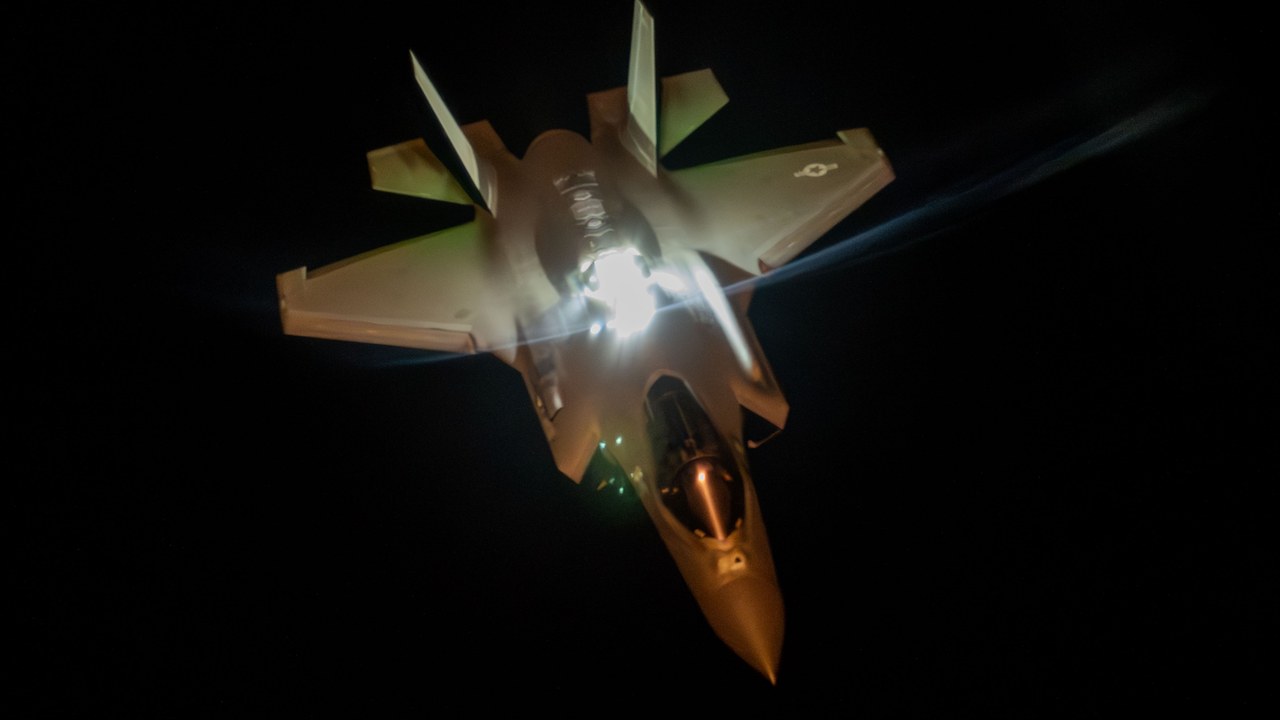
Lockheed Martin bills the F-35 as the most lethal, survivable and connected fighter aircraft for America and its allies. The company’s F-35 page calls it the quarterback of the skies, integrating air, land, sea, space and cyber operations to give pilots a decisive edge.
Much of that edge comes from sensor fusion, which merges data from the jet’s radar and other sensors into a single picture for the pilot and for friendly forces nearby. The jet is flown by the US military and a long list of allied air forces, which makes it the most widespread stealth fighter in service.
3. Su-57 Felon: Russia’s Stealth Contender
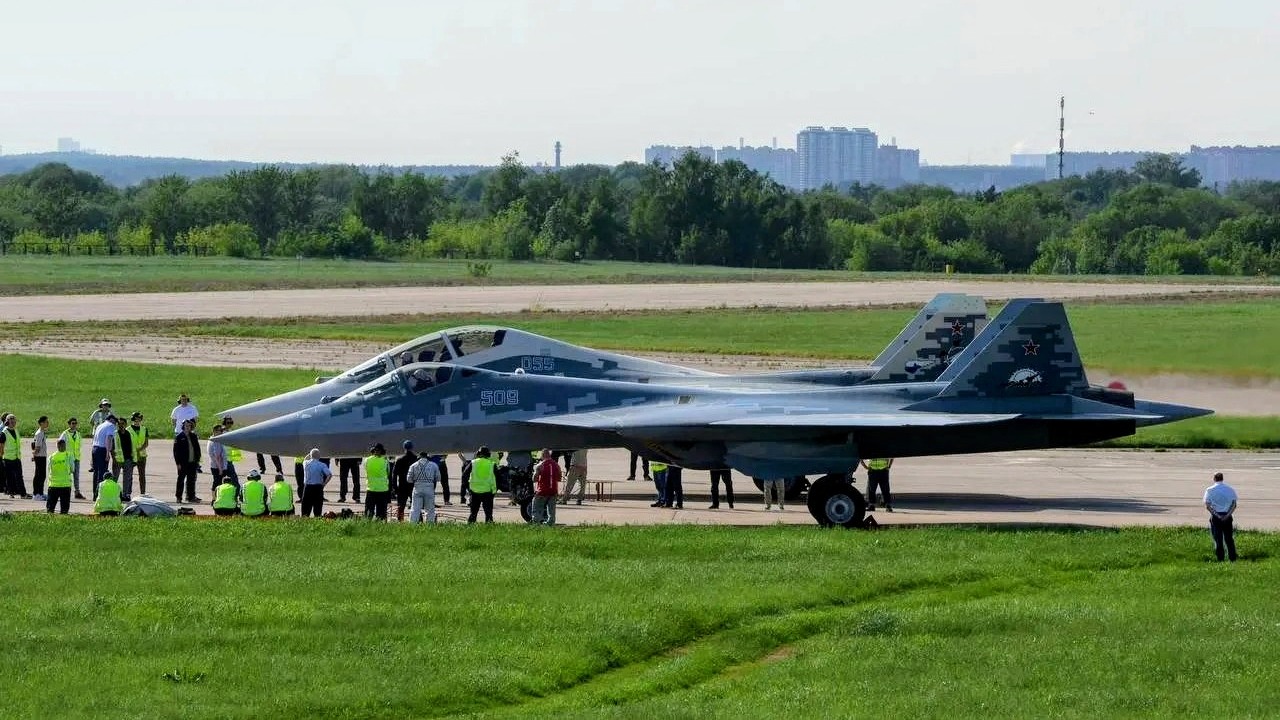
The Su-57 is Russia’s bid for fifth-generation air power. It has an estimated top speed of Mach 2.0, a combat radius reported at about 900 nautical miles and internal weapons bays, according to Military Machine’s ranking, which calls it perhaps the most controversial jet on its list.
On paper, its stealth design, multi-band radar and thrust-vectoring engines are impressive. Russia reportedly flew a small number on combat sorties in Syria beginning in 2018. That makes the Su-57 the only fifth-generation fighter besides the F-22 and F-35 with any form of combat deployment.
4. Eurofighter Typhoon: Europe’s Premier Air Superiority Jet
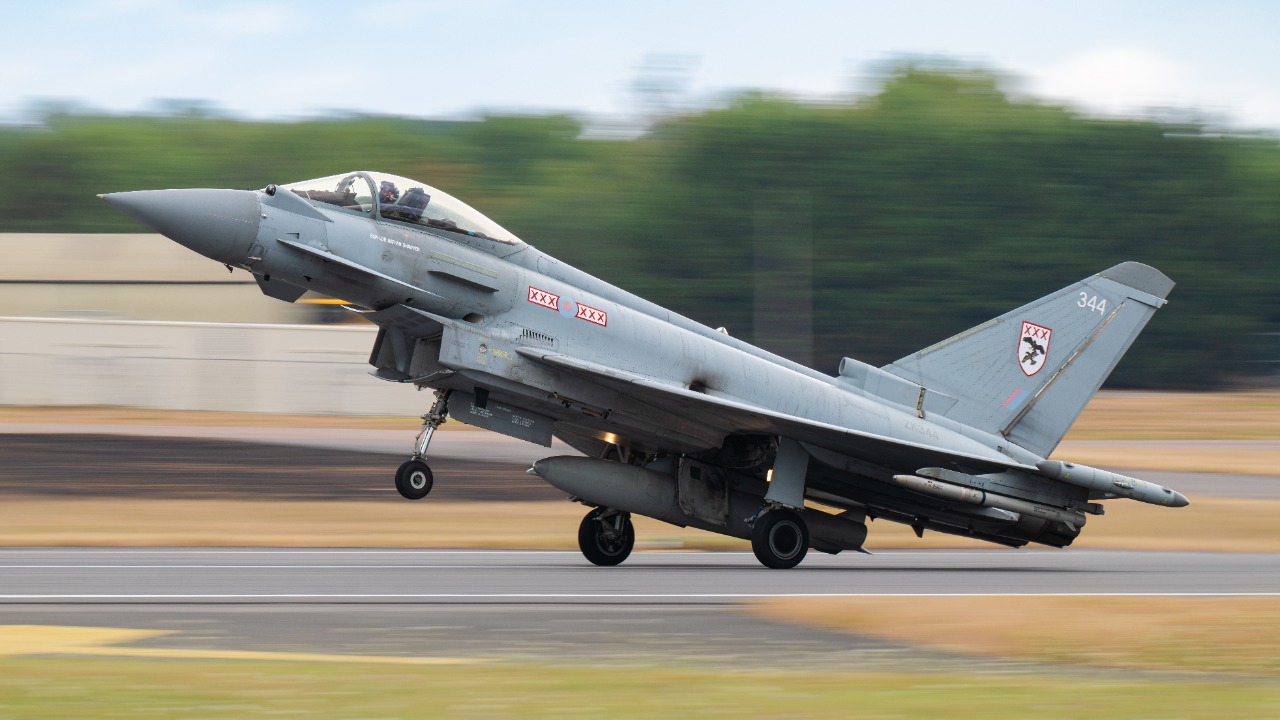
The Eurofighter Typhoon was developed by the United Kingdom, Germany, Italy and Spain. According to Aviation A2Z, it is widely considered Europe’s premier air-superiority fighter. It was first designed as a pure air-to-air jet but has grown into a highly capable multirole platform.
That evolution means it can now strike ground targets as well as hunt enemy aircraft. Its agility and speed have kept it in front-line service with several European air forces. It remains a central part of NATO’s air defense on the continent.
5. Dassault Rafale: France’s Do-It-All Fighter

Dassault calls the Rafale the French aerospace industry’s flagship and an embodiment of national sovereignty. The Dassault Rafale page notes that French Air Force Rafales have flown combat operations armed with AASM precision bombs and MICA missiles.
The company highlights its omnirole capability, the ability to switch between several different missions in the same sortie. One flight can move from a strike mission to a show of force, intelligence gathering or air superiority. That flexibility, built into a single airframe, is the core of the jet’s appeal to the French military and to foreign buyers alike.
6. Saab Gripen E: The Fighter Small Nations Can Afford
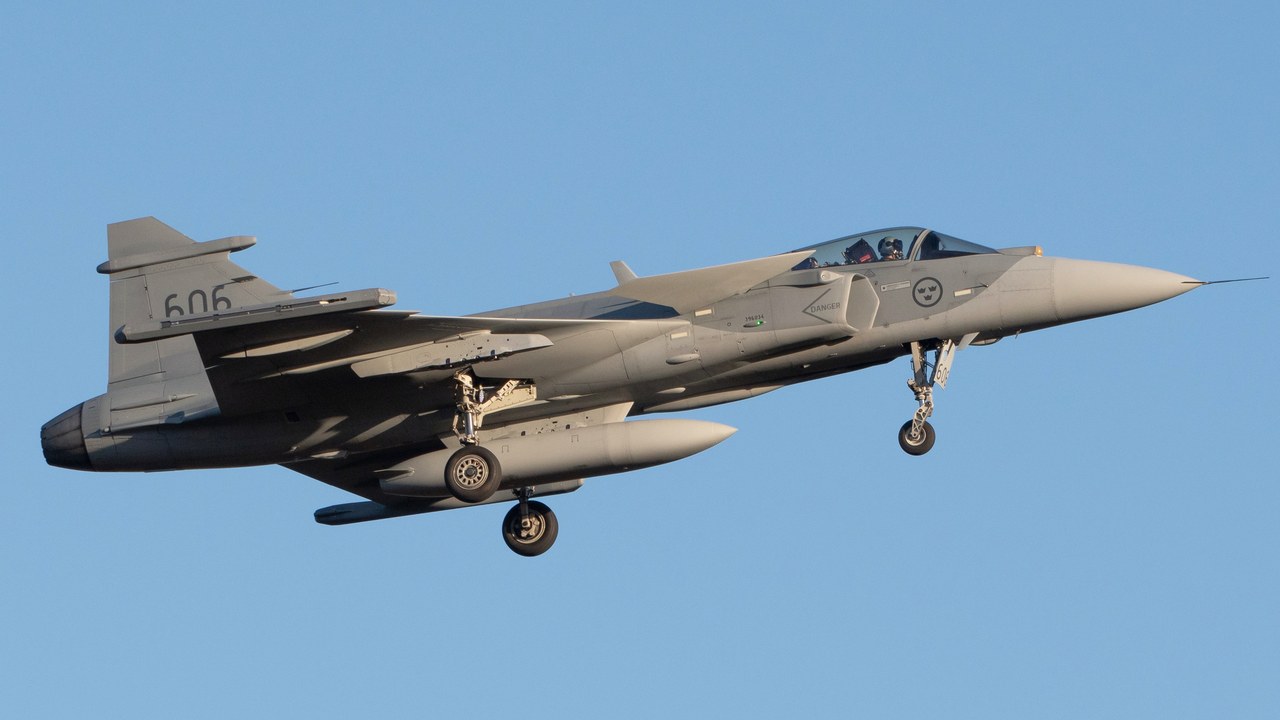
Sweden’s Gripen E reaches Mach 2 with a combat radius of about 800 nautical miles, according to Military Machine. The jet was built around the idea that a smaller air force should be able to buy, maintain and fly it without going broke.
The Gripen E entered Swedish service in 2023 with an advanced radar and the long-range Meteor missile. It is designed to operate from dispersed road bases, and a team of six conscripts can turn it around in under ten minutes. Its cost per flight hour is estimated at roughly 4,700 dollars, a fraction of an F-35’s.
7. Su-35 Flanker-E: The Flanker’s Most Advanced Form

The Su-35 is an advanced multirole air-superiority fighter developed from the Su-27, according to Airforce Technology. It was unveiled at the MAKS air show in Moscow in August 2007 and first flew in February 2008.
The jet entered serial production for the Russian Air Force as the Su-35S in 2010. It is often described as one of the most maneuverable fighters ever produced and represents the most advanced evolution of the Flanker family. Its development was not smooth, though, and a prototype crashed during high-speed ground tests in 2009.
8. KF-21 Boramae: South Korea’s New Fighter
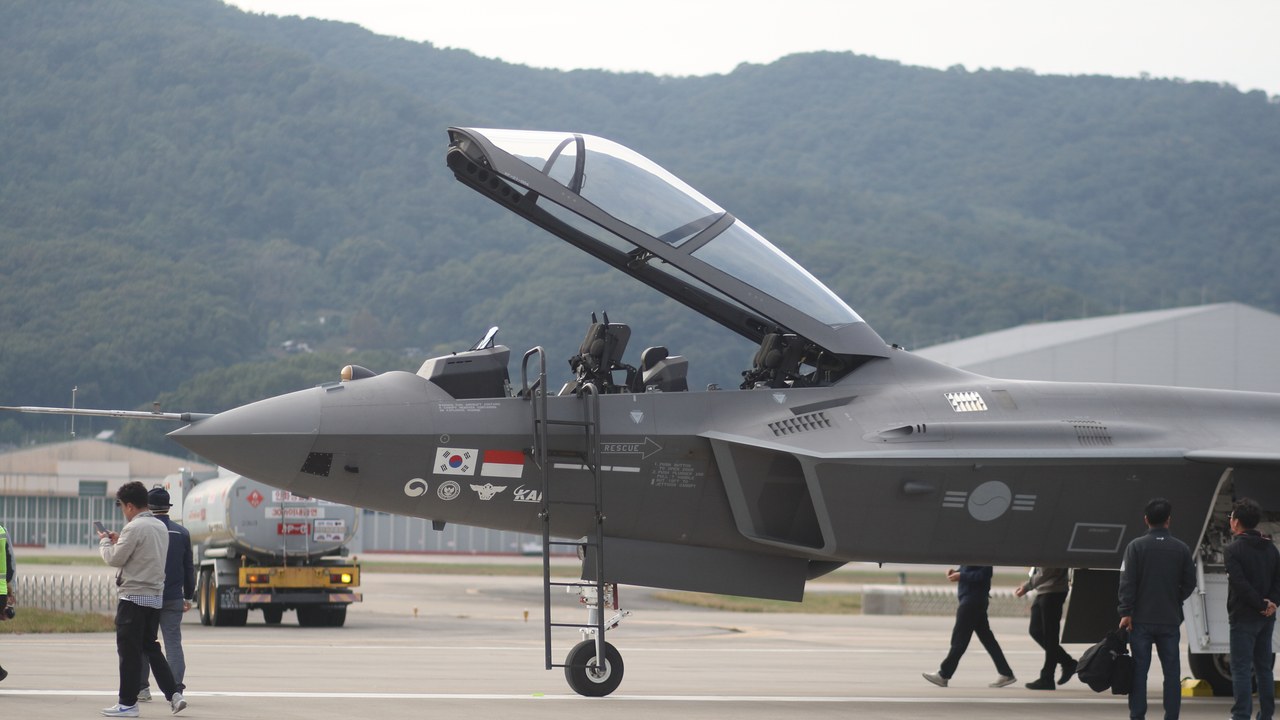
South Korea’s KF-21 Boramae has moved from flight testing into production, one of the biggest shifts in the 2026 fighter rankings, according to Military Machine. Flight testing concluded on January 13, 2026, after about 1,600 accident-free flights.
The first production jet rolled off the Korea Aerospace Industries line on March 25, 2026, with deliveries to the Republic of Korea Air Force scheduled for September. Plans call for 40 Block I aircraft in the first batch, followed by more in 2027 and 2028. The early version is a 4.5-generation design.
9. Shenyang J-16: China’s Heavy Strike Fighter
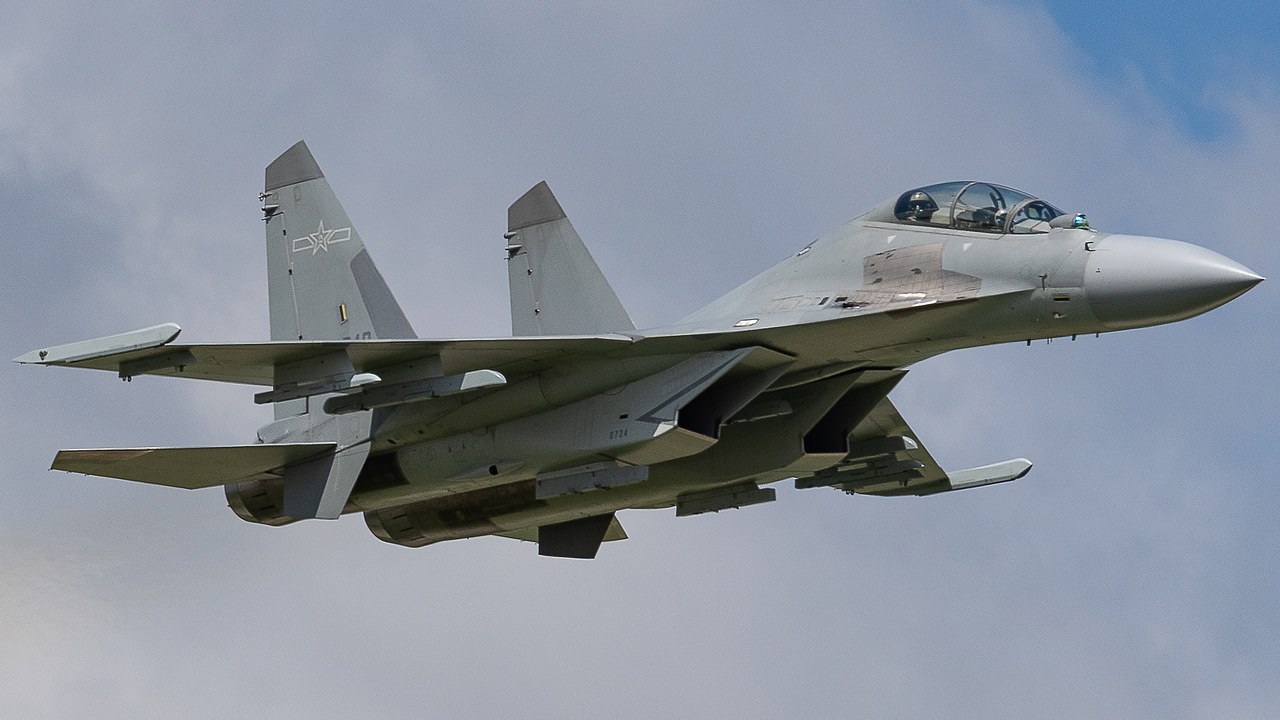
AeroCorner’s ranking of the world’s best fighter jets lists China’s Shenyang J-16 among the most capable aircraft in service today. According to AeroCorner’s 2026 list, the J-16 is a 4.5-generation fighter, part of the group of advanced jets that sits just behind fifth-generation stealth designs.
The ranking weighs stealth and survivability, sensors and data-sharing, weapons reach and combat record rather than any single number. The J-16 is a two-seat jet derived from the Flanker family, and it gives China’s air force a heavy fighter able to carry a large load of missiles and bombs over long distances.
More from Morning Overview
- Shaq spent $1.3 million on three Rolls-Royce Phantoms to prove a point to a salesman
- The Justice Department asked courts to undo approvals for three offshore wind farms, one already making power
- Over 20 trillion gallons of rain fell on the Four Corners states and Nevada in two weeks
- 11 engines built to run well past 200,000 miles
