
America’s stealth bombers grew out of an idea that once looked like a dead end: an aircraft that is nothing but wing. From Jack Northrop’s early flying wings to the B-2 Spirit and now the B-21 Raider, the story runs through secret test sites, a few famous bases and some very expensive airplanes. These pictures trace how the shape and the strategy evolved.
Read next on Morning Overview: Shaq spent $1.3 million on three Rolls-Royce Phantoms to prove a point to a salesman
Northrop Grumman B-21 Raider: The Newest Bomber Drops Its First Weapon
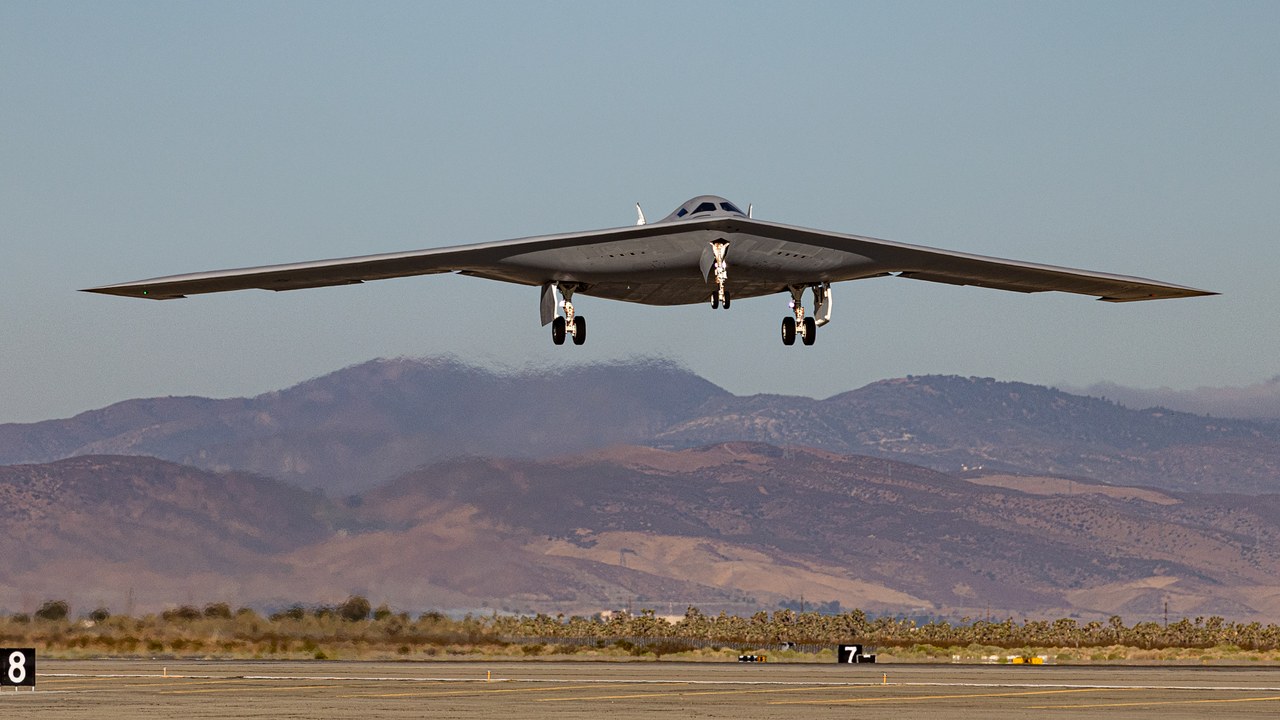
The B-21 Raider conducted its first weapons release test in the first week of November, the Air Force and Northrop Grumman said, according to Air & Space Forces Magazine. The service described the test as the aircraft’s move from a flight test aircraft toward a functional weapons platform.
The B-21 is the Air Force’s newest stealth bomber and its first new bomber in more than three decades. Its stealth, open systems architecture, sensors and data-sharing abilities have led the service and Northrop to describe it as the world’s first sixth-generation aircraft.
Northrop B-2 Spirit: The Bomber That Proved the Idea
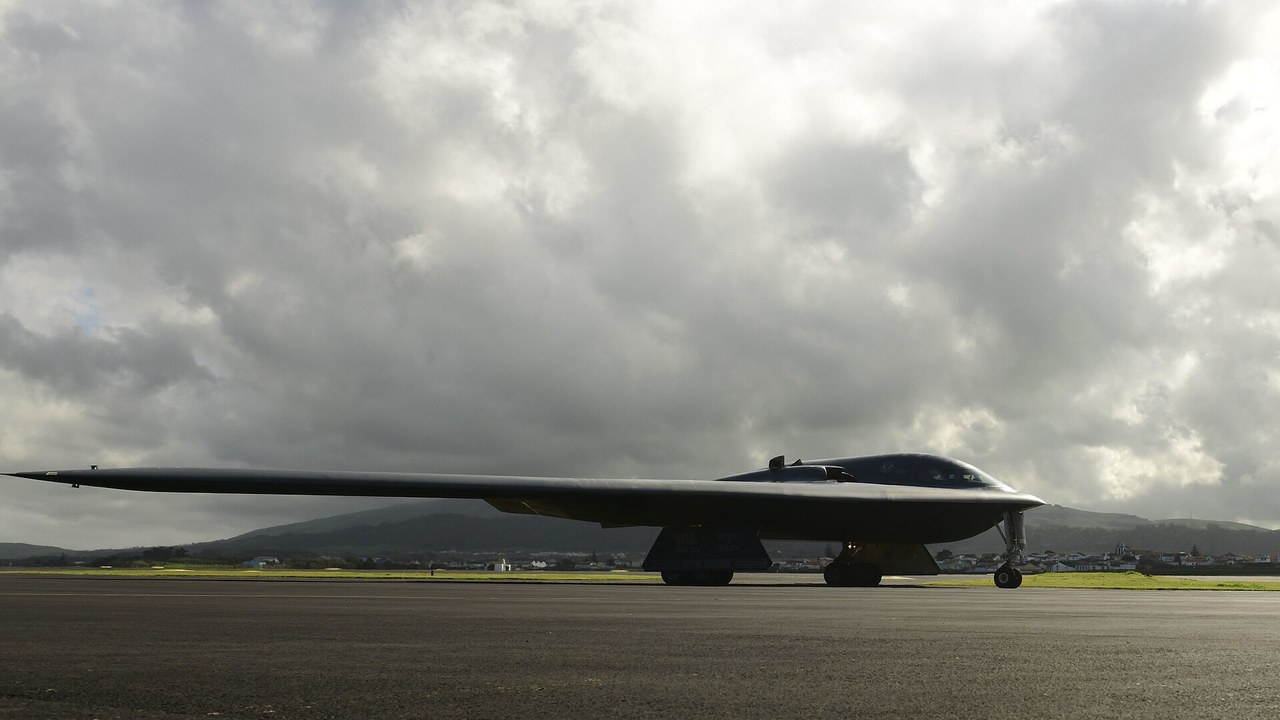
The B-2 Spirit is a four-engined flying wing with a crew of two to three, designed with stealth technology to penetrate sophisticated air defenses, as its Wikipedia entry describes. Northrop was the prime contractor, and the bomber was produced from 1988 to 2000.
Development began in 1979 as a secret program, and by 1996 the effort had produced 21 aircraft at a total cost of $44.7 billion. It can carry conventional or nuclear weapons, including up to eighty 500-pound guided bombs, and remains the only acknowledged in-service aircraft able to carry large standoff weapons in a stealth configuration.
Northrop YB-49: The Jet Wing That Lost Out

The YB-49 was a jet-powered prototype heavy bomber that Northrop developed shortly after World War II, according to its Wikipedia entry. It was a turbojet development of the piston-engined XB-35 and YB-35 flying wings, and the two YB-49s built were converted from YB-35 test aircraft.
It never entered production, losing out to the more conventional Convair B-36. Yet the design work proved invaluable to Northrop decades later, when the company was tasked with developing the B-2, which entered service in the early 1990s.
Lockheed F-117 Nighthawk: The First Operational Stealth Jet
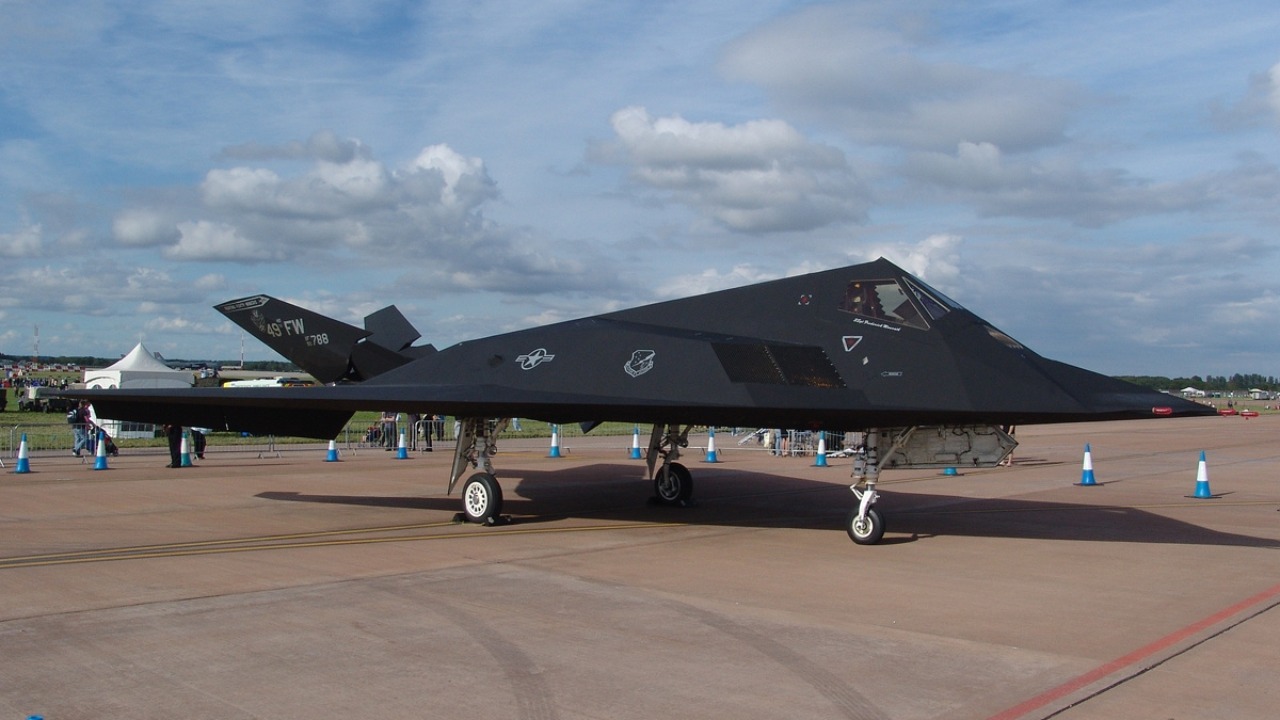
The F-117 Nighthawk was the first operational aircraft designed with stealth technology, according to its Wikipedia entry. Lockheed’s Skunk Works began the work in the 1970s to counter increasingly sophisticated Soviet surface-to-air missiles.
Five prototypes were built, the first flying in 1981 at Groom Lake, Nevada, and the jet reached initial operating capability in October 1983. Its faceted shape, made of flat surfaces, gave it a radar cross-section of about 0.001 square meters, and its unusual tailpipe mixed hot exhaust with cool air to reduce its heat signature.
Edwards Air Force Base: Where New Bombers Are Tested
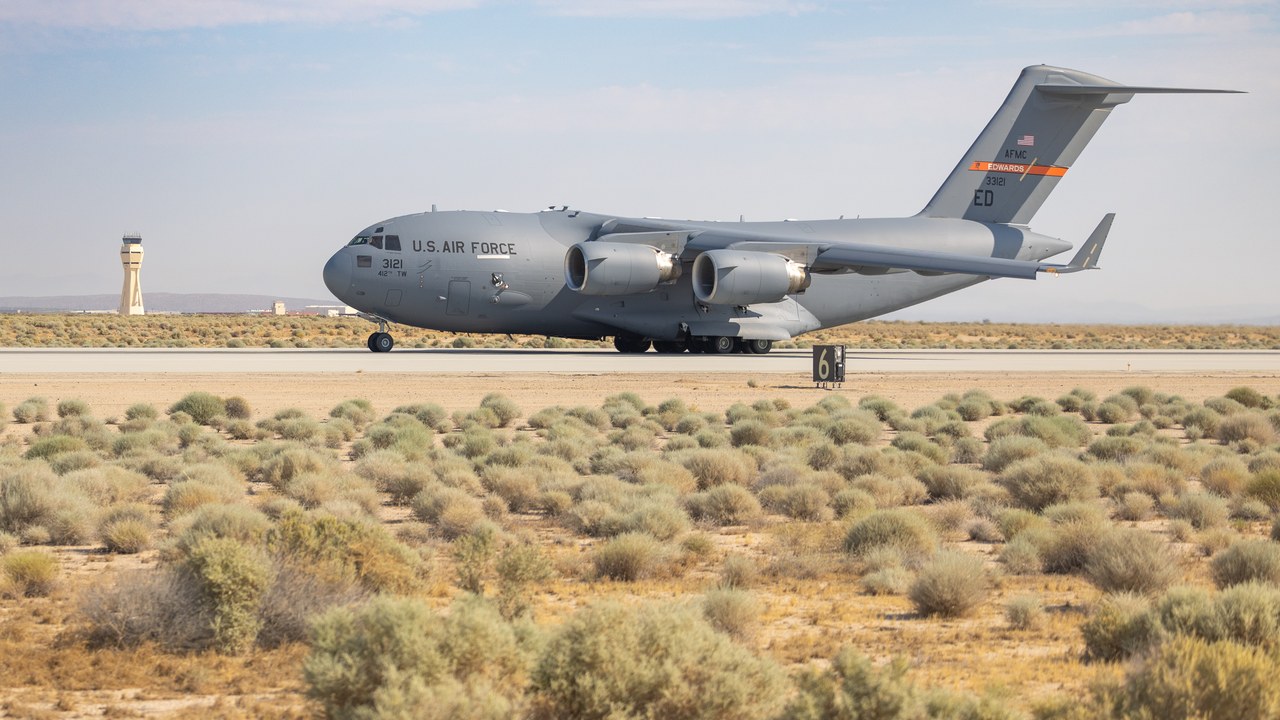
Edwards Air Force Base in California’s high desert is home to the Air Force Test Center, the Test Pilot School and NASA’s Armstrong Flight Research Center, as its Wikipedia entry notes. It is where the Air Force tests and evaluates aerospace systems from concept to combat.
Established in the 1930s as Muroc Field, it was renamed in 1950. Its history includes Chuck Yeager’s sound-barrier flight in the Bell X-1, test flights of the X-15 and the first Space Shuttle landings, which makes it a natural home for flight testing a new bomber.
Whiteman Air Force Base: Home of the B-2 Fleet
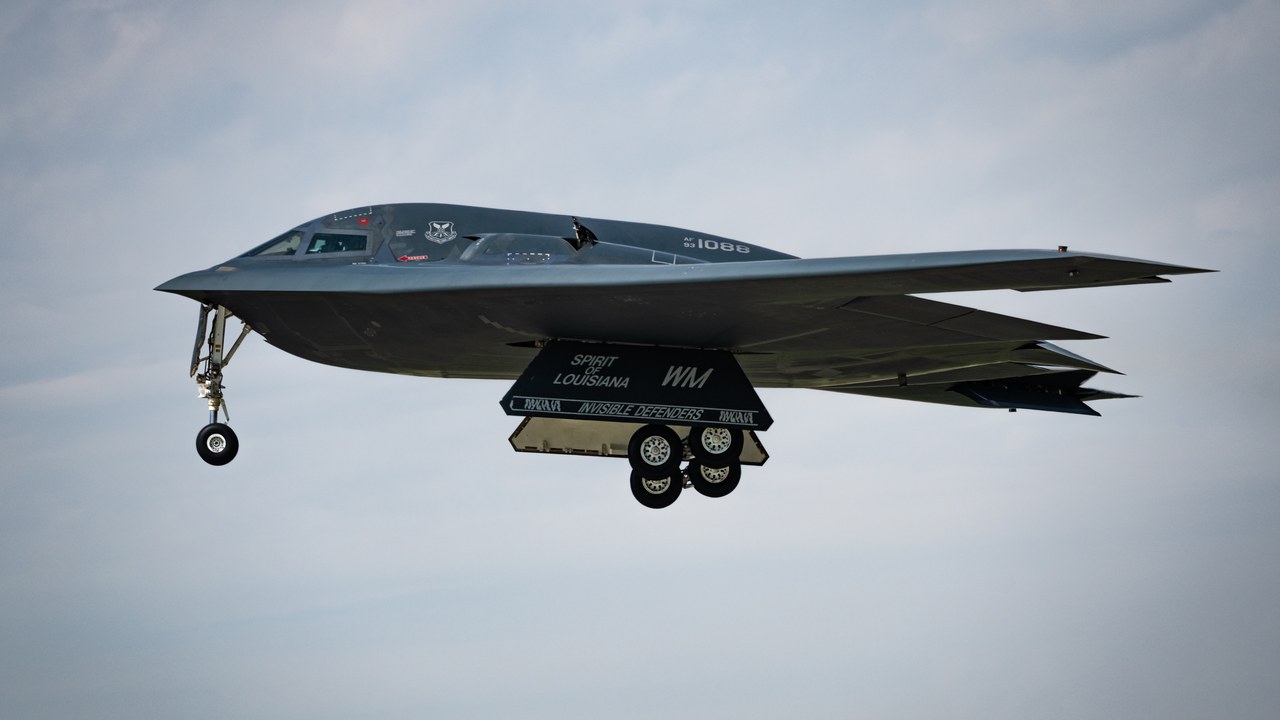
Whiteman Air Force Base in Missouri is the base for all 19 operational B-2 Spirit bombers, according to its Wikipedia entry. It is operated by Air Force Global Strike Command and also hosts A-10 attack aircraft and a sizable Missouri Air National Guard presence.
The base sits about 60 miles east-southeast of Kansas City. During the Cold War, 150 Minuteman missiles were built in the surrounding area and later dismantled. After that era ended, Whiteman became home to the B-2 force, and its 509th Civil Engineer Squadron maintains a facility covering 5,566 acres.
Ellsworth Air Force Base: A Base Preparing for the Raider
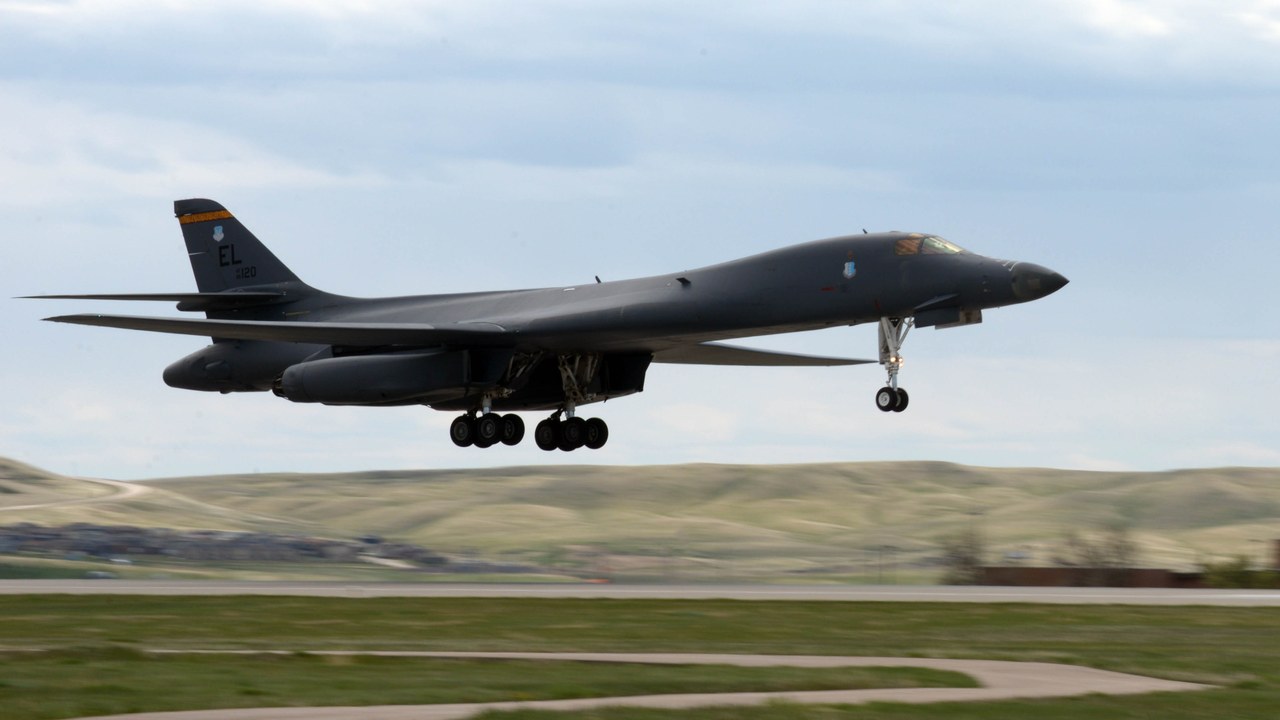
Ellsworth Air Force Base near Rapid City, South Dakota, is host to the 28th Bomb Wing, one of the Air Force’s two B-1B Lancer wings, as its Wikipedia entry describes. The other is the 7th Bomb Wing at Dyess Air Force Base in Texas.
Ellsworth’s community counts about 8,000 military members, family members and civilian employees. A nearby training area across the Northern Plains has been expanded for bomber training, giving crews room to practice long-range missions over sparsely populated country.
Northrop N-1M: The Little Wing That Started It
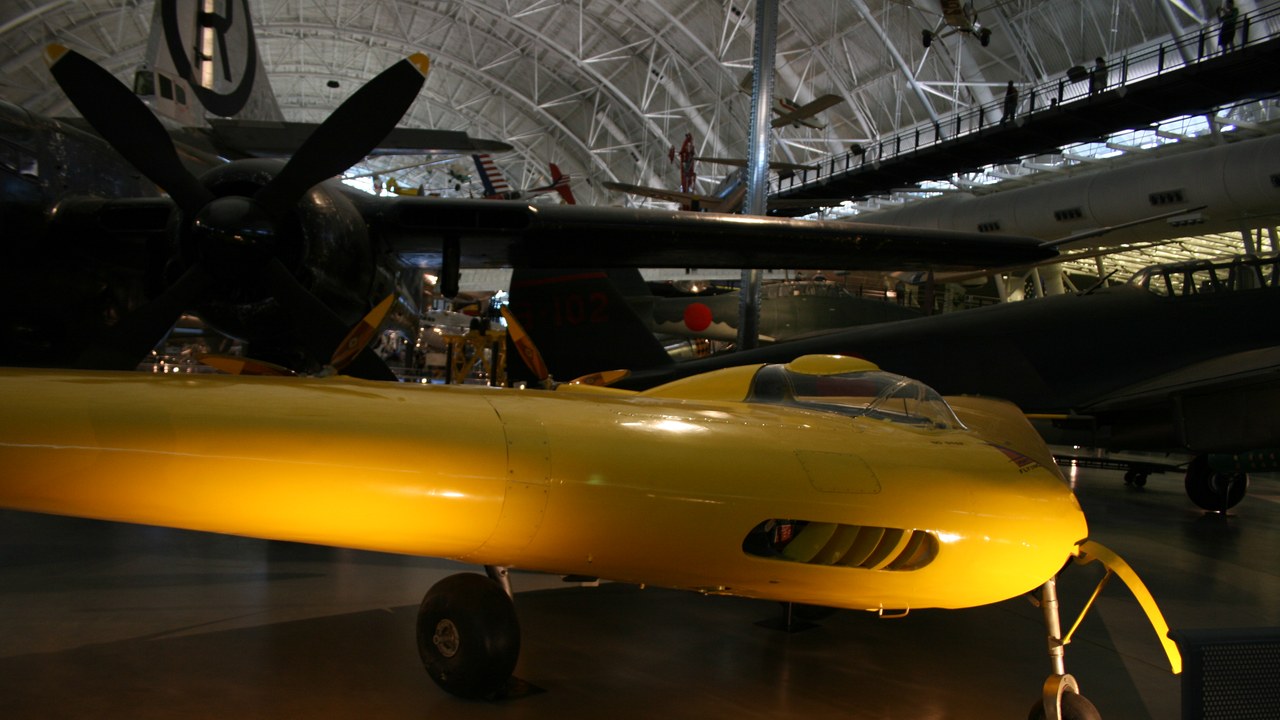
The Northrop N-1M, nicknamed the “Jeep,” was an experimental aircraft used to develop the flying wing concept in the 1940s, according to its Wikipedia entry. It is now on display at the Smithsonian’s National Air and Space Museum.
Jack Northrop had been working on all-wing designs since the late 1920s, when his first research prototype still kept a tail unit with twin rudders. The N-1M pushed the idea further and set the course that led to the big flying-wing bombers and, eventually, the B-2.
Lockheed Have Blue: The Hopeless Diamond
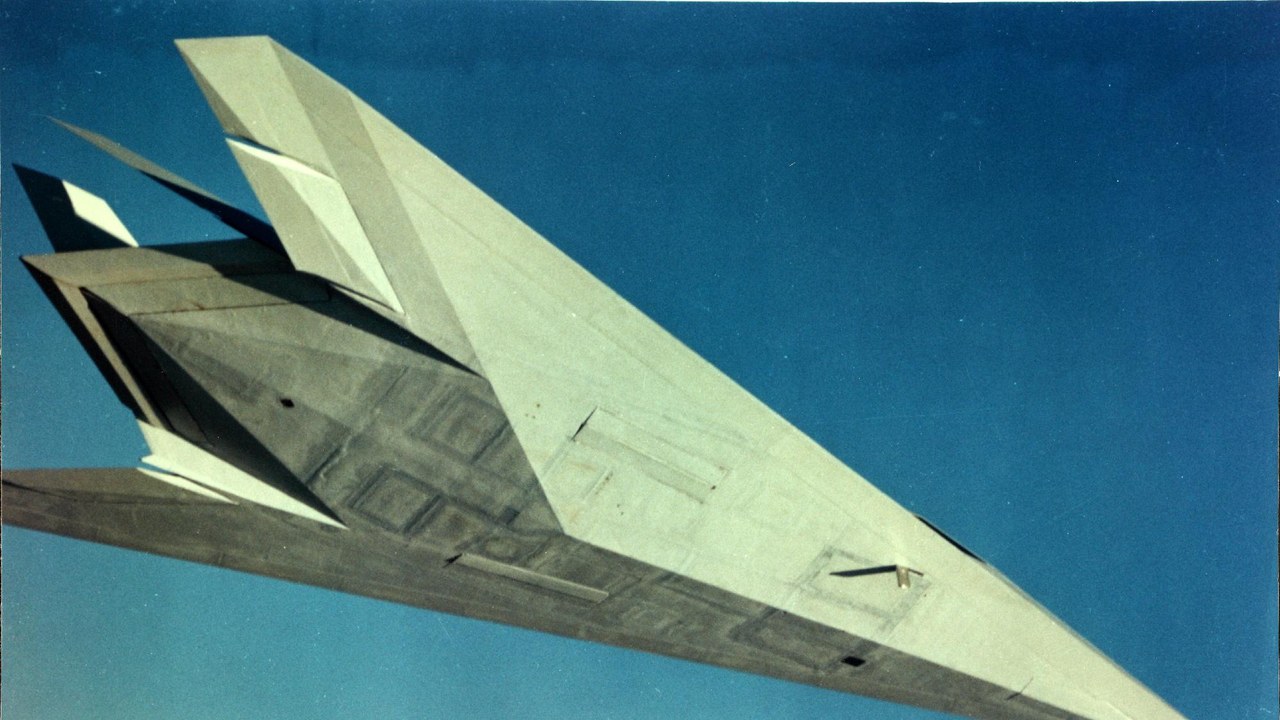
Have Blue was Lockheed’s proof-of-concept demonstrator for a stealth fighter, designed by the Skunk Works and tested at Groom Lake, Nevada, as its Wikipedia entry explains. It was the first fixed-wing aircraft whose outside shape was set by radar engineering rather than aerodynamics.
Its faceted surfaces deflected radar waves away from the receiver, earning it the nickname “the Hopeless Diamond.” It first flew on Dec. 1, 1977. Both test aircraft were lost to mechanical problems, but the program was judged a success and paved the way for the F-117.
Rockwell B-1 Lancer: The Bomber Called the Bone

The B-1 Lancer, nicknamed the “Bone,” is one of the Air Force’s three strategic bombers along with the B-2 and the B-52, according to its Wikipedia entry. It can carry a payload of up to 75,000 pounds.
It was conceived in the 1960s to combine high speed with the range of the B-52. The original B-1A program was canceled in 1977, partly because of early work on the B-2, and was restarted in 1981. Its prototypes could fly at Mach 2.2 at high altitude.
Boeing B-52 Stratofortress: The Bomber That Will Not Retire
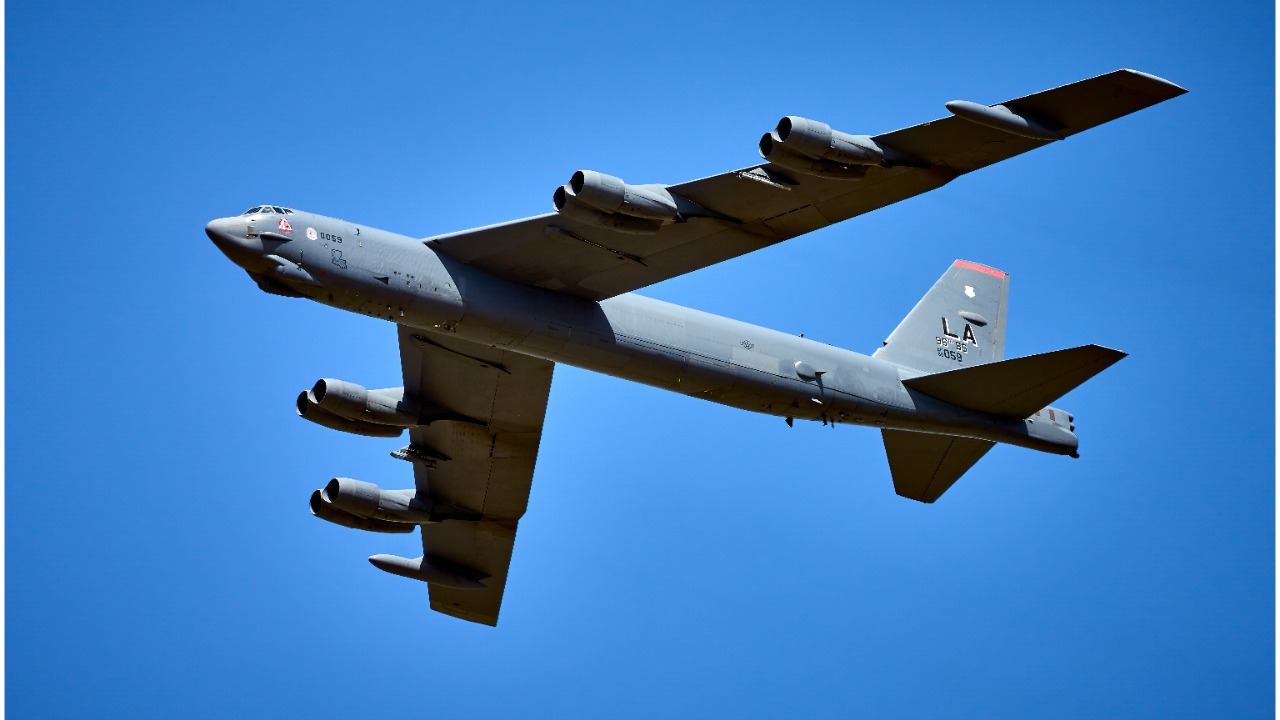
The B-52 Stratofortress has been operated by the Air Force since 1955, according to its Wikipedia entry. It can carry up to 70,000 pounds of weapons and has a typical combat range of about 8,800 miles without aerial refueling.
It first flew in April 1952 and was built to carry nuclear weapons for Cold War deterrence. It replaced the Convair B-36 Peacemaker and flew under Strategic Air Command until that command was disestablished in 1992, and Boeing continues to support and upgrade it.
Air Force Plant 42: Where Stealth Bombers Are Built
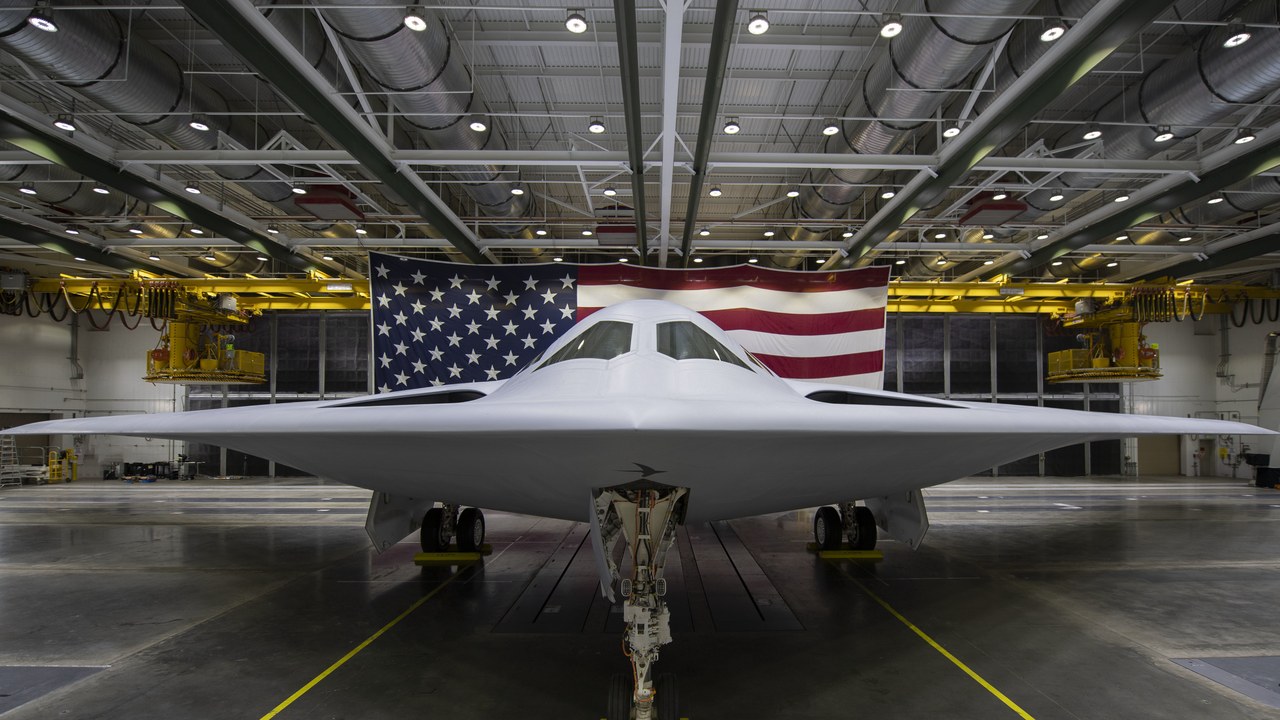
Air Force Plant 42 in Palmdale, California, is owned by the Air Force and operated as part of Edwards Air Force Base, about 23 miles away, according to its Wikipedia entry. Most of its facilities are run by private contractors that build and maintain military aircraft.
The plant has about 3.2 million square feet of industrial space and a replacement value of $1.1 billion. Its tenants maintain and modify aircraft including the B-2 Spirit and unmanned aircraft such as the RQ-4 Global Hawk are built there.
More from Morning Overview
- New FCC rules on how people can stop robocalls and texts take effect Nov. 25
- Neanderthals in Spain carved a wooden object that matches nothing archaeologists have ever found
- The FAA wants $2.39 million from a flight school it says flew a Cessna about 280 times with an unapproved part
- A $1 billion gas plant planned for Superior, Wisconsin, has been abandoned
