
Security forces at a major American air base in England scrambled after suspected drones were spotted overhead, the latest in a string of unusual moves at American bases in the region. Security levels have been raised and aircraft have been shifted elsewhere. Here is what has happened so far.
Read next on Morning Overview: Melting permafrost is setting off a newly identified kind of catastrophic landslide, scientists say
RAF Lakenheath: Drones Over a Fighter Base
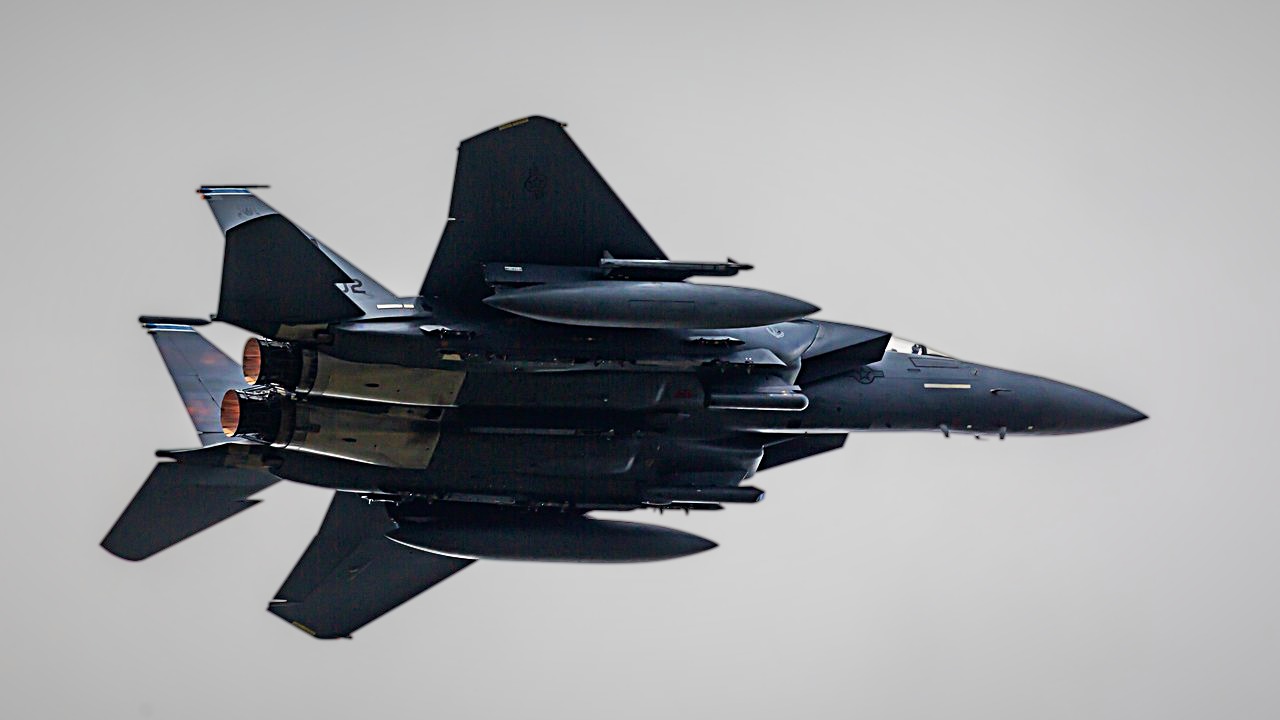
U.S. Air Force Security Forces personnel responded to suspected unauthorized drone activity over RAF Lakenheath on the evening of November 13, according to The War Zone’s report. The Air Force said no personnel, aircraft or infrastructure were affected.
Lakenheath is home to the 48th Fighter Wing, which flies F-15E Strike Eagles and F-35A stealth fighters, making it one of the most important American air bases in Europe. Drone sightings over the base drew wide attention in late 2024 as well, and officials have struggled to identify who is behind such flights. The latest incident adds to concern about how vulnerable bases are to small, cheap aircraft.
FPCON Charlie: A Higher Threat Level
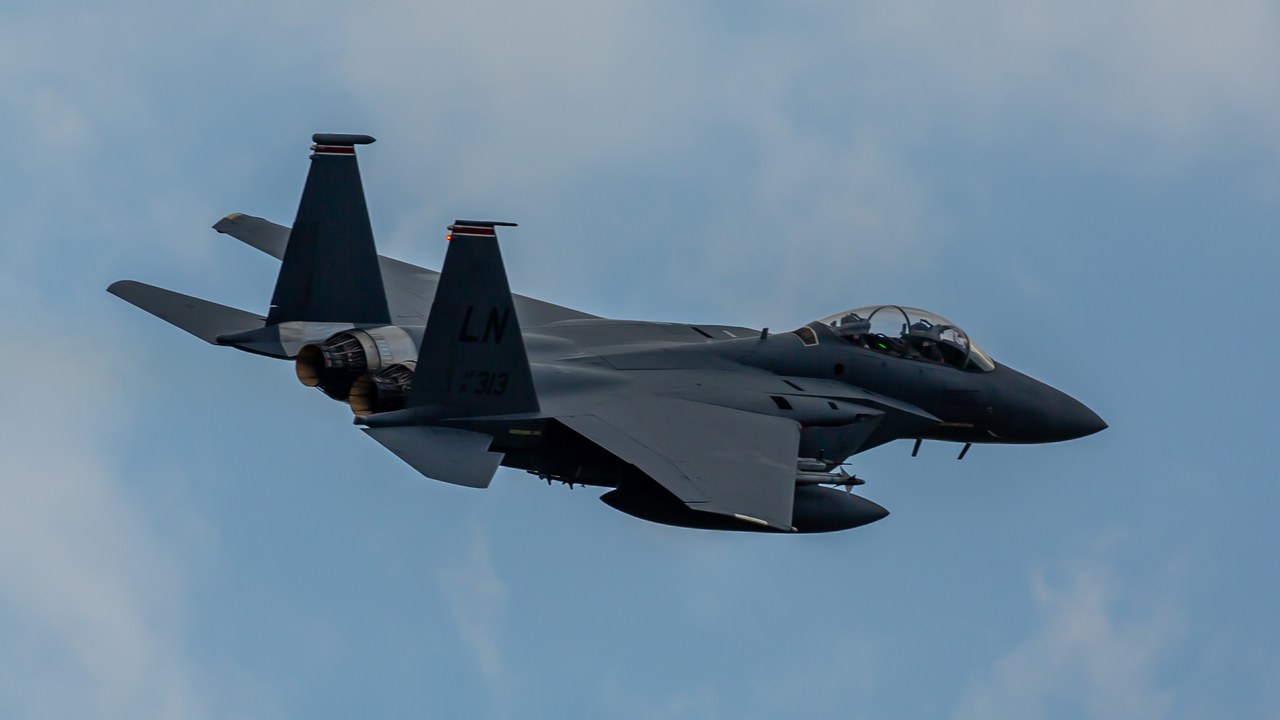
Security at the bases was raised to Force Protection Condition Charlie over an unspecified threat from Iran, according to the Wall Street Journal as cited by The War Zone. FPCON Charlie is the second-highest level in the U.S. military’s force protection system.
The level is used when an incident has occurred or intelligence indicates some form of attack is likely. In practice it means tighter checks at the gates, more armed patrols and restrictions on who can enter the base. Such a step is rare at American bases in allied countries such as Britain, which is why it drew attention from both local residents and defense analysts.
RAF Mildenhall: Aircraft Moved From Mildenhall
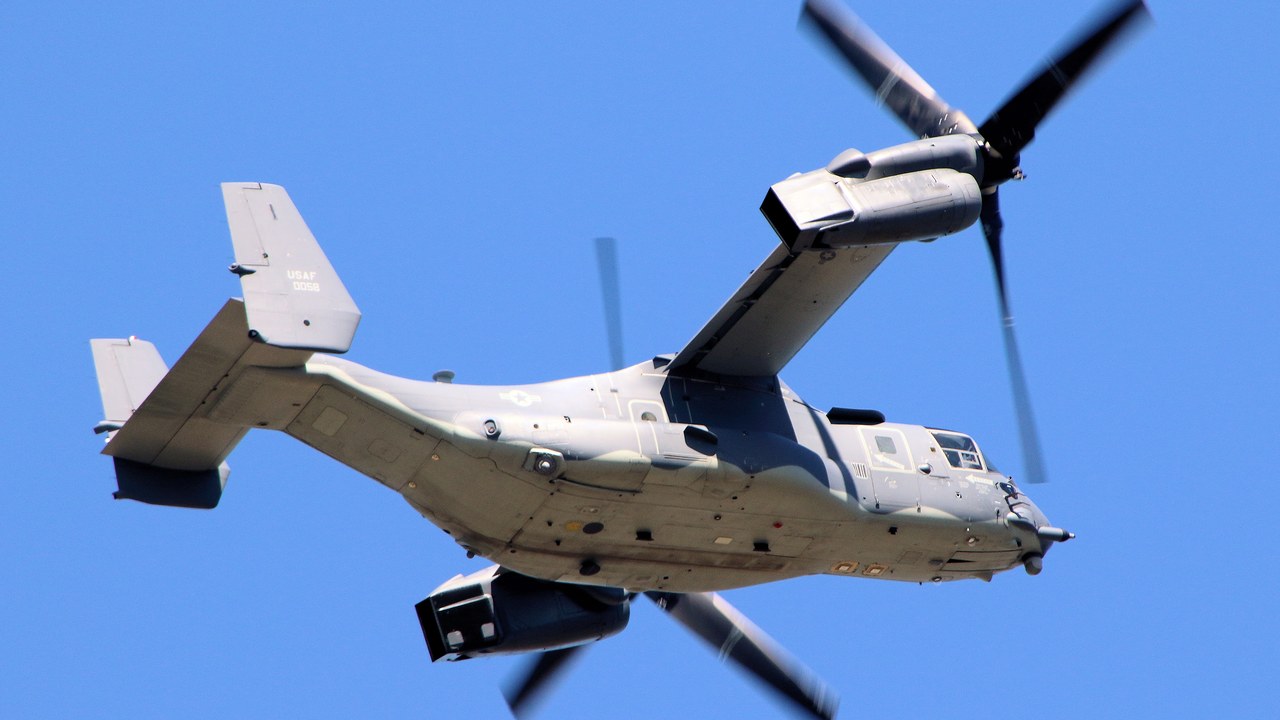
U.S. Air Force aircraft continued repositioning away from nearby RAF Mildenhall amid reports of Iranian threats, according to a separate War Zone report. Mildenhall is a key hub for American tanker and special operations aircraft in Europe.
Moving aircraft away from a base is a common way to reduce the risk that a single attack could damage many planes at once. Mildenhall sits only a few miles from Lakenheath in the Suffolk countryside, so security at the two bases is closely linked. Officials have not said where the aircraft went or how long they will stay away. Many will watch for their return.
KC-135 Stratotankers: Tankers and Tiltrotors Depart
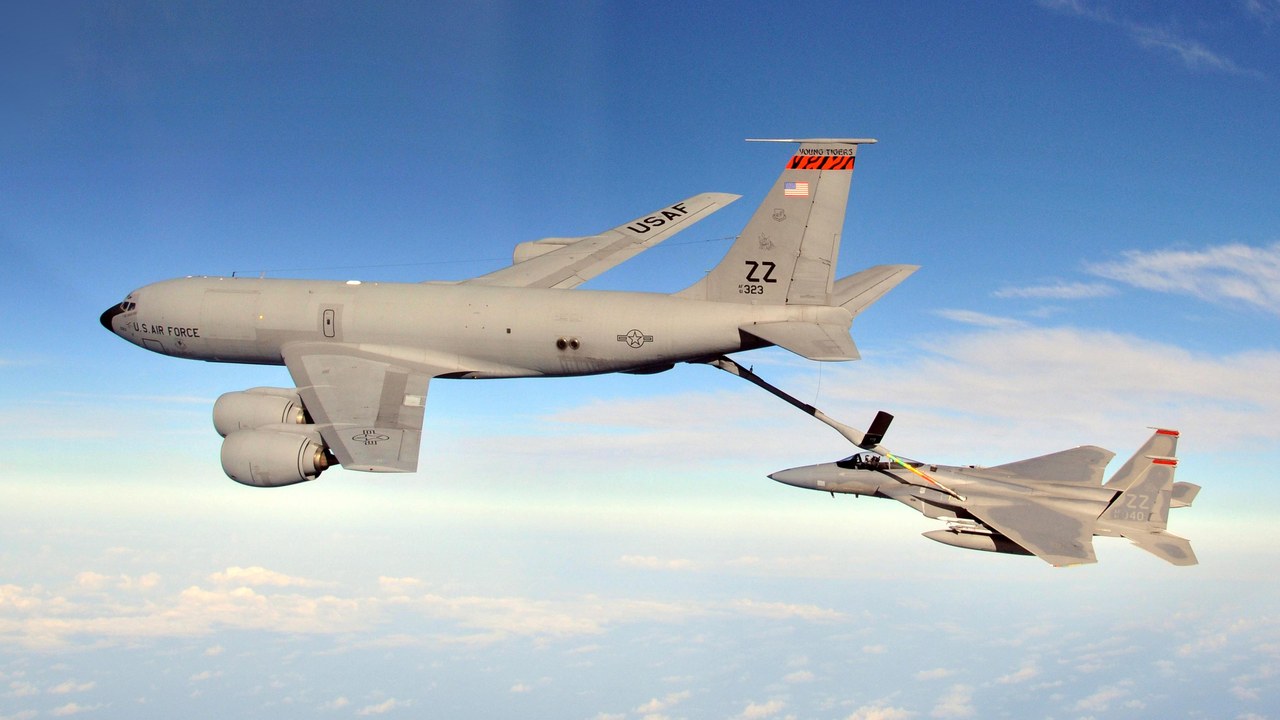
At least 12 KC-135 Stratotankers and three CV-22 Ospreys left the English base over two days, according to The War Zone. The KC-135 refuels fighters and bombers in flight, and the CV-22 carries special operations forces.
Those aircraft are central to how the United States projects air power across Europe and the Middle East. Tankers in particular are in high demand whenever fighters must fly long distances, which makes their sudden departure a signal that commanders were taking the threat seriously. The departures were tracked by observers on the ground and by flight-tracking websites. More departures may follow. Officials remain quiet.
Security raised: Security Raised Without Explanation
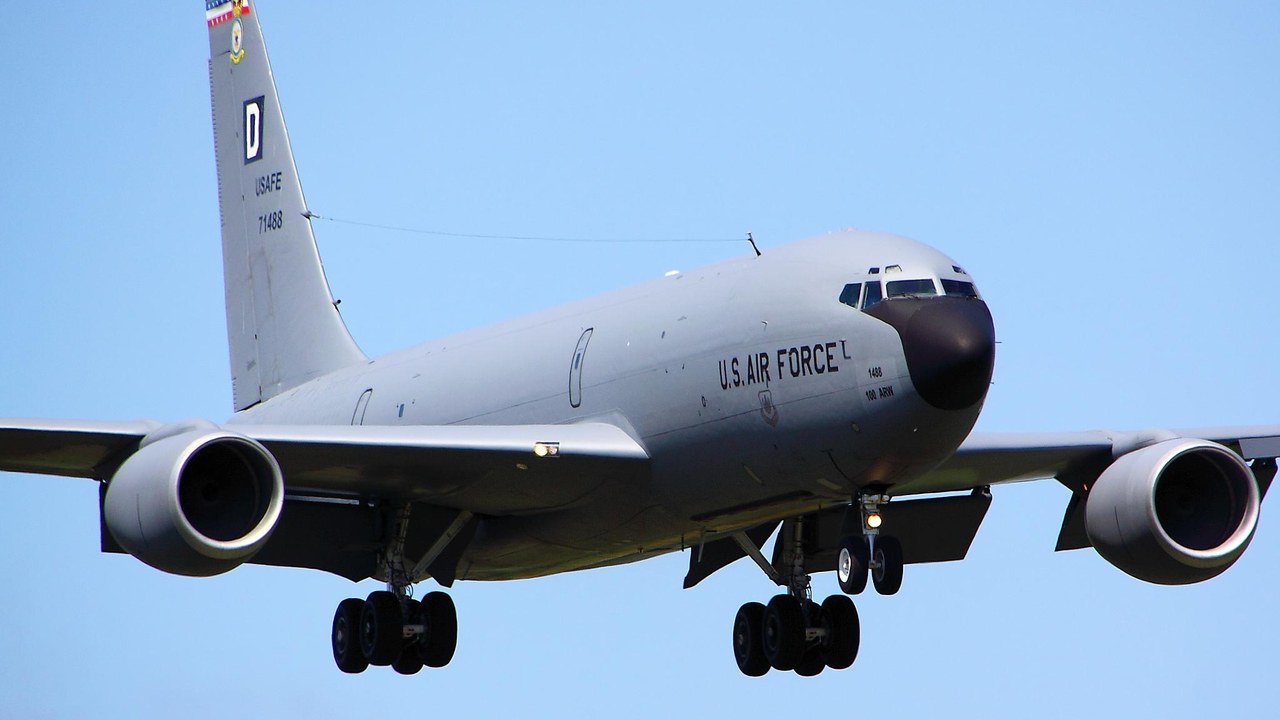
Security levels at U.S. bases in England were raised without an official explanation, according to The War Zone’s earlier report. The Air Force has offered few details about the specific threat that prompted the change.
Military officials often keep the details of threats secret to avoid revealing what intelligence they have. That silence can fuel speculation in nearby communities, where many residents work on or around the bases. Until more is known, the higher security posture is likely to mean longer waits at the gates and fewer visitors allowed on base, and it may stay in place for some time.
Spotters noticed: Spotters Raised the Alarm
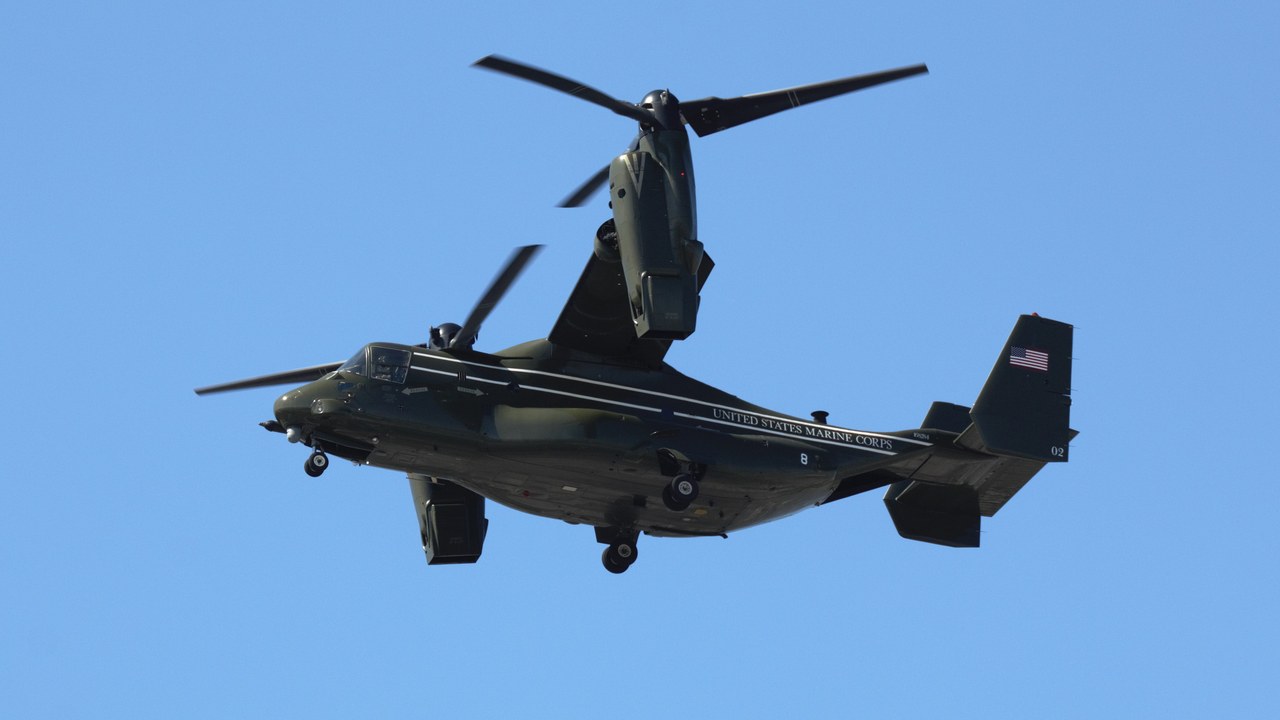
Aviation spotters noticed unusual activity at RAF Mildenhall and asked the Air Force about it, according to The War Zone. Their observations helped bring the aircraft movements to public attention.
Plane spotters regularly watch British bases and log the aircraft that come and go, often sharing photos online within minutes. Their work has become an important source of information about military activity, sometimes revealing moves before officials announce them. In this case, their questions pushed the Air Force to acknowledge the changes. It is a reminder that in an age of smartphones and flight trackers, large military moves are hard to keep quiet for long.
More from Morning Overview
- Over 20 trillion gallons of rain fell on the Four Corners states and Nevada in two weeks
- 11 engines built to run well past 200,000 miles
- Two Kentucky residents died when a small plane crashed at Missouri’s Lake of the Ozarks, and the NTSB is investigating
- A handful of car transmissions are so tough that mechanics say they almost never die
