
USS Theodore Roosevelt reached the Middle East earlier this month, and within days the American carriers around Iran looked different. One flattop arrived, another departed, and a third kept holding station while Lincoln’s last escorts finally got home. These ten ships and aircraft show who is where and how long each has been out.
Read next on Morning Overview: Refiners are making less gasoline and more diesel, and here’s why
USS Theodore Roosevelt (CVN-71): Fresh Arrival
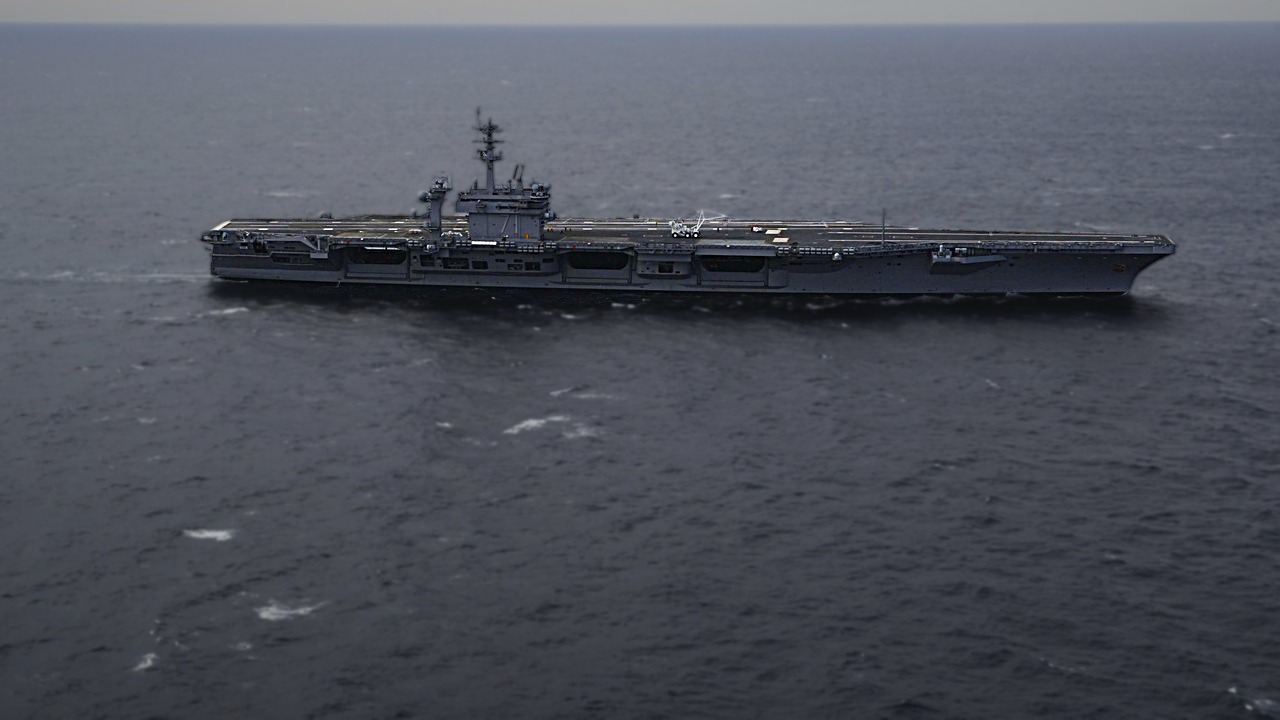
Chopped into 5th Fleet on Sunday, Nov.
15, the Nimitz-class carrier USS Theodore Roosevelt brought the count of U.S. carrier strike groups in the Middle East to three, according to U.S. Naval Institute News on Nov. 16. The ship is the newest piece of the buildup and the one anchoring the latest rotation. Its air wing, escorts and supply ships now share the same waters as the other carriers there, so the arrival changes both the strength of the force and the mix of ships that readers will see named in coming reports.
USS George Washington (CVN-73): Heading Out
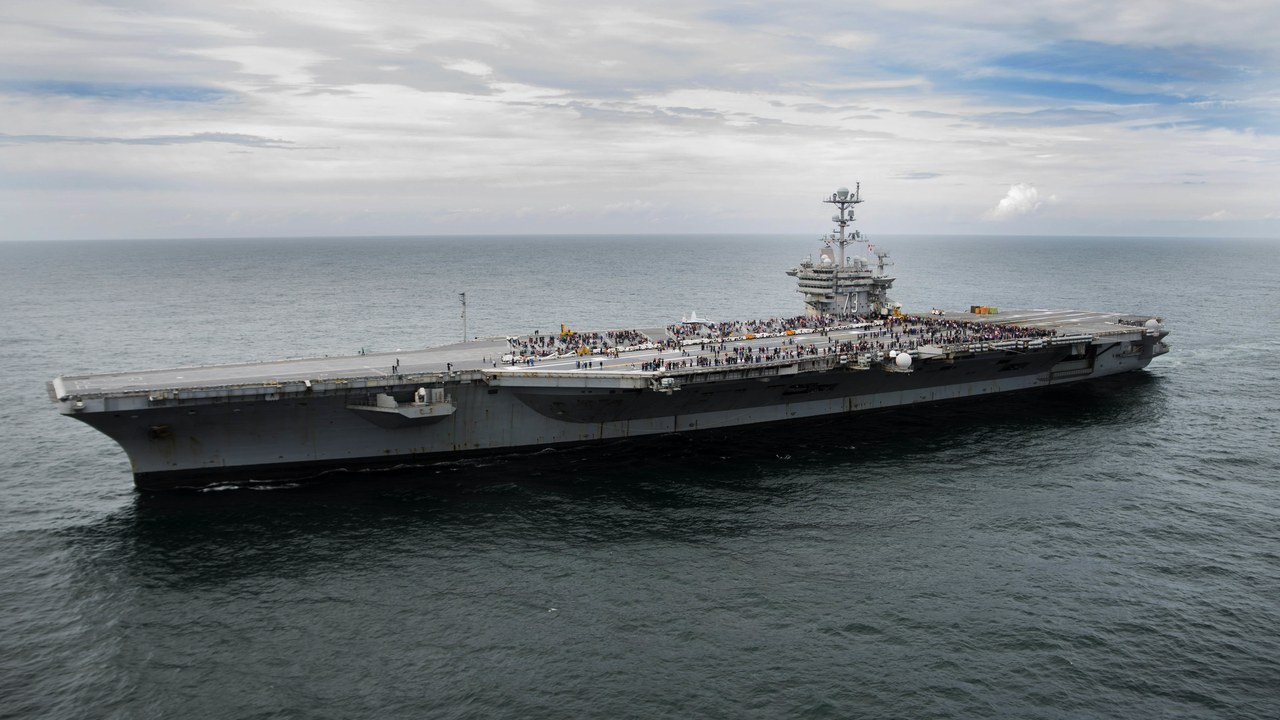
Left the Middle East after about three months, according to U.S.
Naval Institute News on Nov. 18. The Japan-based carrier is the forward-deployed flattop of the Navy’s Seventh Fleet. Its exit is what turned a three-carrier presence into a reshuffle rather than a simple addition, since Roosevelt’s arrival and the departure landed within days of each other. A three-month stint is short next to the 321 days Lincoln spent deployed, which the same reporting highlights. For readers tracking force levels, the date of the exit matters as much as the arrival.
USS George H. W. Bush: Staying Put
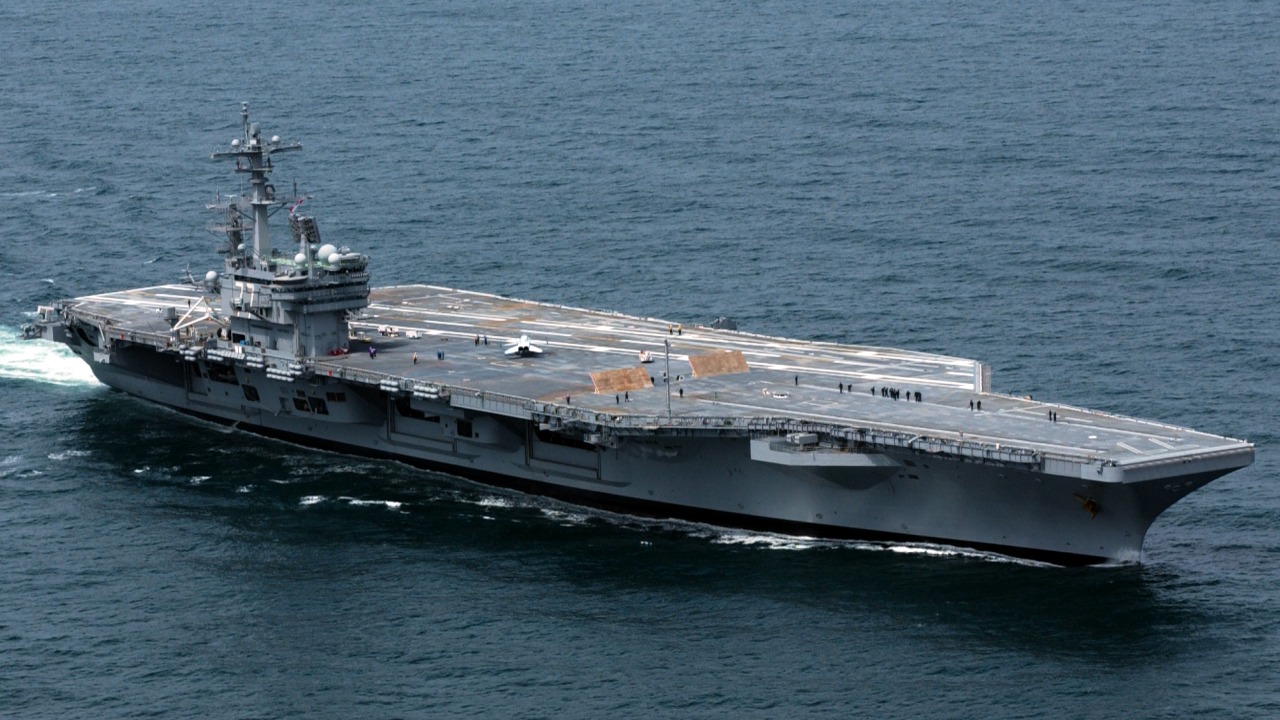
The Bush strike group has been in the Arabian Sea since April, a stretch that stands out against the shorter stints of the carriers rotating around it.
The Nimitz-class ship supplied continuity while others came and went. With Roosevelt now alongside, the Bush remains the anchor that the newer arrivals are built around, and its extended time on station is the detail most worth tracking when the next departure announcement comes. Wikipedia’s entry on the ship, which anchors this item, carries its broader service history.
USS Abraham Lincoln (CVN-72): Longest Haul
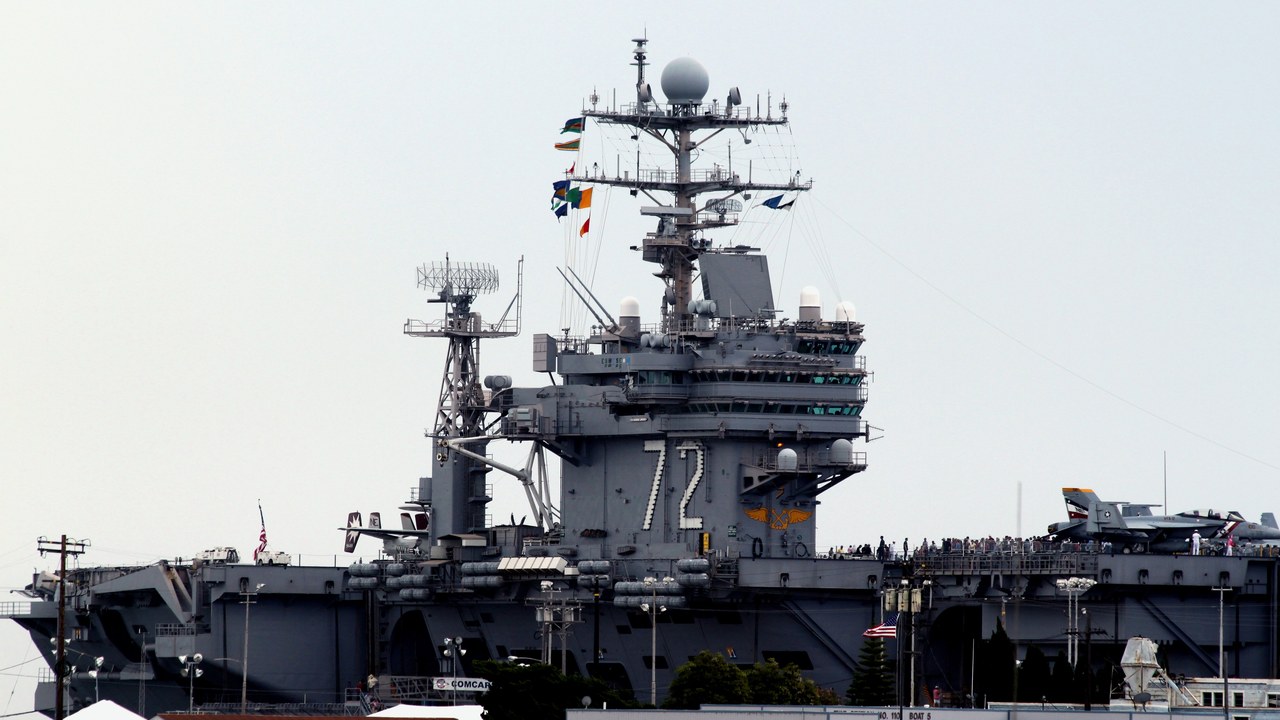
Headed home after a 321-day deployment, USS Abraham Lincoln ended a stretch that dwarfs the roughly three months George Washington spent in the Middle East.
U.S. Naval Institute News described the carrier’s return on Nov. 16 alongside Roosevelt’s arrival. A deployment of that length means long separations for thousands of sailors and heavy wear on the ship, which is why its return is treated as a milestone in its own right instead of a footnote to the new arrival, and it sets the benchmark for the other homecomings in the same week.
USS Spruance (DDG-111): Home After 357 Days
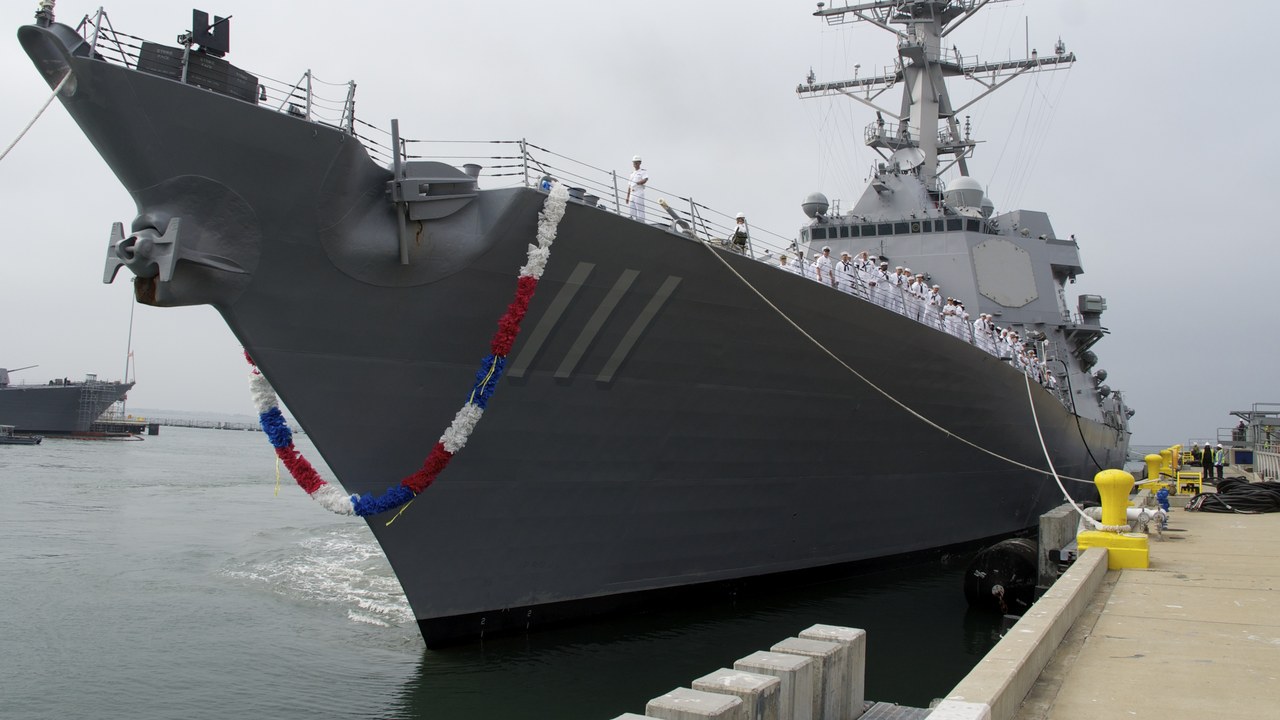
Returned home on Saturday after 357 days deployed, the Arleigh Burke-class destroyer USS Spruance was among Lincoln’s last escorts to finish the journey, according to U.S.
Naval Institute News on Nov. 16. The figure is longer than the carrier’s own 321 days. Escort ships often carry the heaviest load of a strike group deployment, since they are tasked with screening the carrier, and a year-long cruise like this one shows how stretched the surface fleet has been, and how much of the strain falls on escorts rather than on the flagship.
USS Michael Murphy (DDG-112): Home After 346 Days
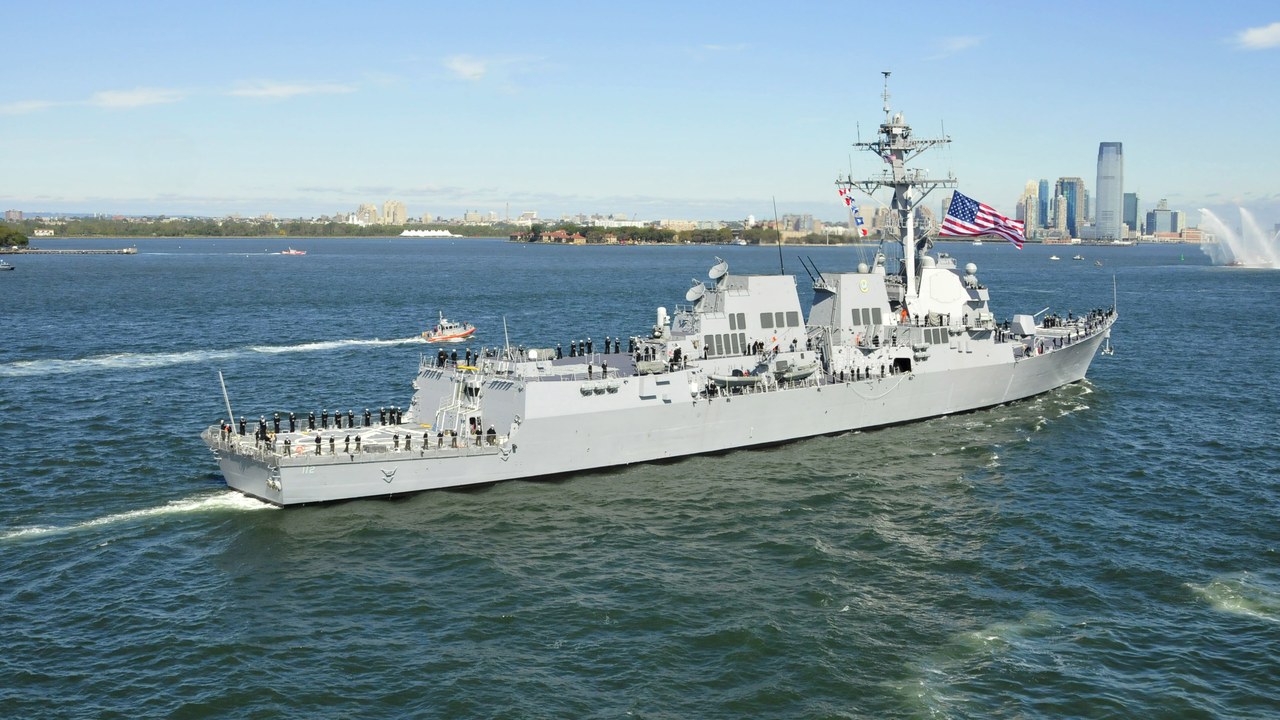
Returned home Thursday after 346 days deployed, USS Michael Murphy rounded out the Lincoln group’s escorts coming back to their home port, according to U.S.
Naval Institute News on Nov. 16. Like Spruance, the Arleigh Burke-class destroyer logged far more days away than the carrier it screened for. Back-to-back homecomings in the same week close out the Lincoln group’s deployment and free up hulls for maintenance and rest after a long stretch away. The 346-day figure is the number that matters for readers weighing how long crews were out.
USS Robert Smalls (CG-62): Escort Leaving
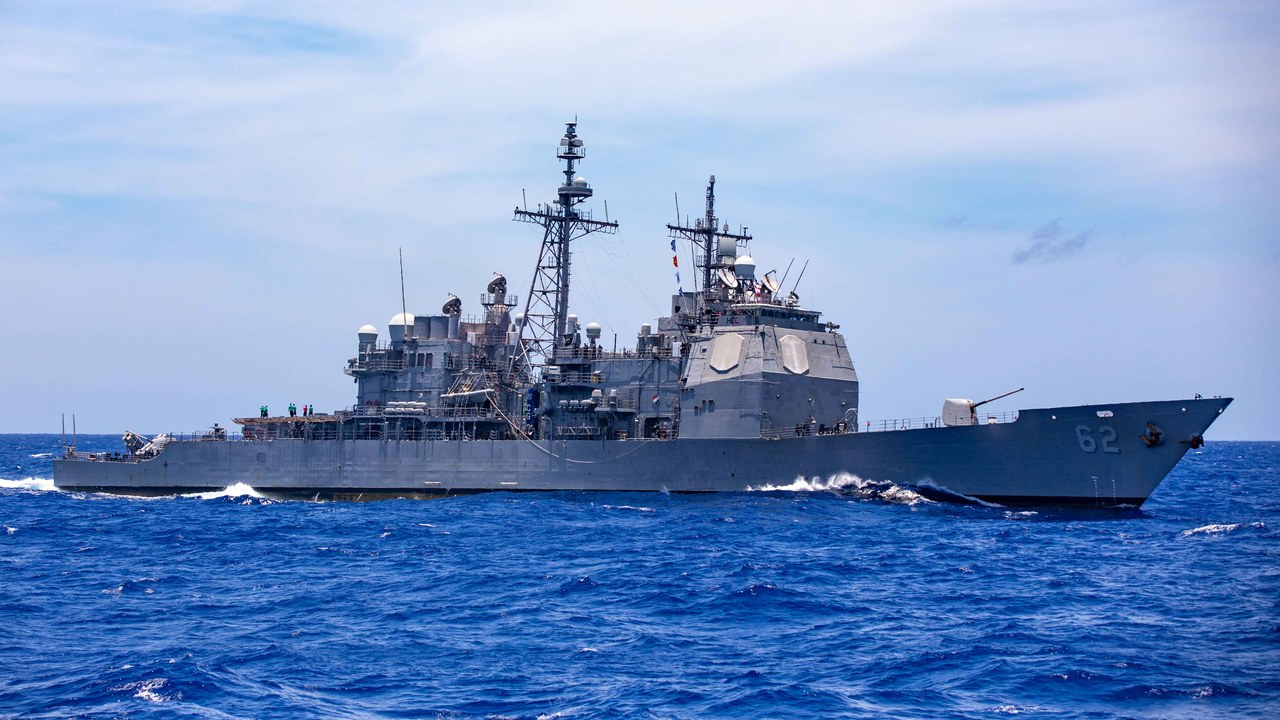
Named among the escorts that arrived with George Washington, the Ticonderoga-class cruiser USS Robert Smalls is part of the group departing the Middle East along with the carrier.
Cruisers carry area air-defense and command capabilities for a strike group, and the ship’s inclusion in the reporting shows the group was more than a carrier alone. Its departure alongside the flattop shows that the reshuffle covers the full formation, not only the carrier at its center. U.S. Naval Institute News is the source for the escort names.
USS Shoup (DDG-86): Other Named Escort
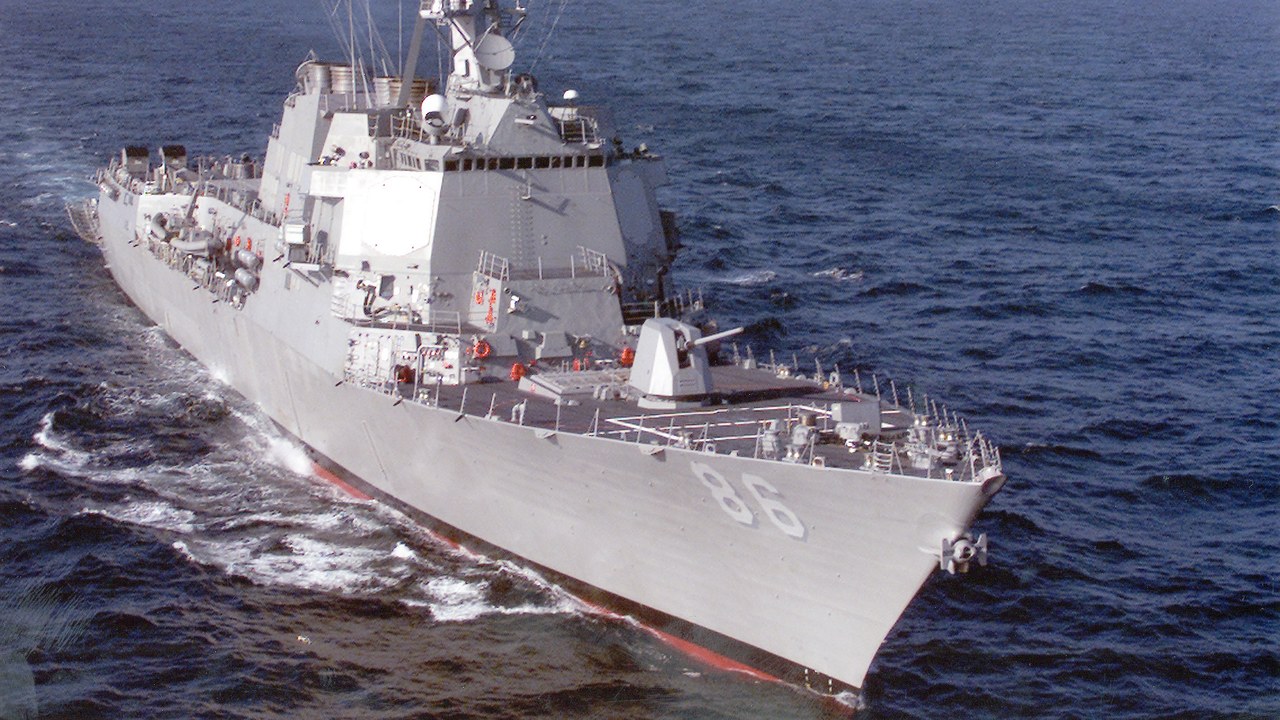
Identified as the other named escort with George Washington in U.S.
Naval Institute News on Nov. 18, USS Shoup is an Arleigh Burke-class destroyer that travelled with the carrier. Reporting names it alongside the cruiser Robert Smalls as the surface ships tied to that group. Along with the carrier it forms the visible core of the formation, and its movements track those of the flagship closely as the strike group leaves the region. Destroyers like it provide missile defense and anti-submarine screening around the carrier.
Sikorsky MH-60S Seahawk: Flight Deck Workhorse
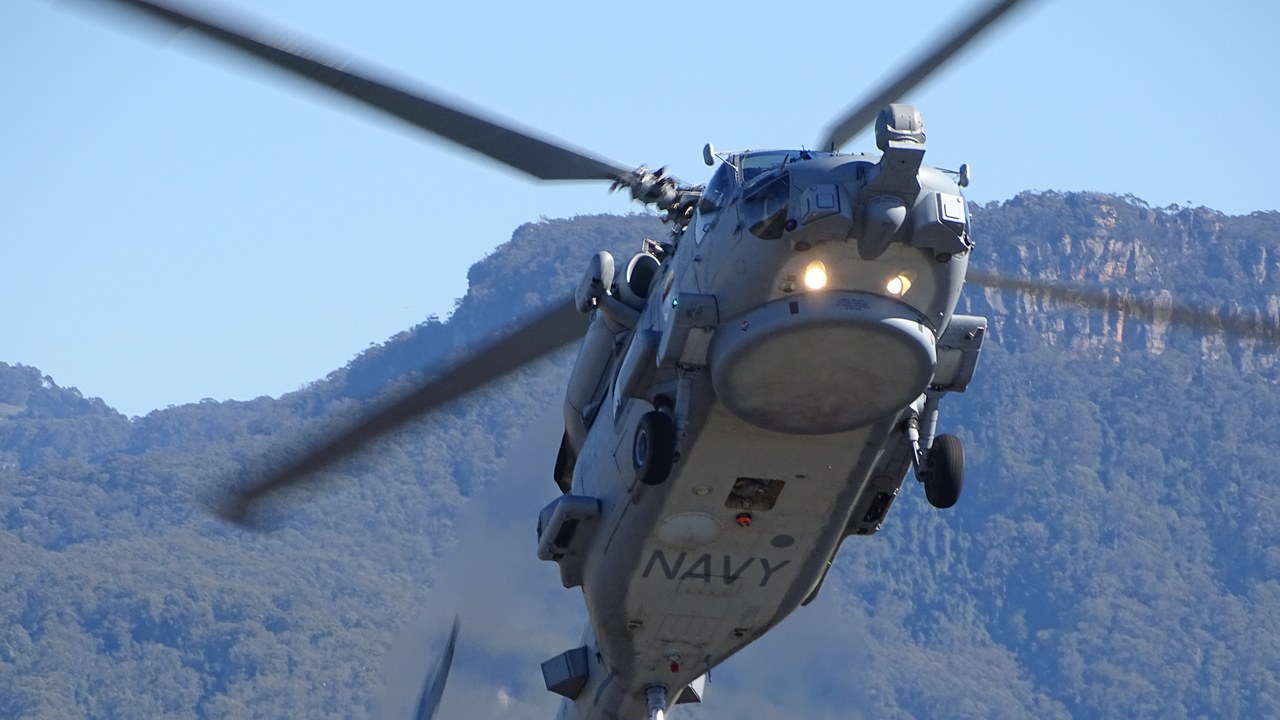
HSC-8’s MH-60S Sea Hawks fly from Roosevelt’s deck, according to U.S.
Naval Institute News on Nov. 16. The Sikorsky MH-60S is the Navy’s multi-mission helicopter, used for search and rescue, supply transfers and anti-surface work around a carrier strike group. Its squadron arrives with the ship, so the helicopters give a carrier a short-range lifeline across the formation that fixed-wing jets cannot provide, and they are among the first aircraft seen operating when a new carrier joins a deployment, which makes the squadron part of the story.
USS Gerald R. Ford (CVN-78): Ford’s Repairs
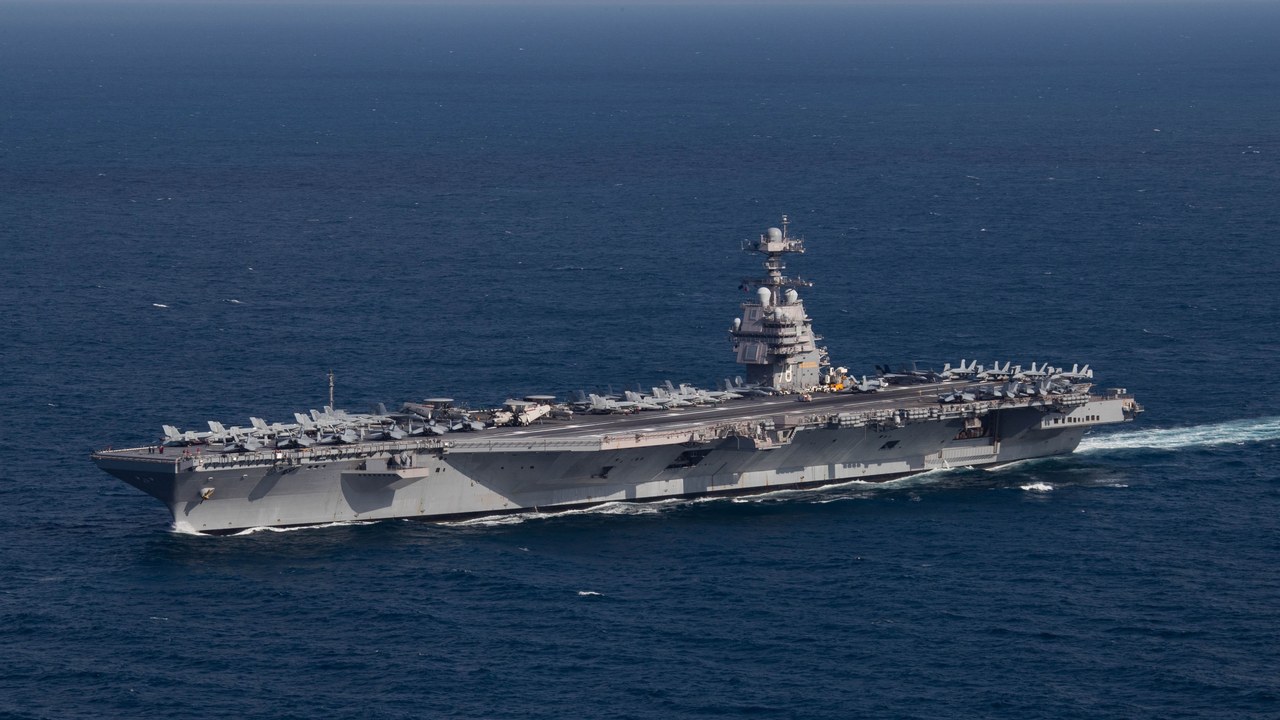
USS Gerald R. Ford’s own long deployment included repairs after a Croatia port visit, as U.S.
Naval Institute News reported on April 2, 2026. The newest class of U.S. carrier shows that extended deployments come with maintenance demands even on the most modern hulls. It also serves as a reminder that the strain on carrier availability is not limited to the ships near Iran, and that rotation decisions are shaped by both repairs and calendar. The Ford is the lead ship of its class, so its experience is closely watched.
More from Morning Overview
- Tesla’s Cybercab has already crashed 8 times, and the worst one came at highway speed
- Hidden wear was found inside a New Jersey nuclear reactor during its outage
- California’s Long Valley supervolcano is quietly sinking, its biggest drop on record
- Up to 5 feet of snow is burying Donner Pass, and forecasters warn against Sierra travel
