
America’s Navy lost 52 submarines on patrol during World War II, and most of their crews were never brought home. A private team called the Lost 52 Project has spent years hunting for the wrecks, along with destroyers lost in the same war. These are some of the ships it has found, and how they went down.
Read next on Morning Overview: Winter weather advisories cover I-80, I-70 and the Bighorns with up to 15 inches of snow
USS Grayback: Found 75 Years Late
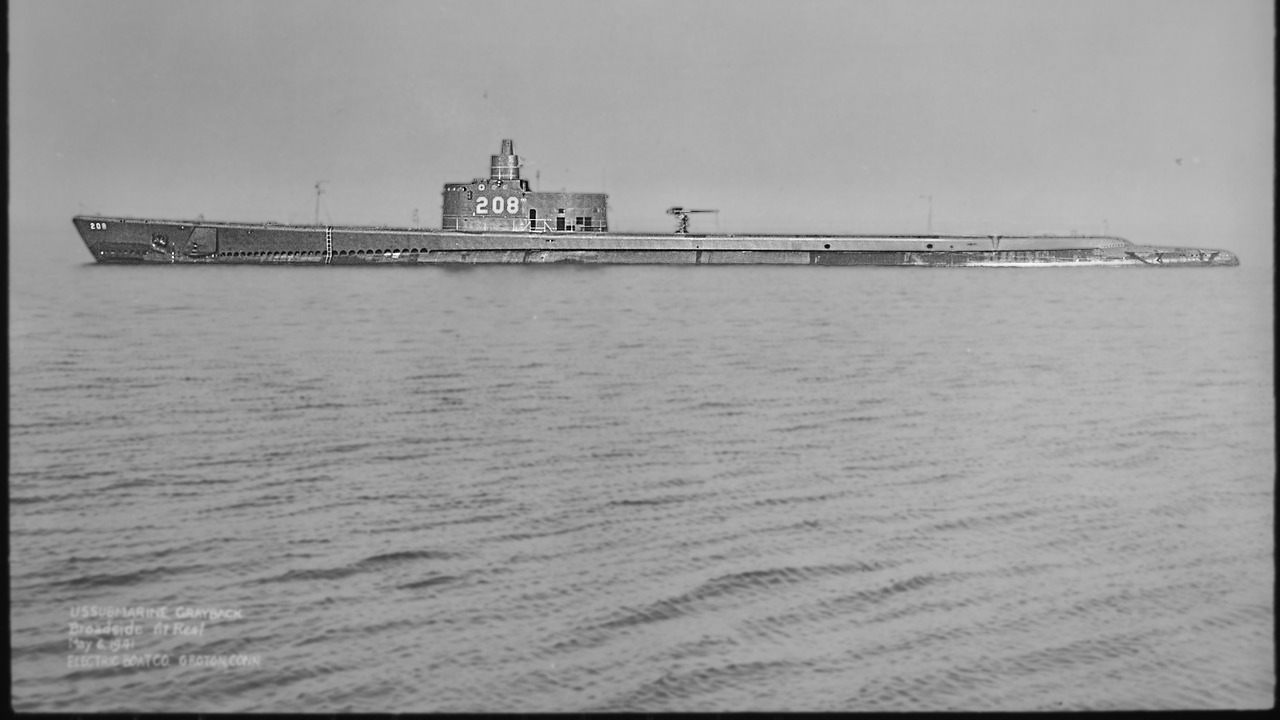
The submarine USS Grayback went down with 80 sailors aboard and stayed missing for three-quarters of a century. In June 2019, Tim Taylor and his Lost 52 Project team found it more than 1,400 feet under water, about 50 miles south of Okinawa, Japan.
The Navy had compiled approximate locations for its lost submarines, but in Grayback’s case it relied on a Japanese war record that had one digit wrong in the latitude and longitude. Grayback had left Pearl Harbor on its final mission on January 28, 1944, and was listed as presumed lost by the end of March.
Nakajima B5N: The Plane That Sank Grayback
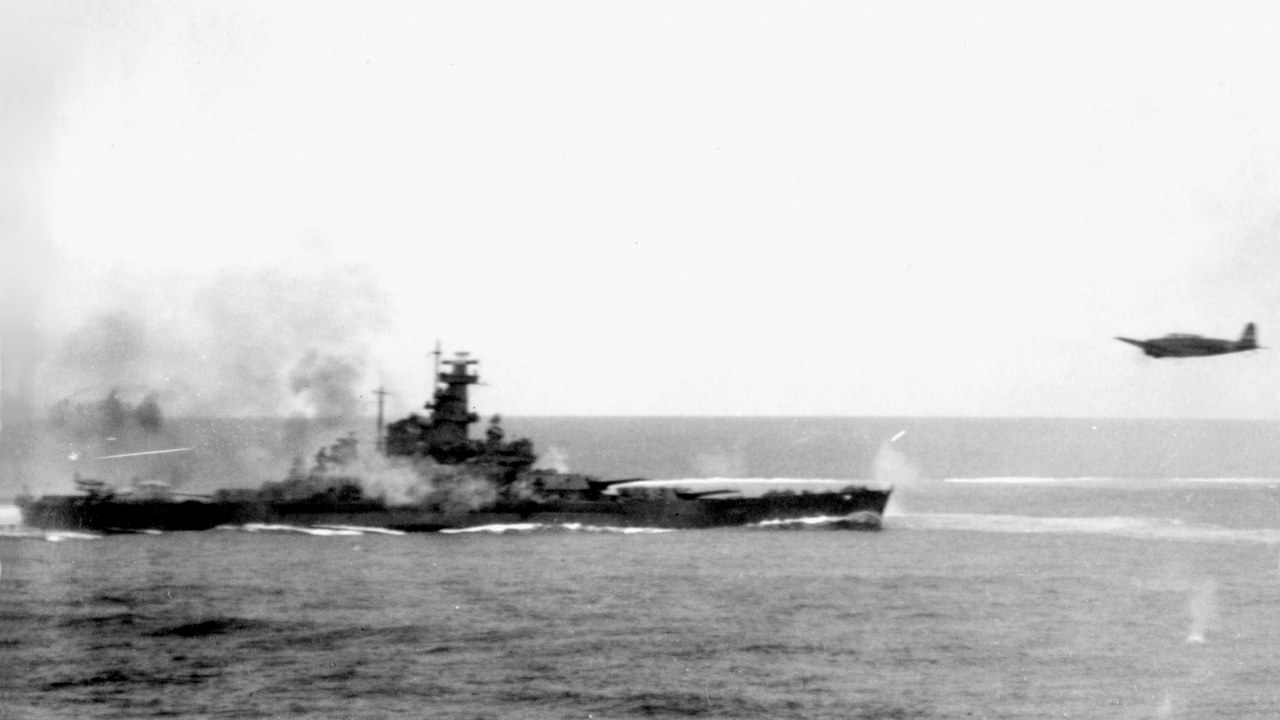
Grayback’s last patrol ended in an air attack. The submarine was sunk by a Nakajima B5N carrier bomber on February 26, 1944, during its 10th war patrol, according to the Lost 52 Project’s video announcement reported by NBC News.
The boat had been ordered home in late February with only two torpedoes left after attacking a Japanese convoy, and it was due at Midway in March. It never arrived. Grayback ranked as the 20th most successful U.S. submarine of the war and earned two Navy commendations and eight battle stars.
USS R-12: Where It All Started
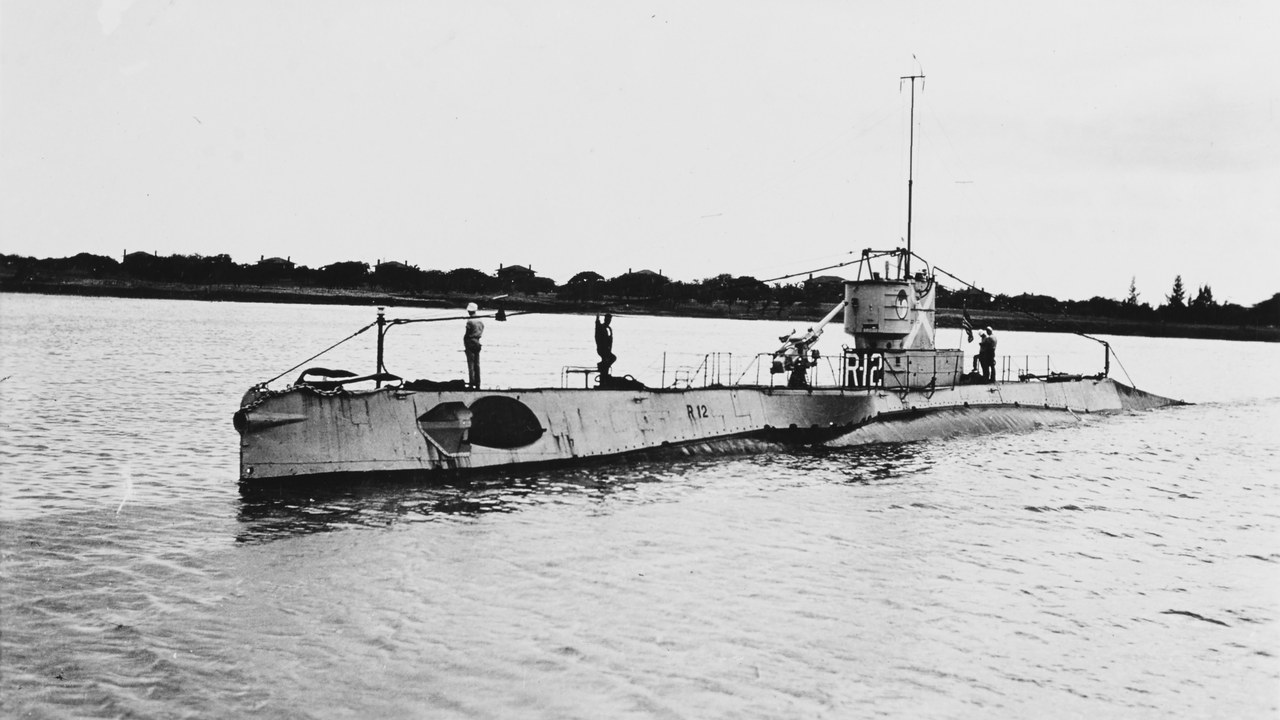
Tim Taylor did not set out to find 52 submarines at once. He founded the Lost 52 Project after his first WWII submarine discovery, the USS R-12, and his team went on to find at least four other subs before Grayback.
The project’s goal is to discover, survey and create 3D documentation of the final resting places of the more than 40 submarines that were still missing when Grayback was announced in 2019. The Navy’s own history of its 52 lost submarines gave only approximate locations, which is part of what makes the search so hard.
USS Harder: Found in 2024
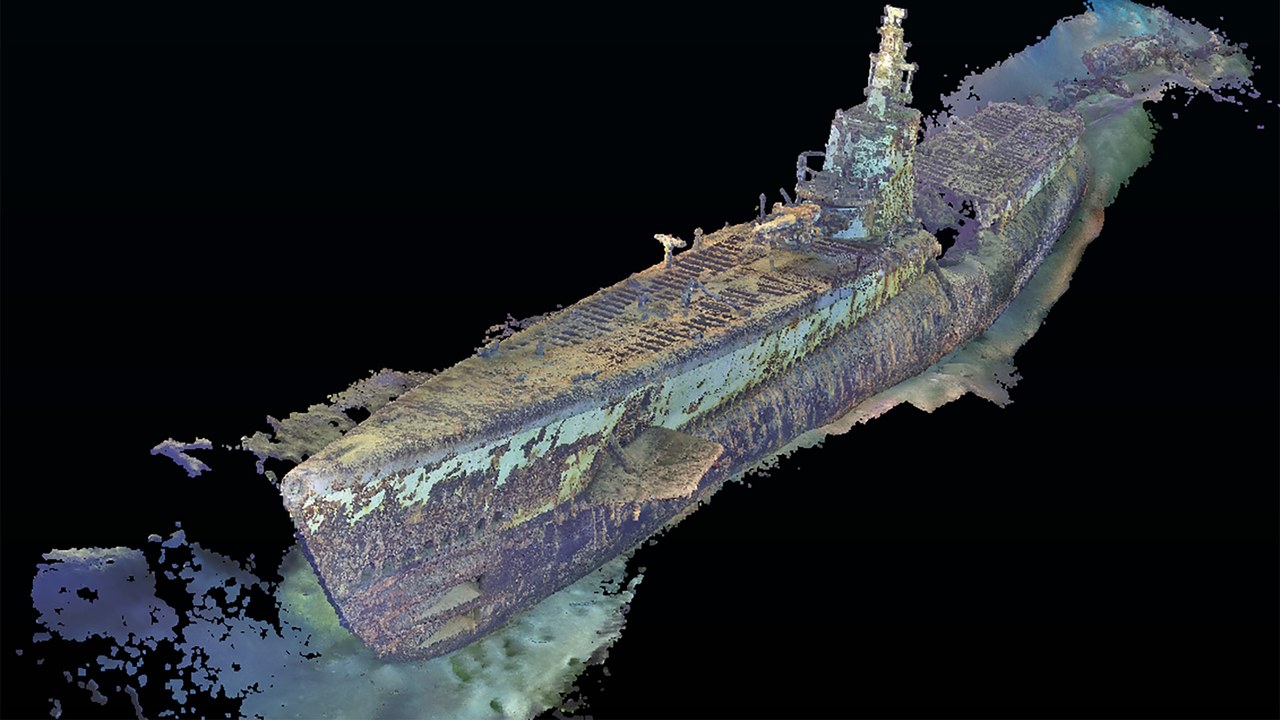
Among the lost boats was USS Harder, which was depth charged by Japanese escort ships while attacking them near Dasol Bay on August 24, 1944. Its wreck was found in May 2024.
Harder was one of a long list of submarines tracked by the Lost 52 Project, a private organization founded by Tim Taylor to research the 52 U.S. Navy submarines lost on patrol in World War II. The list of boats found so far stretches from USS S-36, lost on a reef in January 1942, to USS Bonefish, located in 2025.
Yokosuka MXY-7 Ohka: The Flying Bomb
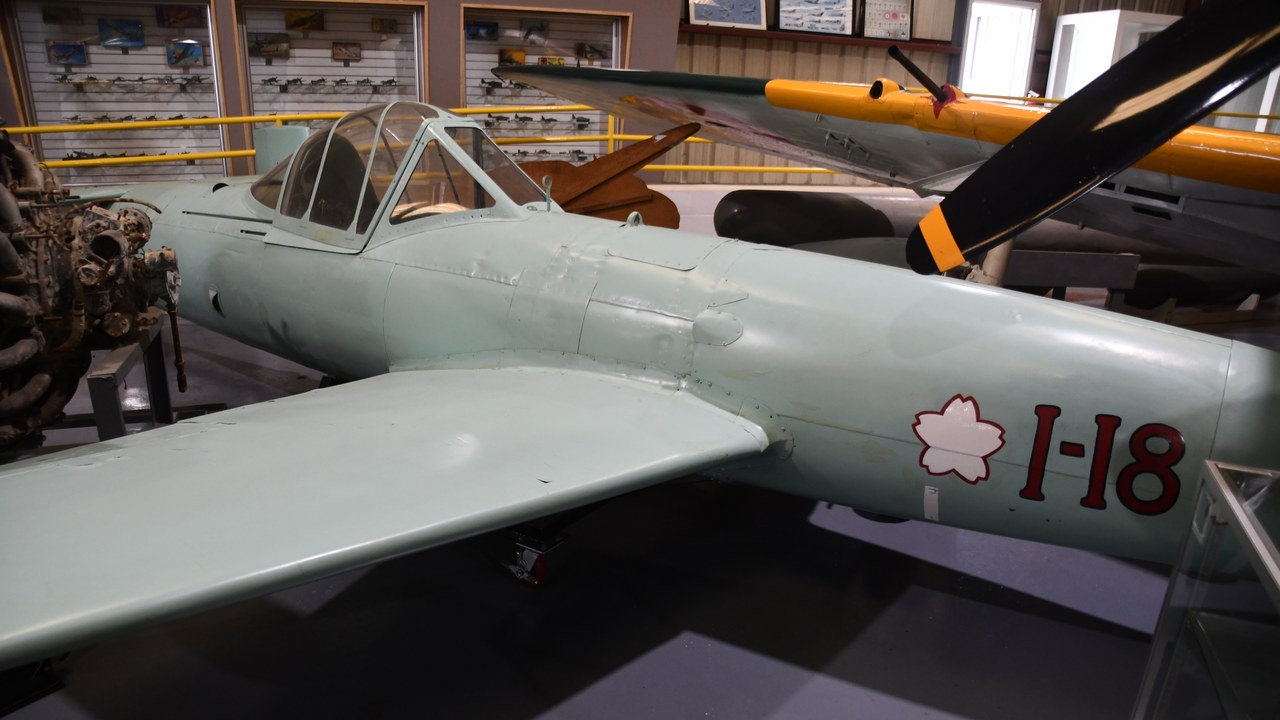
The destroyer USS Mannert L. Abele was sunk on April 12, 1945, near Okinawa, with 84 casualties. It was the first U.S. warship to be damaged or sunk by the rocket-powered Yokosuka MXY-7 Ohka suicide flying bomb.
A kamikaze plane hit first and broke the ship’s keel. About a minute later, an Ohka struck the starboard waterline, and its 2,600-pound warhead exploded, buckling the ship and cutting all power. The Lost 52 Project located the wreck about 75 miles off the northern coast of Okinawa in December 2022.
Toyama Bay: The Second-to-Last Submarine
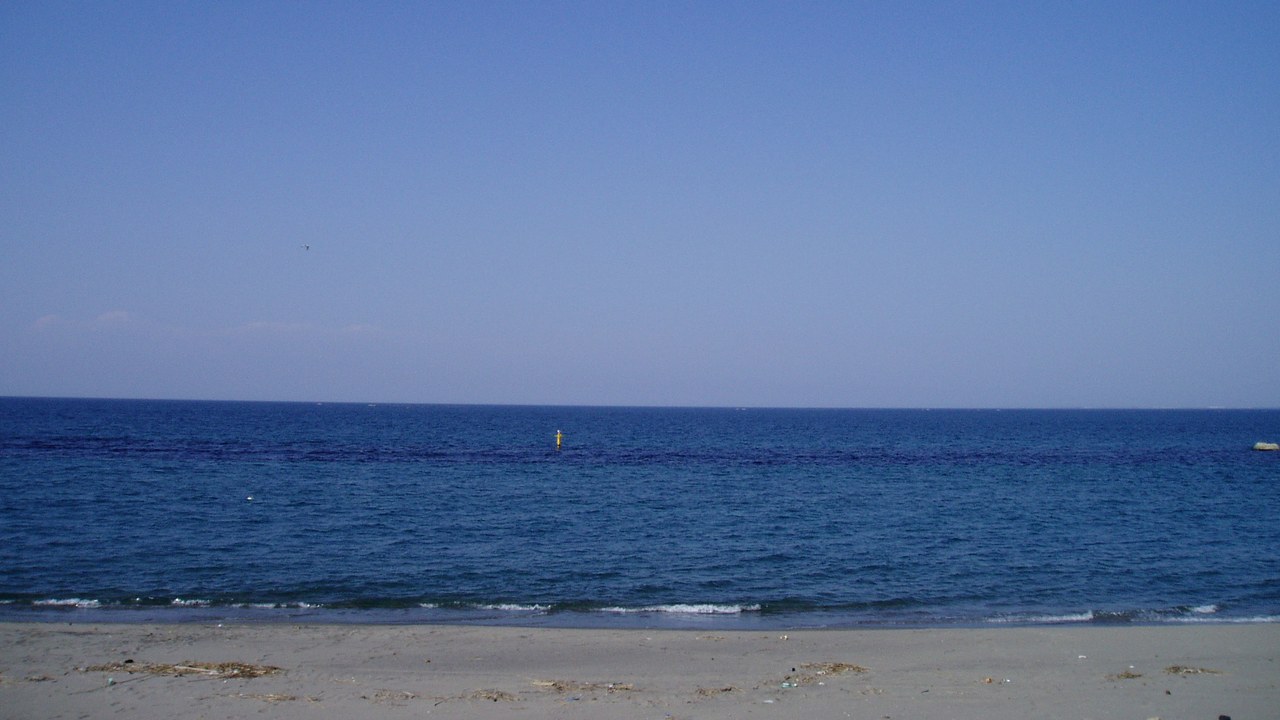
The submarine USS Bonefish torpedoed and sank the Japanese merchant ship Konzan Maru in June 1945, in the Toyama Bay area of the Sea of Japan, on its eighth and final mission. The escorts struck back, and Bonefish was sunk with the loss of 85 crew.
The Lost 52 Project found the wreck in late 2025, about 3.4 kilometers down, along with Konzan Maru itself. Bonefish, which had earned the Navy Unit Commendation and seven battle stars, was the second-to-last U.S. submarine lost in the war and the project’s ninth submarine discovery.
USS Drexler: A Kamikaze Victim
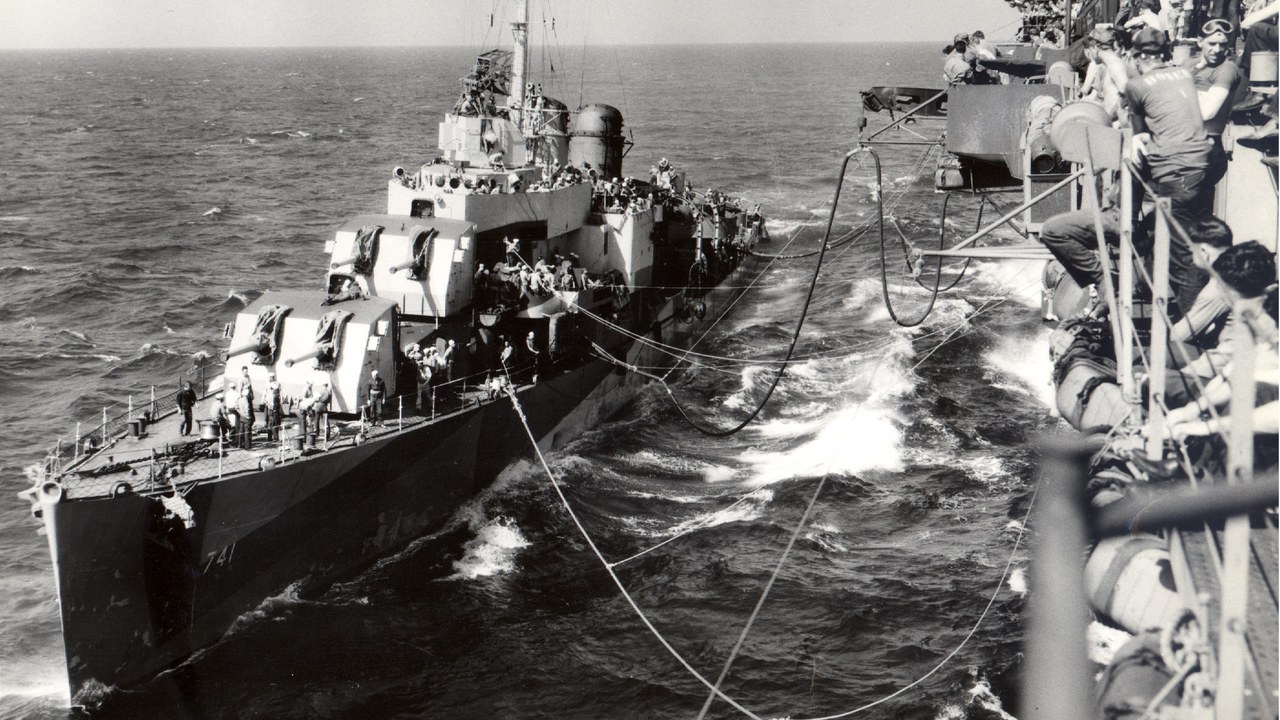
On the same expedition, the team located the Sumner-class destroyer USS Drexler, sunk in a kamikaze attack during the Battle of Okinawa with the loss of 158 men. It was found at a depth of around 3.8 kilometers.
The team used multibeam echo-sounder technology to find the wrecks. Its kit includes autonomous underwater vehicles that run pre-programmed survey grids, Synthetic Aperture Sonar for high-resolution acoustic images, and remotely operated vehicles with HD cameras, all combined into detailed maps and 4D reconstructions of each site.
USS William D. Porter: The Destroyer Everyone Survived
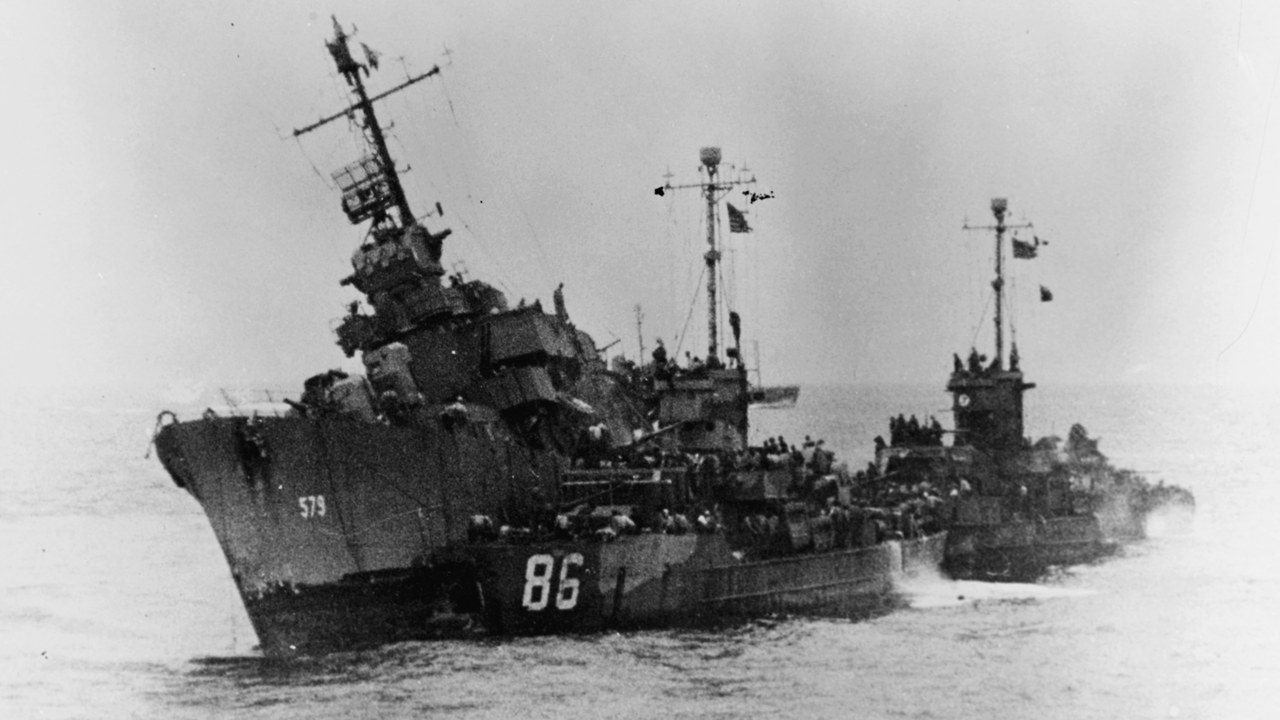
The second destroyer from that expedition was USS William D. Porter, which met her fate after a series of kamikaze-related events off Okinawa. Remarkably, the sinking left 61 wounded and no one dead. Its wreck also lies around 3.8 kilometers down.
In all, 243 sailors died when the four vessels found on that expedition sank. In recognition of his discoveries, Taylor received the U.S. Navy Distinguished Public Service Medal, the service’s highest honor for civilians, in 2021. His company, Tiburon Subsea, develops autonomous underwater robotic technology for defense and commercial work.
More from Morning Overview
- Two Kentucky residents died when a small plane crashed at Missouri’s Lake of the Ozarks, and the NTSB is investigating
- A handful of car transmissions are so tough that mechanics say they almost never die
- Melting permafrost is setting off a newly identified kind of catastrophic landslide, scientists say
- Cadillac cut the price of its cheapest EV, which goes up to 317 miles on a charge
