
The aircraft carrier USS Theodore Roosevelt has arrived in the Middle East, and it brought along something new. Its strike group deployed with a medium unmanned surface vessel, a ship that sails with no one aboard. Here is the carrier, the ships around it and the robot boat now riding along.
Read next on Morning Overview: Melting permafrost is setting off a newly identified kind of catastrophic landslide, scientists say
USS Theodore Roosevelt: Now in the Arabian Sea
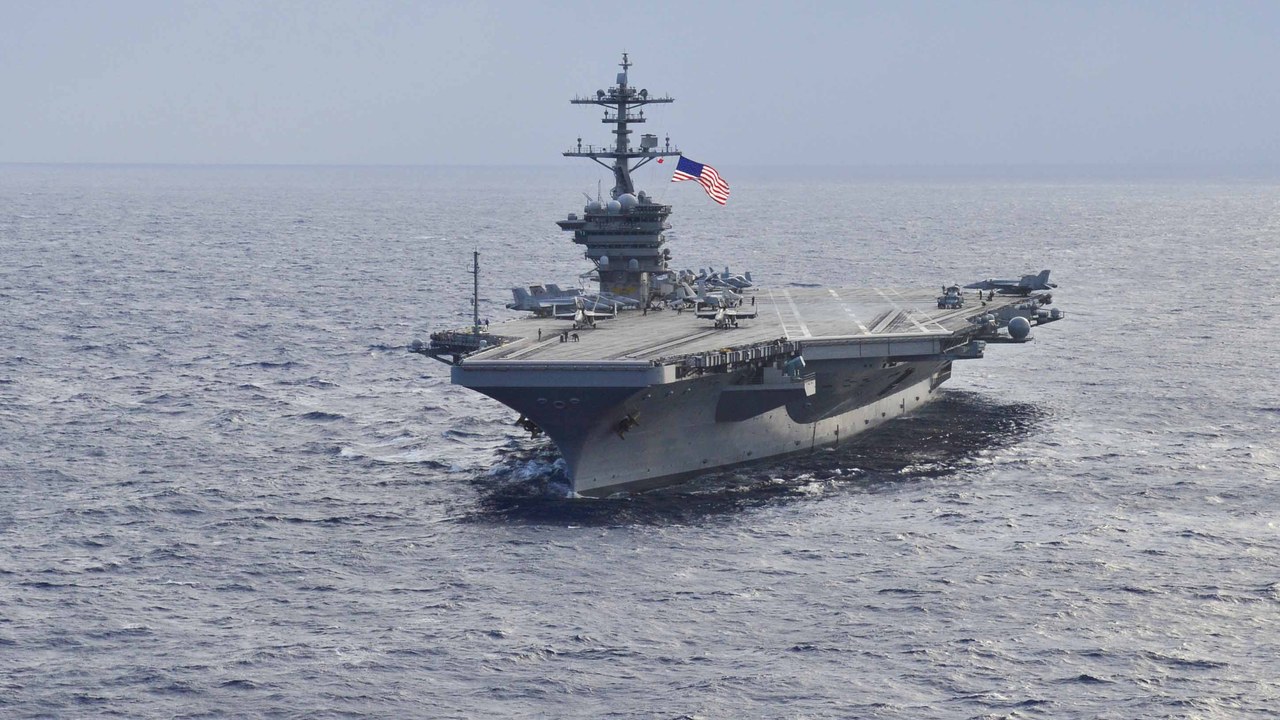
The USNI News fleet tracker for November 16, 2026, reported that the aircraft carrier USS Theodore Roosevelt (CVN-71) is now operating in the Arabian Sea. The ship is homeported at Naval Air Station North Island, in California.
Carrier Strike Group 9 includes the carrier, Carrier Air Wing 11, Destroyer Squadron 23, Information Warfare Squadron 9 and the cruiser USS Chosin. The tracker added one line that stands out from the usual list of ships: the strike group also deployed with the Medium Unmanned Surface Vessel Seahawk.
Nimitz-class aircraft carrier: The Rough Rider
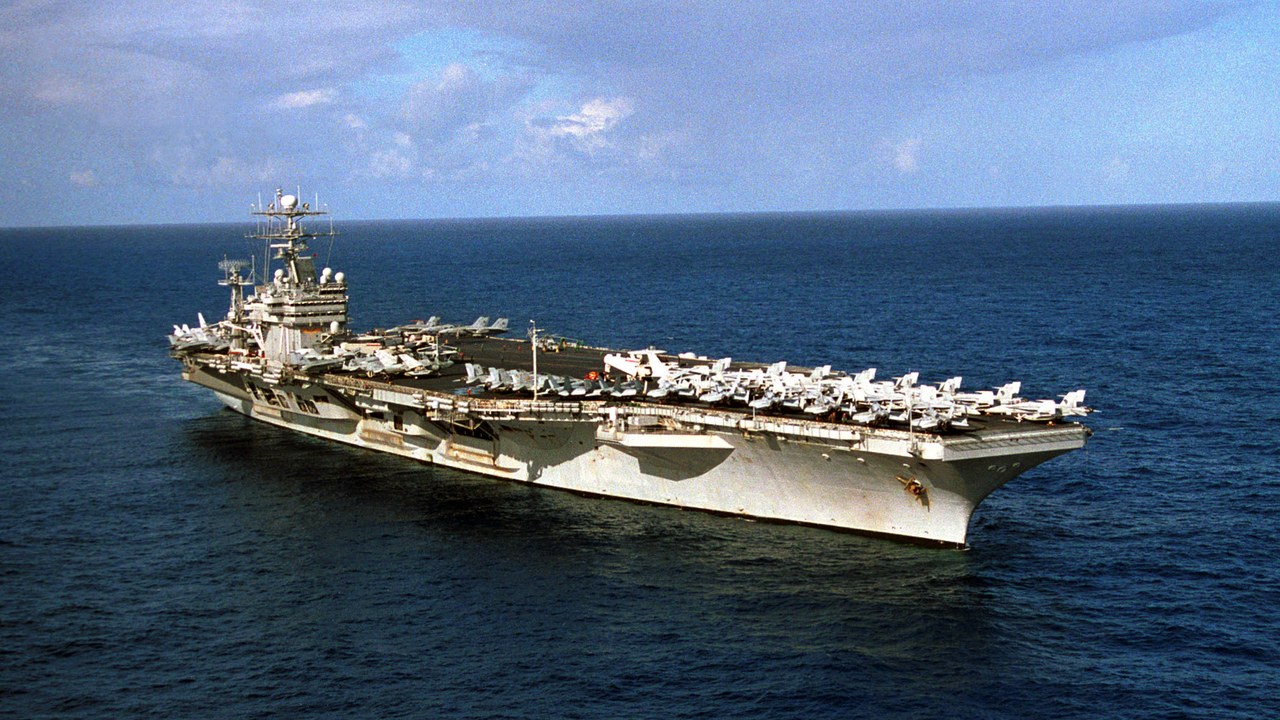
Theodore Roosevelt is the fourth Nimitz-class nuclear-powered aircraft carrier in the U.S. Navy, named for the 26th president, a champion of naval power. Its radio call sign is “Rough Rider,” after the volunteer cavalry unit Roosevelt led in the Spanish-American War.
The ship was launched in 1984 and commissioned at Newport News on October 25, 1986. Its maiden deployment began on December 30, 1988, with Carrier Air Wing Eight embarked, and it patrolled the Mediterranean Sea before returning home on June 30, 1989.
Operation Desert Storm: Battle Tested in 1991
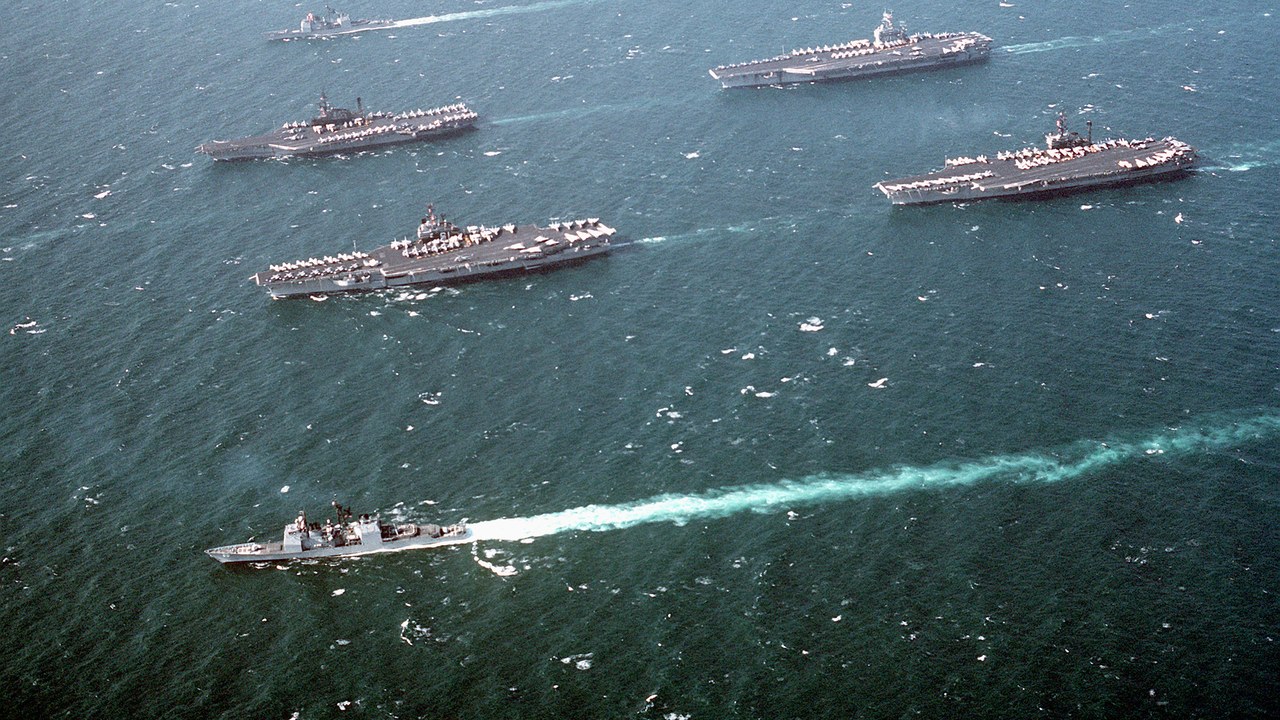
The carrier saw its first action in the Gulf War. When Operation Desert Storm began, Theodore Roosevelt went into combat, eventually flying 3,897 sorties, more than any other carrier, and dropping more than 4.8 million pounds of ordnance before the February 28 ceasefire.
After the war it was among the first coalition forces in Operation Provide Comfort, flying patrols over northern Iraq. It returned to Norfolk on June 28, 1991, after a 189-day deployment with 176 days at sea, and later won the Battenberg Cup as the Atlantic Fleet’s premier ship.
F/A-18F Super Hornet: A Quarter-Million Landings

Fighter jets are the heart of any carrier. On March 19, 2024, an F/A-18F Super Hornet from Carrier Air Wing 11 made the 250,000th successful arrested landing on Theodore Roosevelt’s deck.
That 2024 deployment took the carrier to the Middle East to relieve USS Dwight D. Eisenhower, and it operated alongside USS Abraham Lincoln from August until September. Theodore Roosevelt returned home on October 14, 2024, after 278 days on deployment. That cruise had begun in January 2024 from Naval Air Station North Island in San Diego.
MQ-25 Stingray: Built for Drones
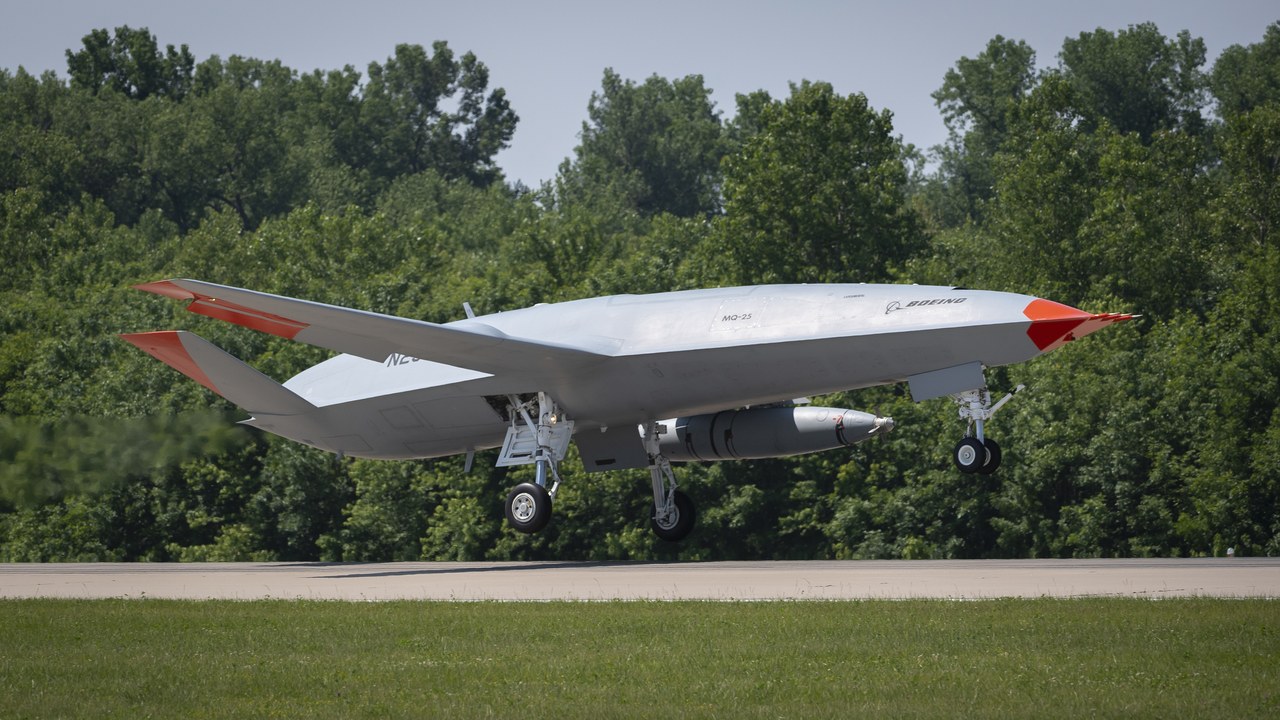
Theodore Roosevelt carries a first of its own. As of April 2026, it was the first supercarrier with an Unmanned Air Warfare Center, able to support MQ-25 Stingray tanker drones.
On the way west, the carrier made a port call. As of November 6, it was at Changi Naval Base in Singapore and was expected to sail toward the Middle East. Nine days later, it had joined two other U.S. carriers in the region. On this deployment, the unmanned systems are not just in the air.
Seahawk (MUSV): The Robot Ship
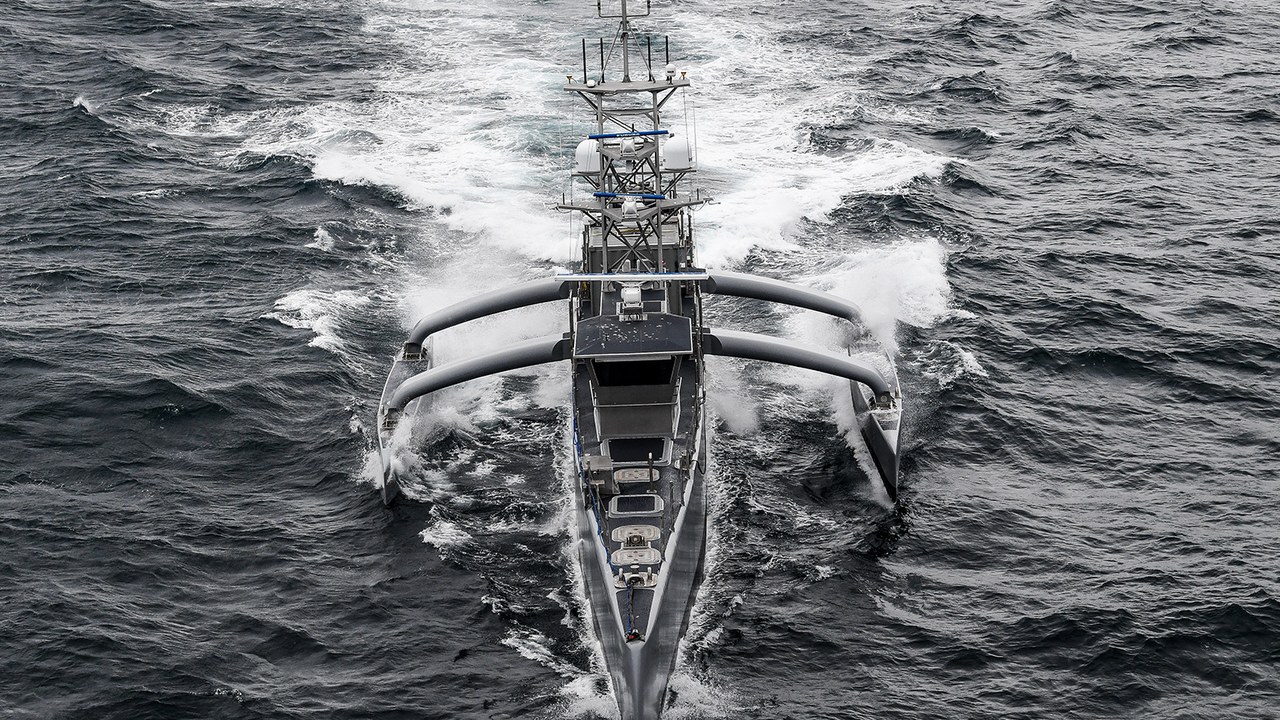
Acting Navy Secretary Hung Cao announced the milestone in October. “The Teddy Roosevelt Carrier Strike Group just deployed on October 8 with a medium-sized unmanned surface vessel,” he said, calling it the first carrier strike group to ever deploy with a large-size unmanned surface vessel.
“Imagine having more guns out there,” Cao added. At the time, Navy spokespersons did not say which drone was going. The Seahawk, built by Leidos, is an original prototype of the Navy’s Medium Unmanned Surface Vessel program and is now a Navy-owned vessel. USNI News later listed Seahawk with the strike group.
Sea Hunter: The Sister Prototype
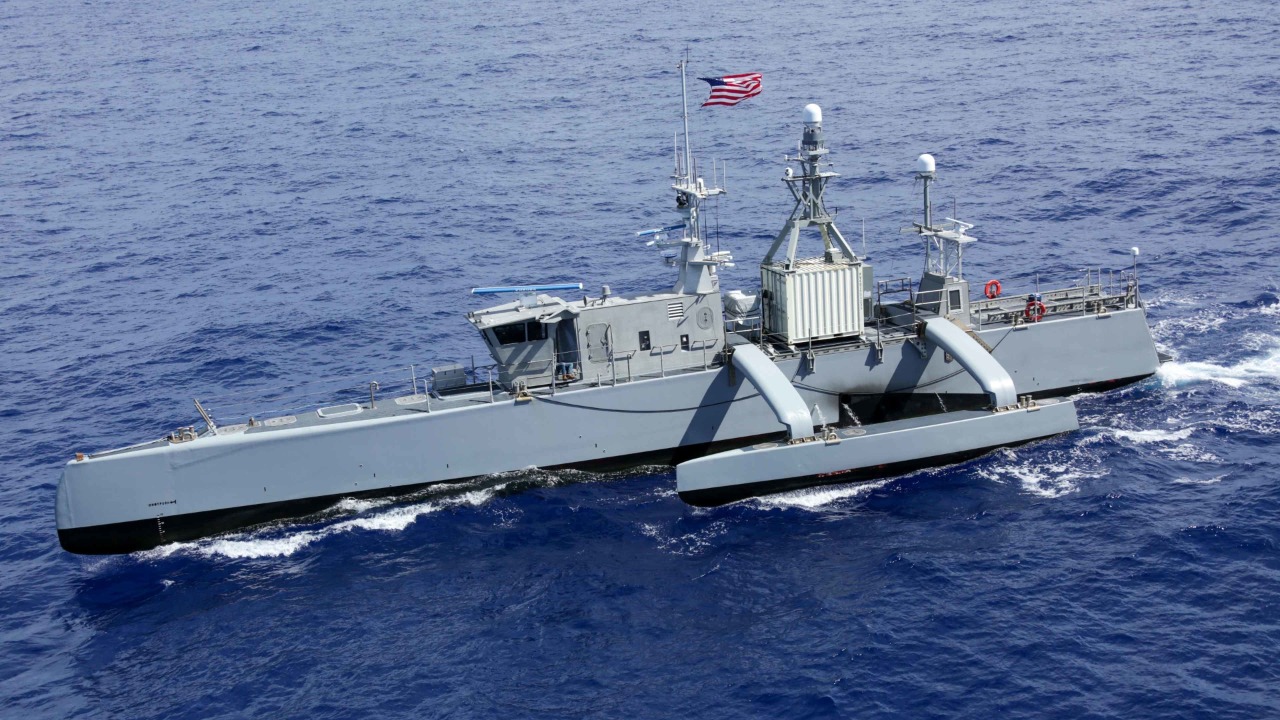
Seahawk has a twin in the story. Leidos built Sea Hunter and Seahawk as the original MUSV prototypes, and both were delivered for real-world surface fleet missions this year, DefenseScoop reported.
The Navy has since merged its large and medium unmanned surface vessel programs into the Modular Attack Surface Craft program. Those craft can carry different equipment depending on the mission, including containerized weapons and sensors or other electronic payloads. The push is part of a wider Navy plan to blend robotic platforms with crewed ships.
USS Chosin: The Cruiser on Guard
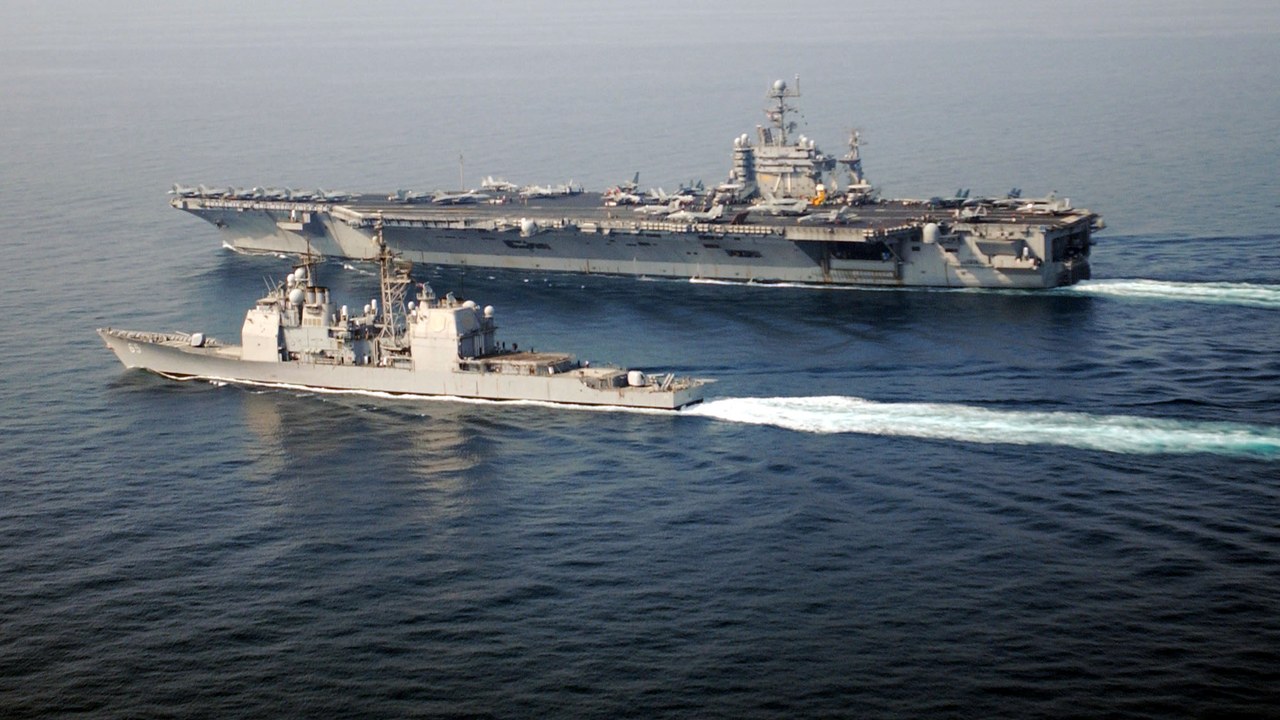
Every carrier needs protection from the air. In Carrier Strike Group 9, that job falls to the Ticonderoga-class guided-missile cruiser USS Chosin (CG-65), which serves as the group’s air defense commander.
Chosin is homeported at Naval Station San Diego, and it is the only cruiser named in the group; the other escorts are destroyers from Destroyer Squadron 23. The air wing it helps protect is listed on the same tracker: F/A-18E and F/A-18F Super Hornets, F-35C stealth fighters, EA-18G Growlers, E-2D Hawkeyes, CMV-22B Ospreys and MH-60 helicopters.
USS Decatur: The Destroyers
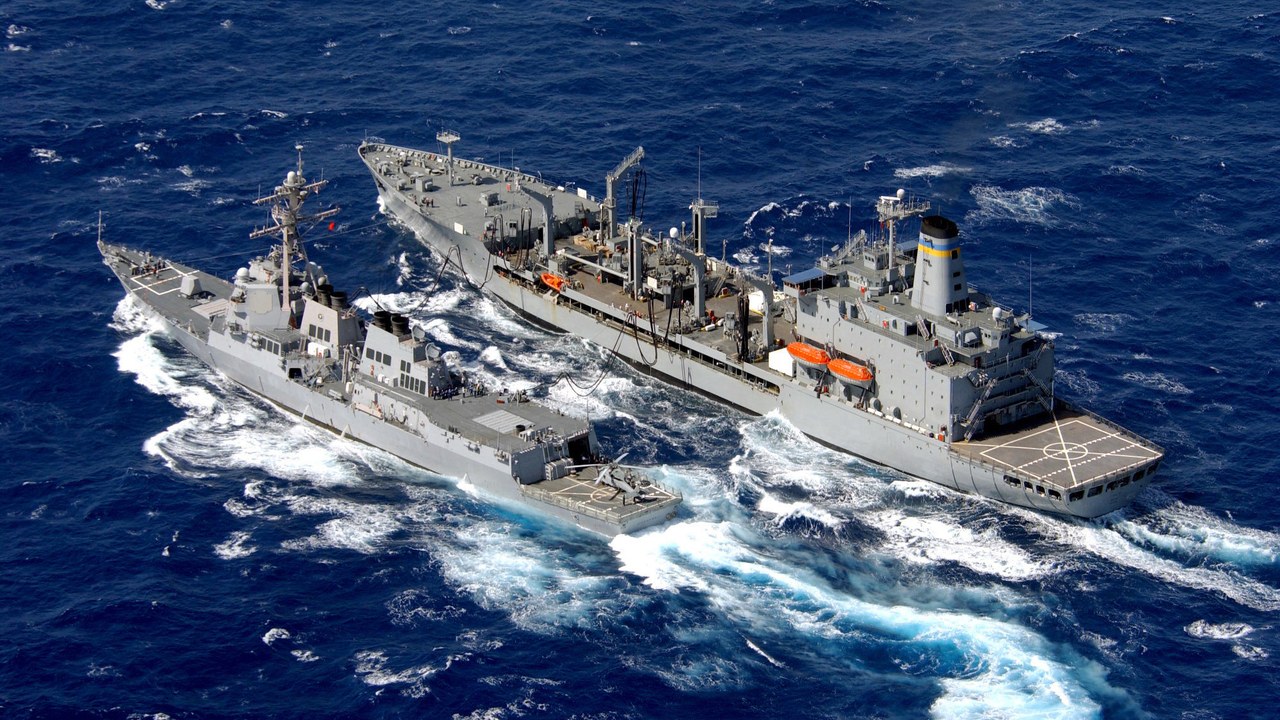
Destroyer Squadron 23, based in San Diego and embarked on the carrier, brings the strike group’s destroyers. They include USS Paul Hamilton, homeported in San Diego, and USS Decatur (DDG-73), homeported at Pearl Harbor.
Keeping these ships fueled at sea is constant work. A photo released with the tracker showed Decatur conducting a replenishment at sea with the Australian supply ship HMAS Stalwart on November 3, 2026. Decatur’s Pearl Harbor homeport makes it the one ship in the group’s listing based outside California.
USS George Washington: Taking Over the Watch
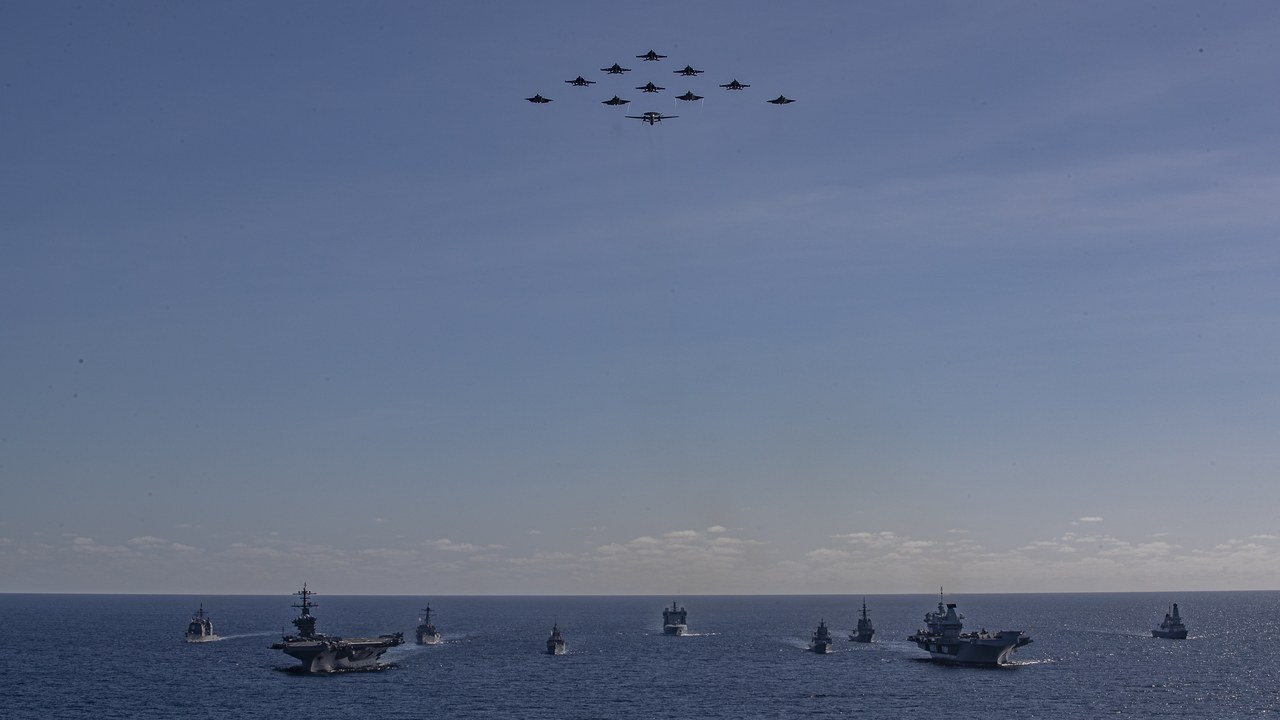
Theodore Roosevelt chopped into U.S. 5th Fleet on Sunday, November 15, USNI News reported, becoming the third U.S. carrier strike group in the Middle East at that time.
The carrier is expected to relieve USS George Washington, which arrived in the Middle East in late August. The same report noted that USS Abraham Lincoln had returned home after 321 days deployed, and that its last escorts had finally come home too, including a destroyer that set a record with a 357-day deployment.
More from Morning Overview
- Over 20 trillion gallons of rain fell on the Four Corners states and Nevada in two weeks
- 11 engines built to run well past 200,000 miles
- Two Kentucky residents died when a small plane crashed at Missouri’s Lake of the Ozarks, and the NTSB is investigating
- A handful of car transmissions are so tough that mechanics say they almost never die
