
For half a century, the battleship was the ultimate measure of a nation’s power at sea. Navies poured fortunes into ever-bigger hulls and guns, until aircraft carriers took the crown in World War II. Here are eighteen battleships from the age of the big guns, from Japan’s Mikasa to the last one ever built.
Read next on Morning Overview: Zero Motorcycles unveiled an electric motorcycle targeted at under $8K and a street-legal dirt bike at EICMA
1. Mikasa: Togo’s Flagship
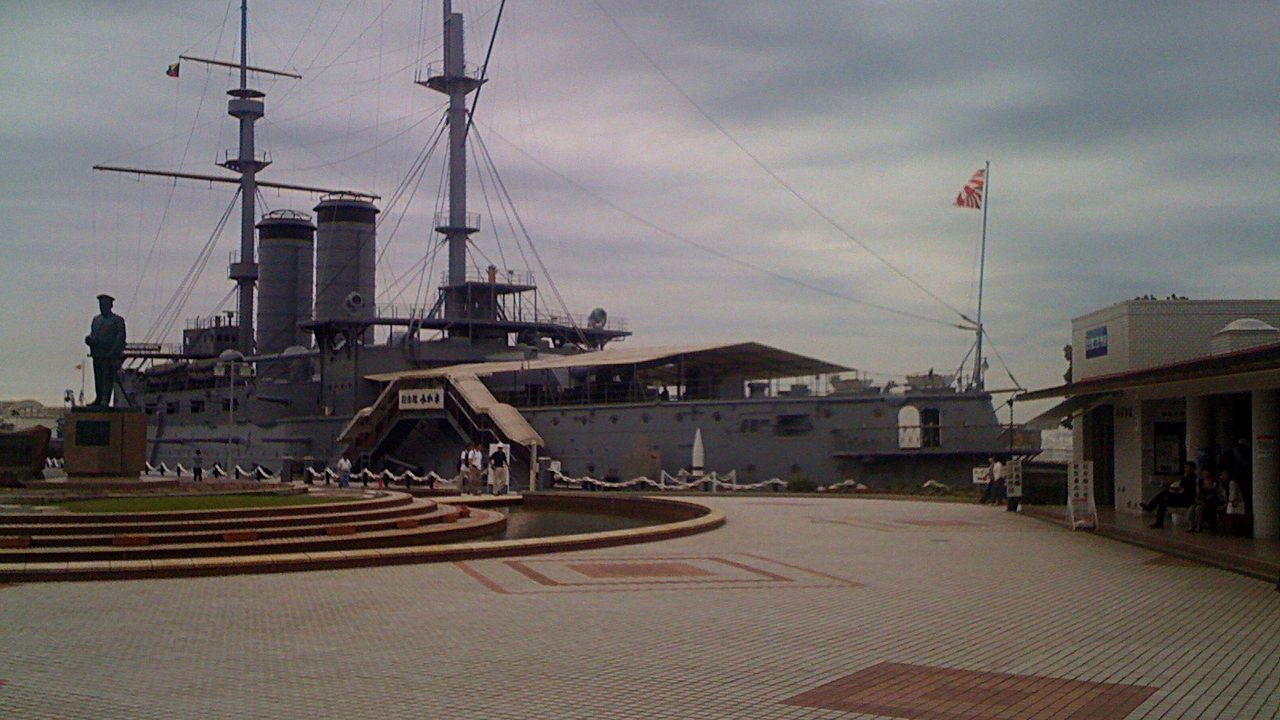
The pre-dreadnought Mikasa was Vice Admiral Togo Heihachiro’s flagship throughout the Russo-Japanese War of 1904-1905, leading at Port Arthur, the Yellow Sea and Tsushima. In the Yellow Sea she was hit 20 times and lost an aft turret.
Days after the war ended, an accidental magazine explosion sank her, and repairs took more than two years. She later served as a coast-defense ship in World War I, and since the 1920s she has been preserved as a museum ship at Yokosuka.
2. HMS Dreadnought: The Ship That Named an Era
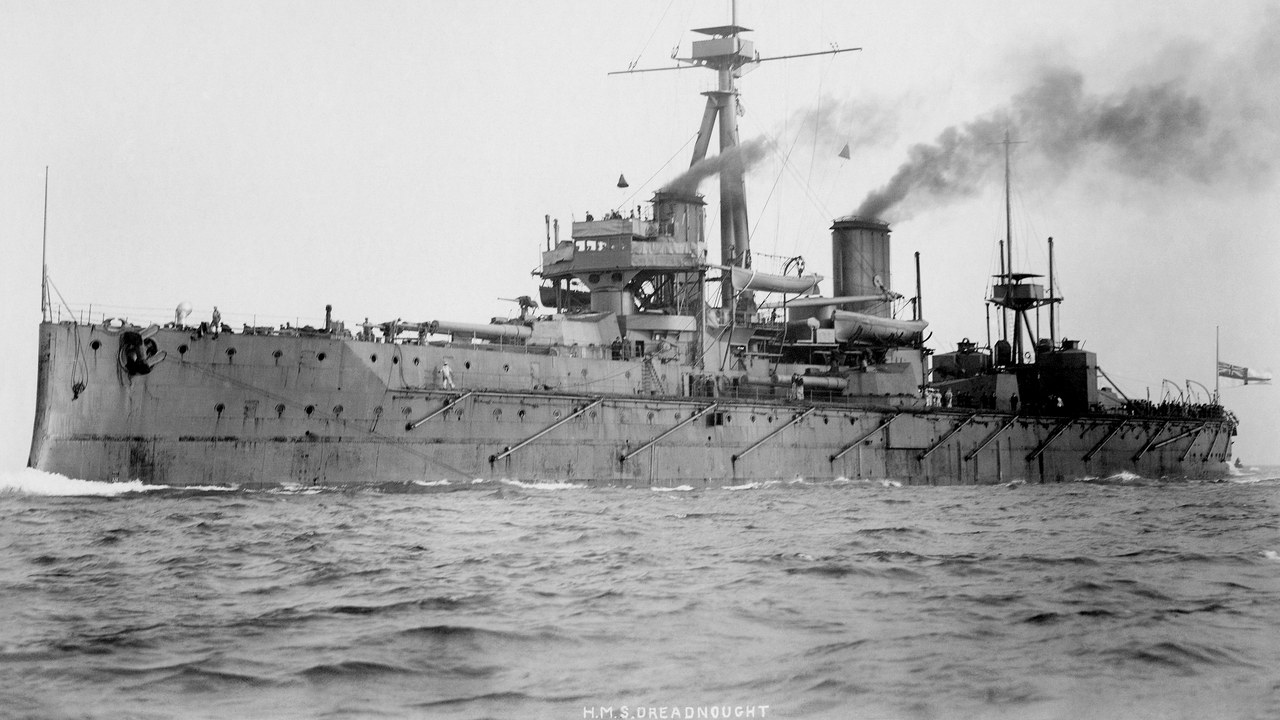
Launched by Edward VII in 1906, HMS Dreadnought was so innovative that she instantly rendered other warships obsolete. Steam turbines made her faster than other battleships, and she carried only heavy-caliber guns.
Her name became the term for every battleship that followed, while older ships became “pre-dreadnoughts.” Ironically, she missed Jutland while under overhaul, and her only notable kill was ramming a German U-boat in 1915.
3. HMS Iron Duke: Jellicoe’s Flagship
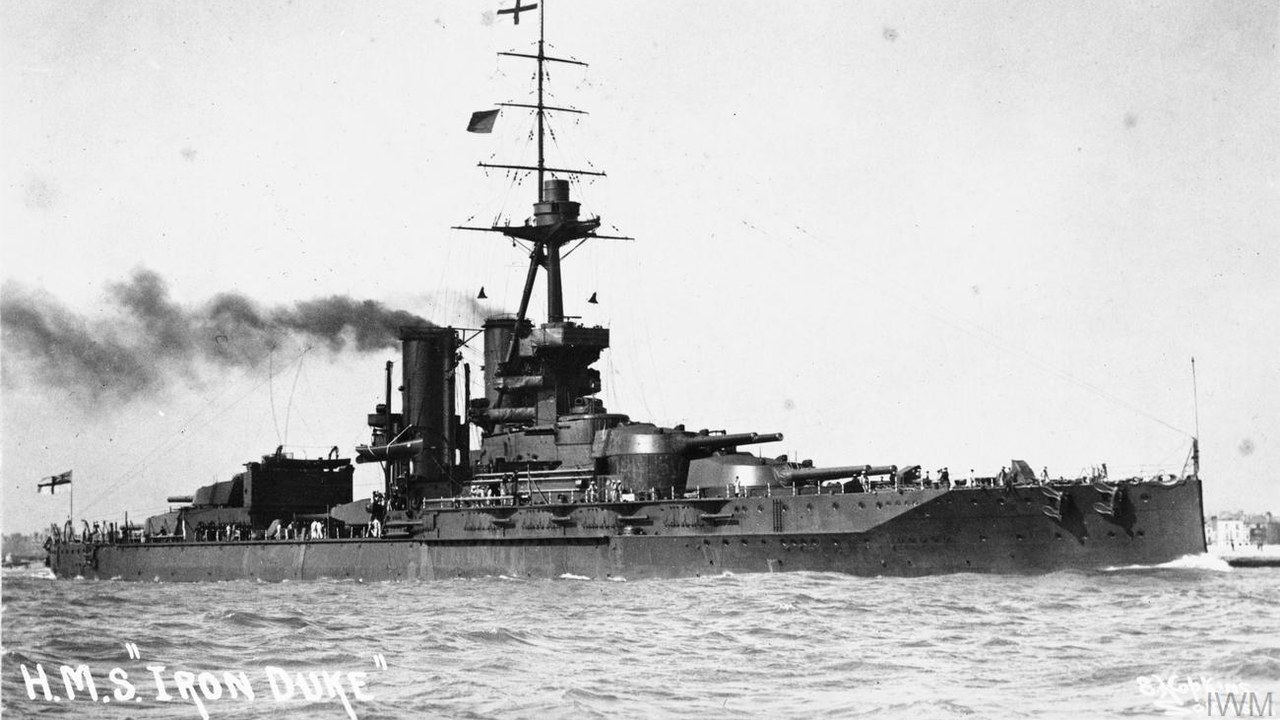
Launched in 1912 and named after the Duke of Wellington, HMS Iron Duke served as flagship of the Grand Fleet. Admiral John Jellicoe directed the Battle of Jutland in 1916 from her bridge.
She damaged the German dreadnought SMS Konig and came through Jutland unscathed. In World War II, bombed while serving as a base ship at Scapa Flow, she had to be run aground and was later scrapped.
4. USS Texas: The Oldest Survivor

Commissioned in 1914, USS Texas is the oldest surviving dreadnought battleship and was the first battleship in the world fitted with 14-inch guns. She is now a museum ship in Galveston.
In World War II she escorted Atlantic convoys and shelled German-held beaches during the Normandy landings before moving to the Pacific. In 1976 she became the first battleship declared a U.S. National Historic Landmark.
5. HMS Warspite: The Most Decorated Royal Navy Ship
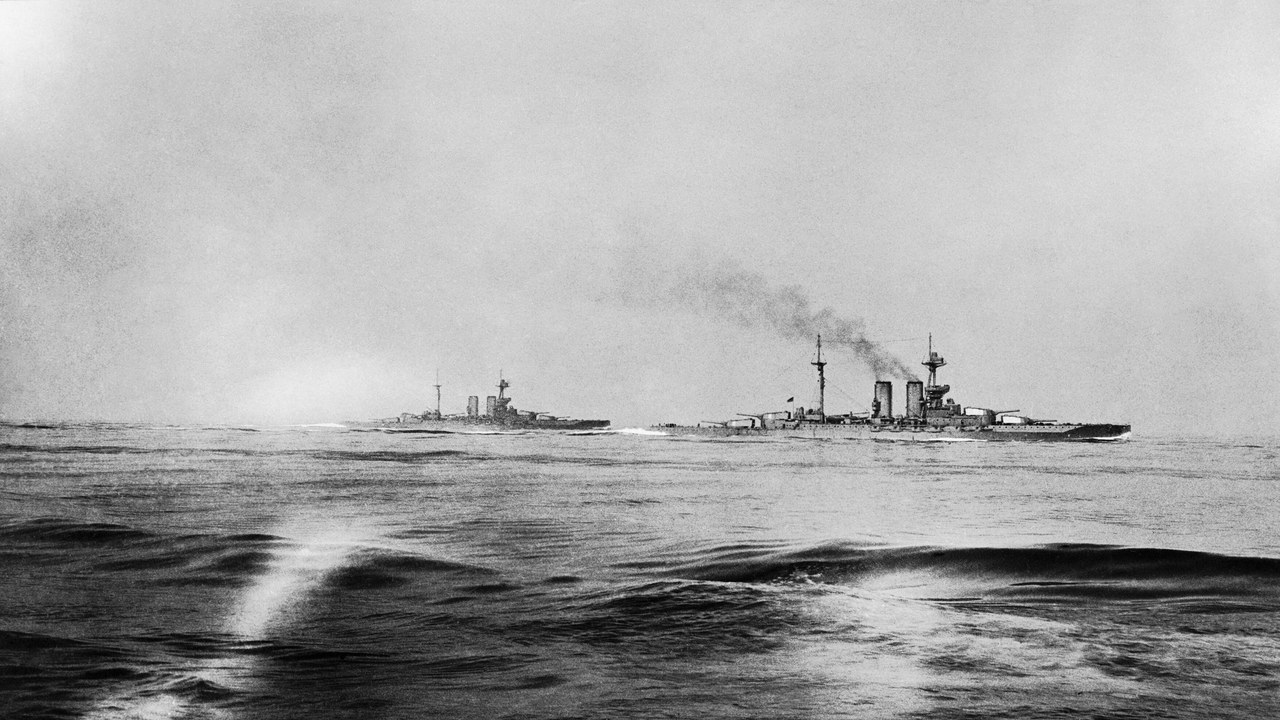
Completed in 1915, HMS Warspite fought at Jutland with the Grand Fleet and was thoroughly modernized in the mid-1930s. In World War II she saw action off Norway and against the Italian navy in the Mediterranean.
Her wartime actions earned her the most battle honors ever awarded to an individual ship in the Royal Navy. She often served as flagship between the wars in the Atlantic and Mediterranean.
6. USS Arizona: The Pearl Harbor Memorial
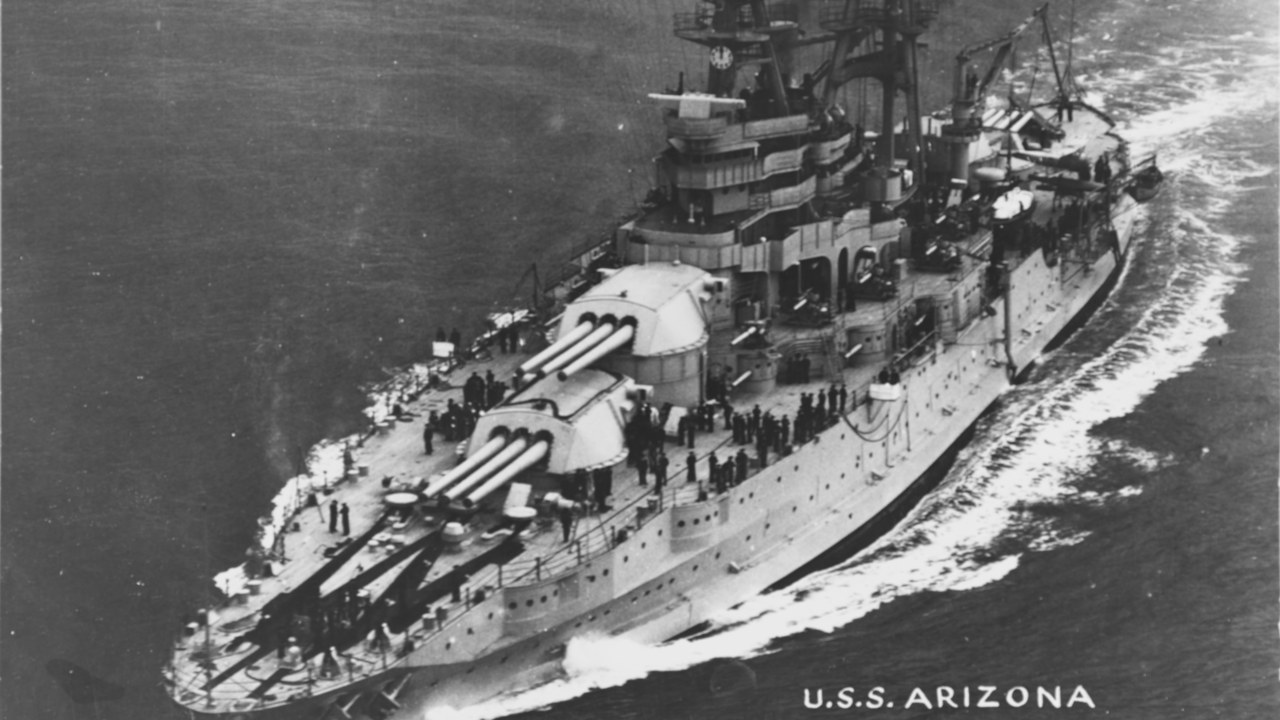
USS Arizona was the chief victim of the attack on Pearl Harbor. An armor-piercing bomb started an enormous fire in her main magazines that damaged the ship beyond repair.
More than 1,170 of her crew were killed, roughly half of all American deaths in the attack. The loss of so many relatives together led authorities to advise against family members serving on the same ship.
7. HMS Hood: The Mighty Hood
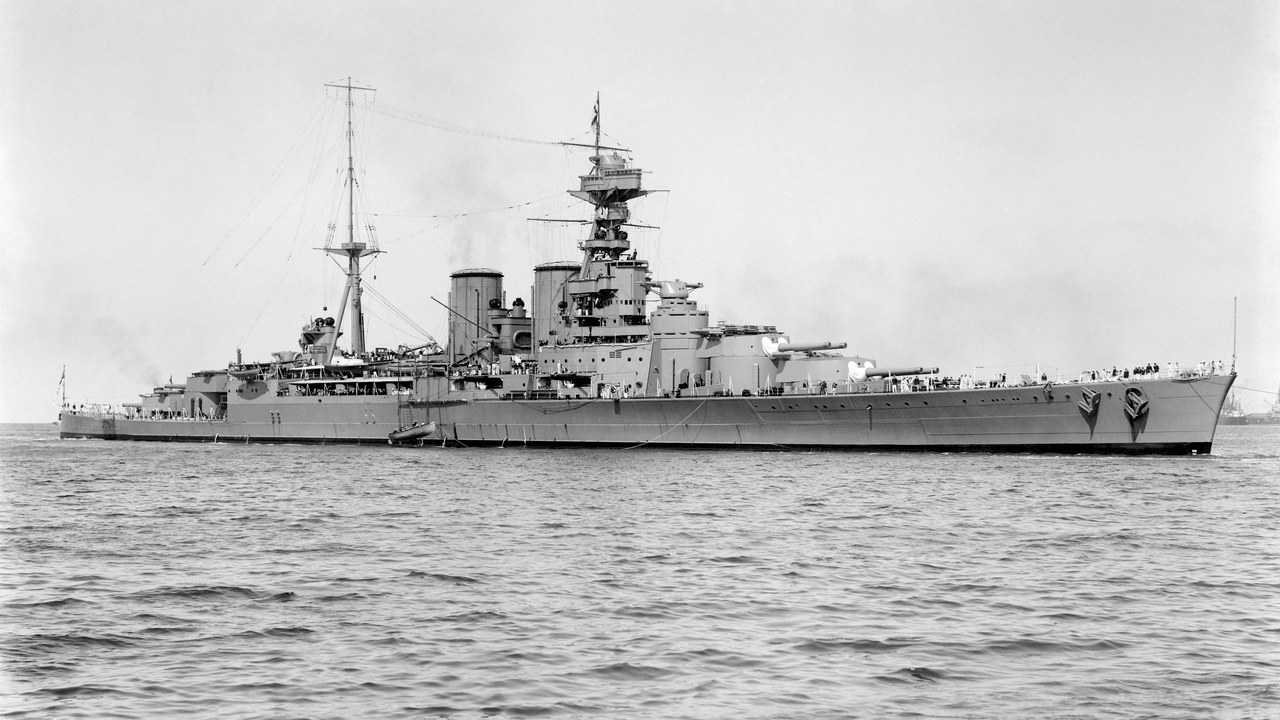
Technically a battlecruiser, HMS Hood was for decades the biggest warship in the world. Some sailors called her “the largest submarine in the fleet” because seawater often washed over her low deck.
In May 1941, at the Battle of the Denmark Strait, shells from the German battleship Bismarck caused catastrophic explosions aboard her. Of the 1,418 men on board, only three survived.
8. Bismarck: The Hunted Raider
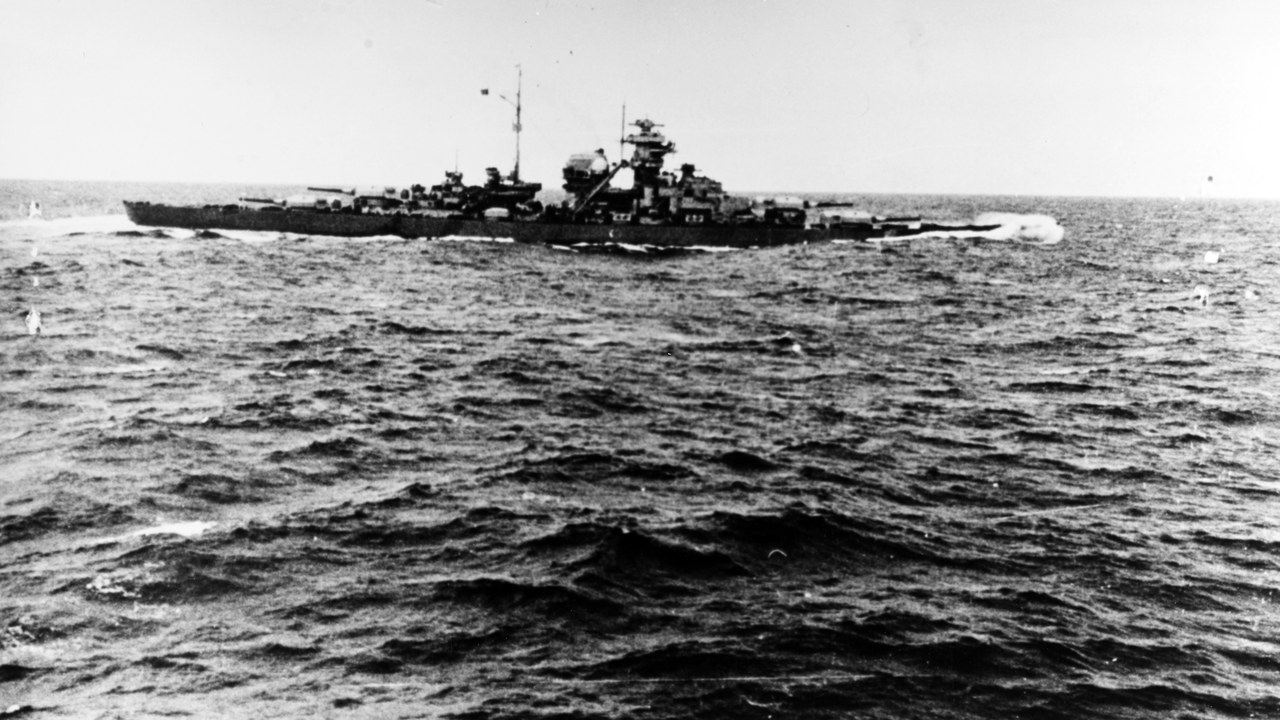
The German battleship Bismarck was one of the most powerful warships in the world when she was launched in 1939. At the Battle of the Denmark Strait, a well-placed shot from her sank HMS Hood.
The Royal Navy hunted her down. After wave after wave of shells and torpedoes, she sank on May 27, 1941, just days after Hood was lost.
9. HMS Prince of Wales: Three Hits on Bismarck
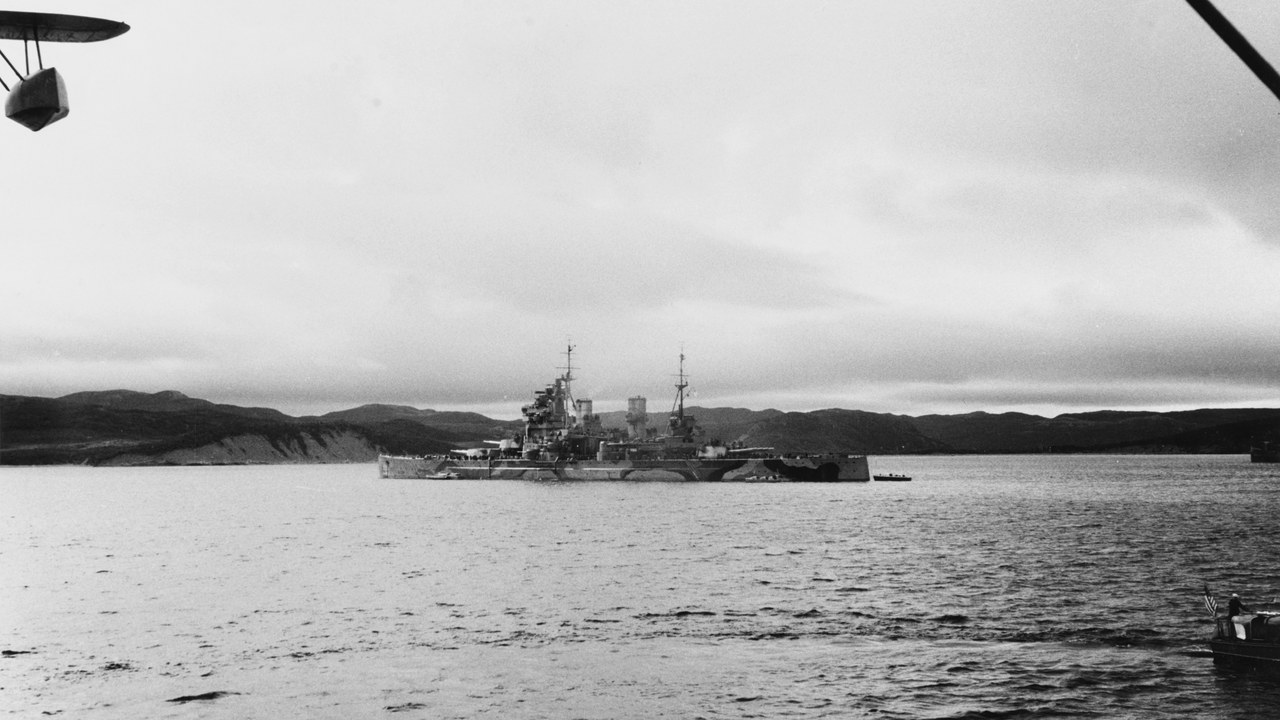
At the Battle of the Denmark Strait in May 1941, HMS Prince of Wales scored three hits on Bismarck, forcing the German ship to abandon her raid and head for port. She had been damaged by German bombs even before she was finished.
Her career lasted less than a year. On 10 December 1941, three days after Pearl Harbor, Japanese aircraft sank her and the battlecruiser Repulse off Malaya.
10. Tirpitz: The Lonely Queen of the North
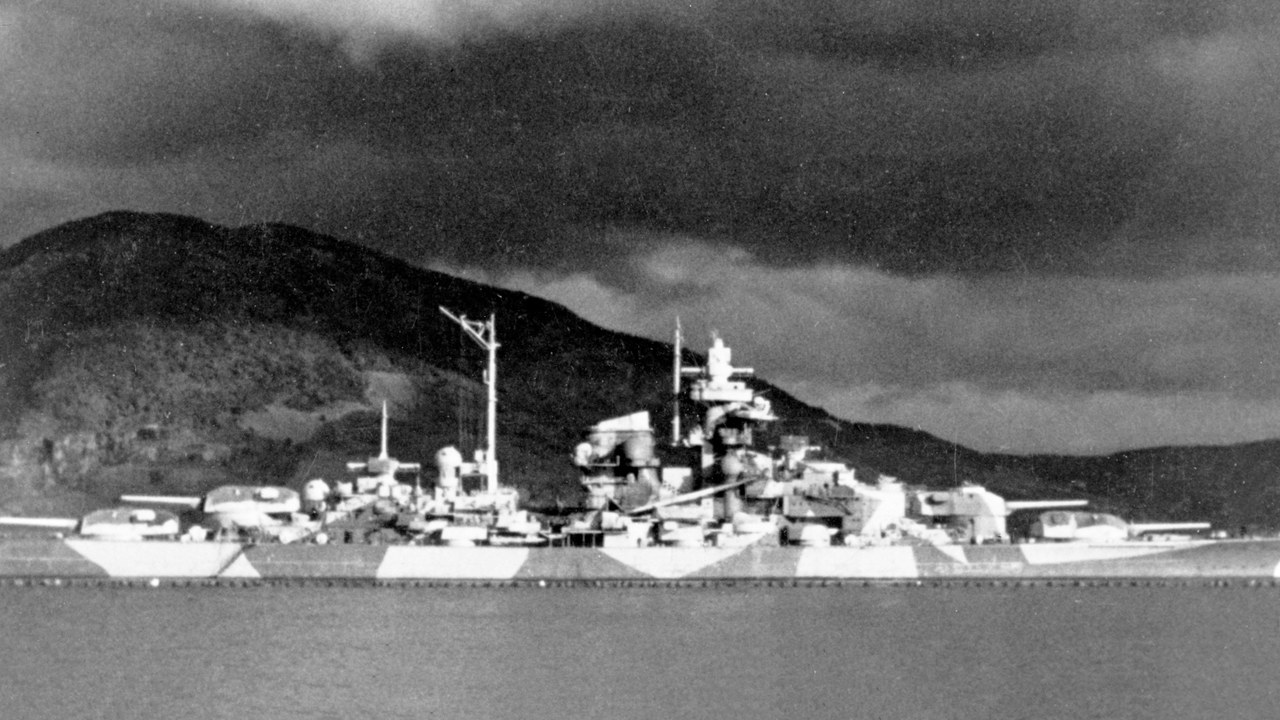
Bismarck’s sister ship, Tirpitz, spent most of the war hidden in Norwegian fjords, deployed so rarely that she was nicknamed the “Lonely Queen of the North.” Fuel shortages kept her moored behind protective nets.
On 12 November 1944, British Lancaster bombers carrying 12,000-pound Tallboy bombs scored two direct hits and a near miss, and she rolled over and capsized in a Norwegian fjord near Tromso.
11. Yamato: The Biggest Ever Built
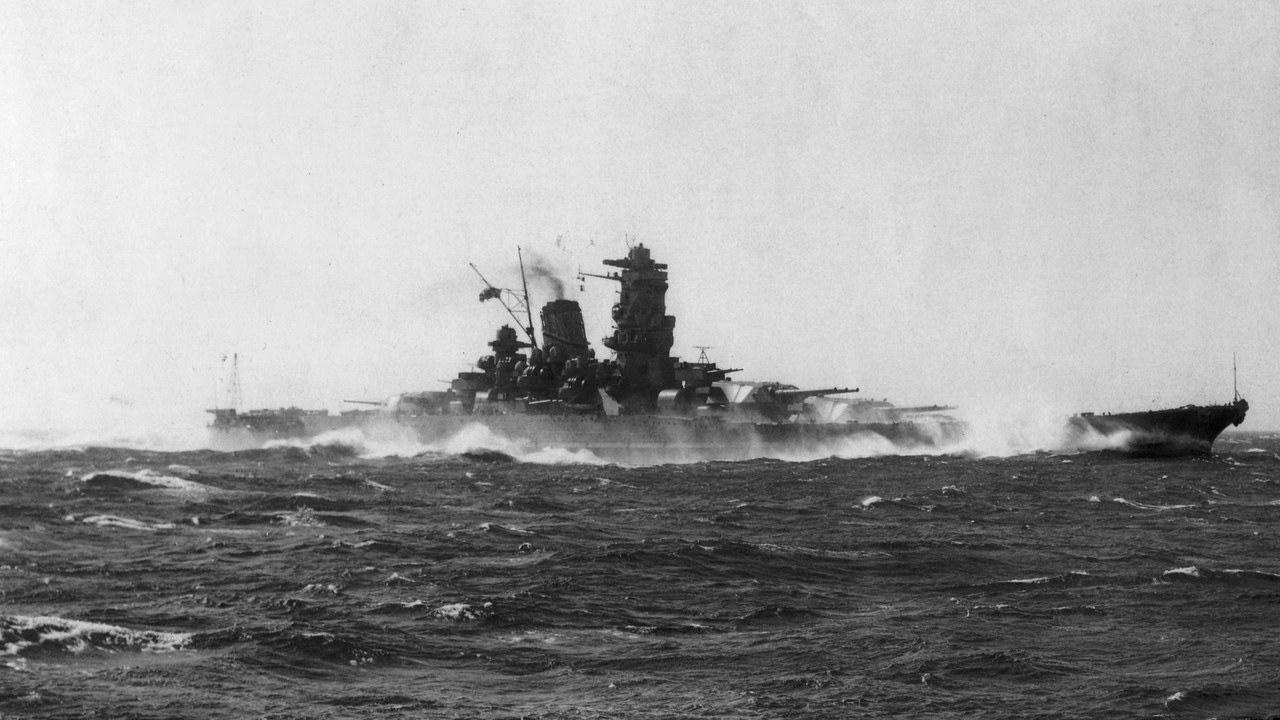
At 72,809 tons, the Yamato and her sister Musashi were the biggest battleships ever built, and her 18-inch guns could reach about 25 miles. Yet air power had already overtaken the battleship.
On April 7, 1945, Yamato sailed on a one-way mission toward Okinawa. More than 250 American aircraft attacked her, and her forward magazine exploded before she sank to the seabed about 1,100 feet down.
12. Musashi: Yamato’s Lost Sister
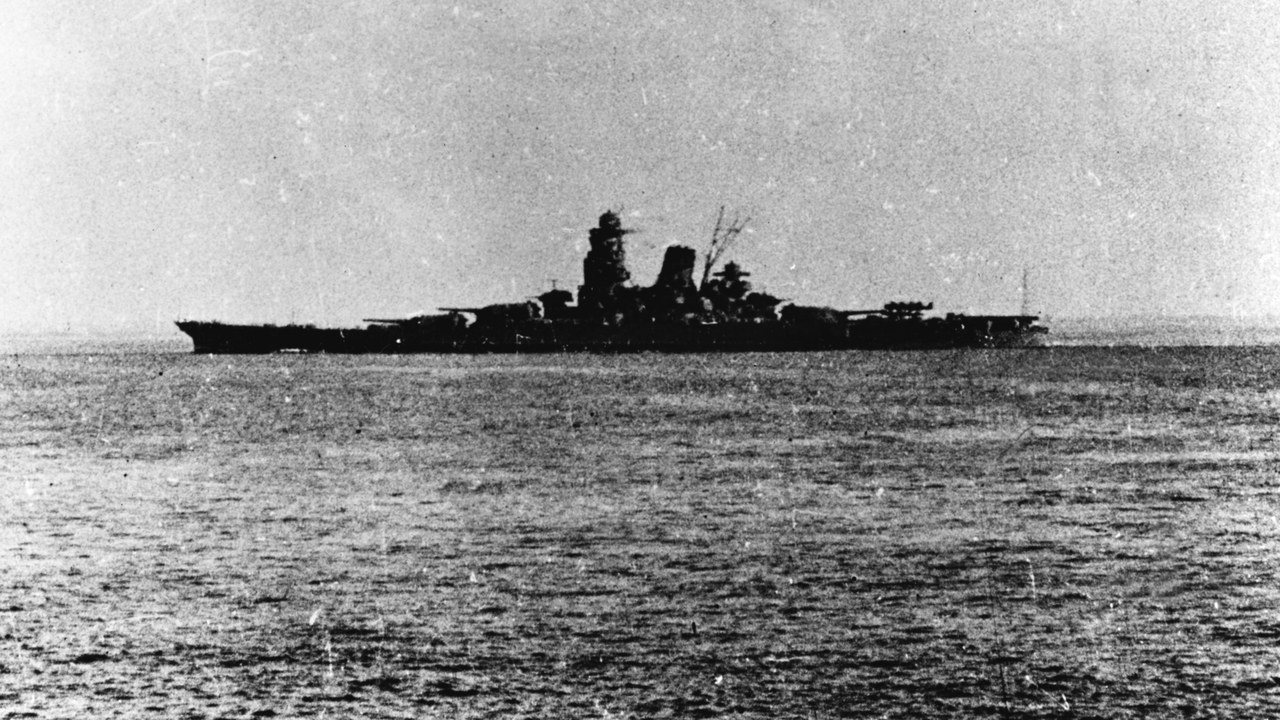
Musashi was one of the Yamato-class battleships, the heaviest and most powerfully armed ever built, carrying nine 460-millimeter guns. An American submarine torpedoed her in early 1944.
During the Battle of Leyte Gulf on 24 October 1944, she was sunk by an estimated 19 torpedo and 17 bomb hits from carrier aircraft. Her wreck was found in March 2015 by a team working for Microsoft co-founder Paul Allen.
13. USS North Carolina: The Showboat
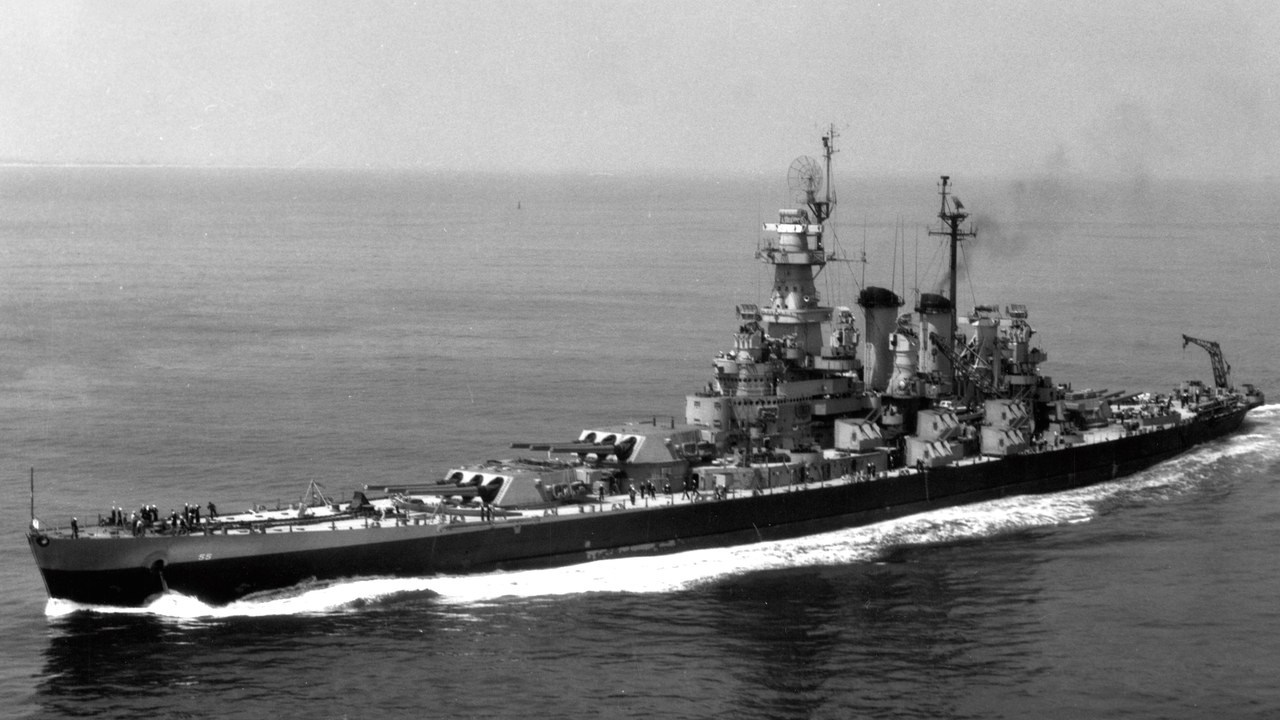
USS North Carolina, nicknamed “Showboat,” was built at the New York Naval Shipyard, launched in June 1940 and commissioned in April 1941. She received 15 battle stars in World War II, the most of any battleship in the U.S. fleet.
Stricken in 1960, she was saved from the scrapyard by a campaign to keep her in her namesake state. Her museum opened in Wilmington in 1962.
14. USS Alabama: Saved by a State

Commissioned in August 1942, USS Alabama served through World War II before being decommissioned in 1947. When she faced the scrapyard, a campaign raised the money to save her.
She was preserved as a museum ship in Mobile Bay at Battleship Memorial Park. Work on her hull later became the model for repairing USS North Carolina, using a cofferdam pumped dry around the ship.
15. USS Iowa: The President’s Ride
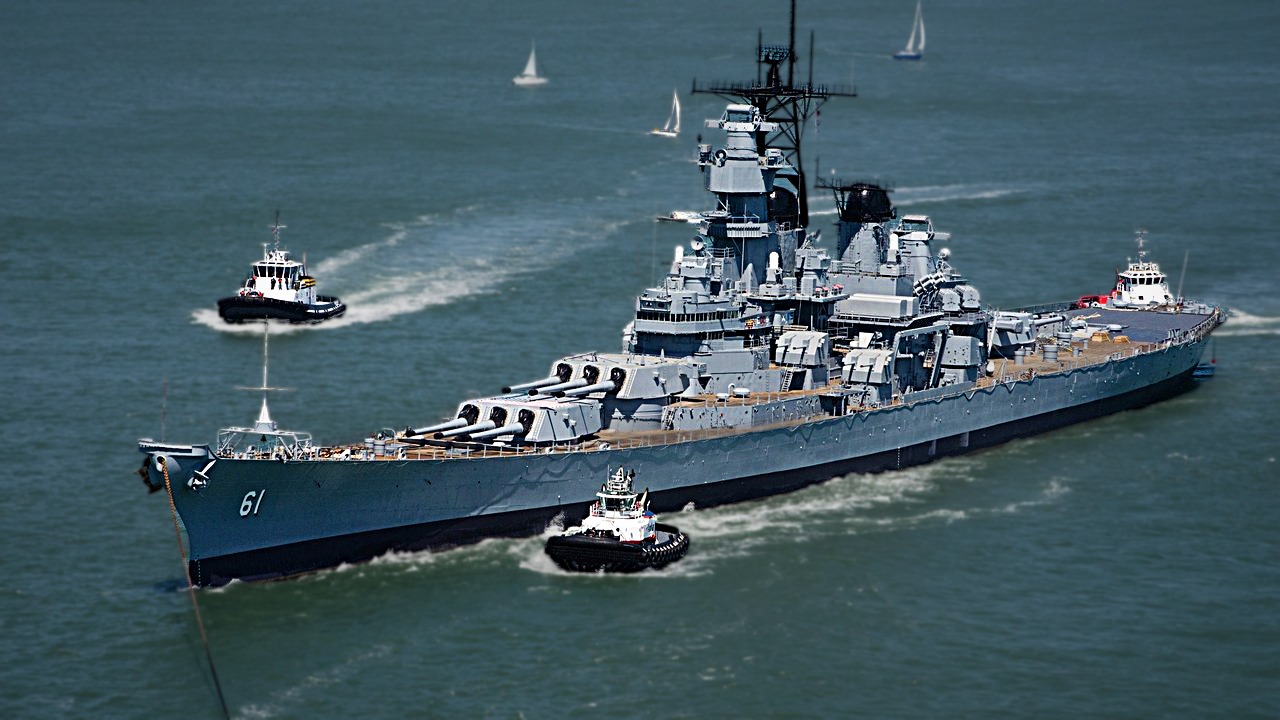
USS Iowa, lead ship of her class, carried President Franklin D. Roosevelt across the Atlantic in 1943 on the way to the Tehran conference with Churchill and Stalin. She was the only ship of her class to serve in the Atlantic in World War II.
Moved to the Pacific in 1944, she shelled beachheads at Kwajalein and Eniwetok. With the Montana class canceled, she remains the last lead ship of any class of U.S. battleships.
16. USS New Jersey: The Black Dragon
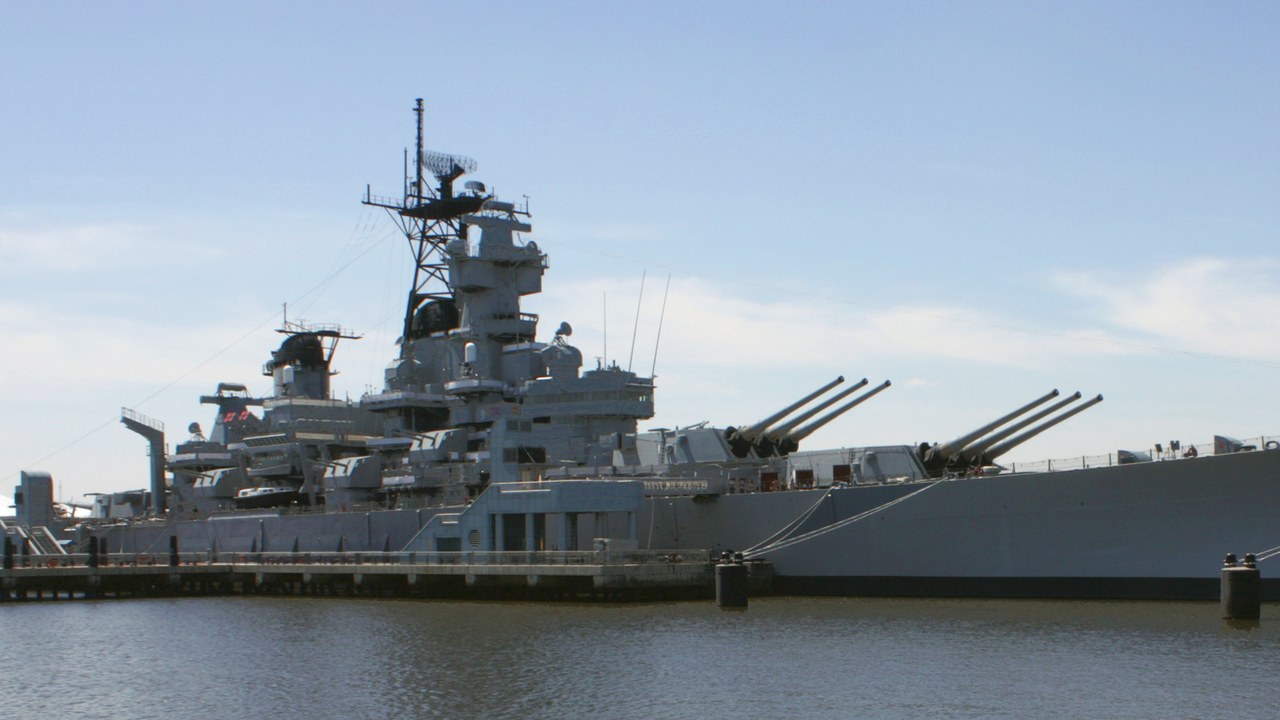
Nicknamed “Big J” and “Black Dragon,” USS New Jersey earned more battle stars than any other Iowa-class battleship. She was the only U.S. battleship used for gunfire support in the Vietnam War.
In World War II she shelled Guam and Okinawa, then raided the North Korean coast during the Korean War. She was briefly reactivated in 1968 to support troops in Vietnam.
17. USS Missouri: Where the War Ended
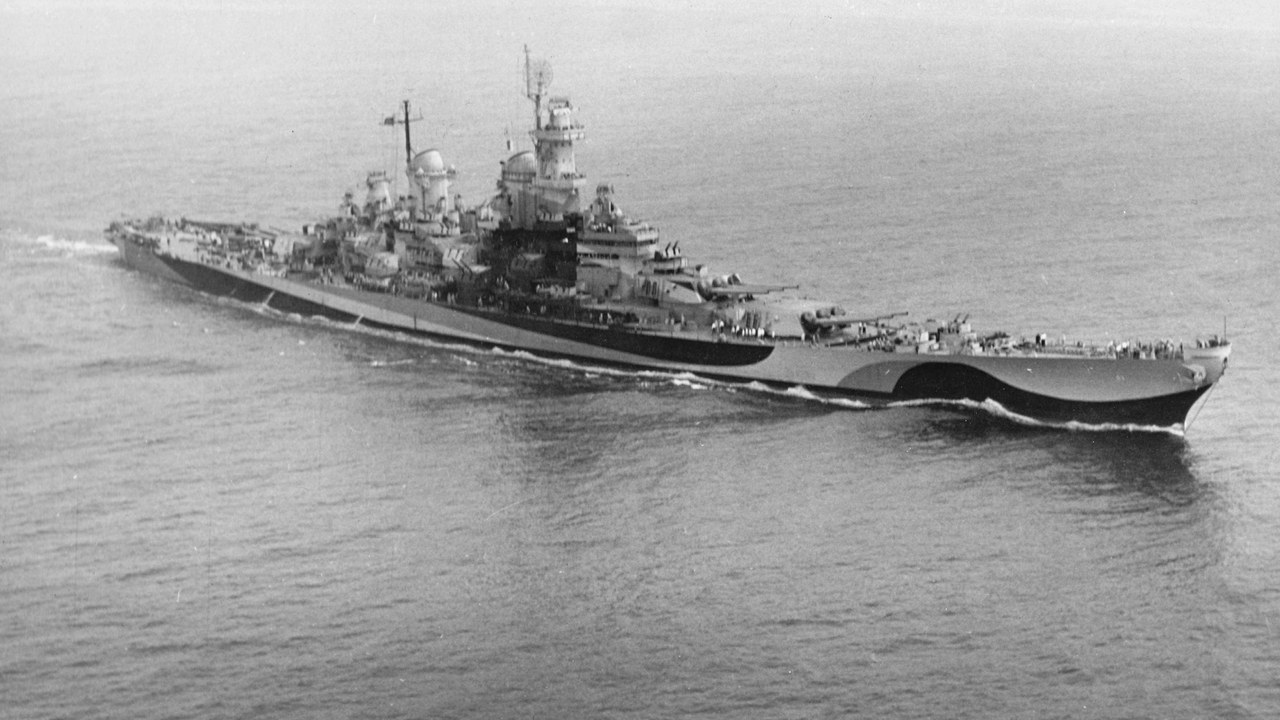
Commissioned in 1944, USS Missouri saw action in World War II and the Korean War. Her most iconic moment came on September 2, 1945, when representatives of Imperial Japan surrendered on her deck.
That ceremony formally marked the end of the Second World War. Unlike many of the ships of her era, she went on to a long service history after the war.
18. HMS Vanguard: The Last One Ever Built
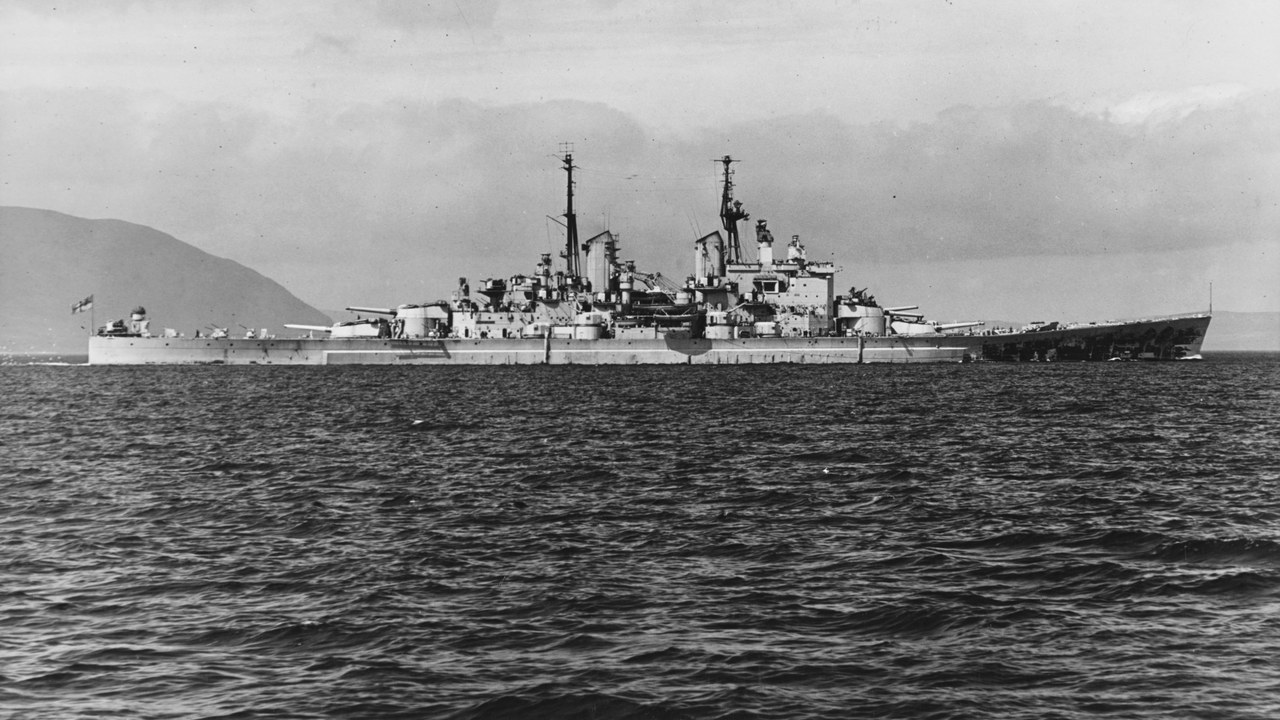
HMS Vanguard, commissioned in 1946, was the last battleship ever built by any nation. At 51,420 tons, she was also among the biggest ever, behind only the Yamato, Iowa and Bismarck classes.
By then the battleship had already surrendered its supremacy to aircraft carriers. Treaty limits after World War I had capped battleship size, but they lapsed in 1936, and the giants of World War II followed.
More from Morning Overview
- Melting permafrost is setting off a newly identified kind of catastrophic landslide, scientists say
- Cadillac cut the price of its cheapest EV, which goes up to 317 miles on a charge
- Winter weather advisories cover I-80, I-70 and the Bighorns with up to 15 inches of snow
- Arizona’s governor declared a statewide emergency after Flagstaff logged its wettest Nov. 1 on record
