
The Northeast Corridor depends on a handful of century-old crossings between New Jersey and New York. A new fixed bridge over the Hackensack River has just replaced the oldest weak link, but the tunnels, viaducts and station behind it are still part of a larger rebuilding effort. Here are twelve places that explain how the route works and what is changing.
Read next on Morning Overview: Microsoft says its November Windows security updates are breaking printing for some users
Portal North Bridge: Fixed Span Opens
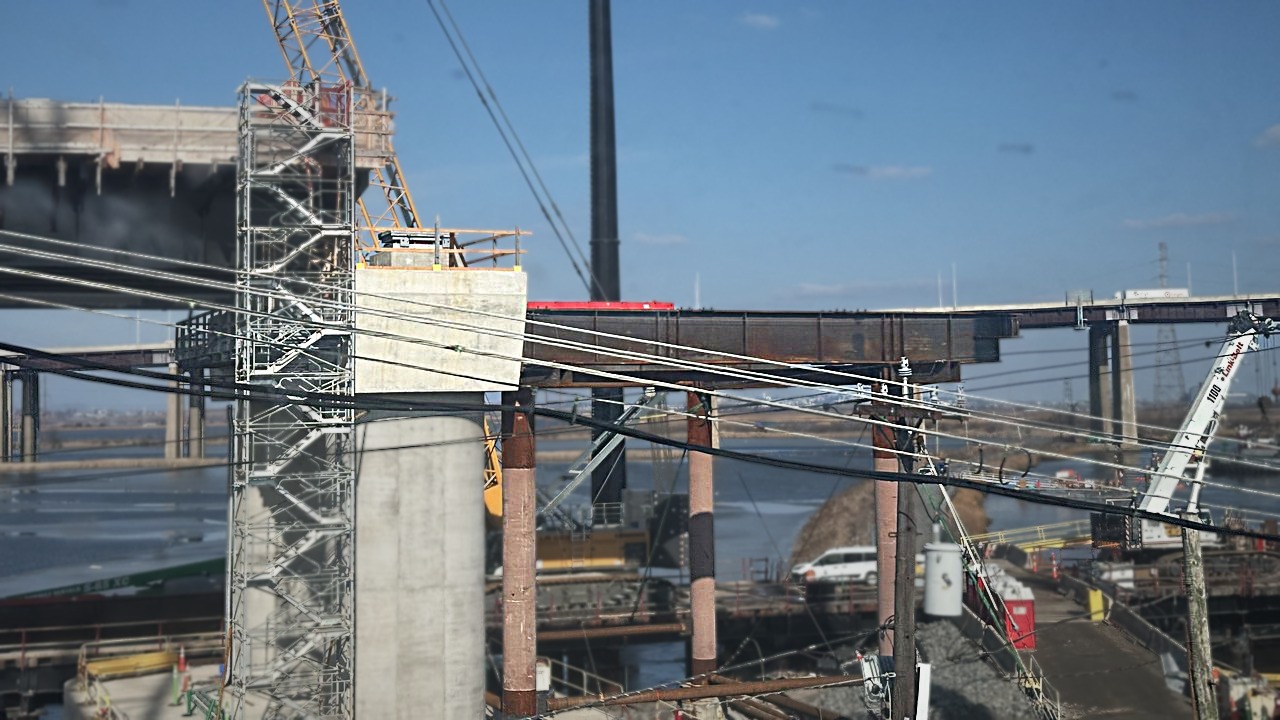
On November 16, 2026, both tracks of the new fixed-span bridge entered full service after a five-week cutover, according to NJ Transit and Amtrak. The structure rises 50 feet over the Hackensack River, doubling the height clearance of the structure it replaces.
The change removes a moving part from one of the busiest stretches of rail in the country. A span that never has to swing open cannot jam in the open position, so riders on the Northeast Corridor no longer depend on a mechanism that dates to the early twentieth century.
Portal Bridge: The Old Swing Span
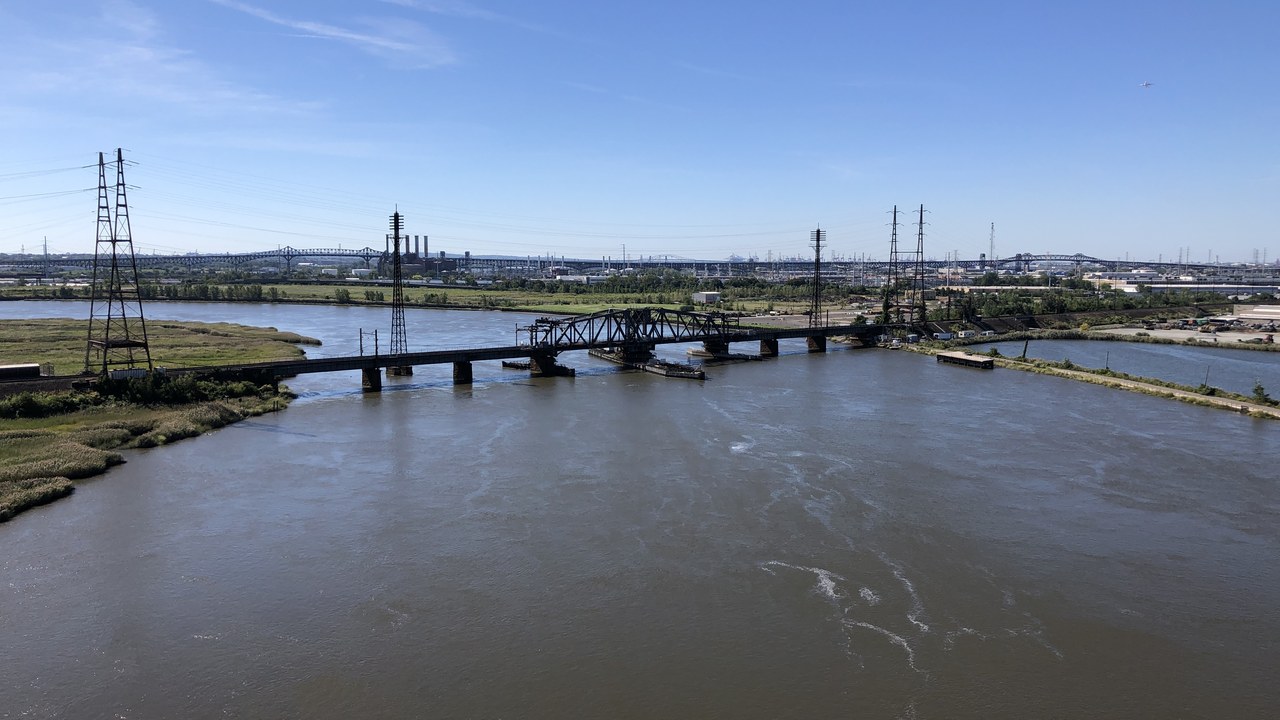
The 1910 swing bridge has been called the Achilles’ heel of the Northeast Corridor, and the label rested on a measurable defect. The rails could fail to lock into place after it swung shut, and Wikipedia’s account puts the rate at about one closing in seven.
For commuters, that meant delays that had little to do with weather or crowding. Every opening for river traffic carried a chance of a stall, and the whole corridor inherited the risk. The 116-year-old crossing is the reason the replacement was treated as a priority.
Hackensack River: Marine Traffic Passes Under
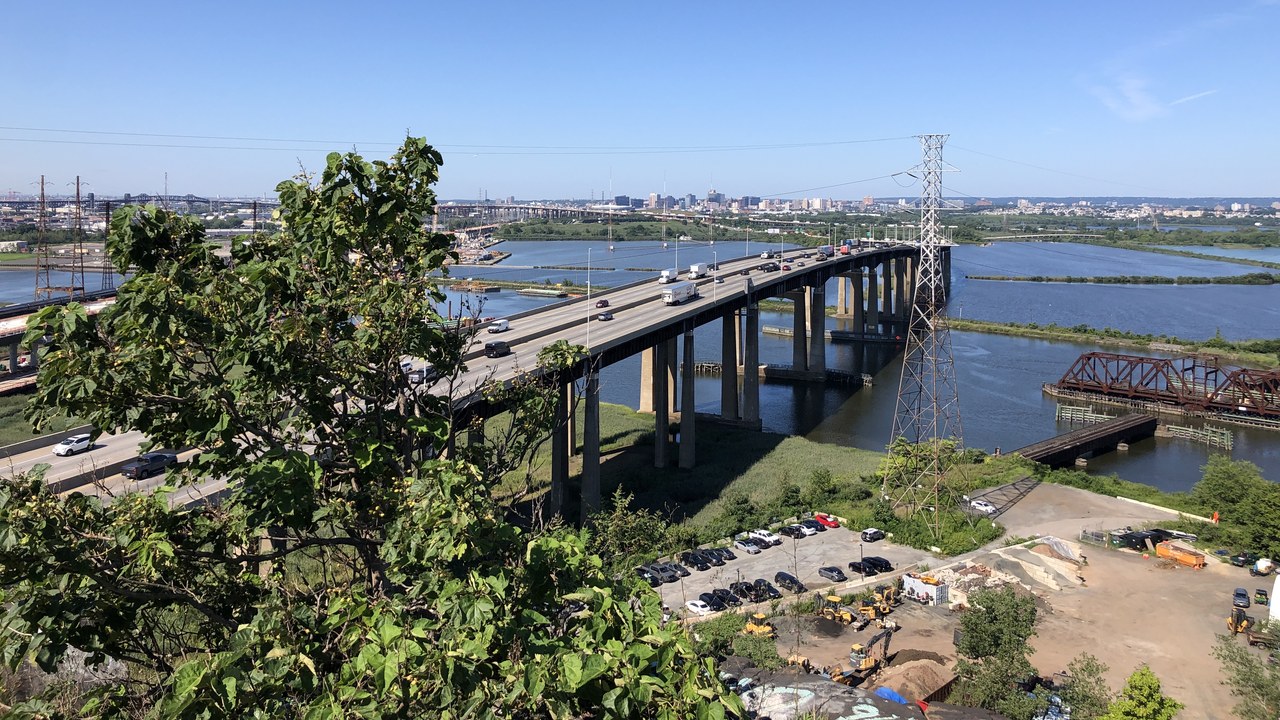
Because the new span is fixed, it does not have to open for marine traffic to pass under. Boats on the Hackensack River sail beneath the girders without halting a single train, and trains no longer wait for boats.
The old arrangement forced two modes of transport to take turns on the same narrow stretch of water and track. Removing the opening ends that conflict. It also removes a recurring maintenance burden, since a swing mechanism needs power, alignment and locking hardware that a fixed bridge simply does not have.
North River Tunnels: Twin Tubes Under the Hudson
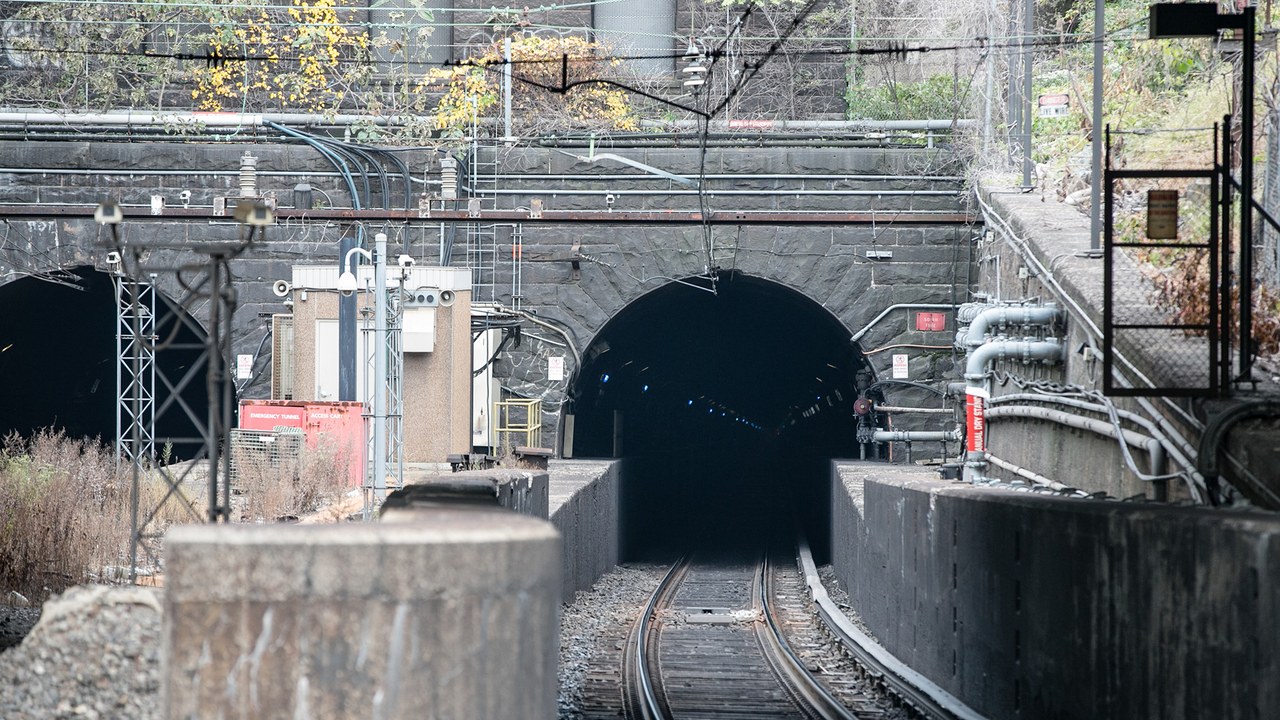
The Pennsylvania Railroad built the North River Tunnels between 1904 and 1908, and they opened on November 27, 1910. The twin tubes run beneath the Hudson, linking New Jersey with Manhattan, and they opened in the same year as the old Portal Bridge.
The pairing is no coincidence: the bridge and the tunnels formed one early-twentieth-century route into New York. More than a century later, both pieces of that system have been carrying modern traffic on original infrastructure, which explains why the bridge replacement is part of a wider effort rather than a standalone fix.
Hurricane Sandy: Floodwater in the Tubes
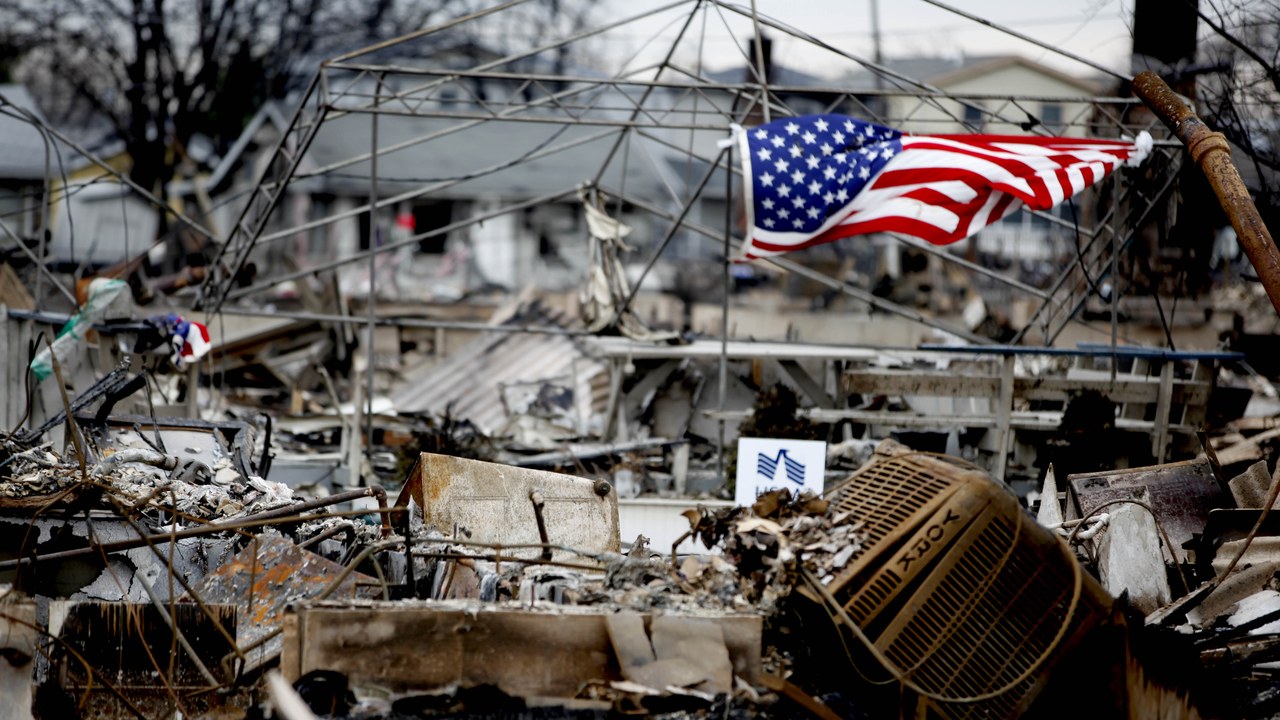
In October 2012, seawater flooded both tubes of the North River Tunnels during the storm. As the tunnel history on Wikipedia records, the surge damaged overhead wires, electrical systems, concrete bench walls and drainage systems.
The damage showed how exposed century-old rail infrastructure can be to a single major storm. Salt water is especially hard on electrical equipment, and repairs were not a matter of simply pumping the tubes dry. The episode gave planners a concrete argument for building additional capacity under the river instead of relying on one pair of tunnels.
New York Tunnel Extension: The Original Route Into Manhattan
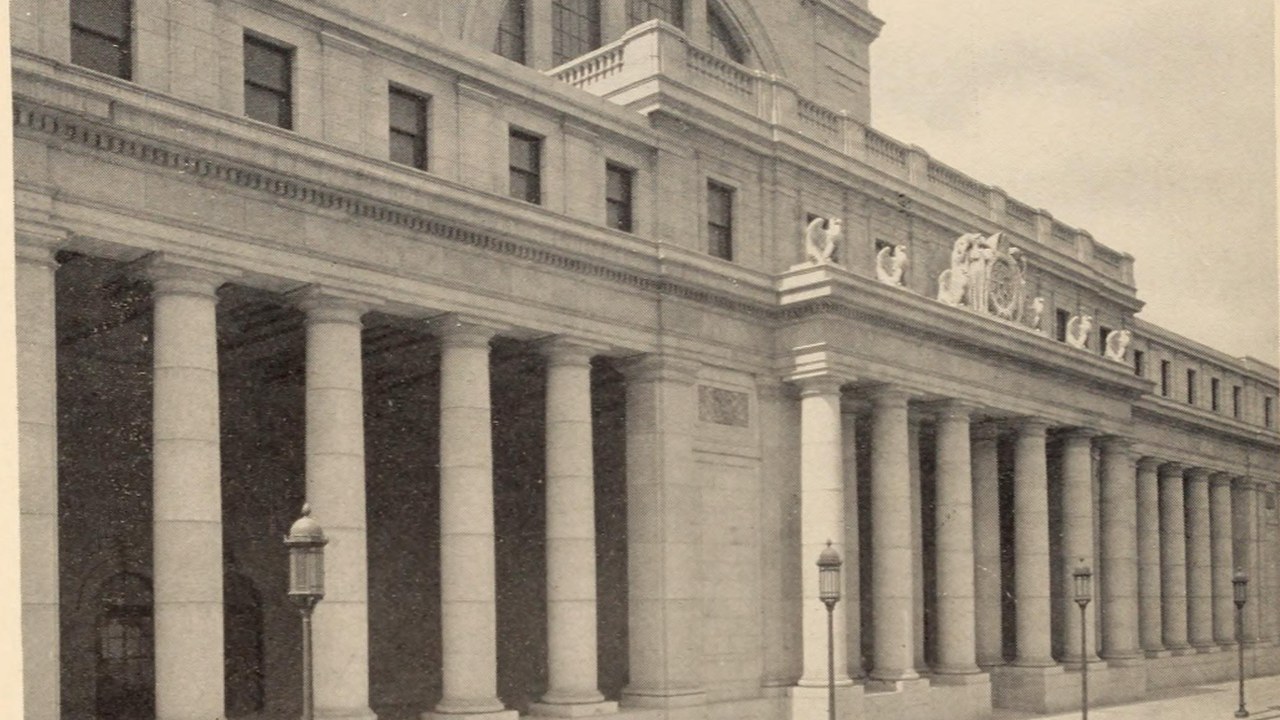
The New York Tunnel Extension was the 1910 project that carried trains into New York Penn Station. In the words of the North River Tunnels article, it was completed when the extension reached the station.
The extension tied together the Hudson tunnels, the approach through New Jersey and a new terminal in Manhattan. That is why the old bridge and the old tunnels are discussed together today: they are parts of the same century-old system, and each is now being replaced or supplemented by modern work.
Gateway Program: The Wider Expansion
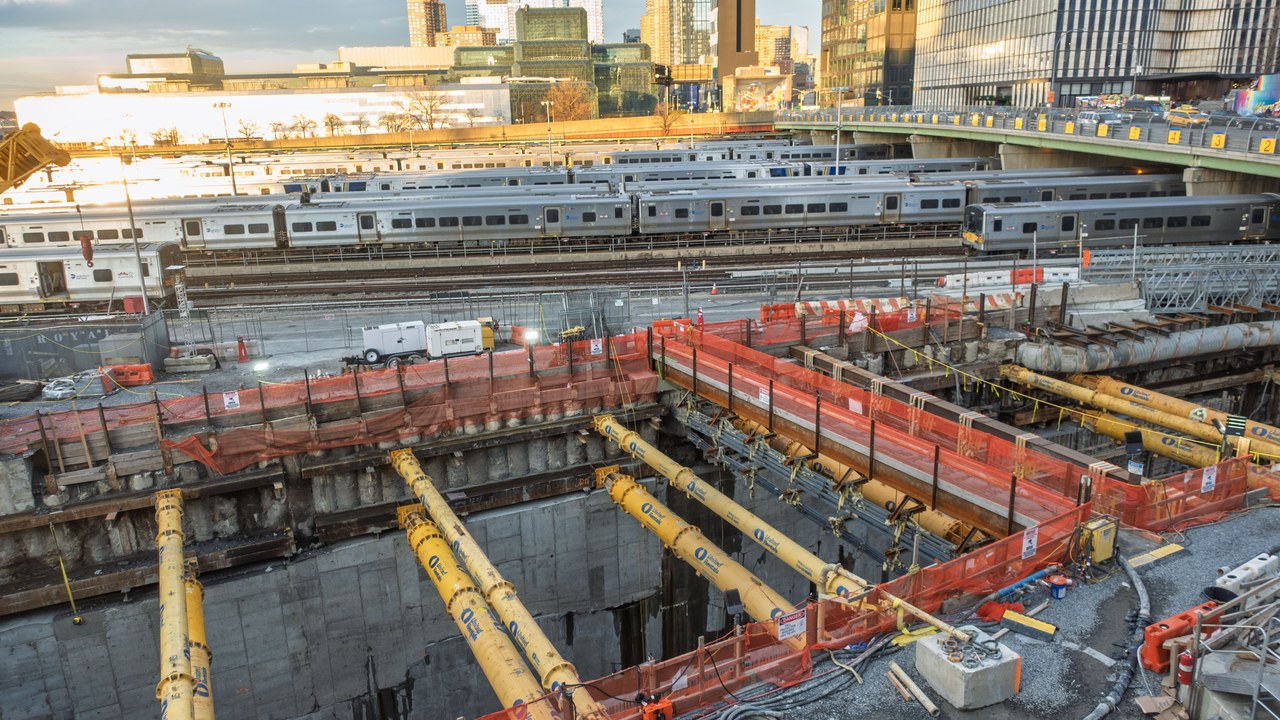
The Gateway Program is an ongoing expansion and renovation of the Northeast Corridor rail line. The new Portal North Bridge is one piece of it.
The bridge is therefore best read as an opening installment, not the finish line. Riders will see the benefit first at the Hackensack crossing, while the more complex Hudson work continues. Whether the whole program delivers its promised capacity depends on those later phases, which remain under way as of November 2026. The program’s name reflects its aim of acting as a gateway between New Jersey and New York.
Hudson Tunnel Project: A Planned Second Crossing
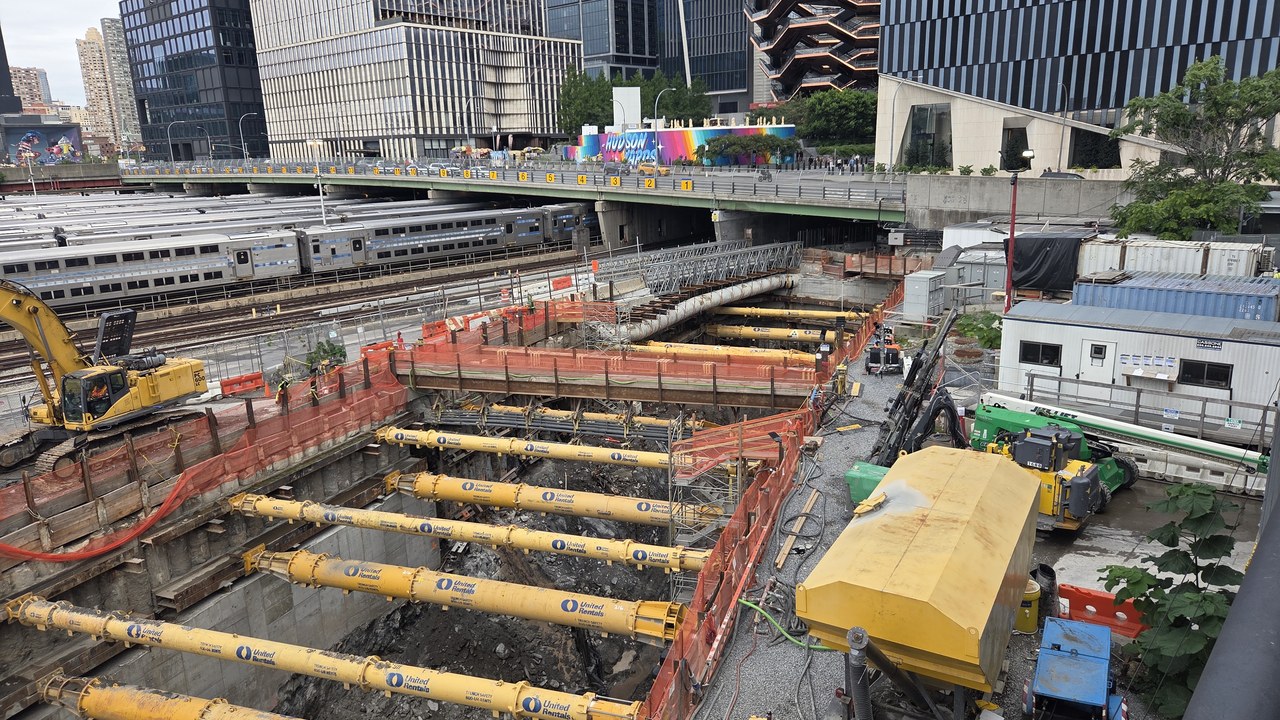
The Hudson Tunnel Project is a planned new crossing of the river. According to the Gateway Program description, the tunnel would be constructed through the use of two tunnel boring machines beneath the river bottom.
If completed as described, it would give the corridor a second route under the Hudson, so the existing tubes could be taken out of service for repair without halting the line. That redundancy is the central purpose. Because the project is a plan rather than a finished structure, its timing and final design remain subject to change.
Sawtooth Bridges: Replacing the Viaducts
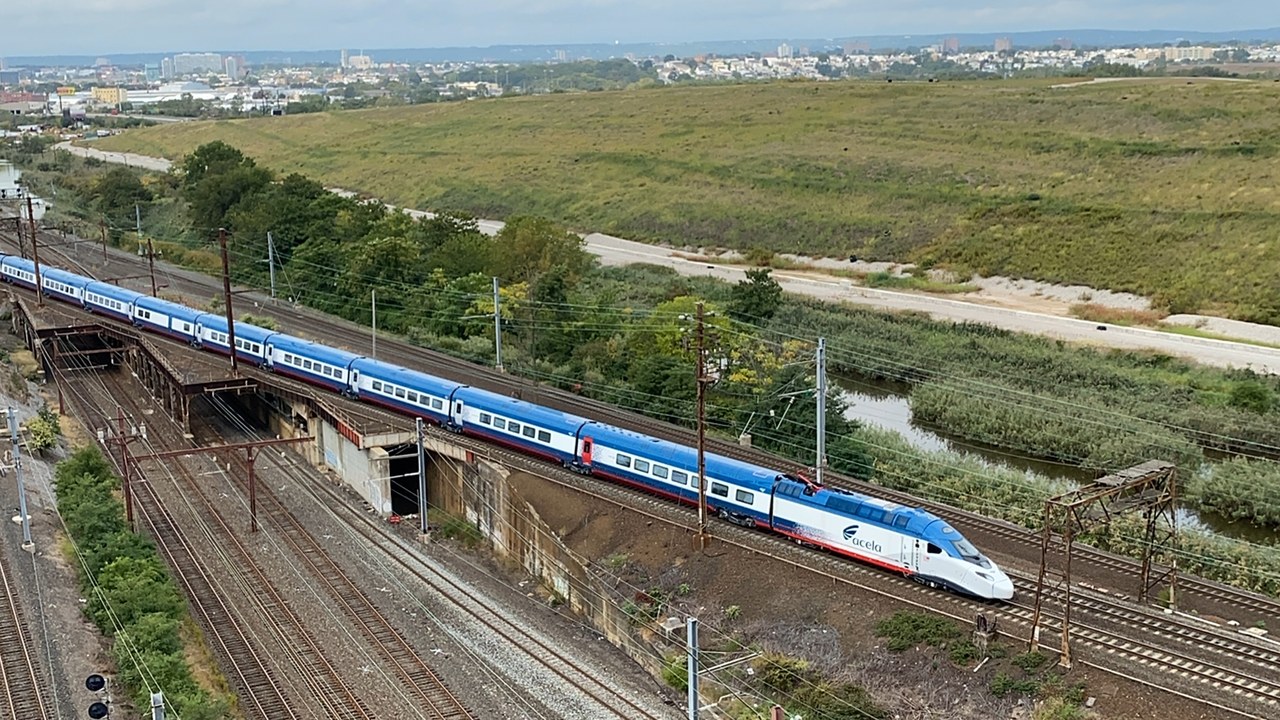
Plans call for replacing two 1907-era viaducts in the Kearny Meadows with three new bridges. The two existing structures, known as the Sawtooth Bridges, are roughly as old as the Portal Bridge itself.
The proposed work targets another aging piece of the approach to the Hudson tunnels. Three bridges would replace two, which suggests added track capacity in the same marshy stretch of New Jersey. As a plan, the scope and schedule could shift, but the intent is to modernize the full chain of crossings.
New York Penn Station: Penn Station’s Proposed Annex
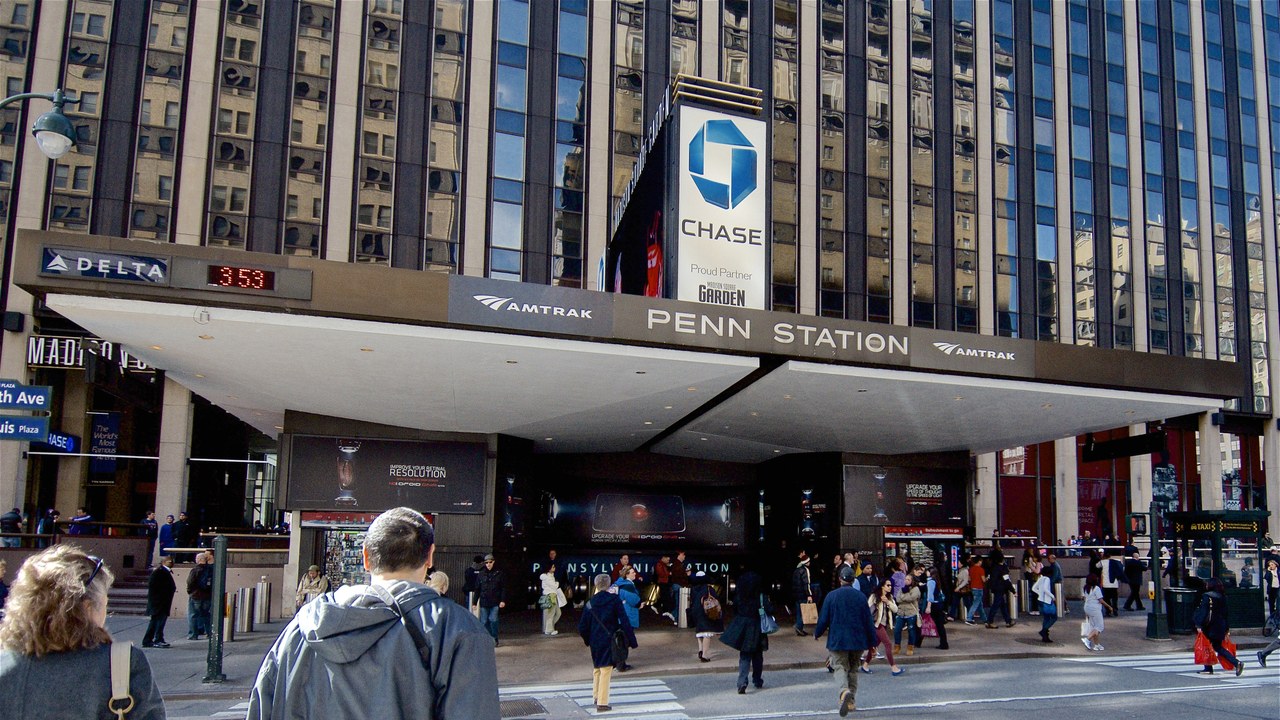
Plans call for a seven-track, four-platform annex known as Penn Station South, according to the Gateway Program plans. The annex is intended to expand New York Penn Station, the Manhattan terminus of the Hudson crossings.
New bridges and tunnels only help if trains have somewhere to go at the end of the line. Extra platforms and tracks would relieve a terminal long known for tight capacity. Because the annex is a proposal, details could change before construction, and it would arrive well after the new bridge.
Secaucus Junction: The Hub in Between
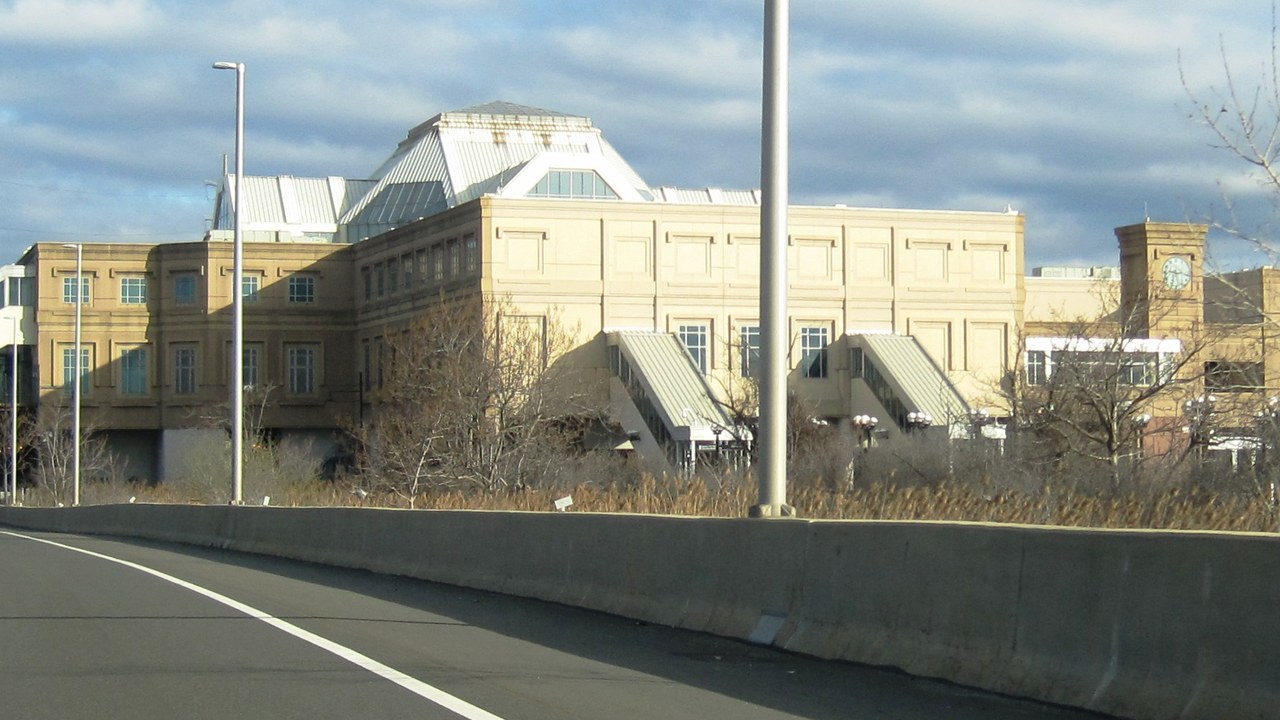
Secaucus Junction is an NJ Transit hub on the Northeast Corridor, sitting between the bridge and the Hudson tunnels. Its role is described on the station’s Wikipedia page.
The station illustrates how one stretch of track serves several lines at once, which is why a single failure at a crossing nearby can ripple across the whole network. Travelers transferring there rely on the bridge, the tunnels and the track between them all working together on the same day. For a rider, the practical takeaway is that reliability at each link matters as much as the headline capacity of any one structure.
Northeast Corridor: The Line Tying It Together
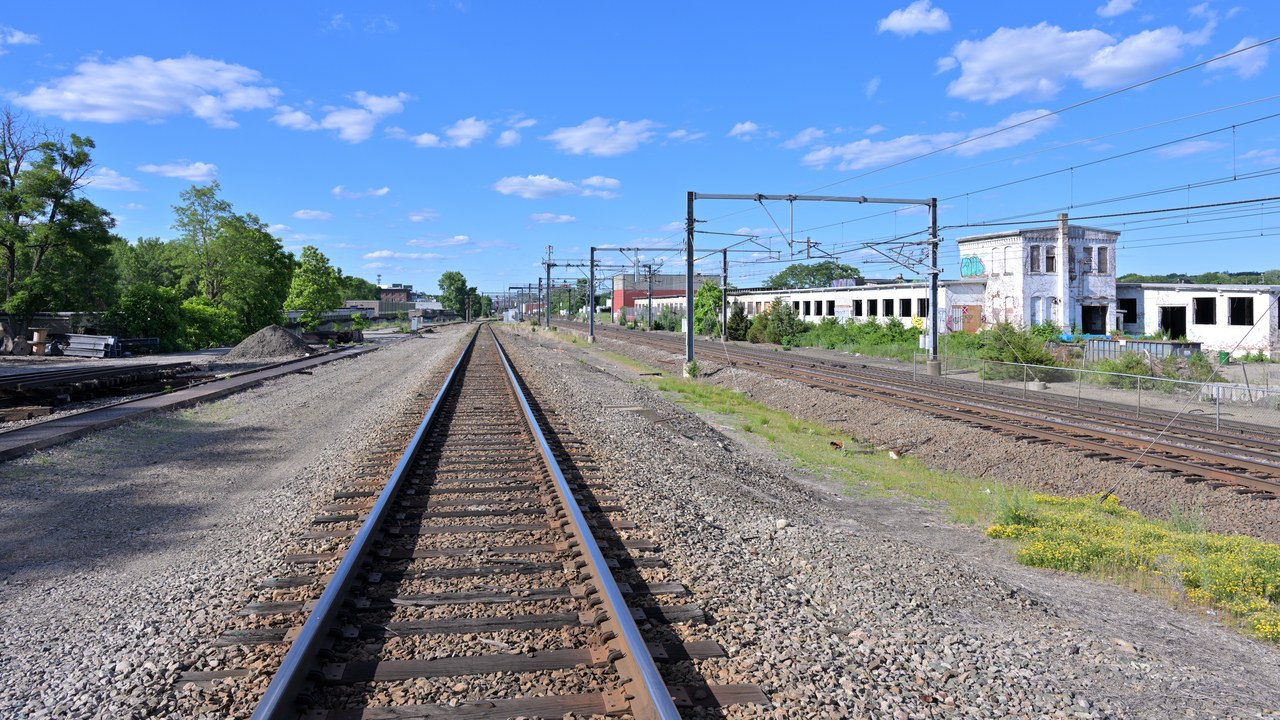
The Northeast Corridor is the busy rail line that all of these crossings serve, as outlined on its Wikipedia entry. The bridge, the tunnels, the viaducts and the stations all sit along one connected route.
That connection explains the outsized effect of a single weak link. When one crossing stalls, delays spread along the entire line, and when one is upgraded, the benefit does the same. The Portal North Bridge opening on November 16, 2026 removes one such link, with others still to come.
More from Morning Overview
- A flight school faces a $2,388,500 FAA fine for flying an unairworthy plane
- Ocean mud suggests Cascadia and the San Andreas fault have broken within hours of each other
- 11 engines built to run well past 200,000 miles
- A dangerous unpatched Windows exploit is now public and can hand attackers full control
